Day 13: Mangalore, Karnataka
|
|
A morning at sea. Later, we tour
a cashew processing plant before
visiting Aloysius Chapel and Gokarnath Temple in
central Mangalore.
|
|
|
| |
Friday 28th February 2025
|
|
|
After two busy days
in Kerala, we were happy to have a morning free as we completed
the not inconsiderable distance up the coast to Karnataka
state and its major industrial port city of Mangalore. (Mangalore
changed its name to Mangaluru in 2014, but was referred
to in its anglicised form in all of the literature we were
given, so we're sticking to the old name for now). |
|
|
| |
|
| |
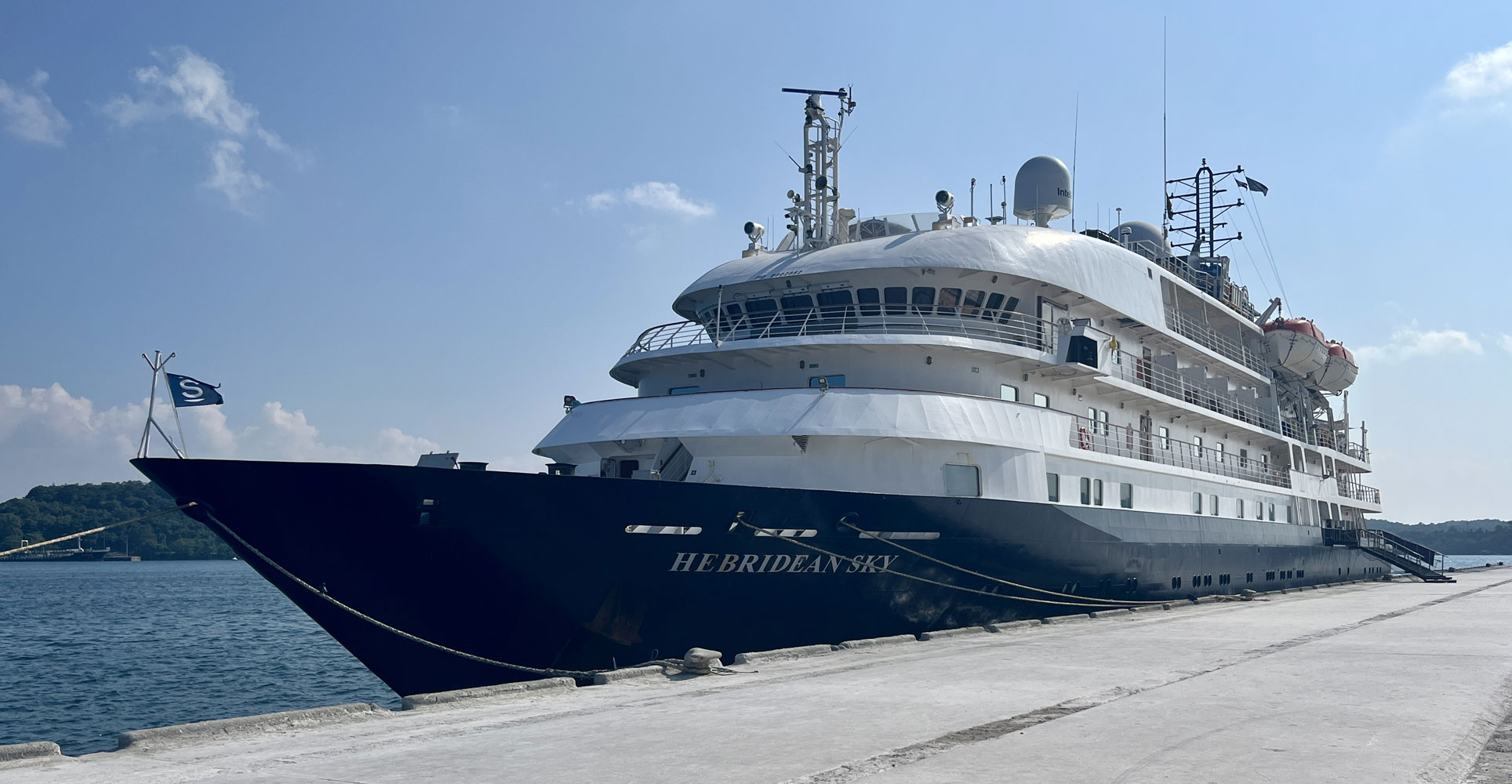
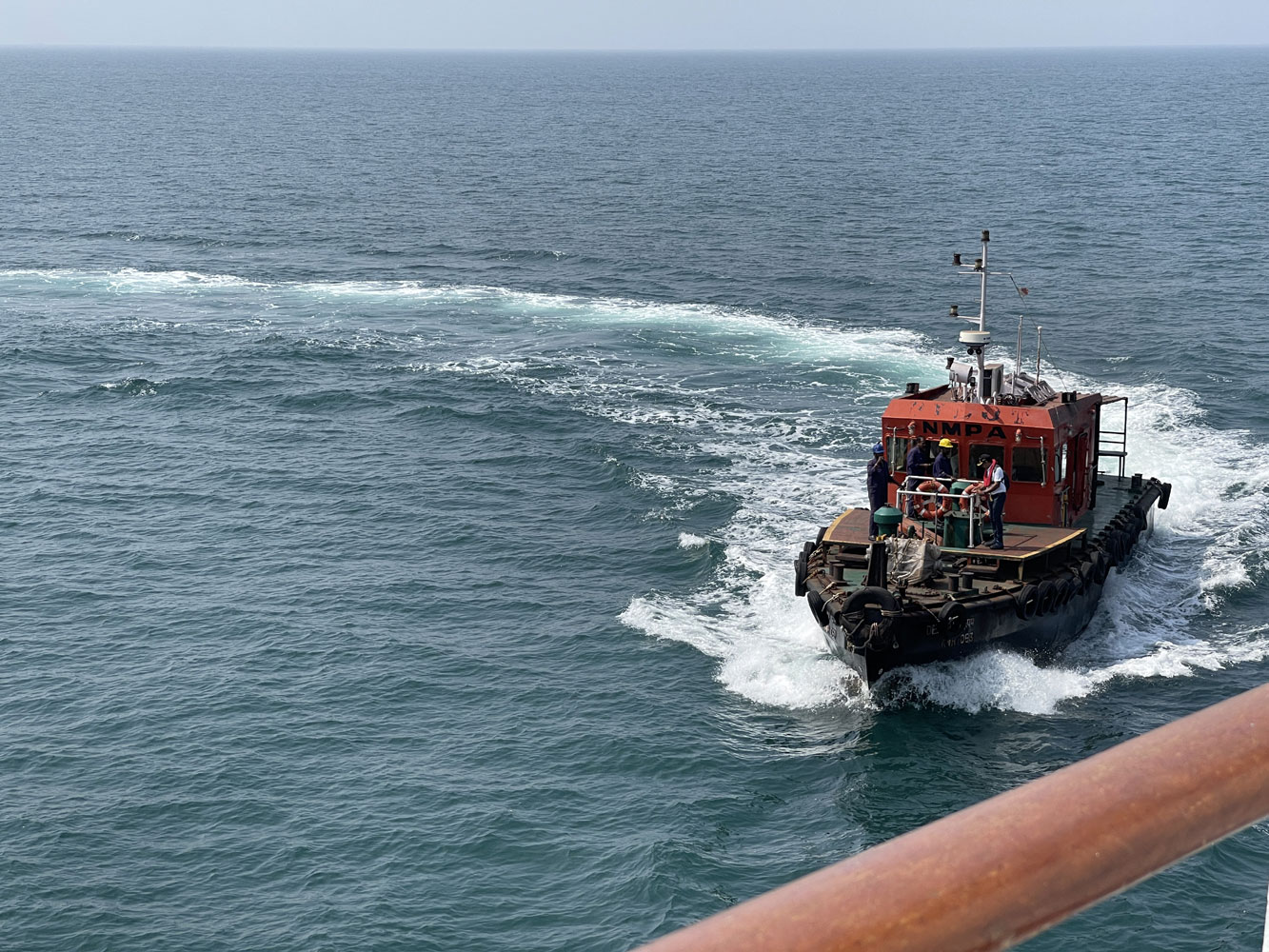
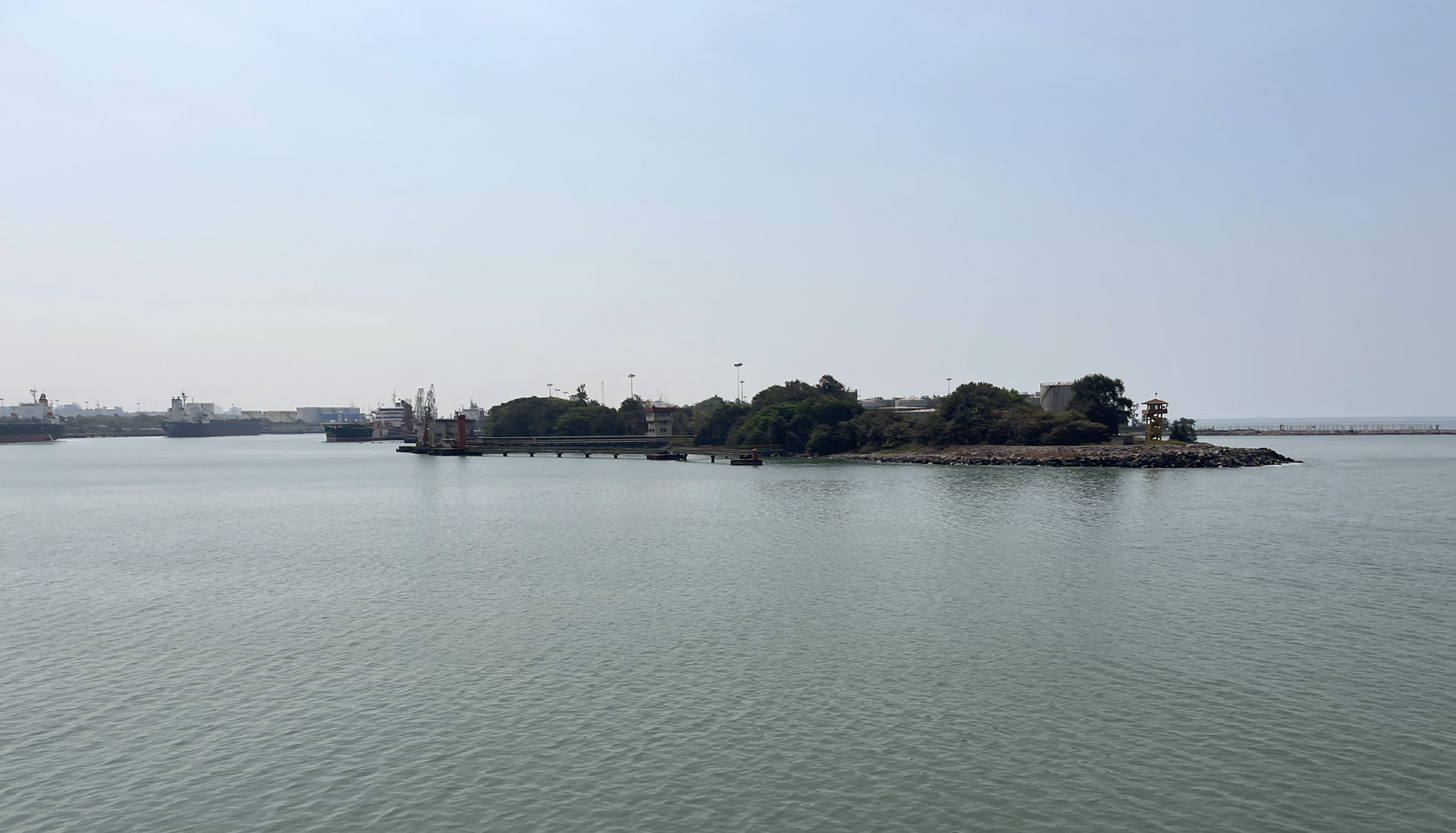
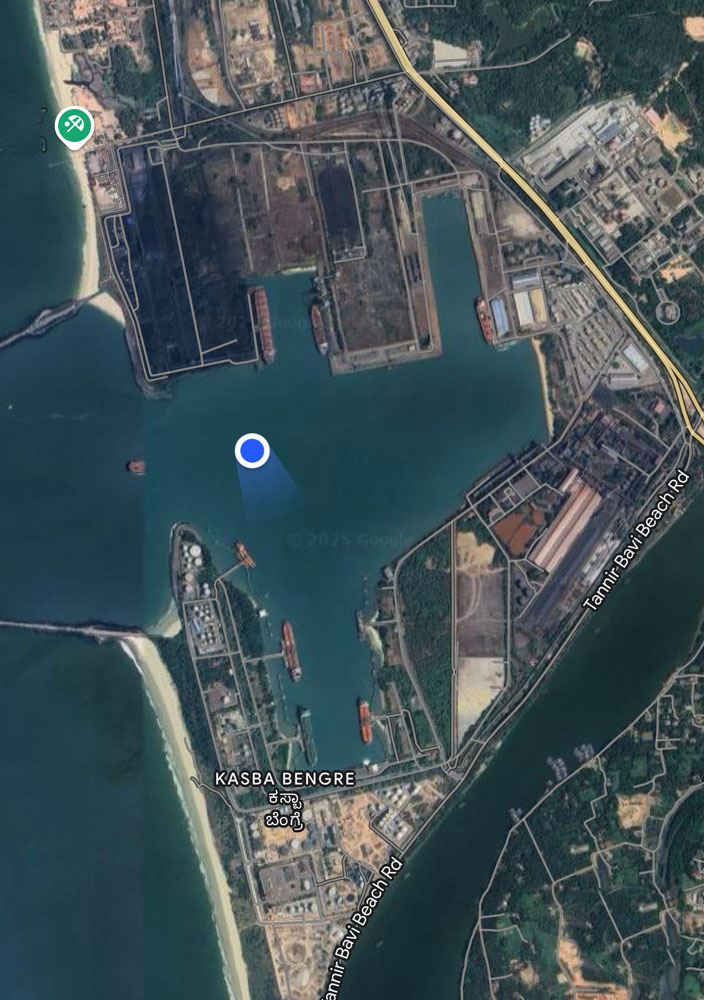
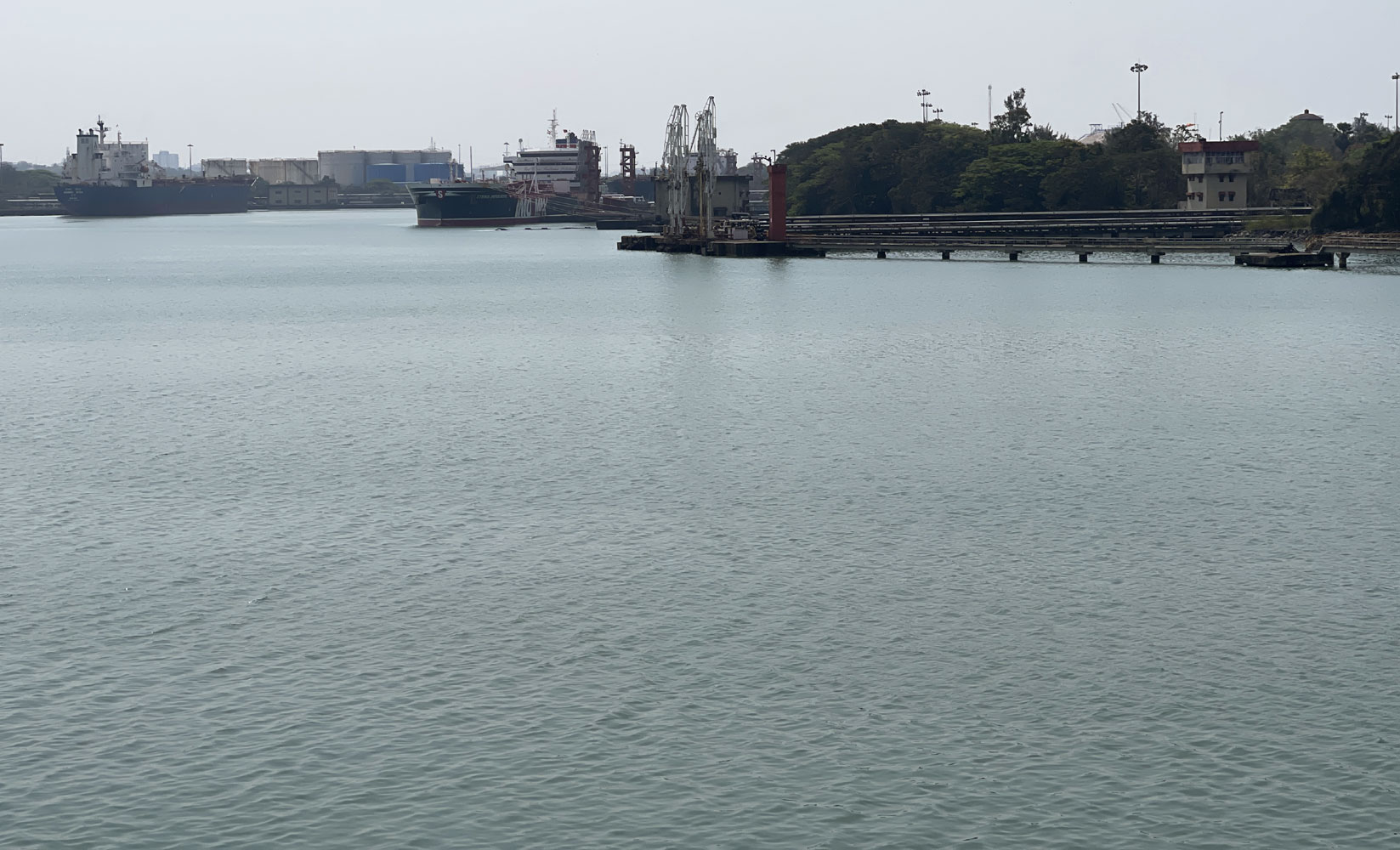
By 11:30, having picked
up the pilot a bit earlier, we were at the entrance to Mangalore's
harbour. |
|
|
| |
|
| |
|
| |
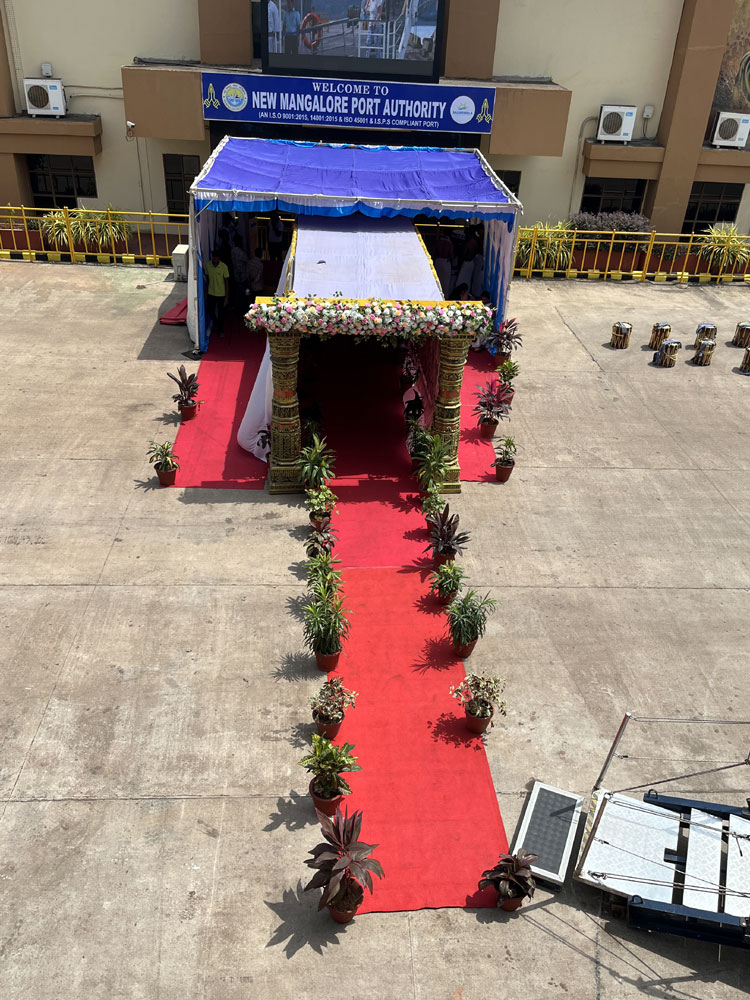
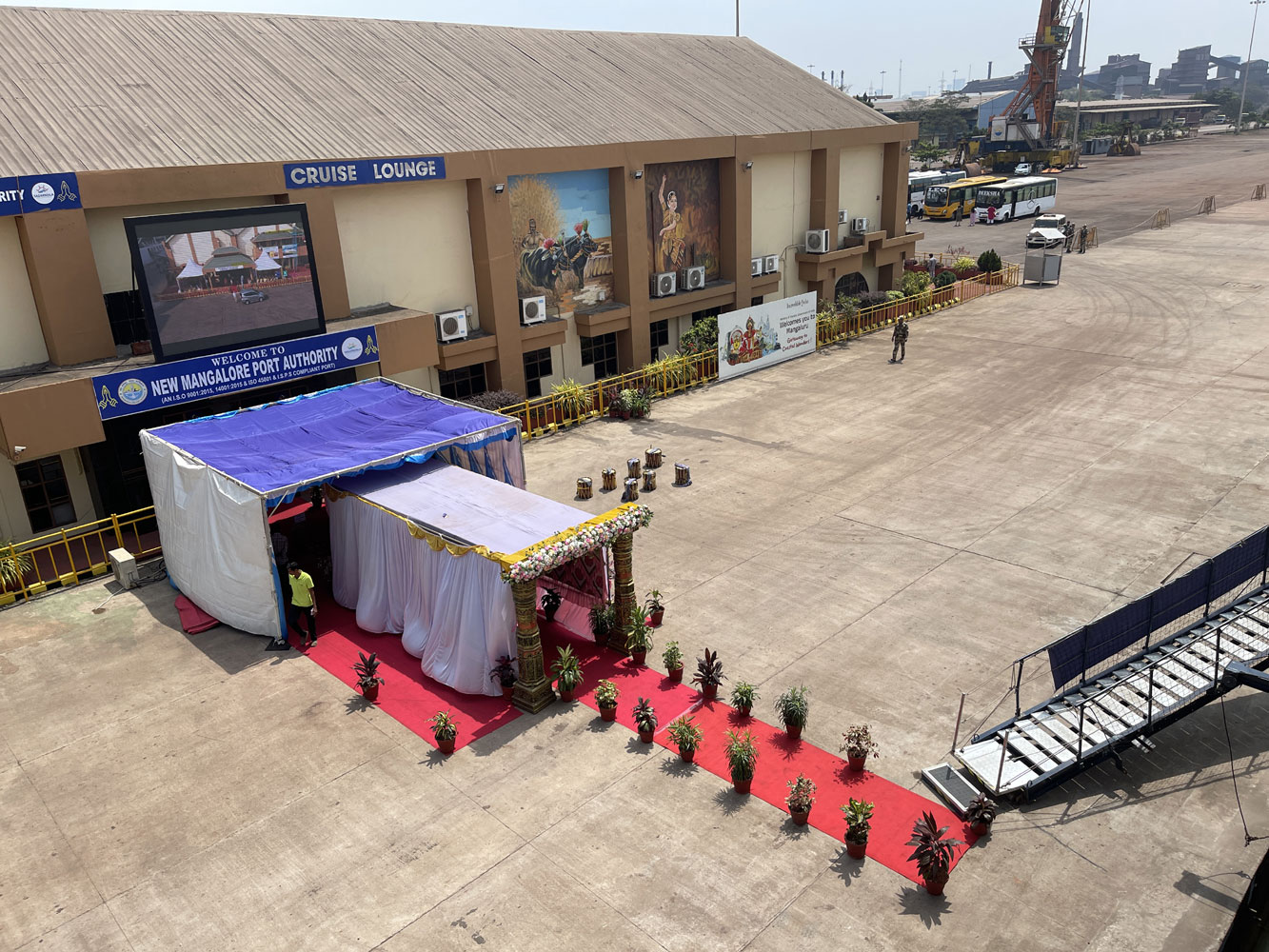
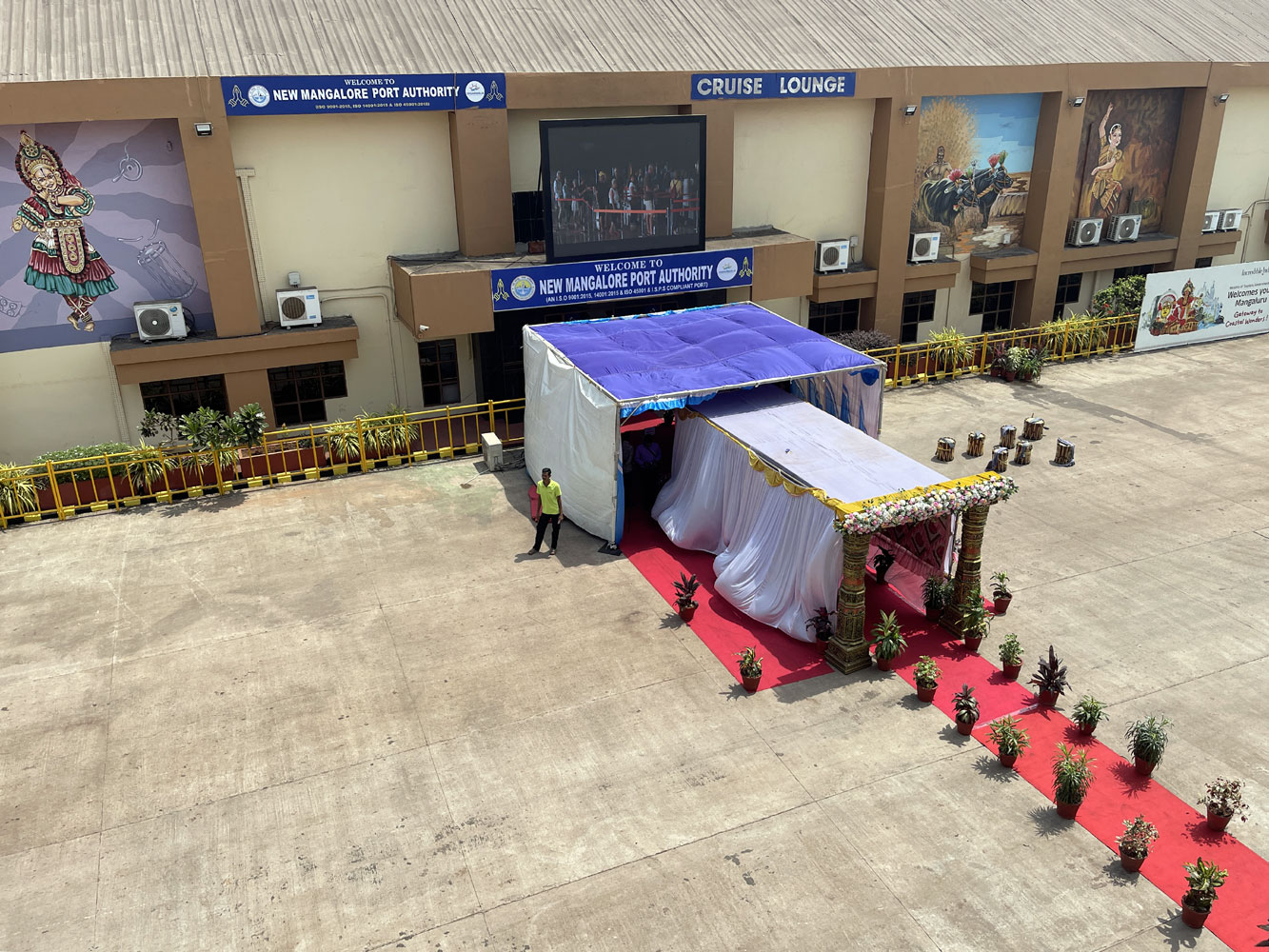
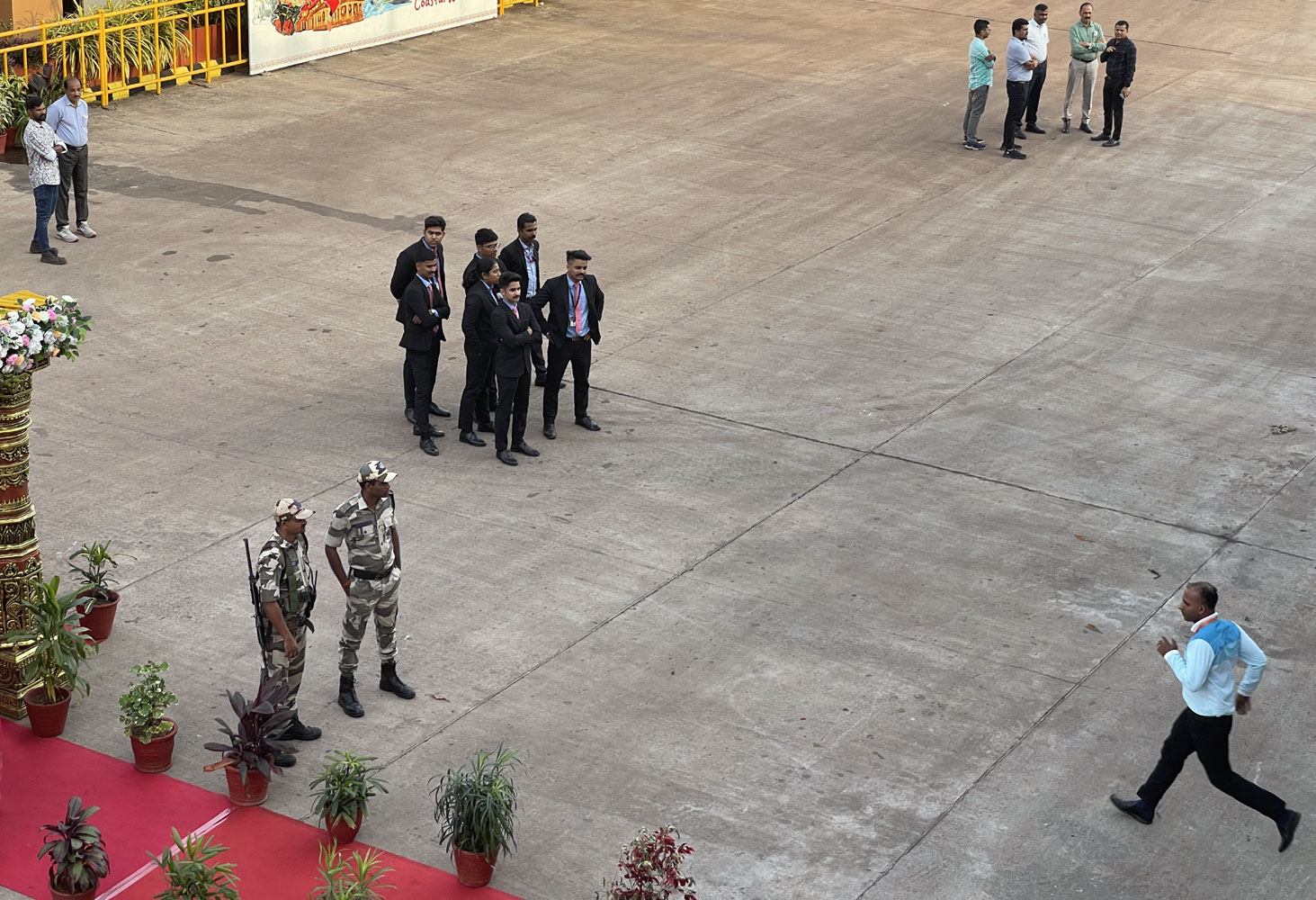
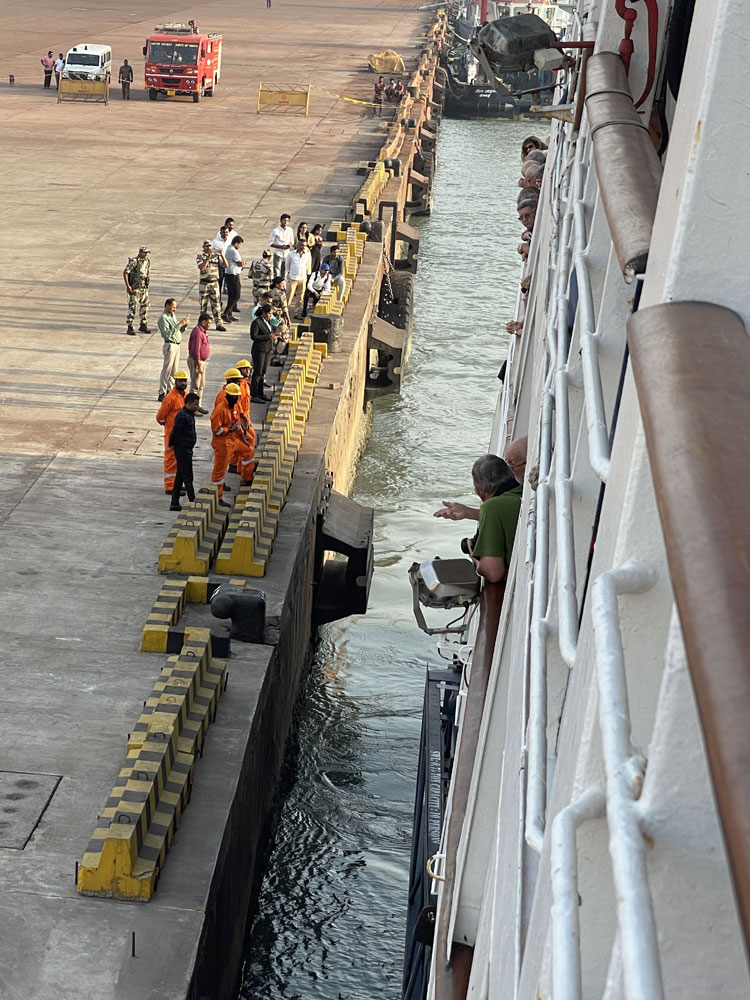
While we were having
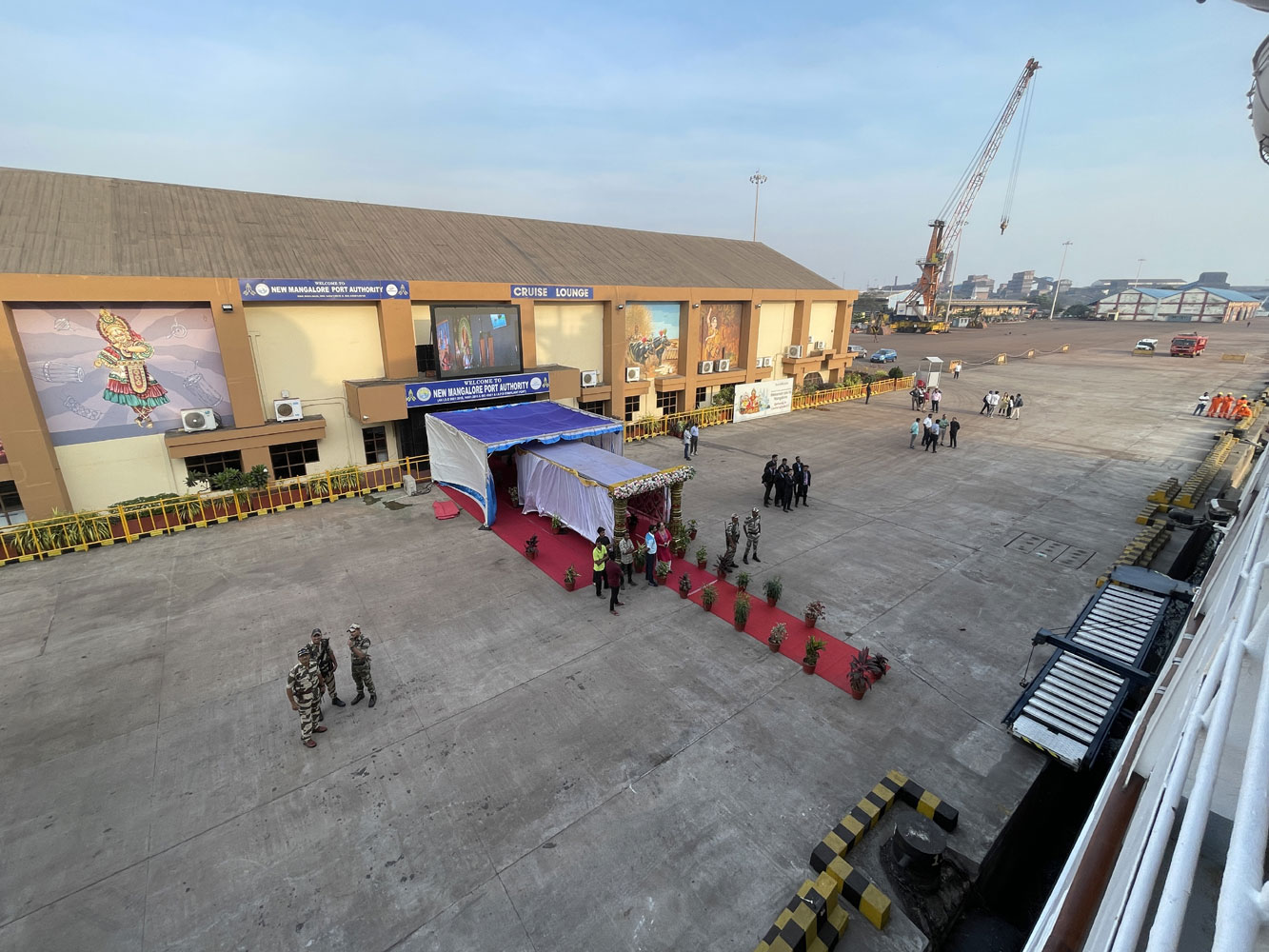
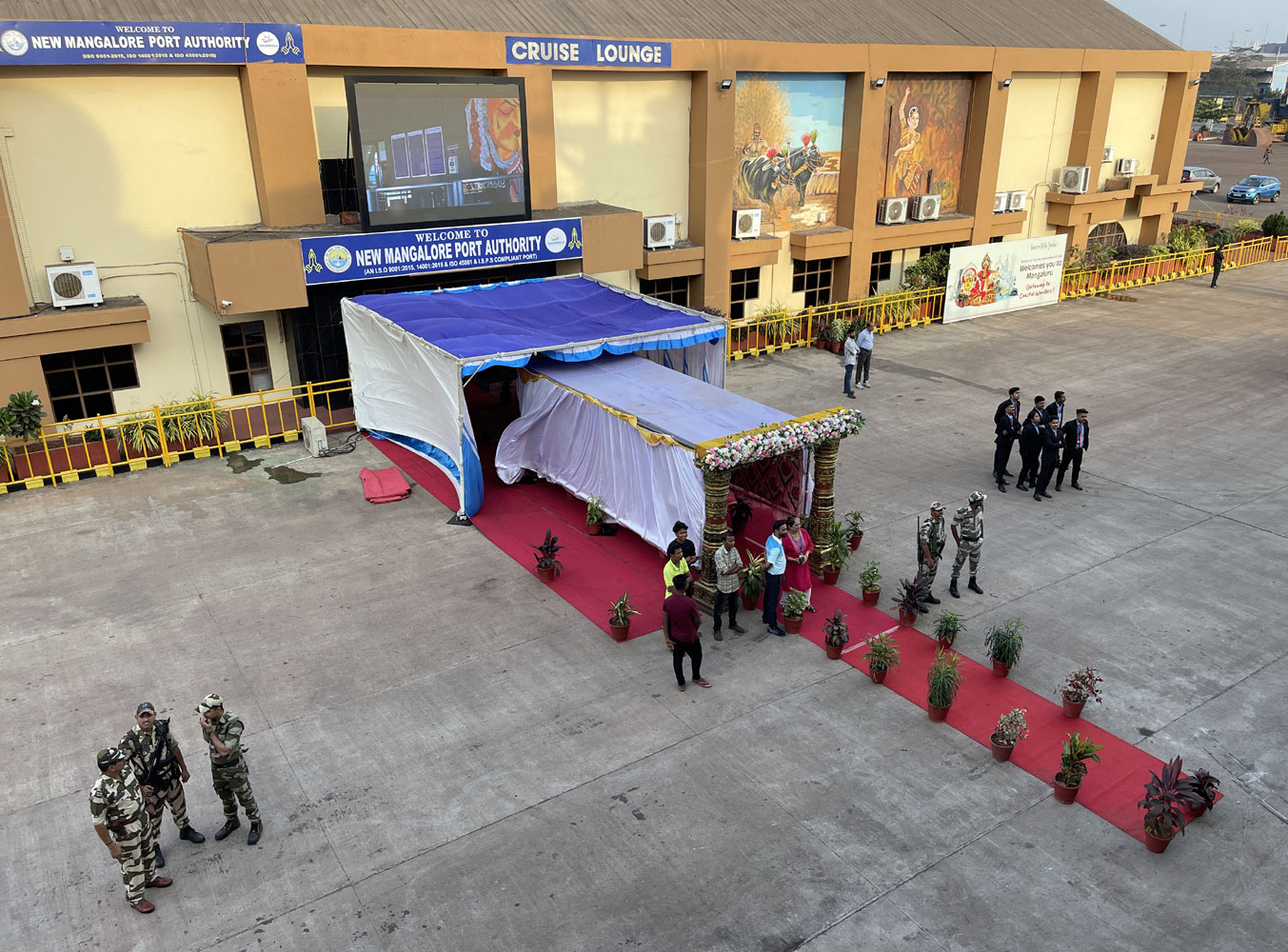
an early lunch, we docked and a red carpet was rolled out
for us! |
|
|
| |
|
| |
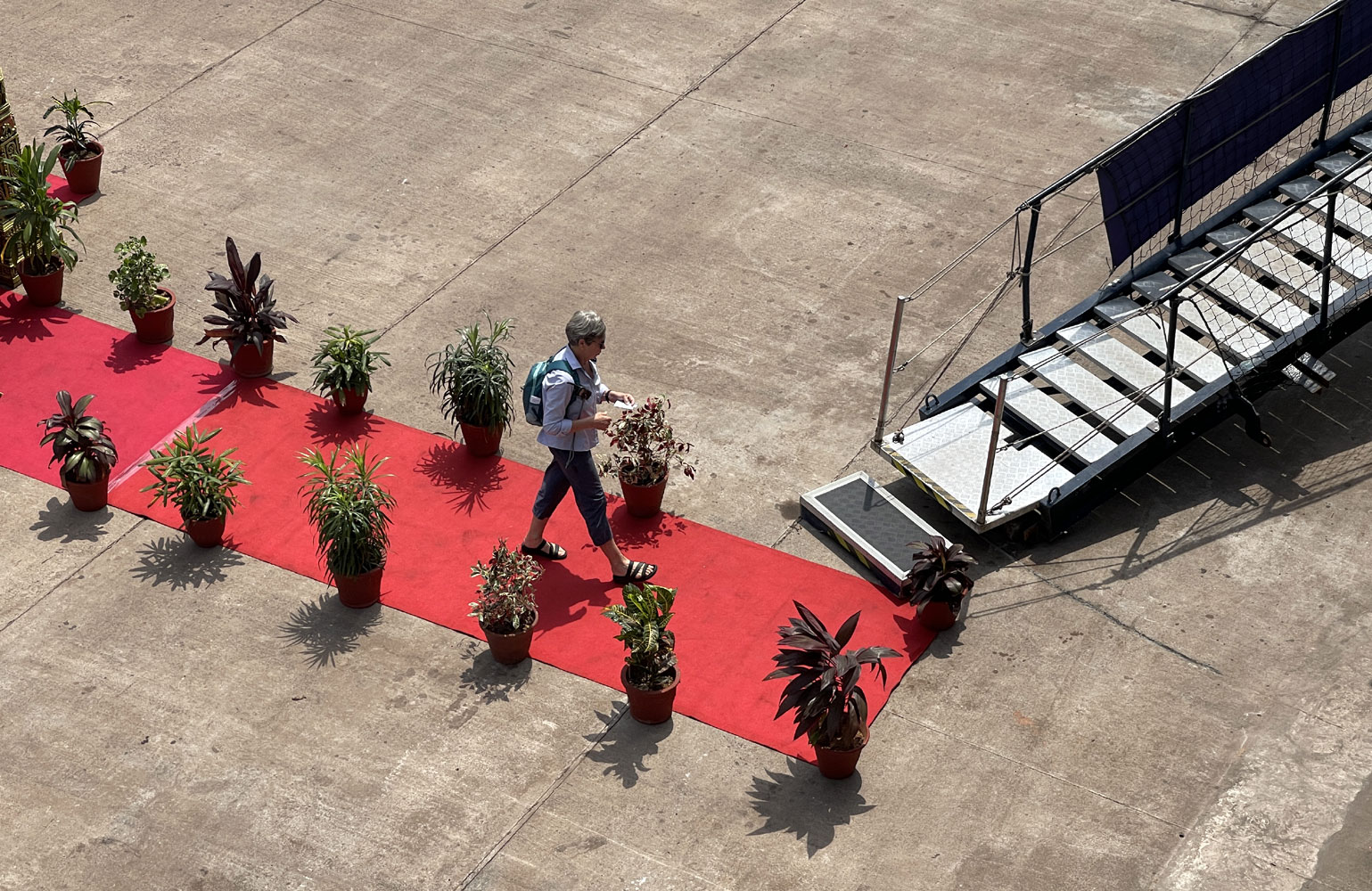
Wendy, as ever, went
out before us to ensure that everything was in order for
us to go ashore. |
|
|
| |
|
| |
|
| |
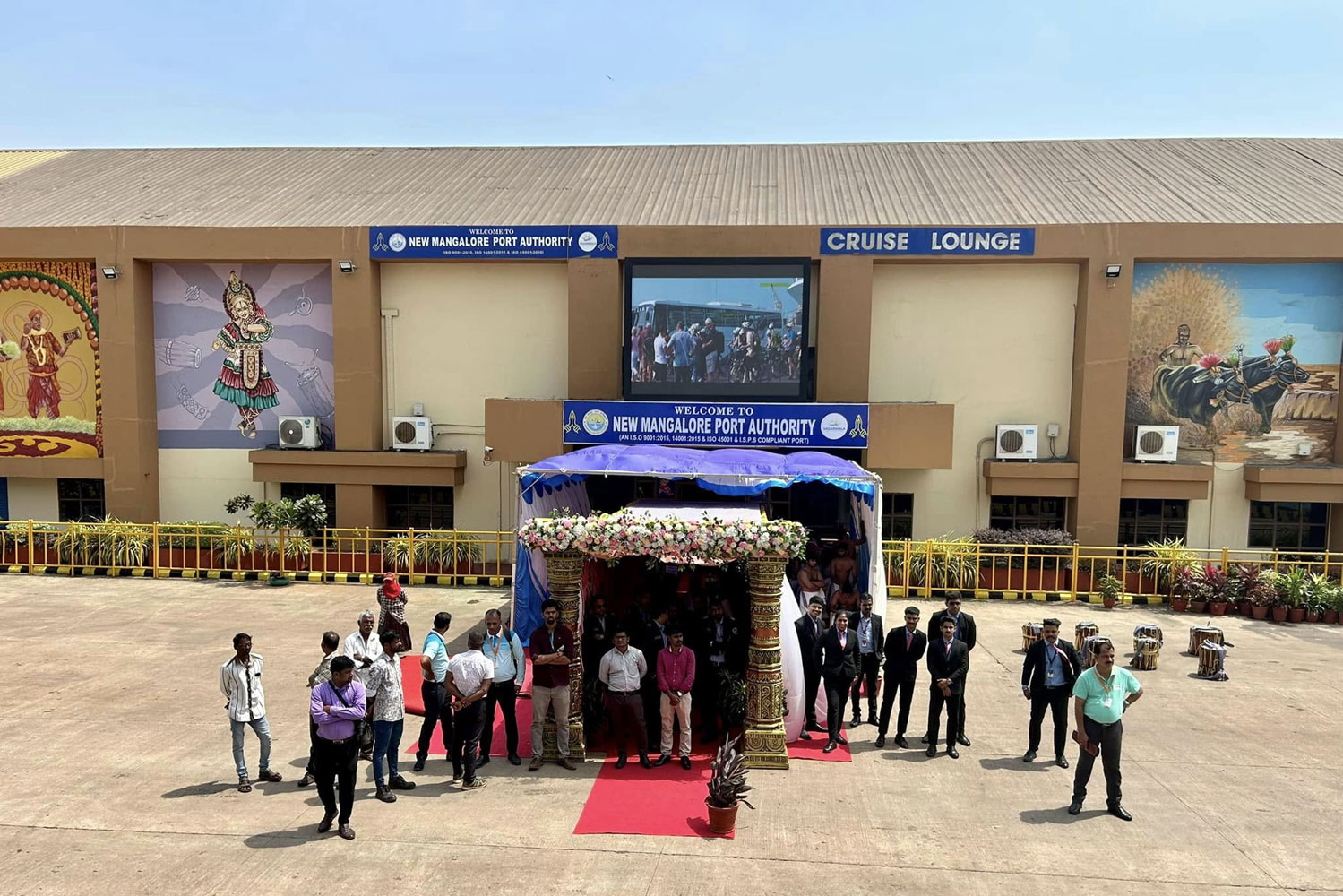
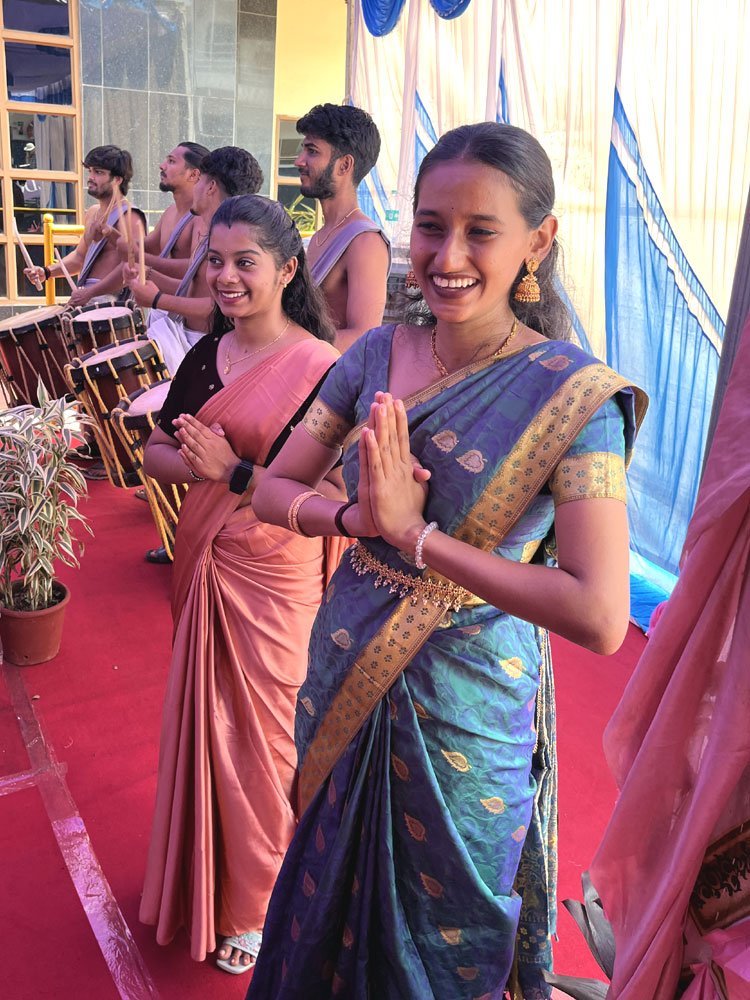
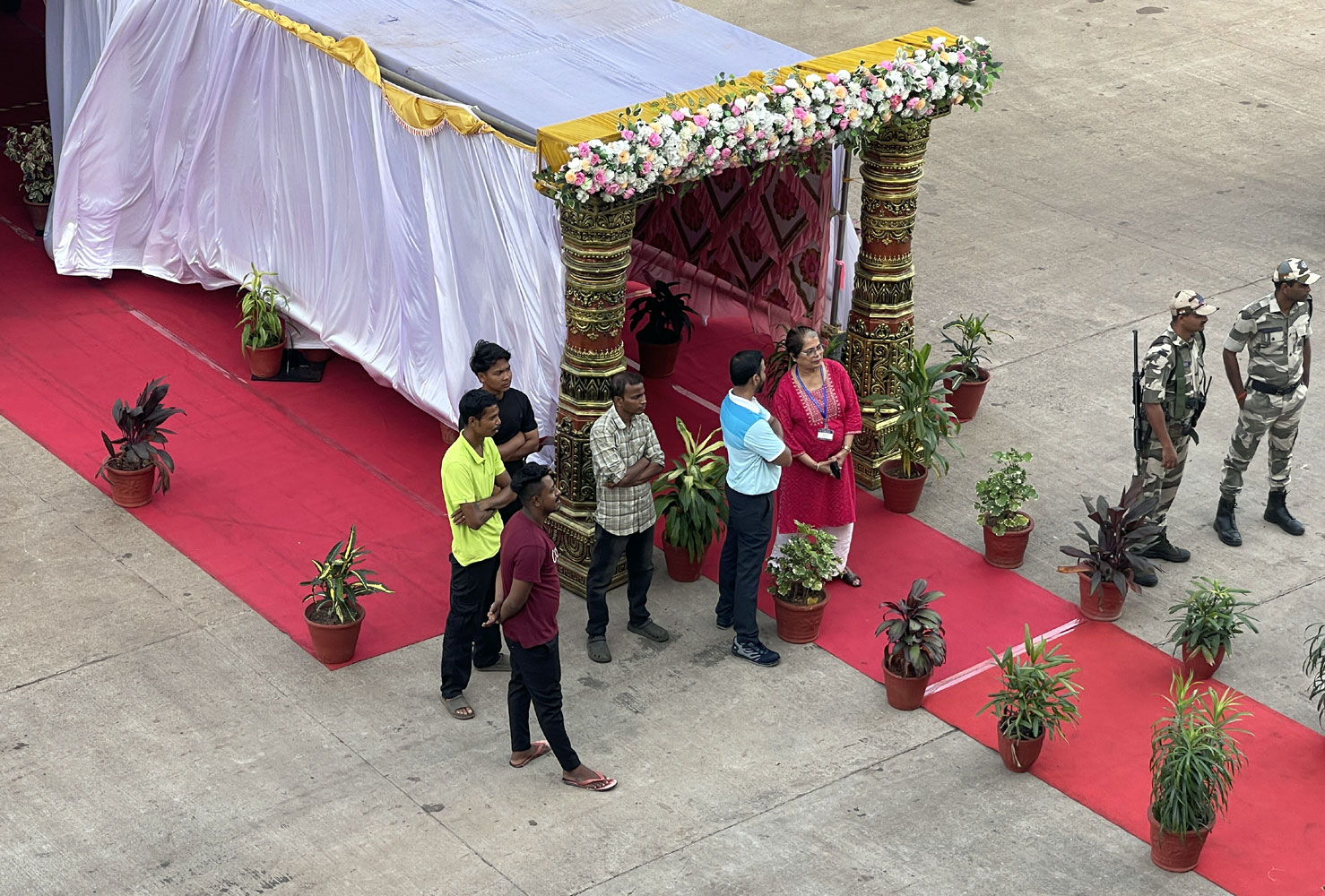
As we got ready to disembark,
a welcome party began to assemble. |
|
|
| |
What a lovely welcome
it was... |
|
|
| |
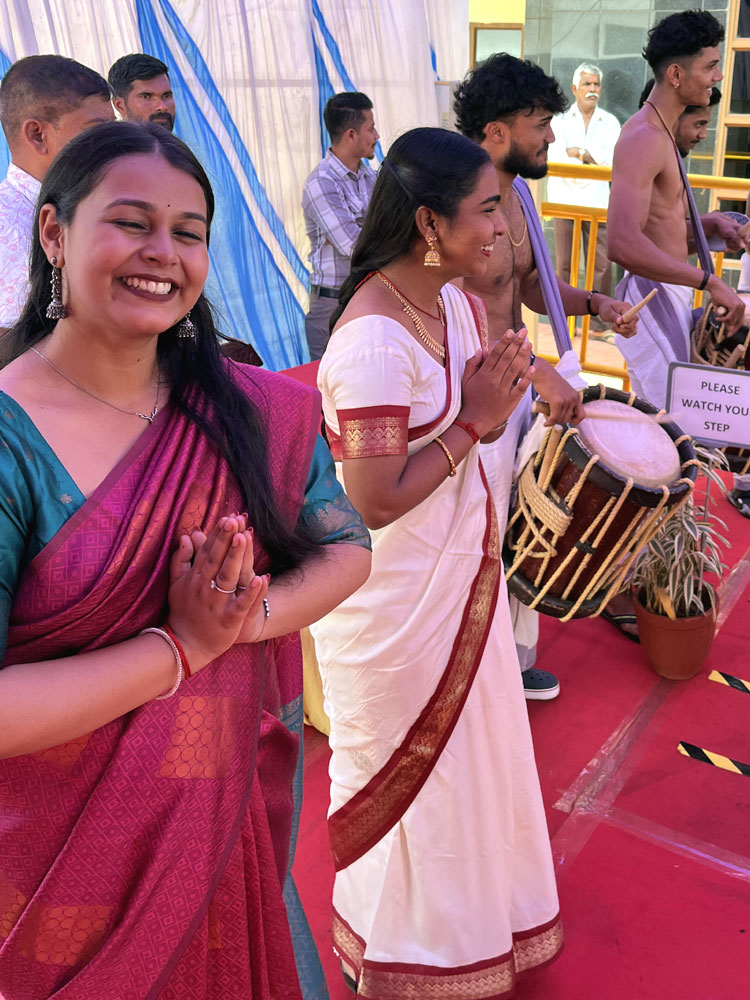
...with warm smiles and
drummers lining the passageway leading into the port building. |
|
|
| |
|
|
| |
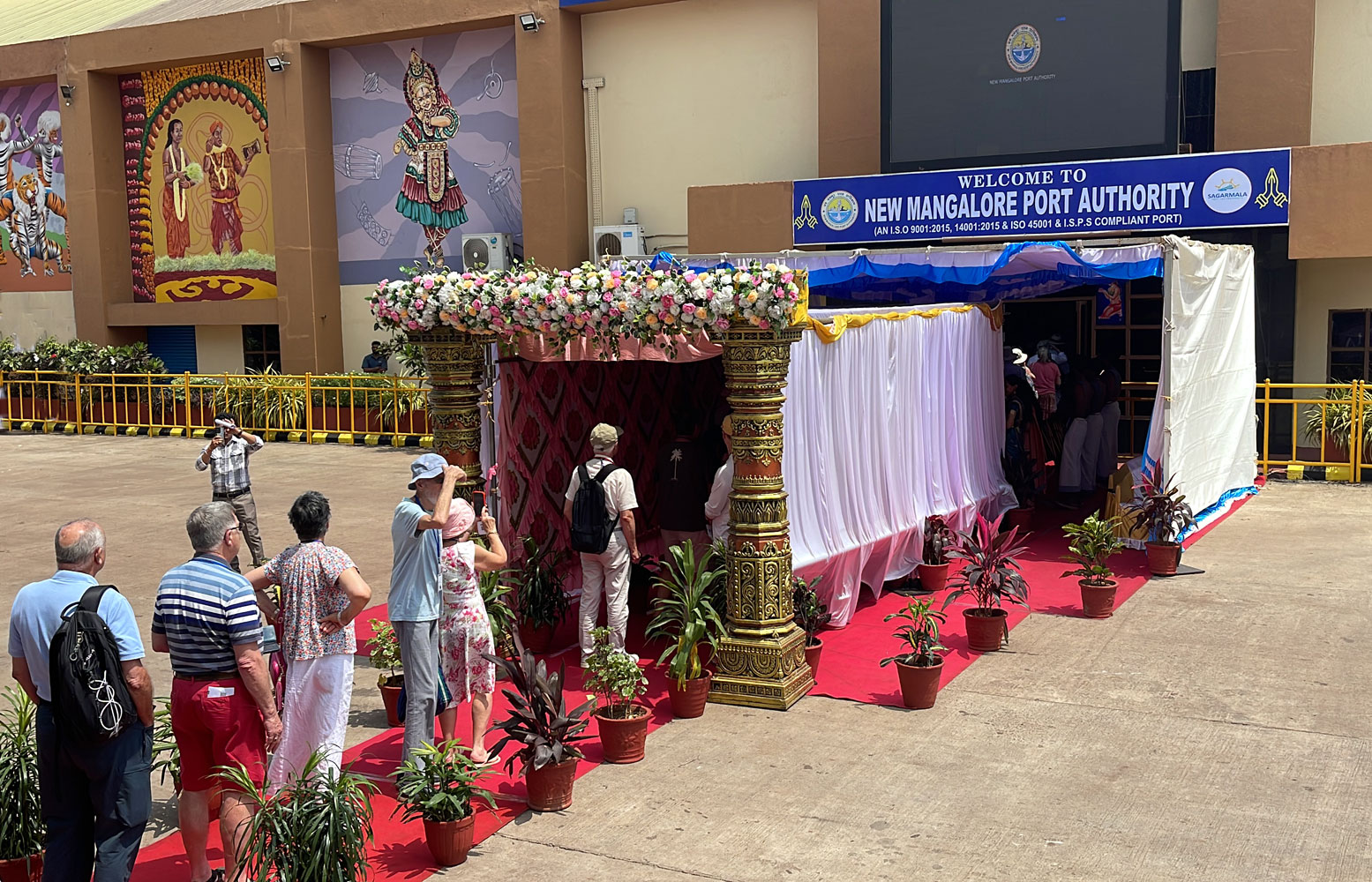
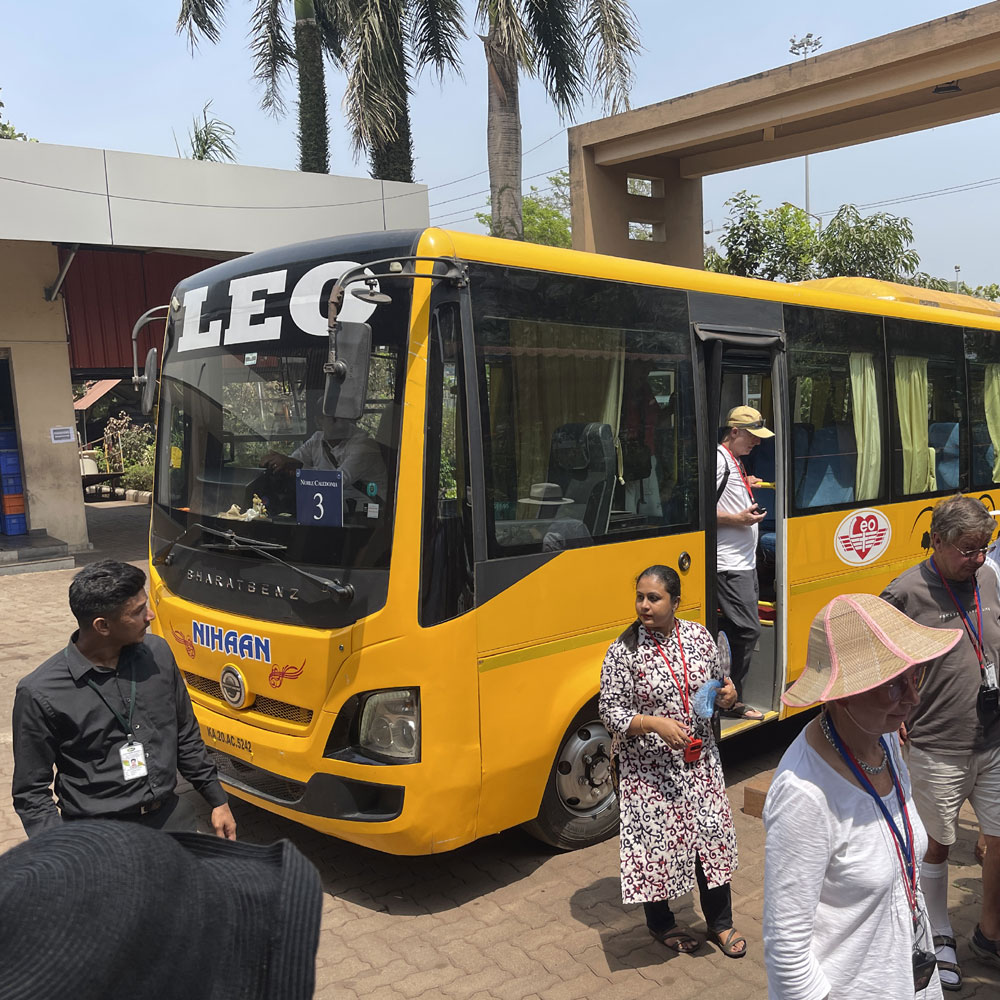
We joined a short queue
in the immigration hall before heading out to our waiting
coaches. The process was quick. The officials only glanced
at the documents we’d been given previously, with
no stamping required today! |
|
| |
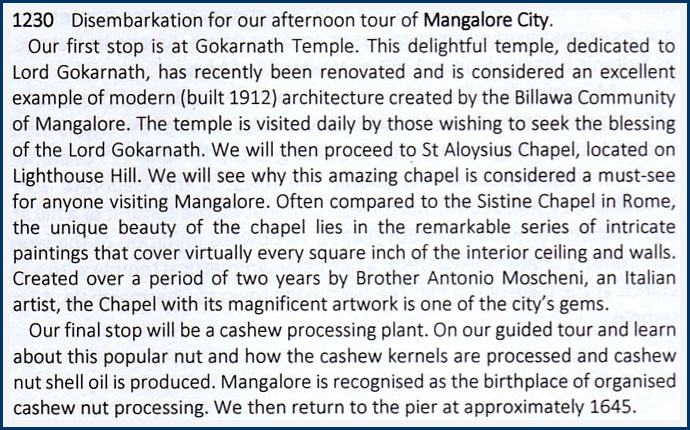
The published itinerary
for this afternoon was accurate, except that we did it in
reverse order. |
|
|
| |
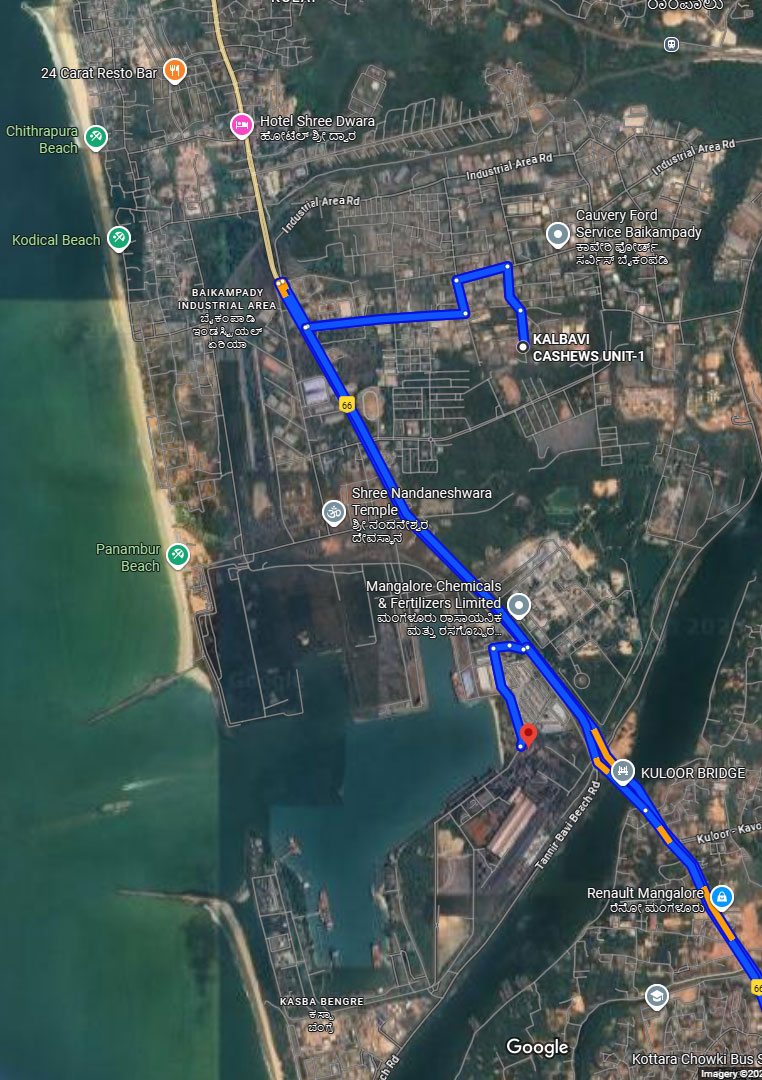
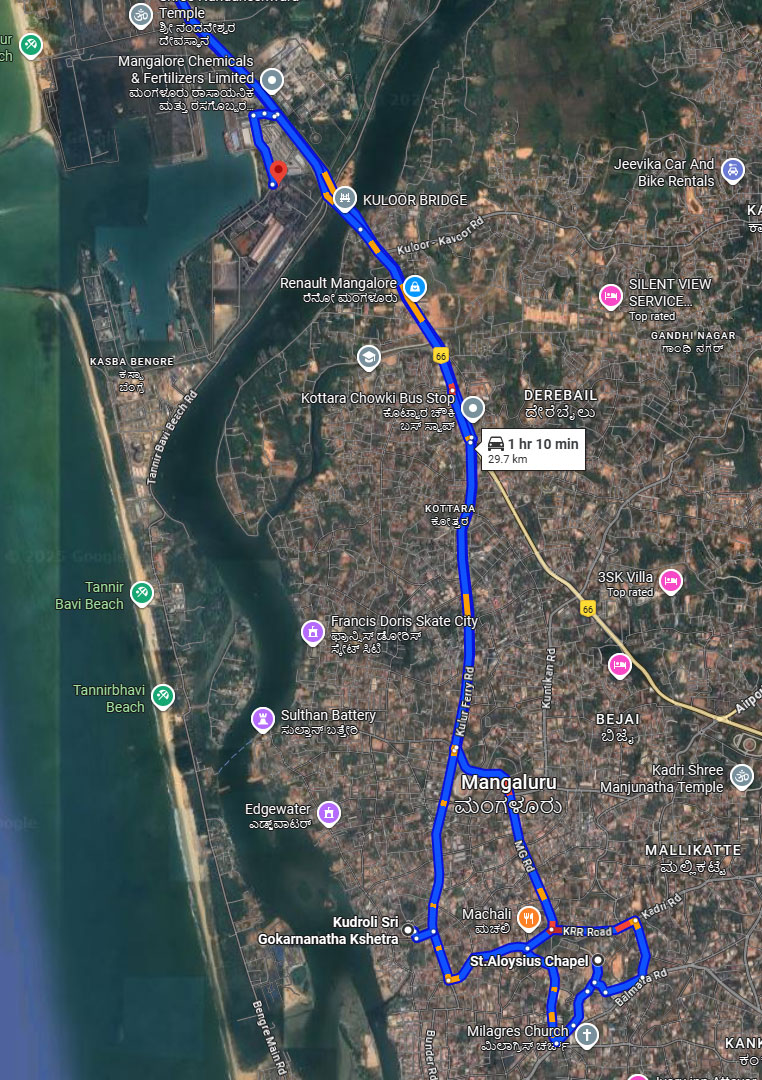
The map on the left
shows our short drive north from the port (about 15 minutes
in total) to the cashew processing plant. The other map
shows the longer route that we took afterwards, driving
south into the centre of the city for the chapel and temple
visits (approx 30km round trip). |
|
|
|
| |
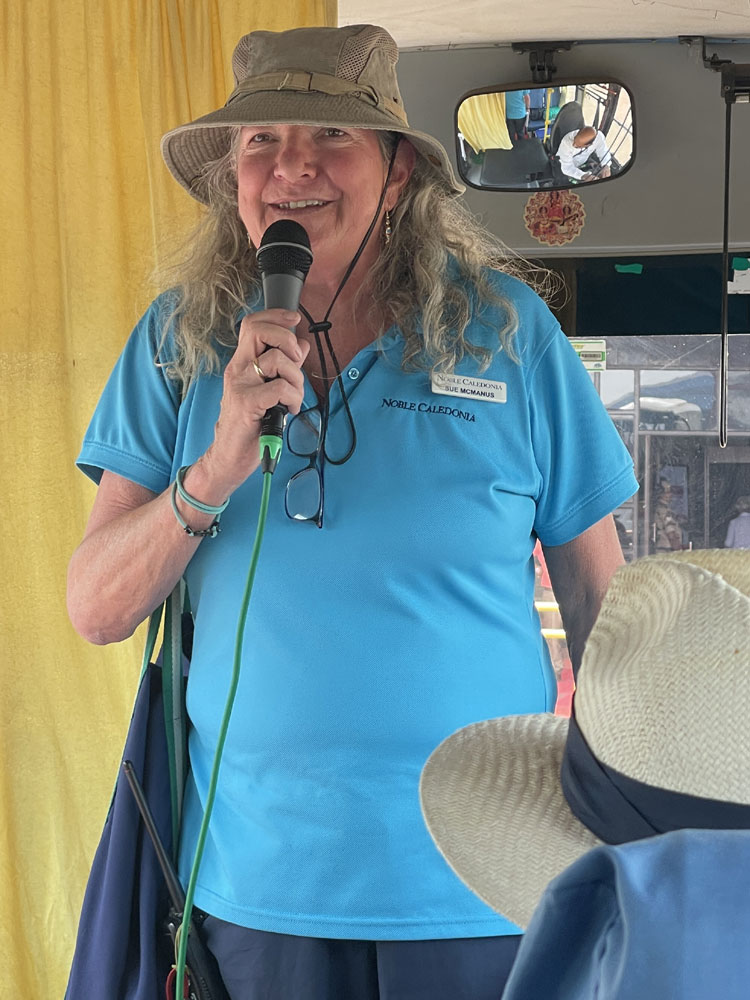
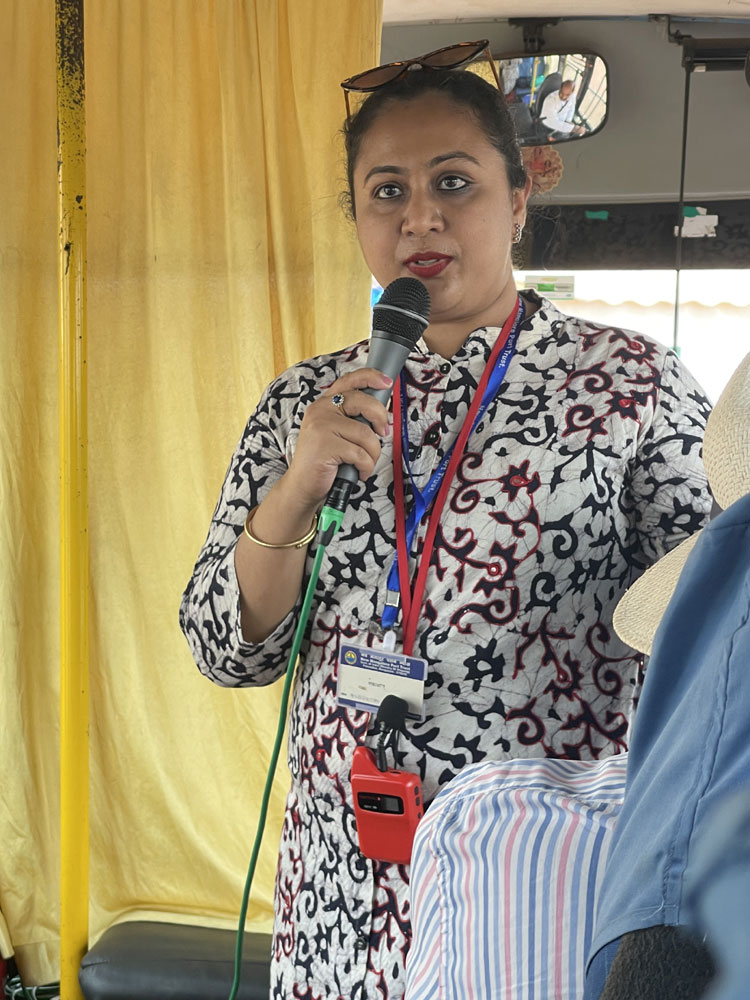
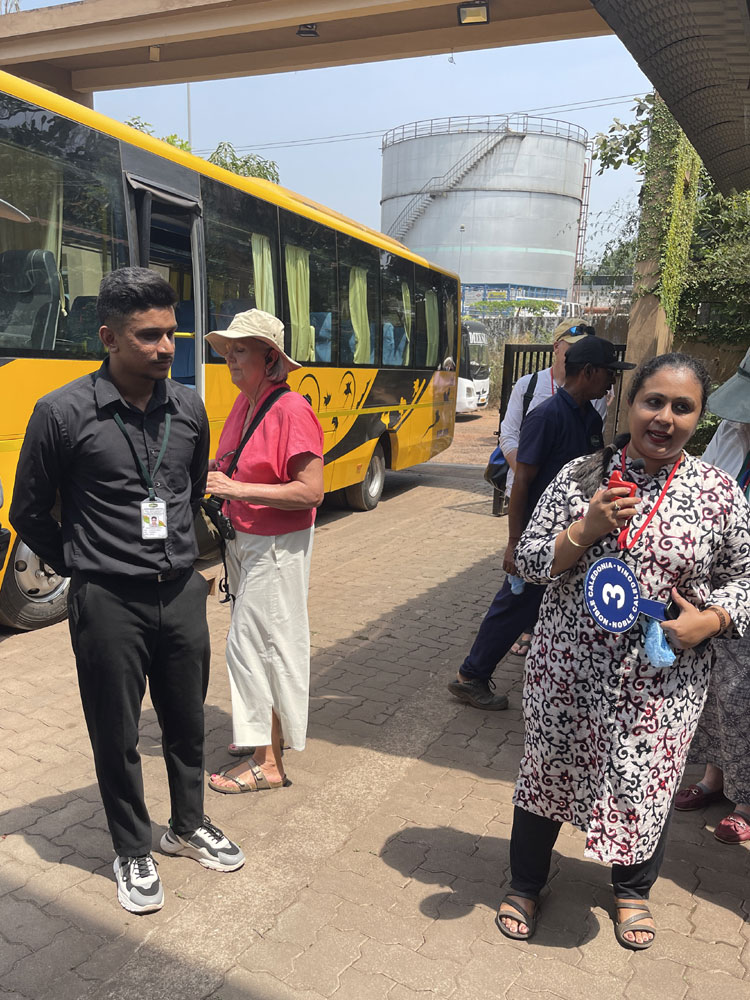
Sue ensured that we were
comfortable in the coach and introduced us to our guide
for the afternoon. |
|
|
|
| |
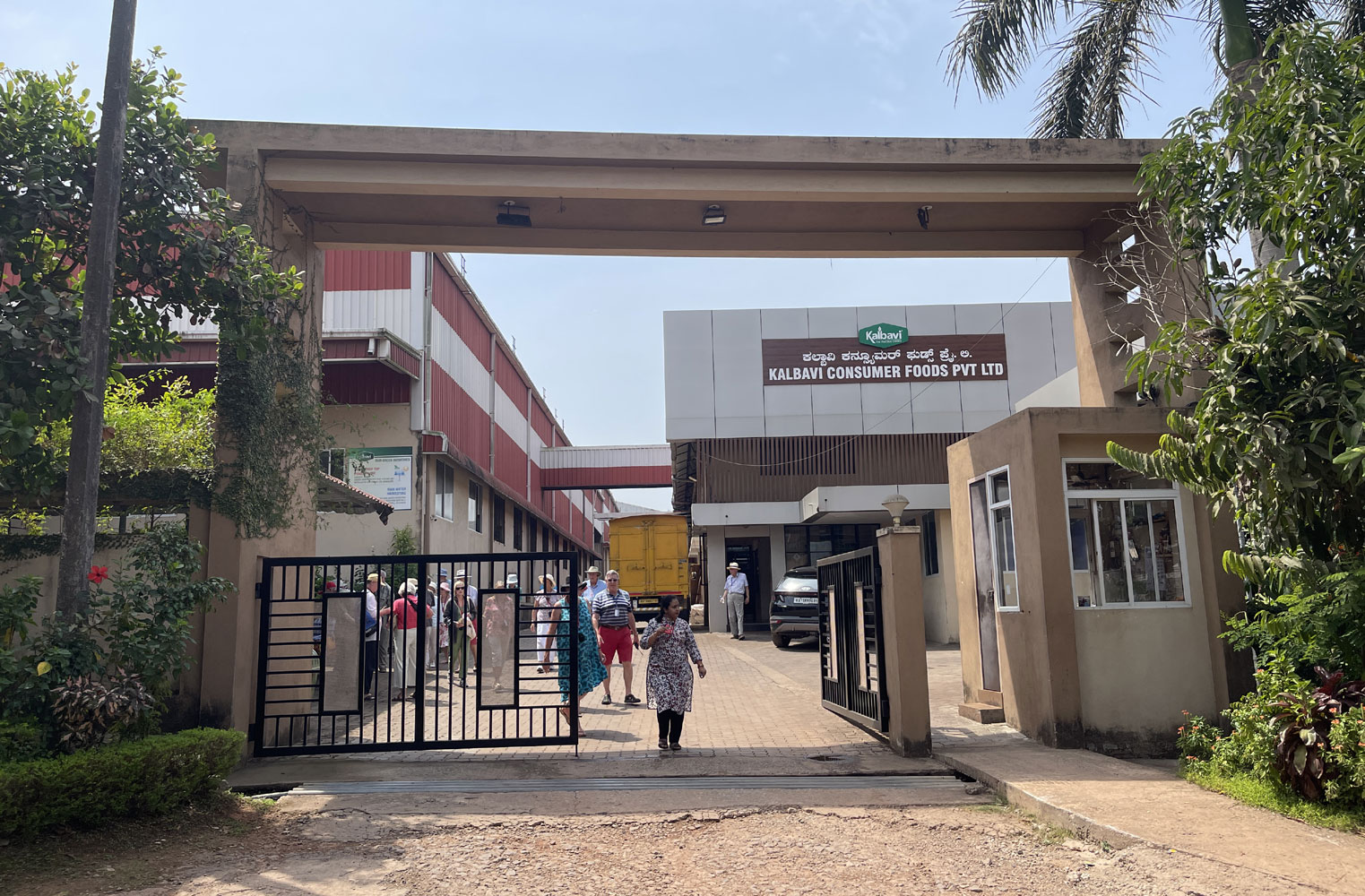
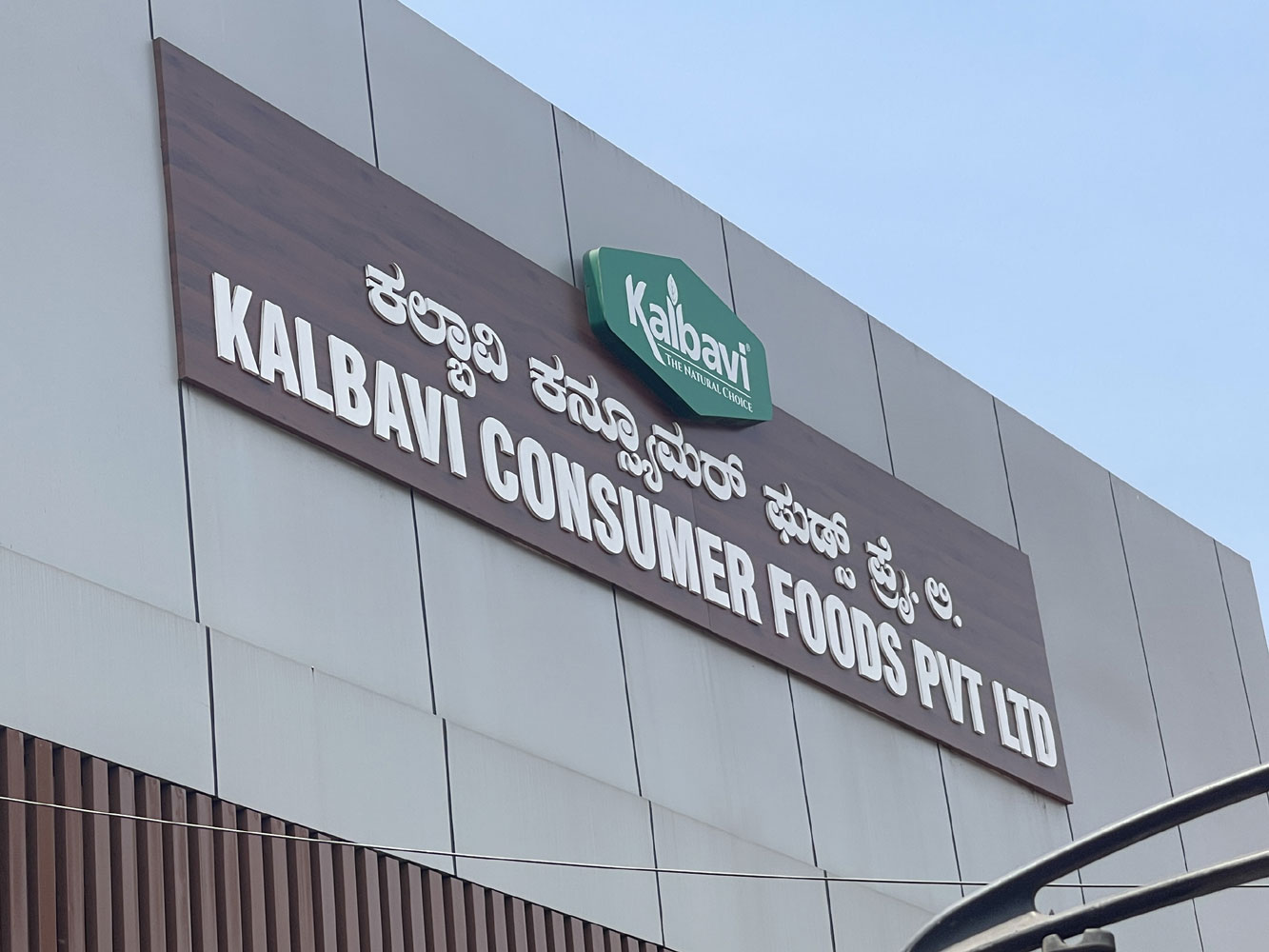
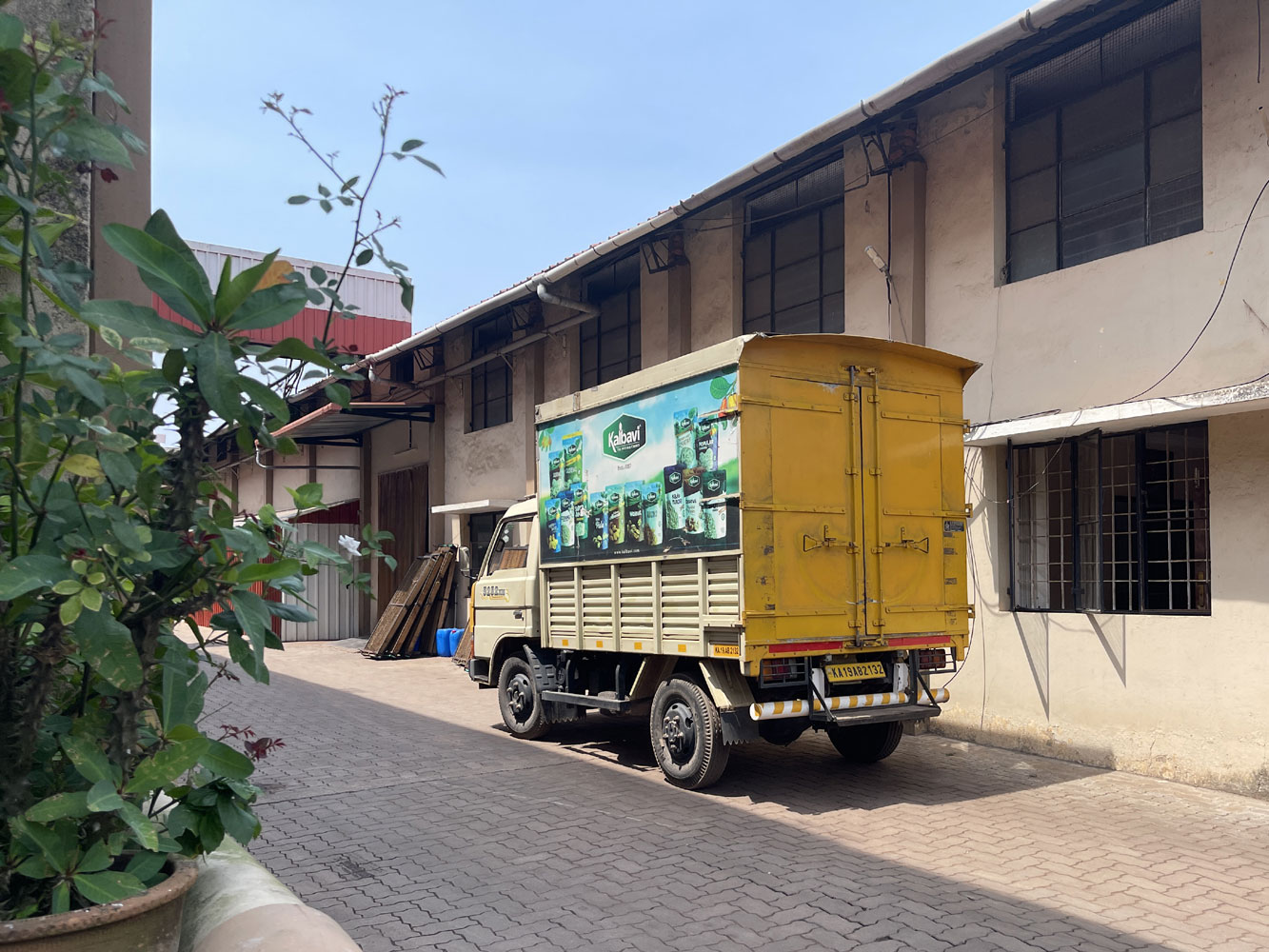
After a short drive,
we arrived at the Kalbavi
cashew plant, situated in the large industrial area close
to the port. |
|
|
| |
|
| |
|
| |
|
| |
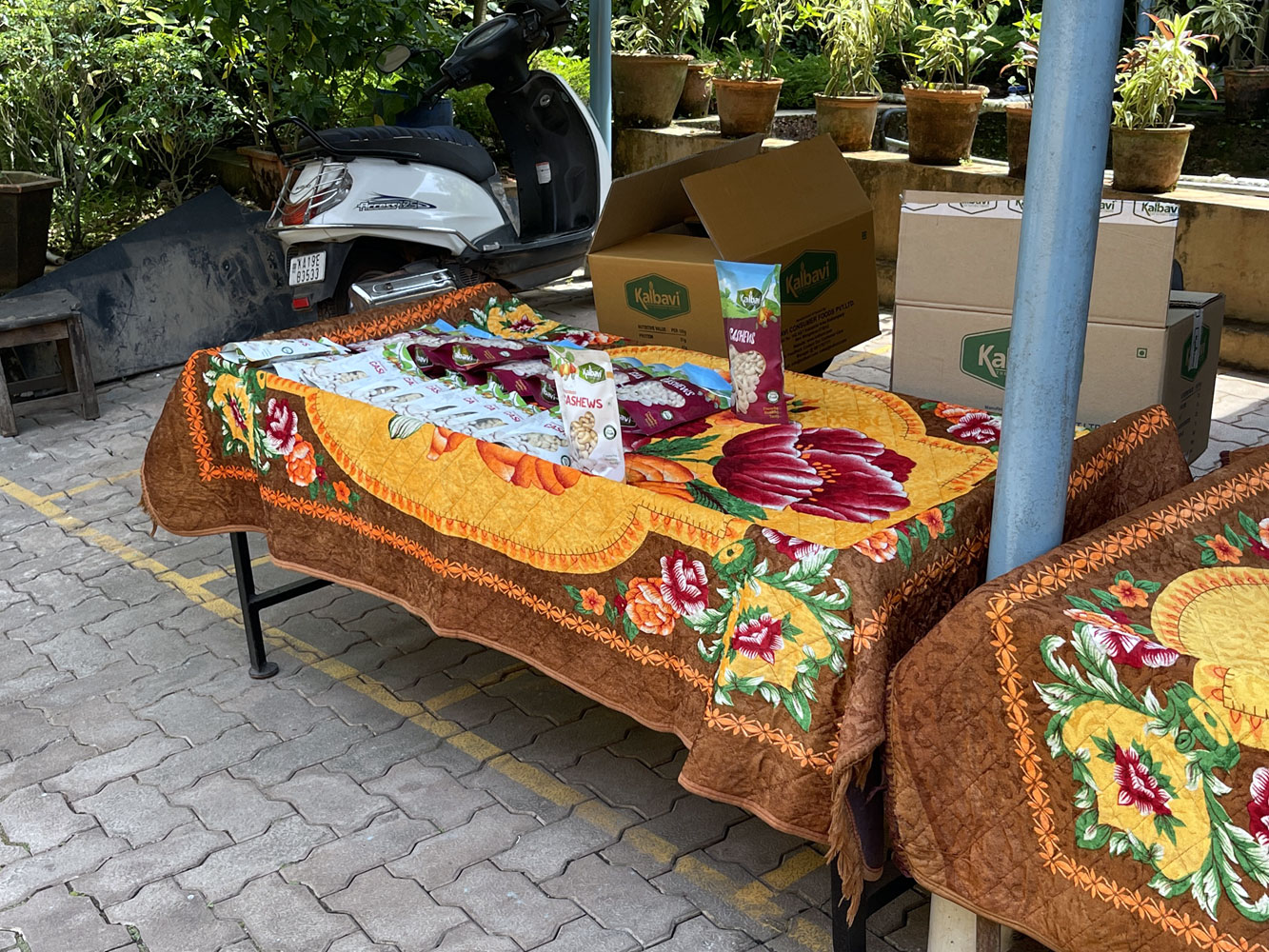
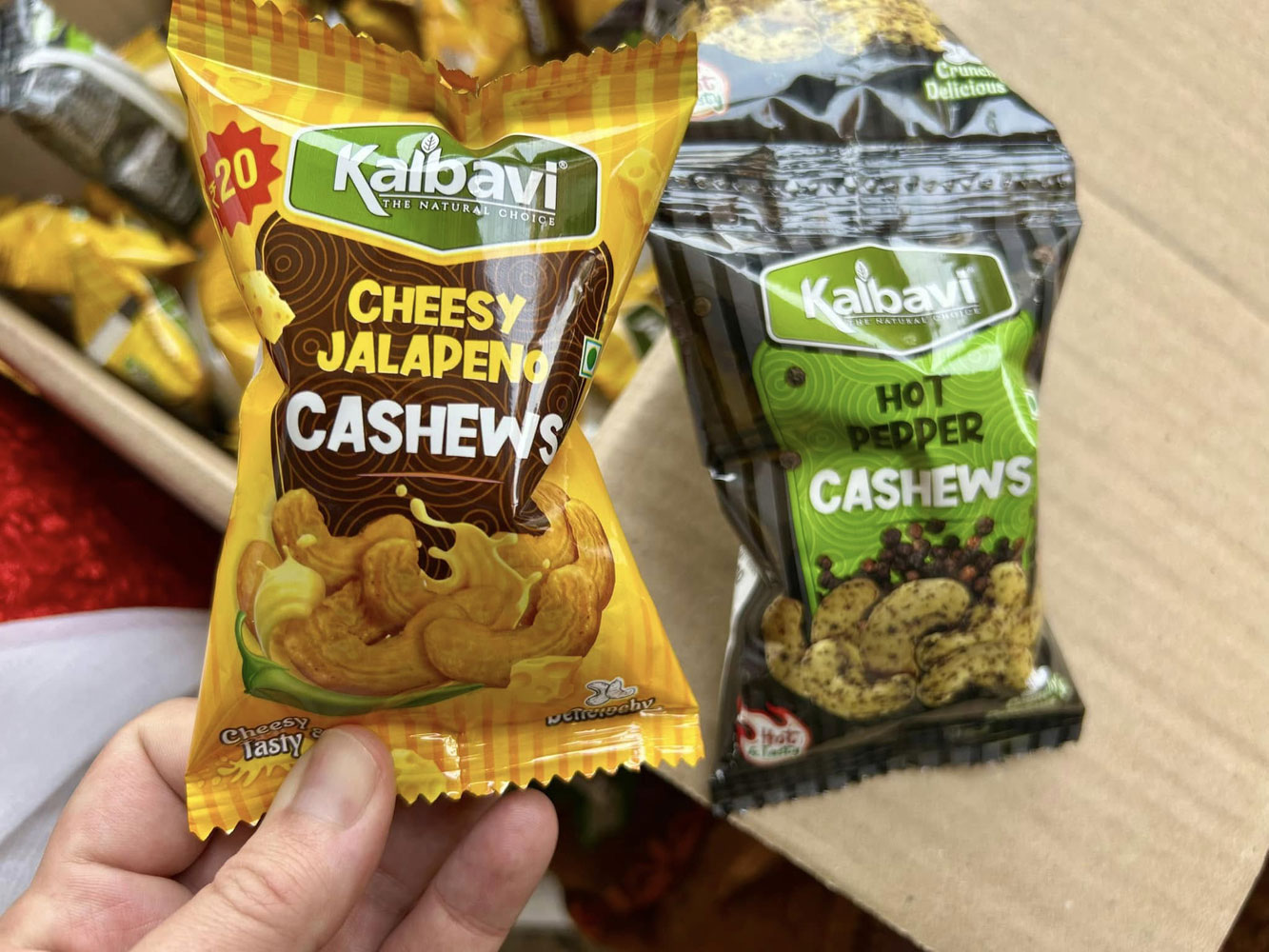
On display were packets
of cashews for sale. |
|
|
| |
|
| |
|
| |
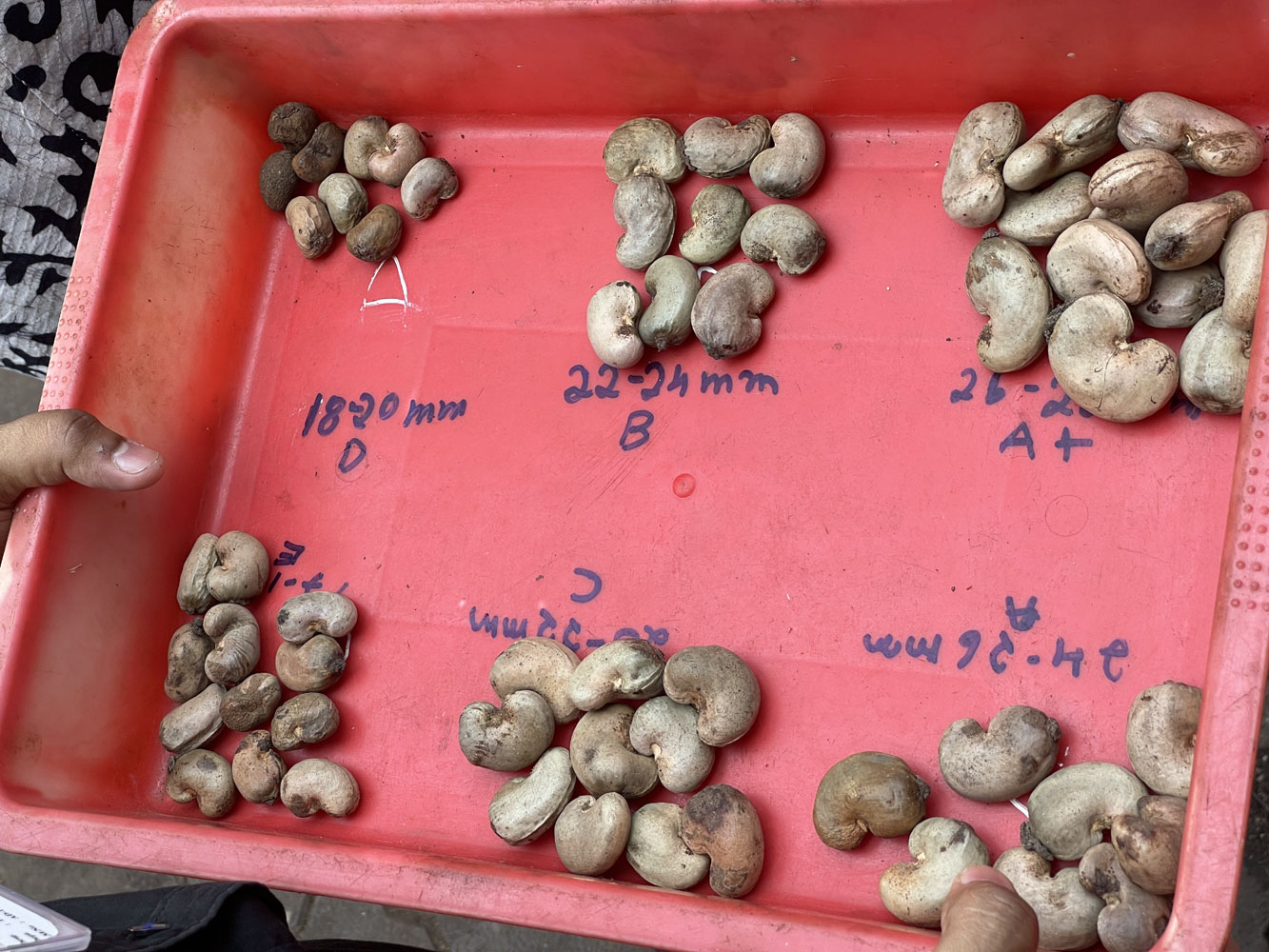
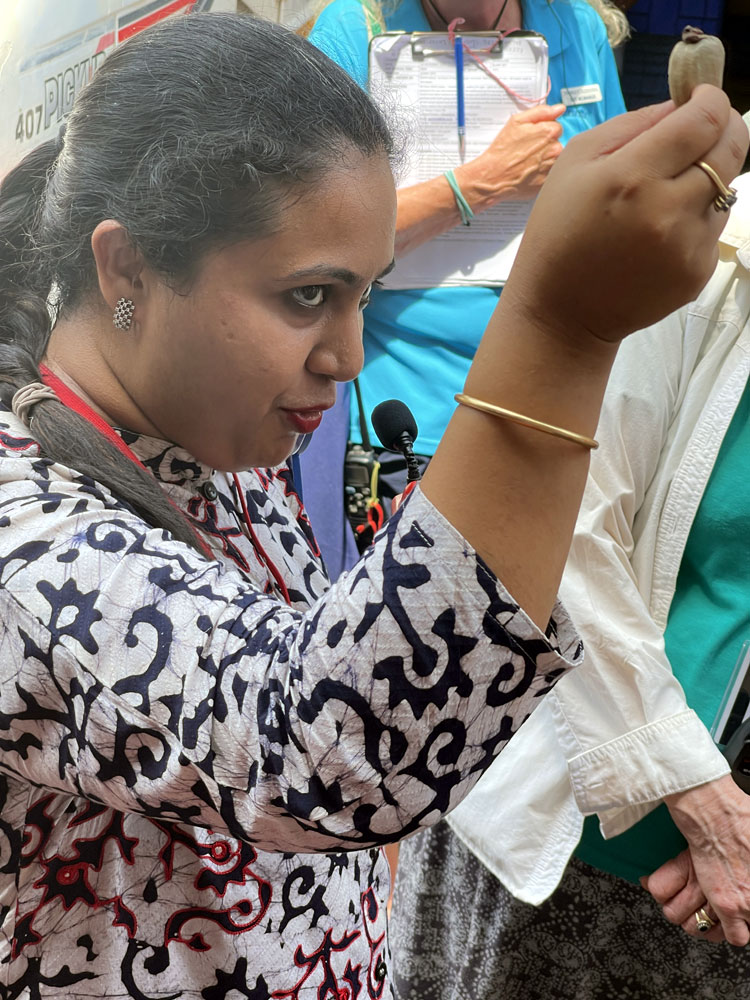
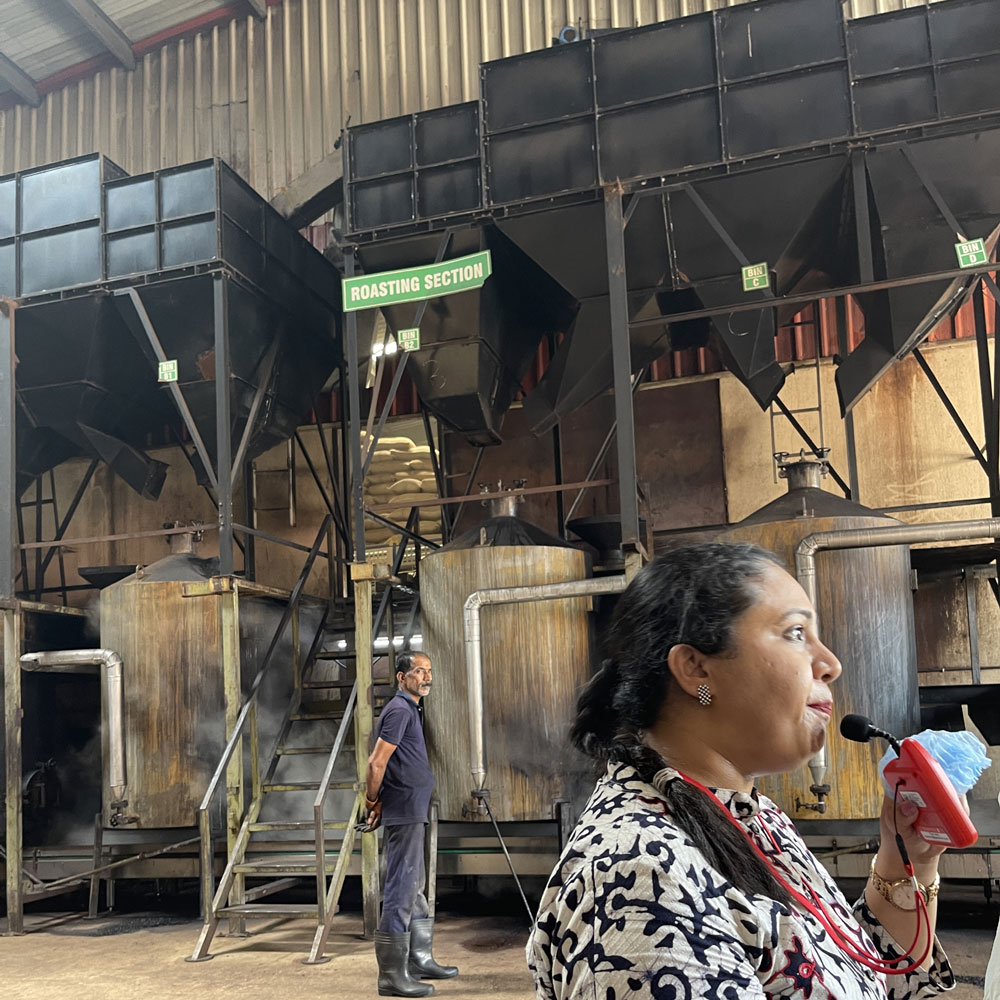
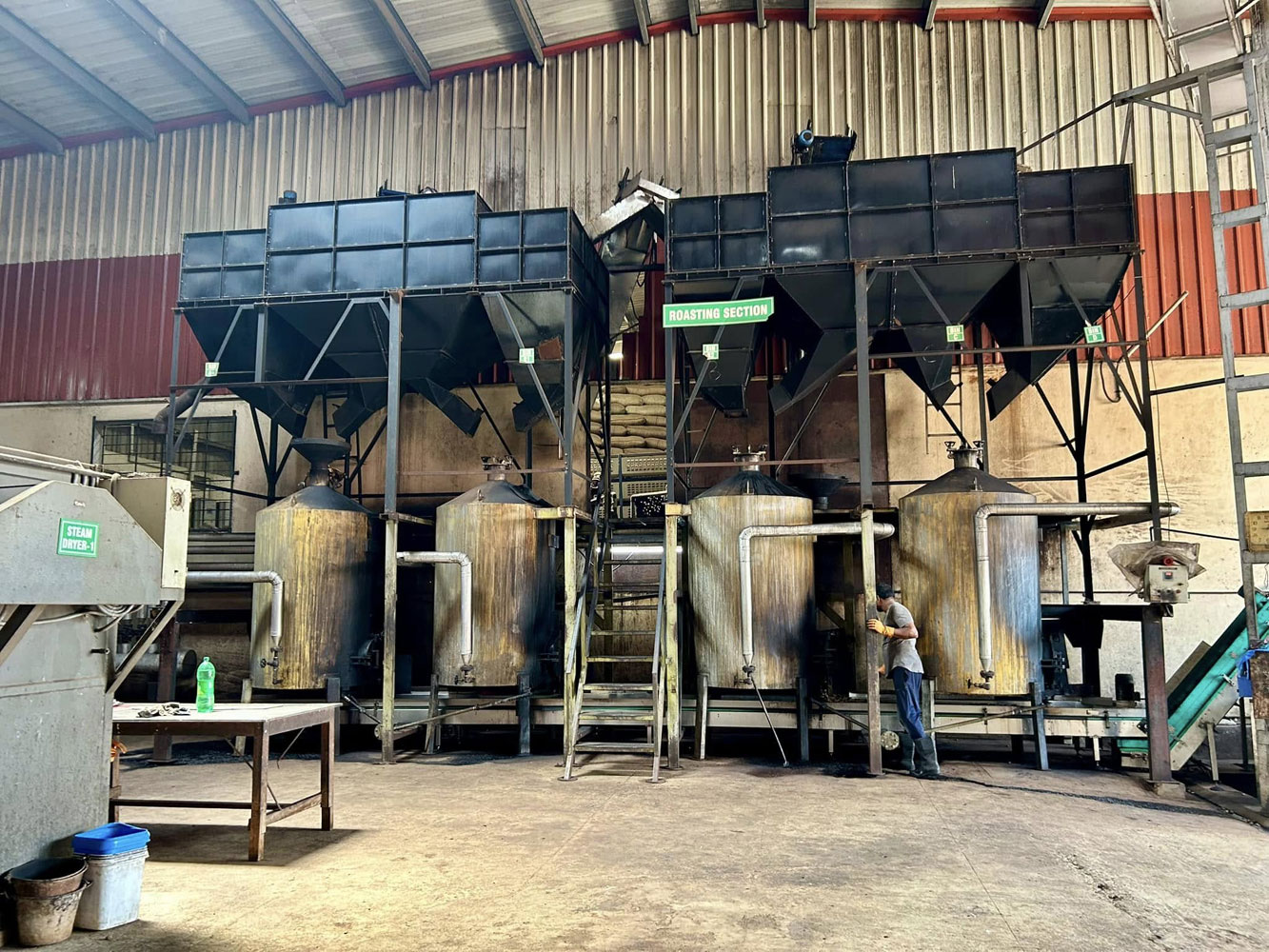
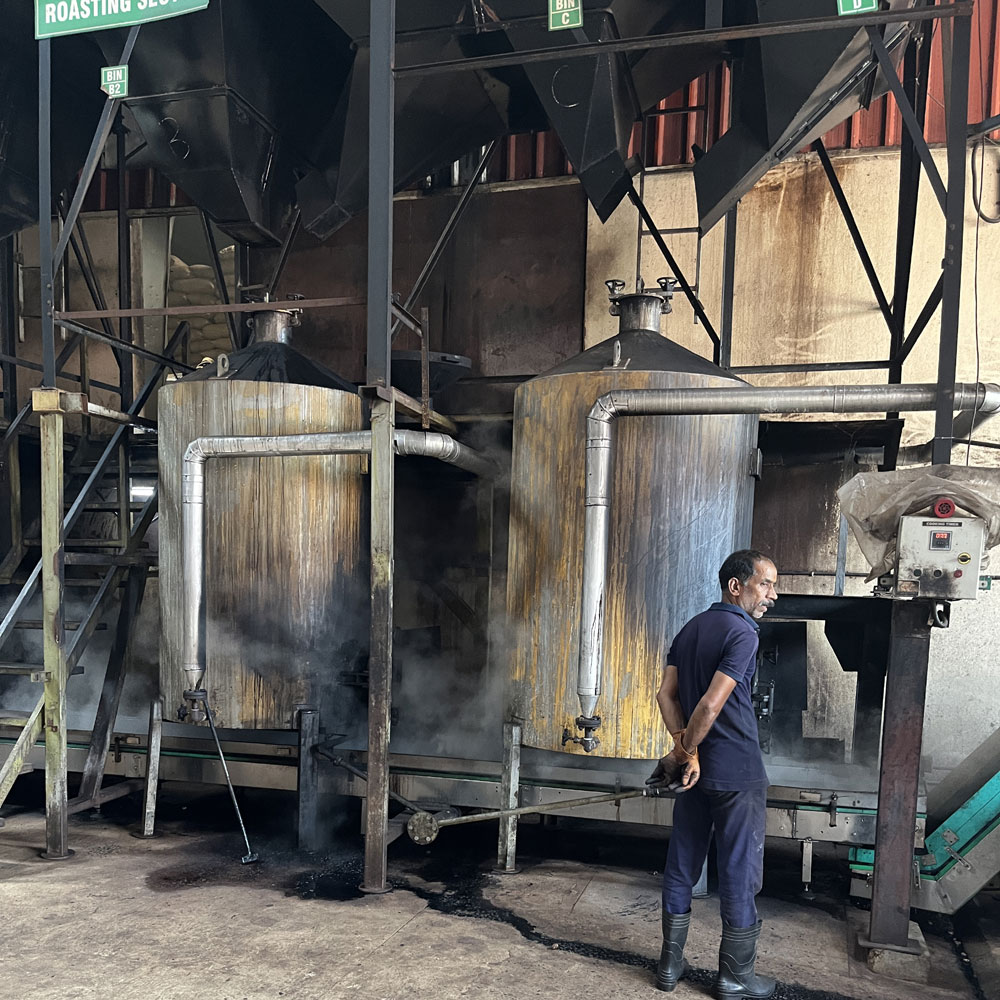
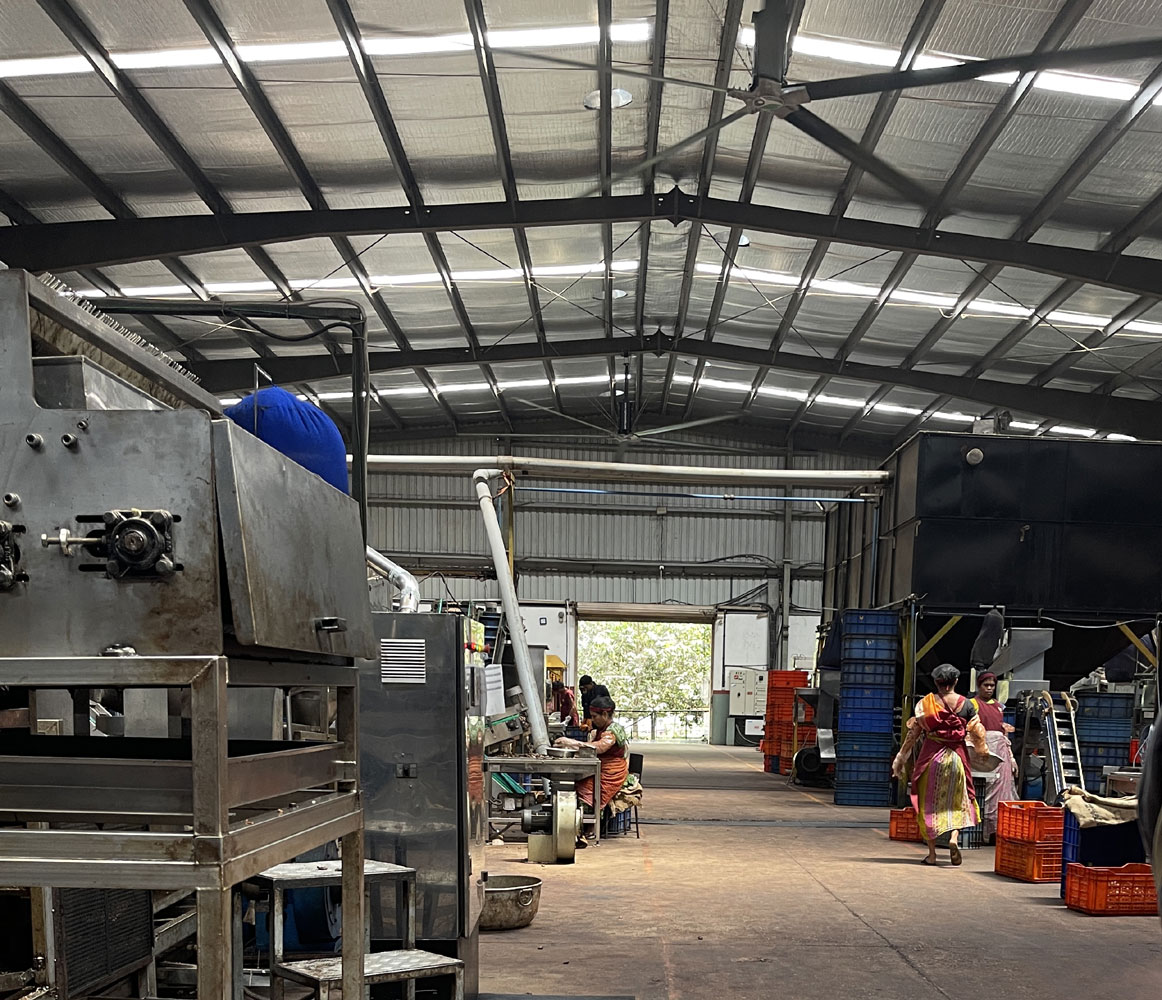
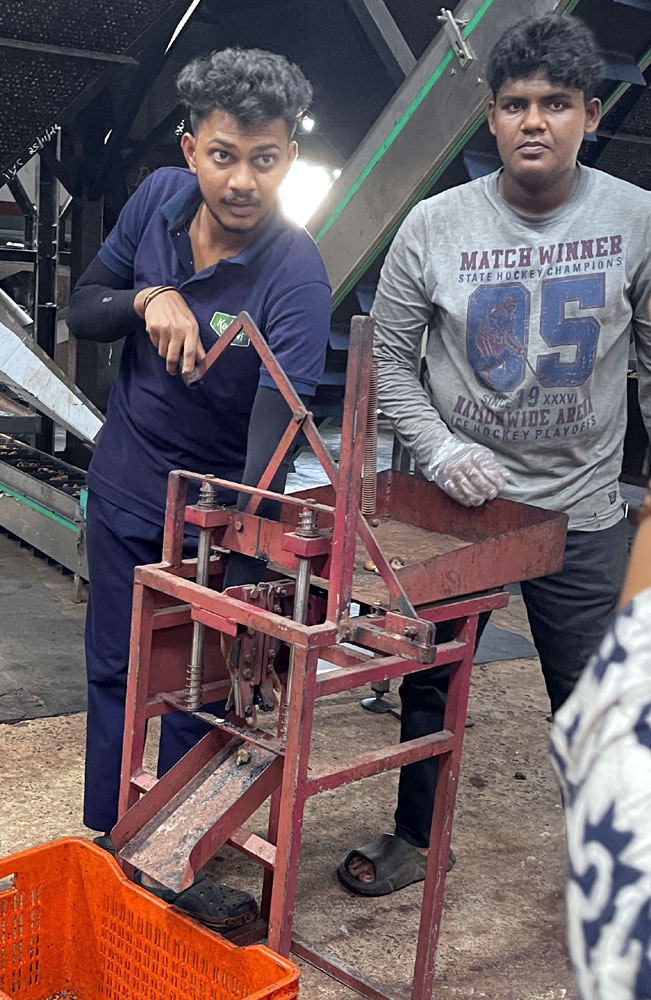
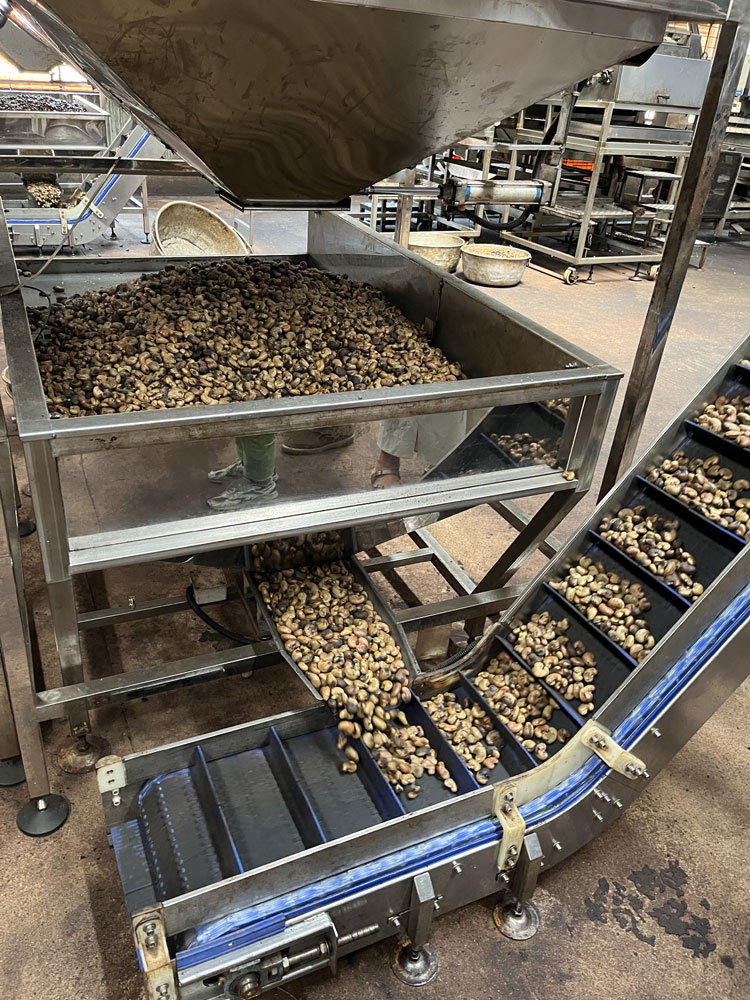
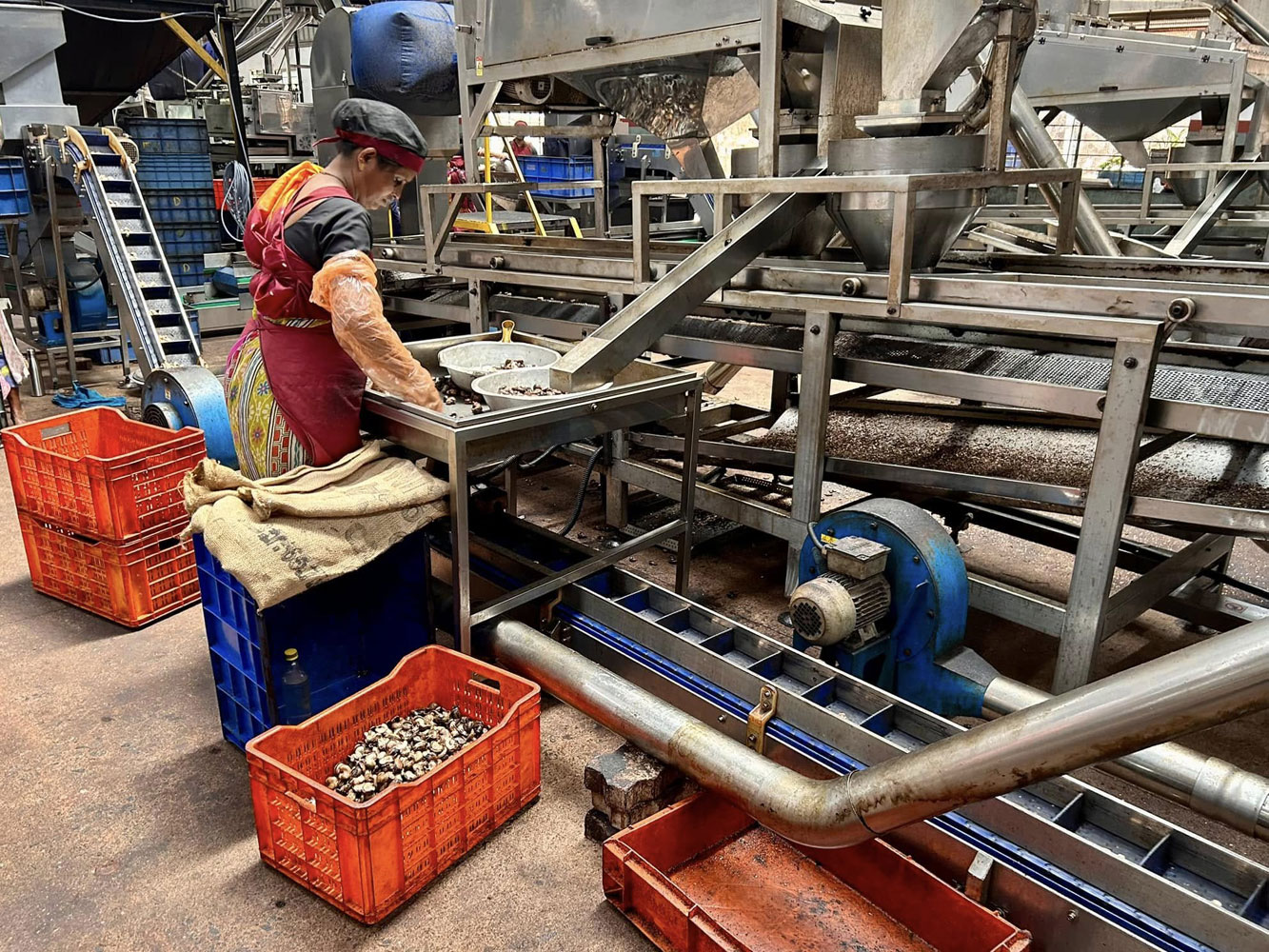
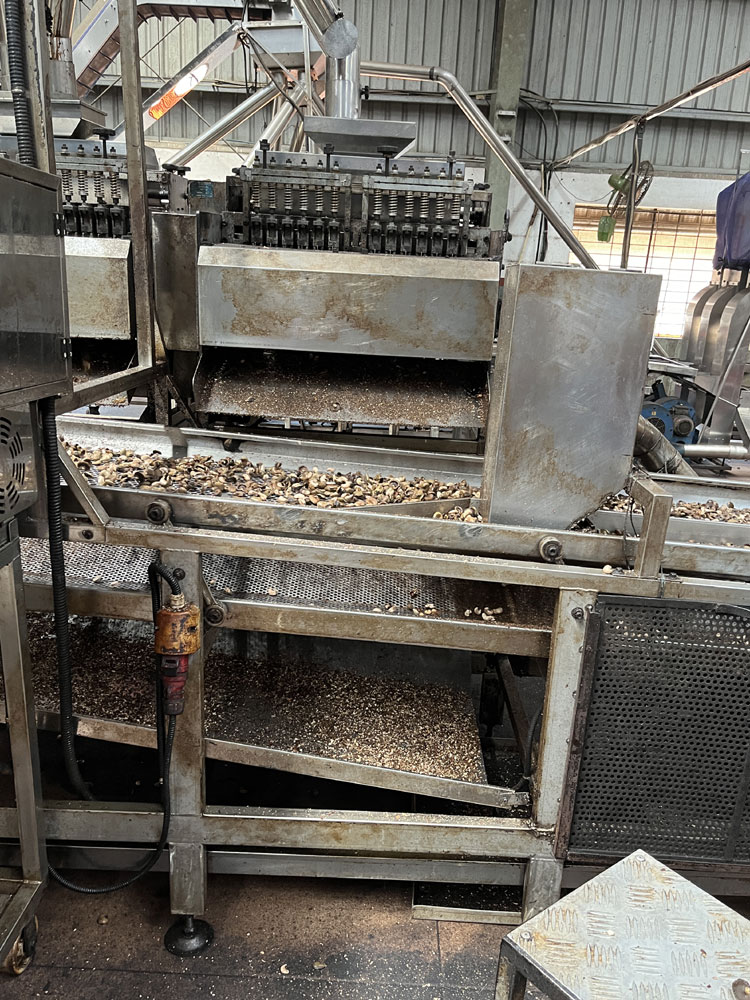
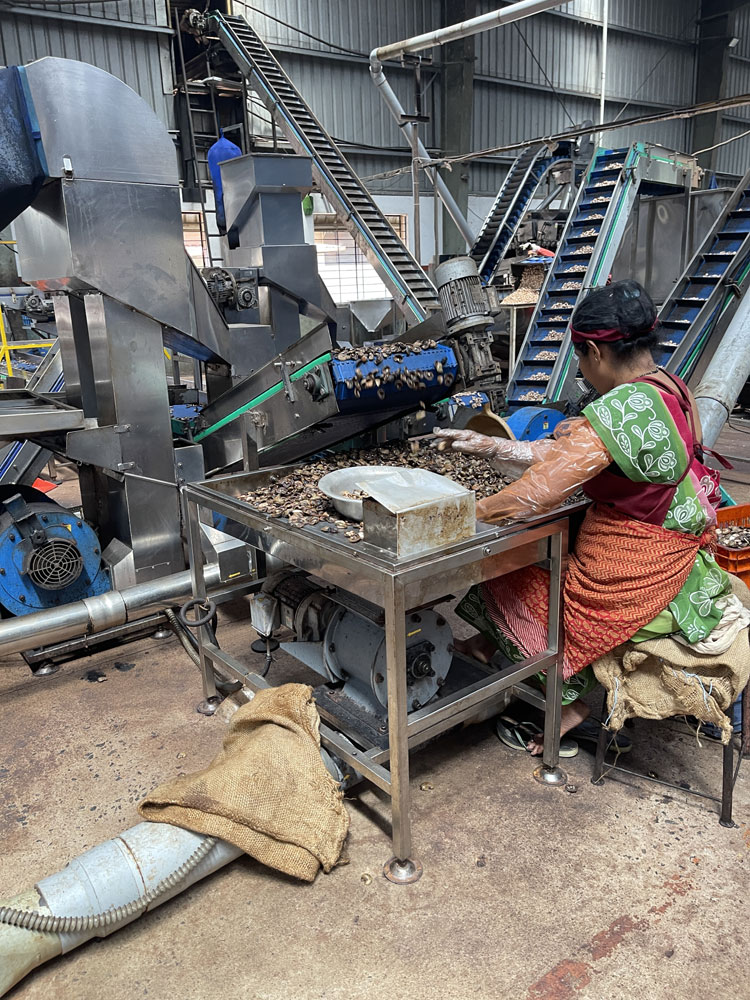
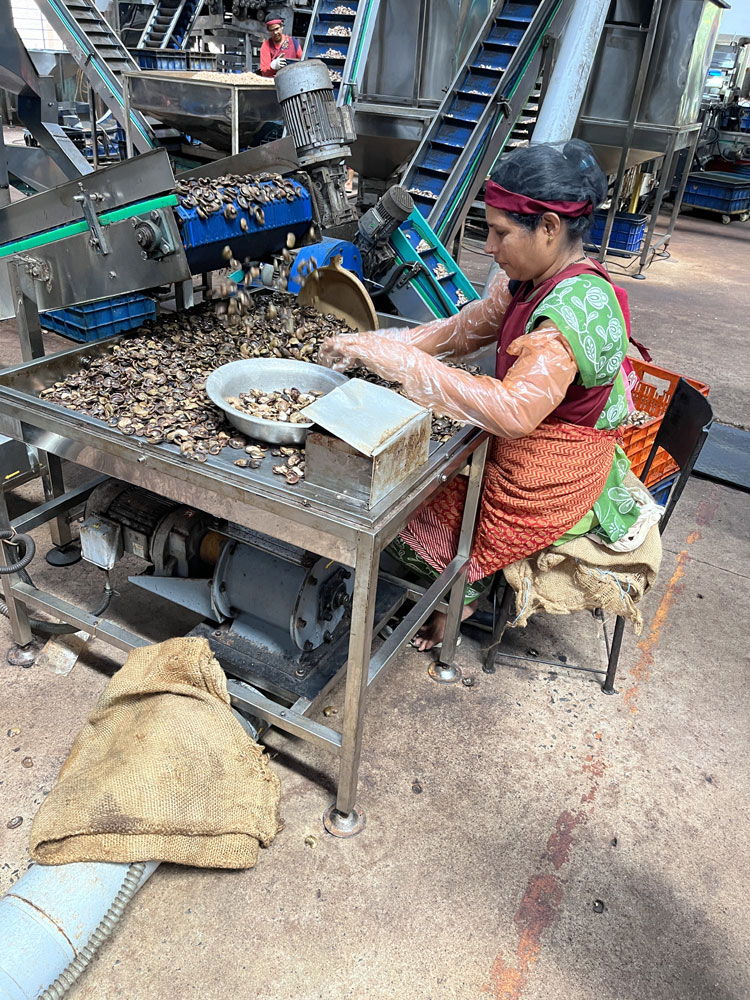
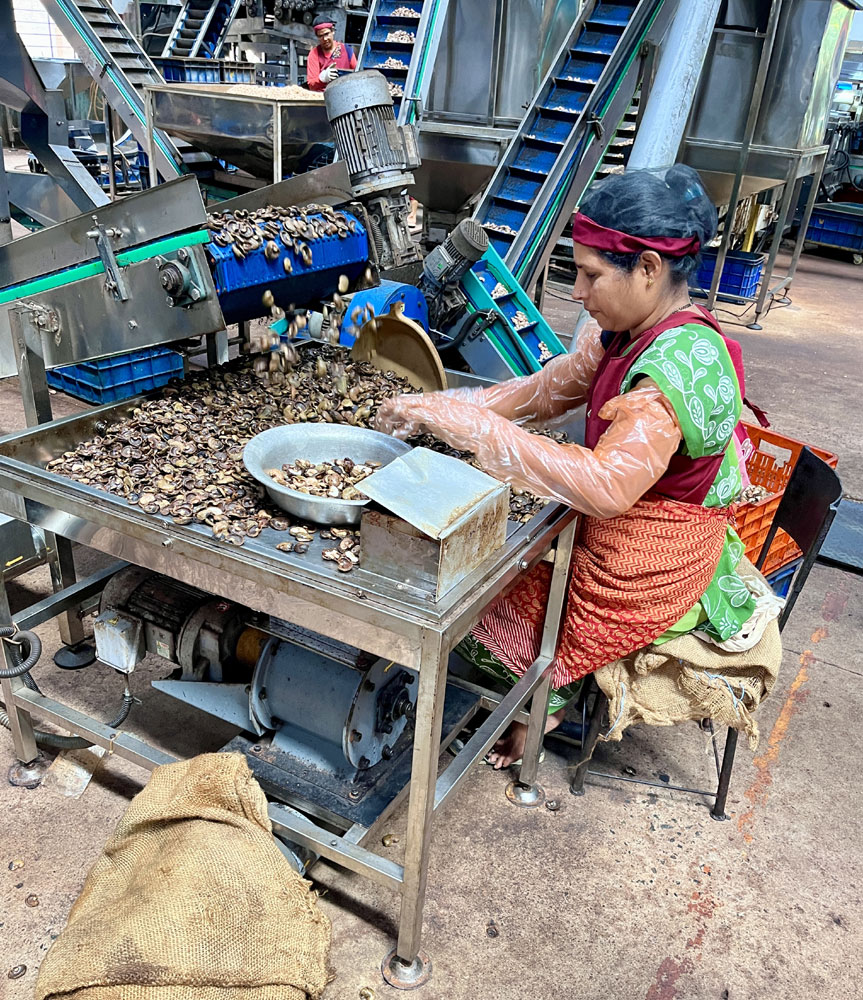
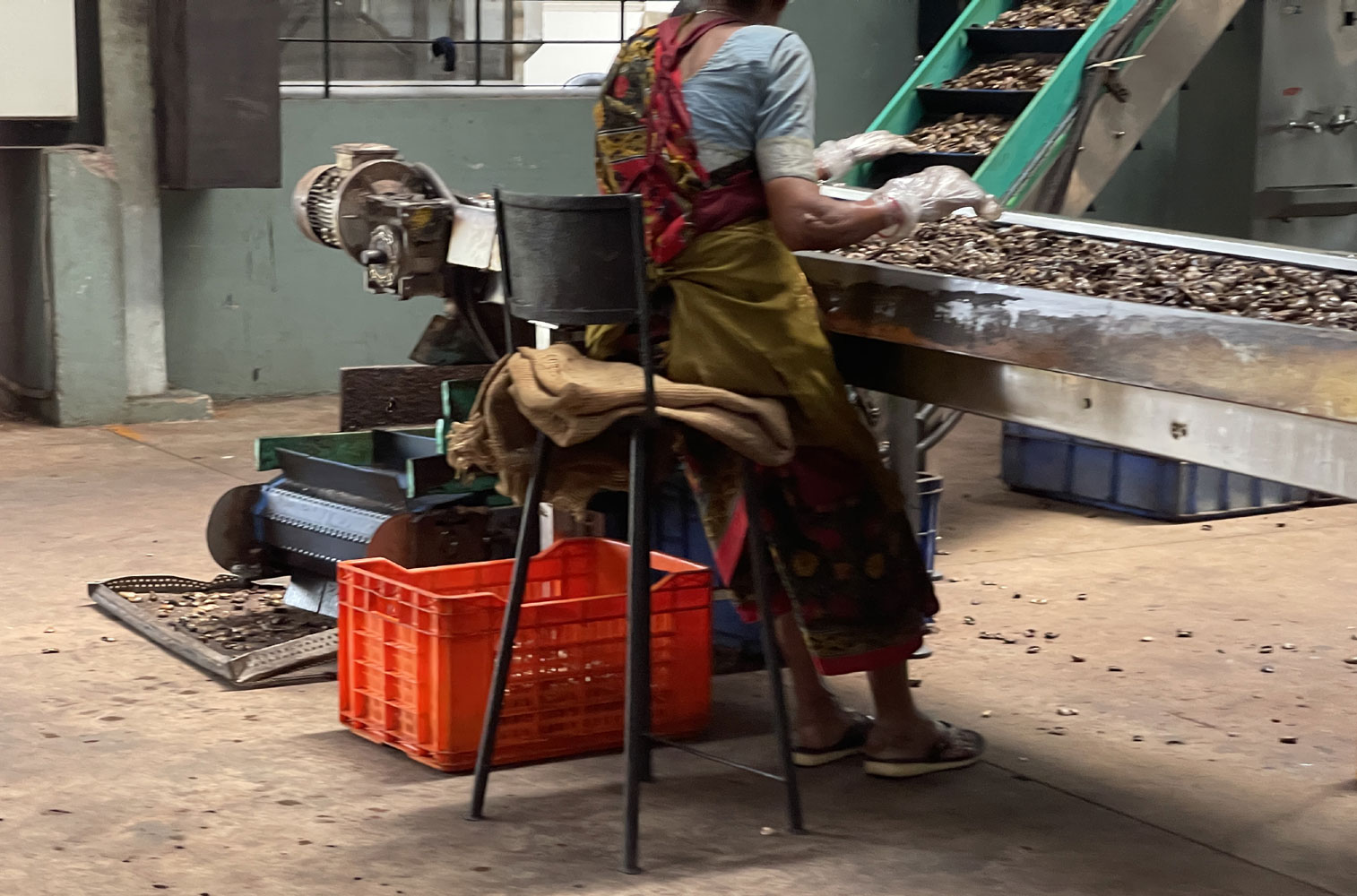
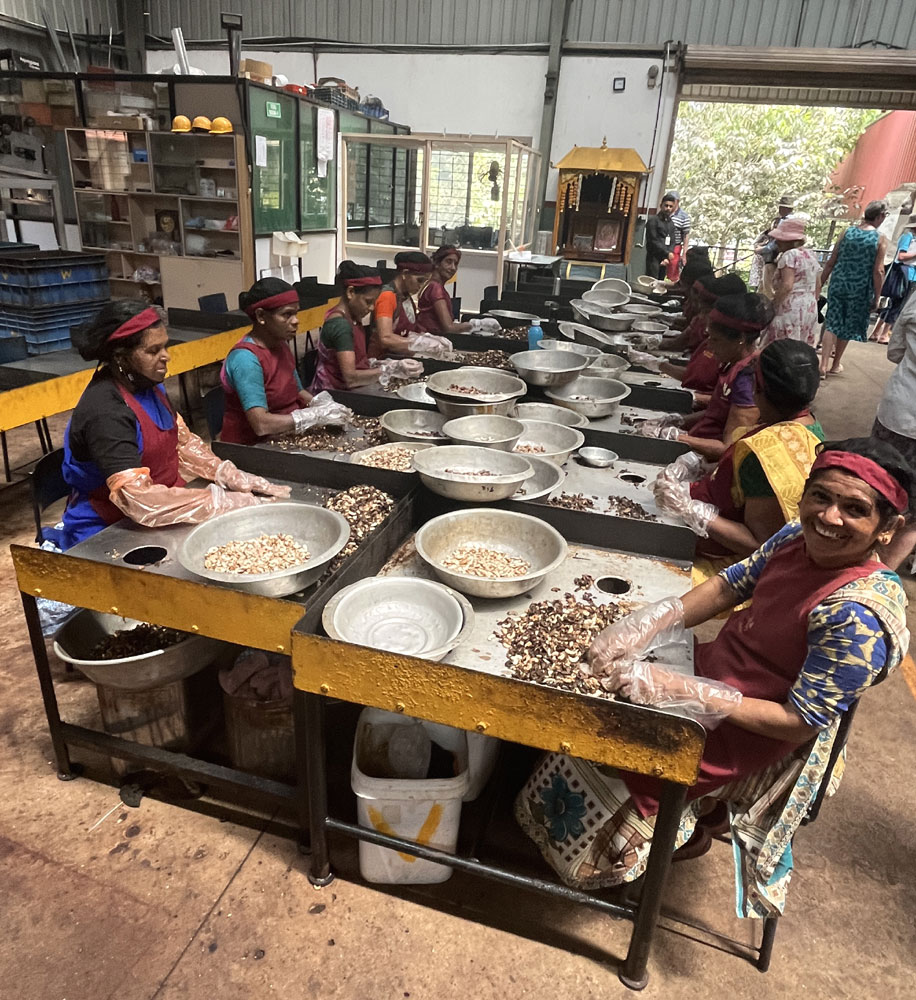
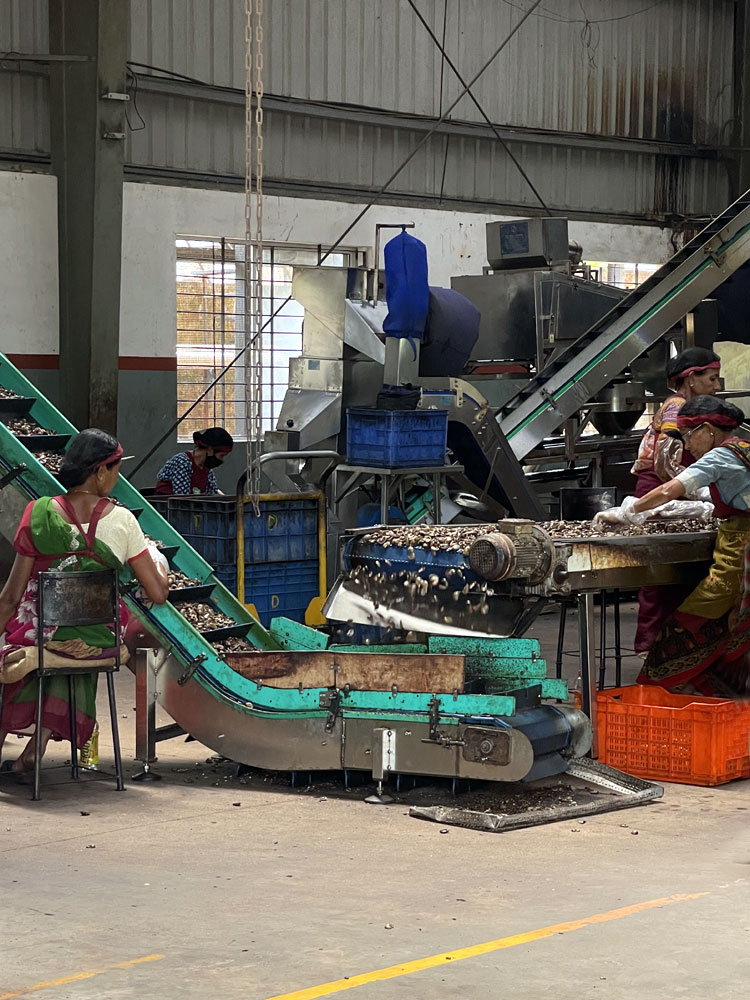
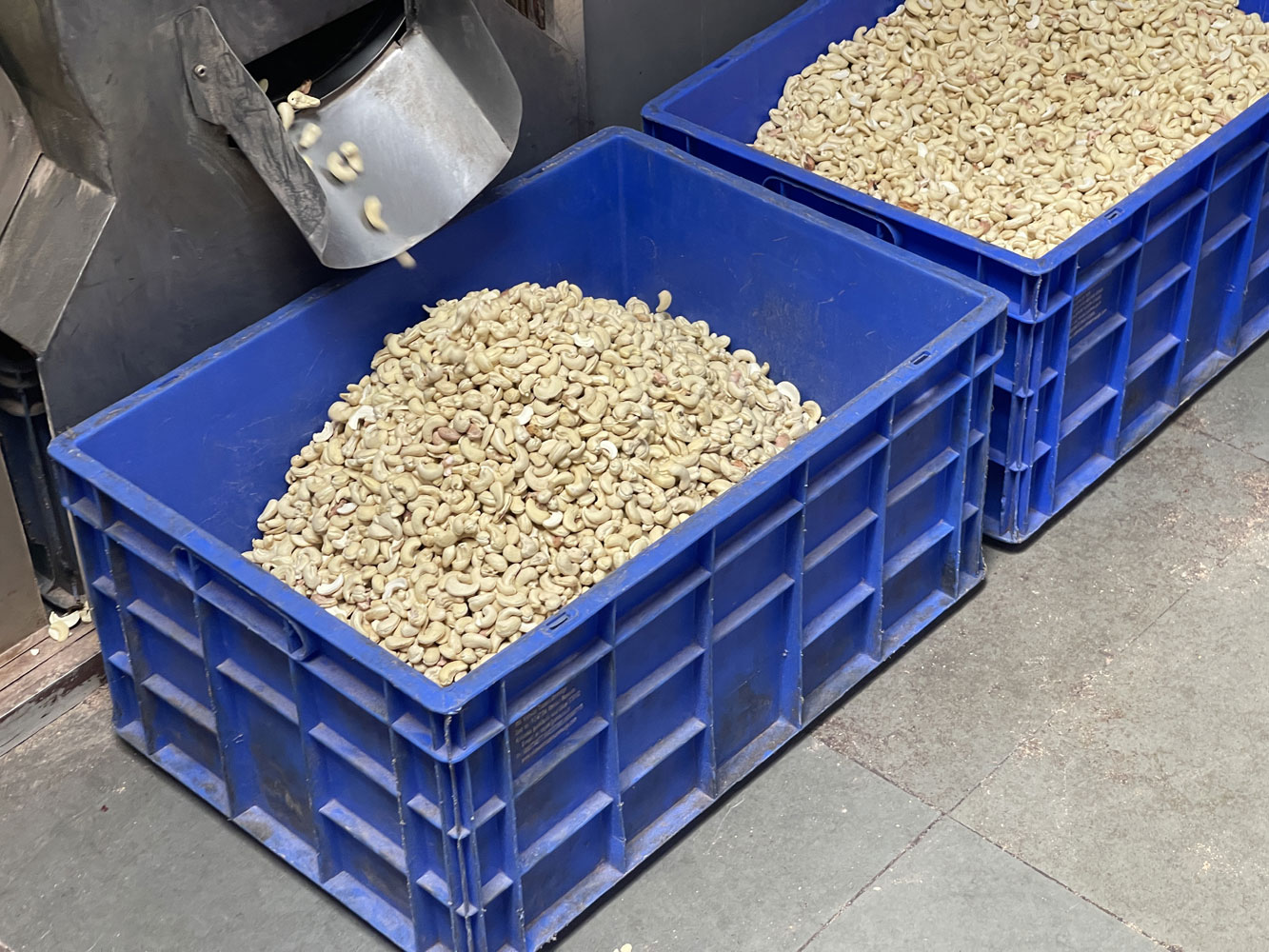
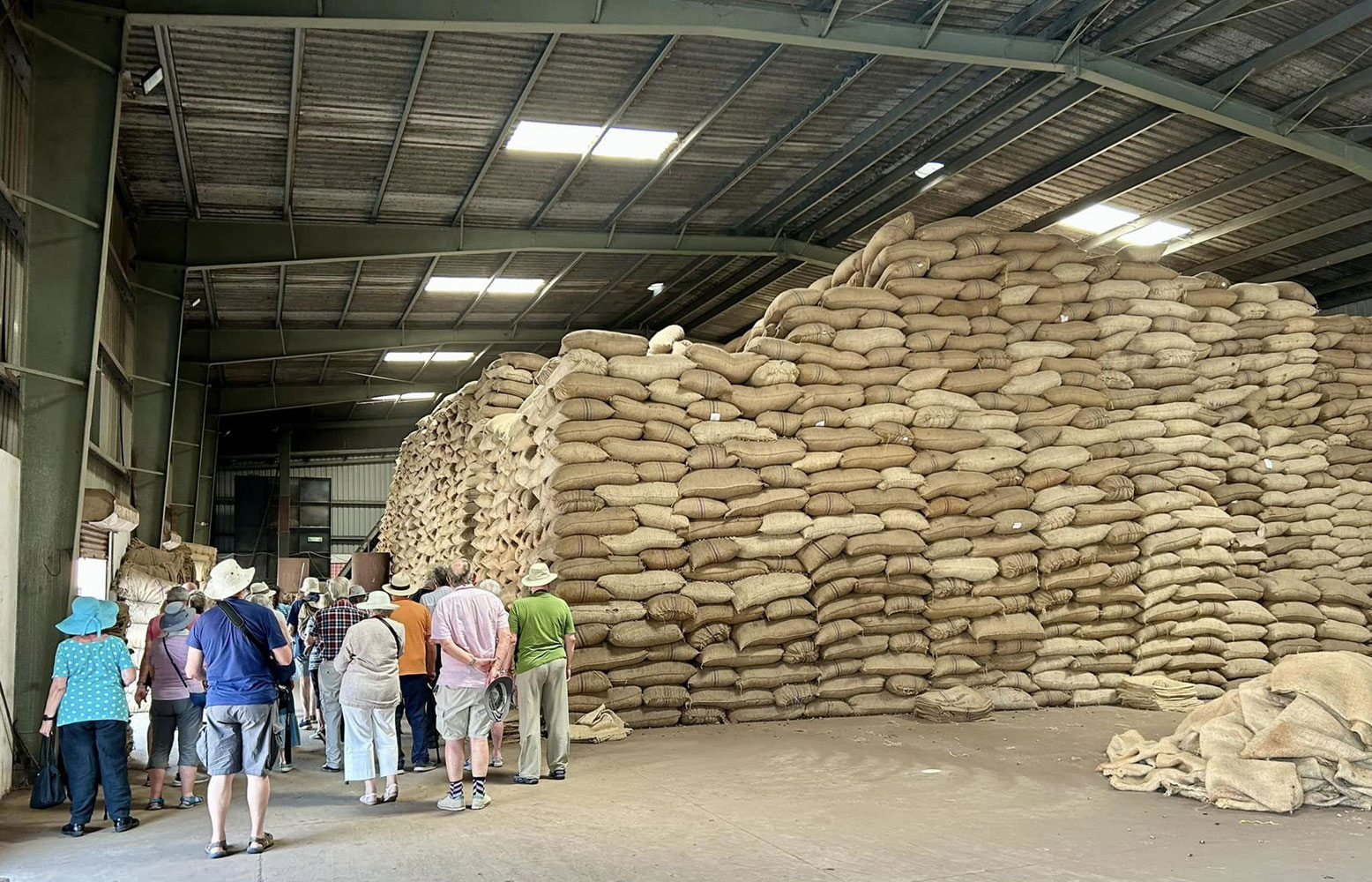
We were given a comprehensive
tour of the plant. We were pleased that we brought our headsets
and earpieces with us, because there was a lot of commentary
and it was quite noisy once we got inside. |
|
| |
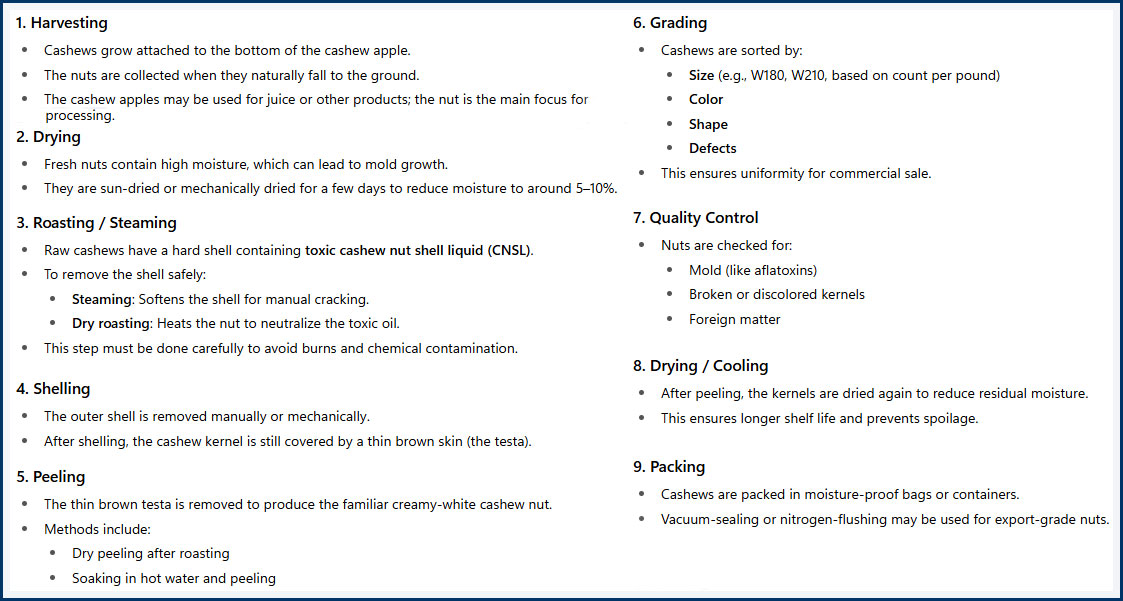
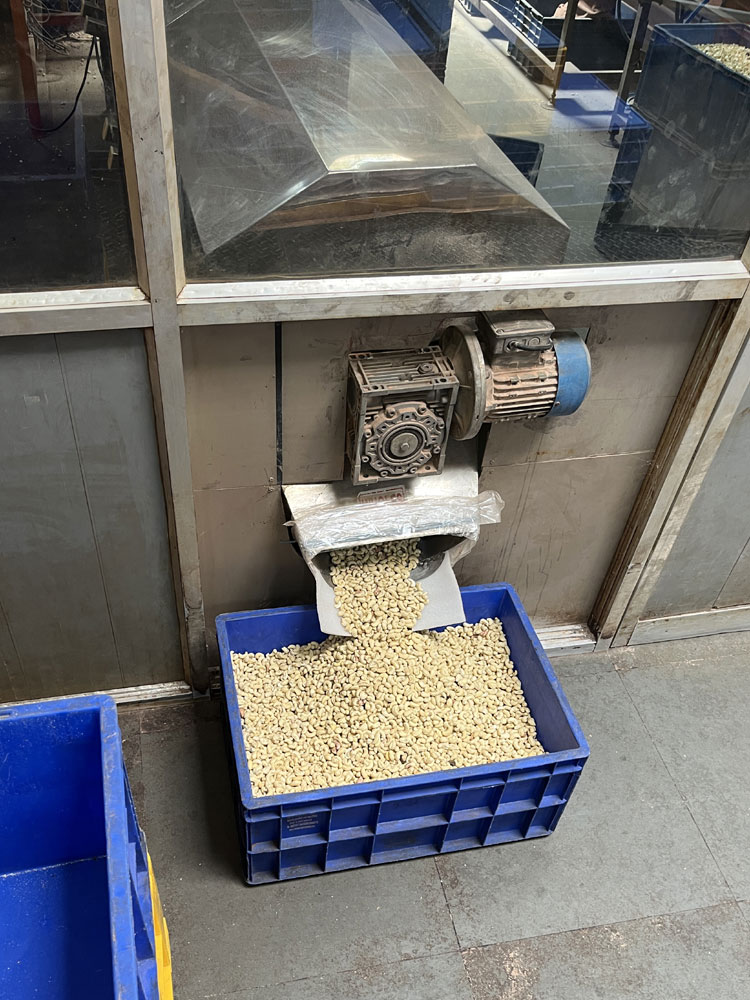
We were shown all the
processes and procedures listed below (except for harvesting
obviously). |
|
|
| |
|
| |
|
| |
|
| |
|
| |
|
| |
|
| |
|
| |
|
| |
|
| |
|
| |
|
| |
|
|
| |
|
| |
|
| |
We were asked not to
take photos of any of the workers without their permission.
When asked, all of them indicated that they were happy to
be photographed. |
|
|
| |
|
| |
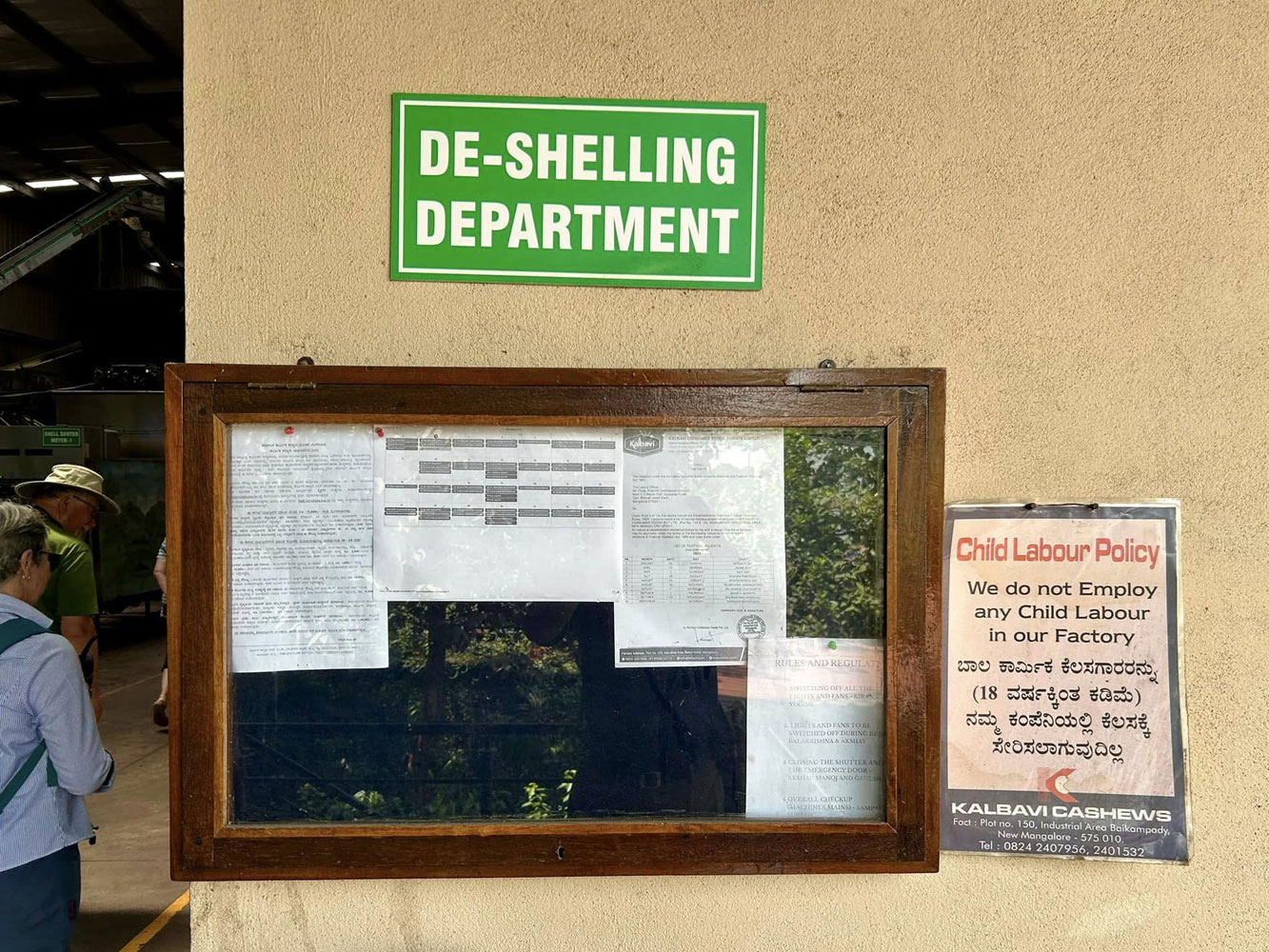
It was good to see their
child labour policy, but we were slightly concerned about
the high level of noise in the plant. Our guide asked the
supervisor about this. She replied that all employees are
offered ear-defenders, but prefer not to wear them. |
|
|
| |
|
| |
|
| |
|
| |
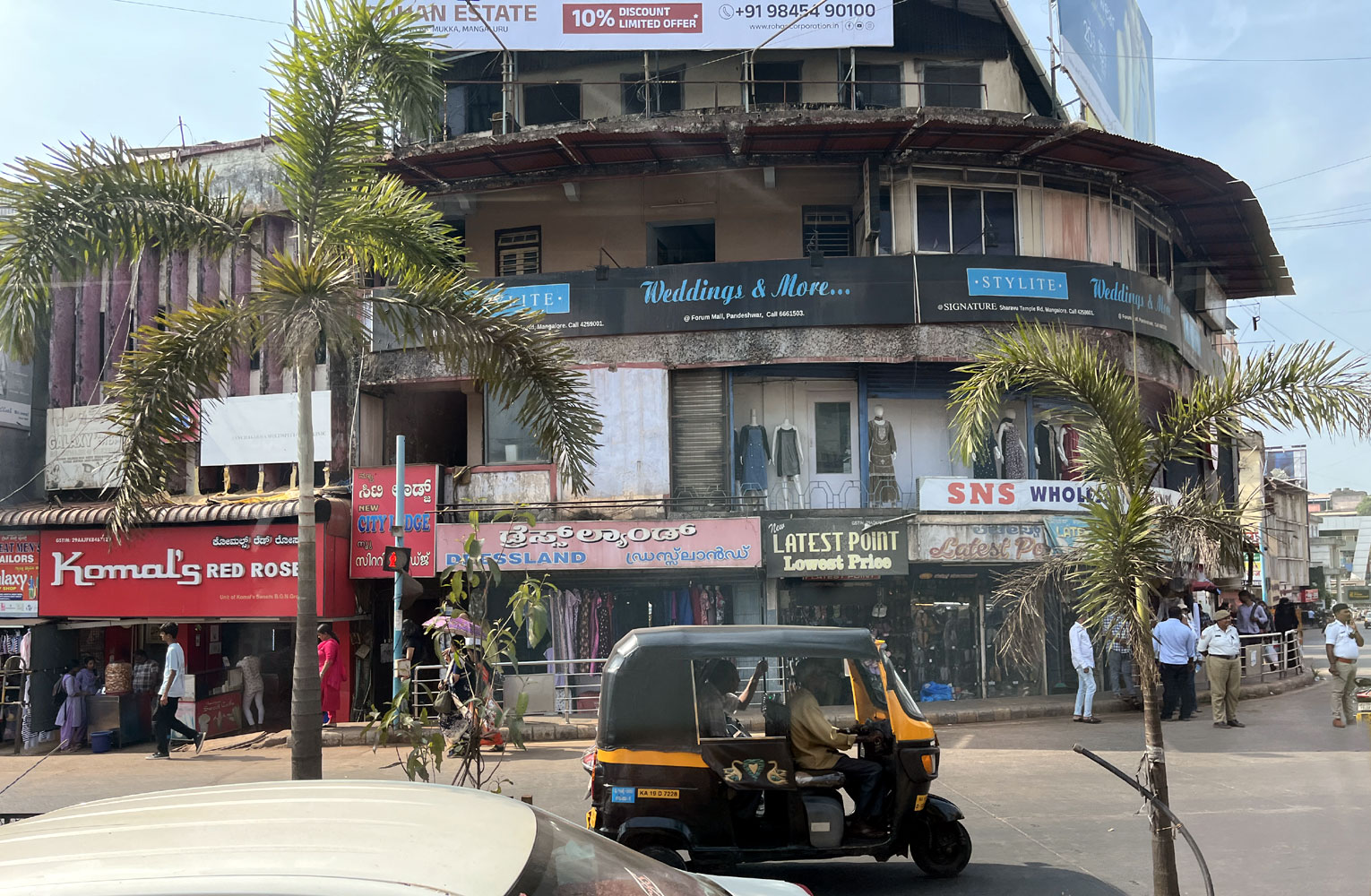
At the end of the tour,
it was back on the coach for the drive south, past the port
and into the centre of Manglalore. |
|
| |
|
| |
|
|
| |
|
|
| |
|
| |
|
|
| |
|
|
| |
|
|
| |
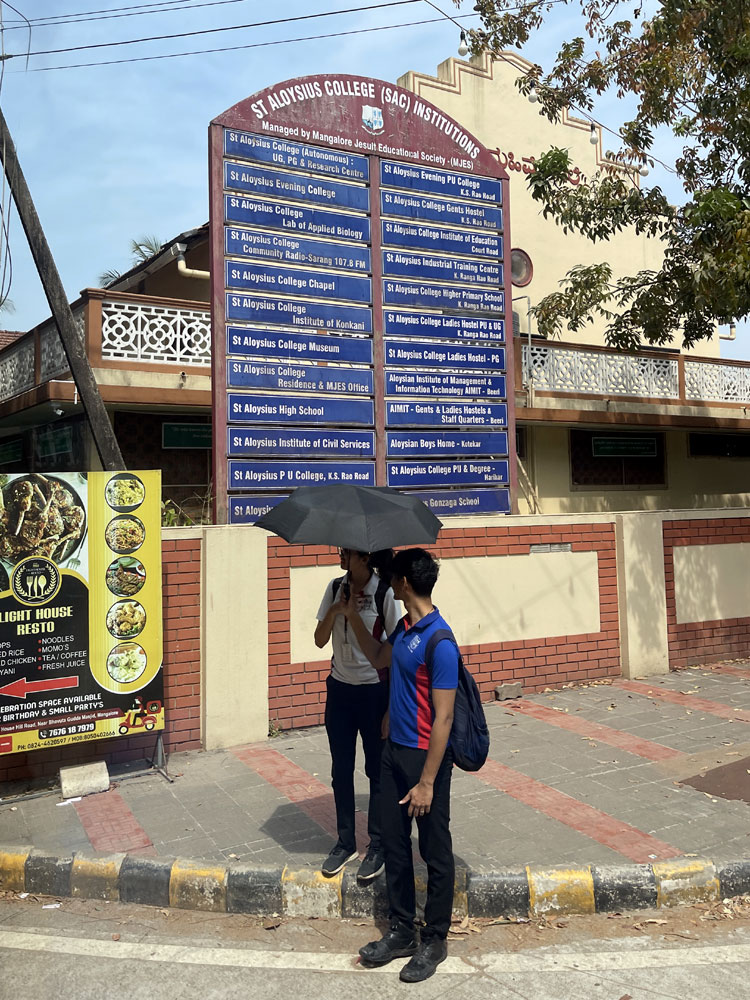
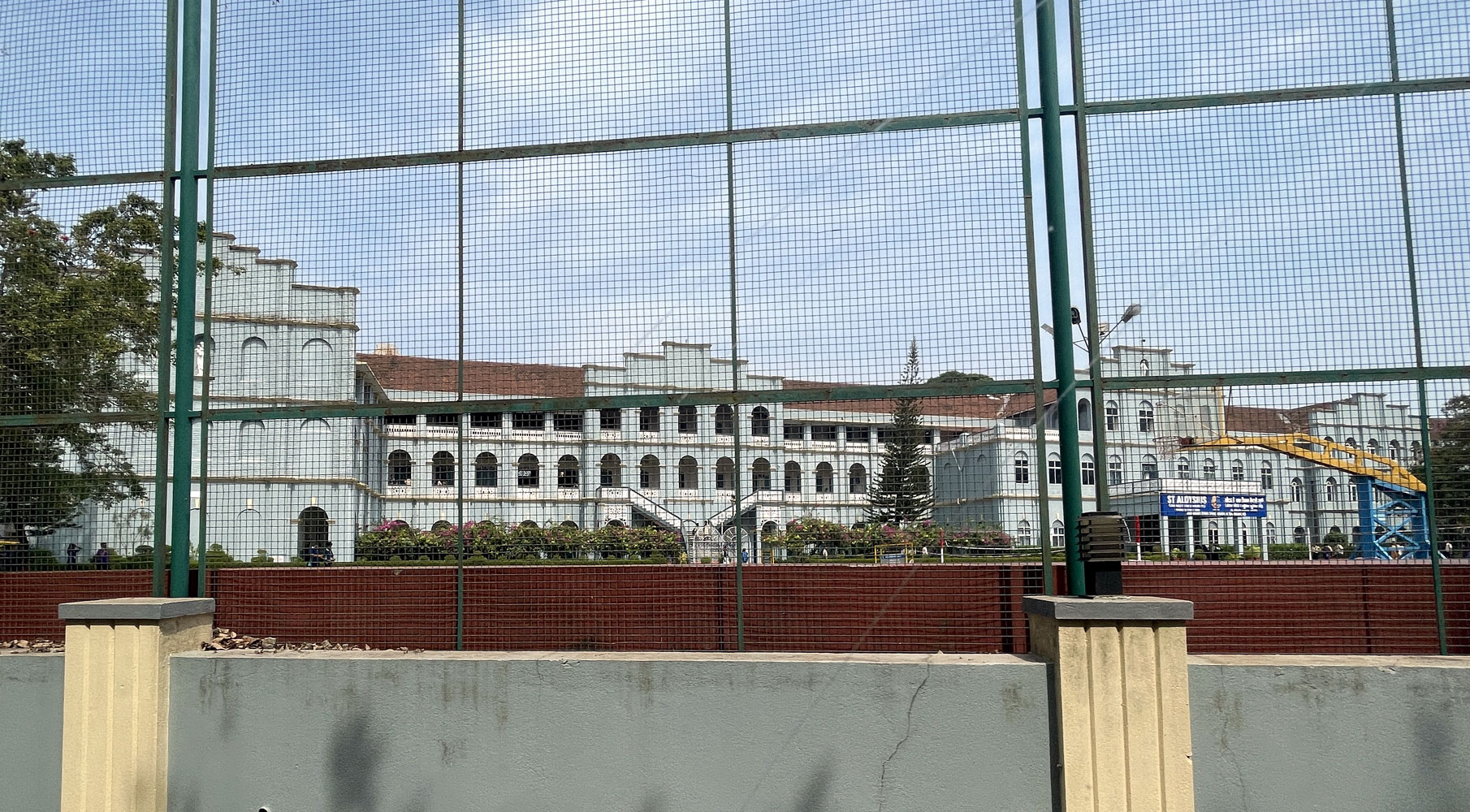
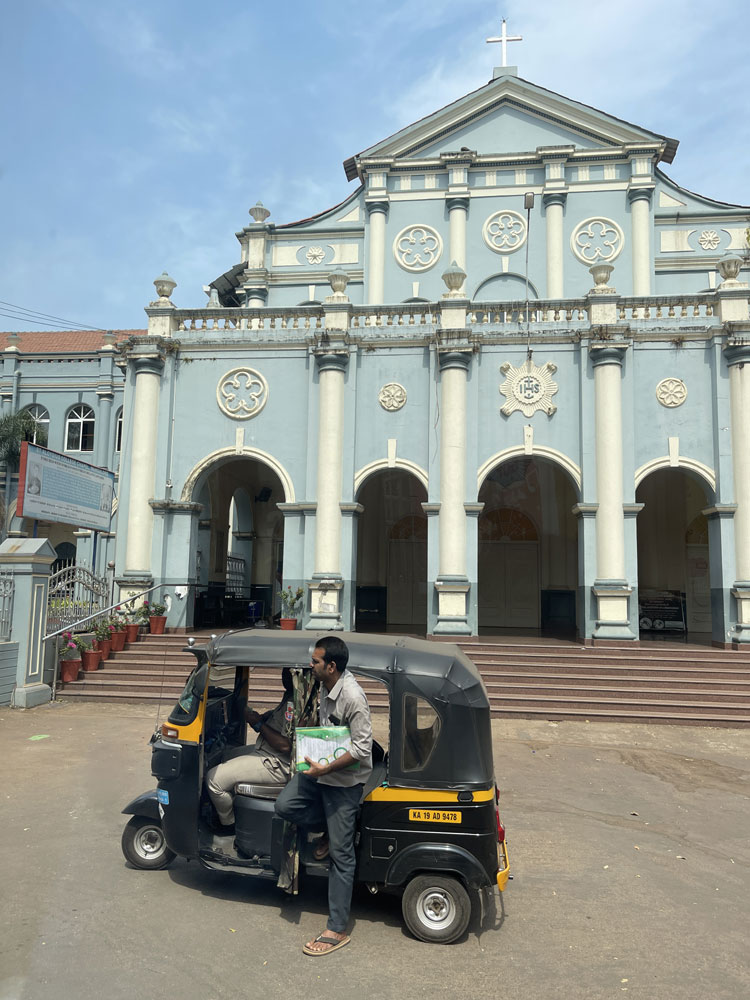
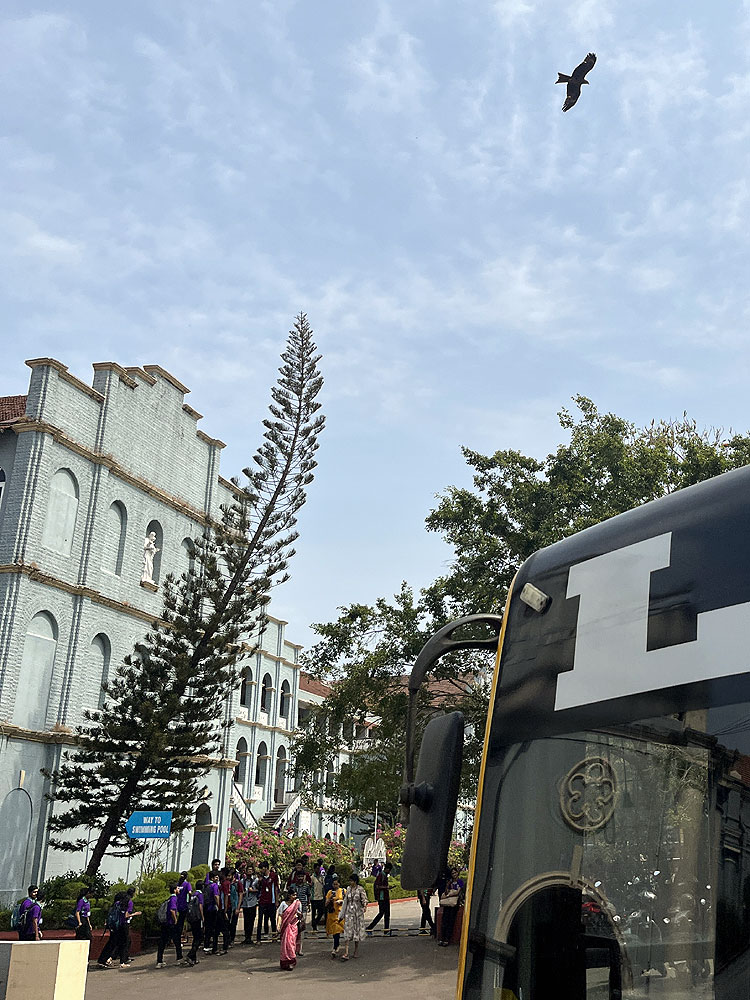
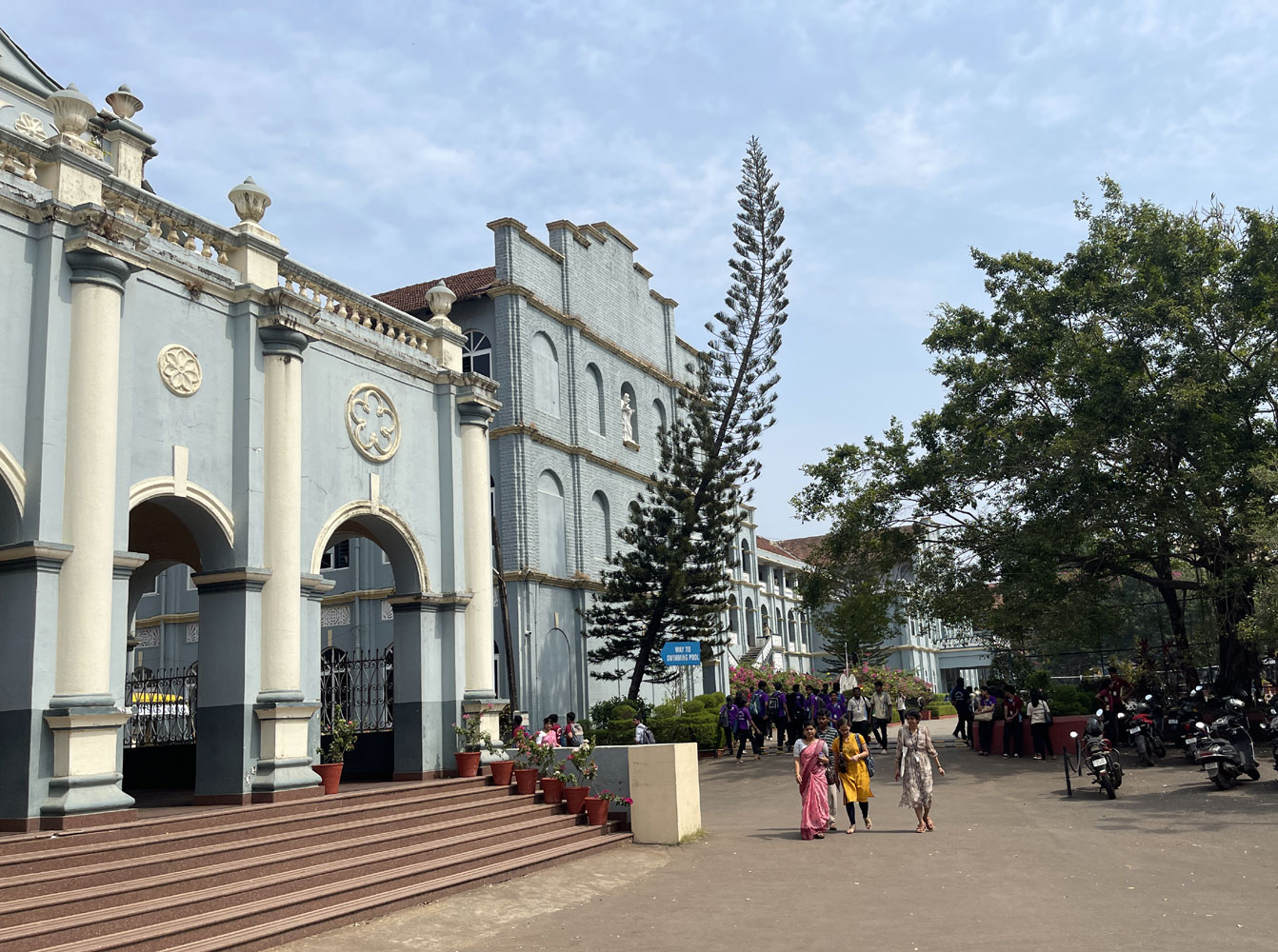
Our first stop within
the city was here at St.
Aloysius, which is a private, co-educational, Jesuit
university, founded in 1880 as St. Aloysius College. (We
noticed that every reference to it was careful to qualify
its status with the words "deemed to be university",
as if to suggest that there might be some dispute over that). |
|
|
| |
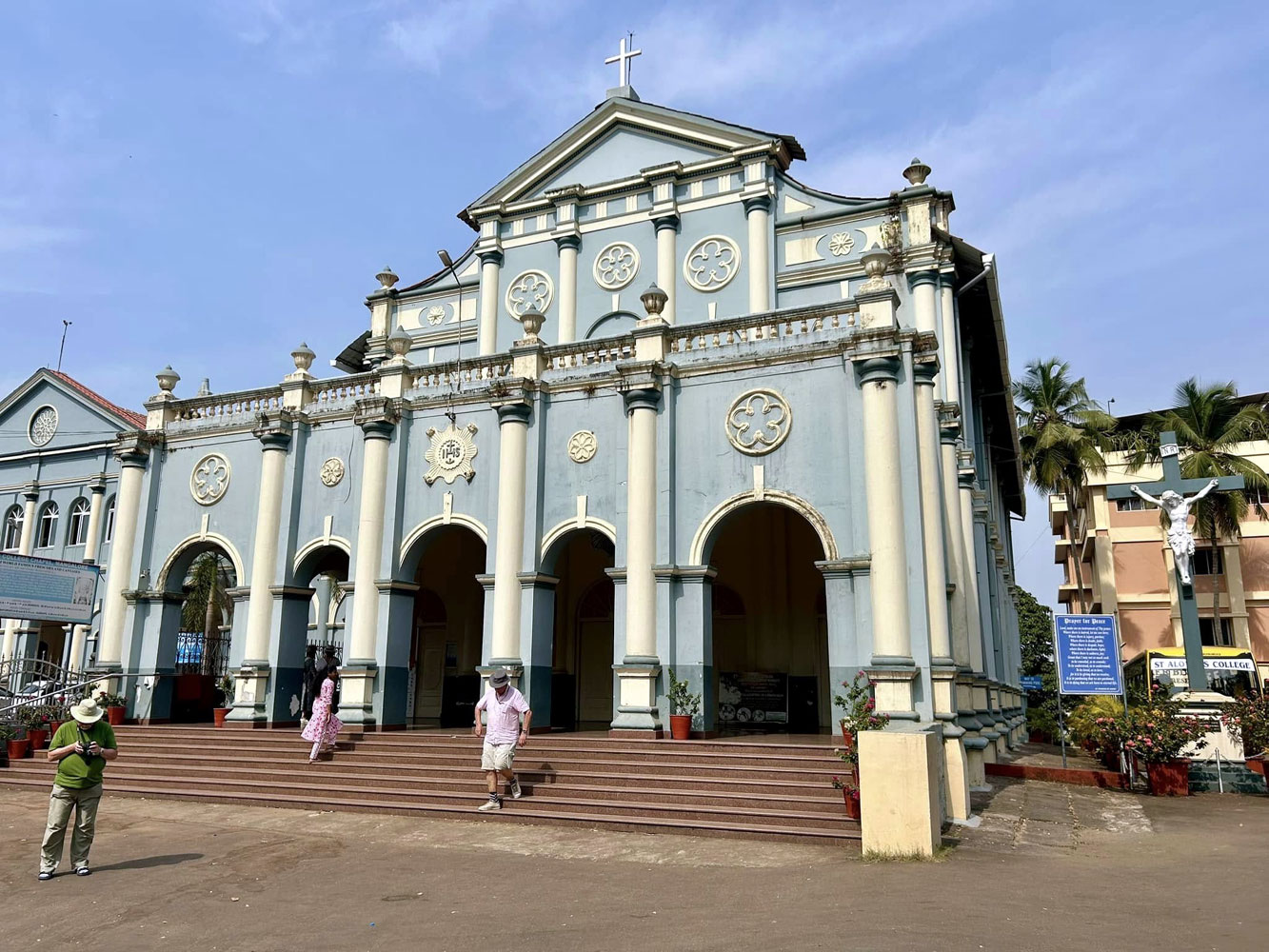
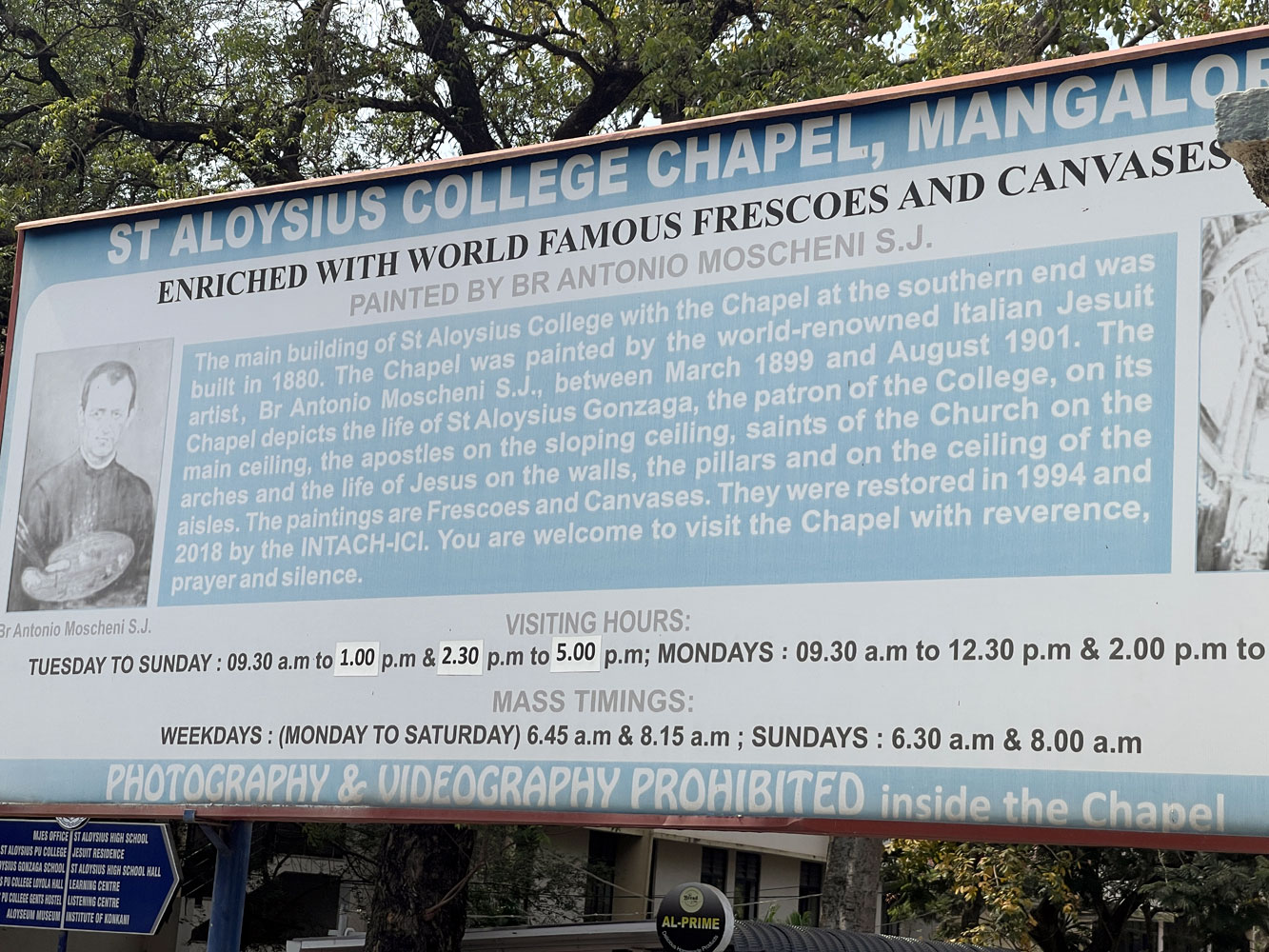
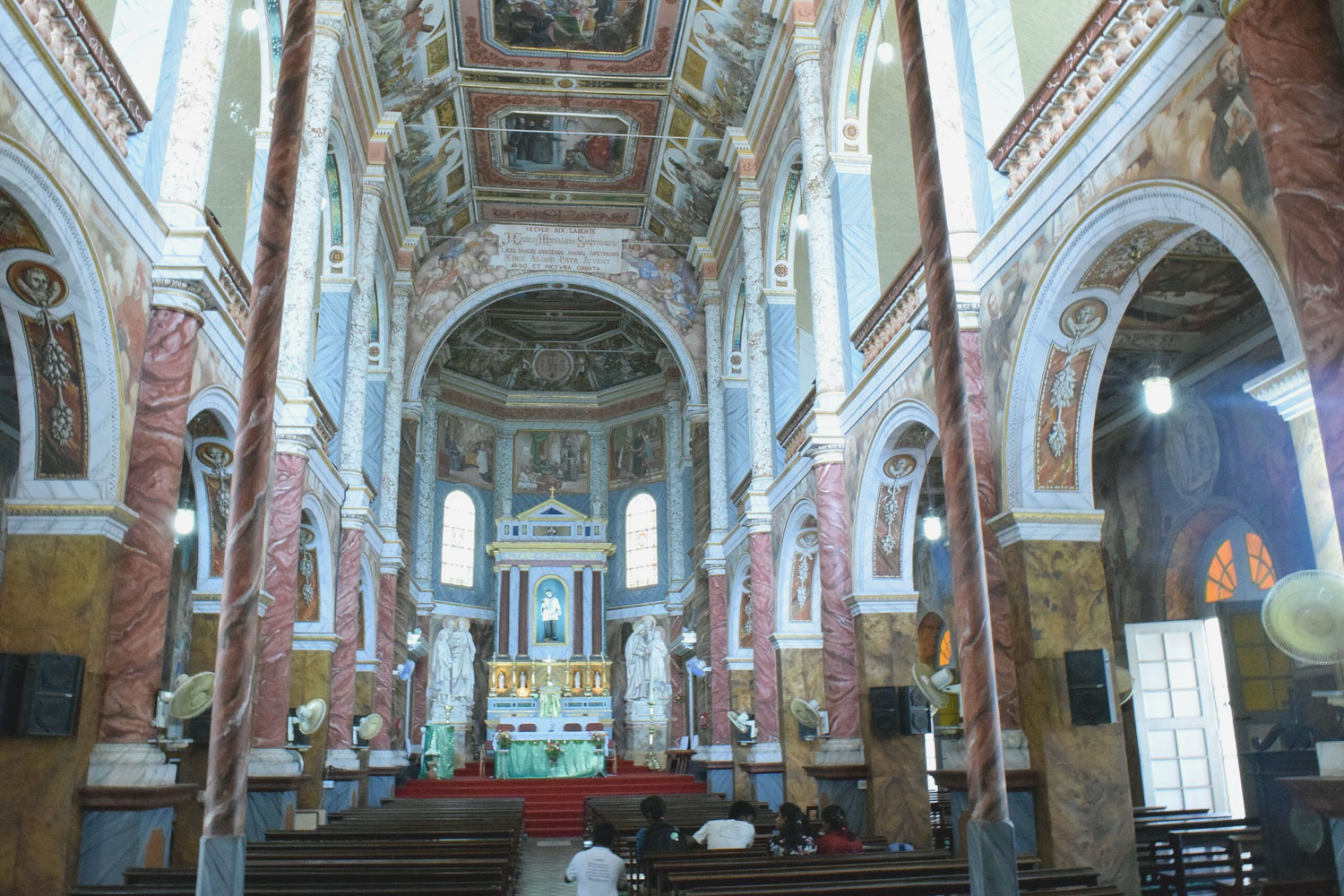
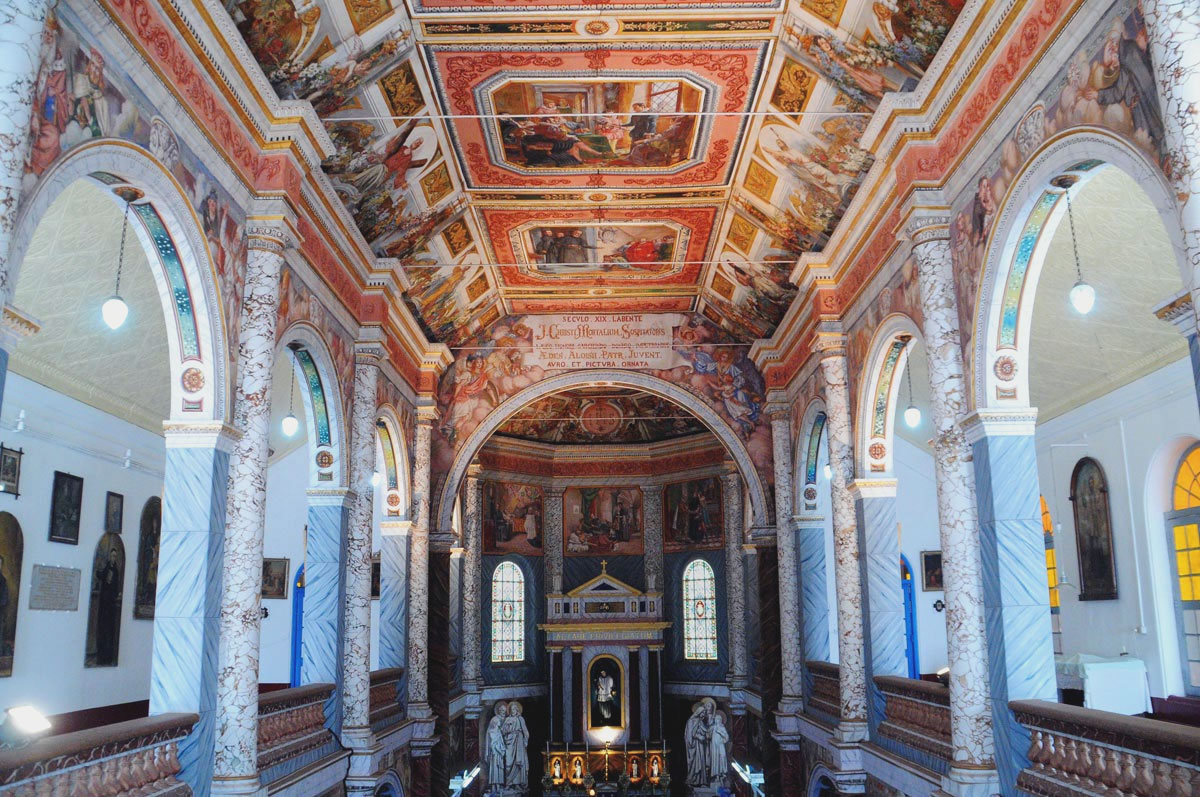
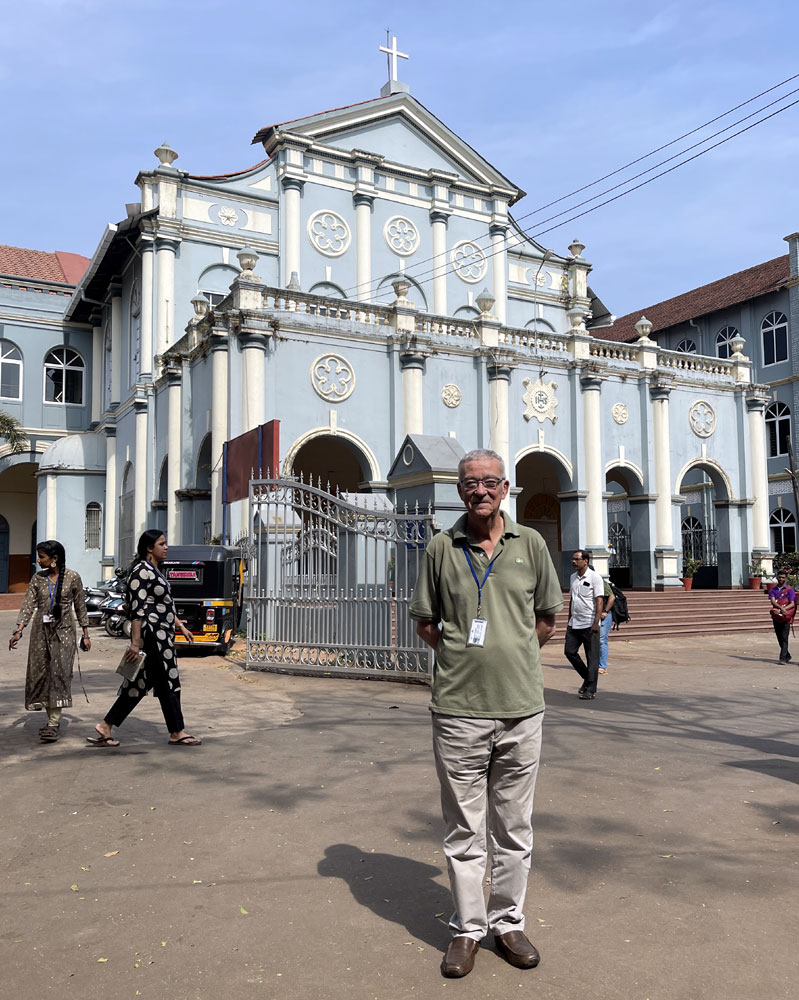
Within the grounds of
the university is St.
Aloysius Chapel which was the reason we had come here. |
|
|
| |
As the sign says, "photography
& videography prohibited"... |
|
|
| |
...so these images have
been downloaded from elsewhere. |
|
|
| |
|
| |
|
|
| |
|
| |
|
| |
|
| |
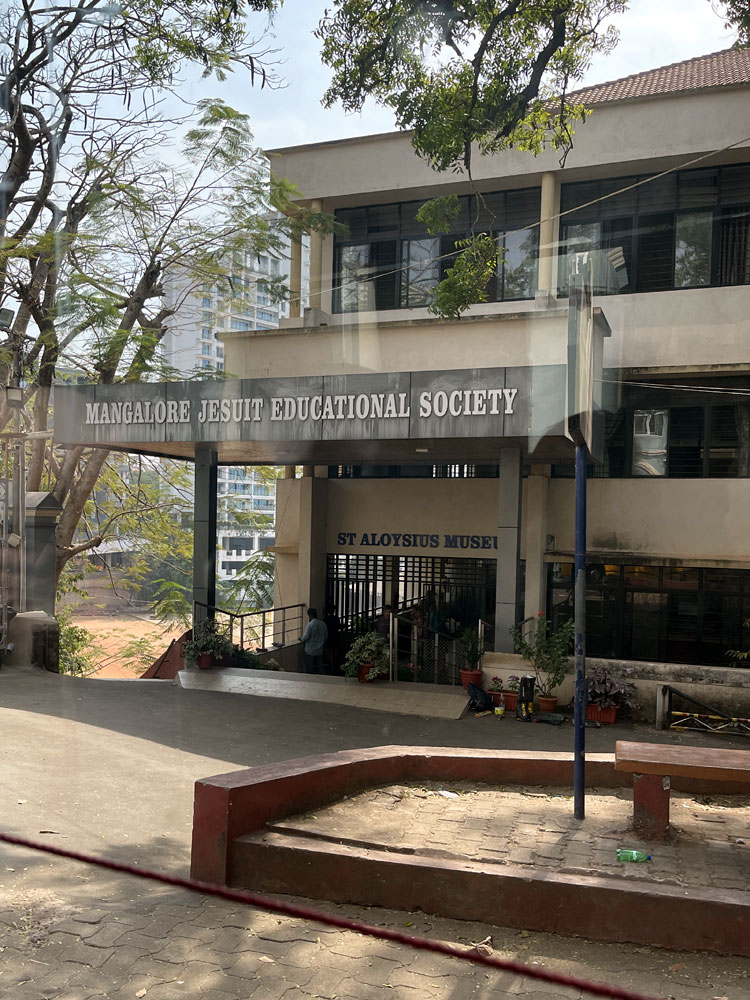
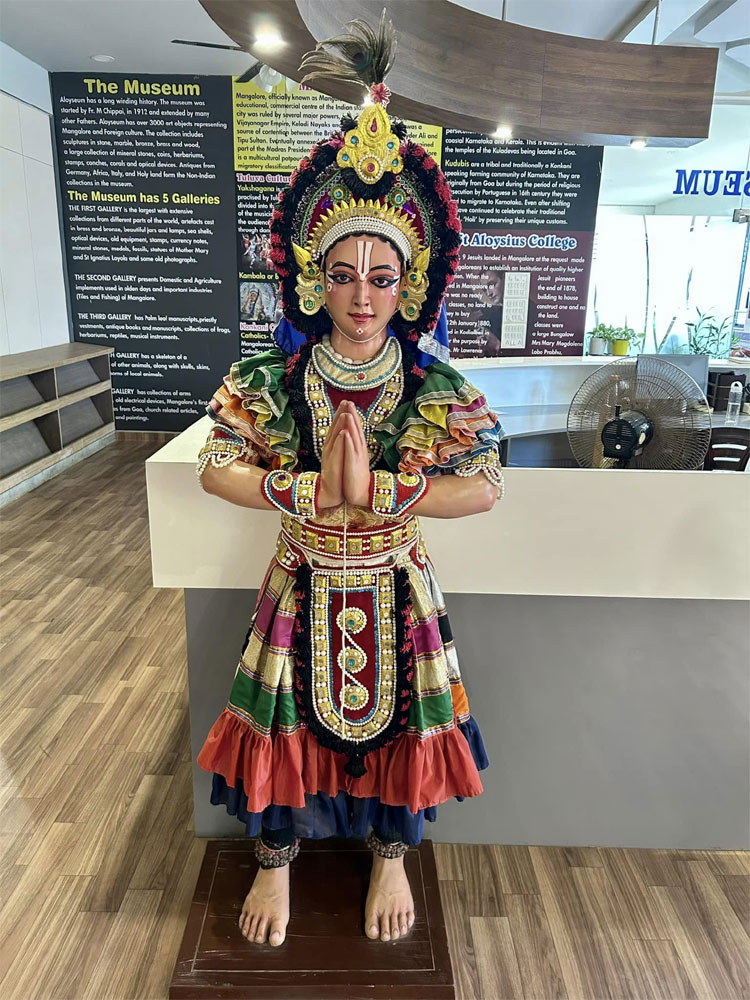
Within the grounds of
the university and within a building called the Mangalore
Jesuit Educational Society, is the St. Aloysius Museum,
known as Aloyseum.
It houses a large, eclectic collection of artifacts such
as stone age tools, postal stamps, Roman coins, pieces of
the Berlin Wall, drawings of Antonio Moscheni, paintings
of European artists, spears and arrows of Abyssinia, Neolithic
stone axe, telegraphic equipment, Mangalore's first car
and generator, whale skeleton, old musical instruments,
etc. We had about 30 minutes to look around, so there was
no way to do it justice. |
|
|
|
| |
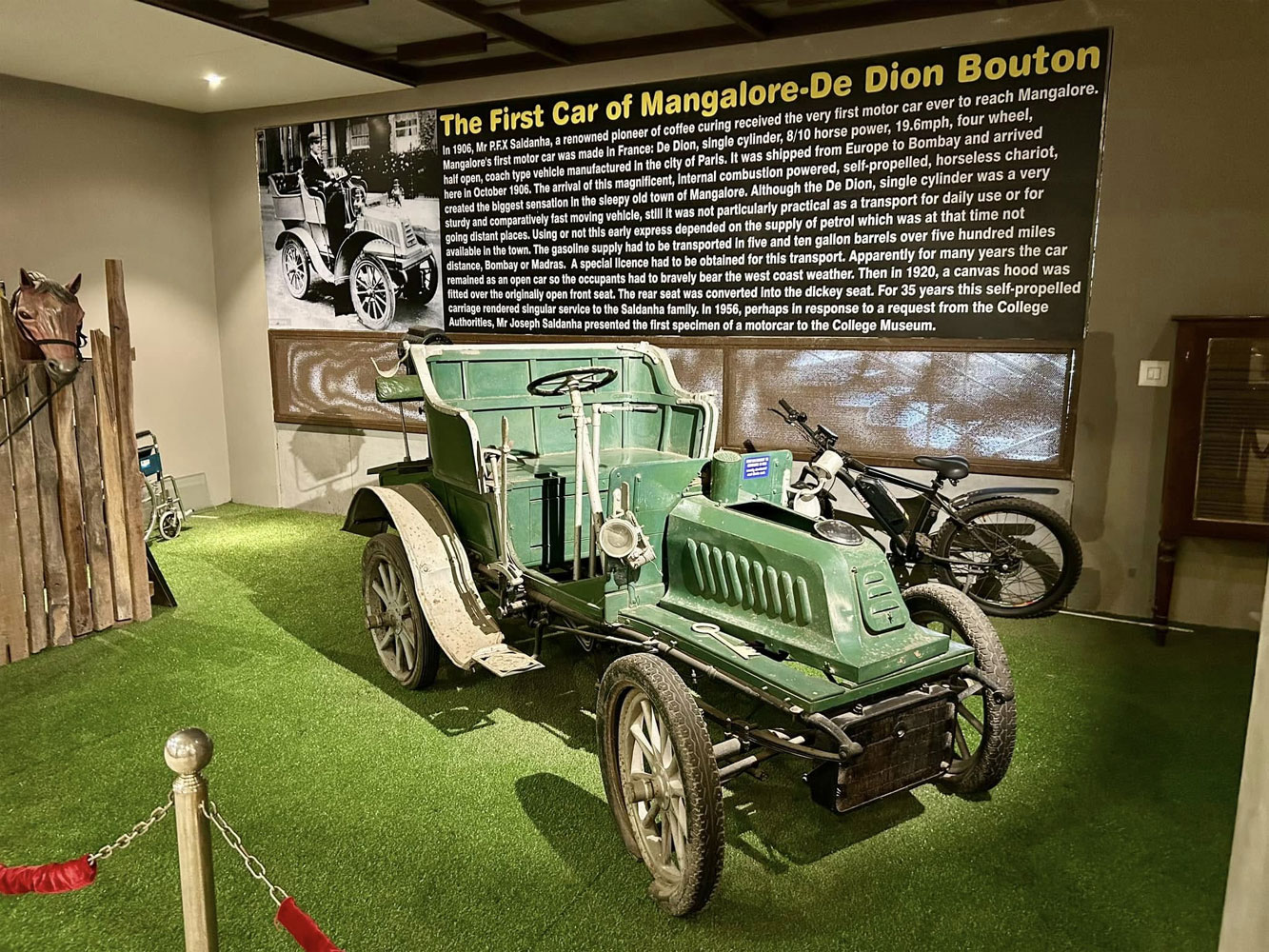
The first car in Mangalore
was prominently displayed. |
|
|
| |
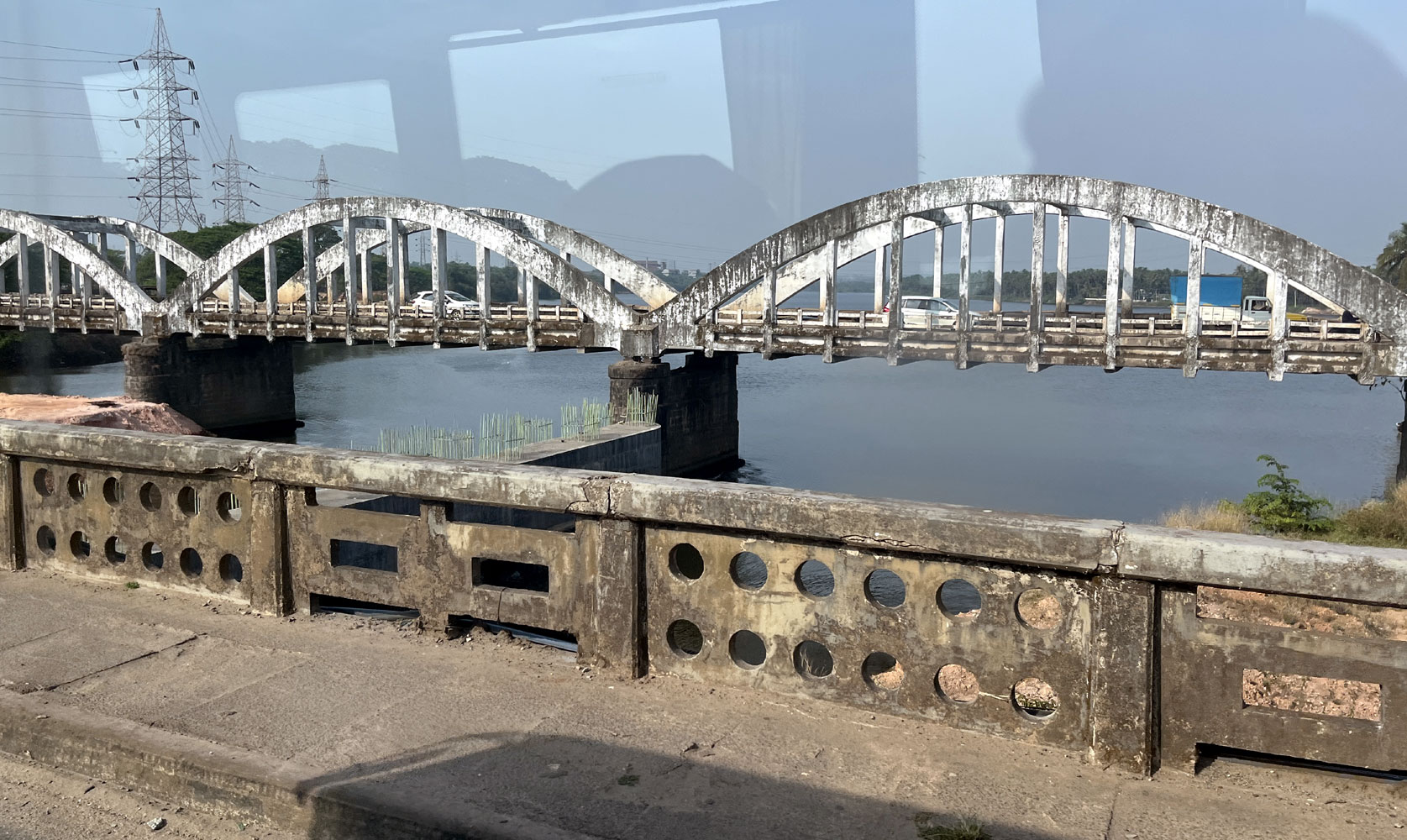
Back on the coach, we
drove on towards our final destination for today. |
|
|
| |
Hazrath Saidani Bibi
Sahiba - a dargah (tomb or shrine) attracts pilgrims irrespective
of religion, caste or gender. |
|
|
|
|
| |
|
|
| |
|
| |
|
| |
|
| |
|
| |
|
| |
|
|
| |
|
|
| |
|
|
| |
|
|
| |
|
| |
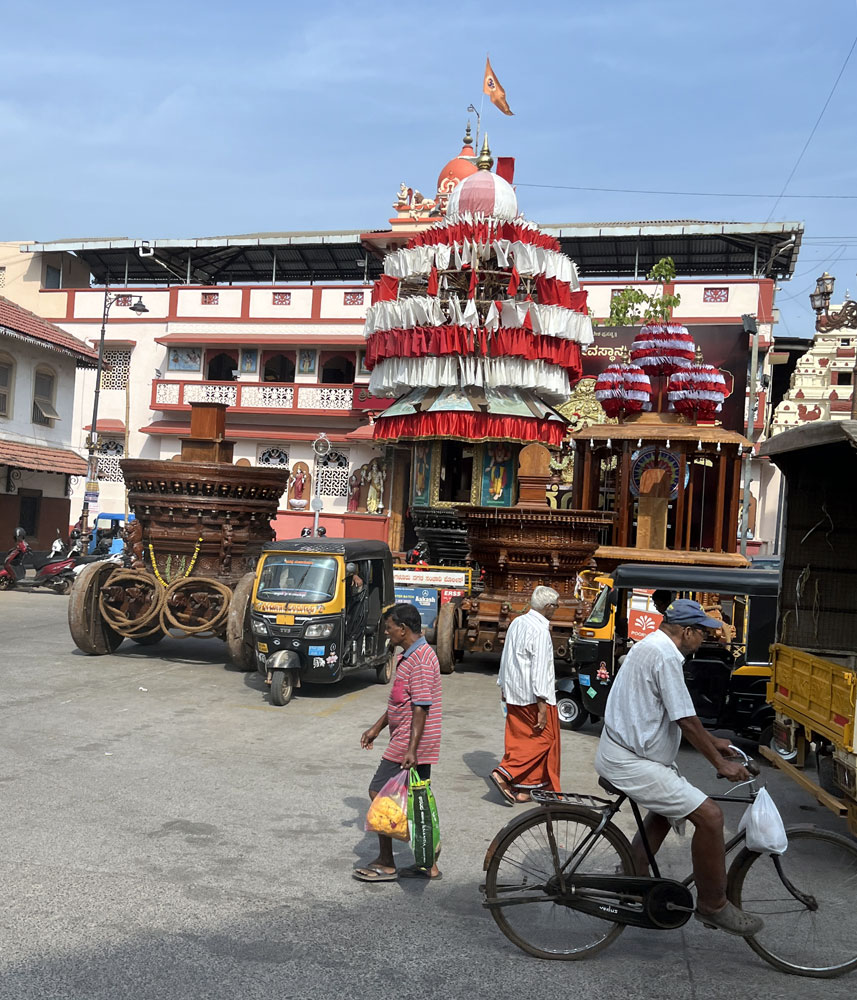
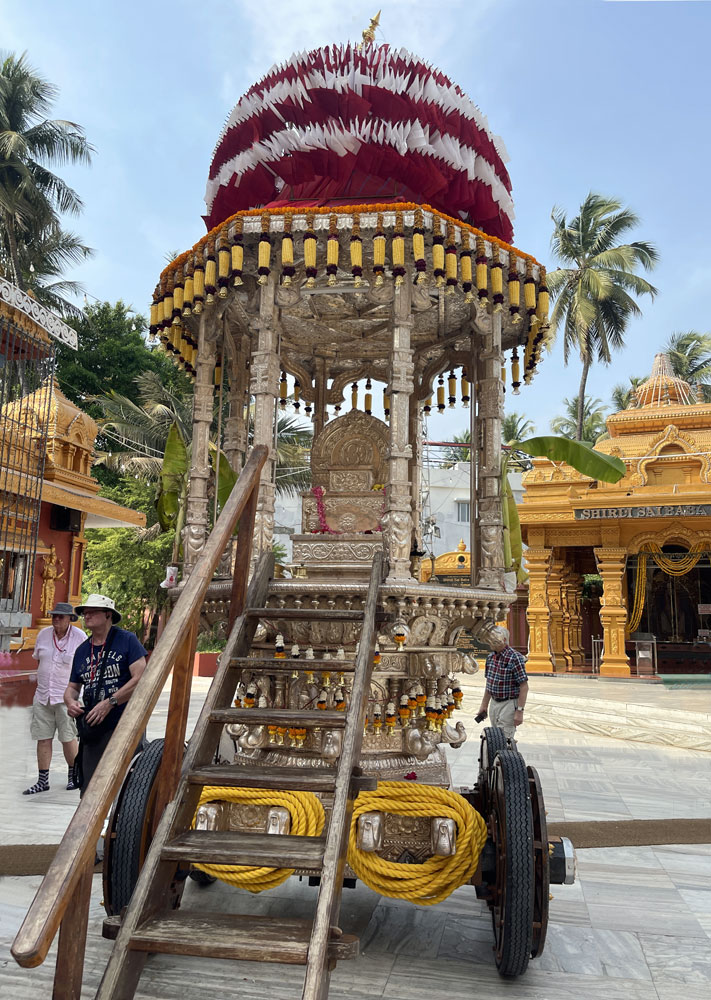
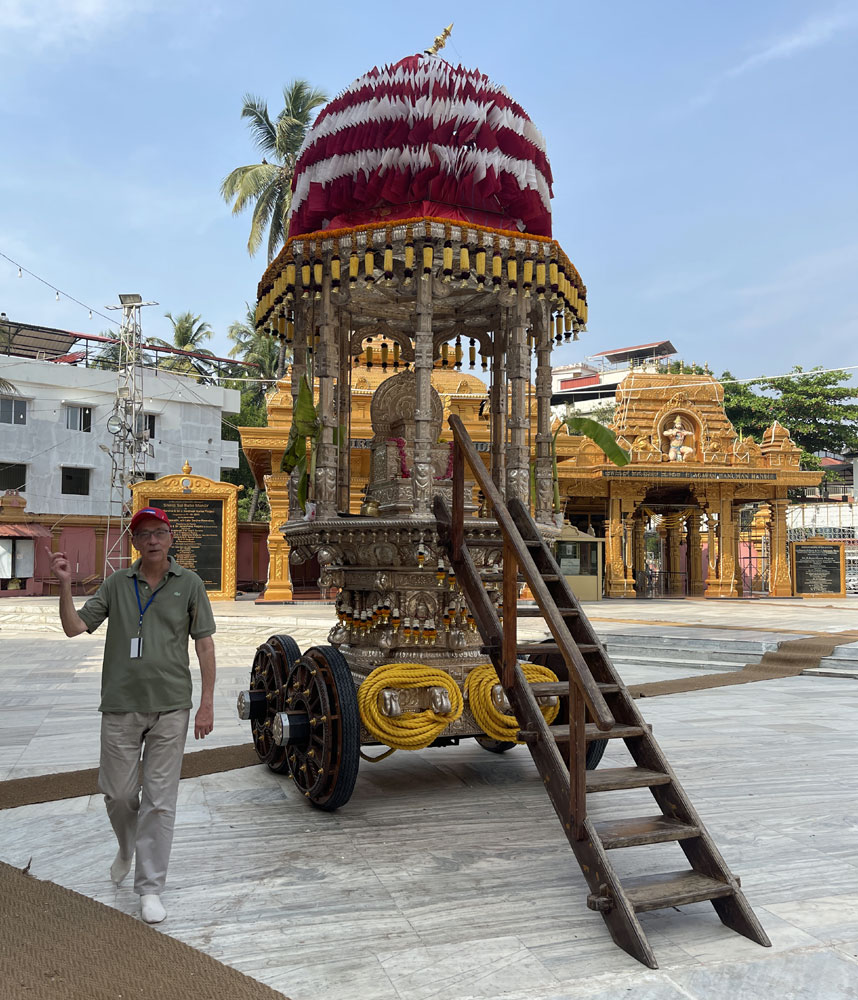
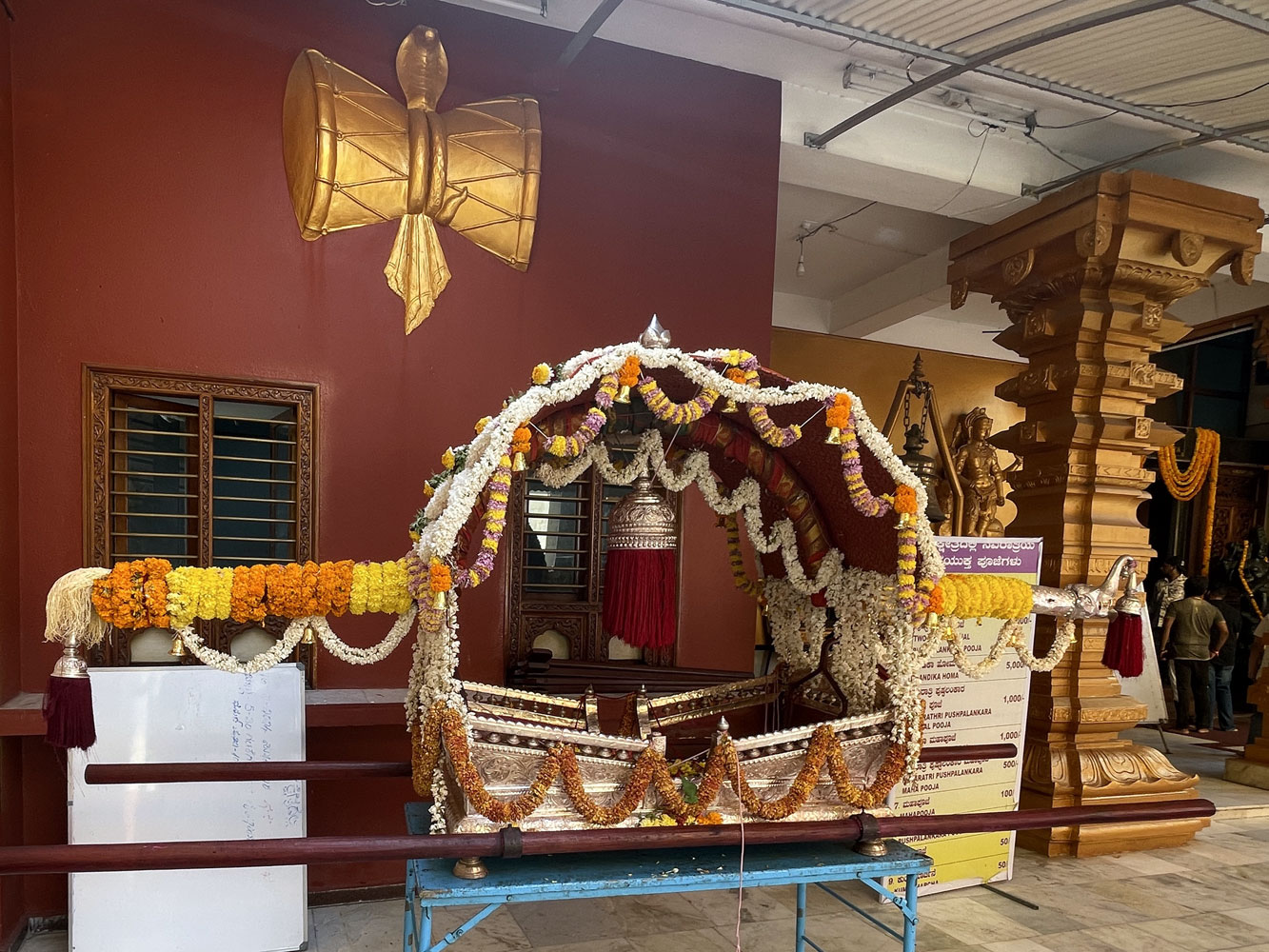
An impressive looking
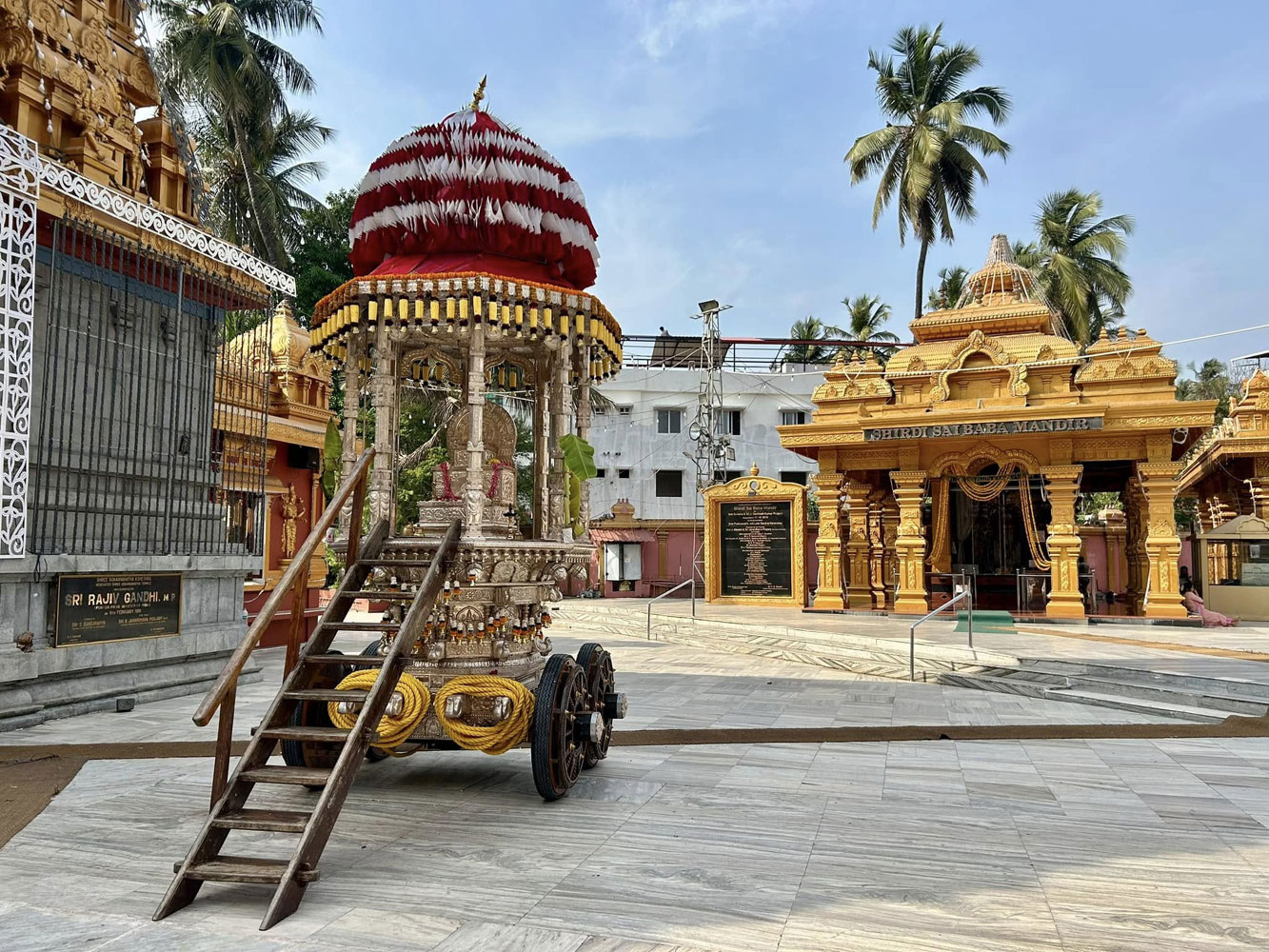
chariot at Temple Square (Sri Venkataramana Temple). |
|
|
| |
|
| |
|
|
| |
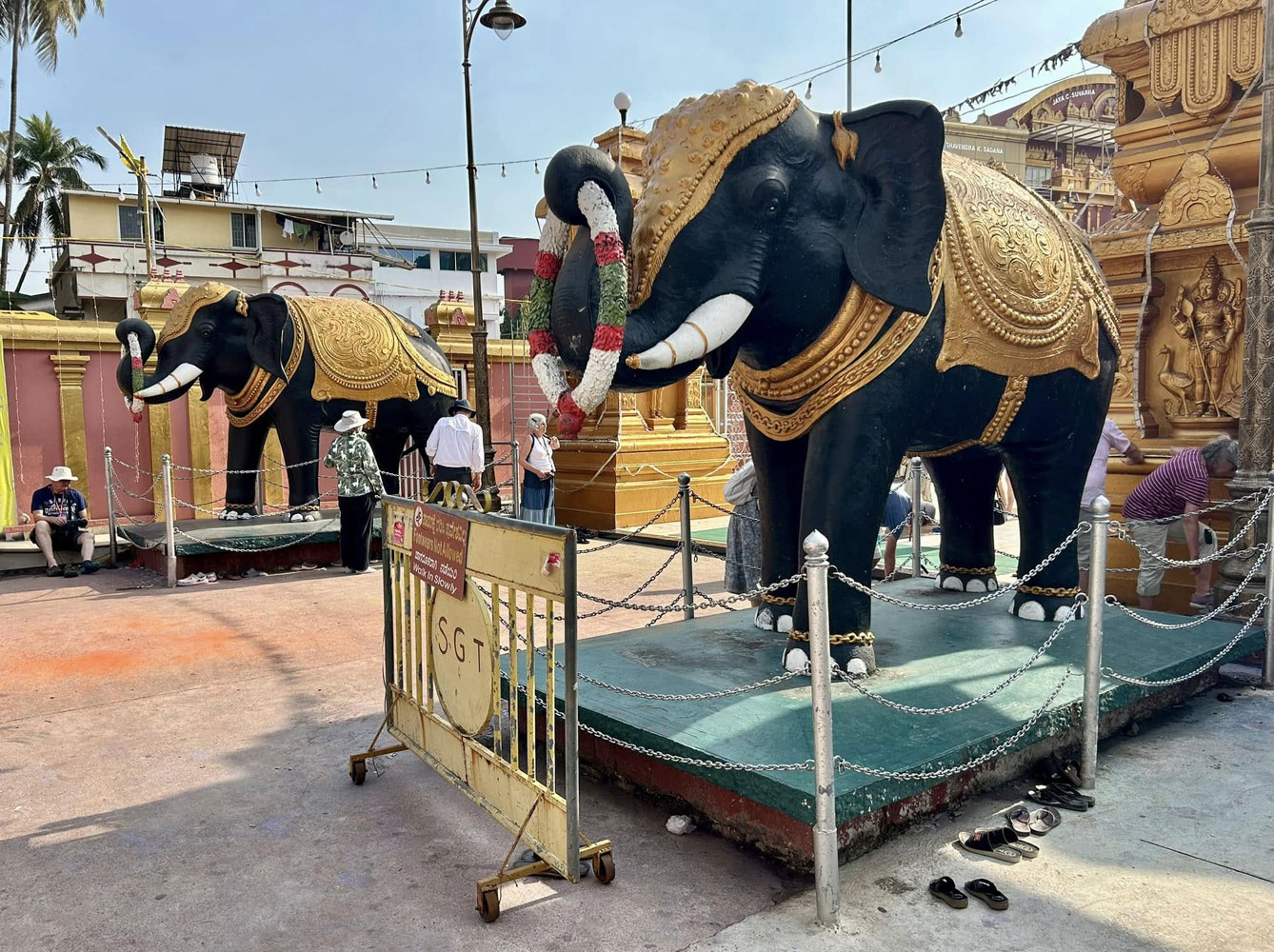
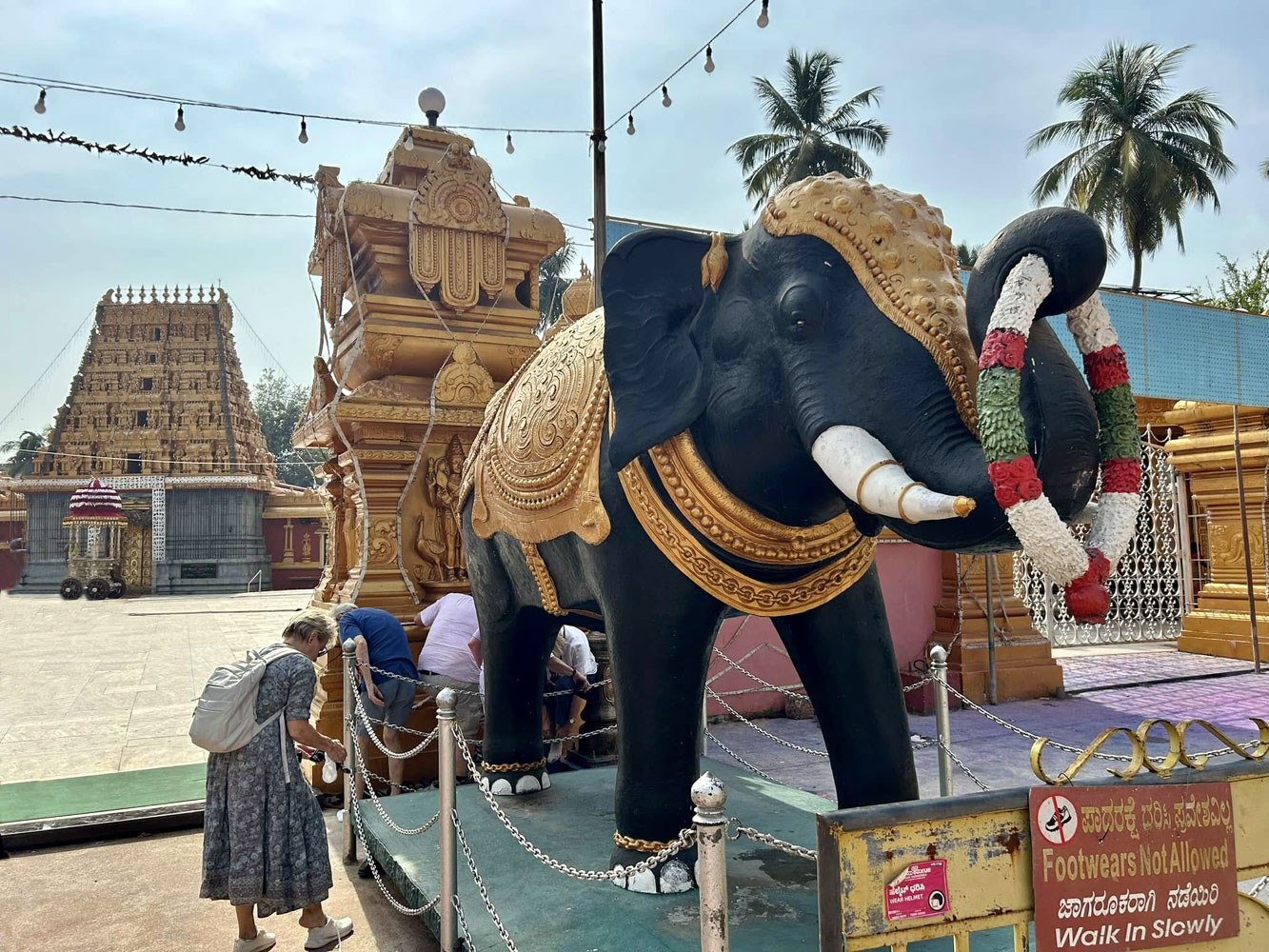
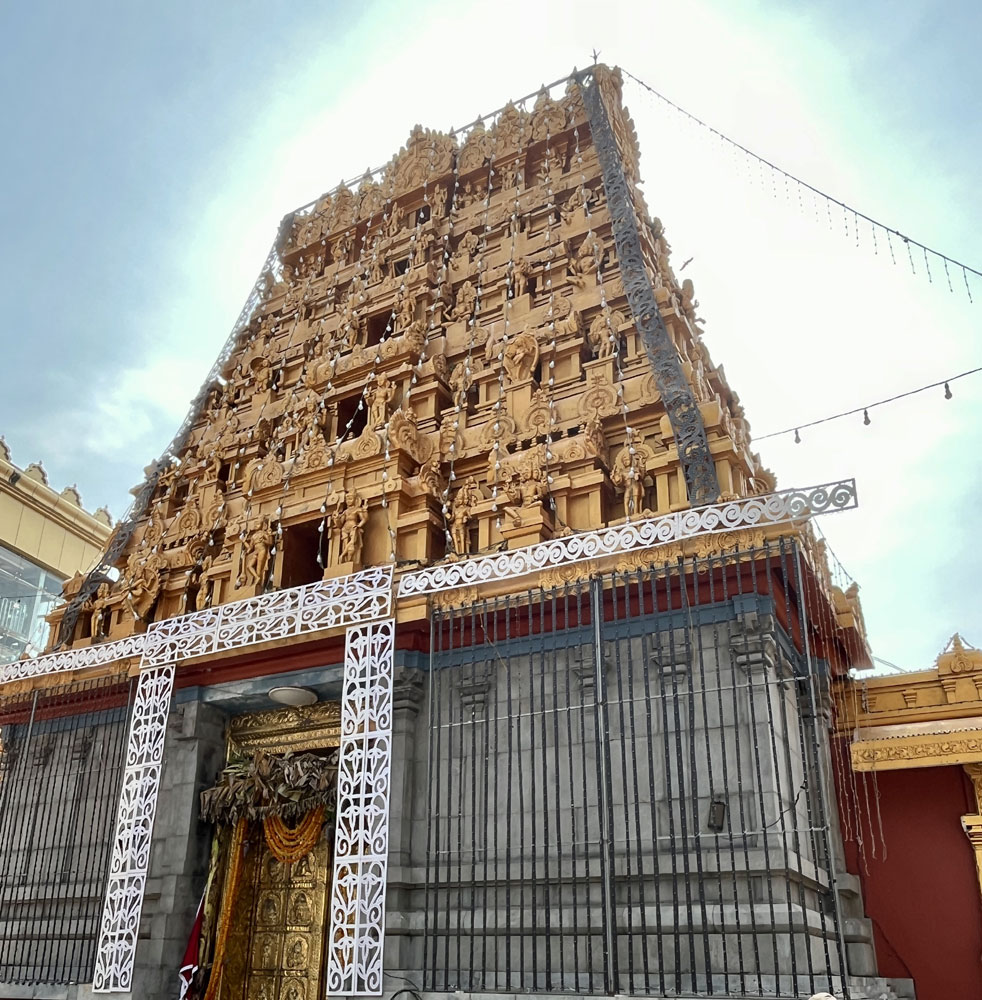
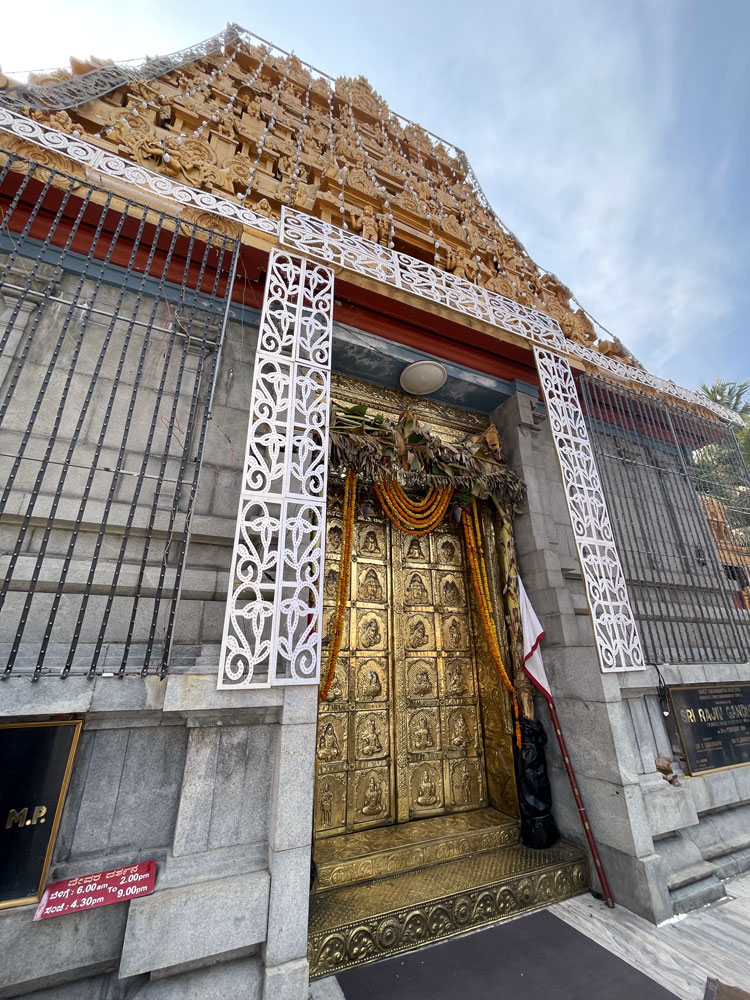
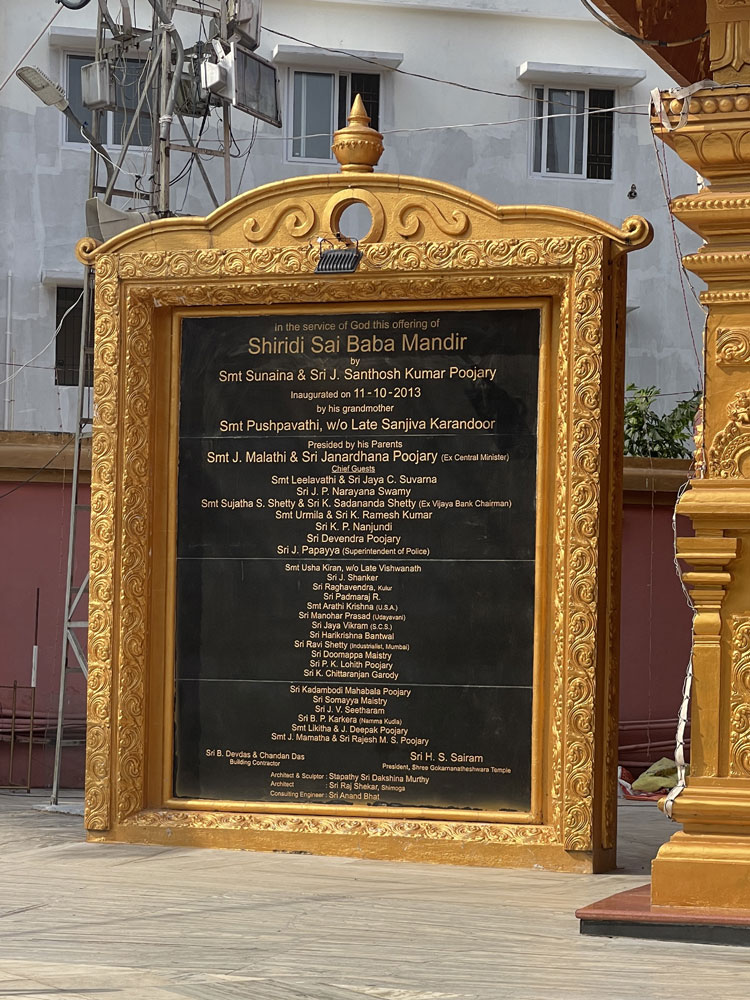
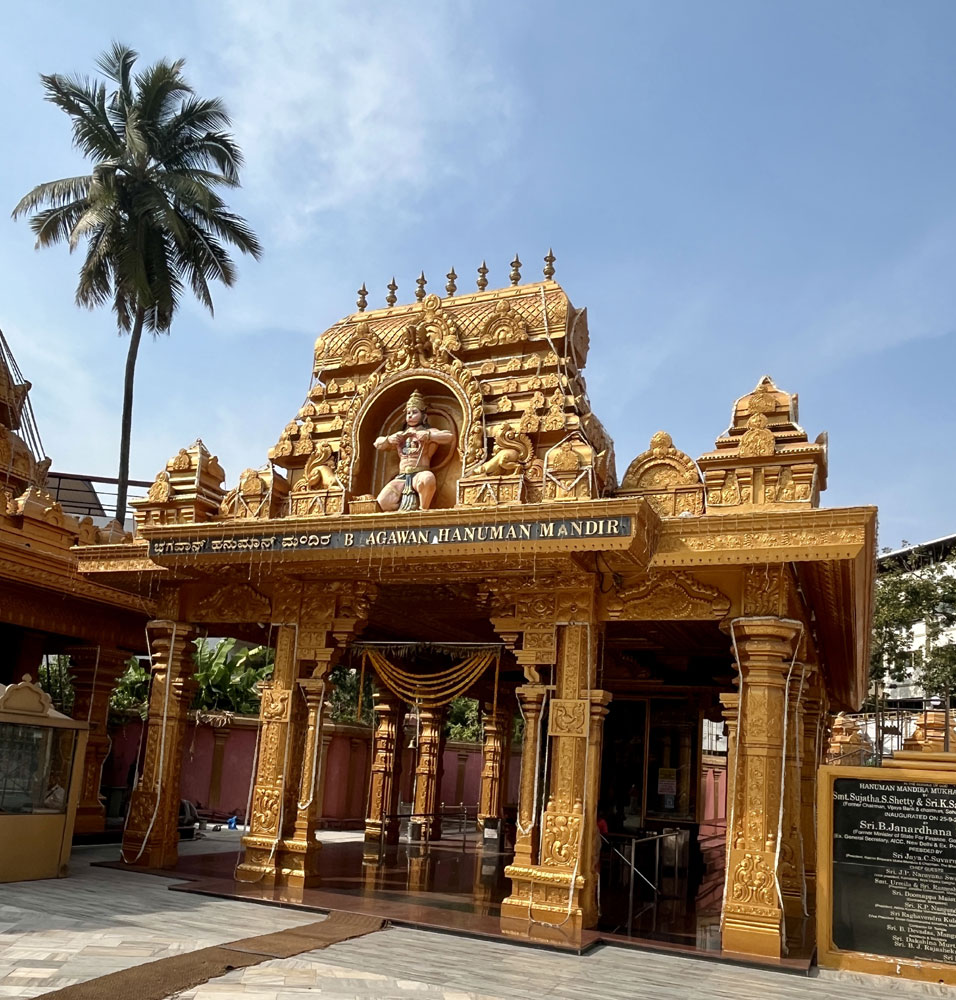
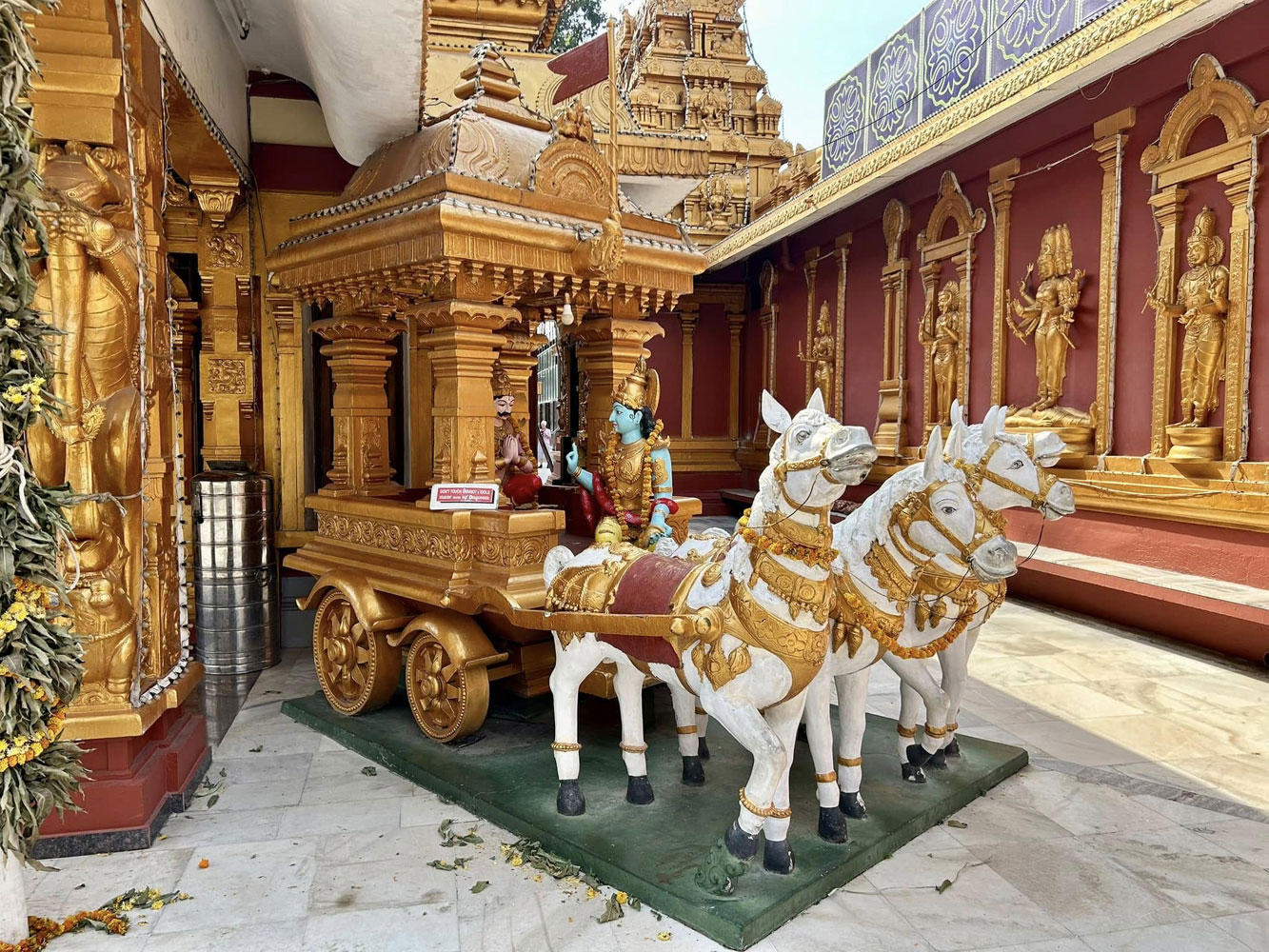
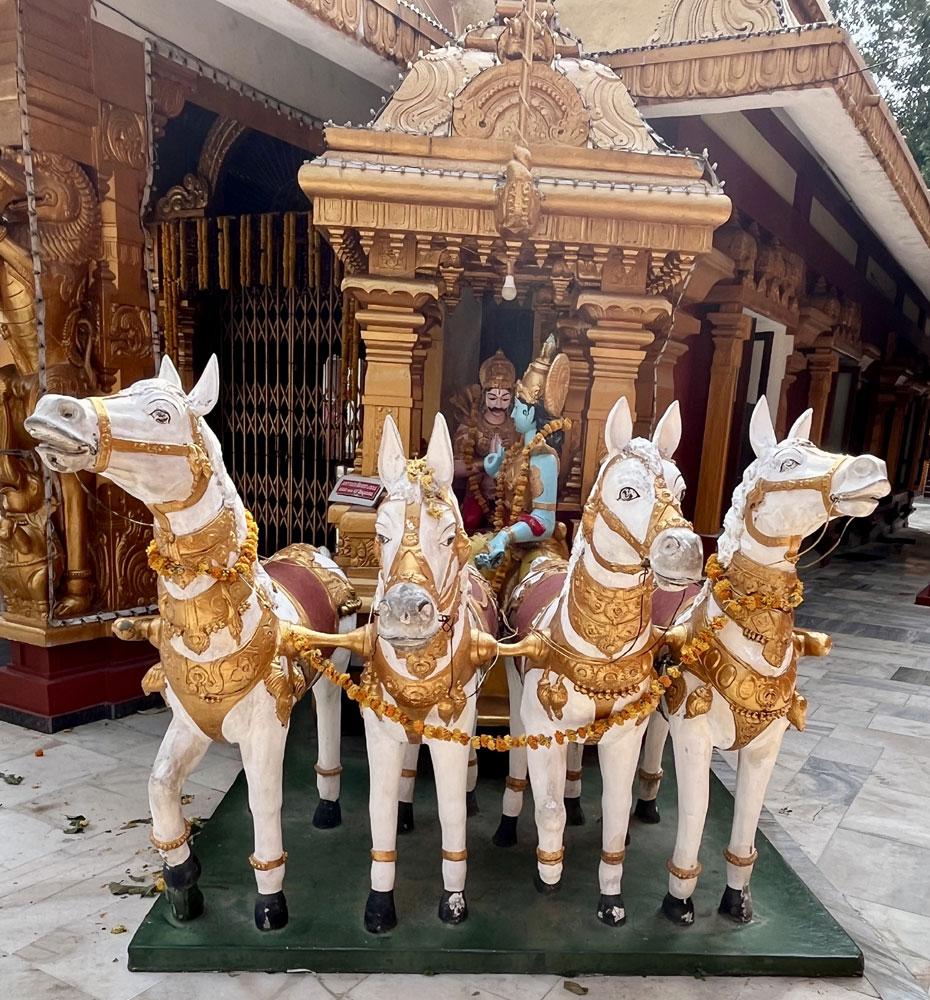
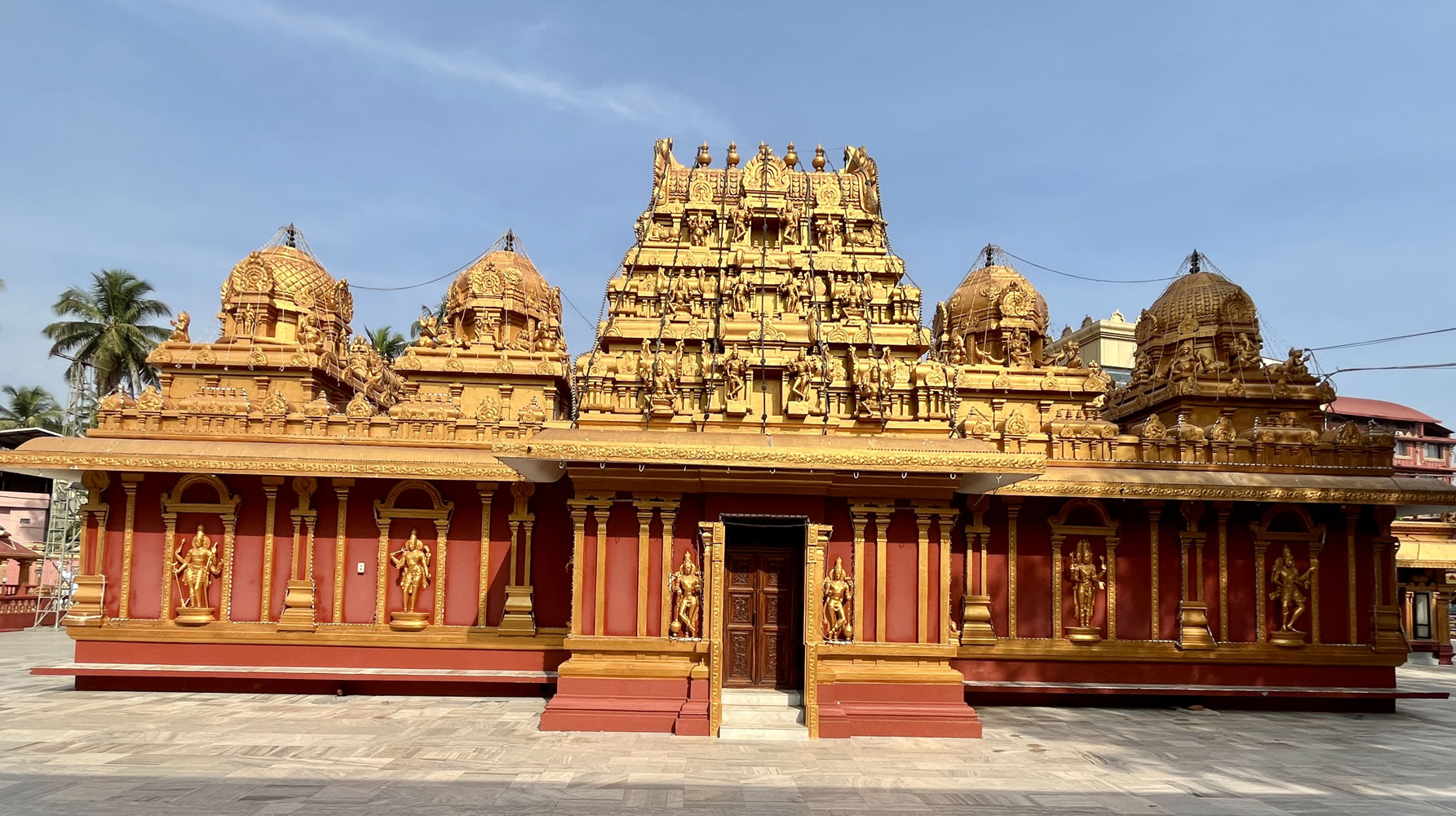
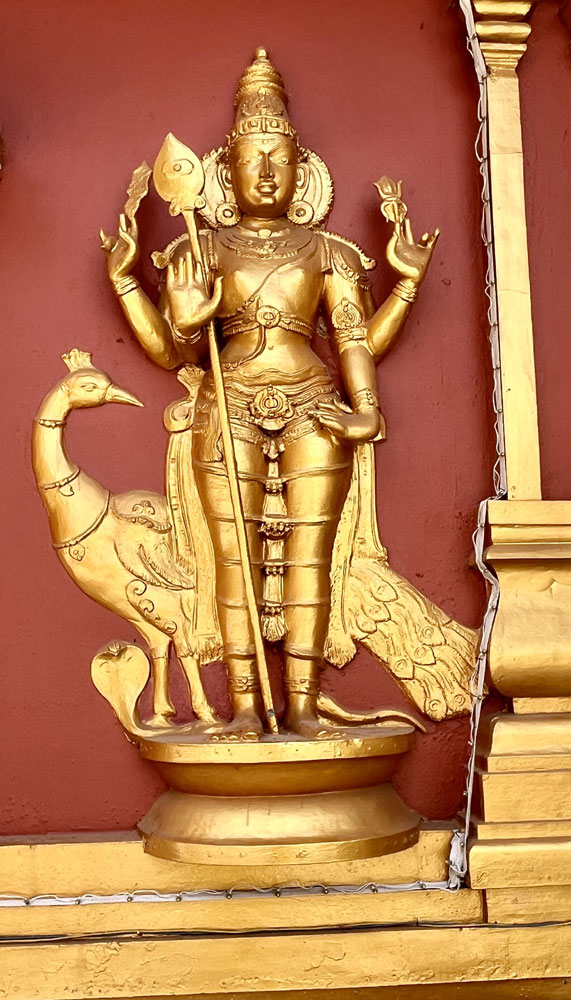
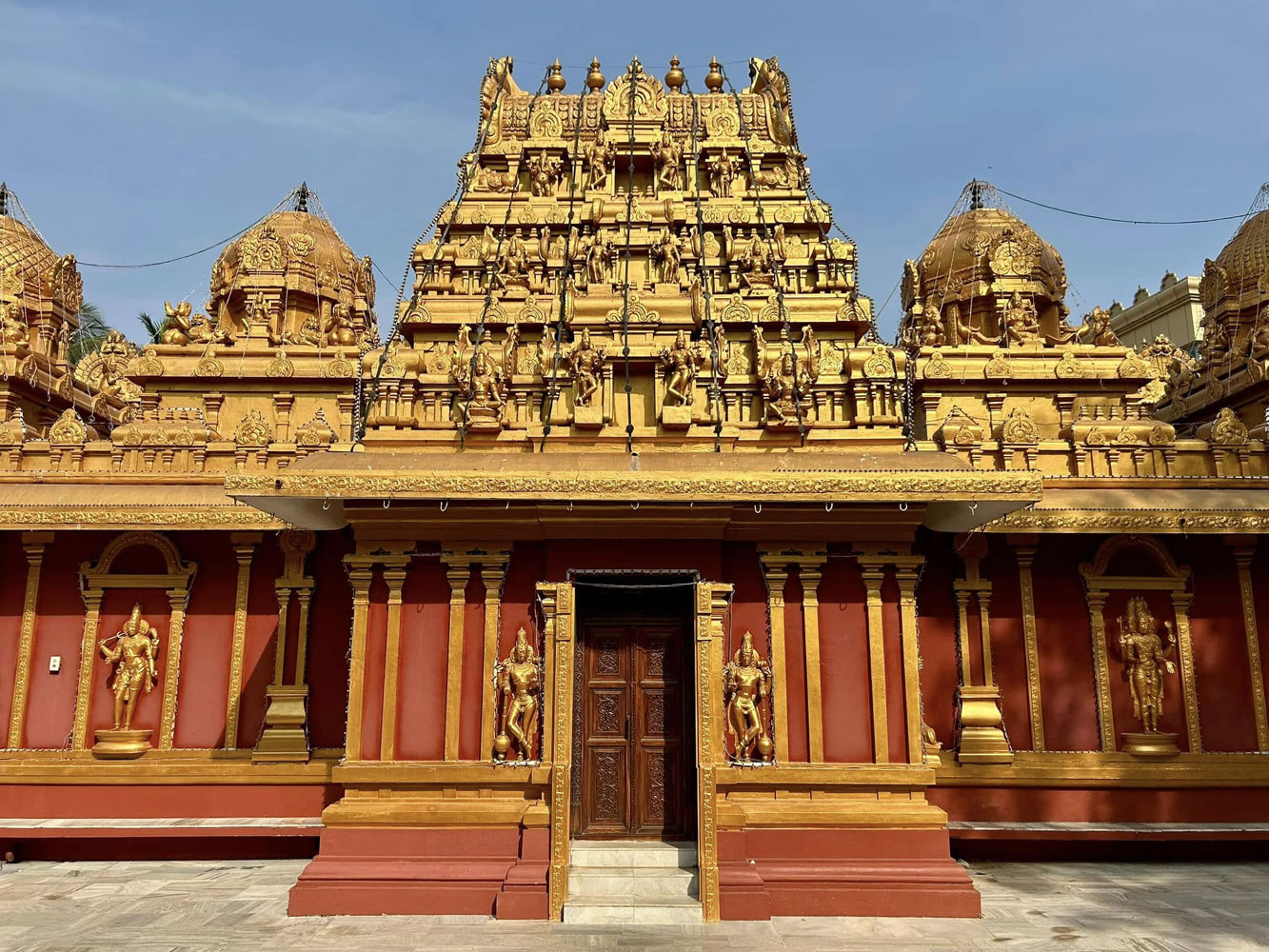
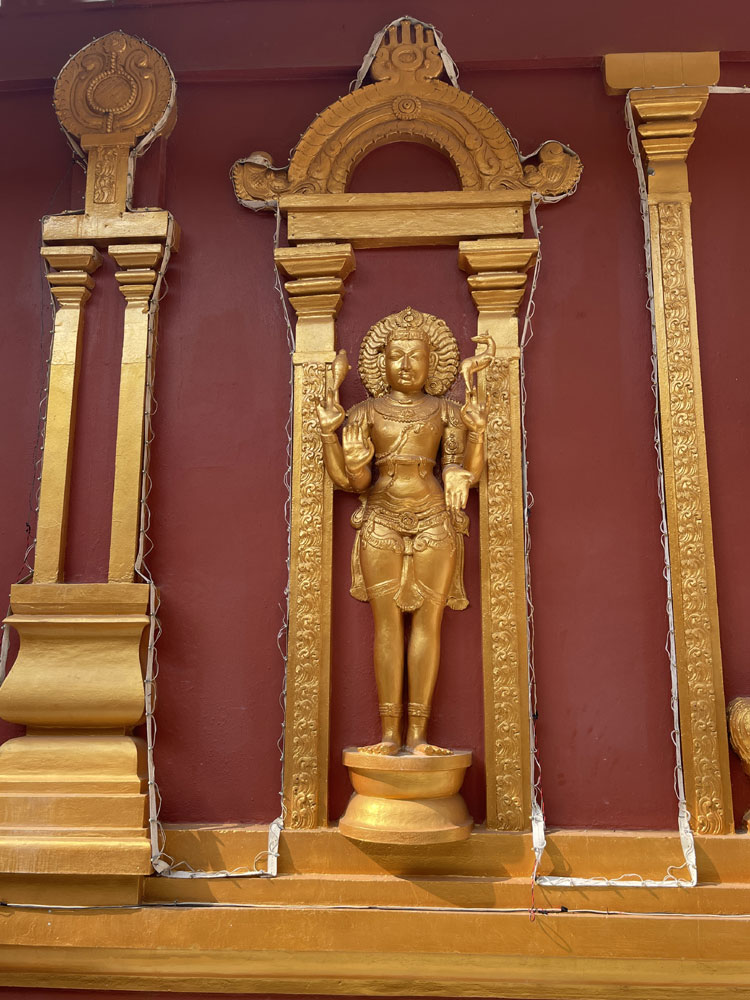
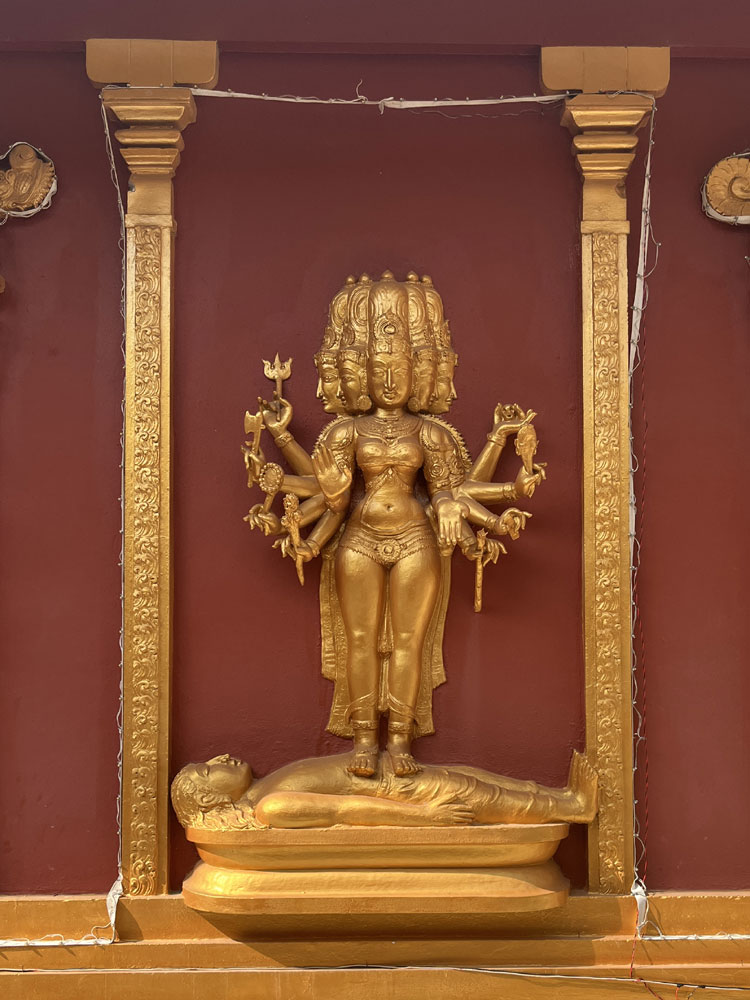
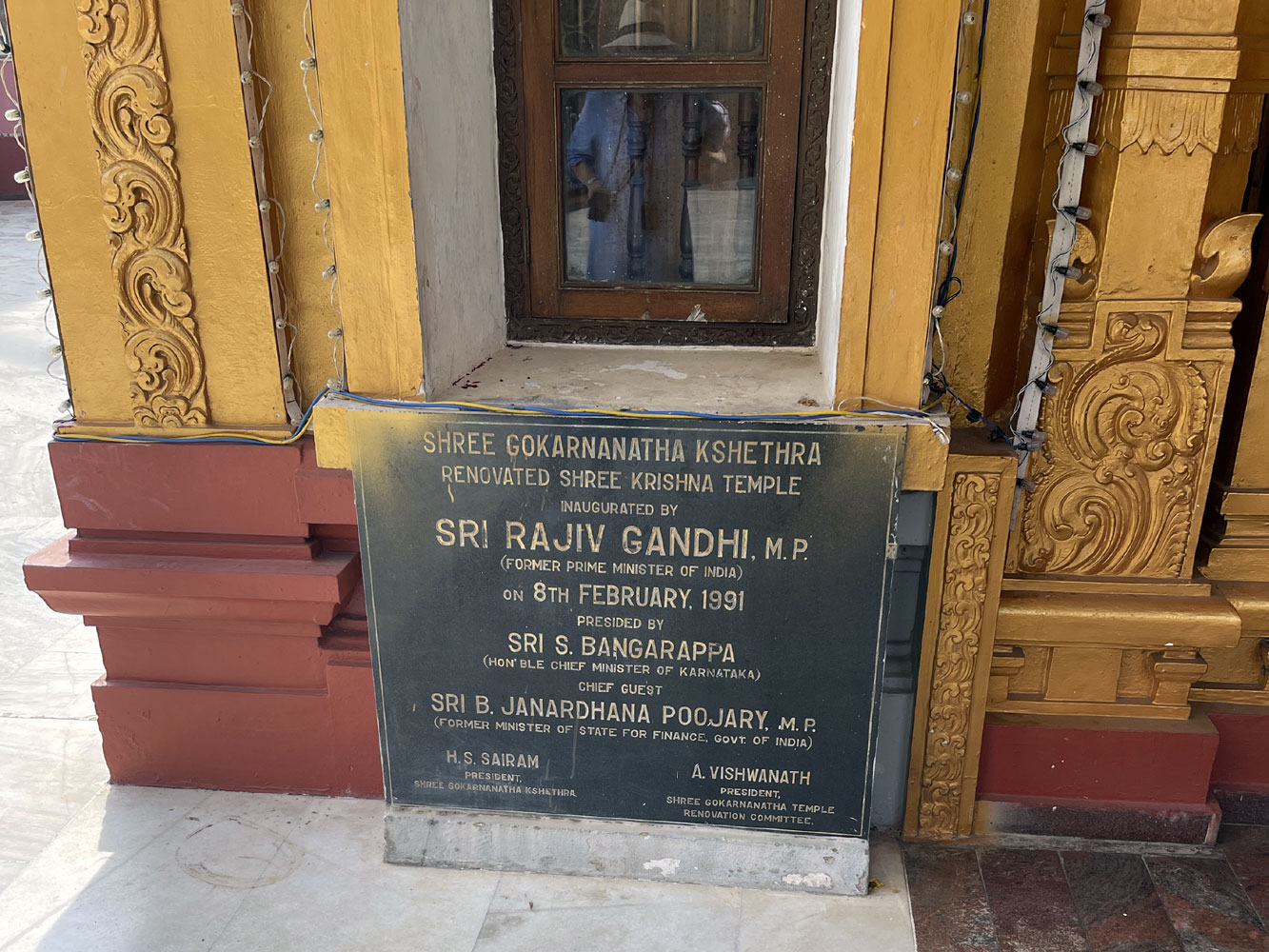
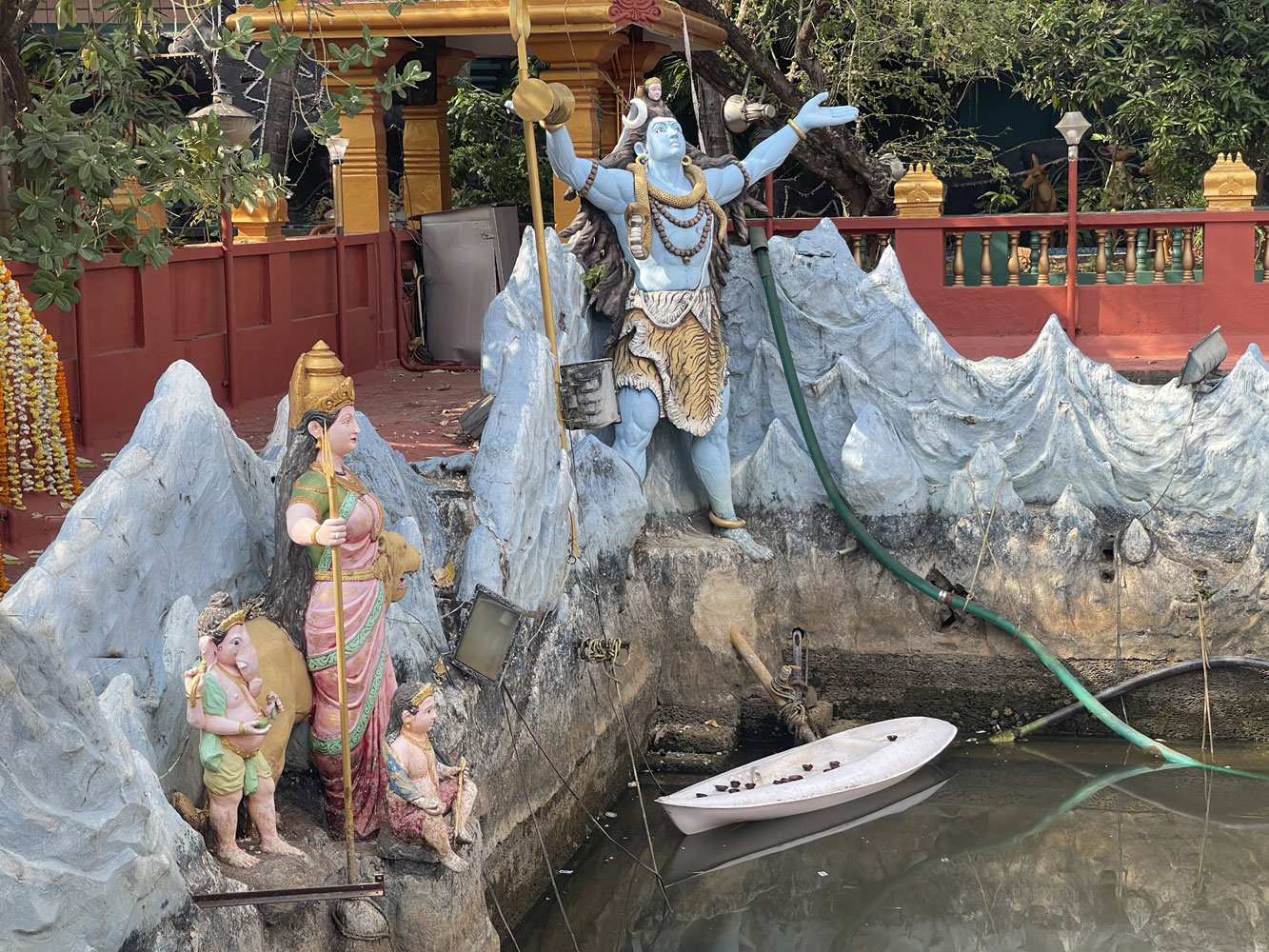
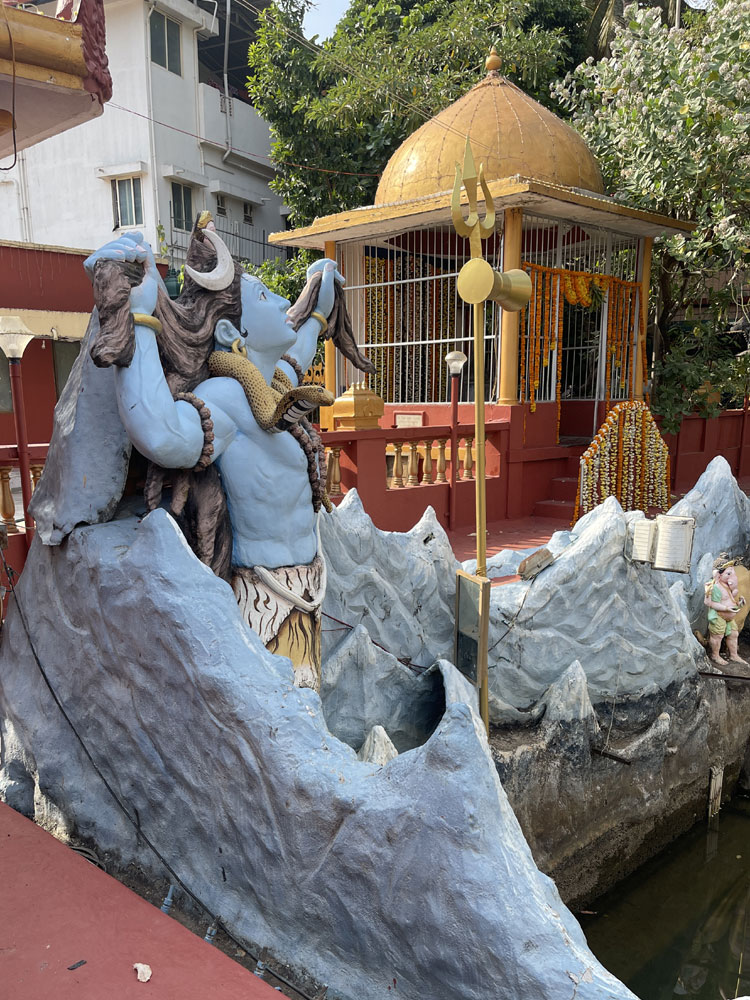
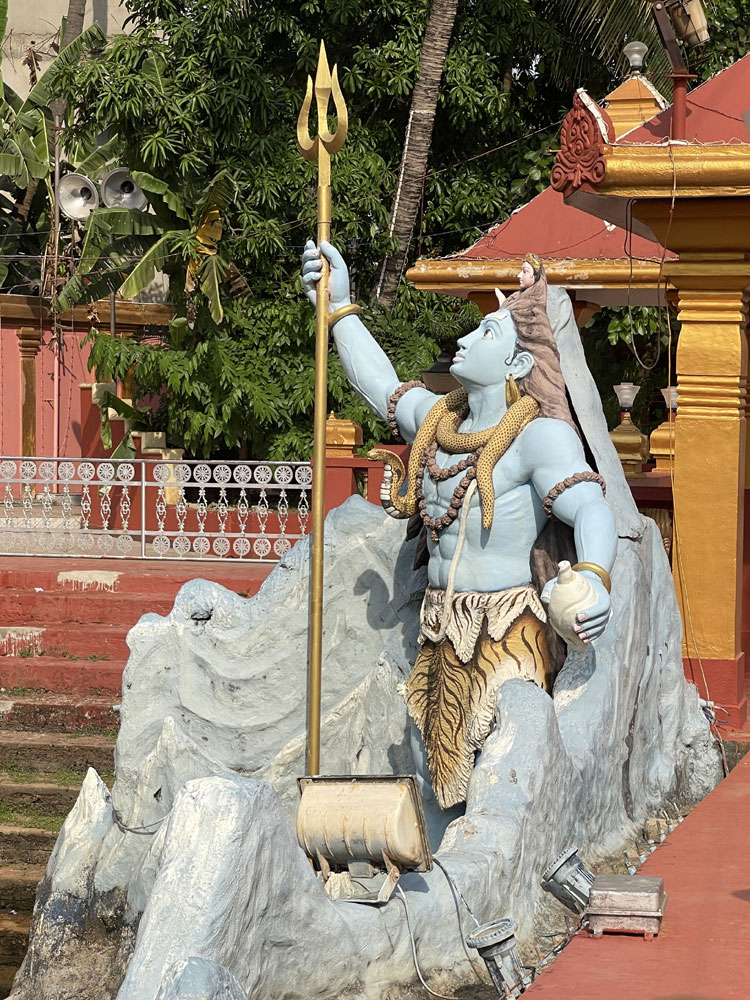
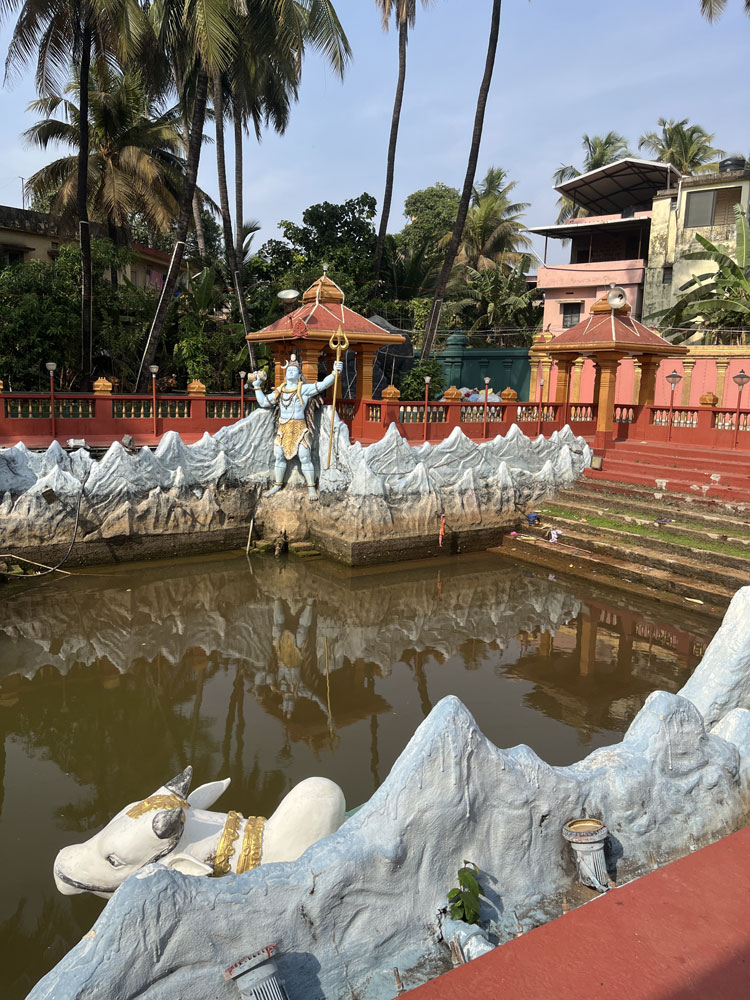
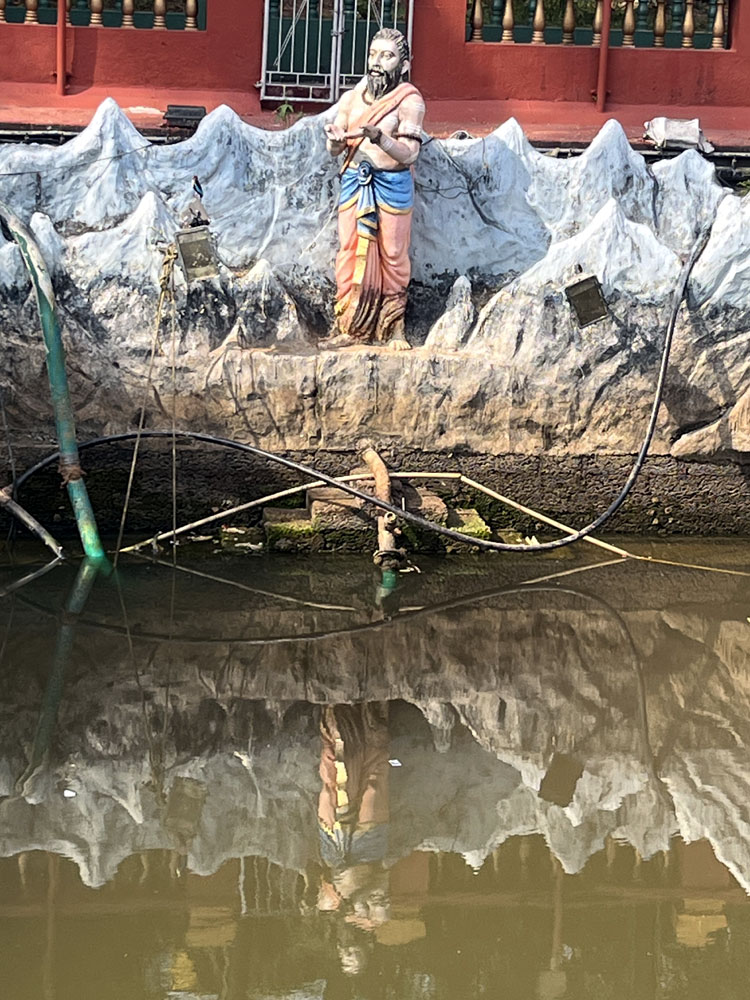
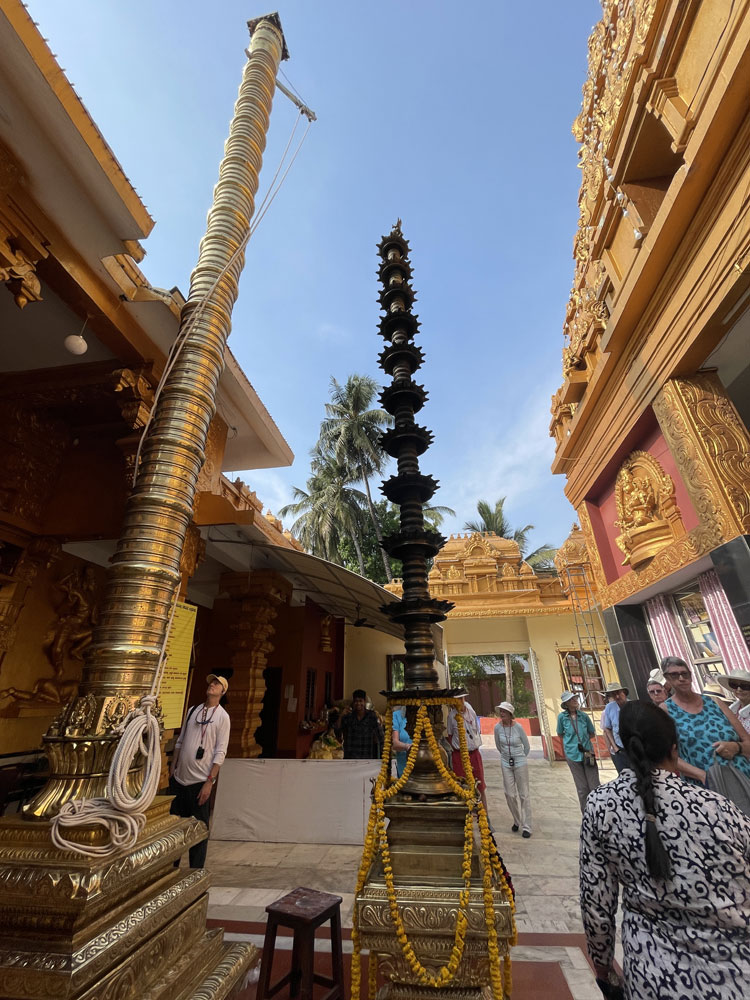
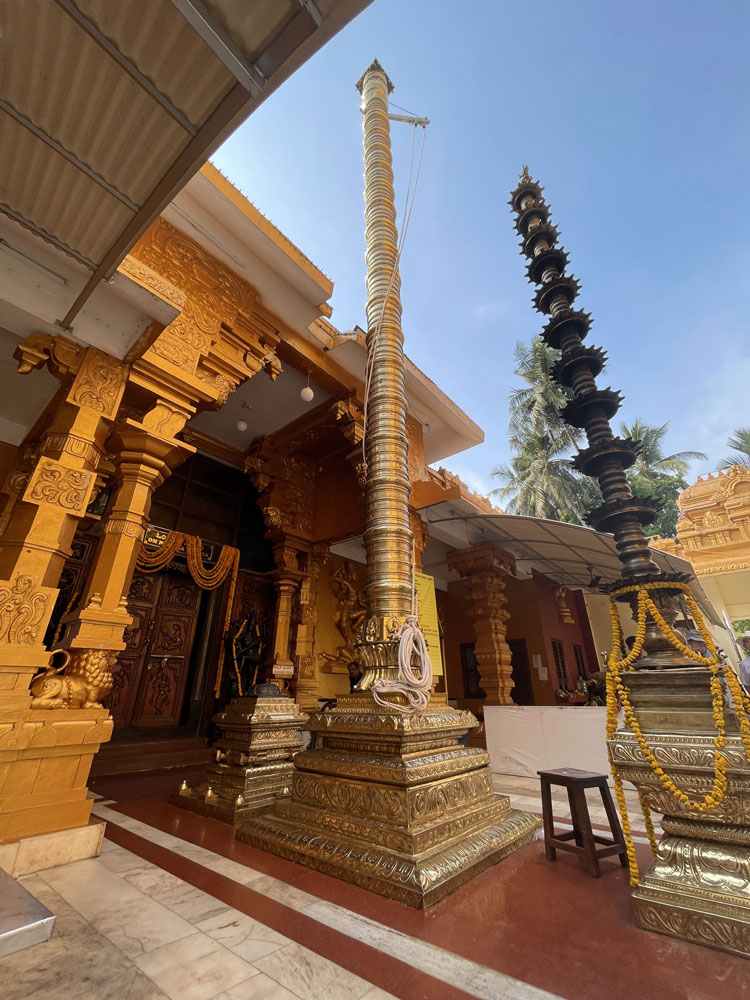
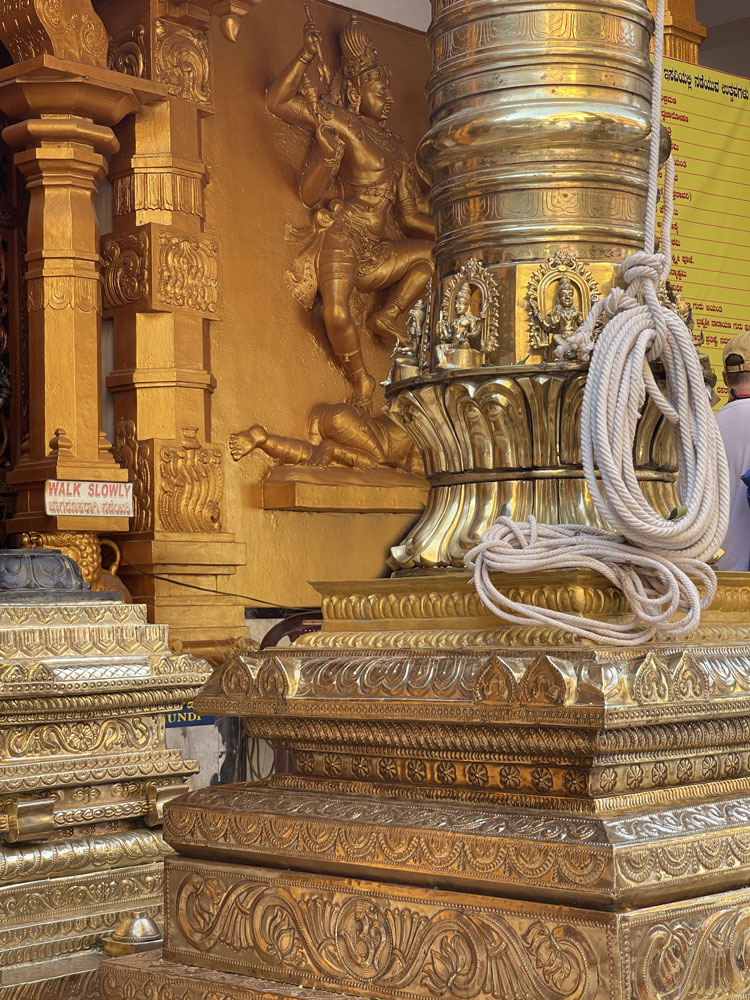
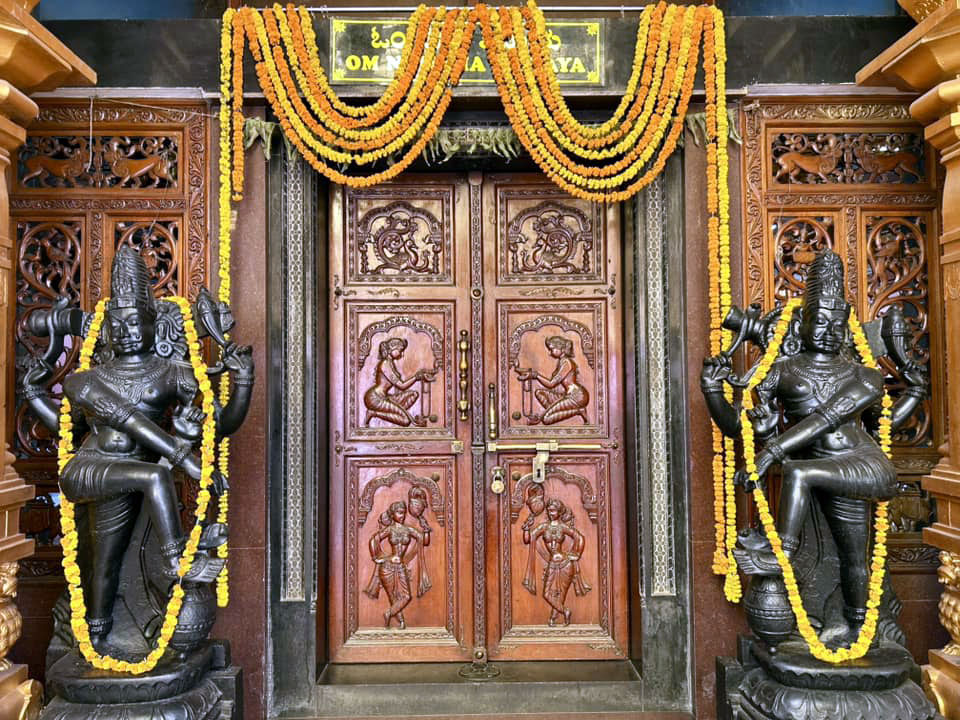
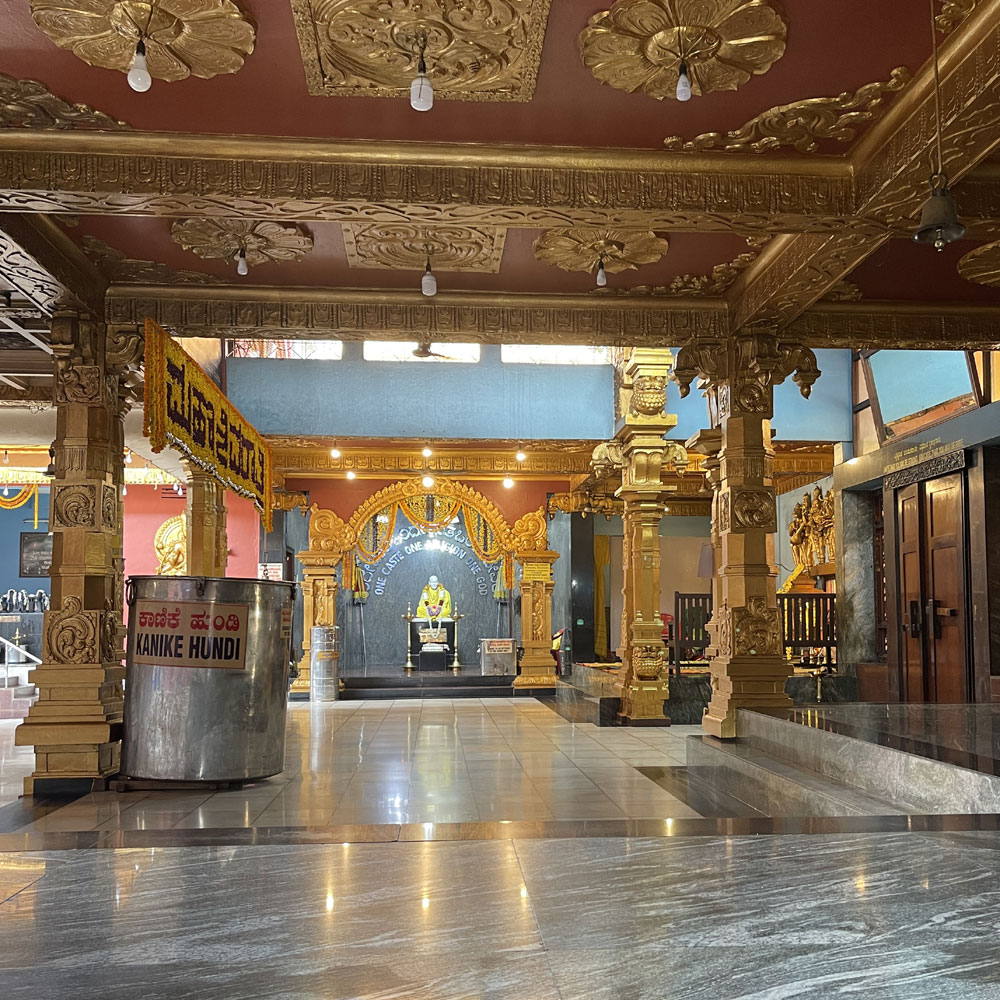
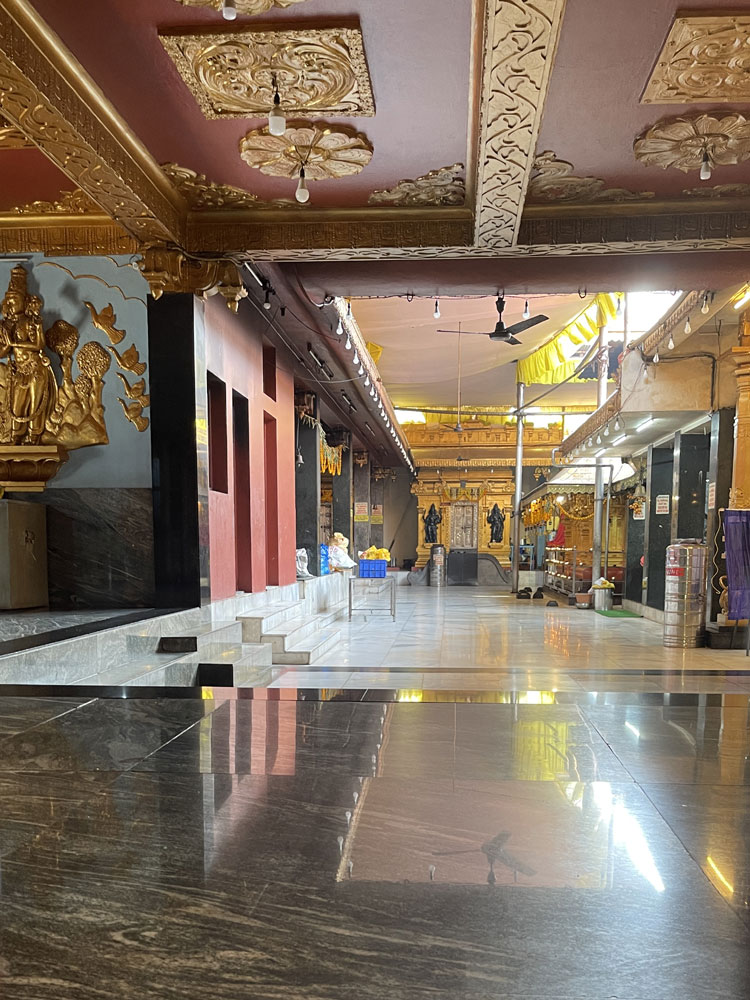
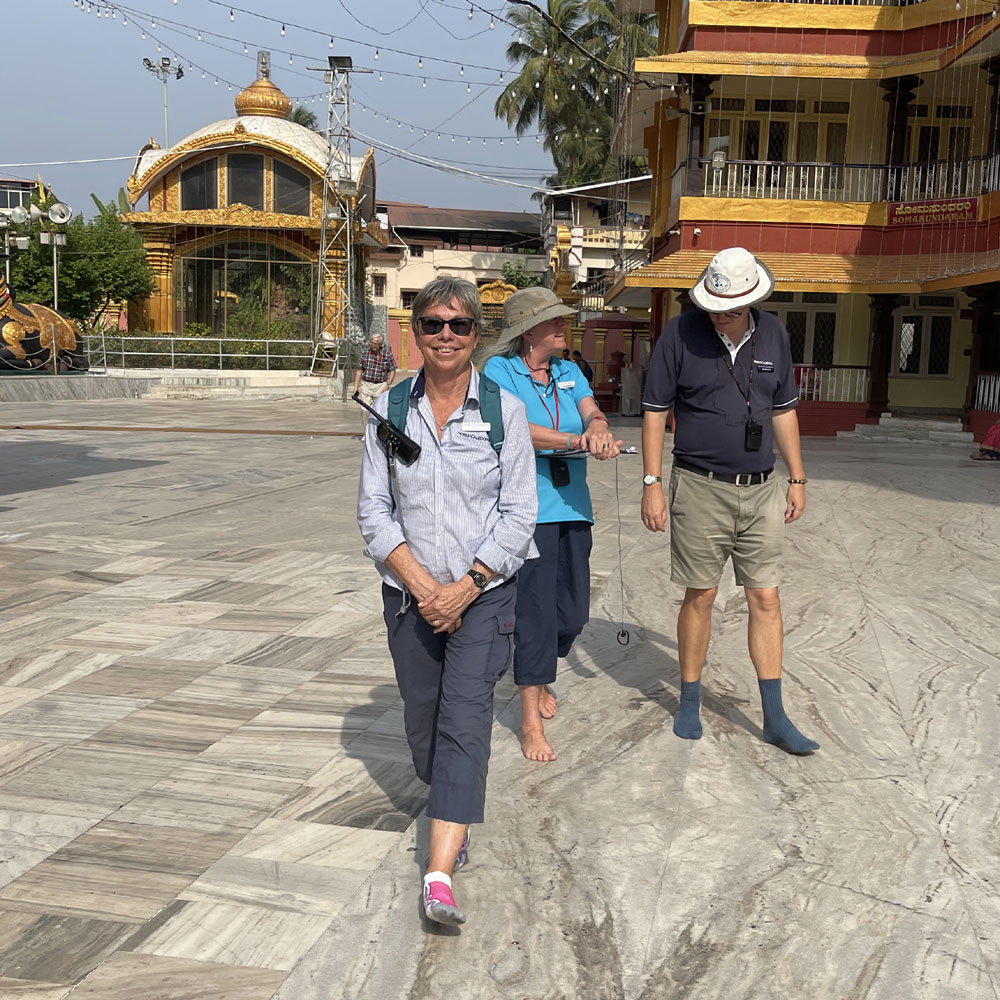
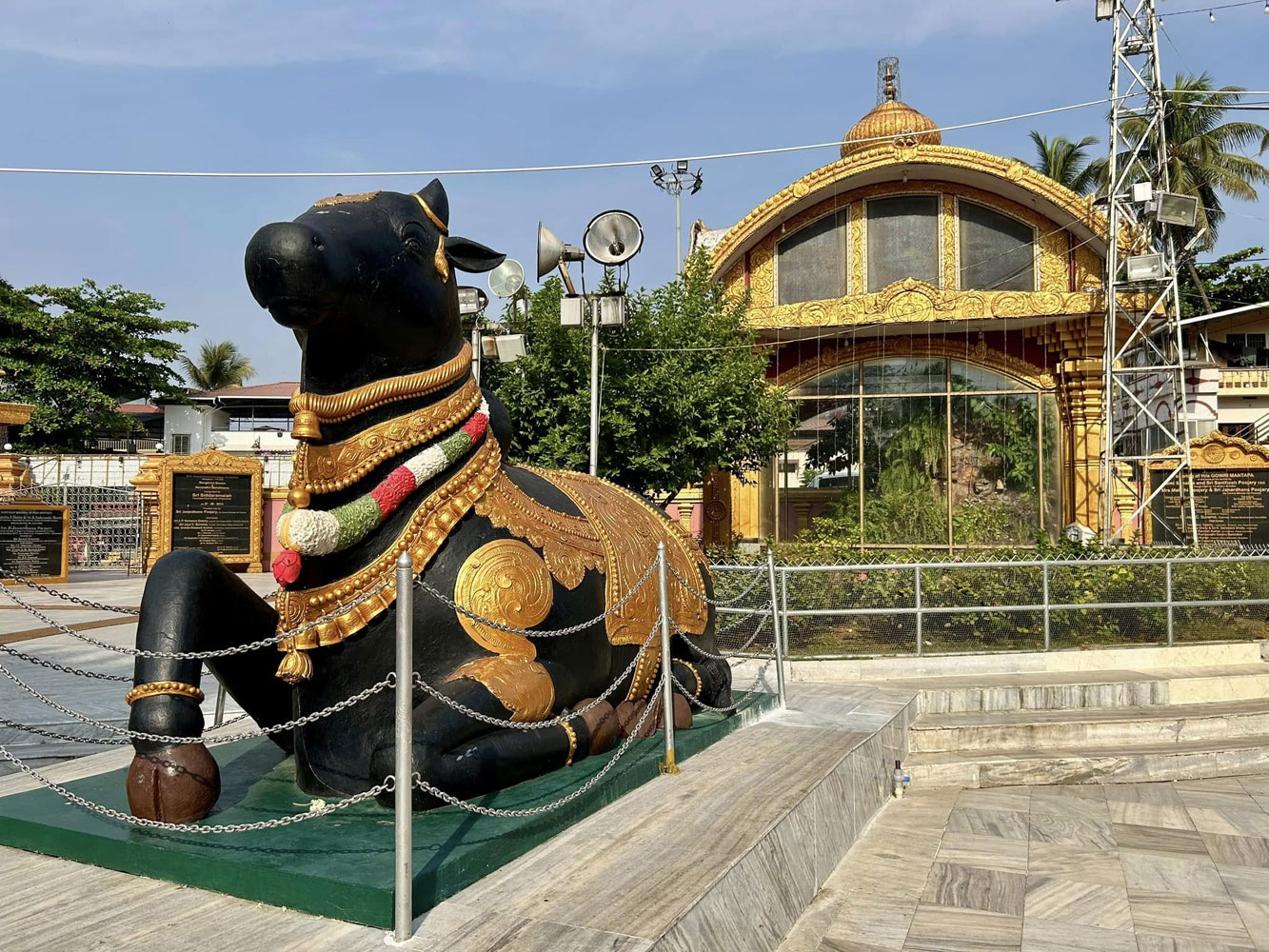
We soon arrived at Gokarnanatheshwara
Temple. After taking off our shoes, we explored the
large site. We weren't sure of the significance of everything
we were looking at, but there was plenty to feast the
eyes upon!
(As one commentator remarked,
it keeps devotees "spellbound, speechless and eye-captivating!").
|
|
|
| |
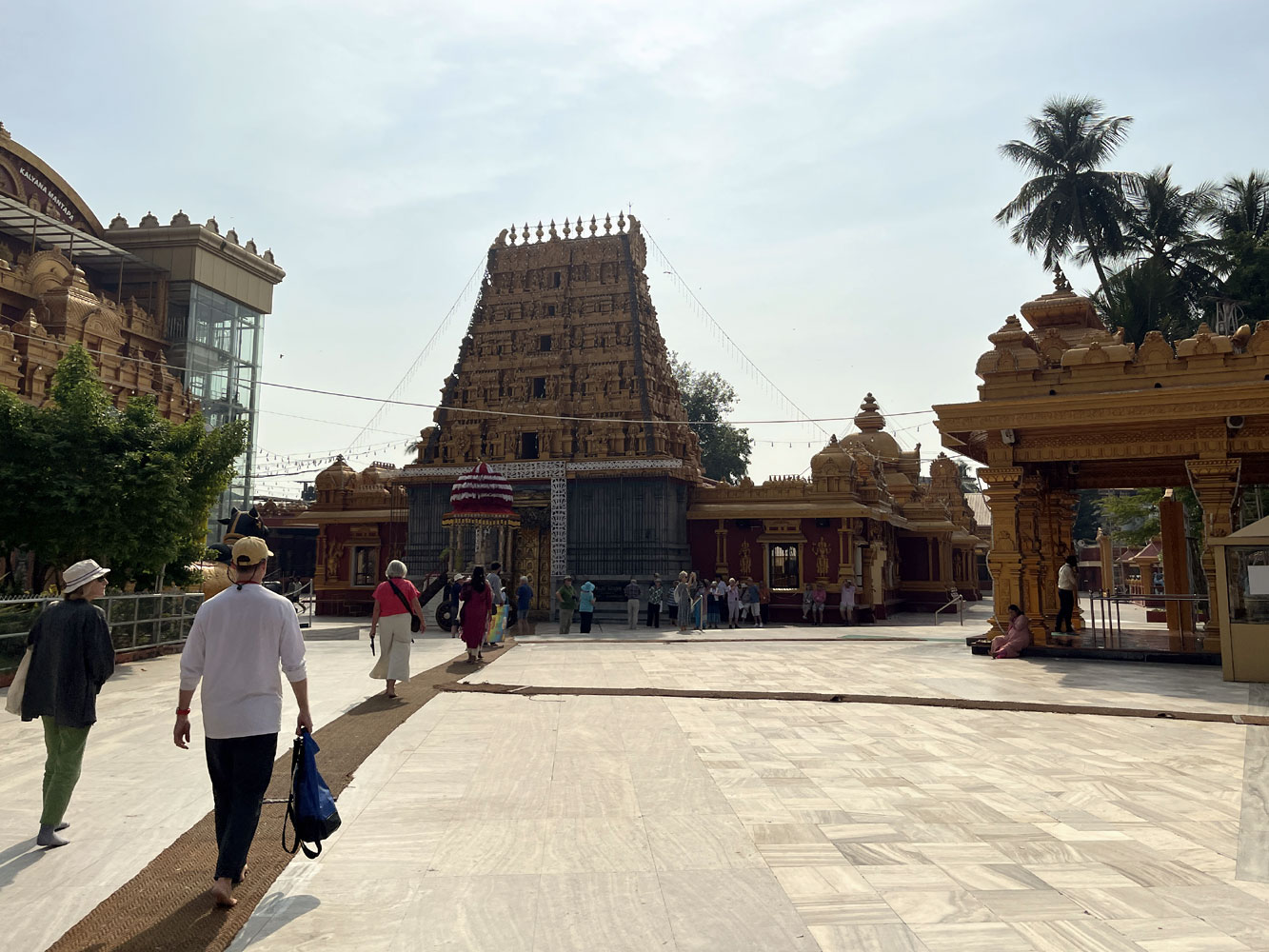
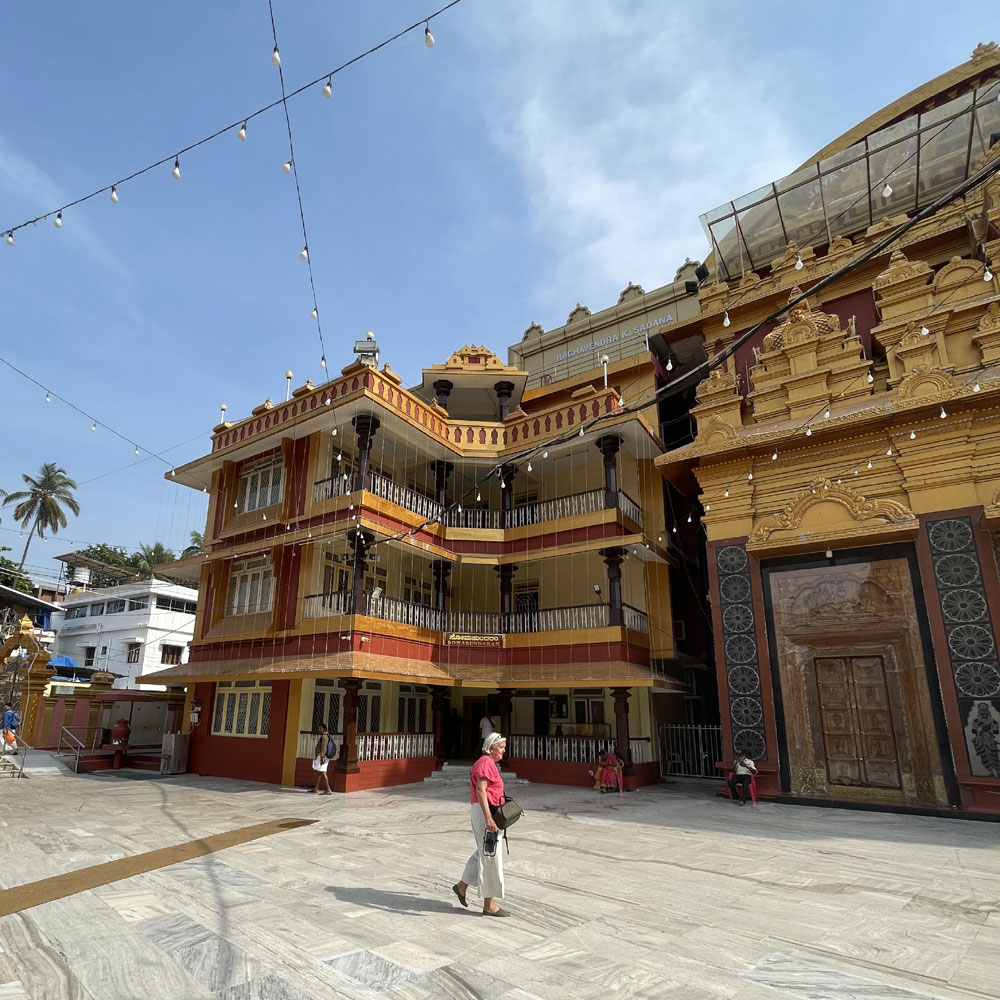
From the entrance, we
could see the temple itself beyond. There are also several
sub-shrines in the grounds. |
|
|
| |
|
| |
|
| |
|
| |
|
| |
|
| |
|
| |
|
| |
|
| |
|
| |
|
| |
|
| |
|
| |
|
| |
|
| |
|
|
| |
|
| |
|
| |
|
| |
|
| |
|
| |
|
|
| |
|
|
| |
|
| |
|
|
| |
|
| |
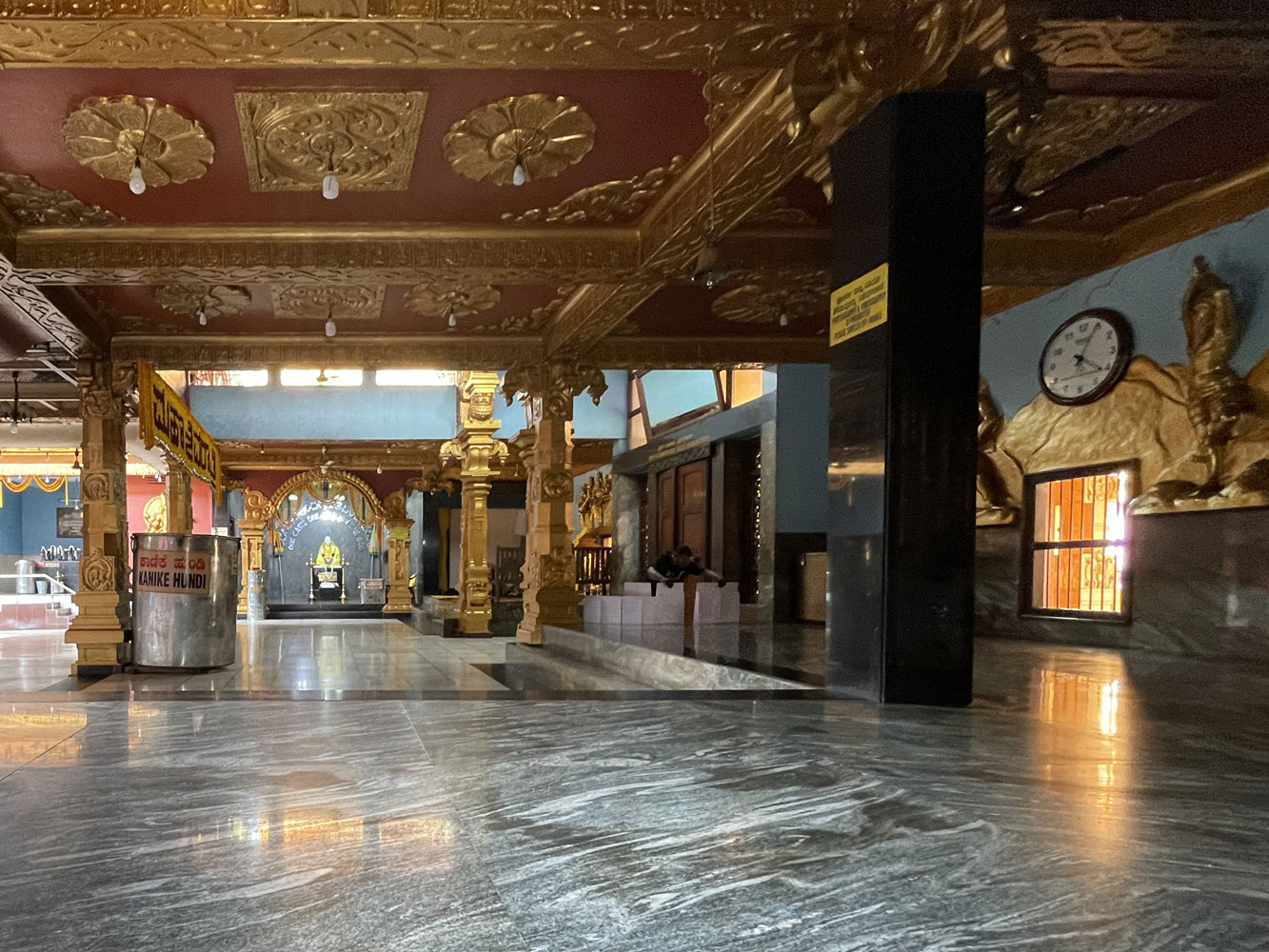
We couldn't go inside
unfortunately, because the opening time was 4:00pm and that
was the time that we needed to leave the site and return
to the ship. |
|
|
| |
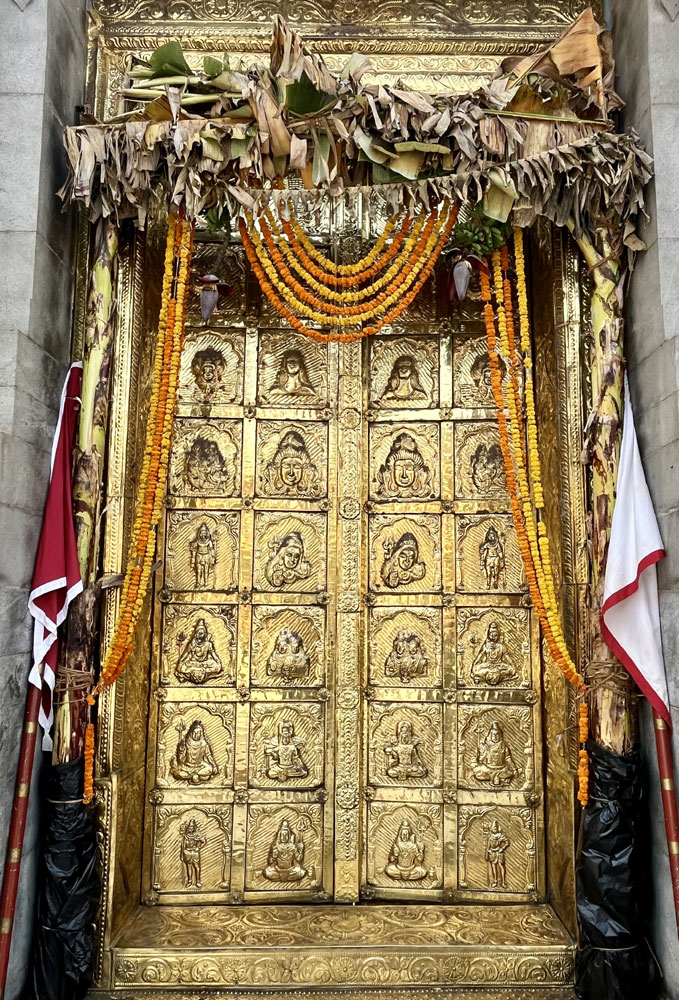
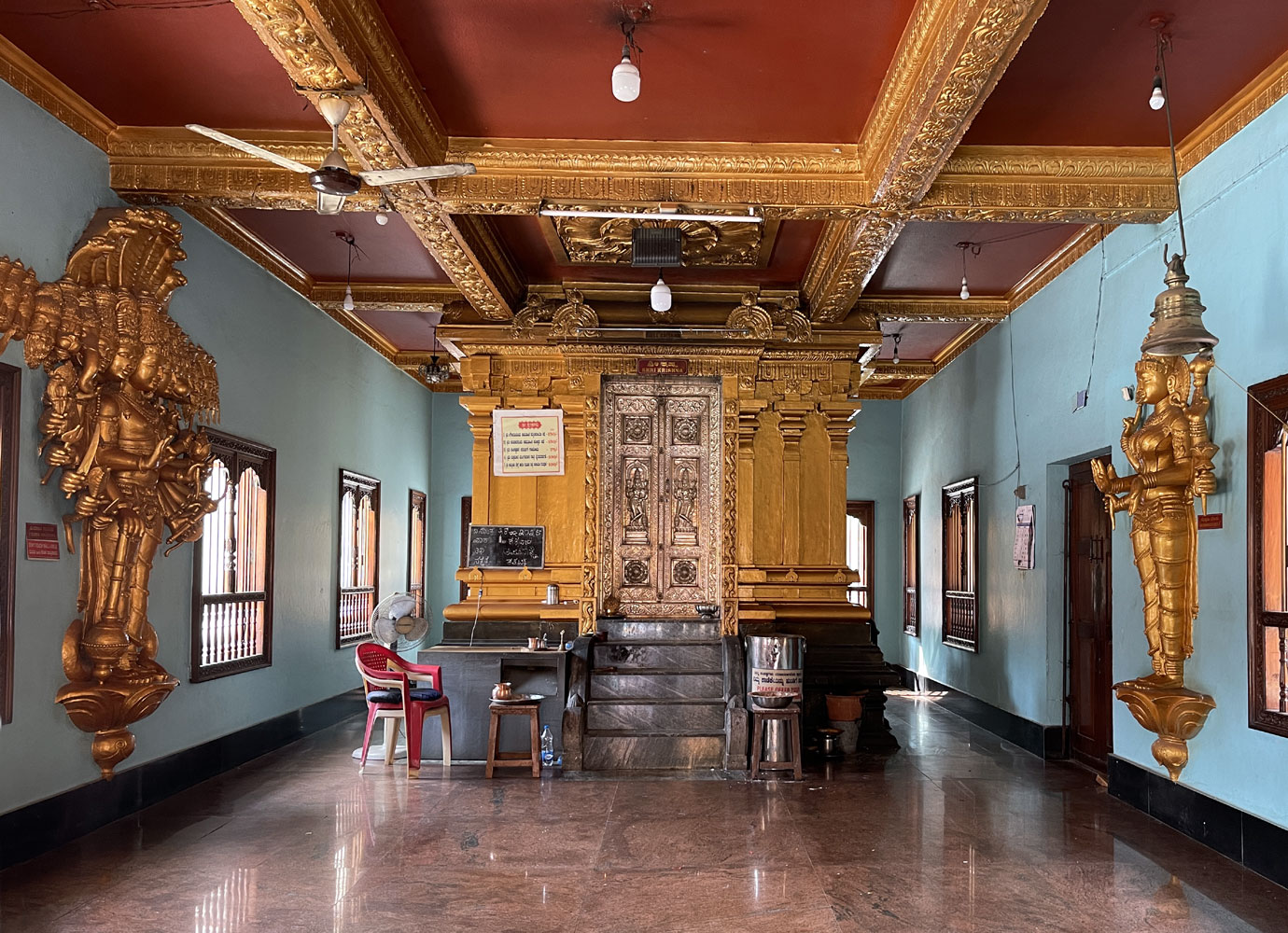
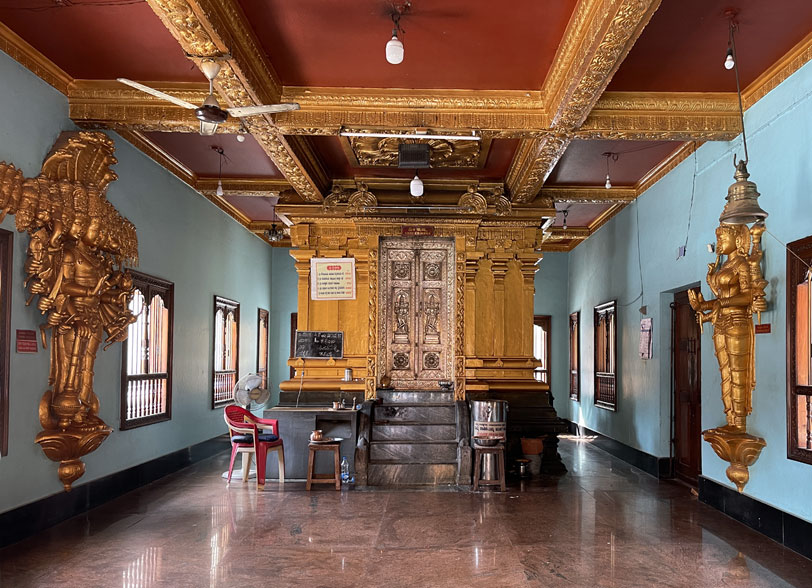
We did manage to get
some photos of the interior by peering through the windows. |
|
|
| |
|
| |
|
| |
 |
| |
This video goes some
way to explain some of what we had seen. |
|
|
| |
|
| |
|
| |
It was soon time to leave... |
|
|
| |
...and drive back to
the port. |
|
|
| |
|
| |
The welcome party had
disappeared and was replaced by port security and other
staff. |
|
|
| |
|
| |
|
| |
|
| |
The local agents, however,
were there to say goodbye to us. |
|
|
| |
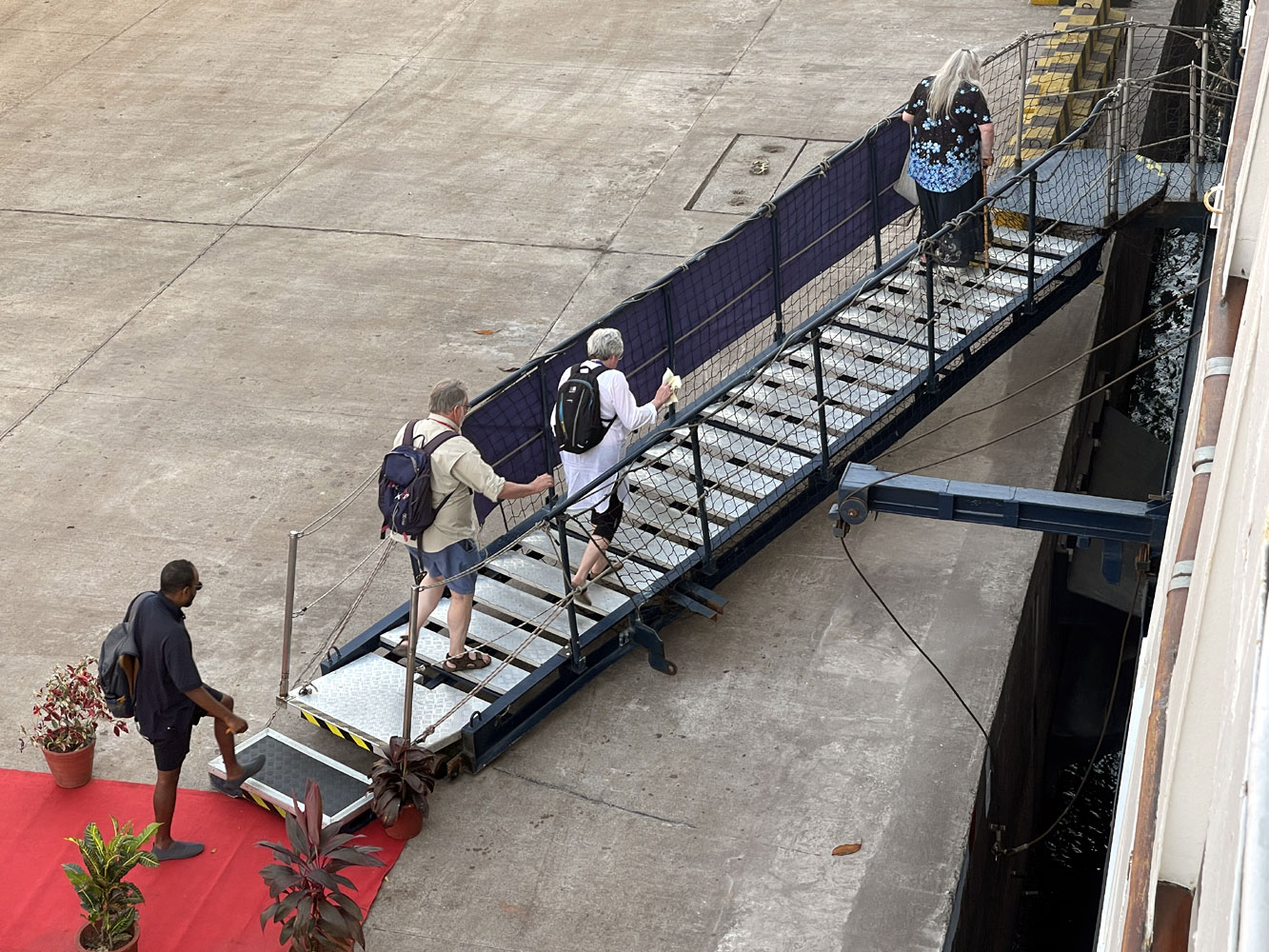
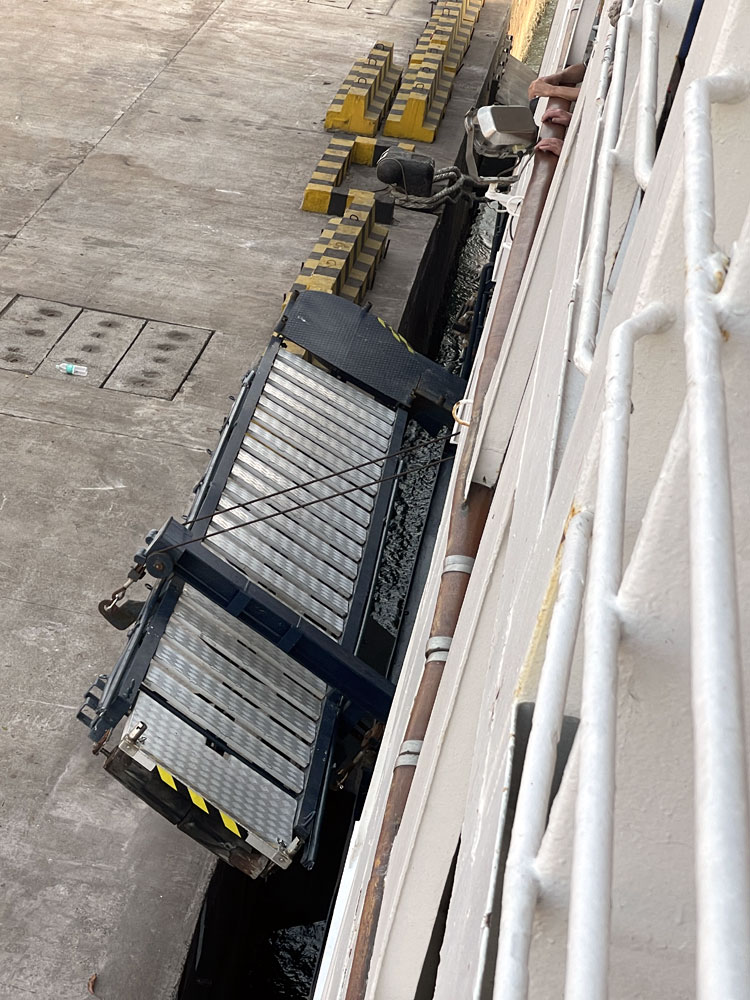
At 5:30pm, the gangplank
was raised and we departed. |
|
|
|
| |
|
| |
Shortly after leaving
the port, the pilot boat drew up and the pilot disembarked. |
|
|
| |
After another lovely
day and a good overnight weather forecast, we were hoping
for a peaceful night as we began the 178 nautical mile voyage
from here to Goa. |
|
| |

|
|