Day 5: Polonnarawu excursion
|
|
A full day trip to the Ancient
City of Polonnarawu, with lunch at a beautiful hotel.
Later, the ship departs from Trincomalee.
|
|
|
| |
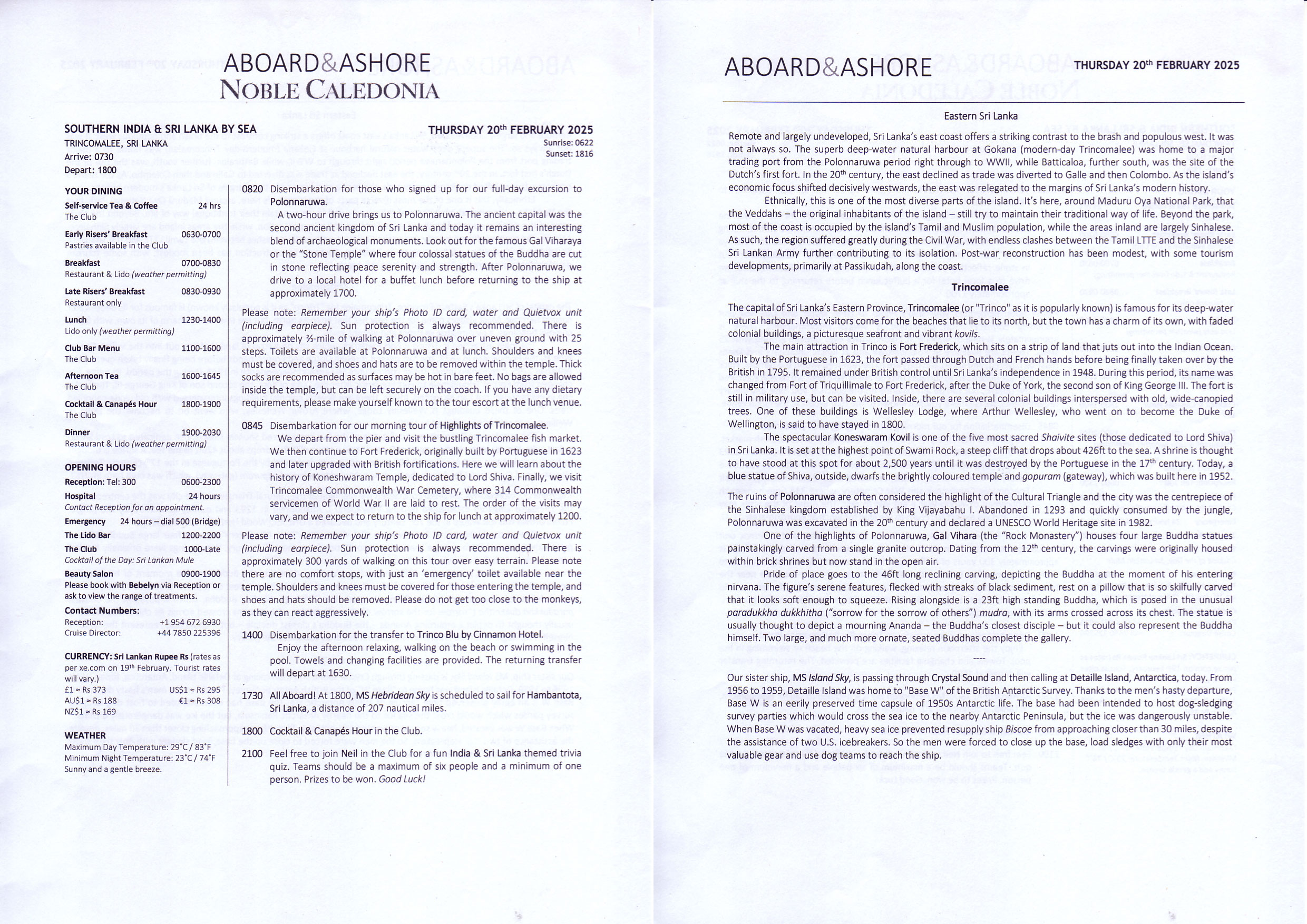
Thursday 20th February 2025
|
|
|
Whereas Geoff made a
decision to go on the half day "Highlights of Trincomalee"
tour this morning, Bruce decided instead to do the full
day trip to the Ancient City of Polonnaruwa. This is Bruce's
record of his day and, after his return to the ship in the
late afternoon, photos of our departure from the port of
Trinomalee. |
|
| |
My tour left the ship
earlier than Geoff's because we had quite some distance
to travel and needed to make the most of the day. |
|
|
| |
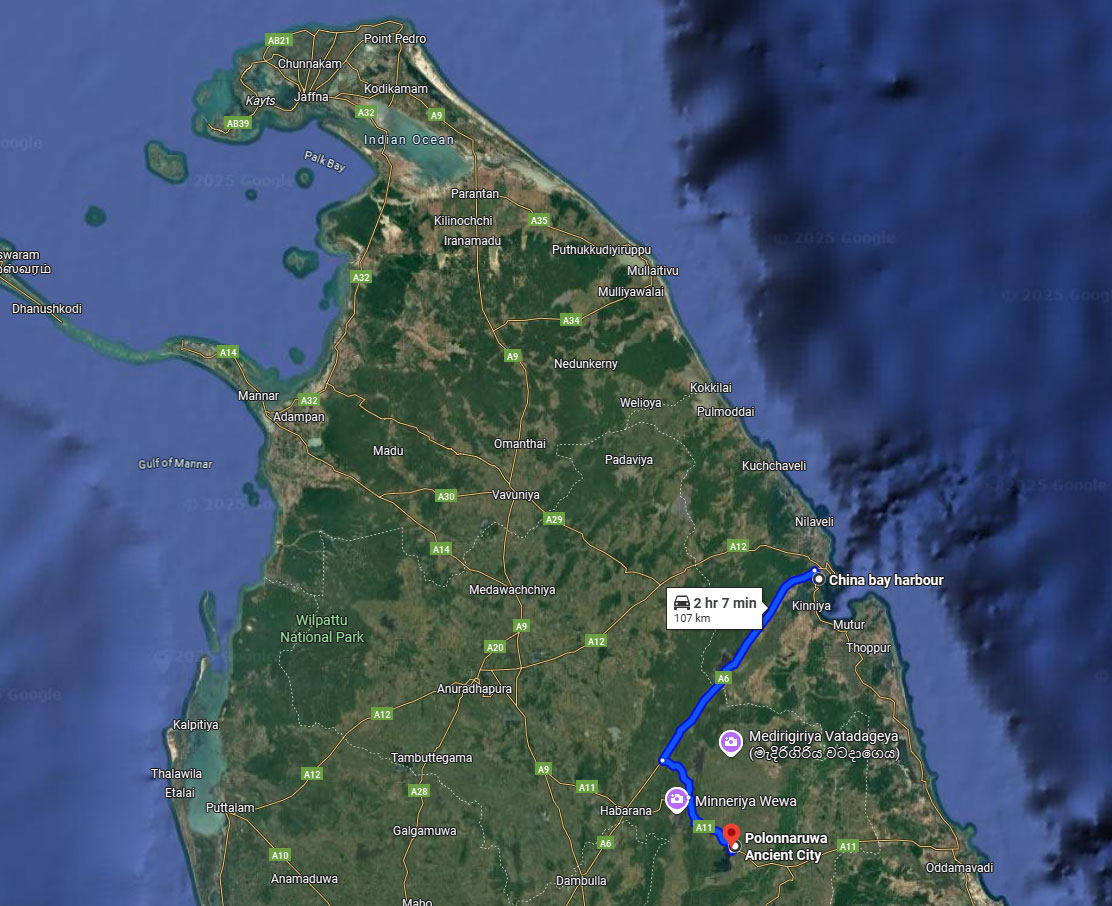
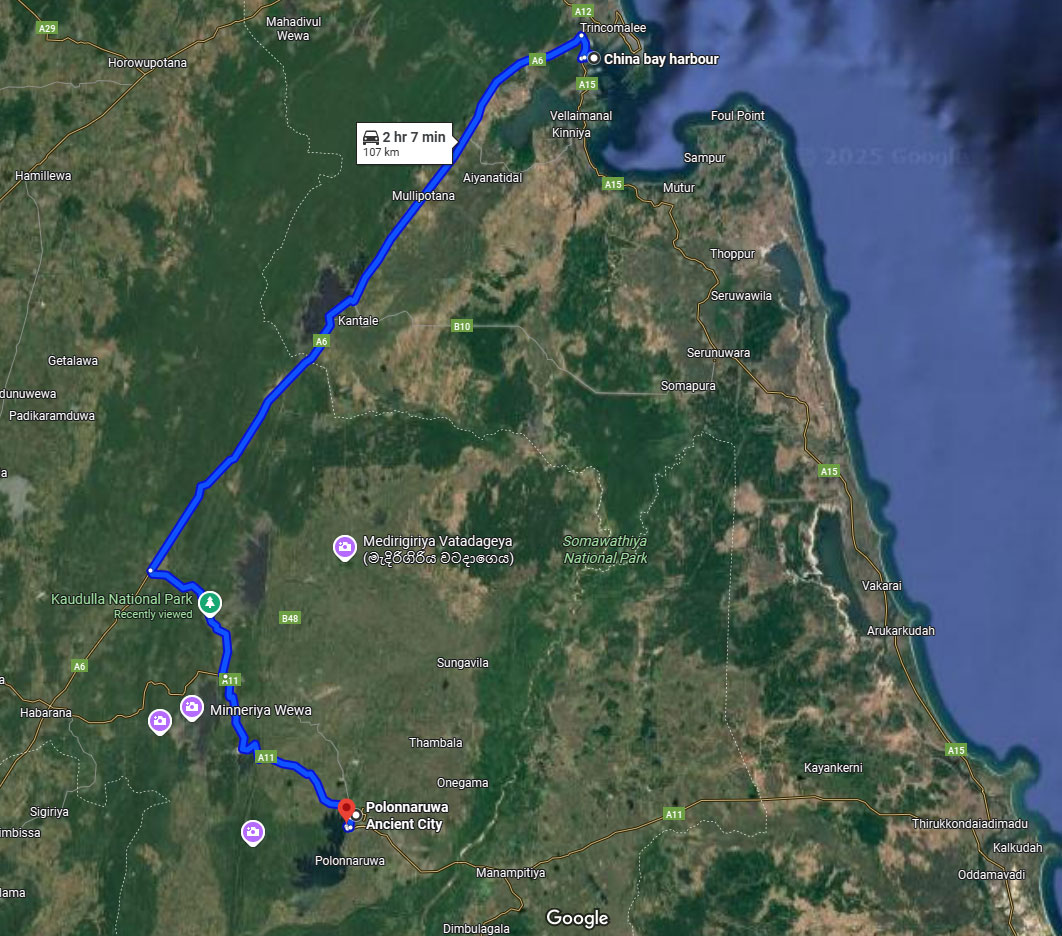
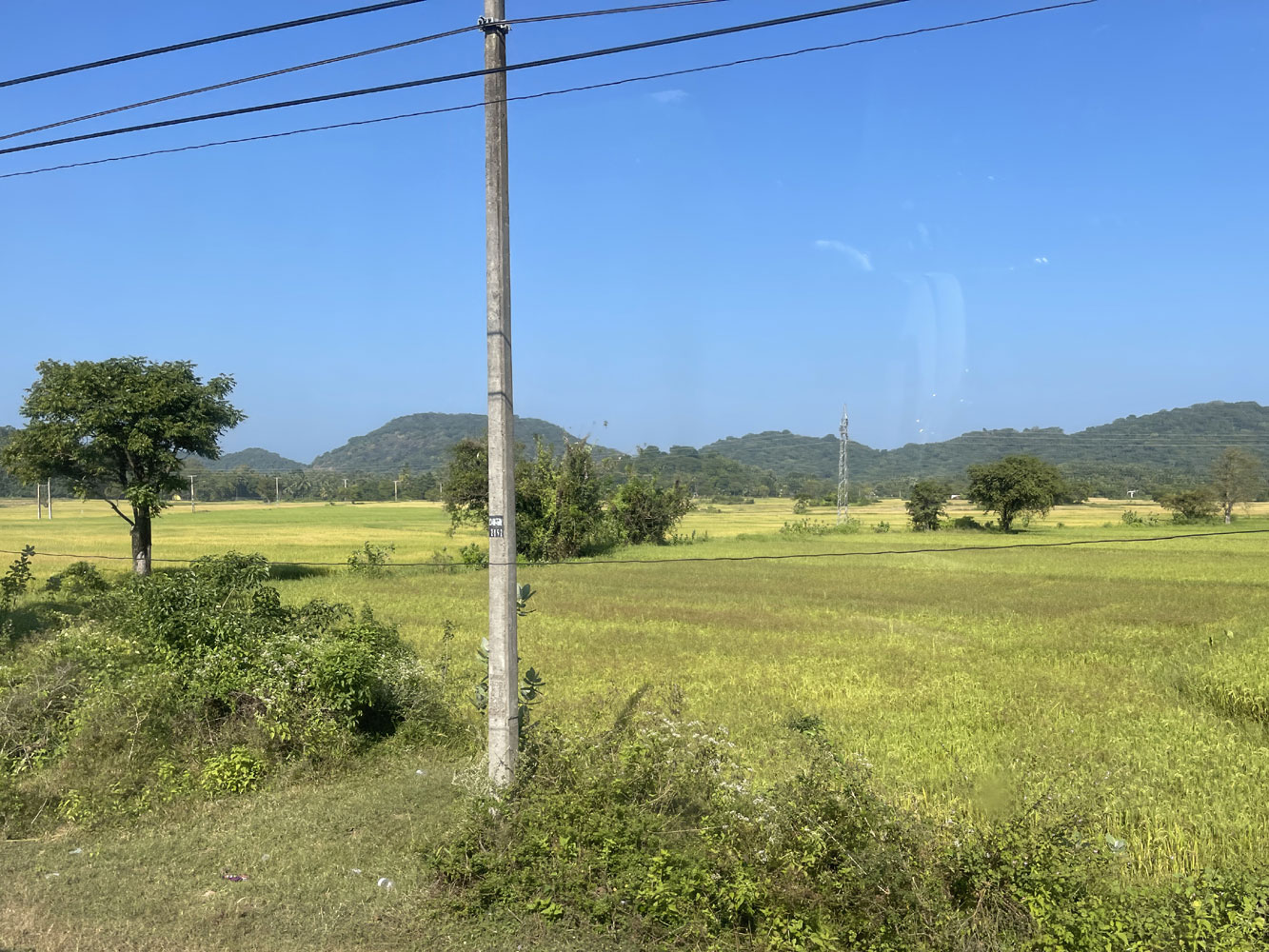
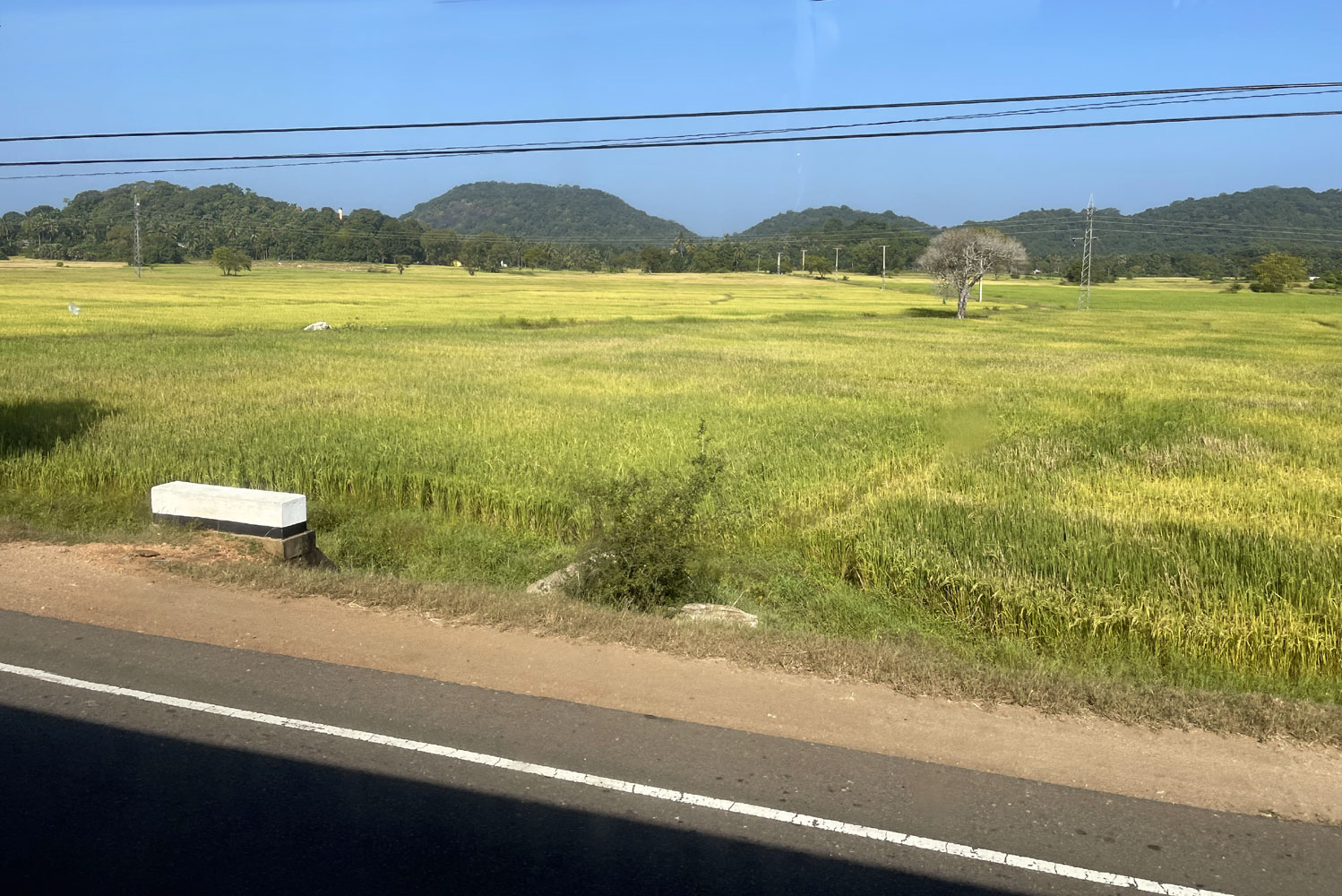
Today’s route
took a little over two hours to cover just over 100 km,
with the same journey awaiting us on the way back. The roads
were in good condition and traffic was light, nothing like
the bustle of Chennai, but with only a single lane in each
direction and many villages to pass through, it was never
a fast trip. That suited me perfectly, giving me time to
take in the landscape and get a real sense of the country. |
|
|
| |
|
| |
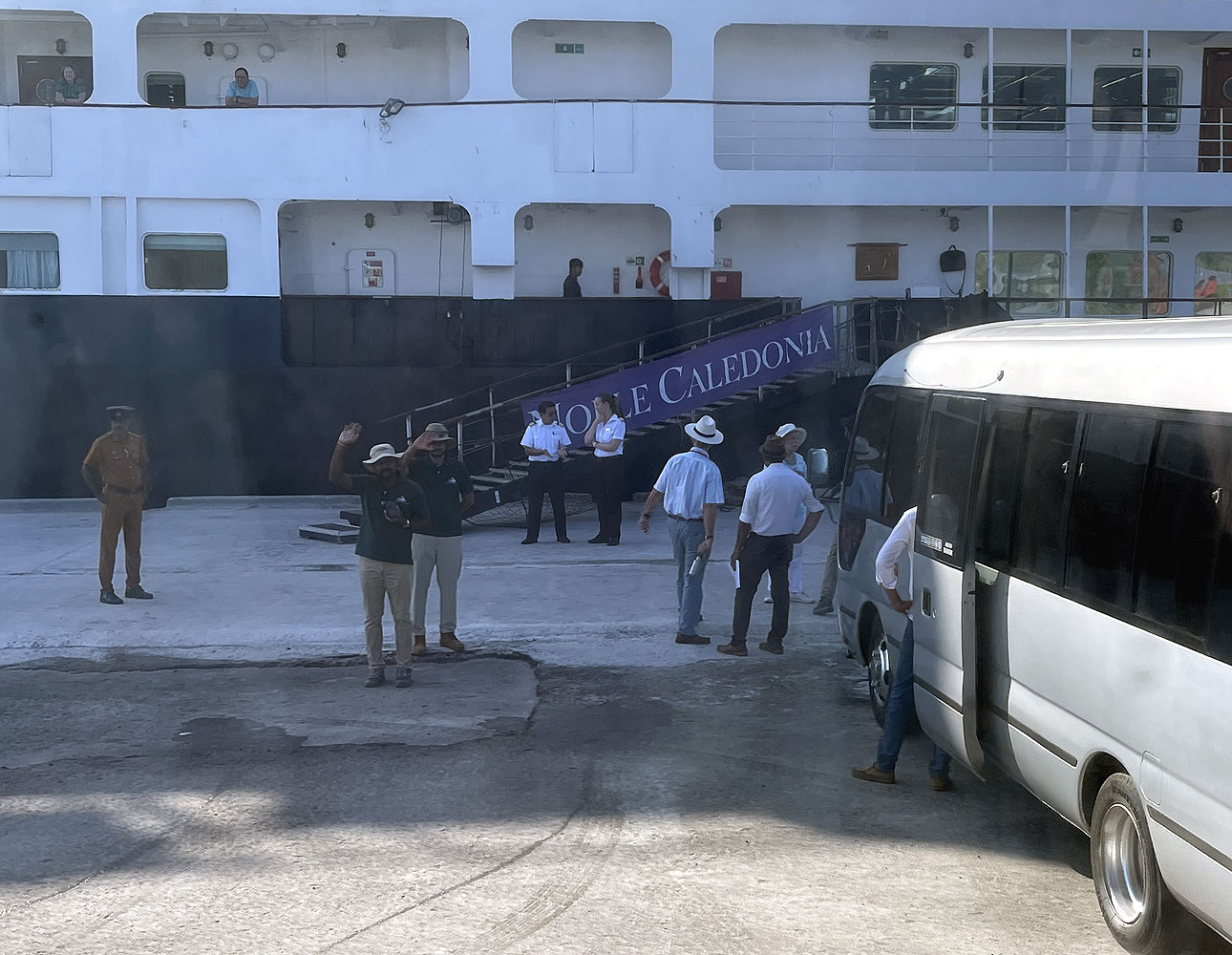
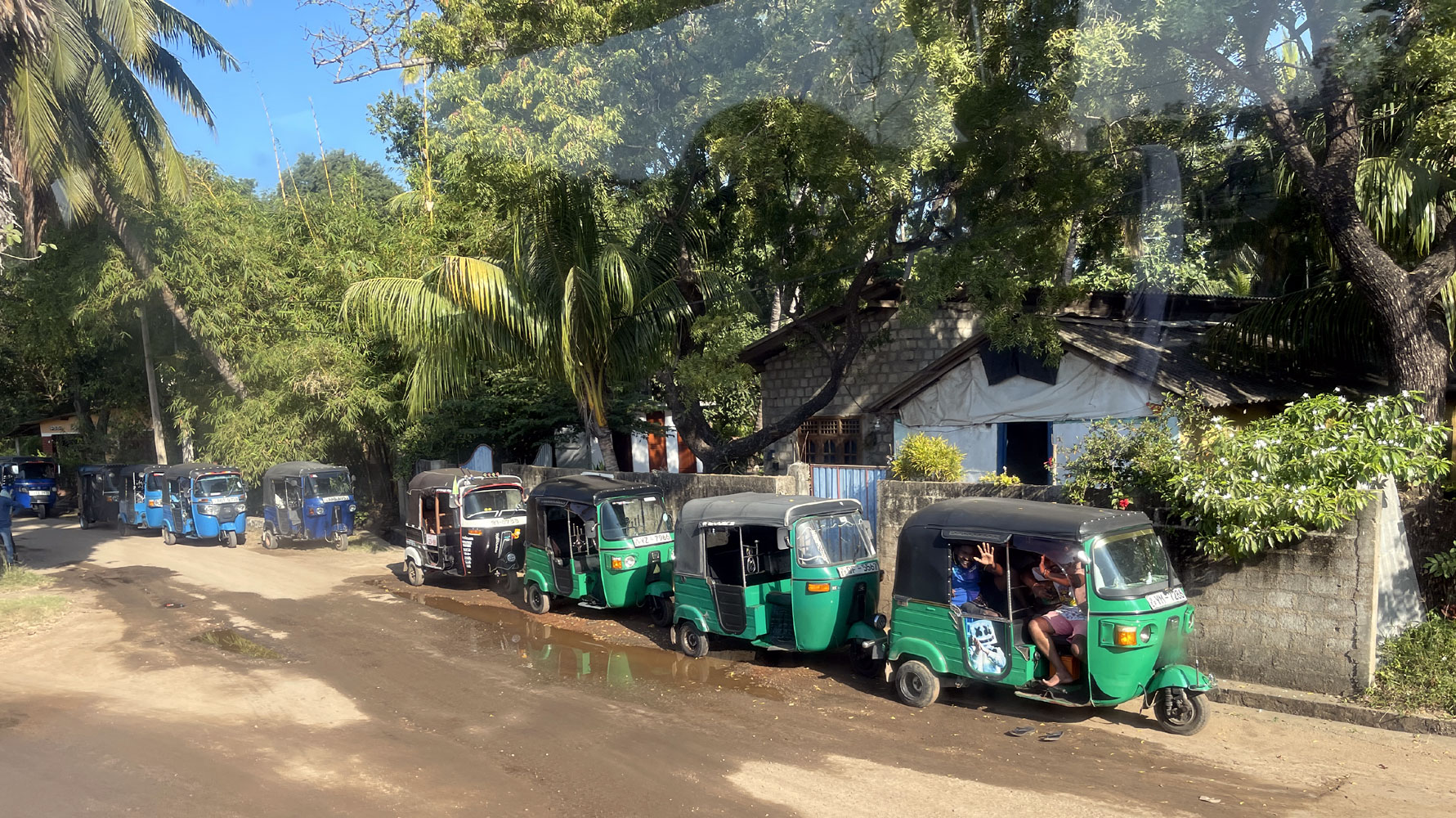
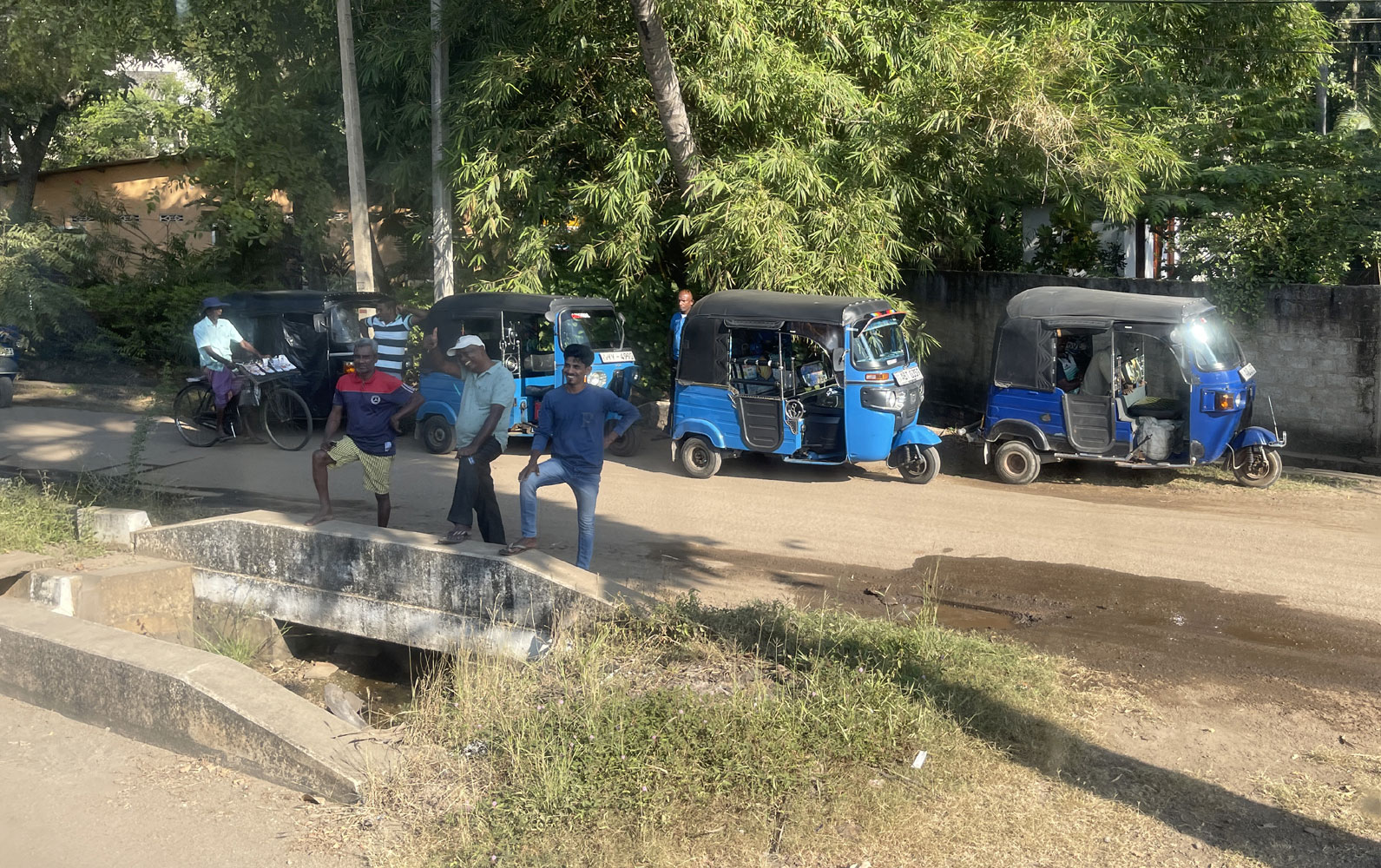
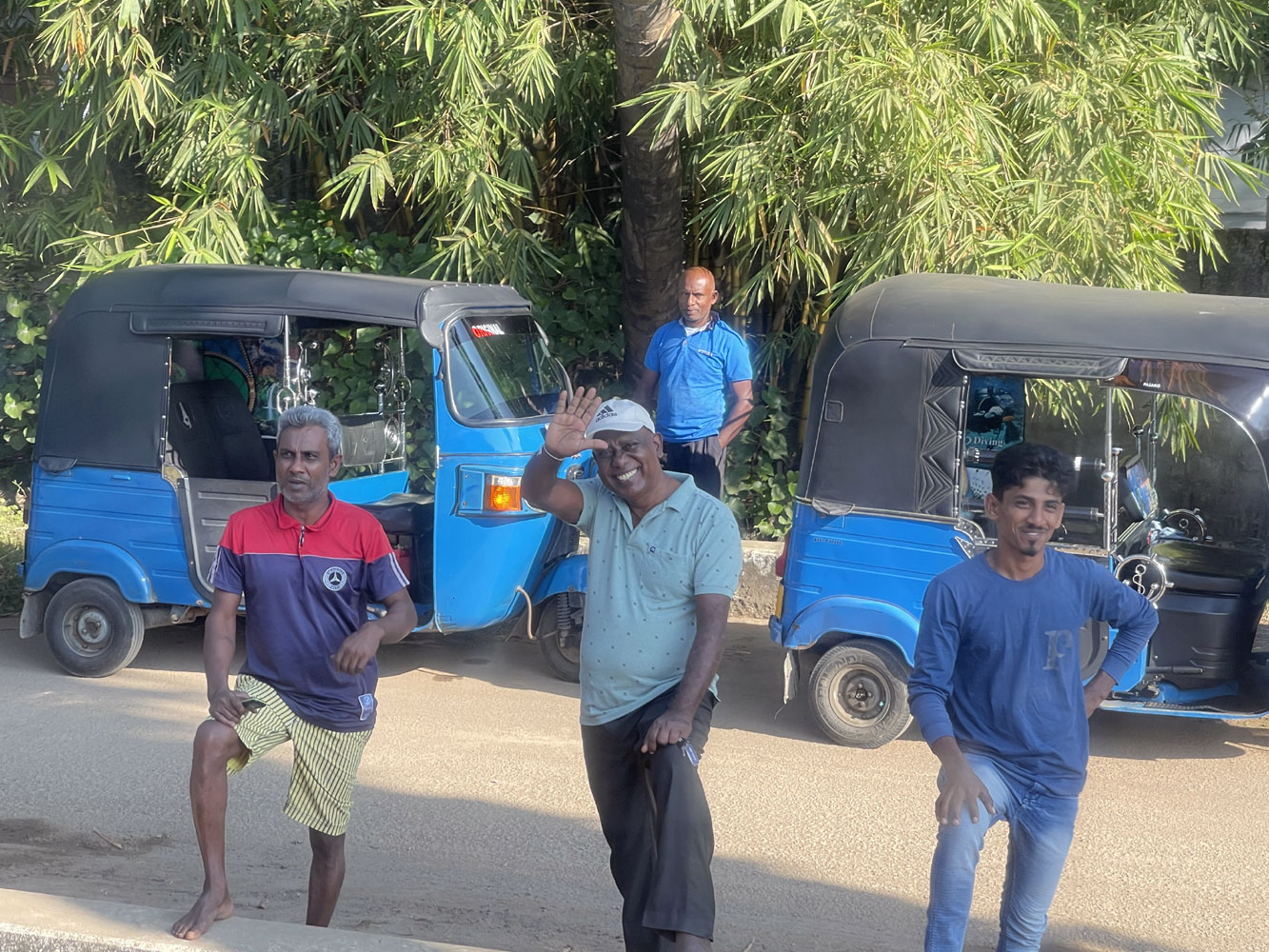
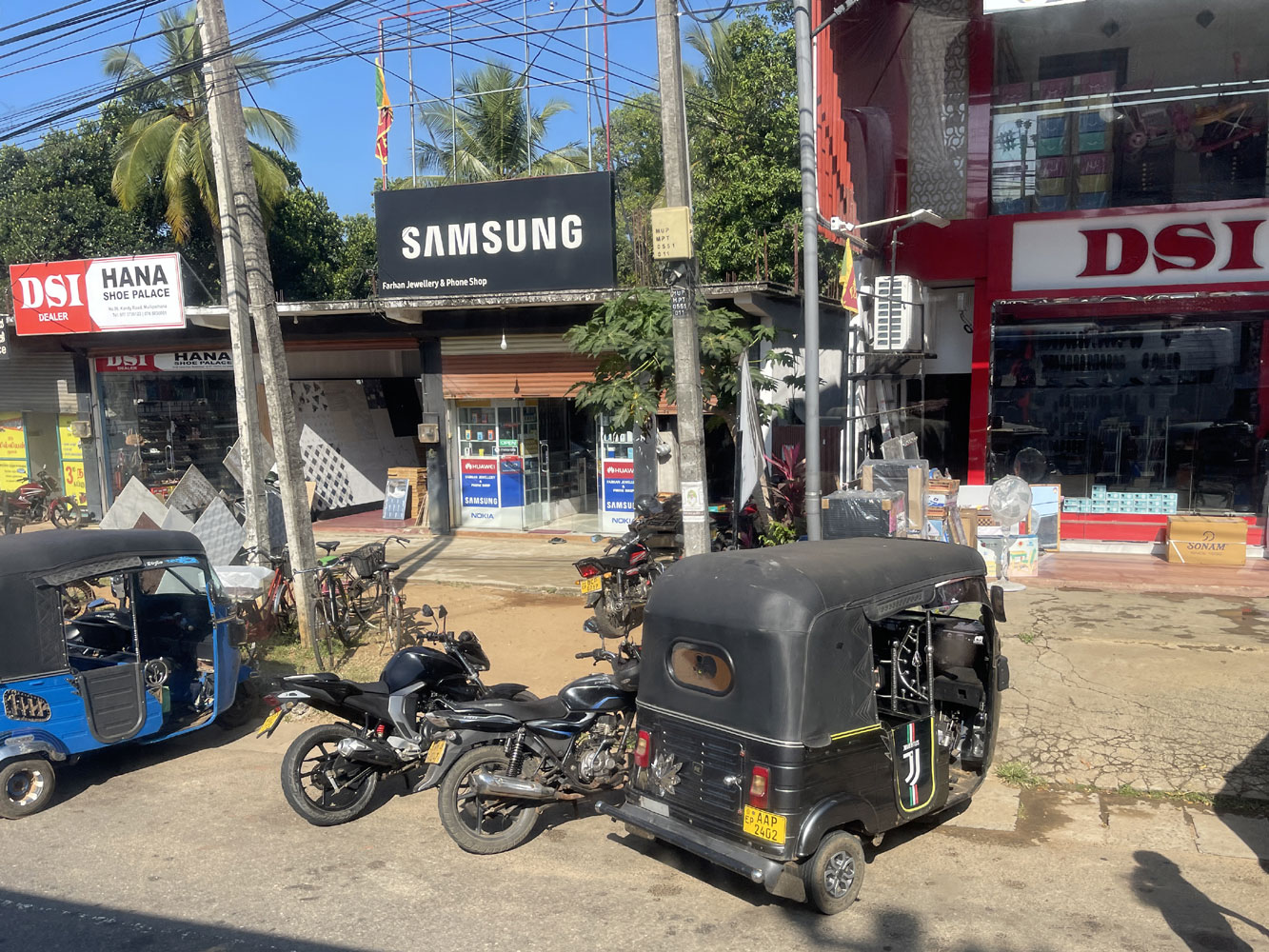
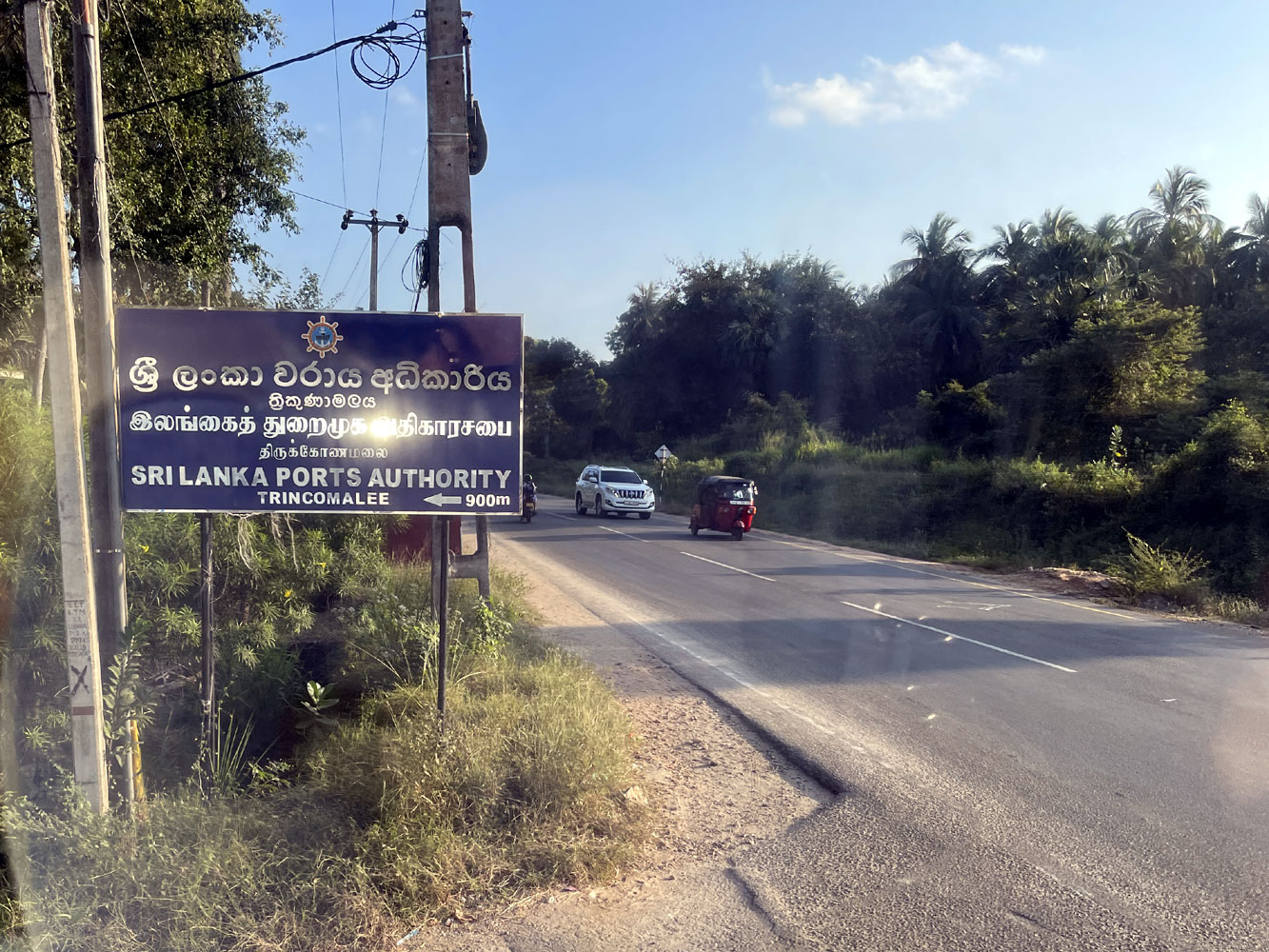
A small army of tuk-tuks
was lined up near the ship, their drivers grinning and waving
enthusiastically as we drove past. You could almost see
the rupee signs in their eyes, certain that a ship in port
meant a busy day ahead. Sadly for them, every single passenger
was already booked on one of the two official excursions,
leaving our hopeful drivers with nothing but exhaust fumes
and disappointment. |
|
|
| |
|
| |
|
| |
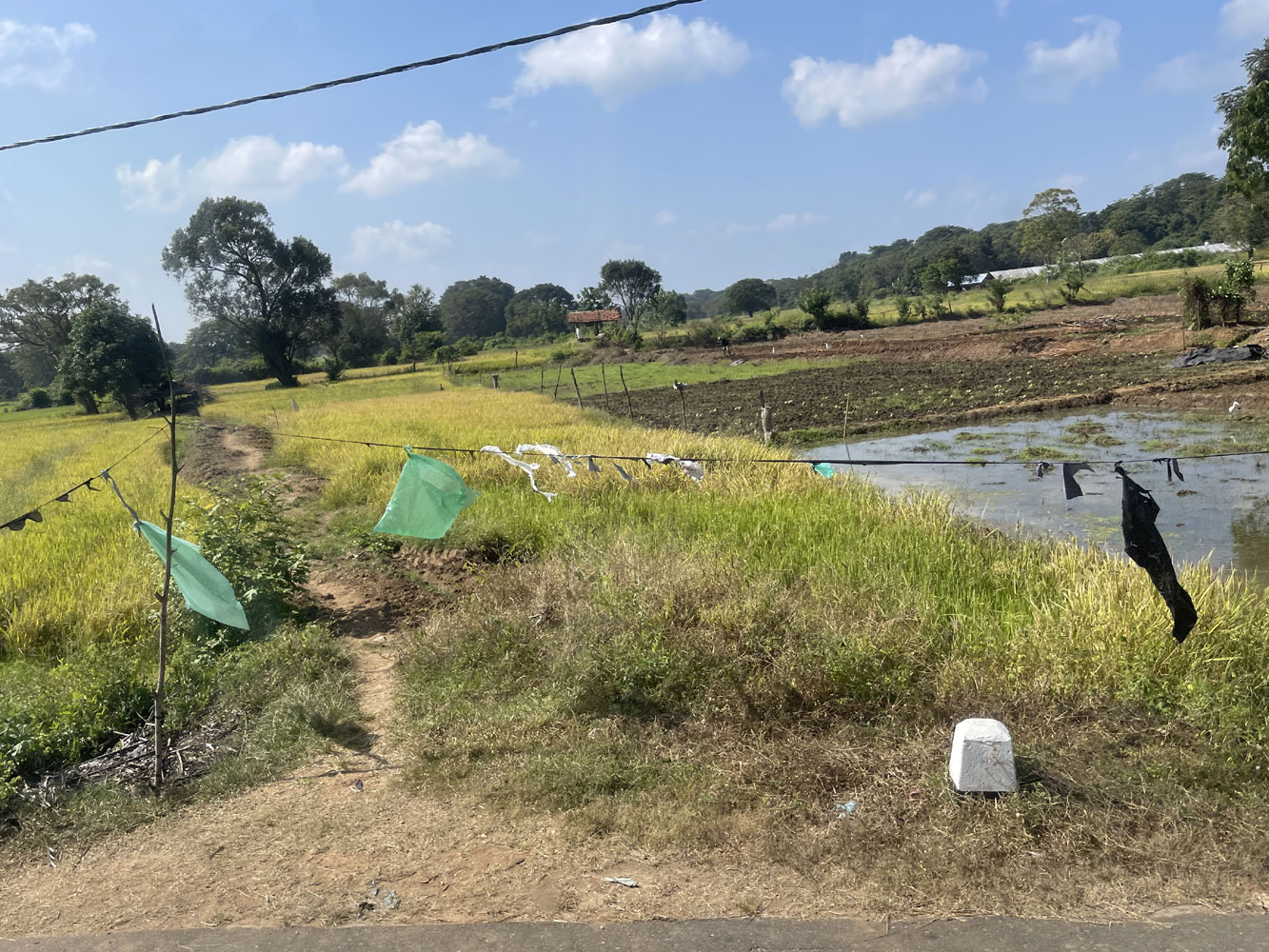
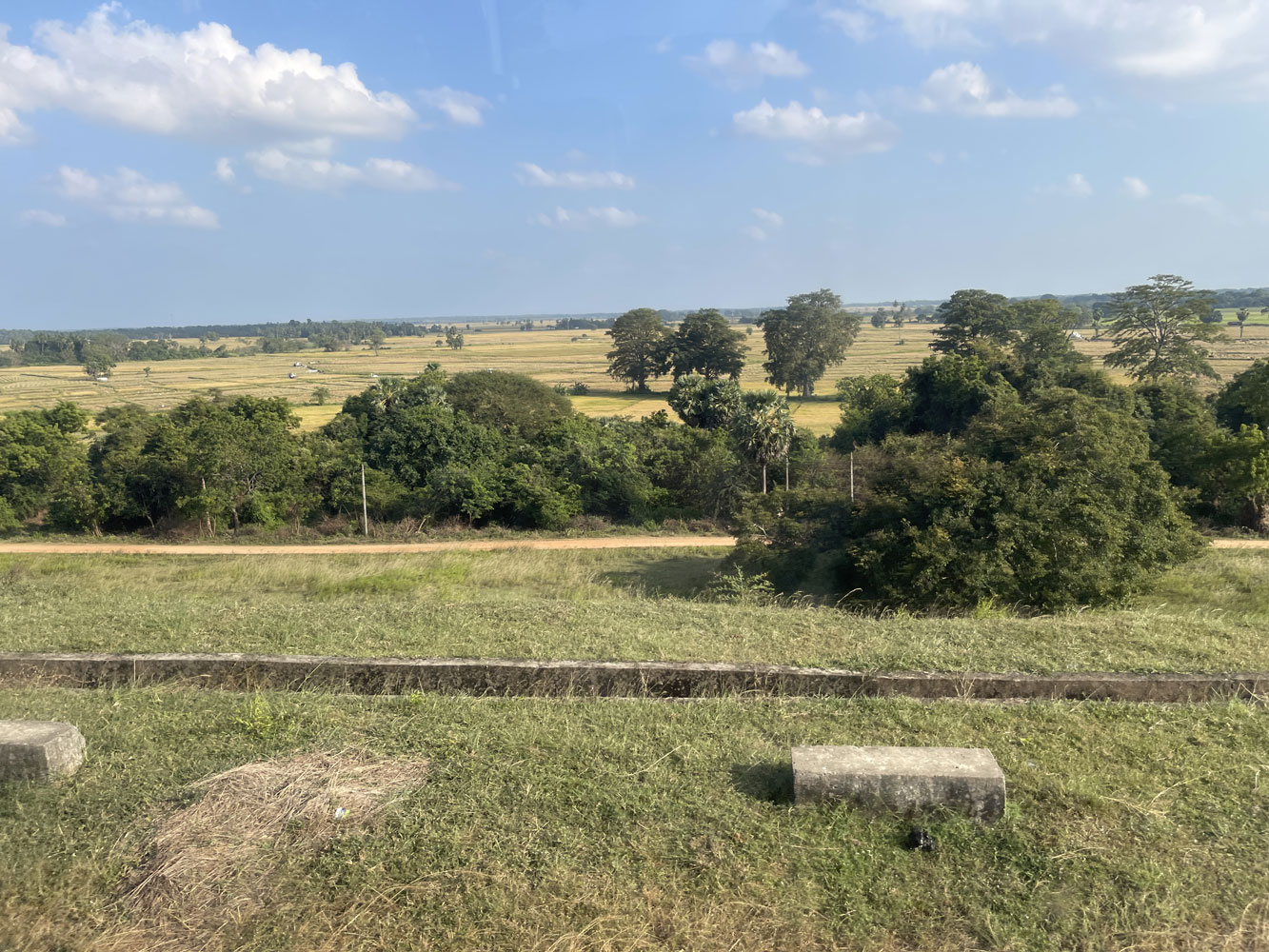
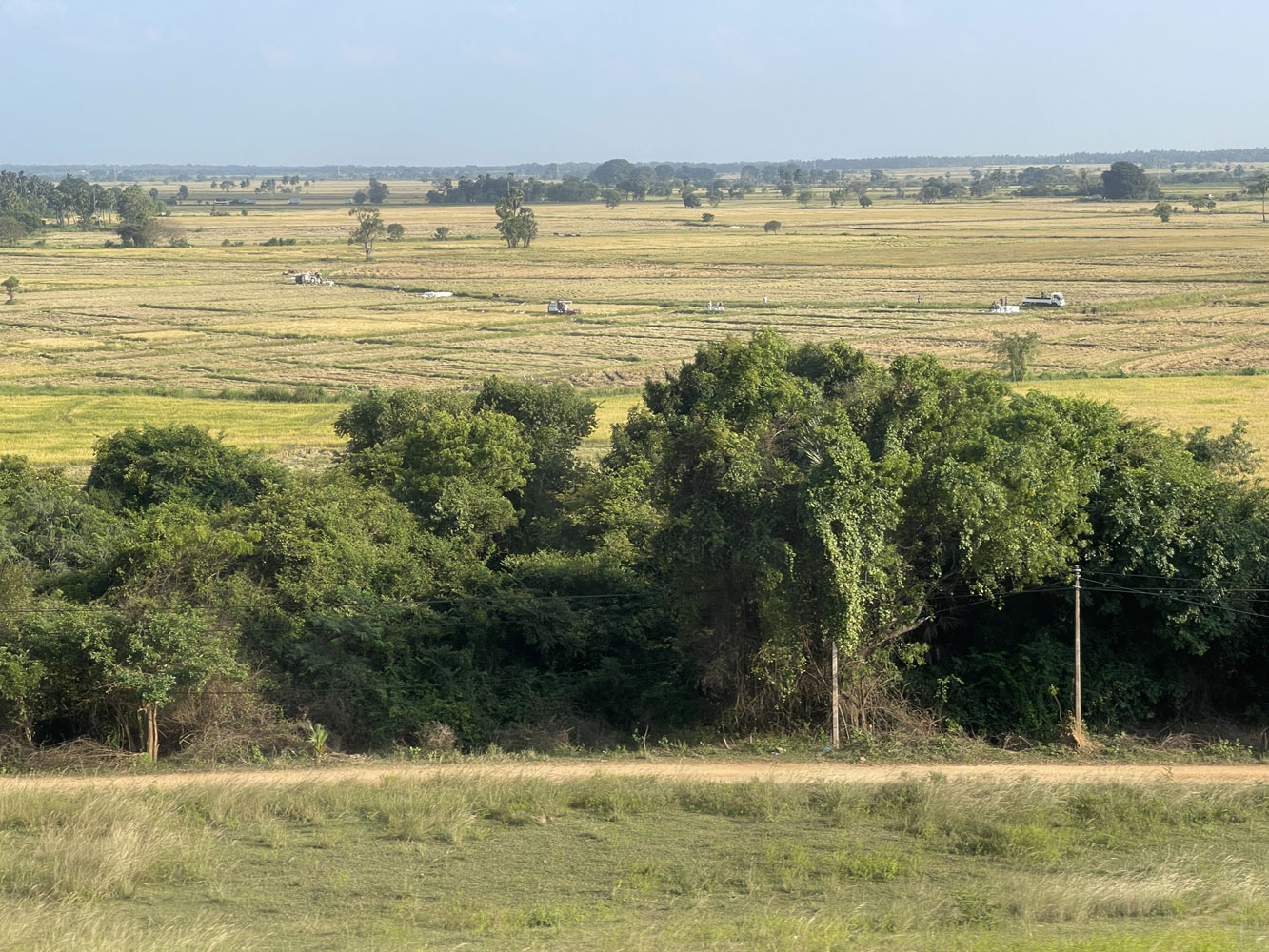
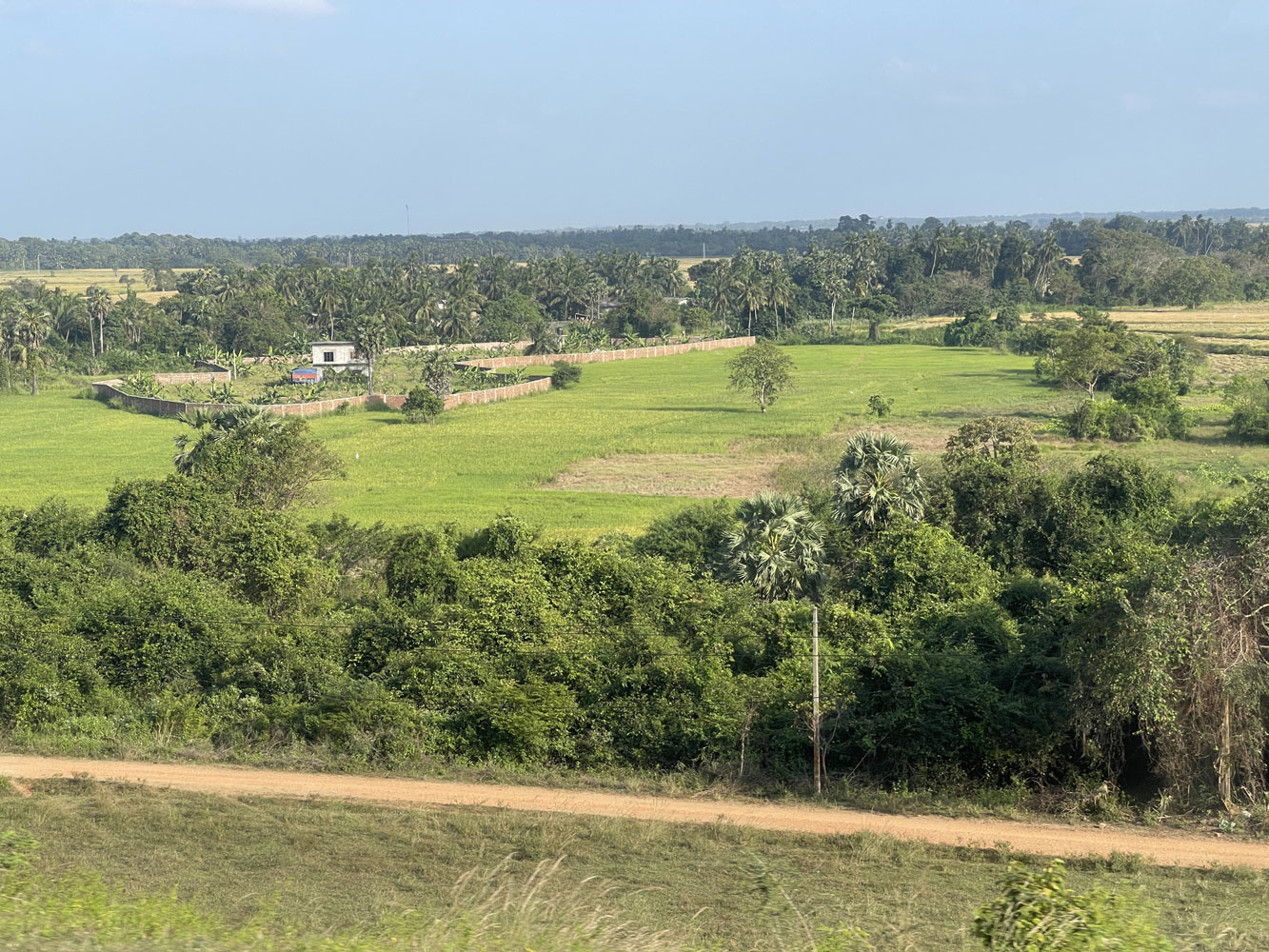
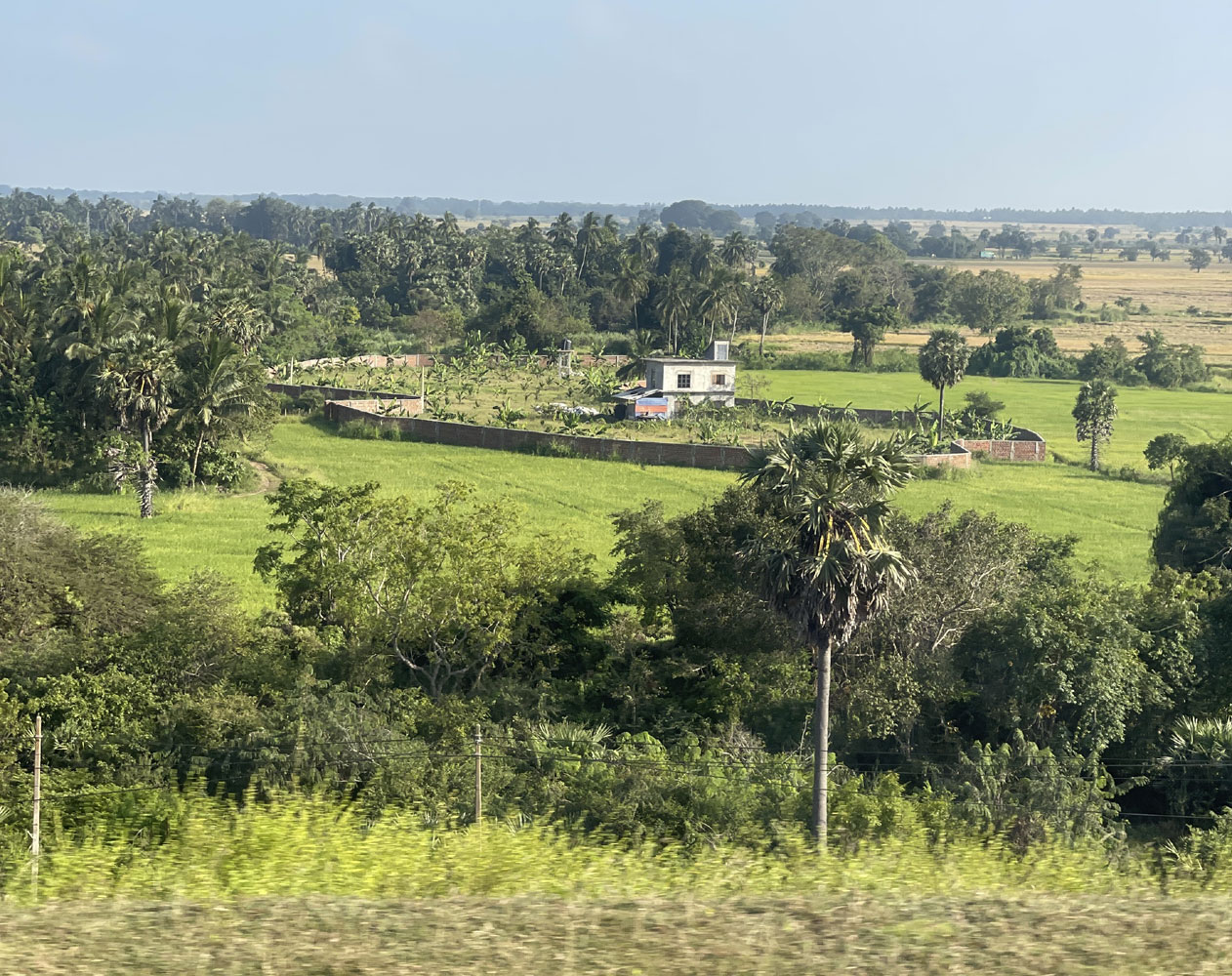
It wasn't long before
we had cleared the port area and set off into the beautiful
countryside. |
|
|
| |
|
| |
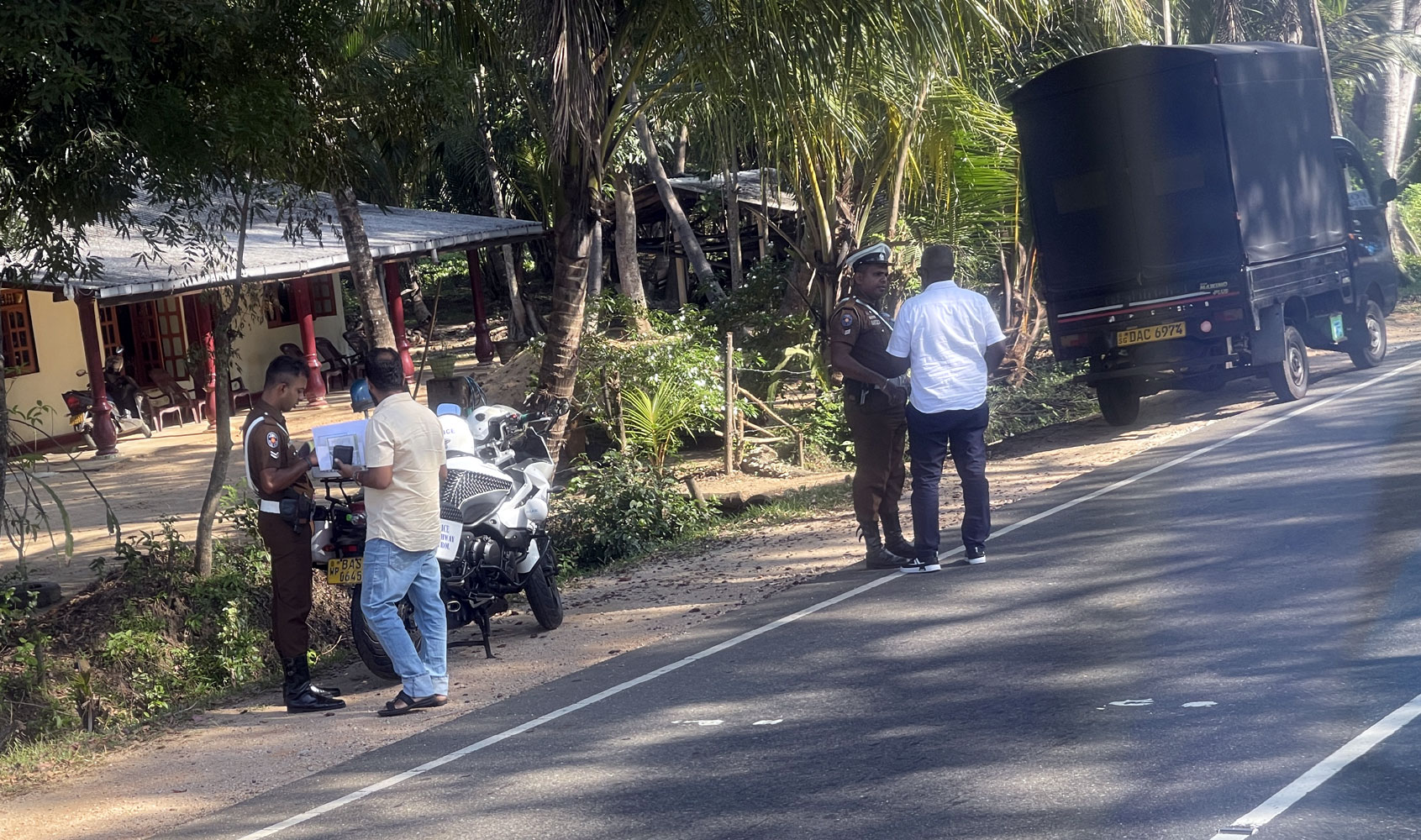
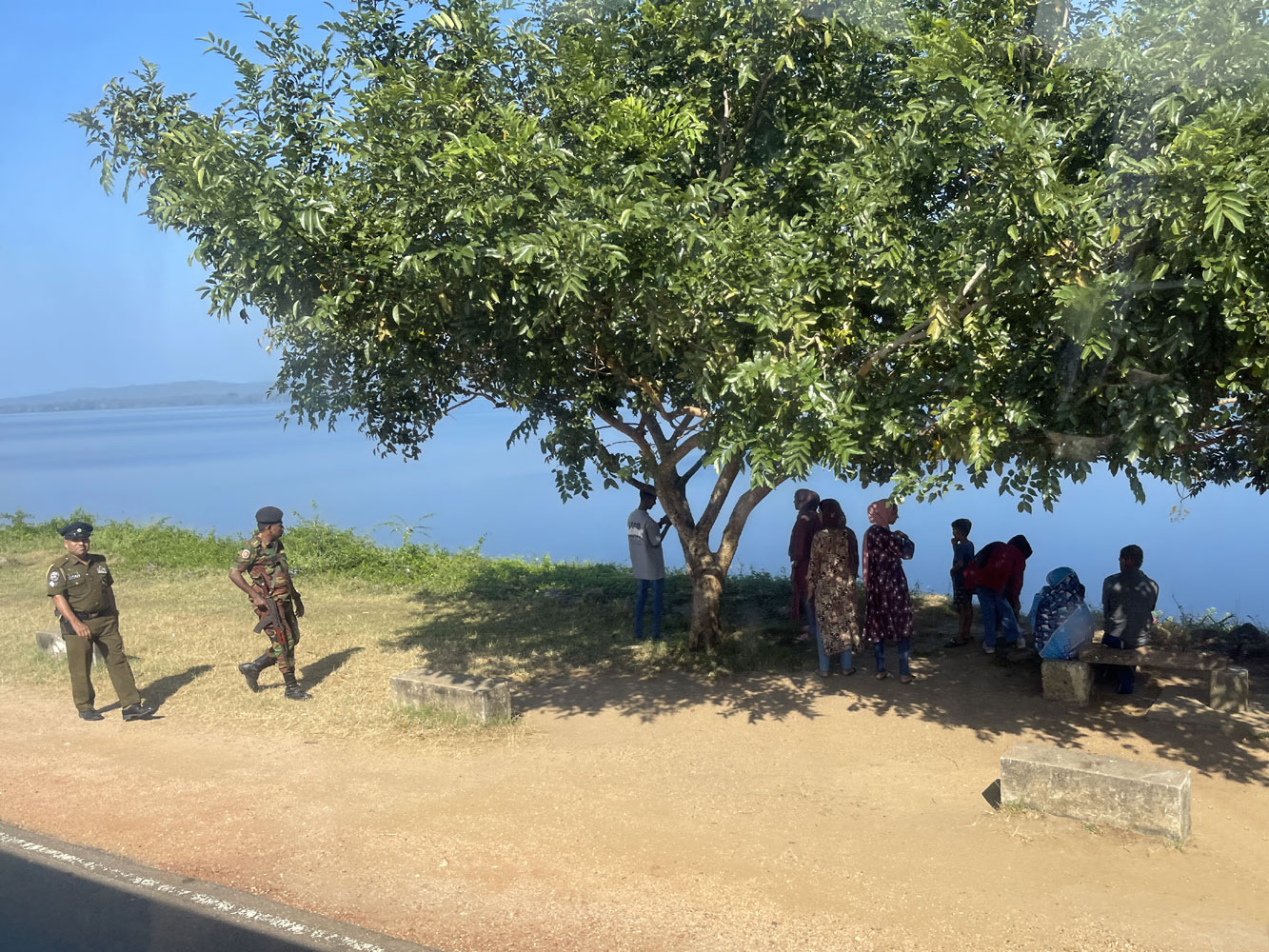
Before long, we were
flagged down by a police road-block, along with many other
motorists. It took about fifteen minutes before we were
allowed to drive on and we had no idea why we had been stopped. |
|
|
| |
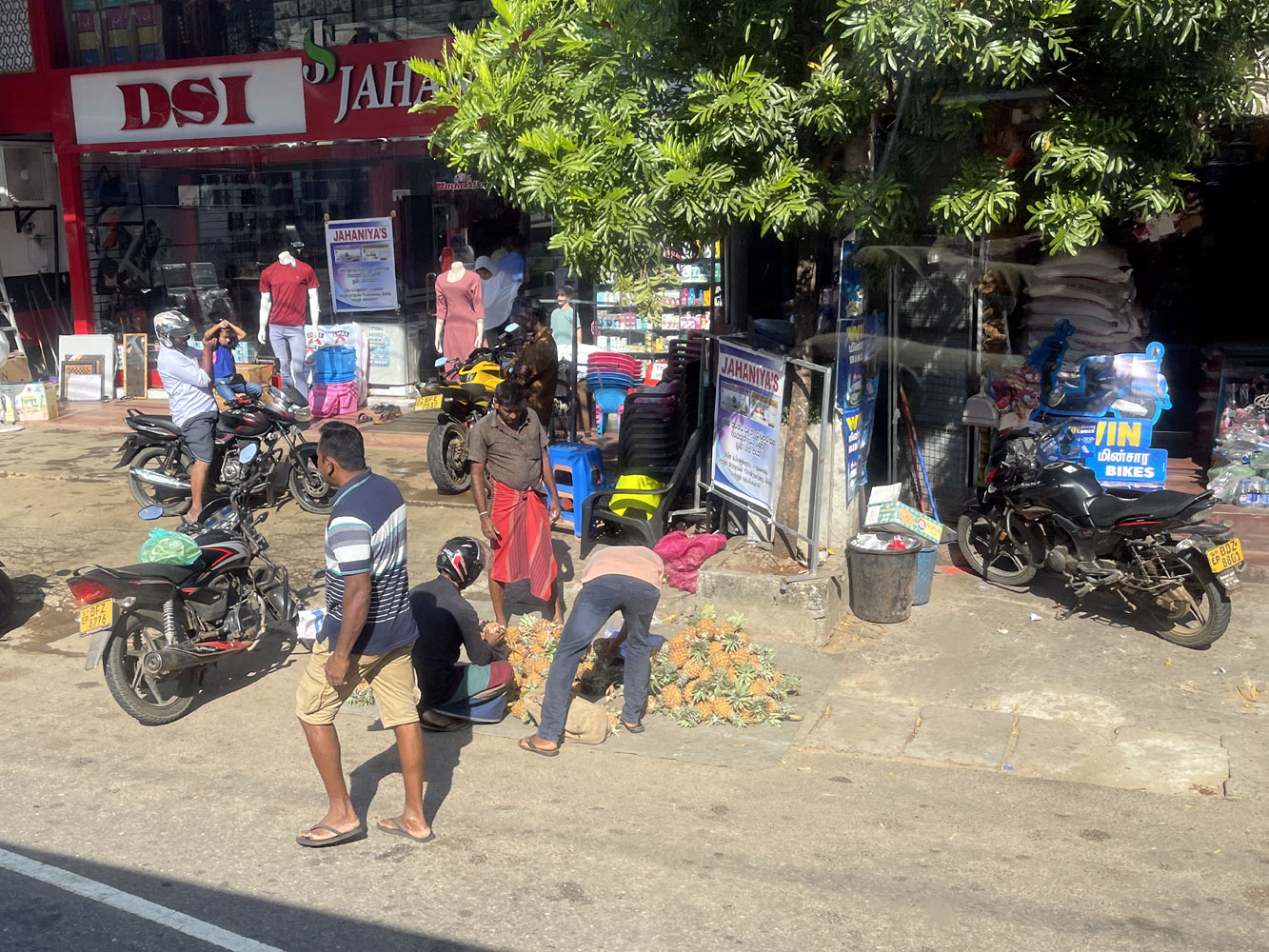
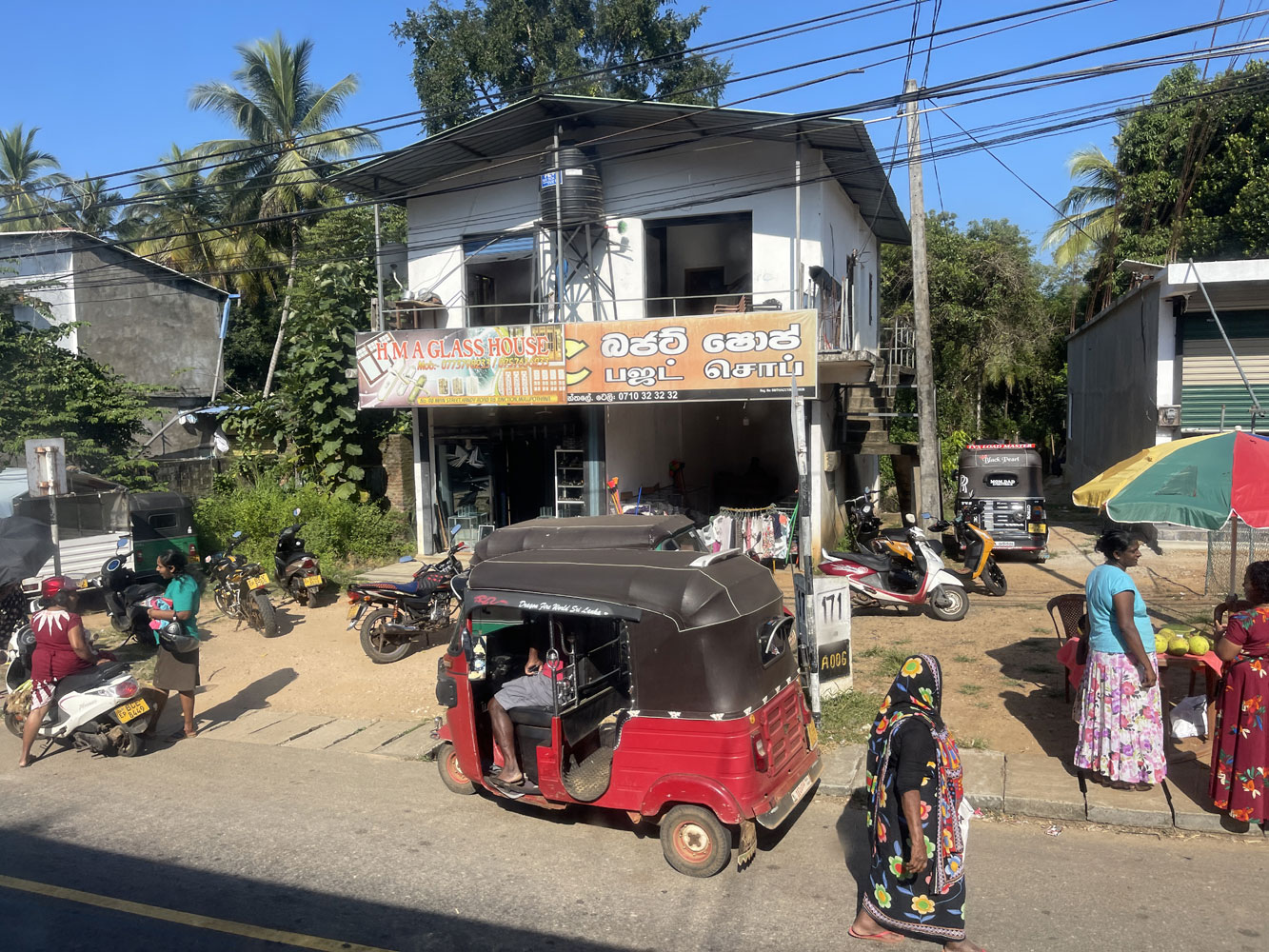
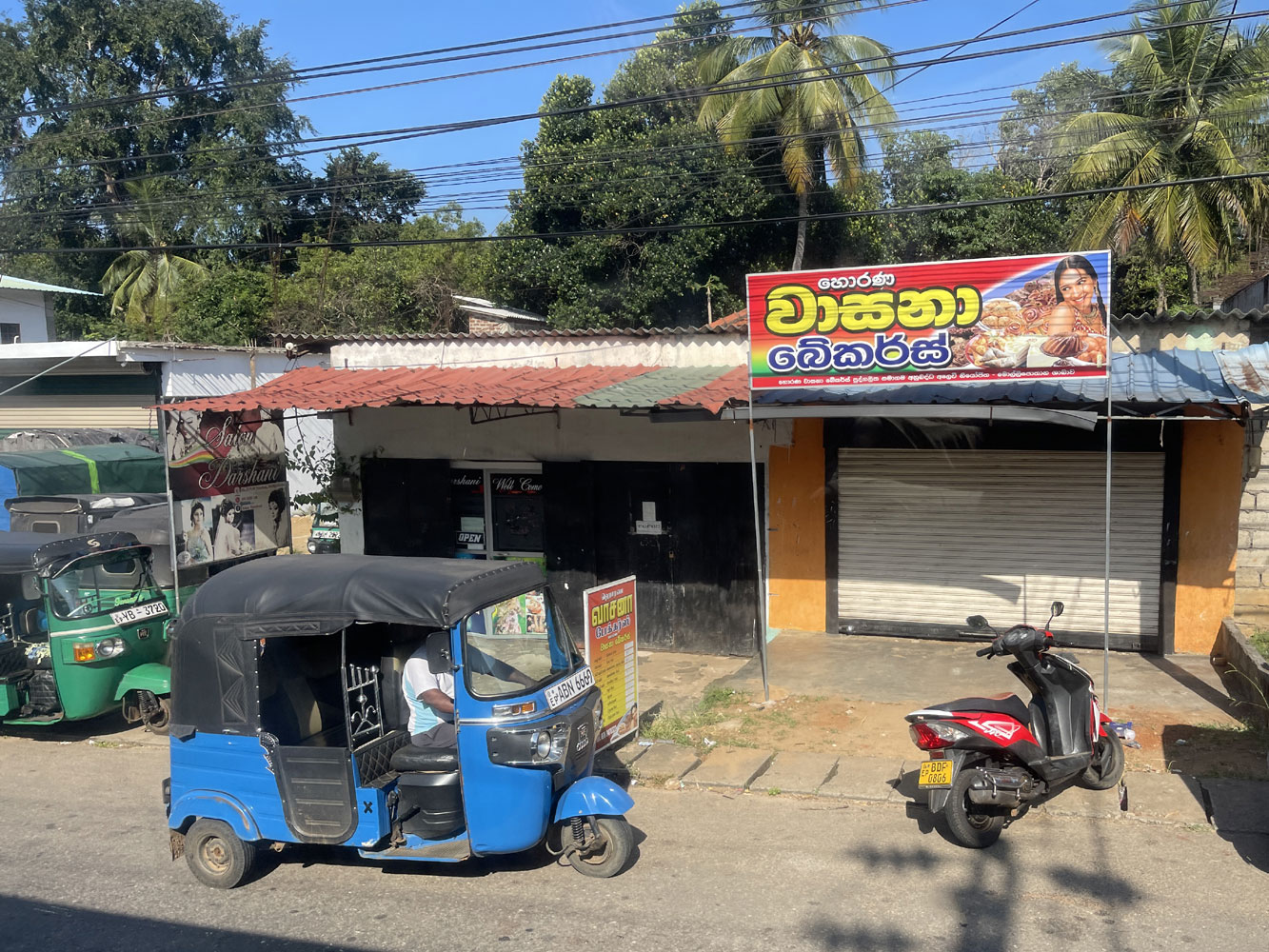
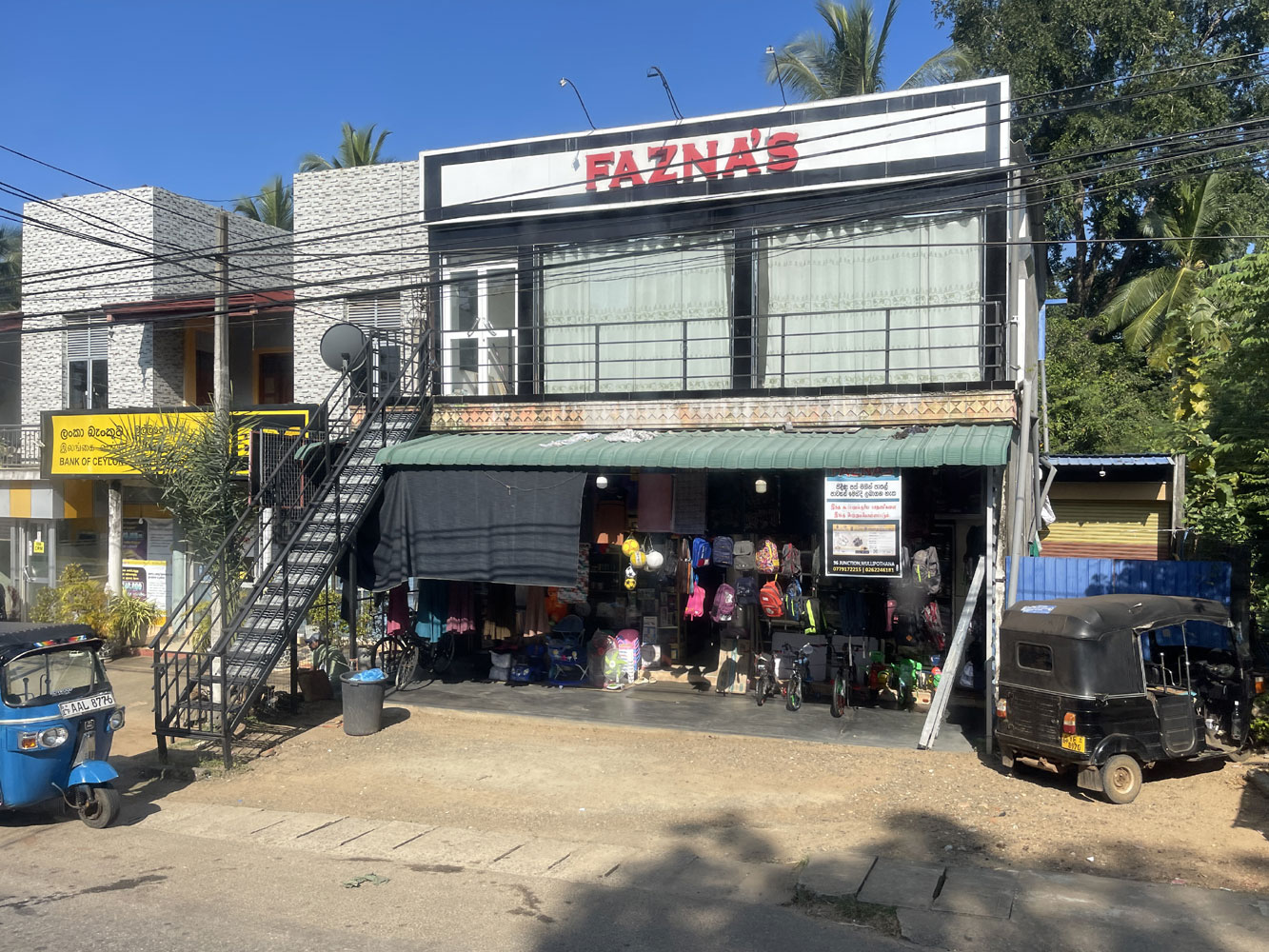
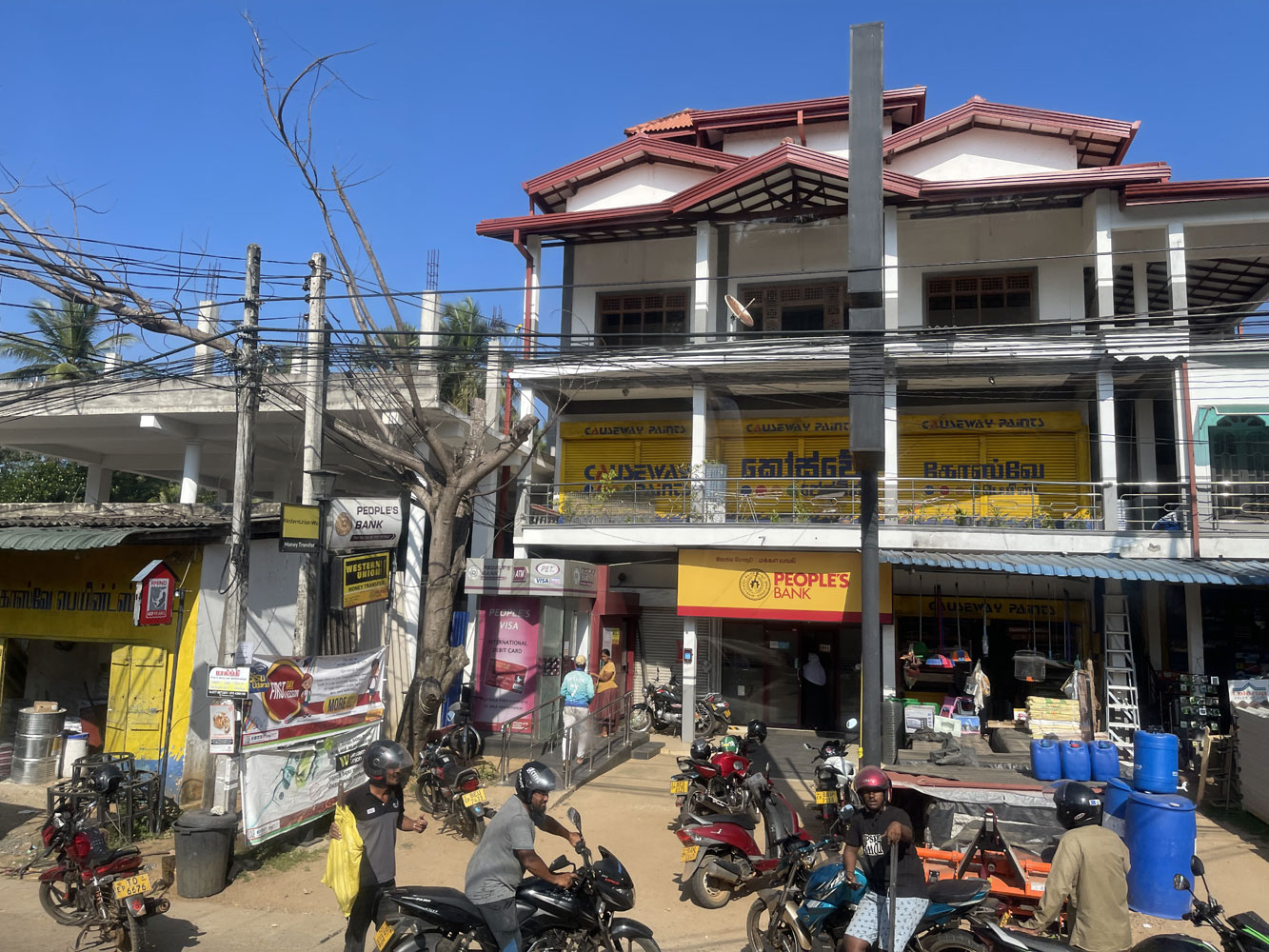
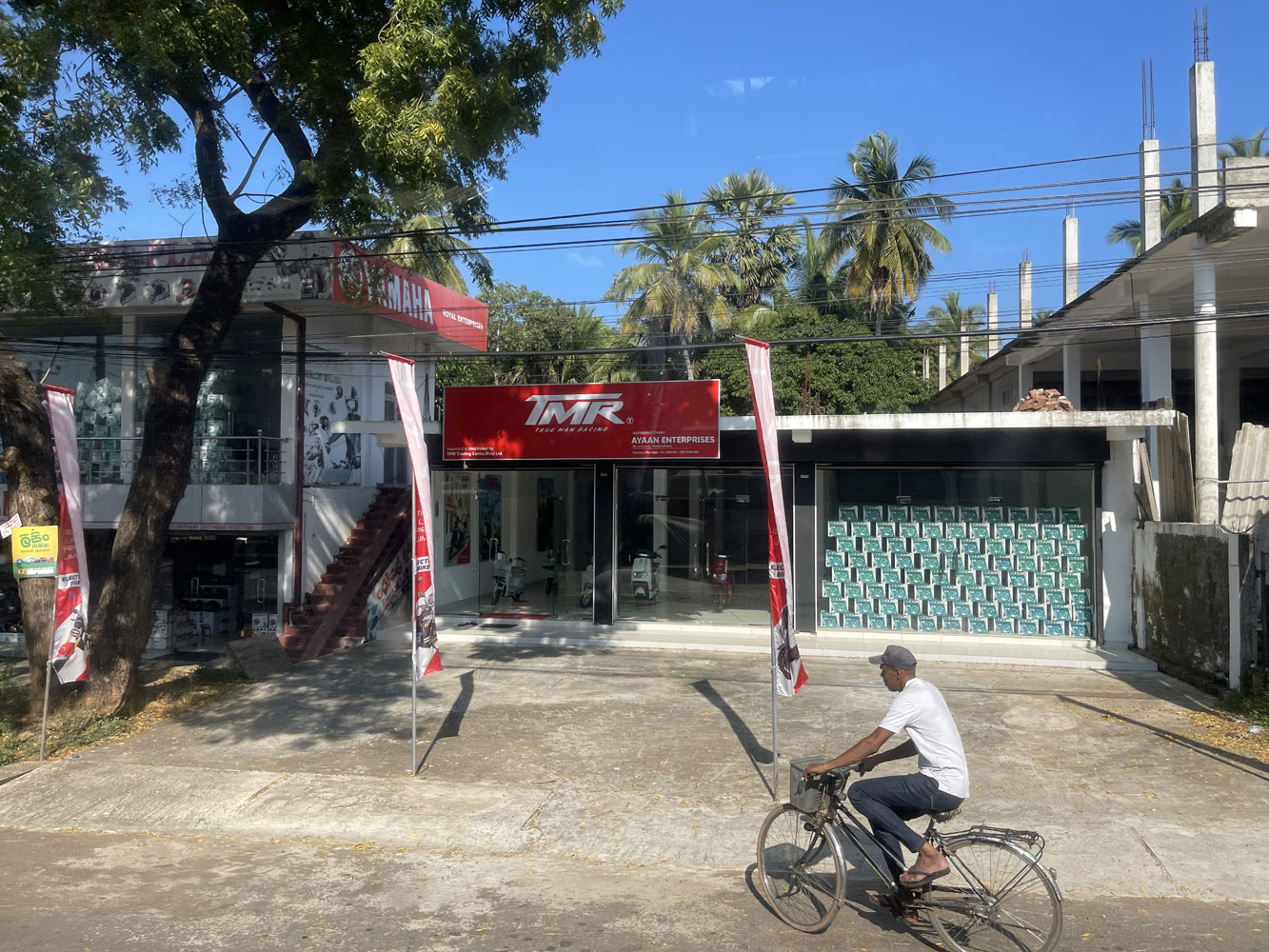
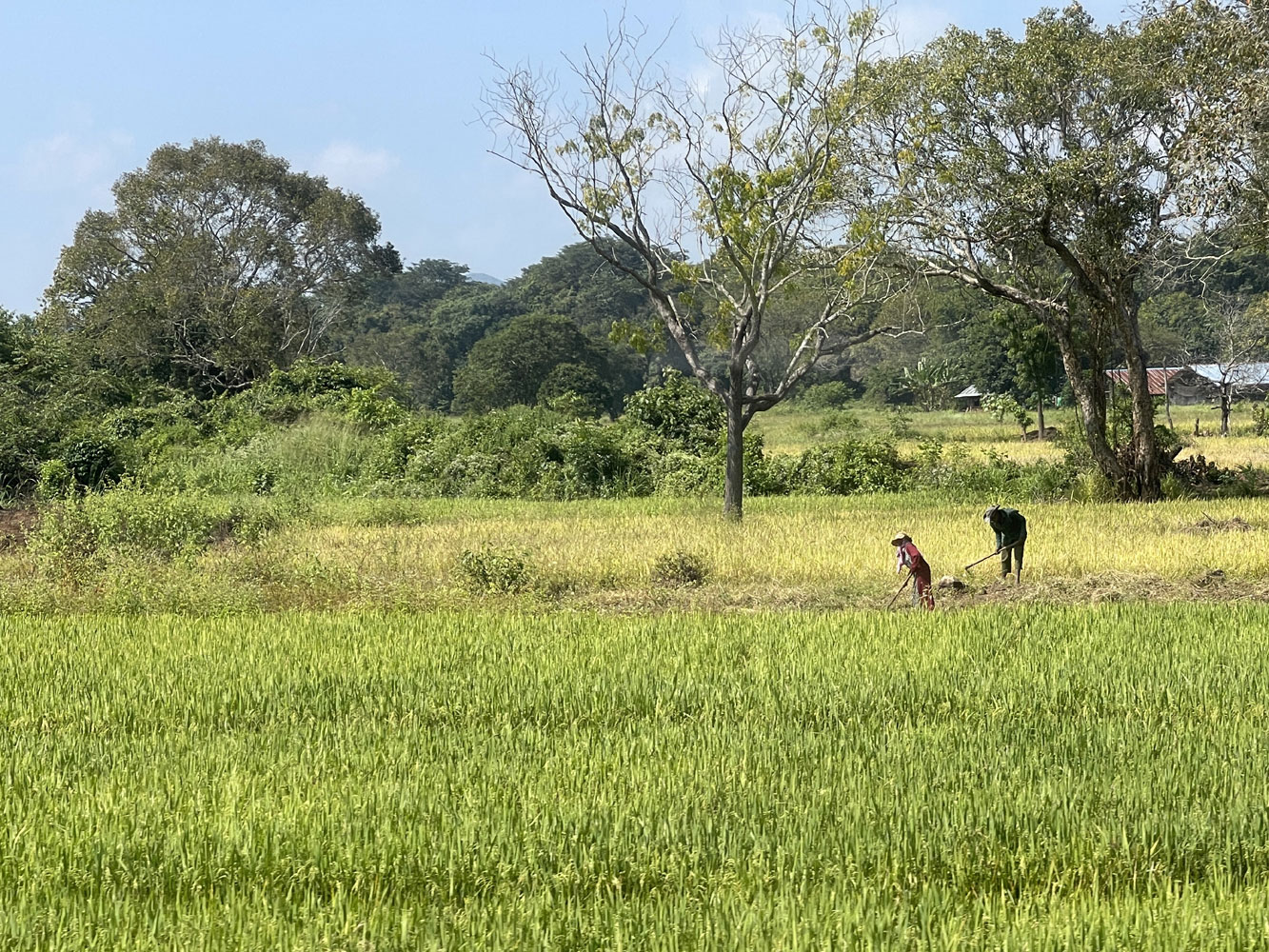
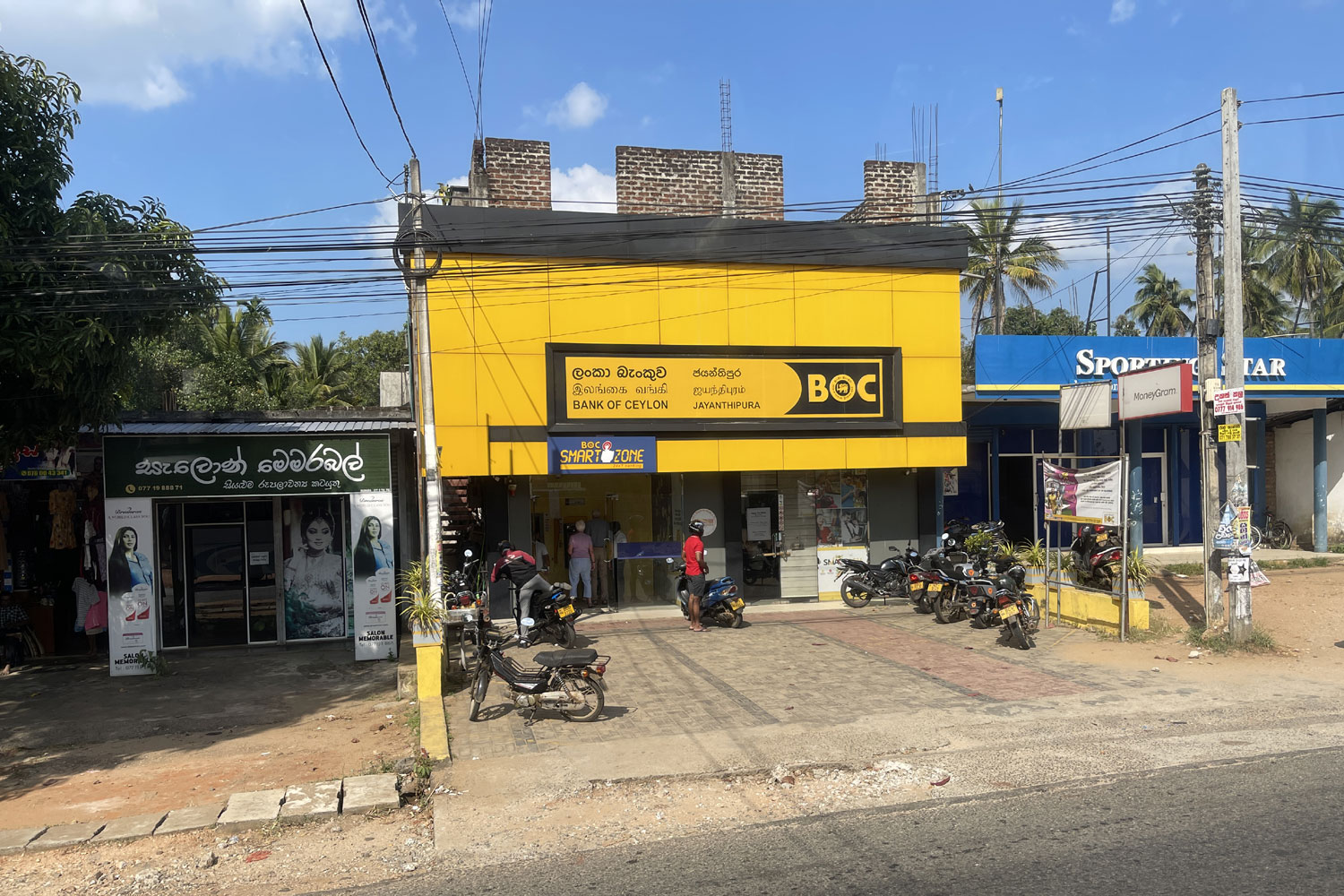
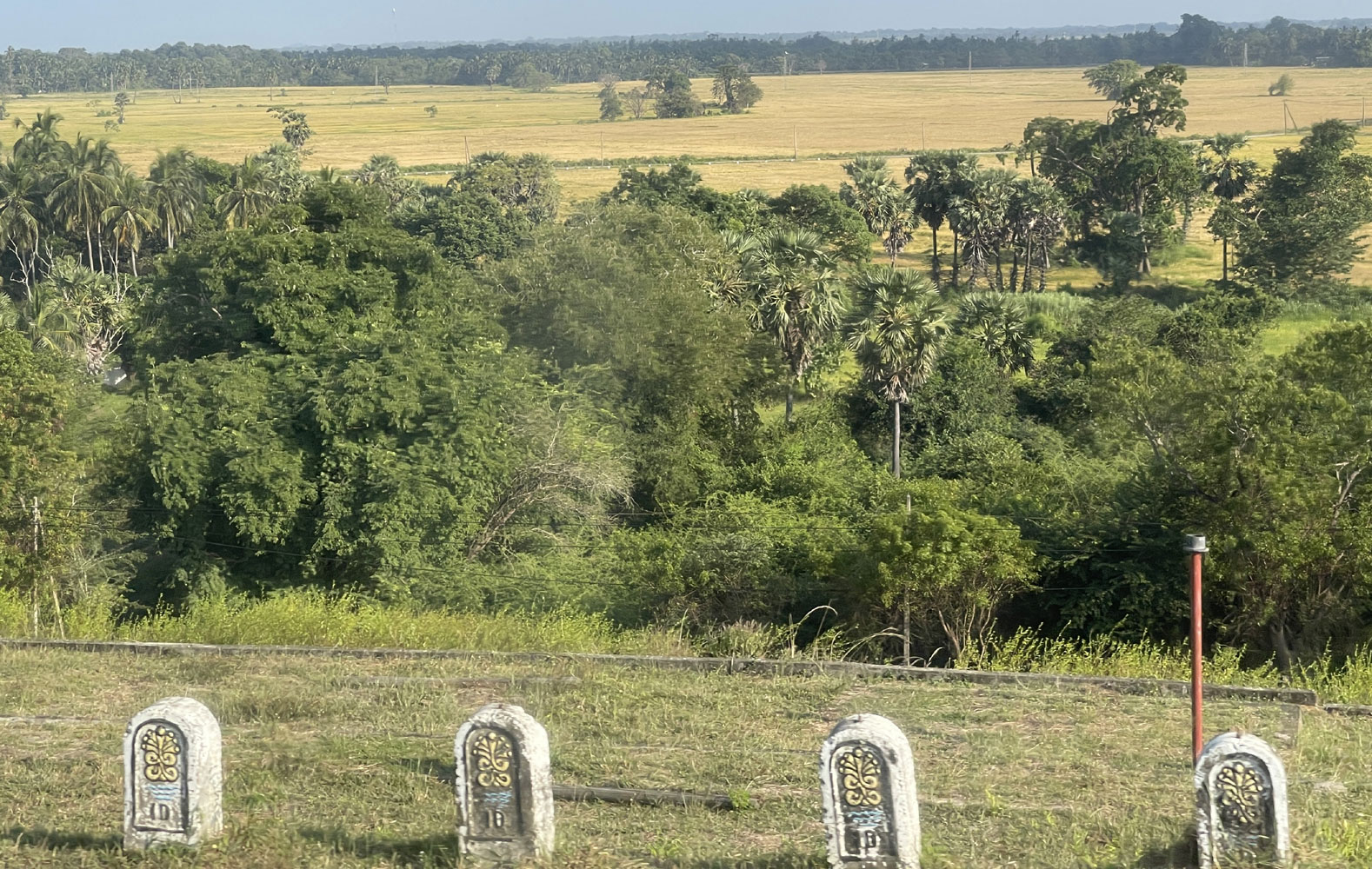
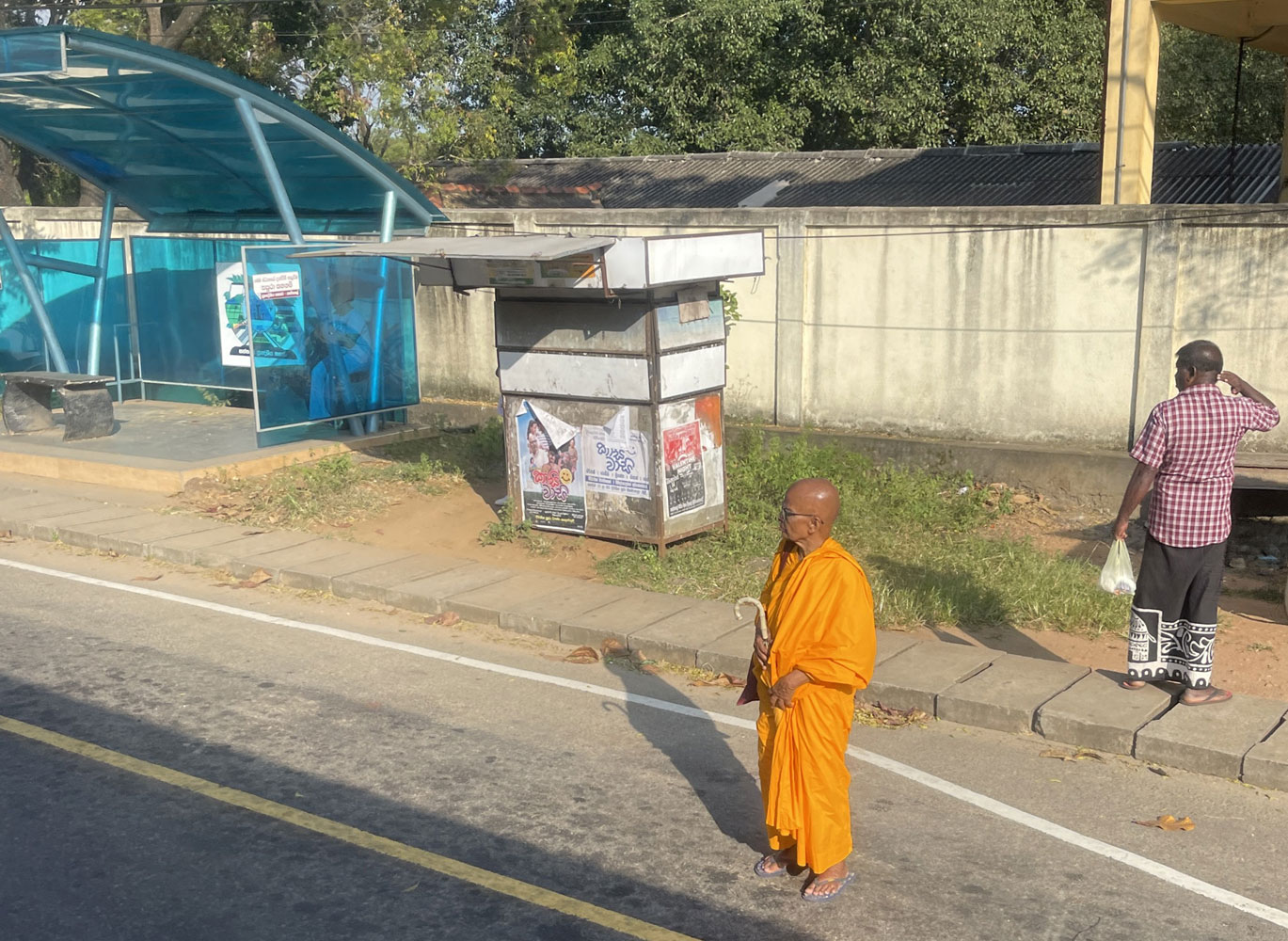
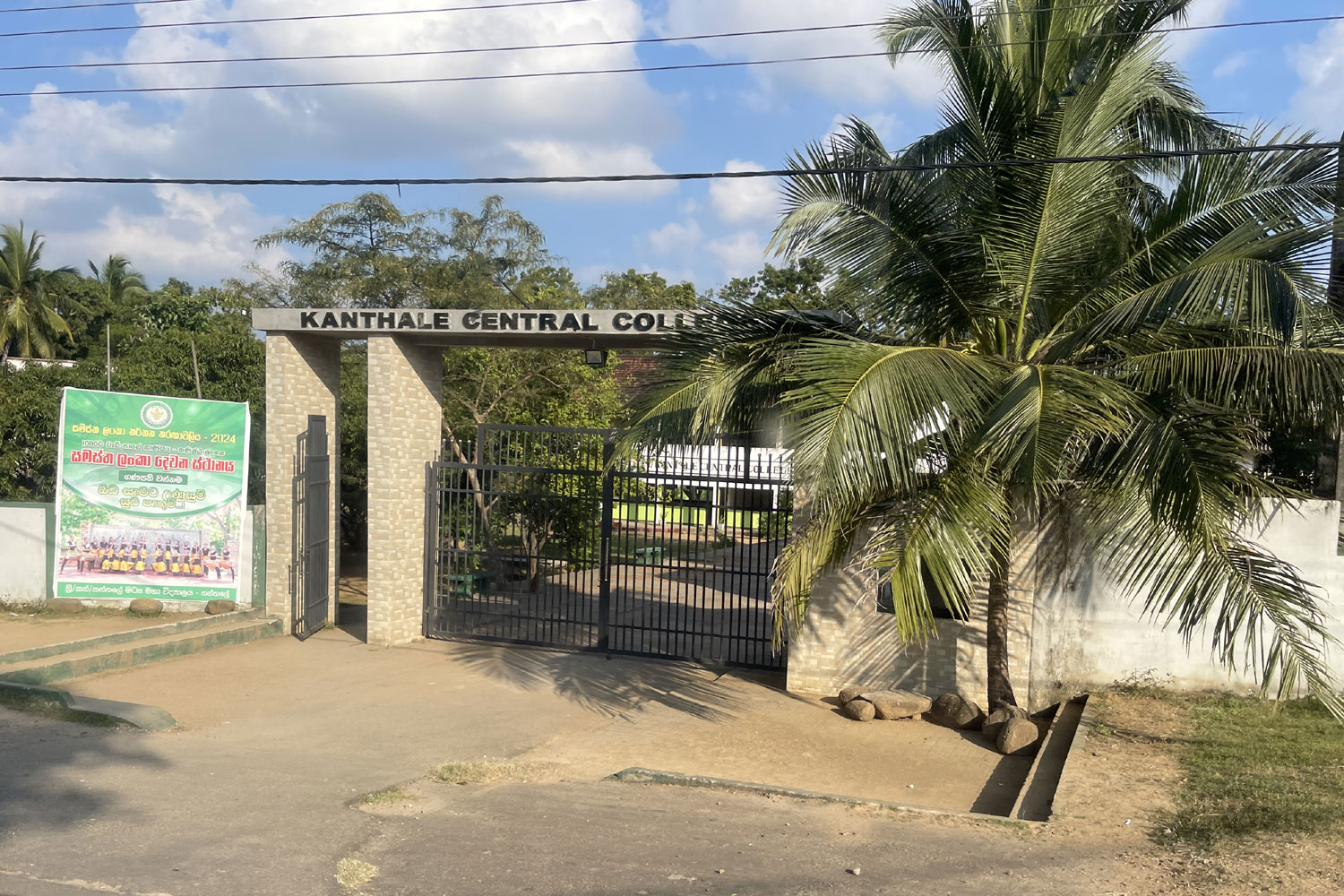
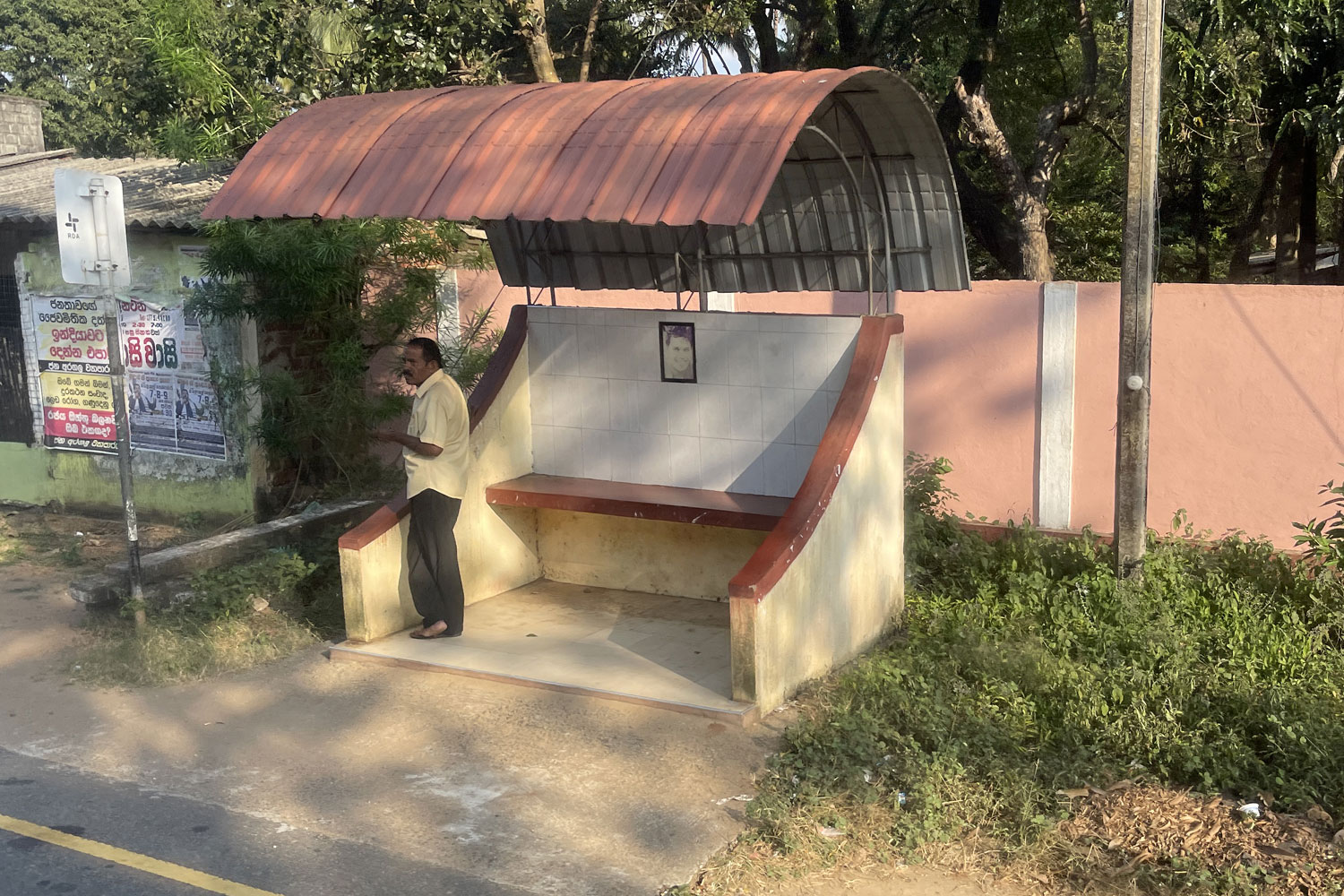
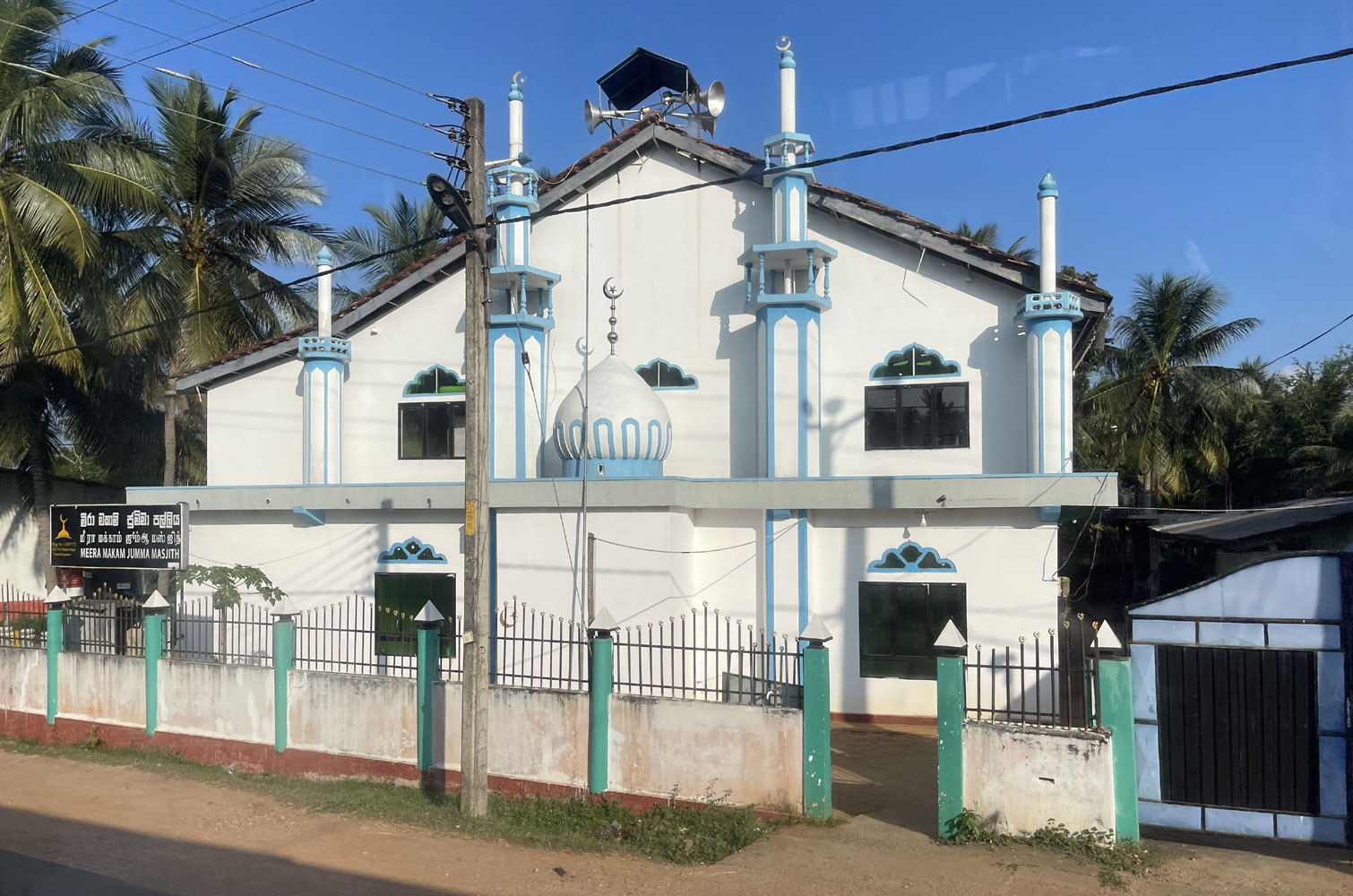
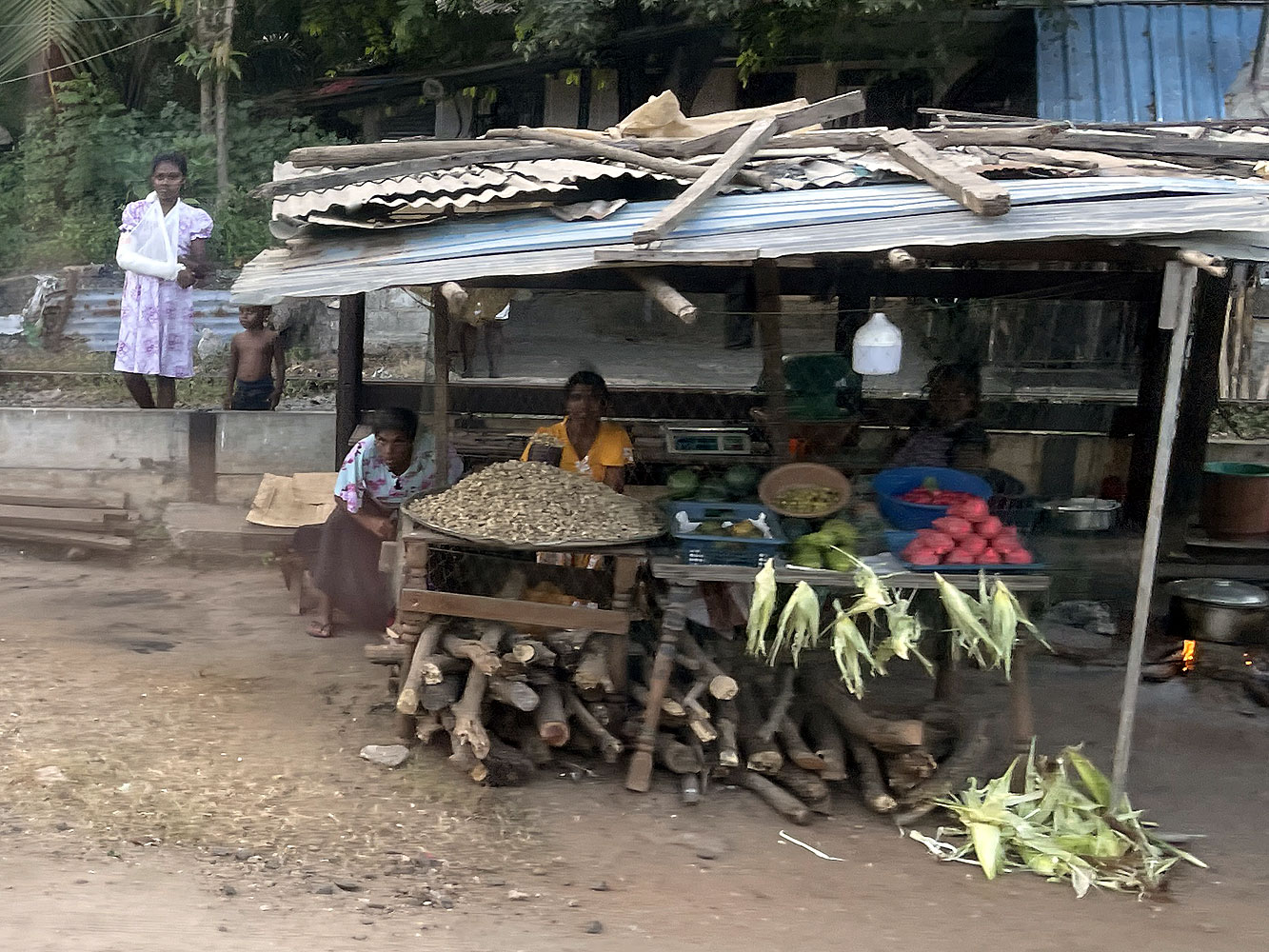
Snippets of life in the
small settlements we passed through. |
|
|
|
| |
|
| |
|
|
| |
|
|
| |
|
|
| |
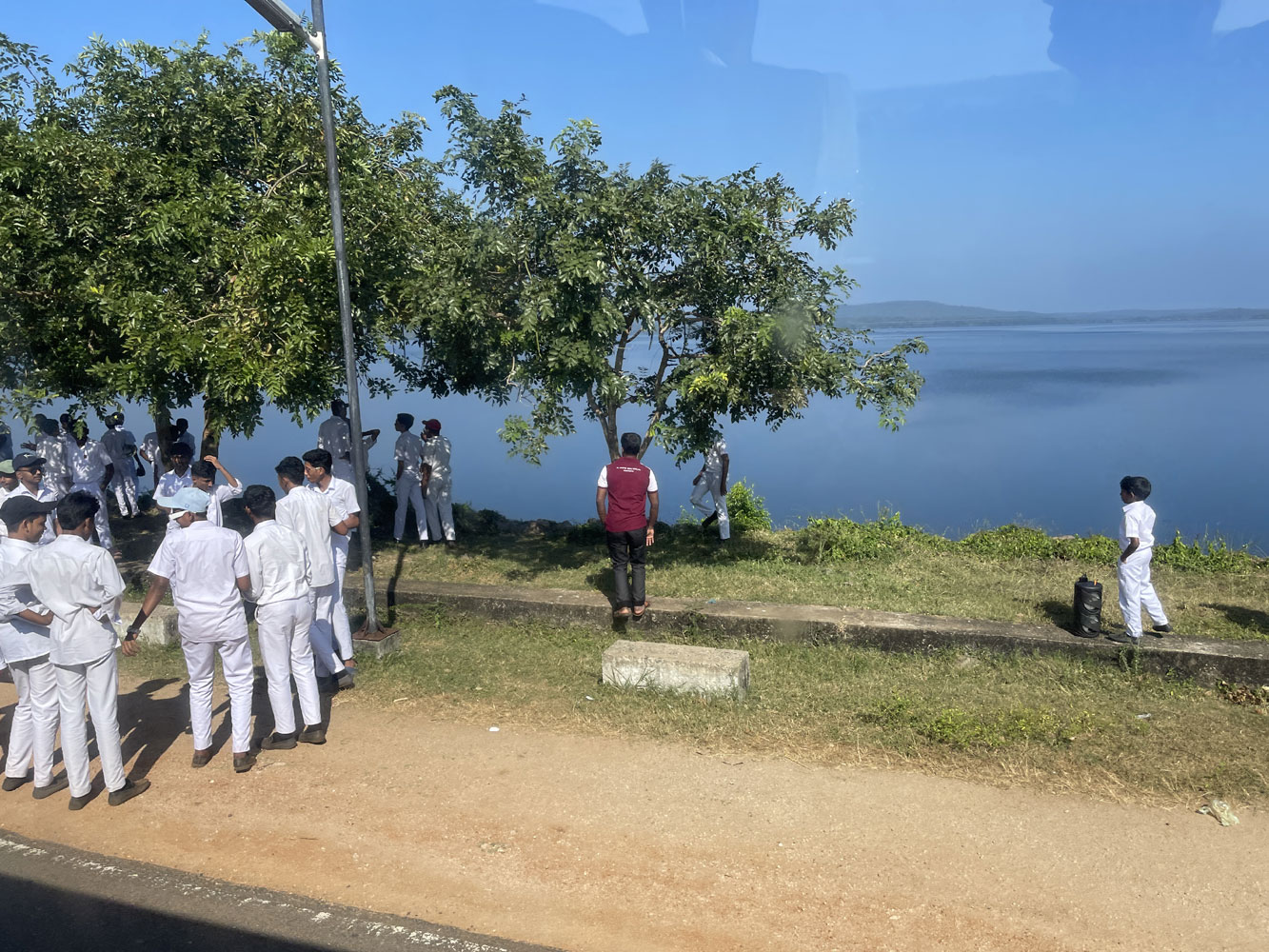
A group of youngsters
were taking a break at the side of the dam. They were heading
in the direction of Trincomalee, judging by the way that
their coaches were facing. I think this was part of the
same group that Geoff saw later on that afternoon when they
assembled close to the ship. |
|
|
| |
|
| |
|
| |
|
| |
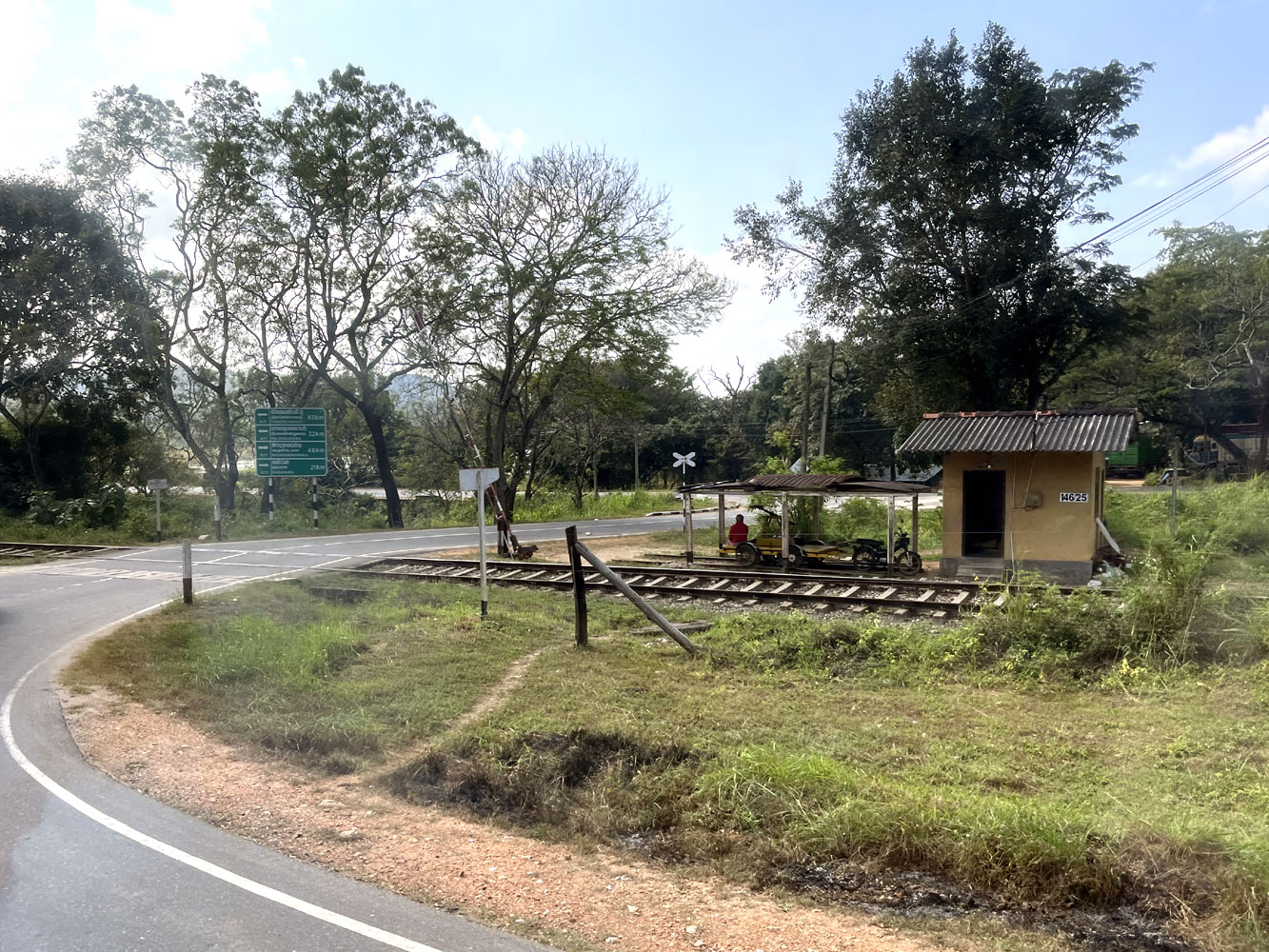
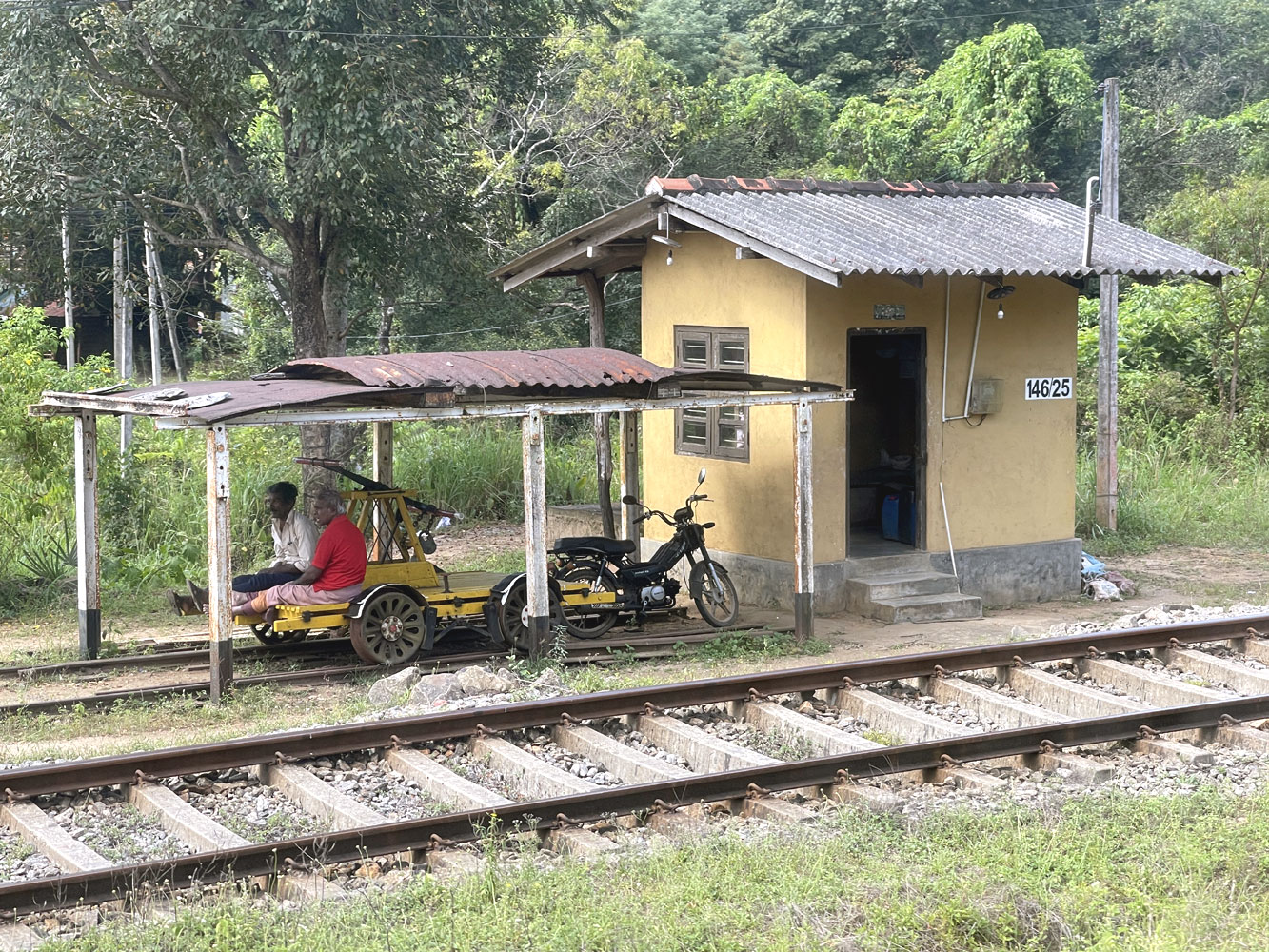
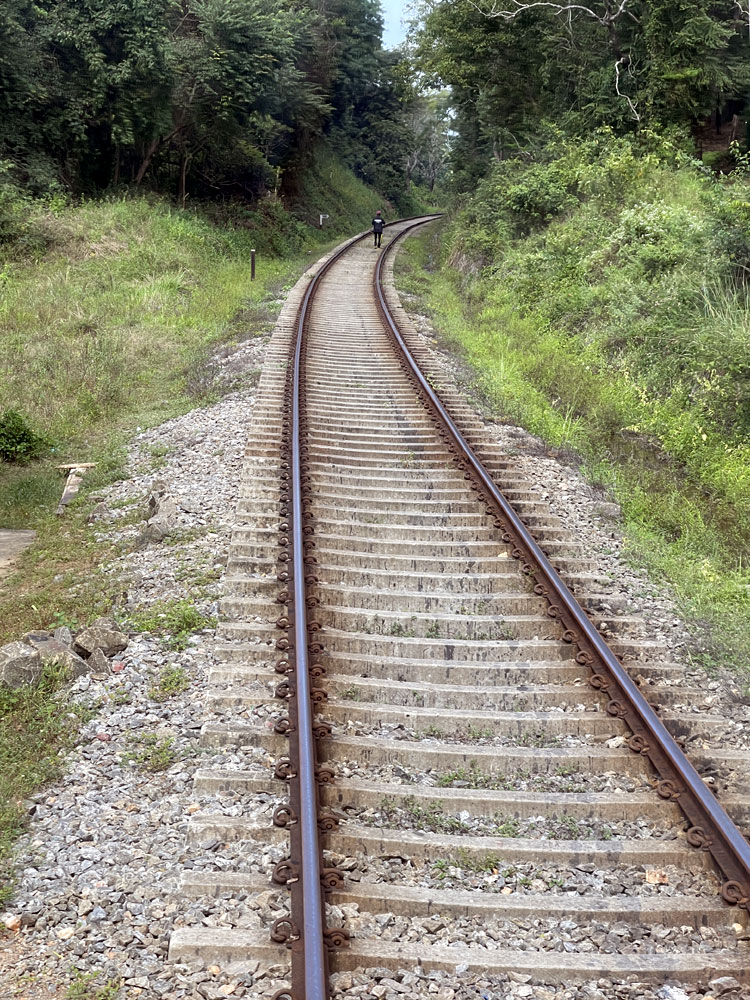
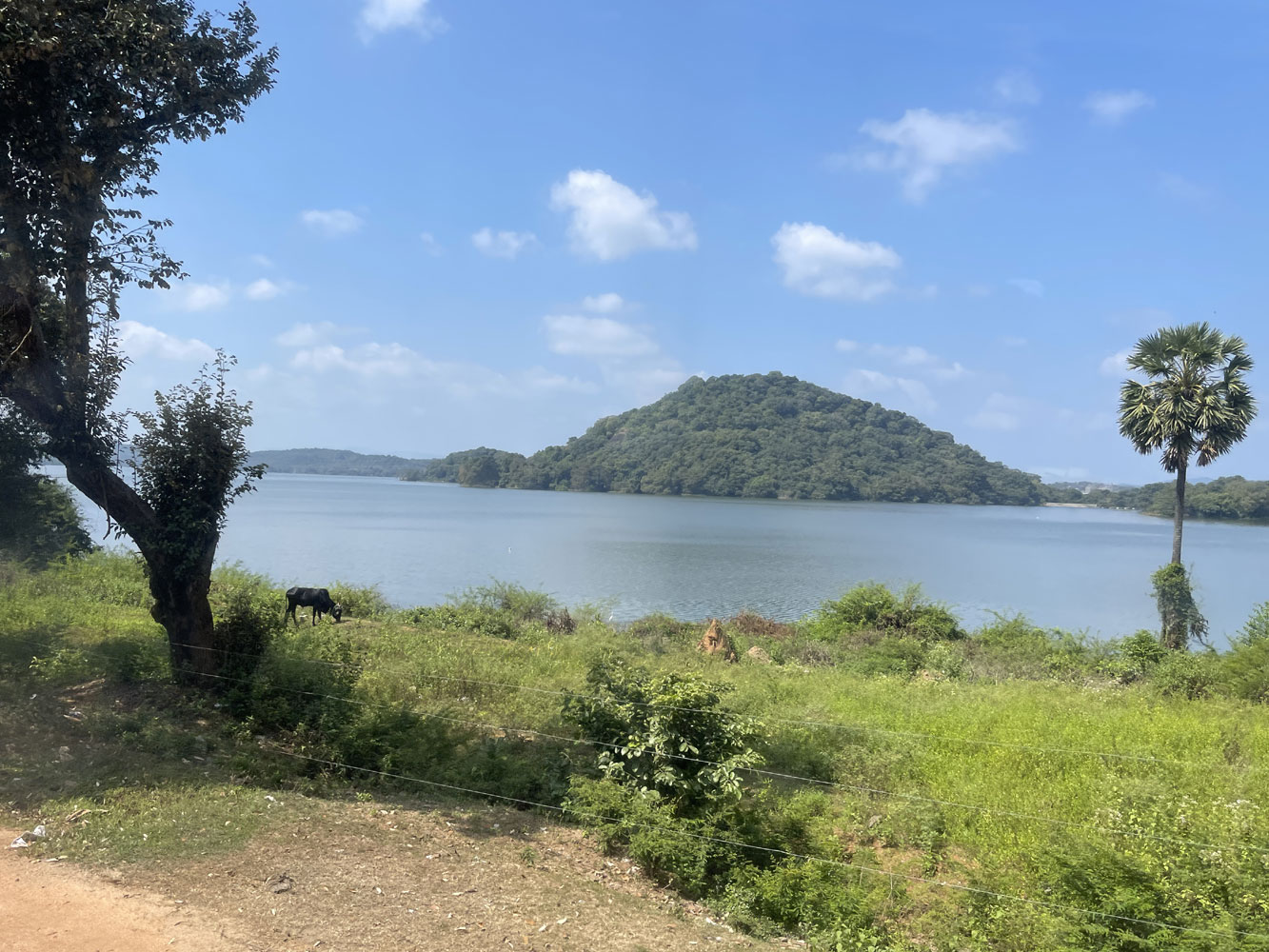
After driving in more
or less a straight line for quite some time, the road became
more winding as we crossed a railway line close to the Minneriya
National Park. |
|
|
| |
|
| |
|
|
| |
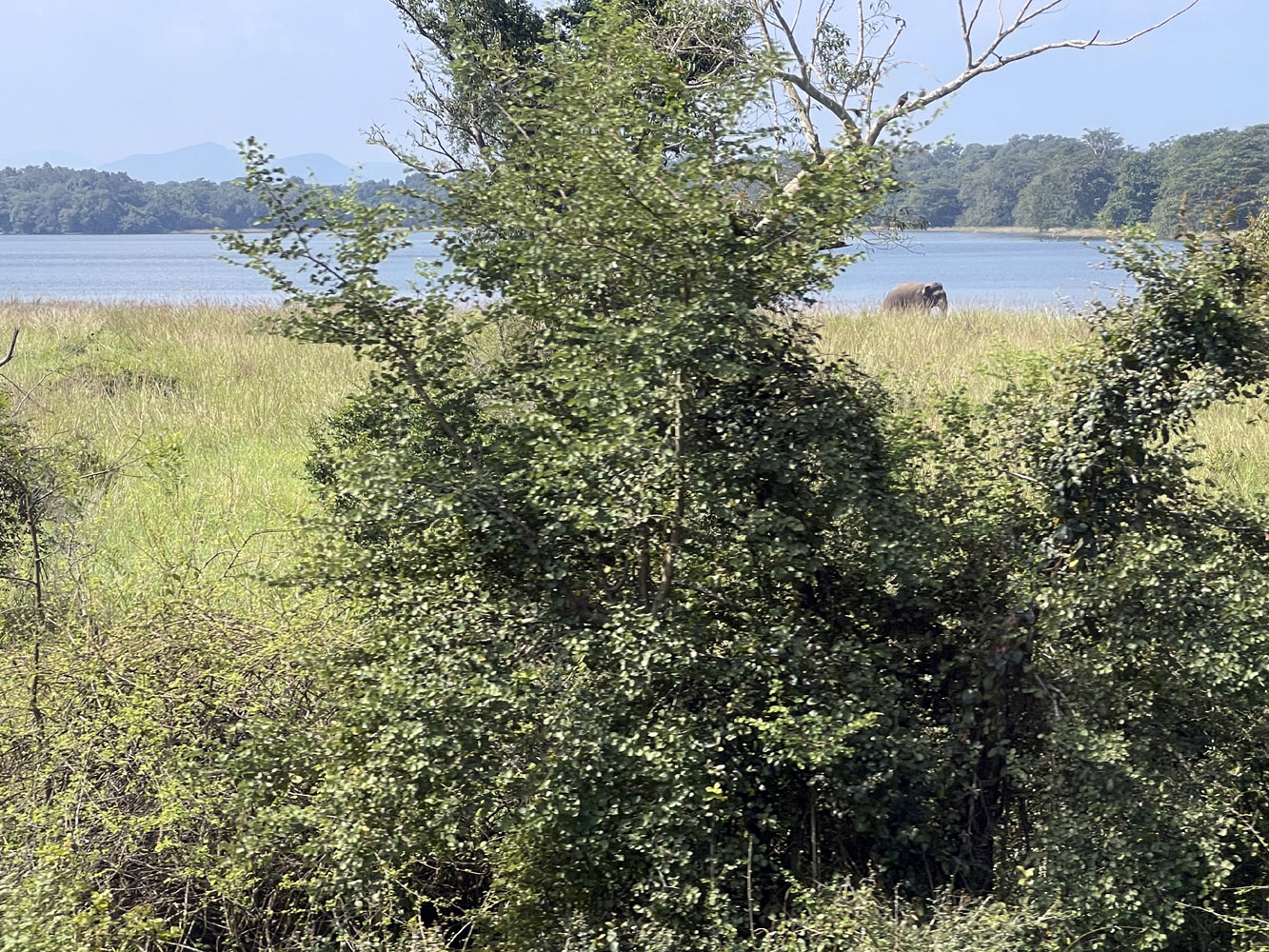
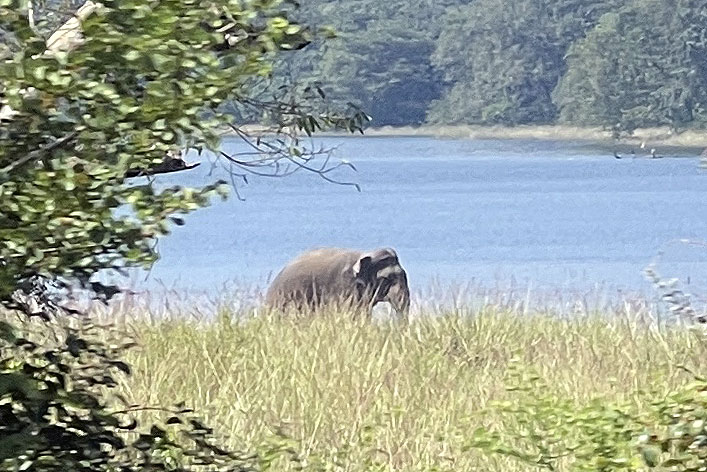
Without knowing what
to expect in the national park, suddenly we were seeing
elephants! |
|
|
| |
|
| |
|
| |
|
|
| |
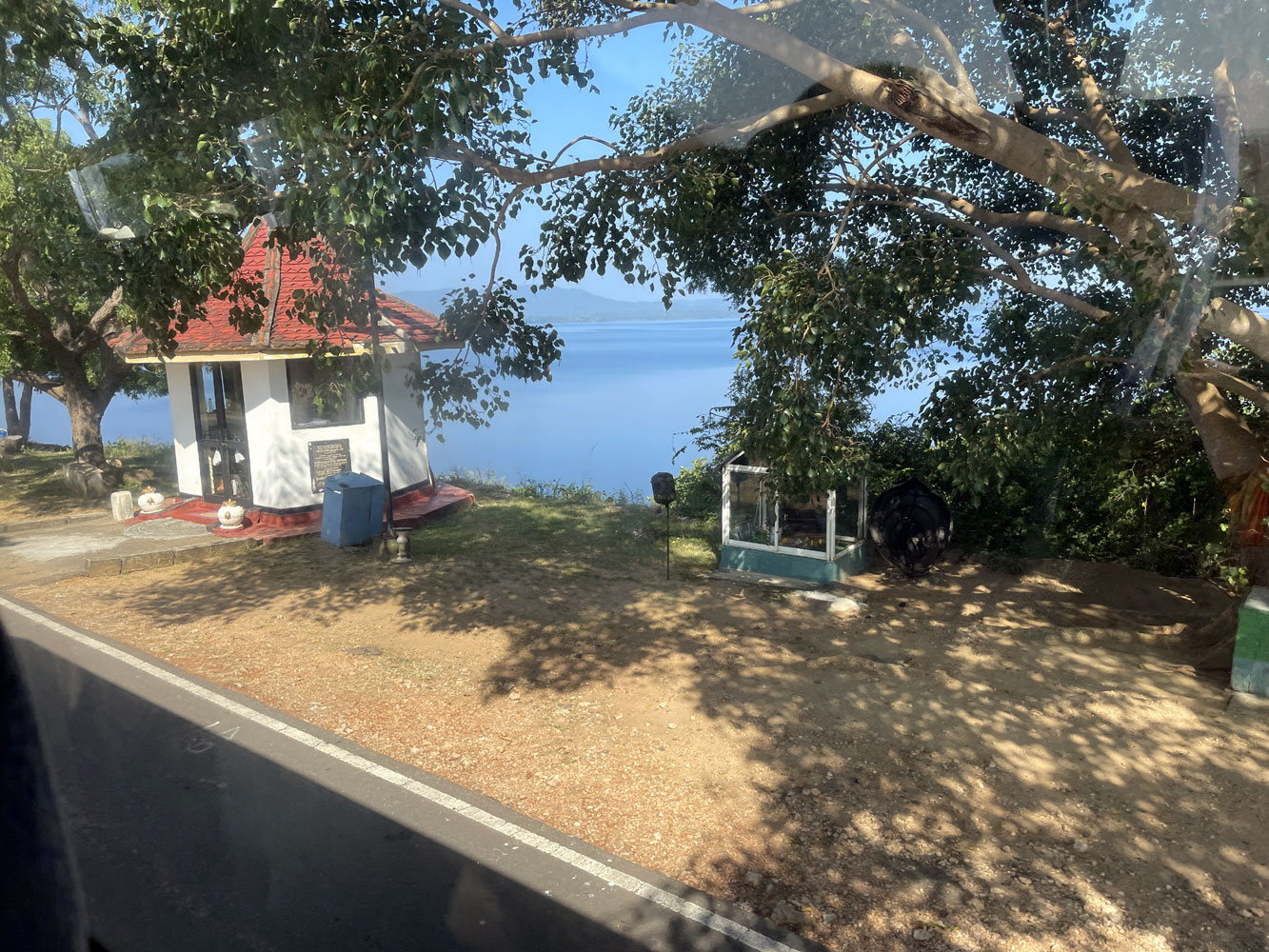
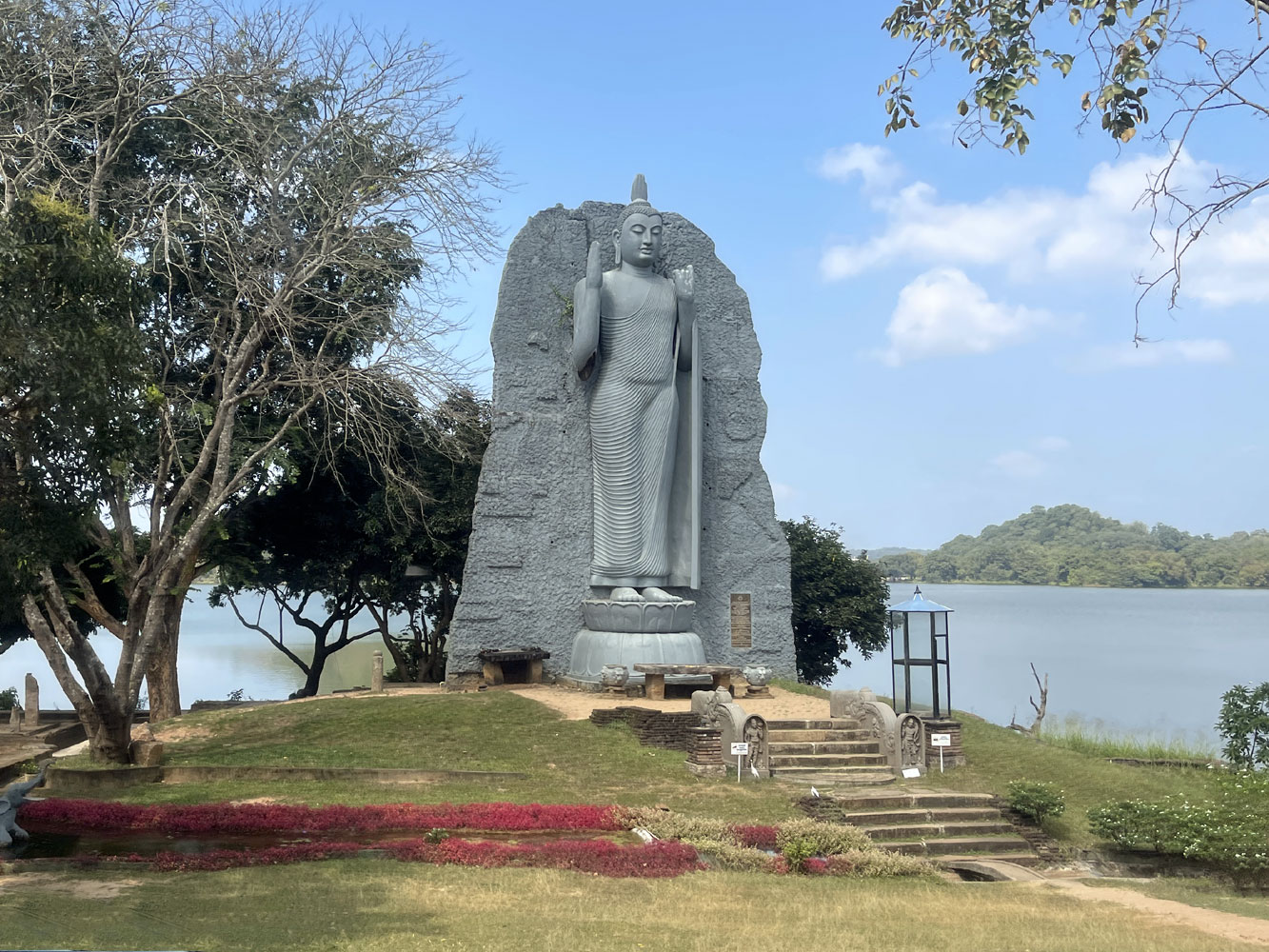
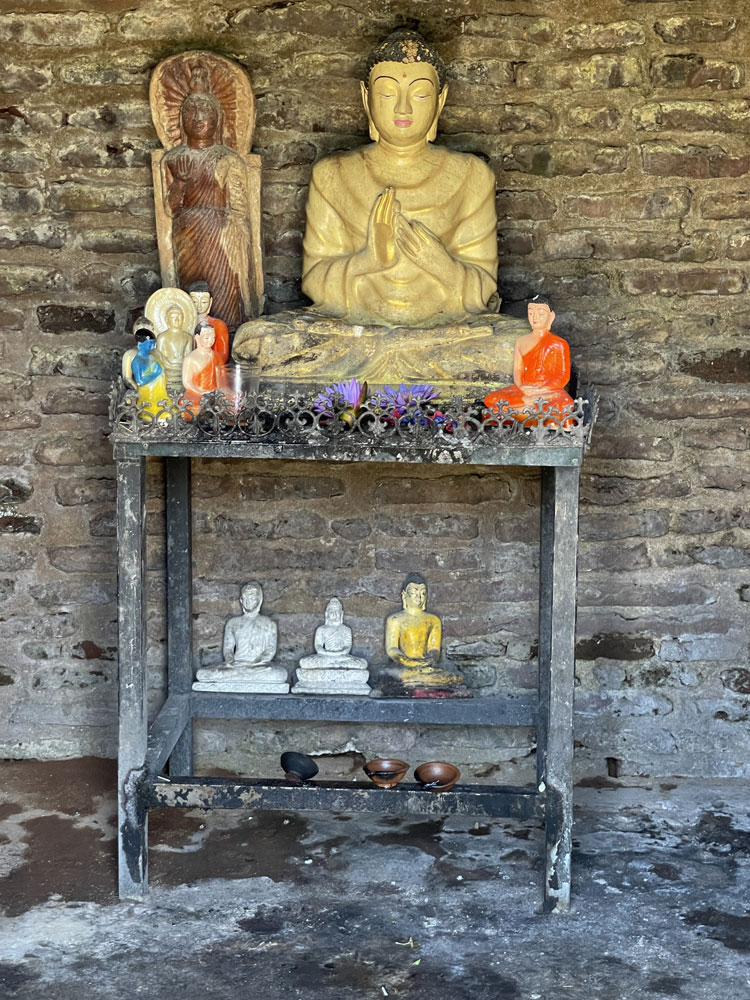
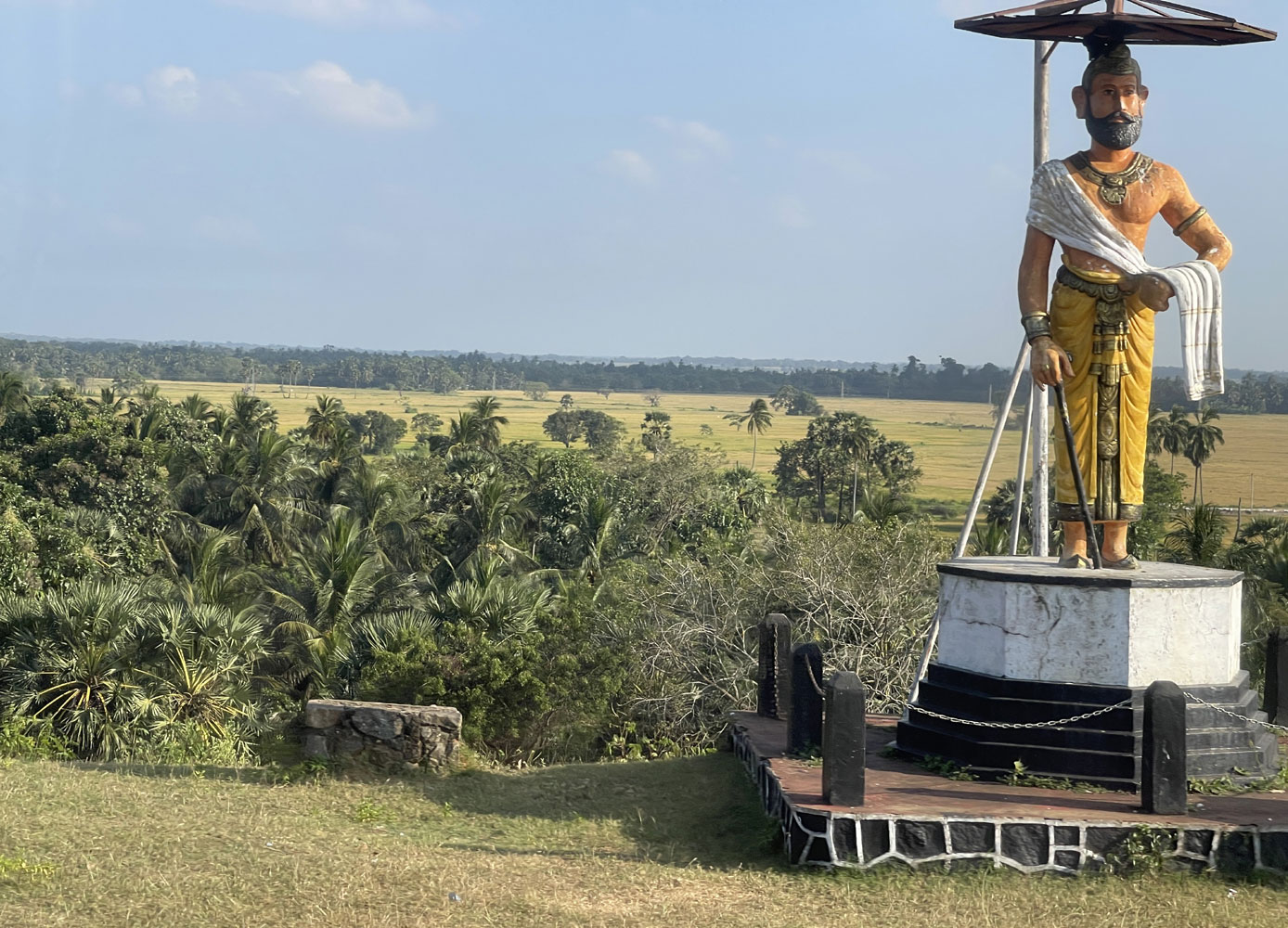
...with a Statue of Lord
Buddha... |
|
|
| |
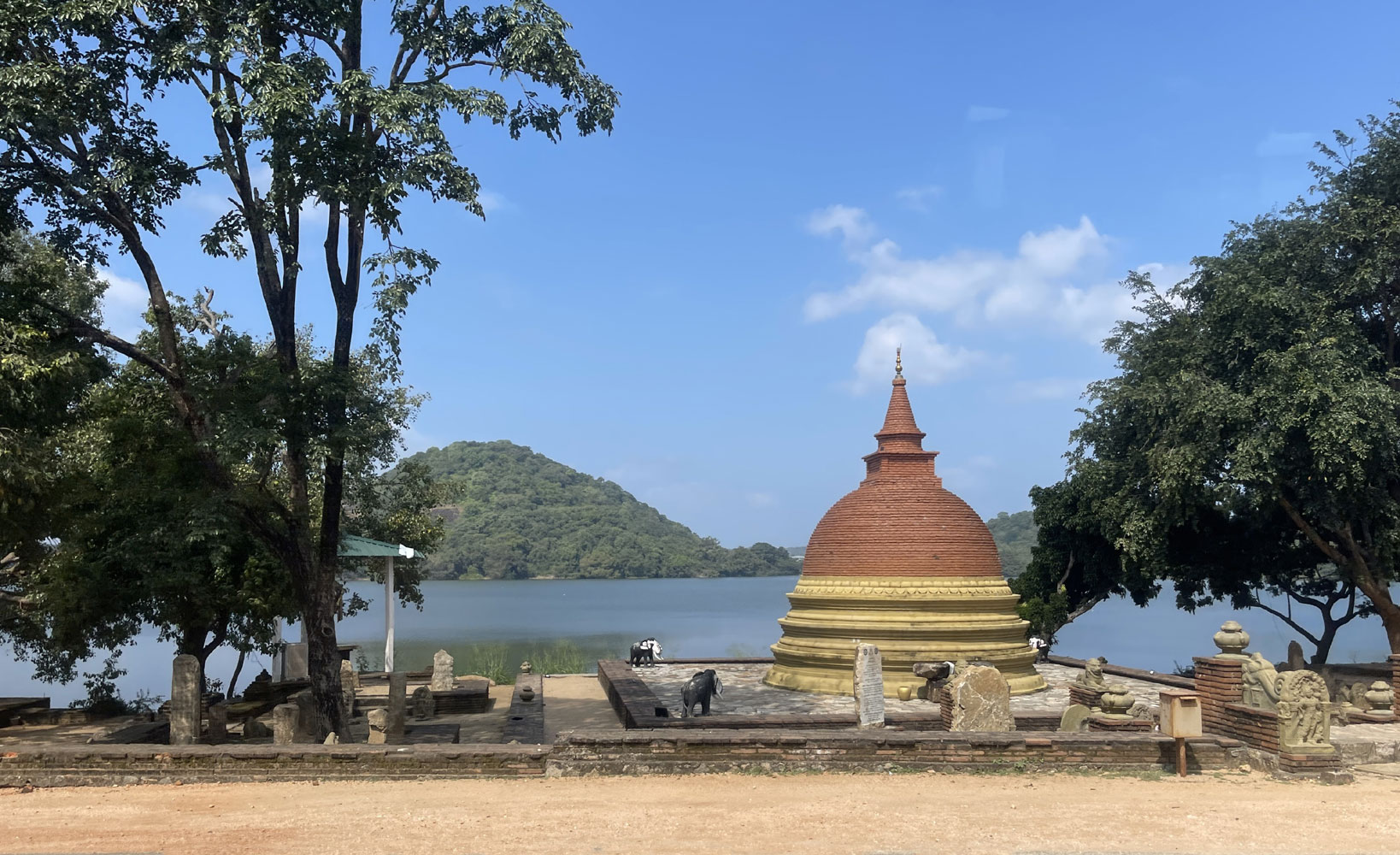
...and the nearby Stupa,
positioned prominently along the water's edge. |
|
|
| |
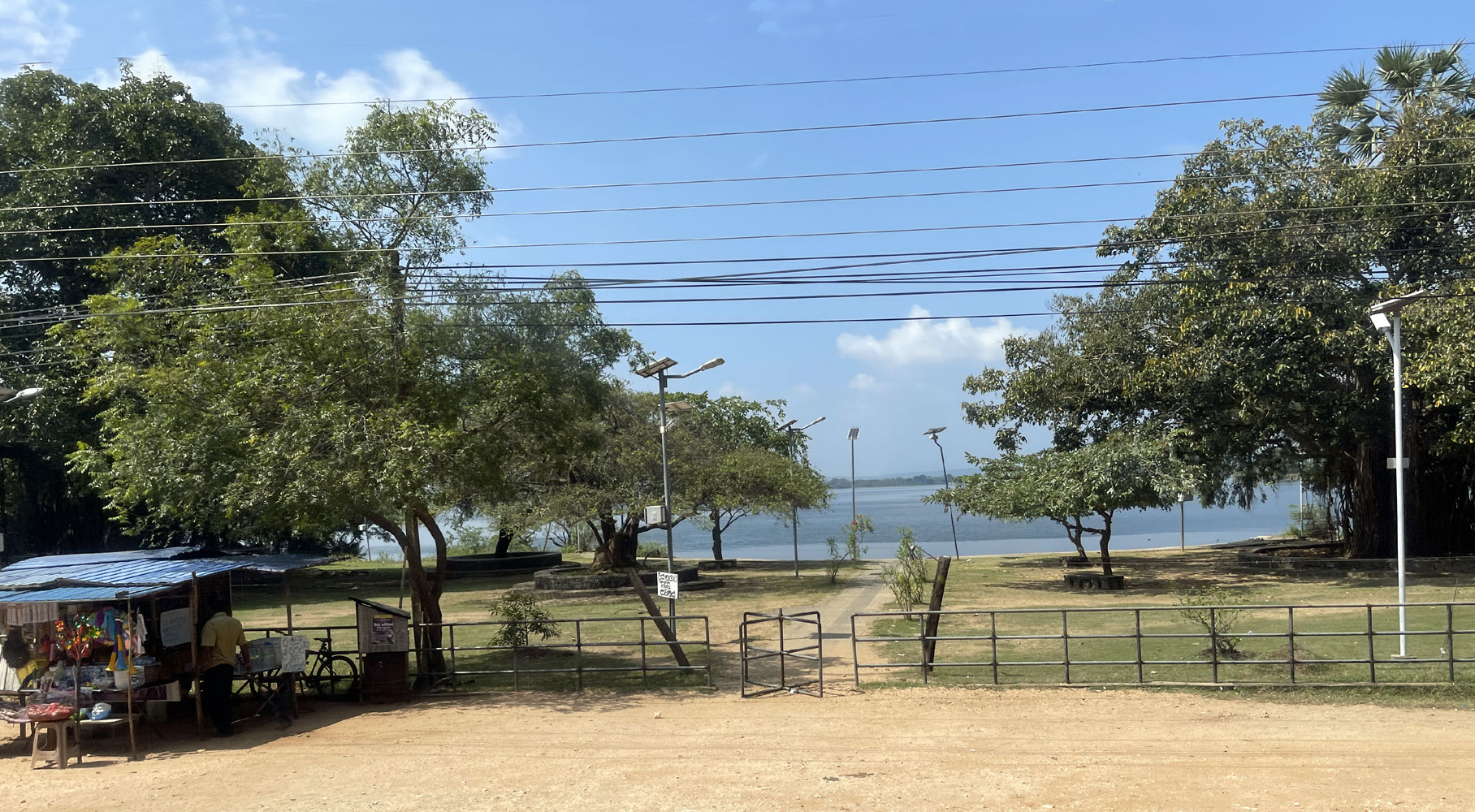
A short distance further
on, we got our first sight of Parakrama
Samudra, a large shallow reservoir, part of which was
built in 386 AD, linked by a series of channels to Polonnaruwa.
We had arrived at our destination! |
|
|
| |
|
| |
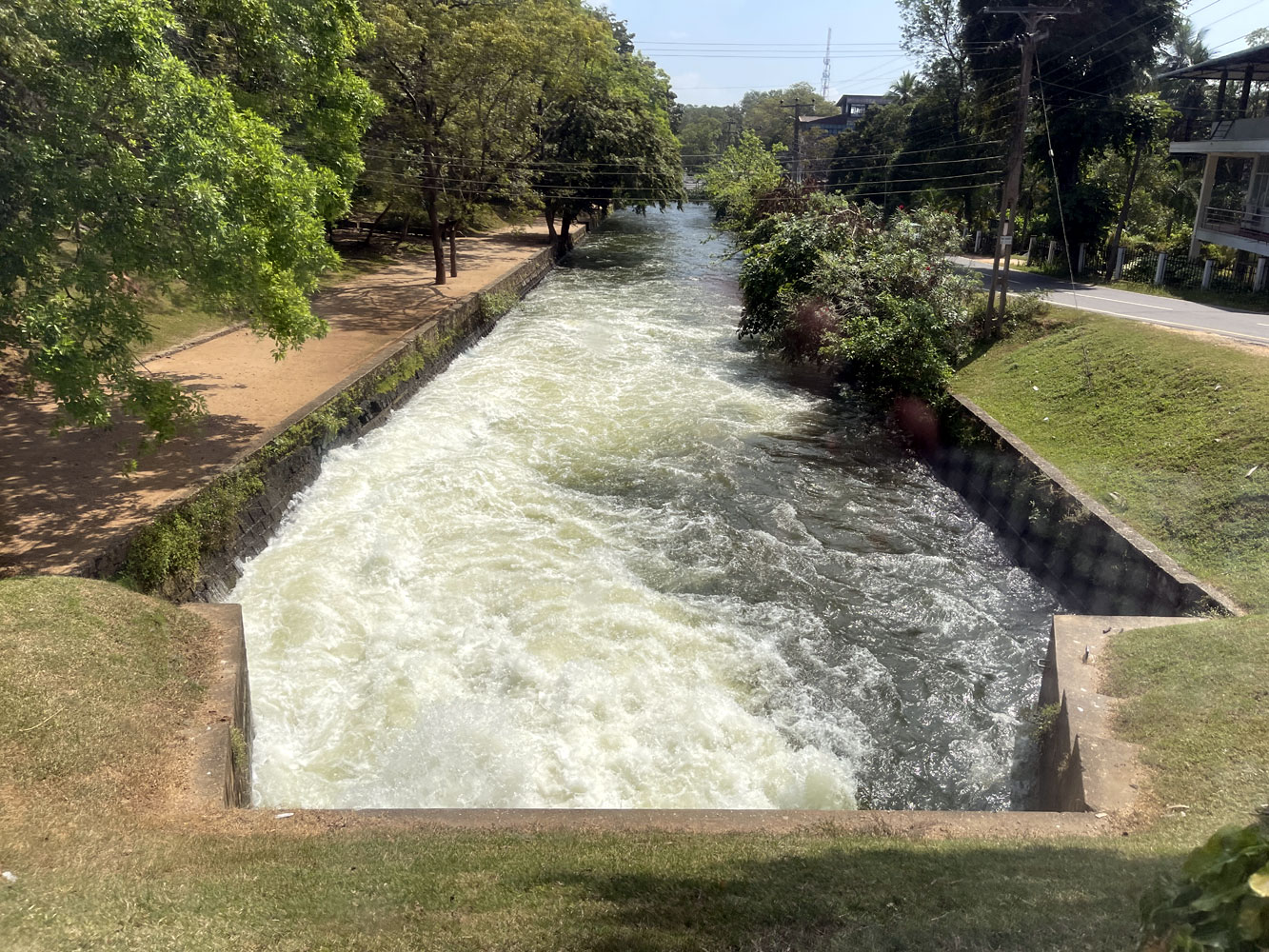
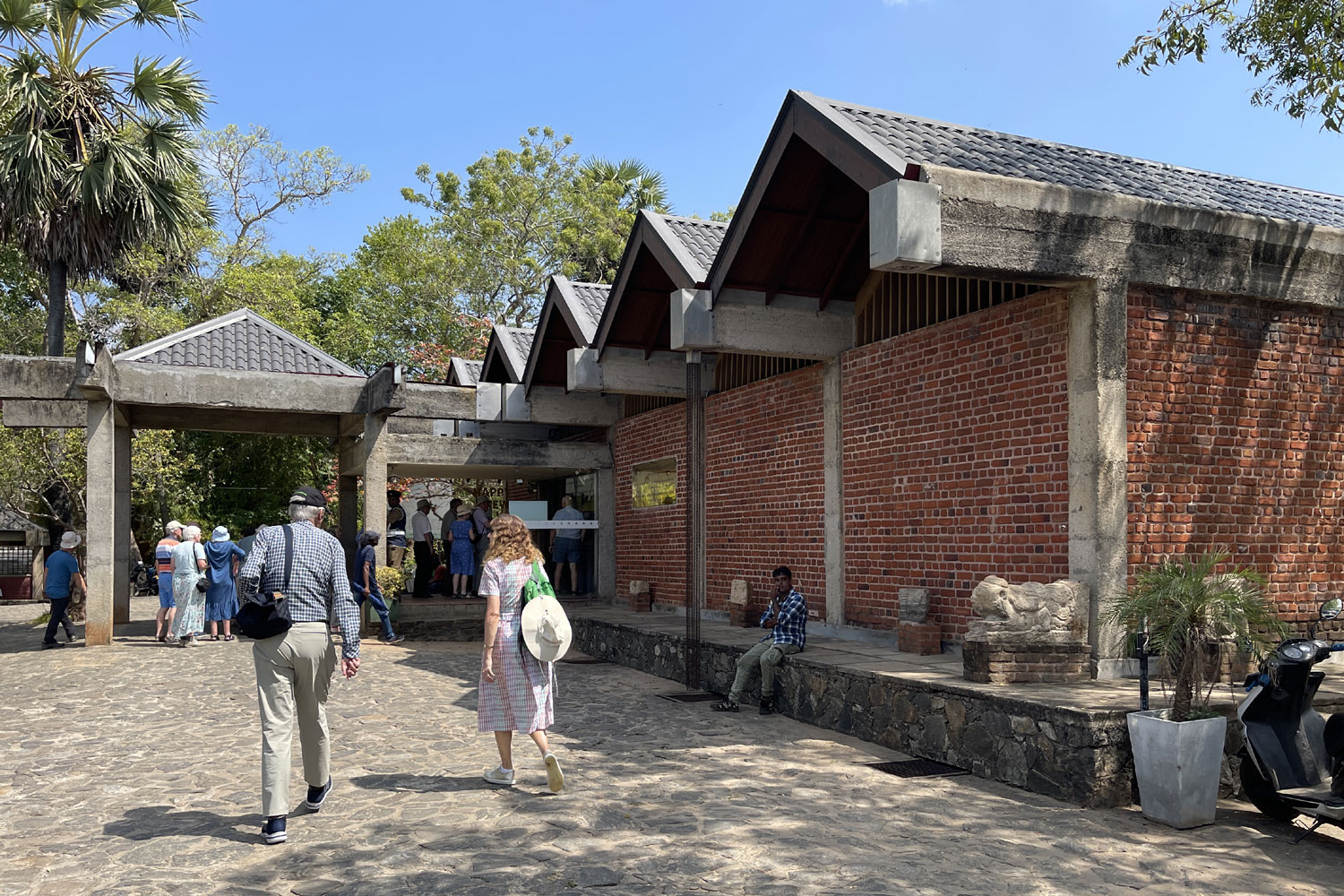
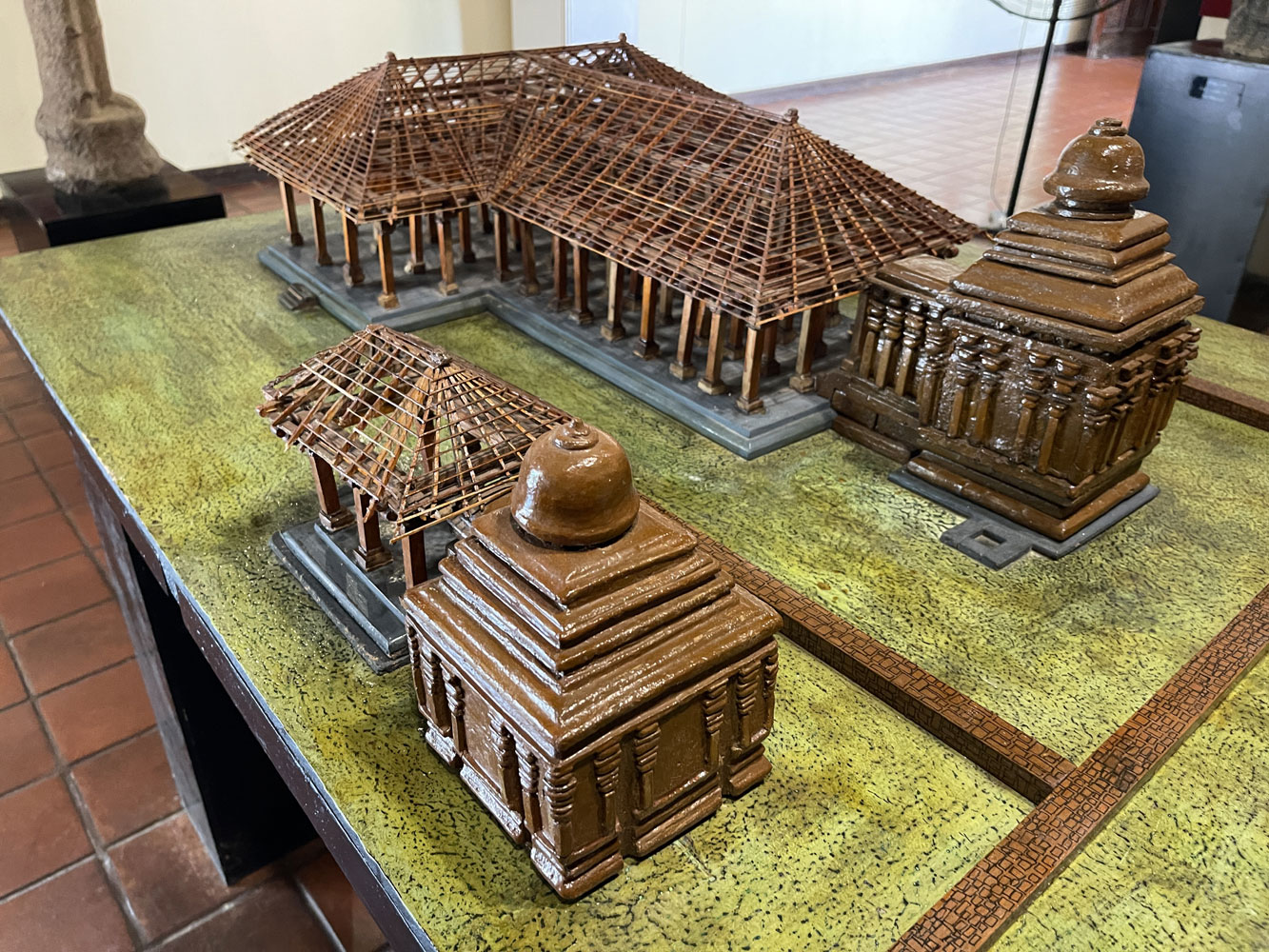
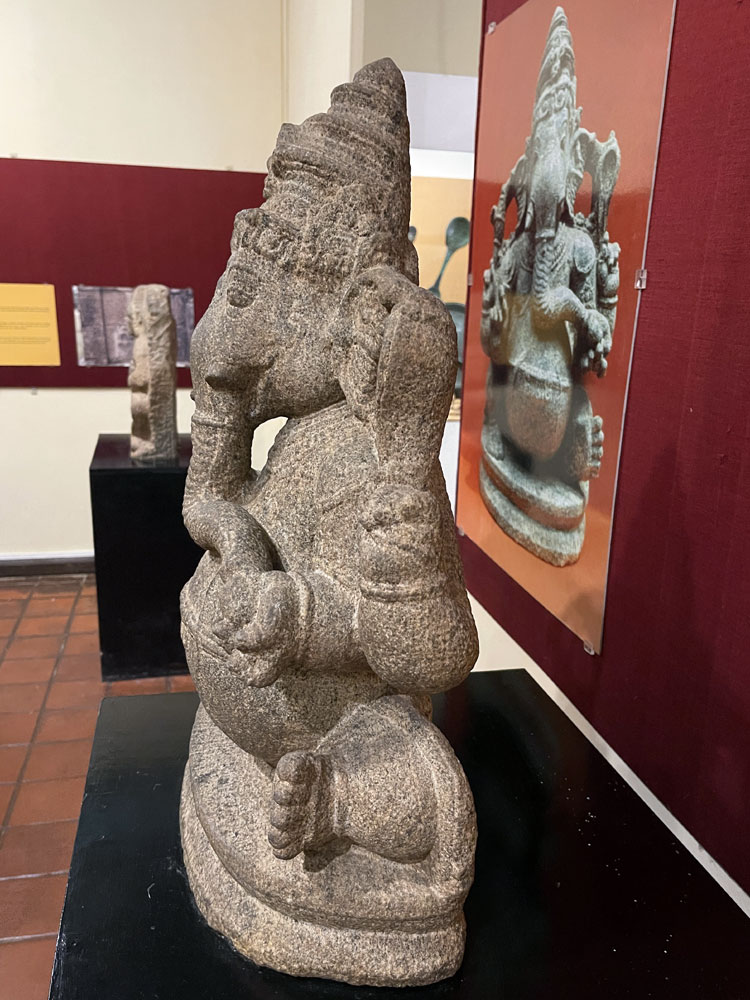
The sluice runs adjacent
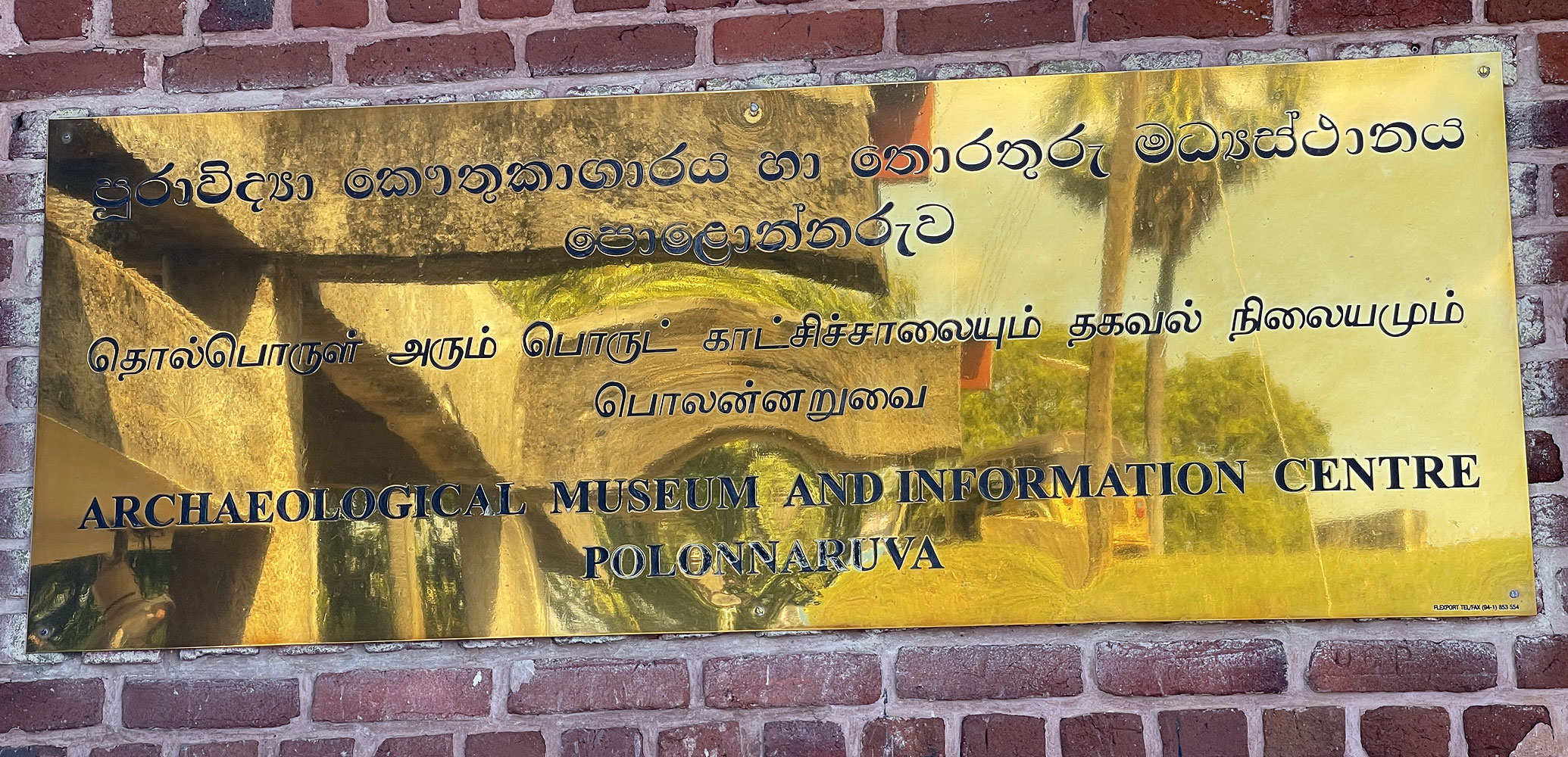
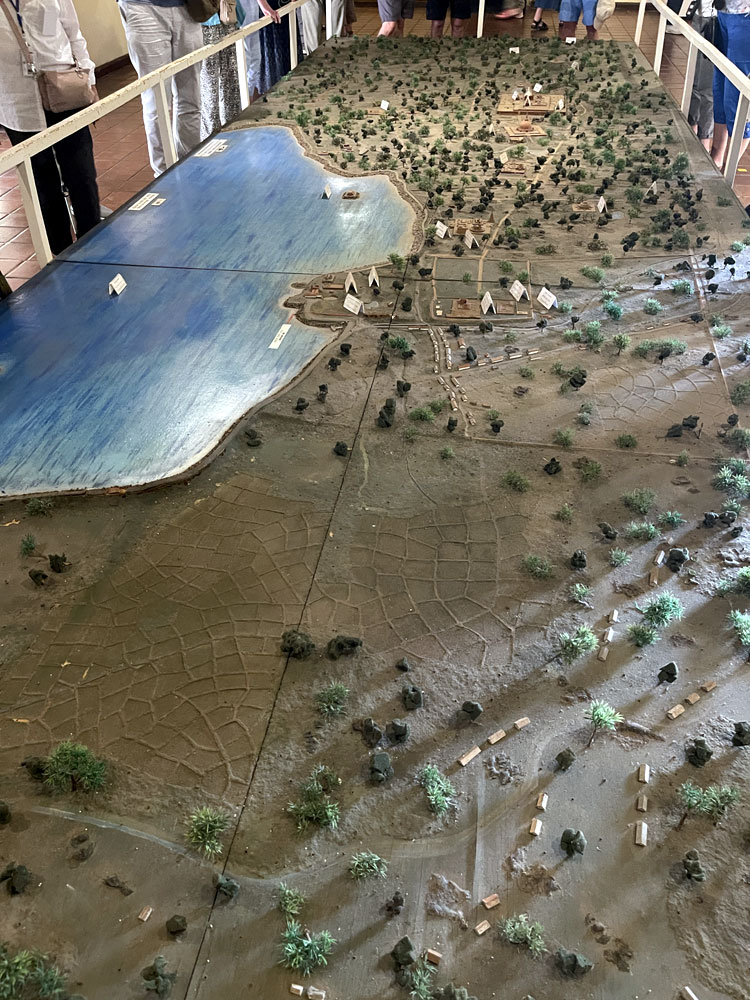
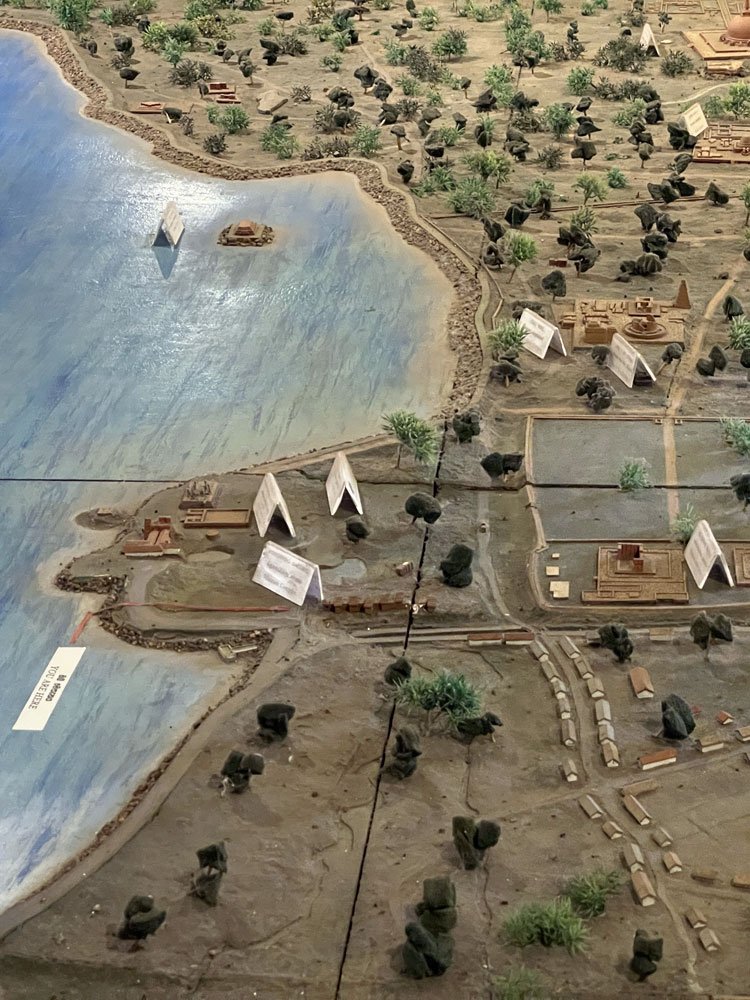
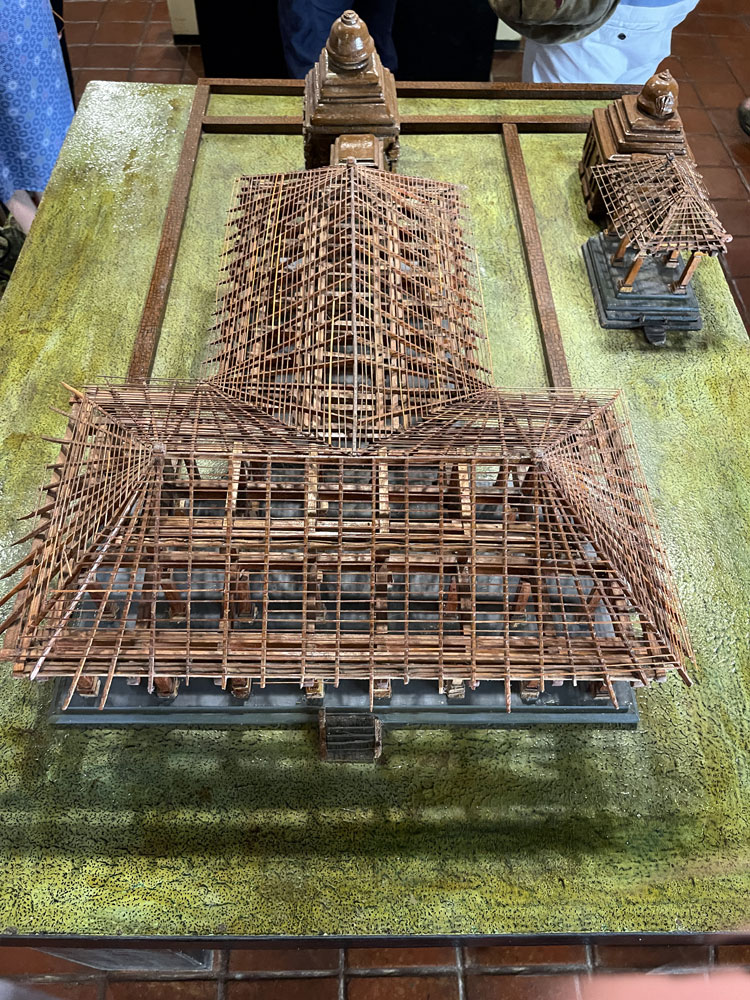
to the Archaeological Museum Complex. We visited the museum
first and enjoyed seeing the exhibits. |
|
|
| |
|
| |
|
| |
|
| |
|
|
| |
|
| |
|
| |
|
| |
|
| |
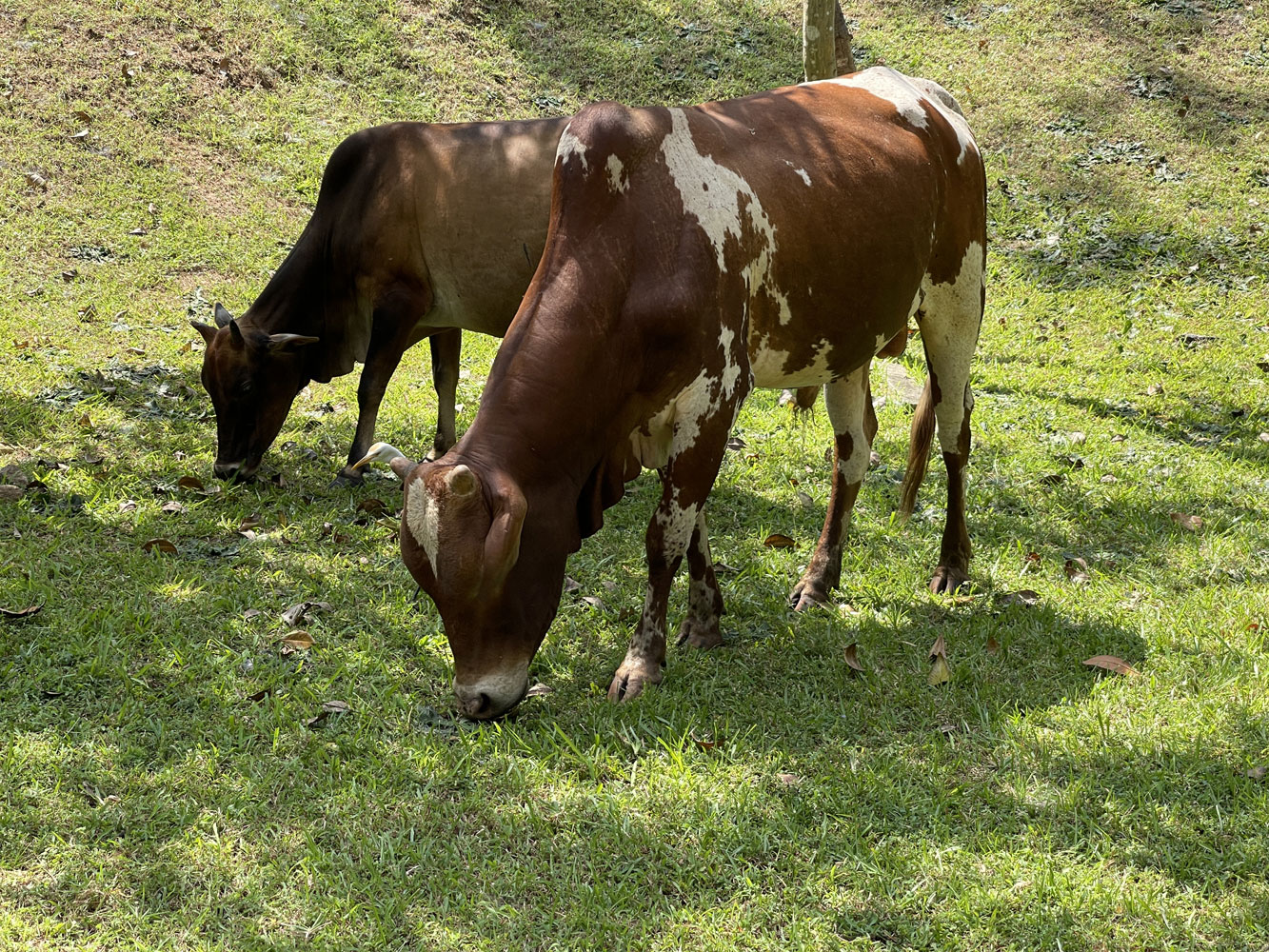
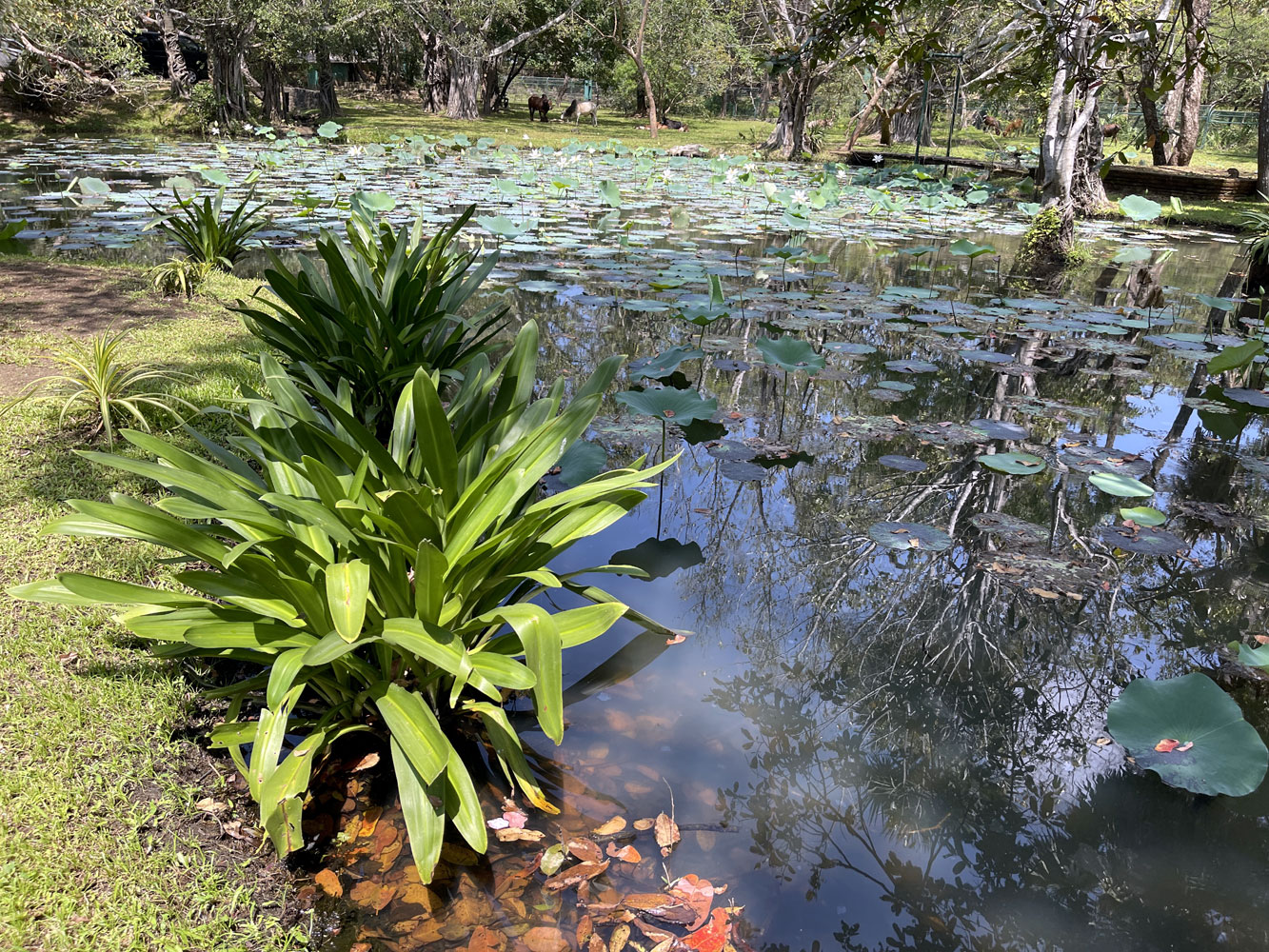
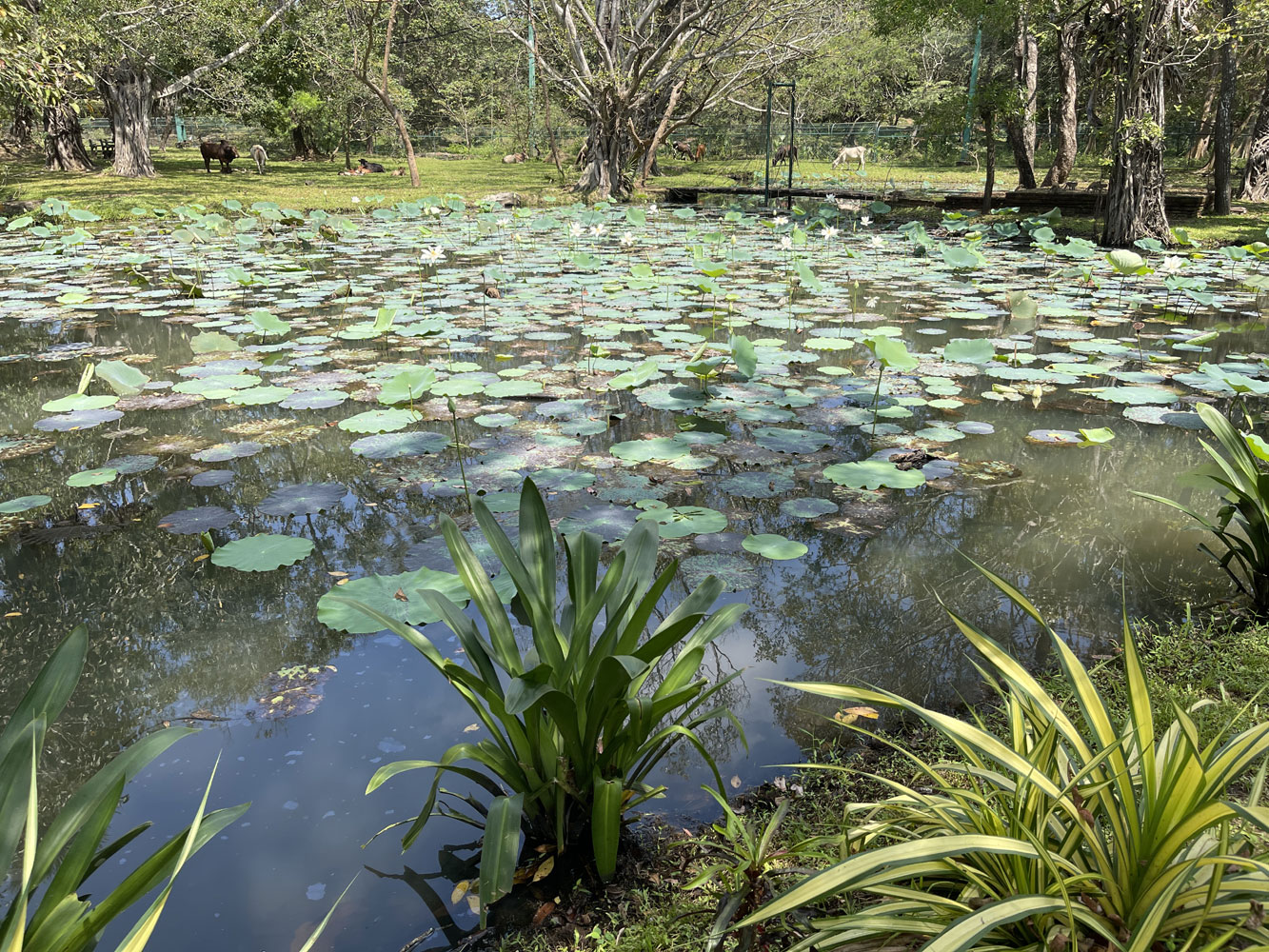
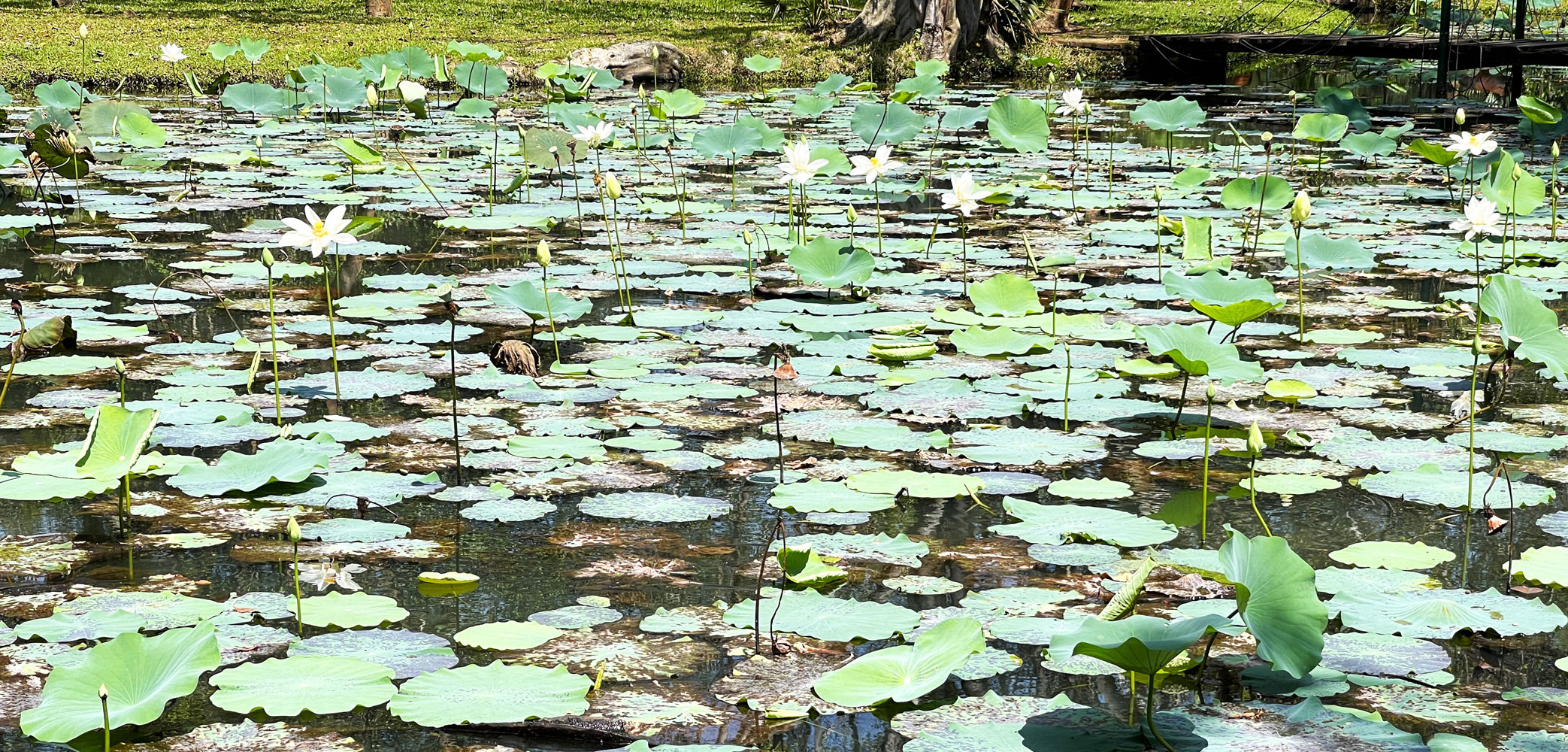
The grounds of the museum
are full of interesting plants and wildlife. |
|
|
| |
|
| |
|
| |
|
| |
|
| |
|
| |
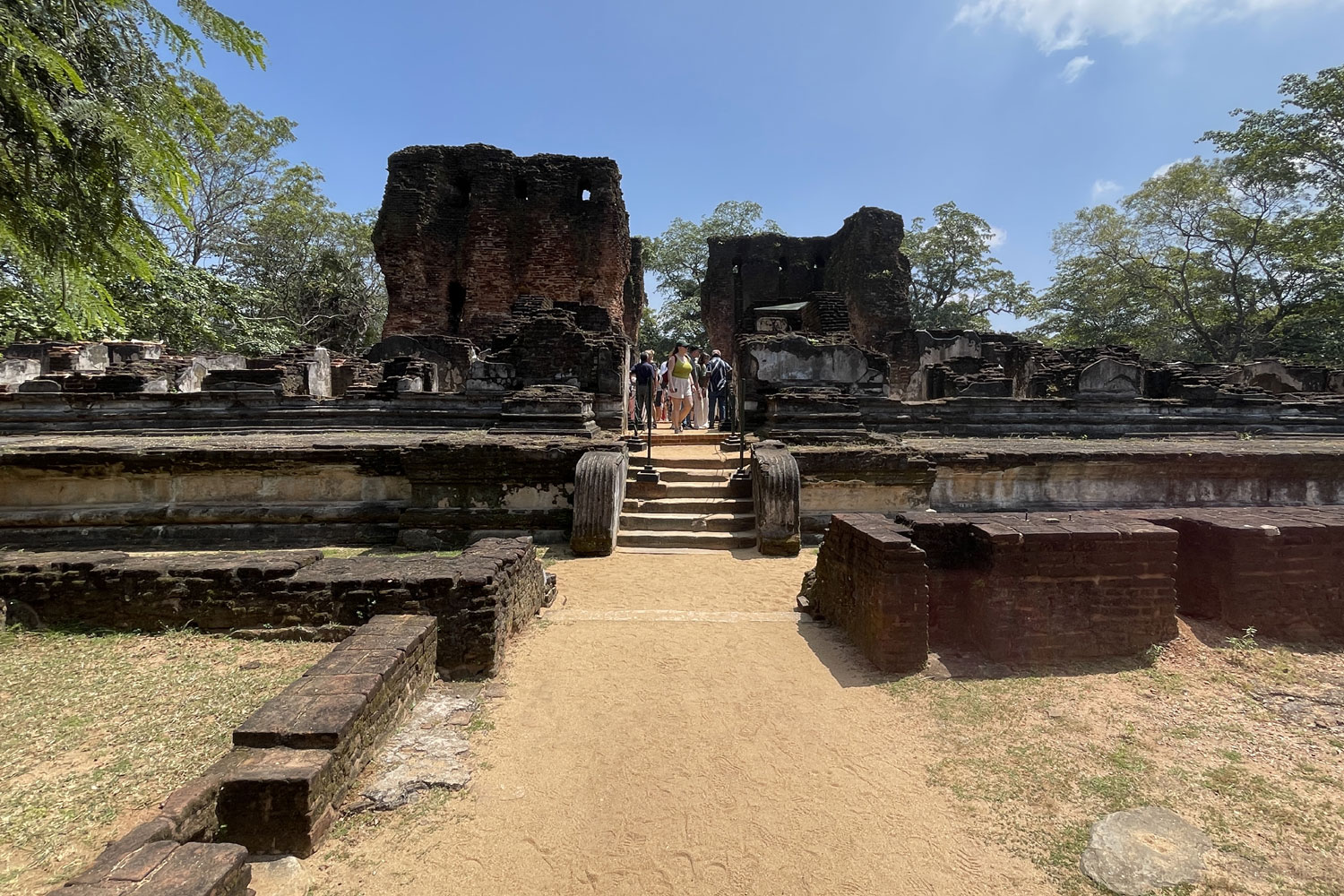
After leaving the museum,
we began our guided tour of the site, which sprawled across
a large area—so large that we had to hop back on the
coach to reach some sections. Technically, we could have
walked it all, but in the heat, having transport on hand
felt like a very welcome luxury. |
|
| |
|
|
| |
|
| |
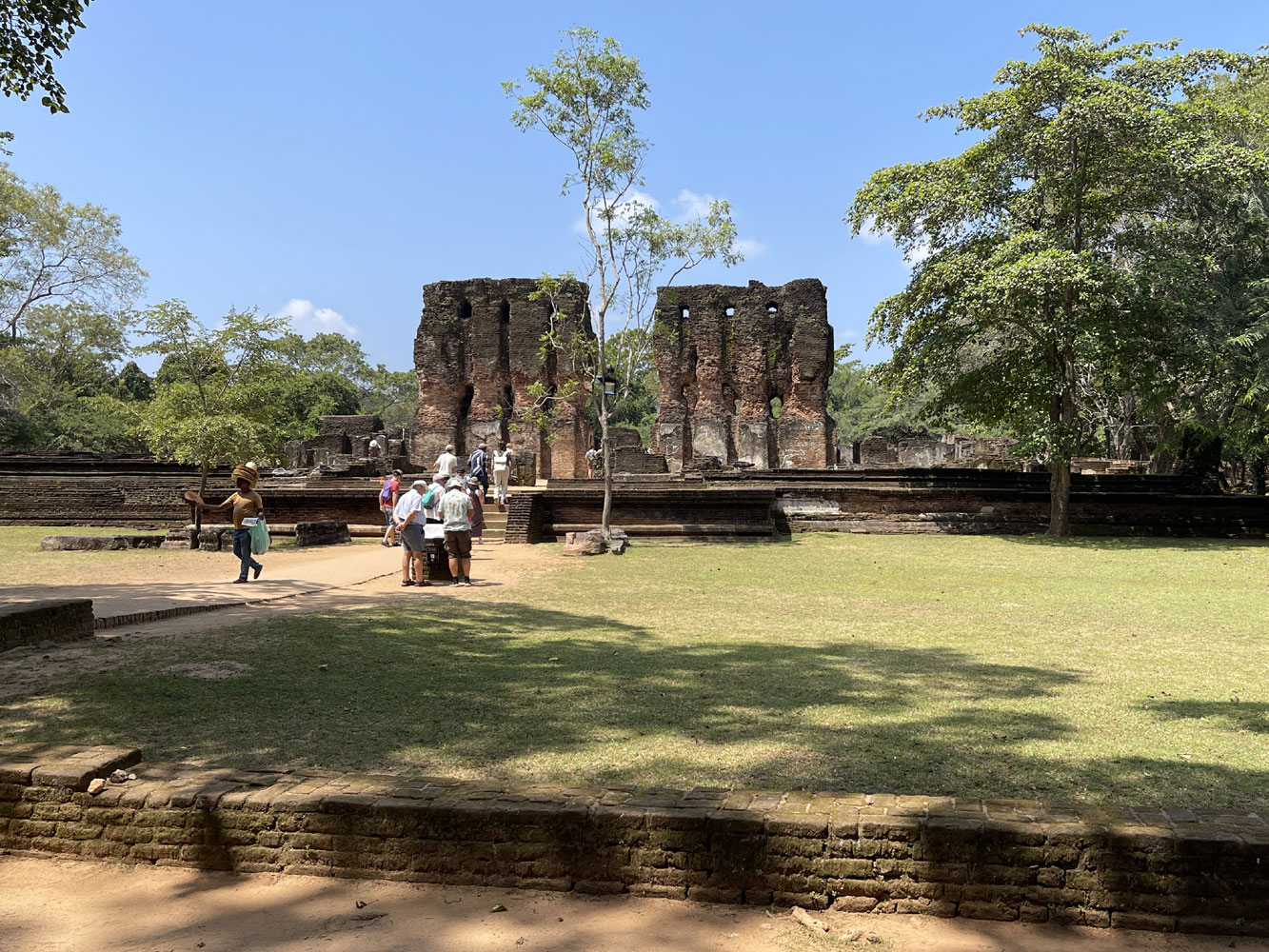
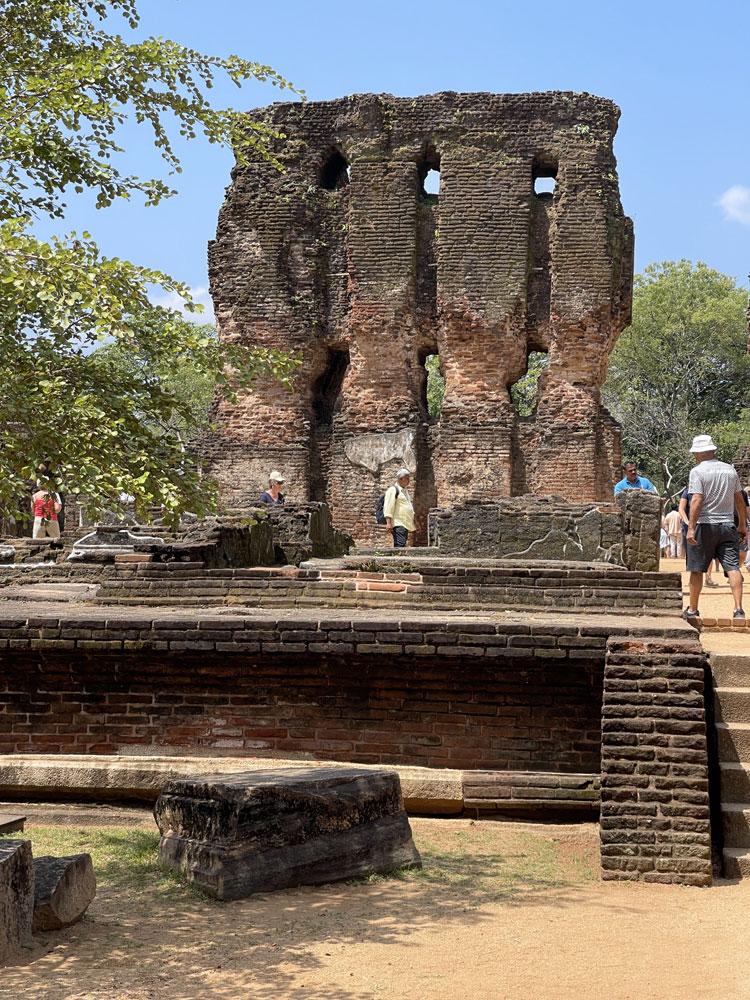
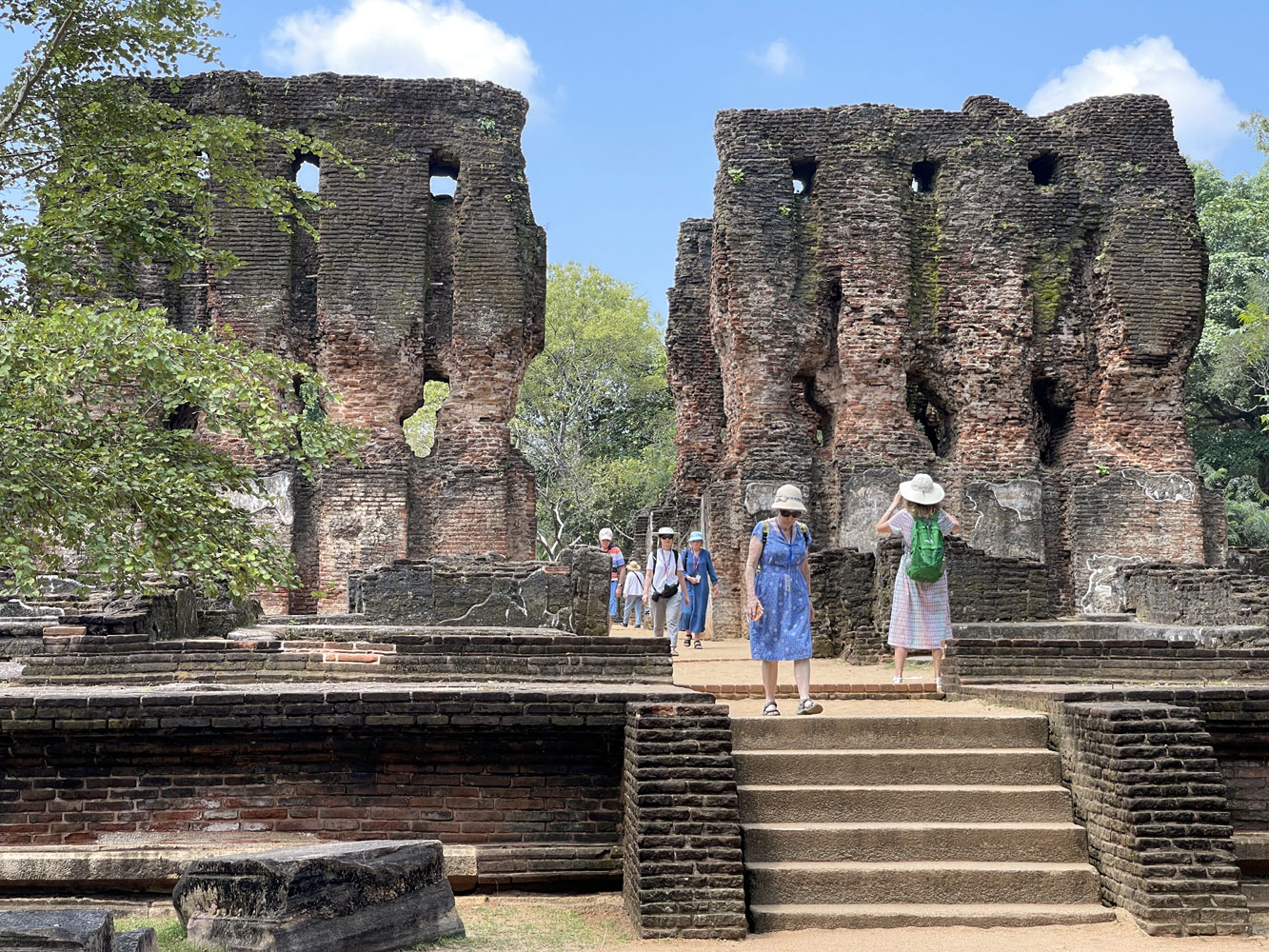
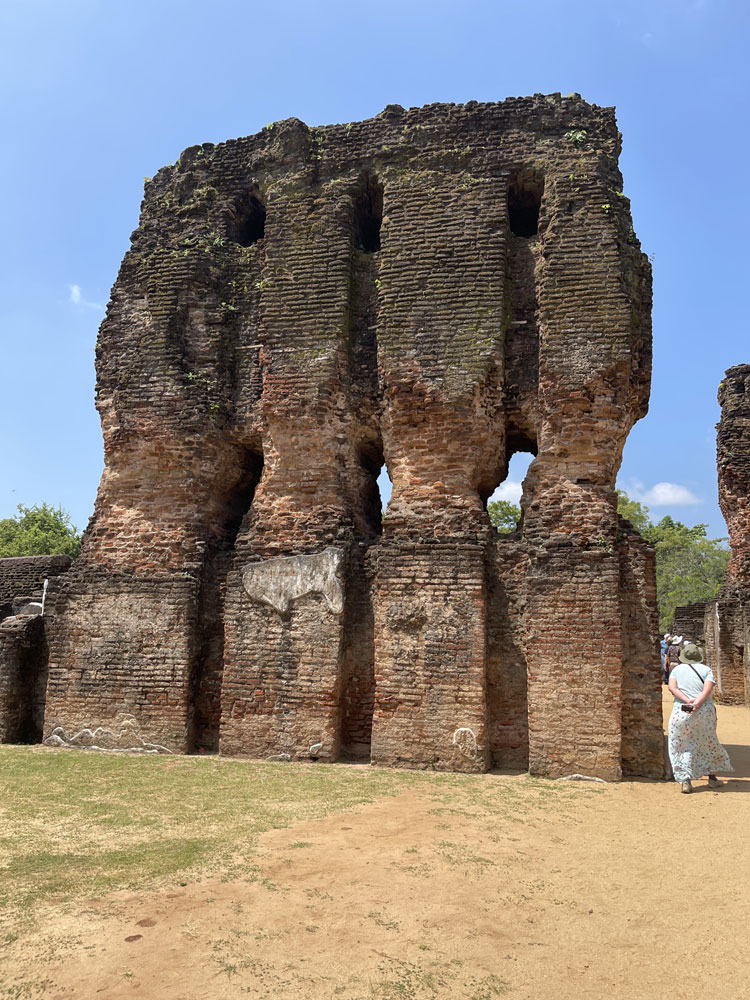
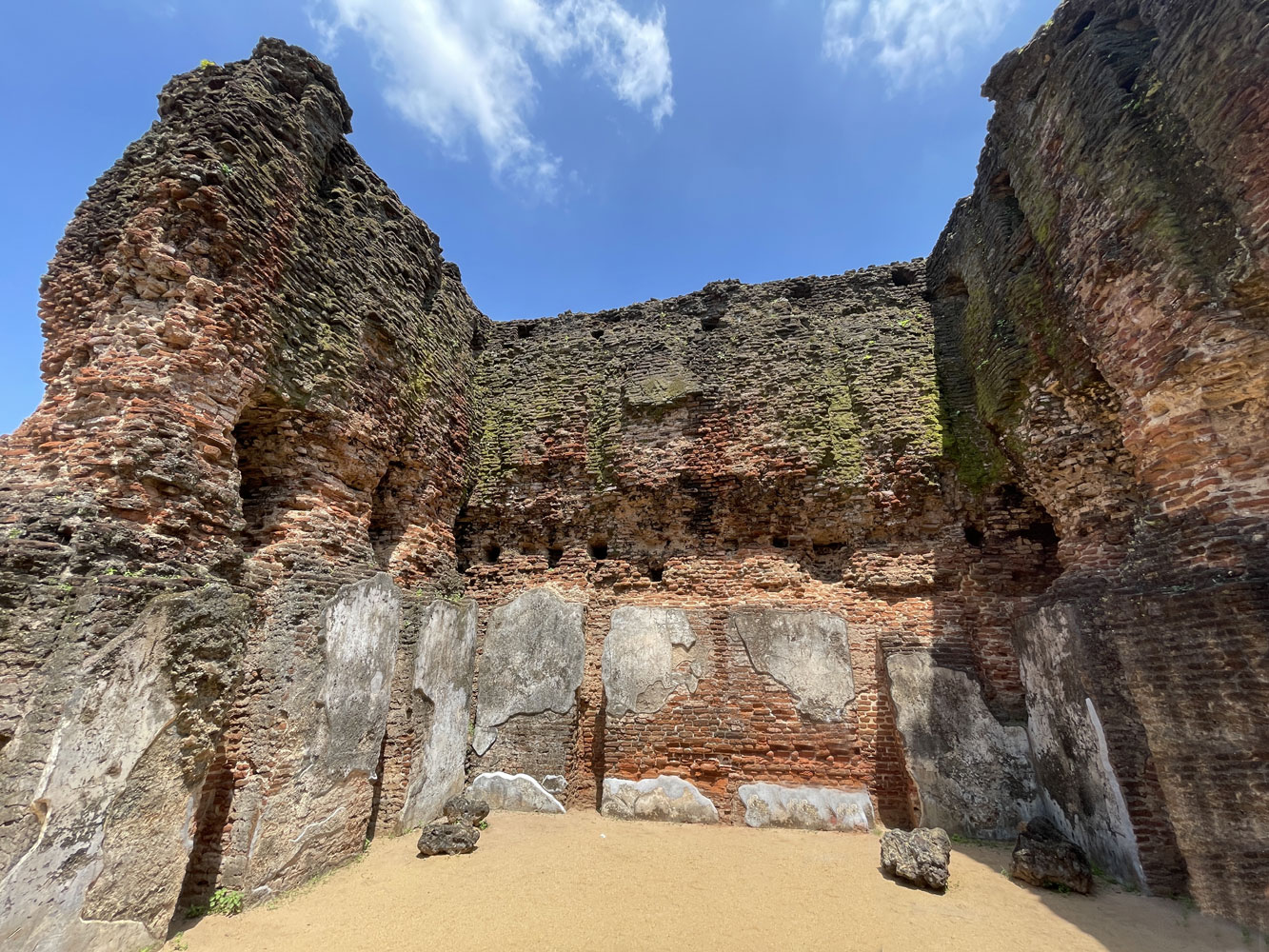
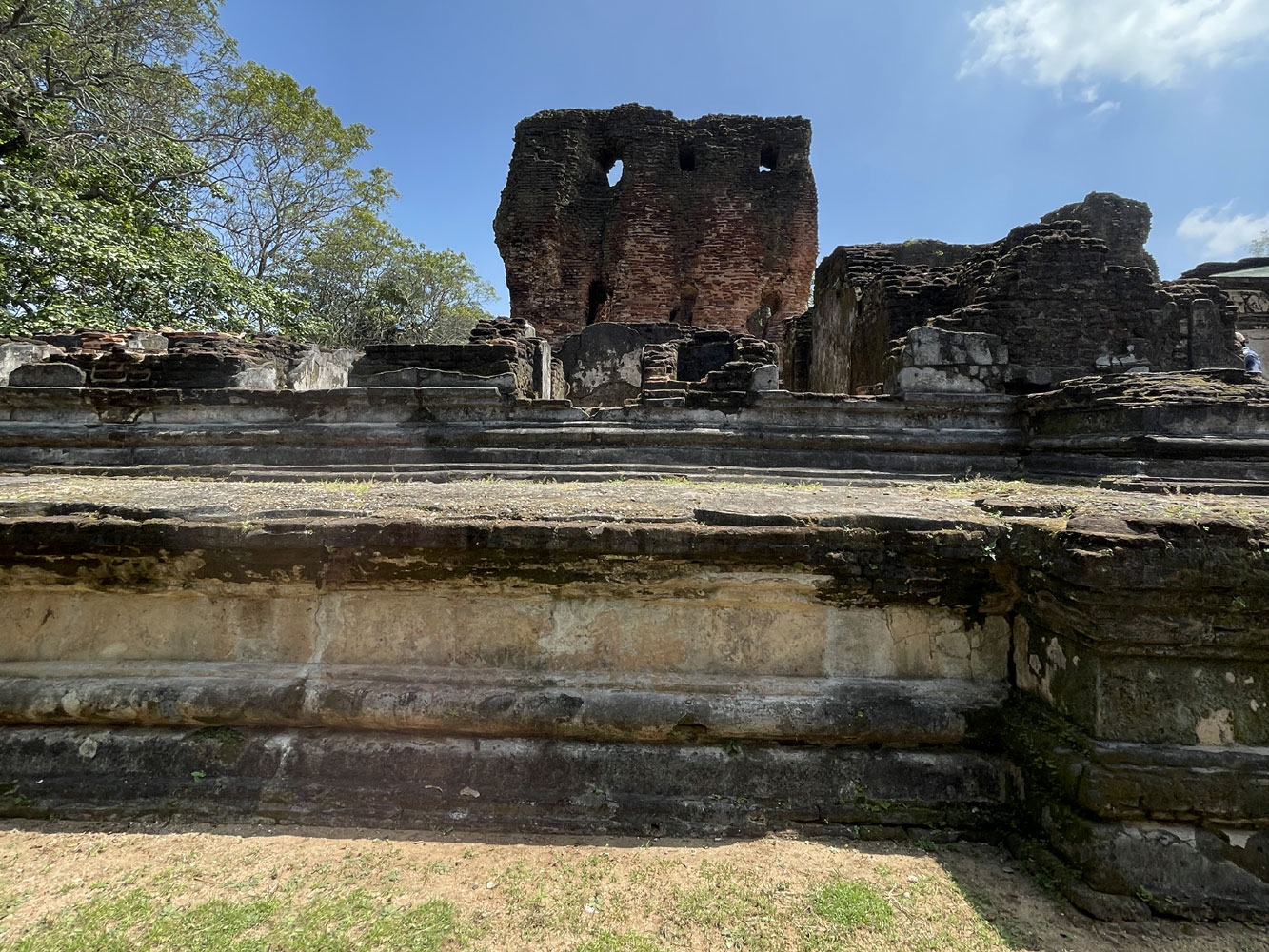
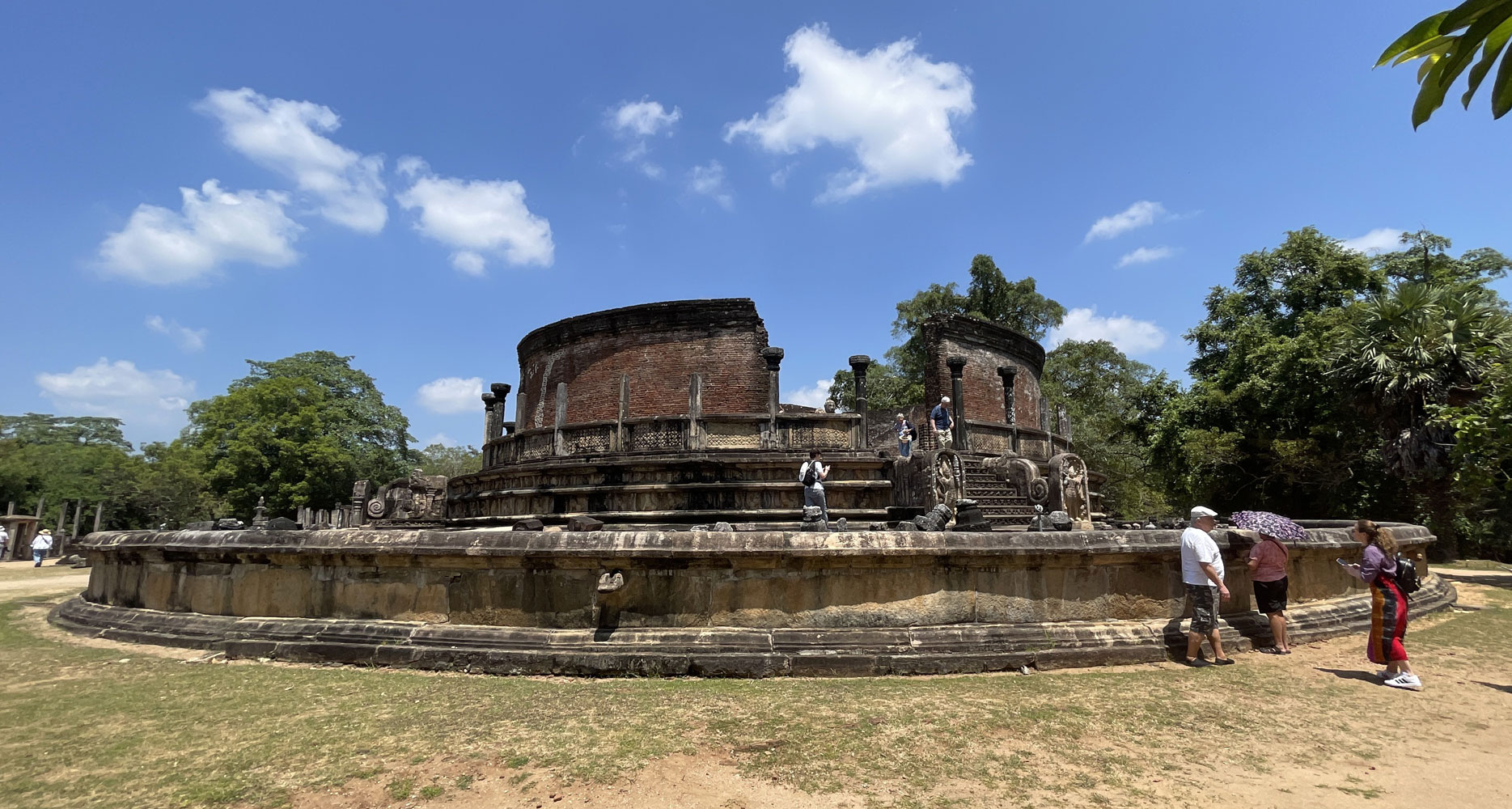
Now crumbling, the three-metre-thick
walls have holes which were intended to receive the floor
beams for two higher floors. If, however, there were another
four levels, these would probably have been made of wood.
The roof in this main hall, which had 50 rooms in all, was
supported by 30 columns. |
|
|
| |
|
| |
|
| |
|
| |
|
| |
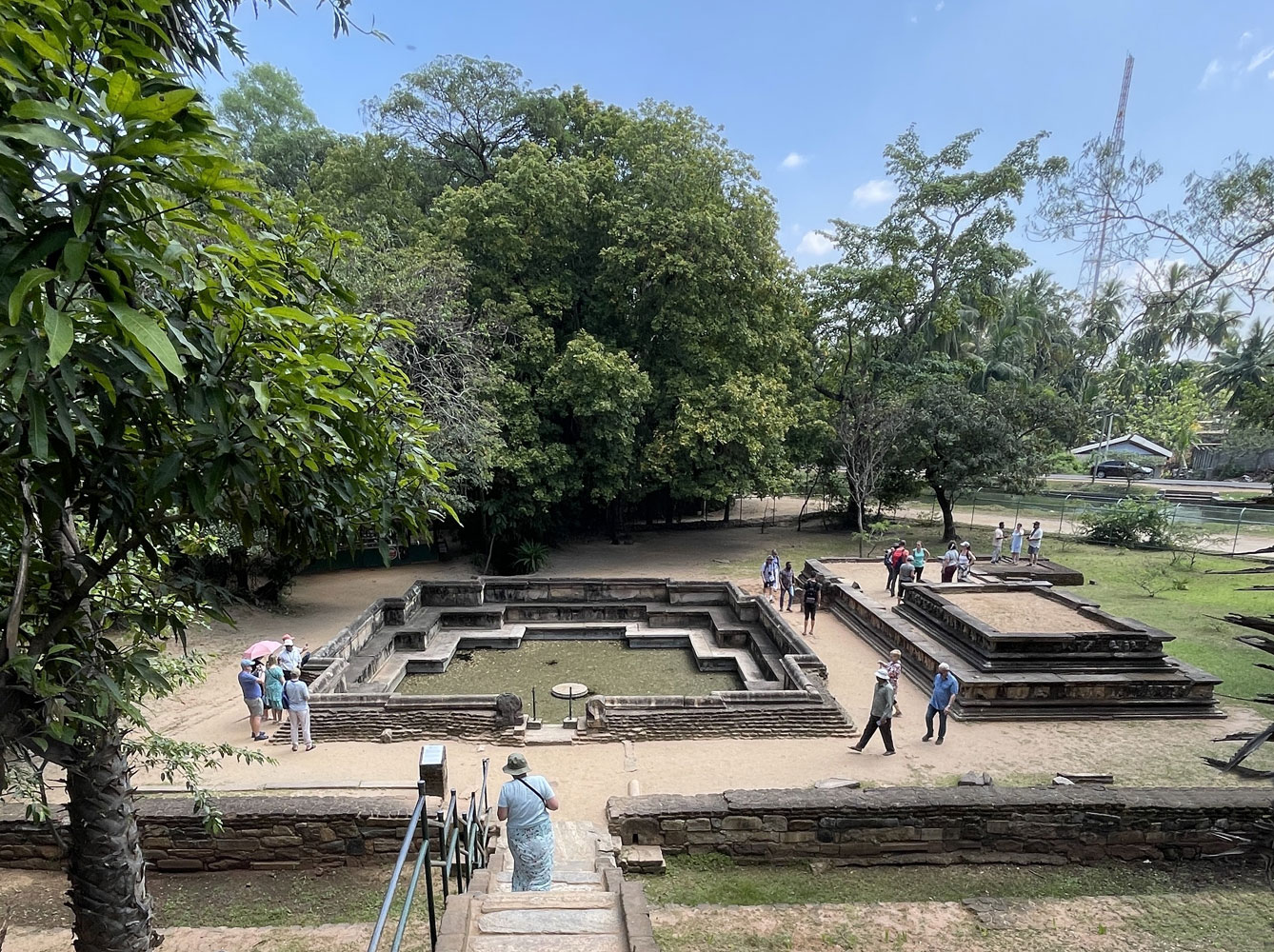
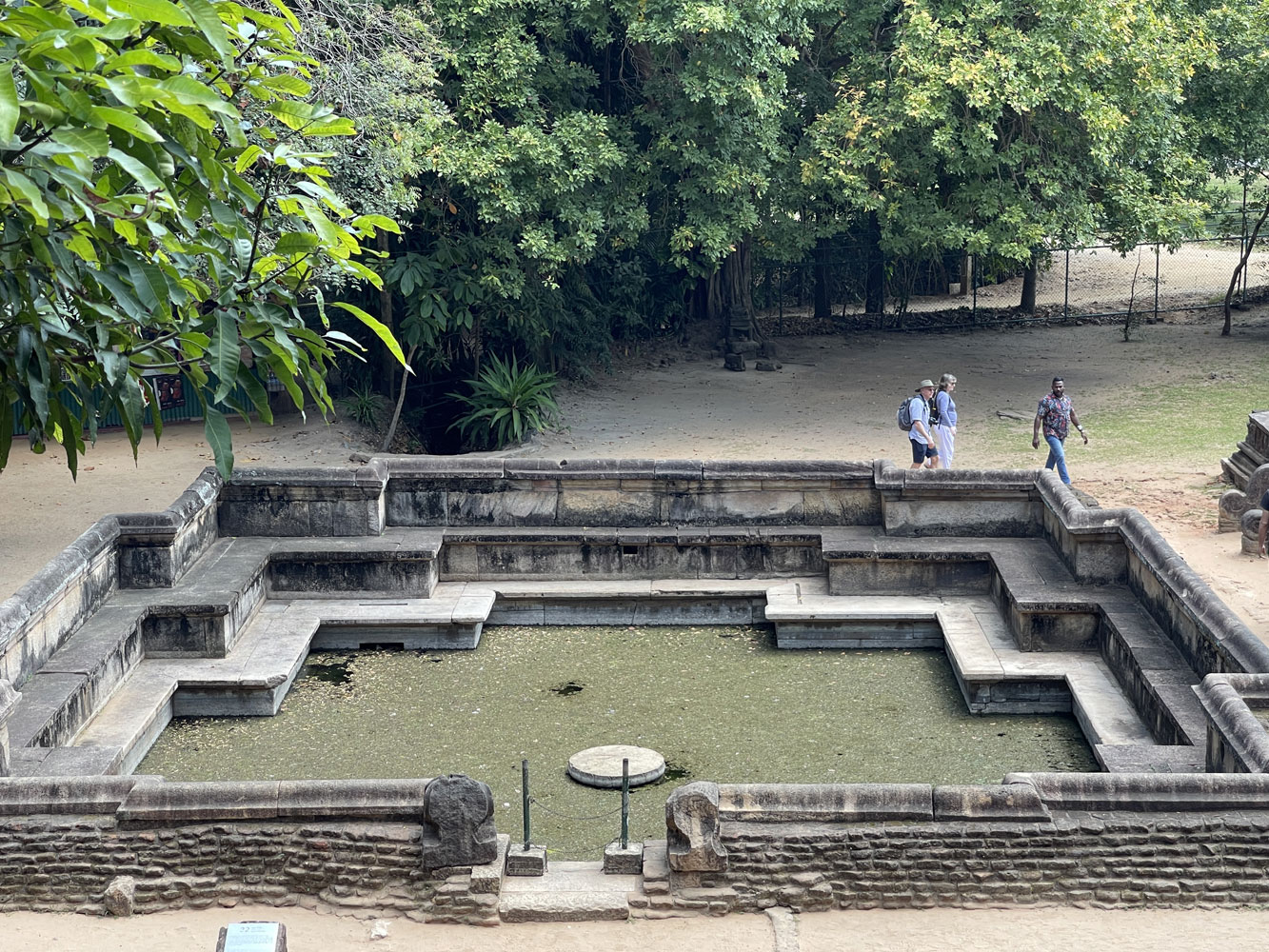
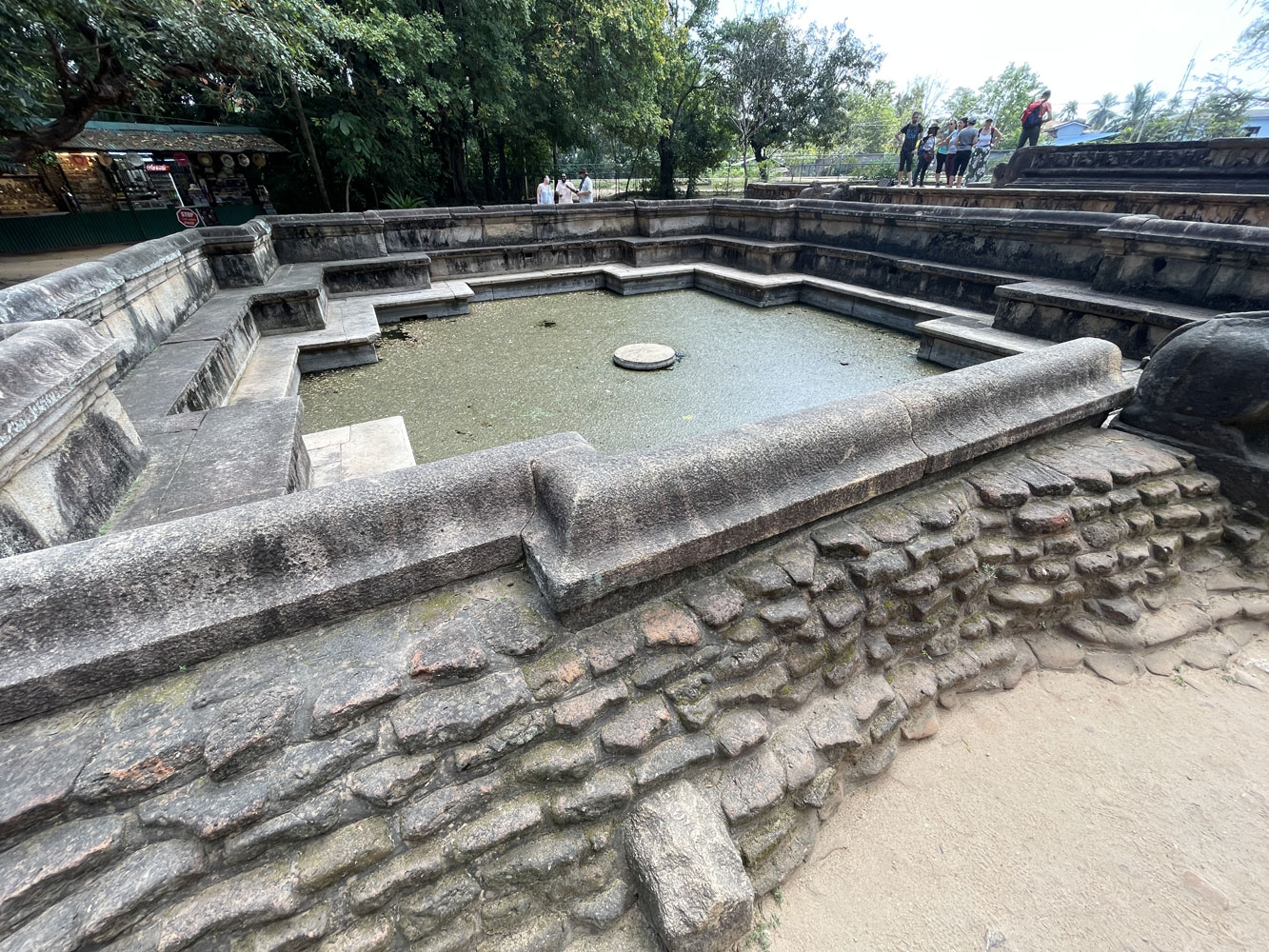
A long and narrow flight
of stone steps leads to the royal oblong bath - Kumara Pokuna
- measuring roughly 13.5 by 10 metres. Water flows into
the bath through two makara gargoyles on the western side,
supplied by underground pipelines from a nearby canal. On
the eastern side, a stone water lock serves as a valve and
exit for used water. A lotus-shaped pedestal in the centre
provides a resting place. To the south of the bath are the
remains of a changing room, with a moulded plinth and steps
adorned with a moonstone. |
|
|
| |
|
| |
|
| |
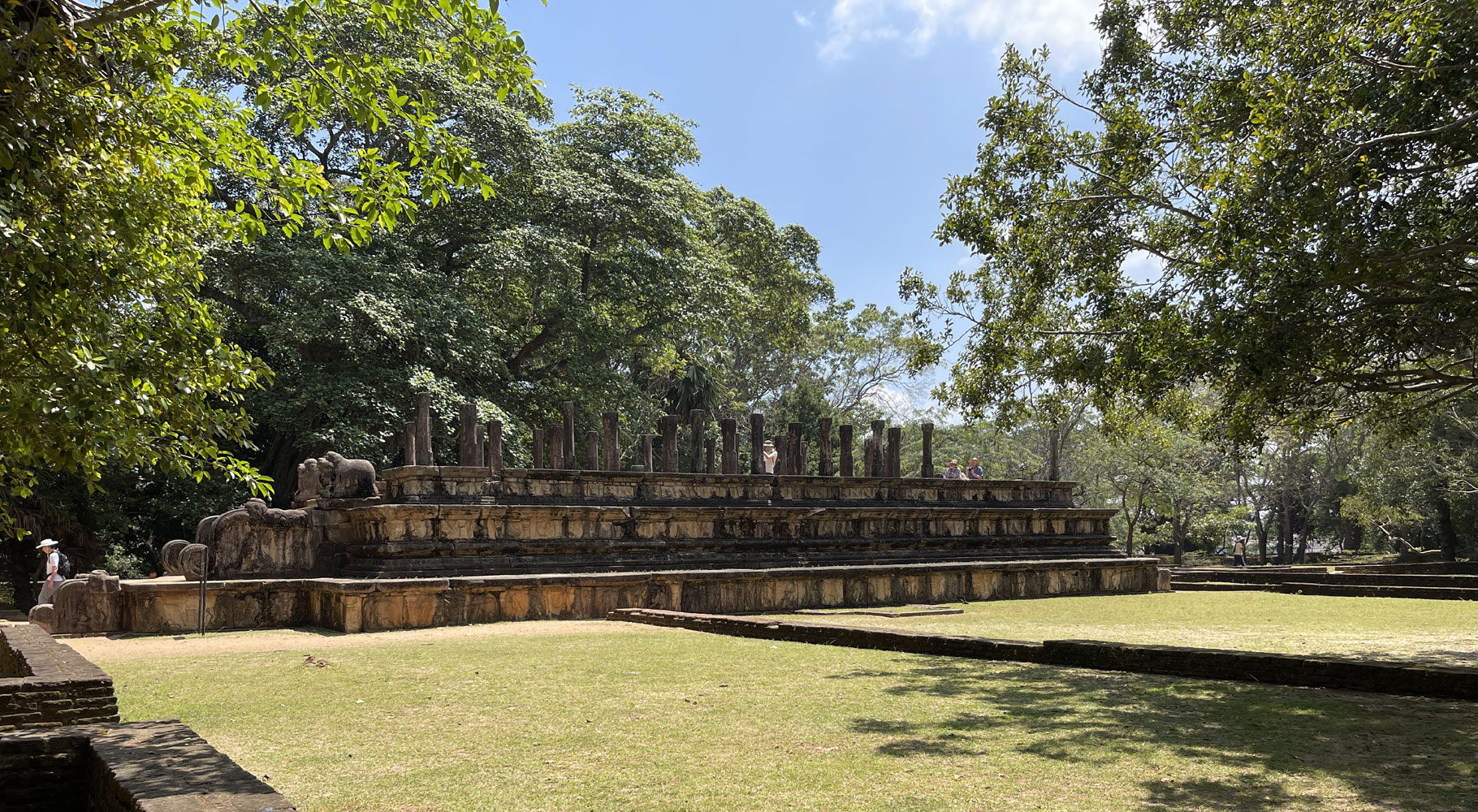
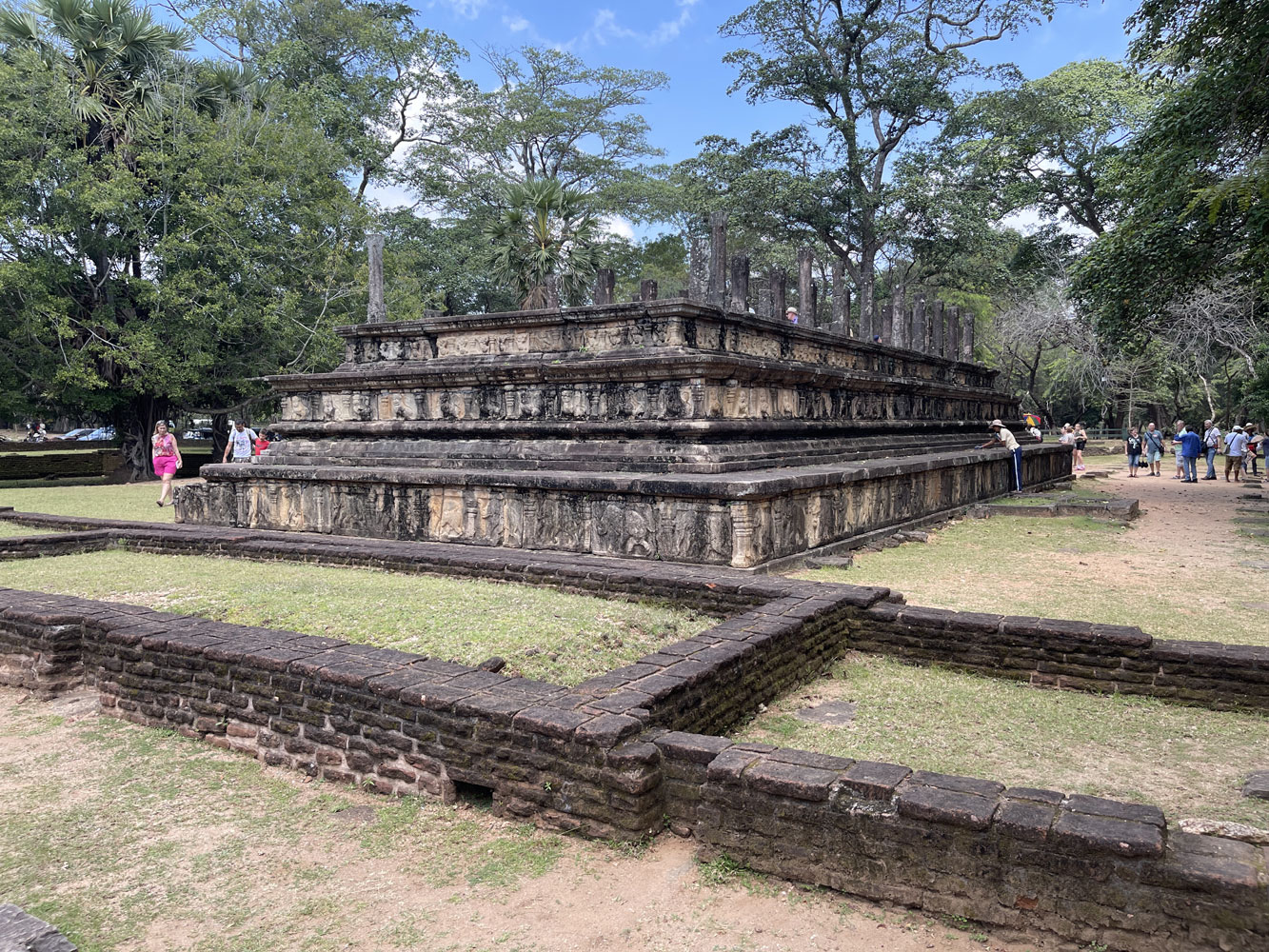
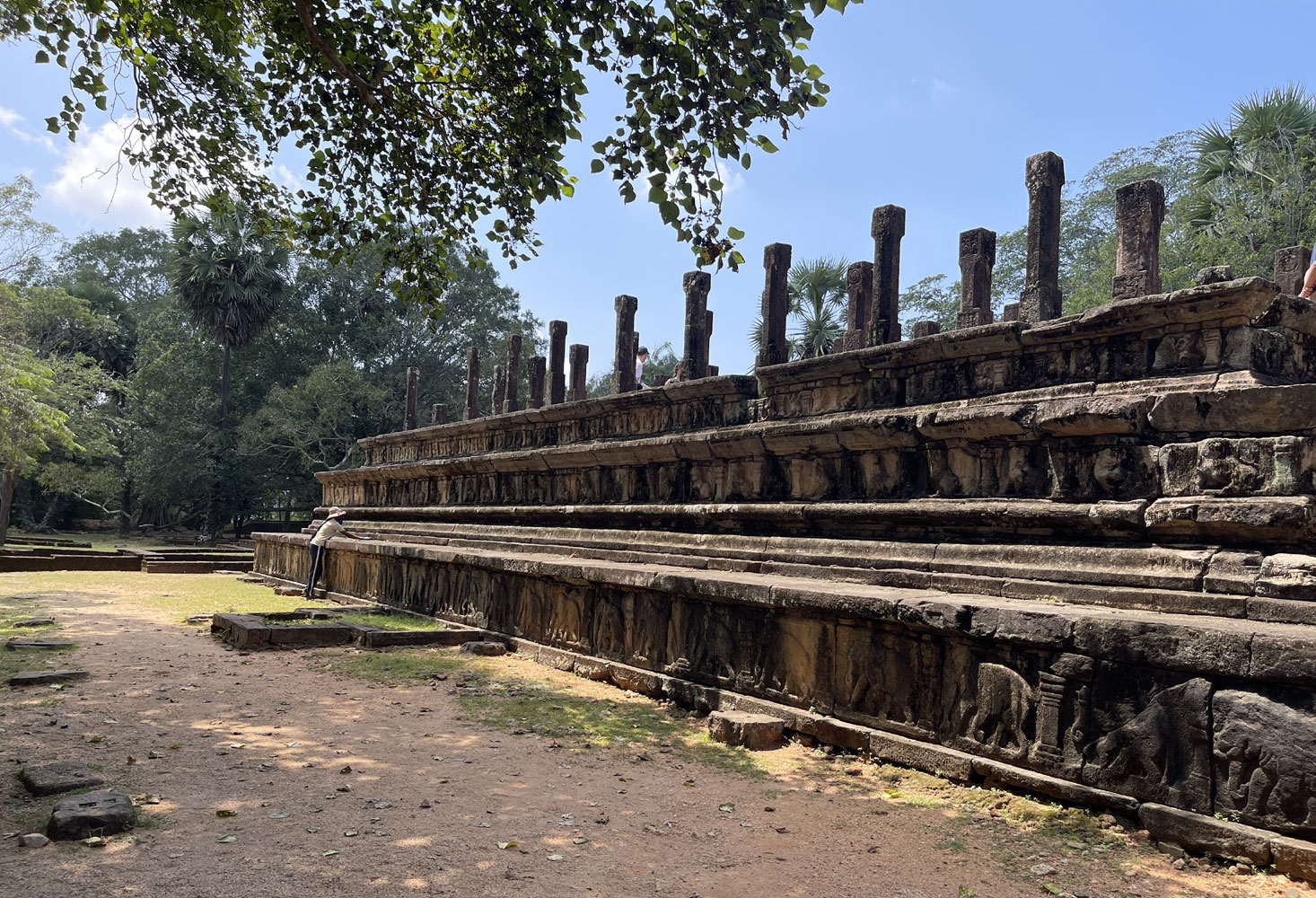
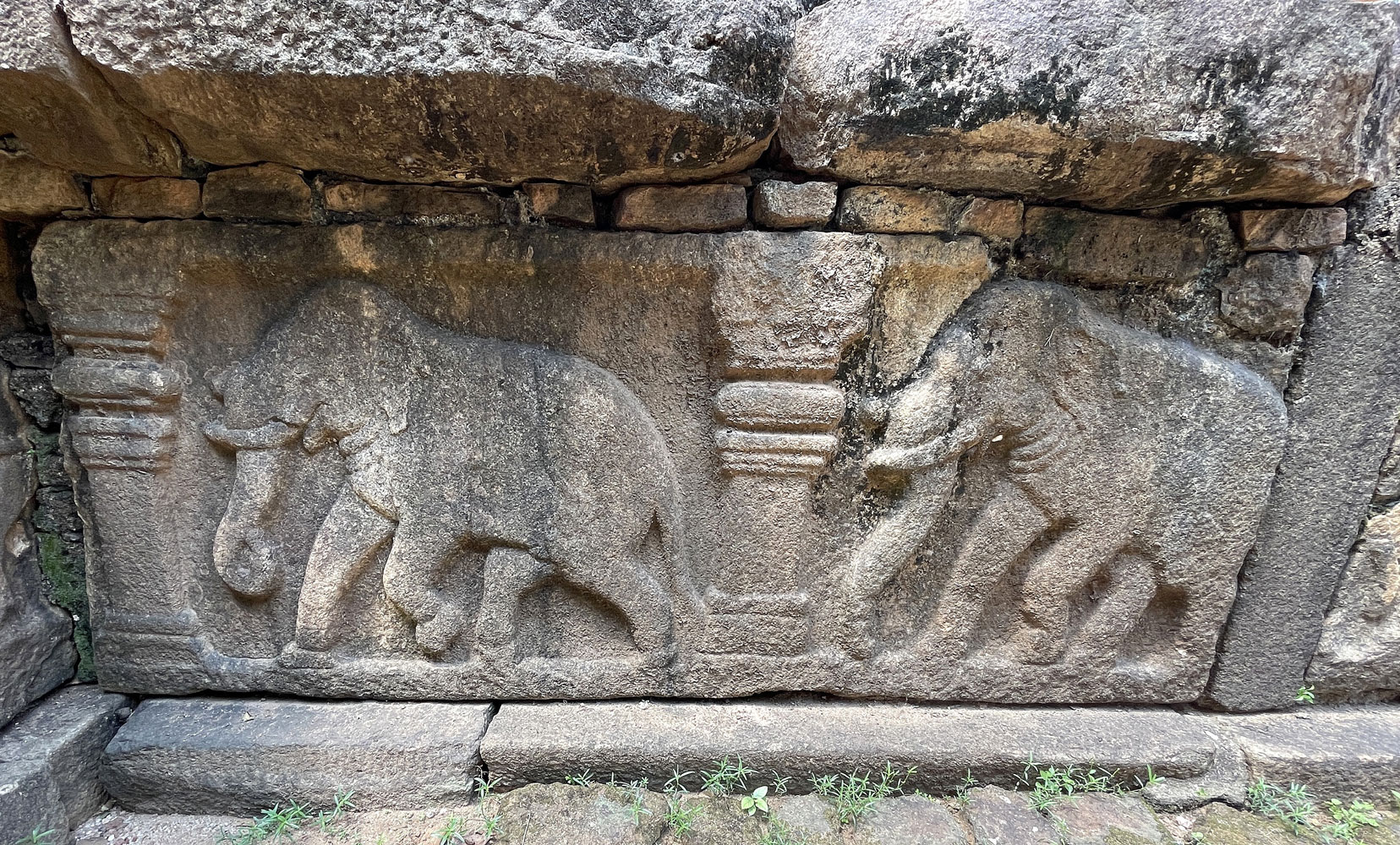
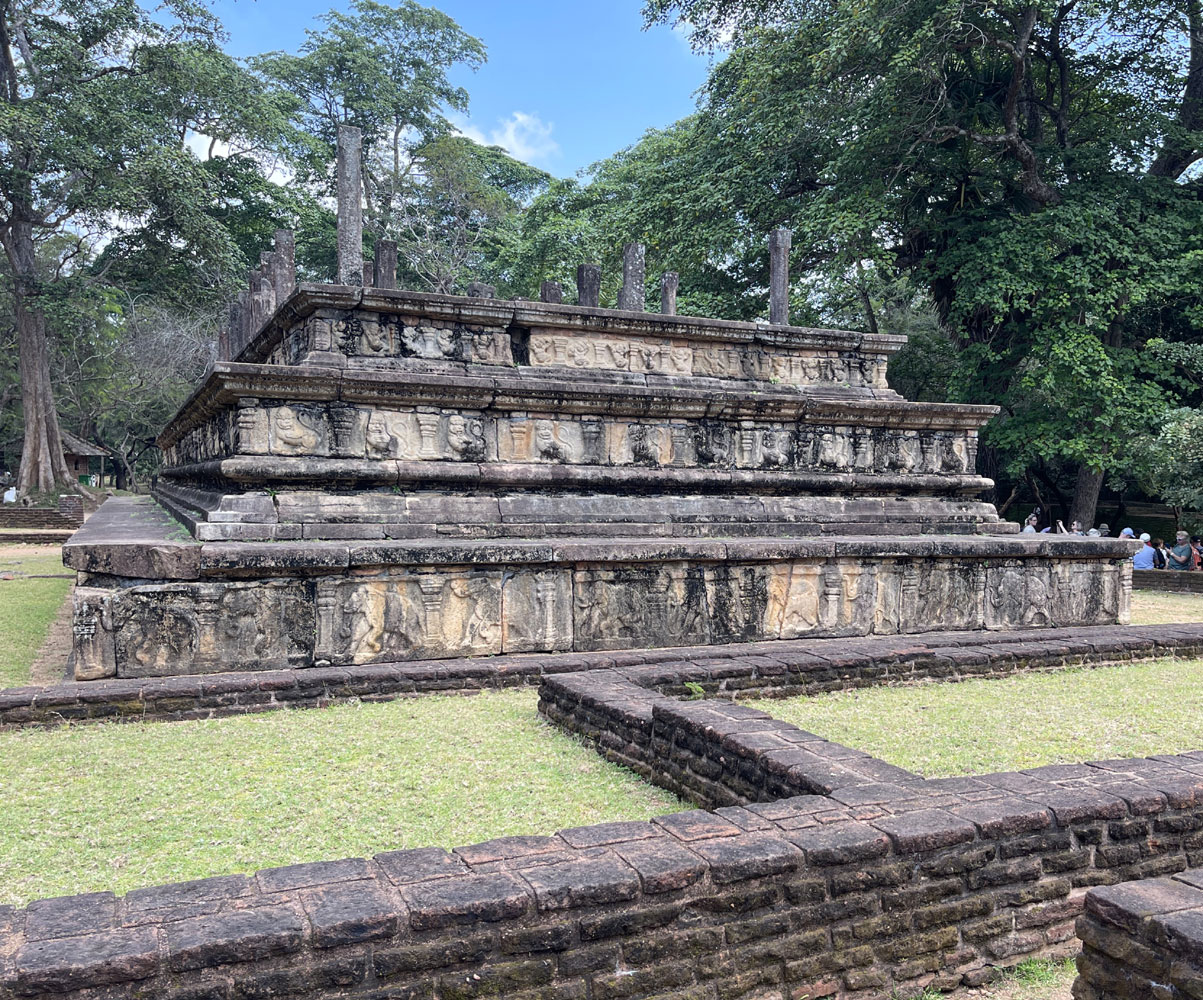
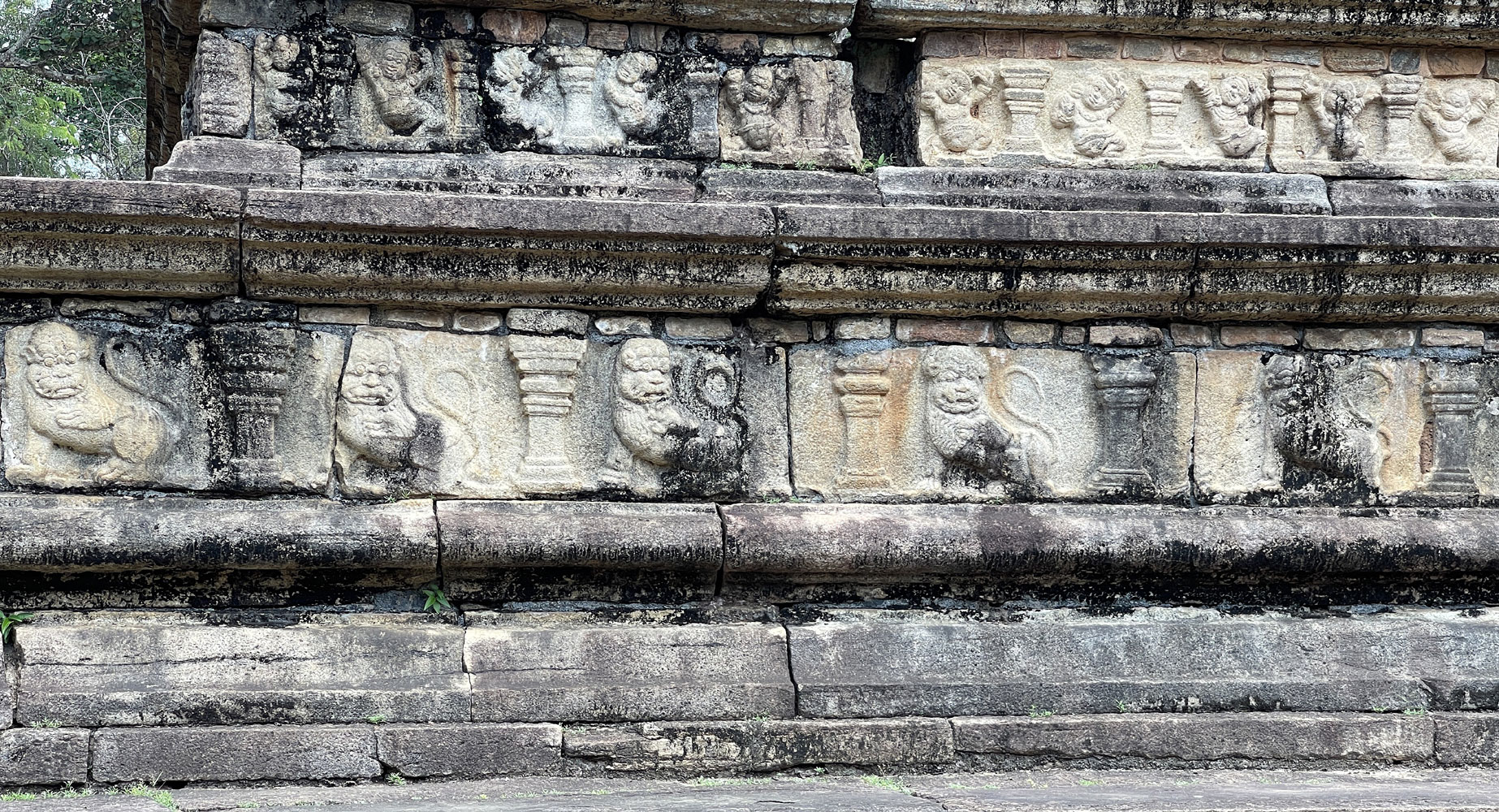
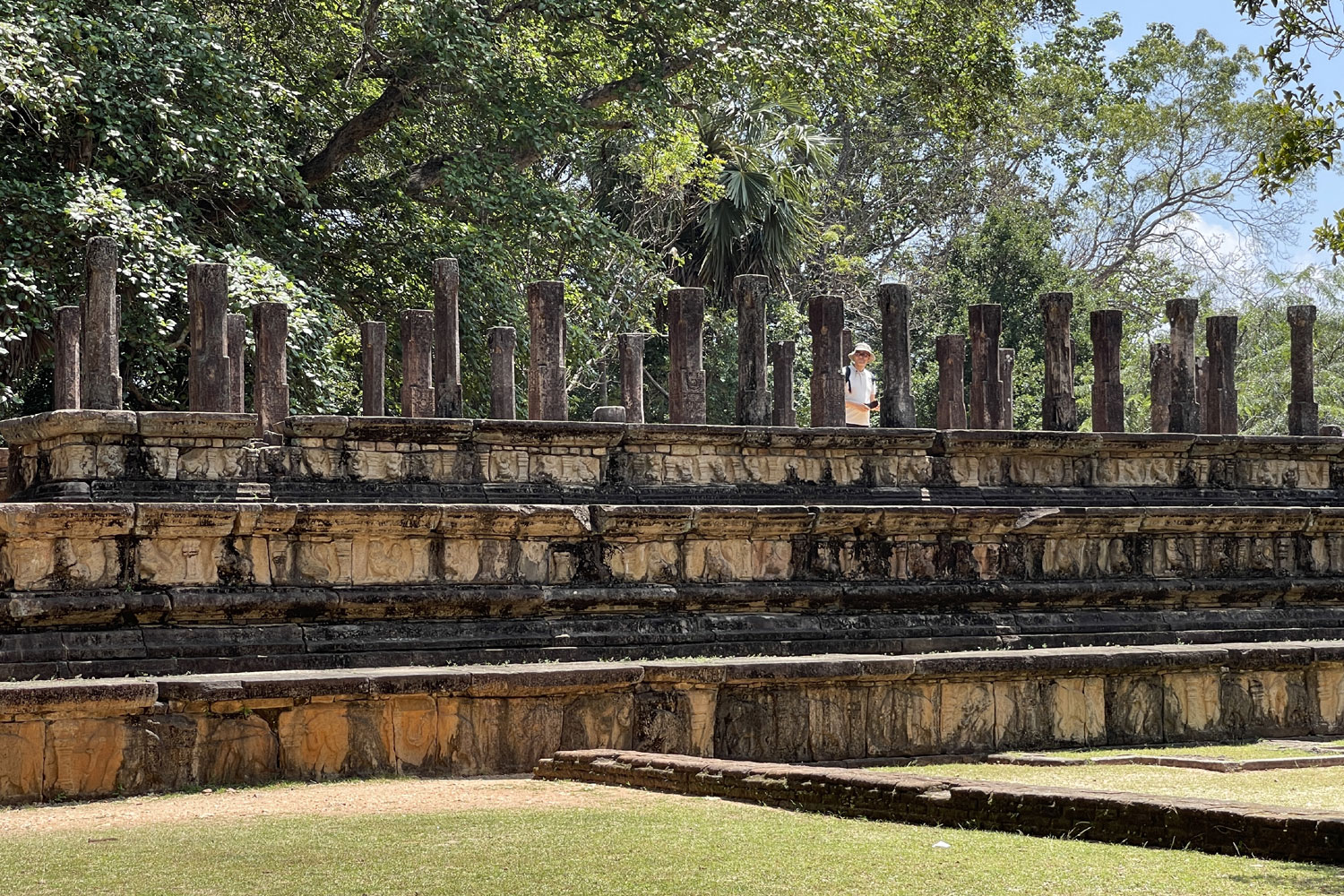
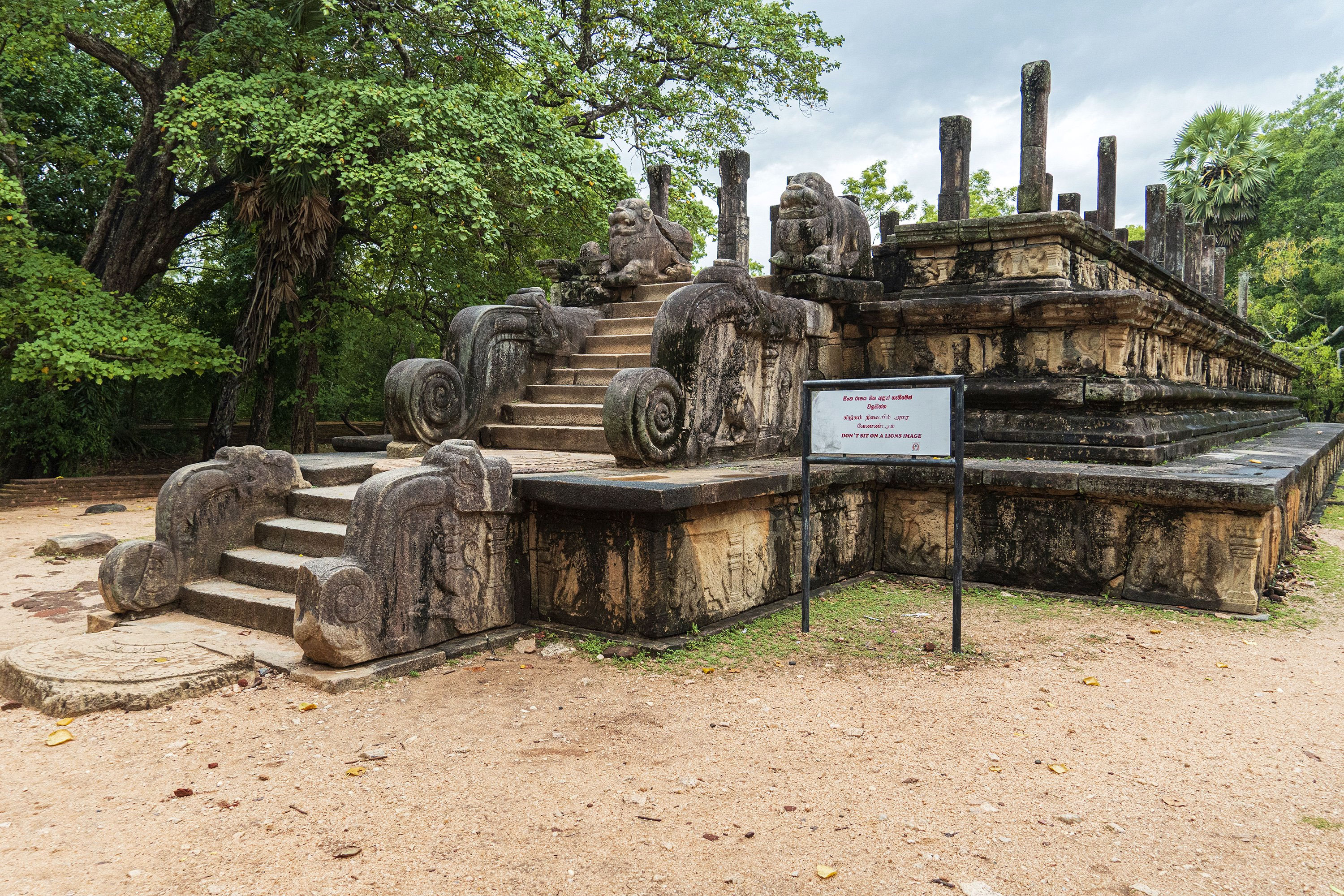
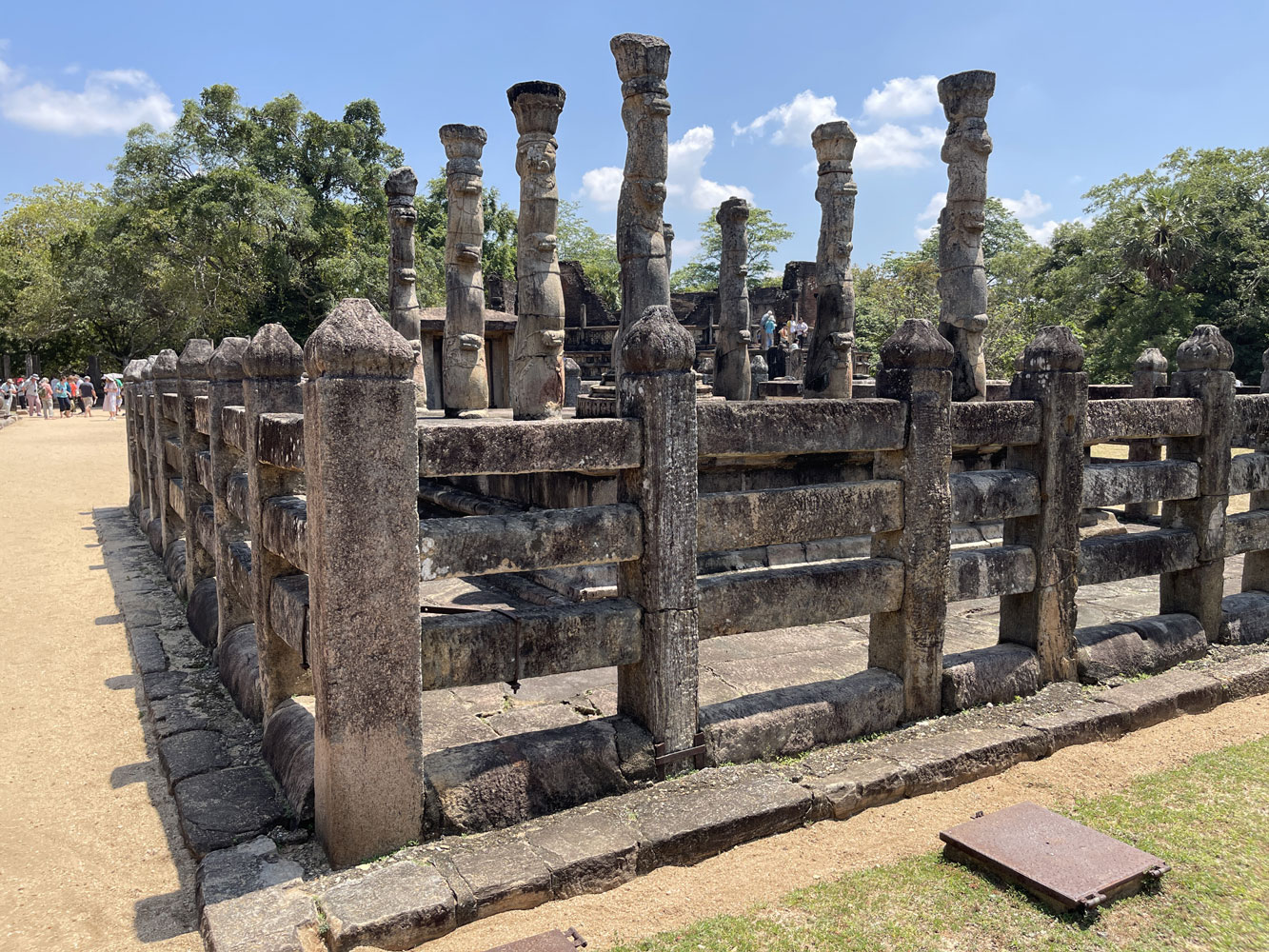
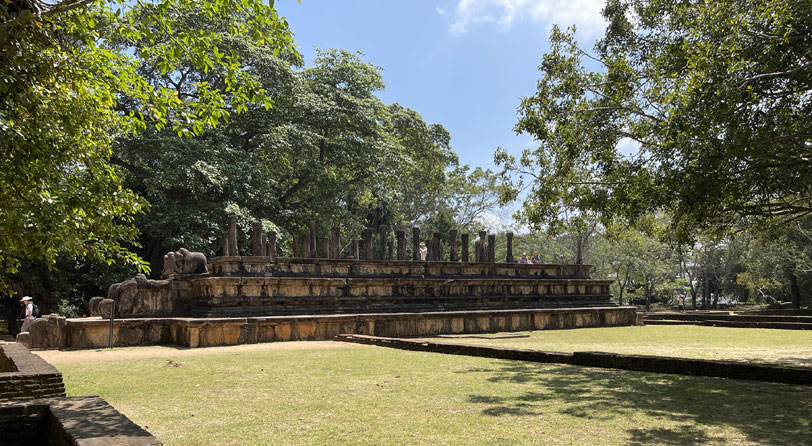
| Near the royal palace
stands the Polonnaruwa Council Chamber, a stone hall measuring
23 metres in length and 10 metres in width. It was built
in three tiers: the lowest decorated with elephants, the
middle with lions, and the upper level supporting a wooden
roof covered with clay tiles.
|
|
 |
| |
|
| |
|
| |
|
| |
|
| |
|
| |
|
| |
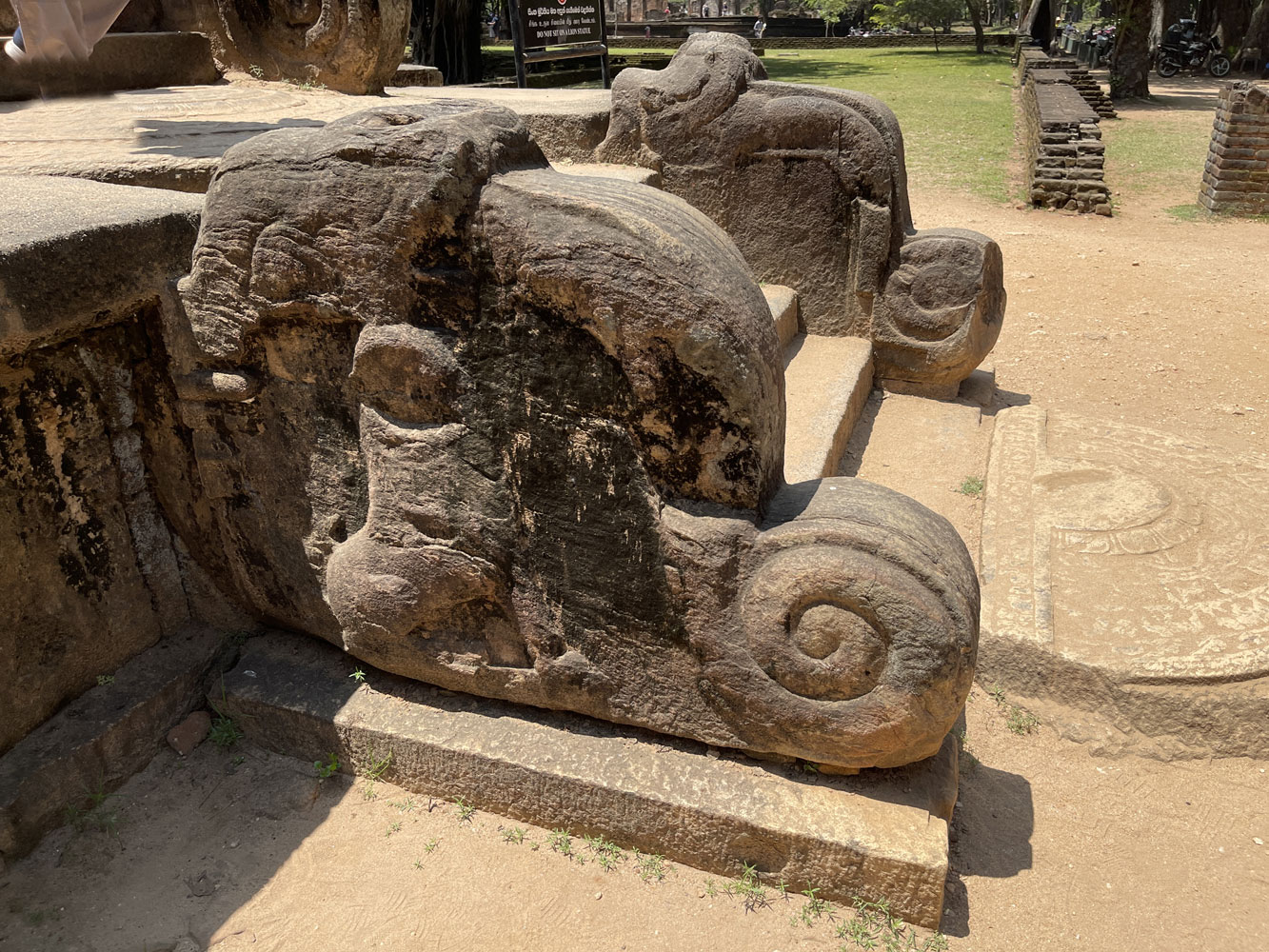
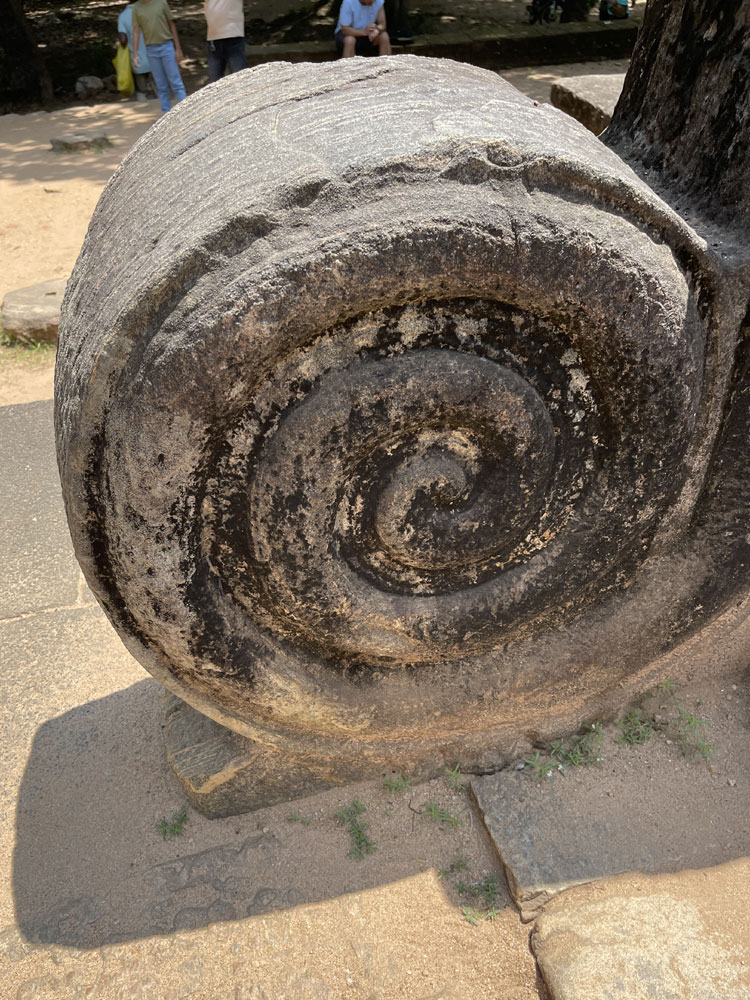
The steps leading to
the chamber are adorned with two moonstones; a unique feature
in ancient Sinhalese architecture, symbolising the endless
cycle of Buddhist life and reflecting Sri Lanka’s
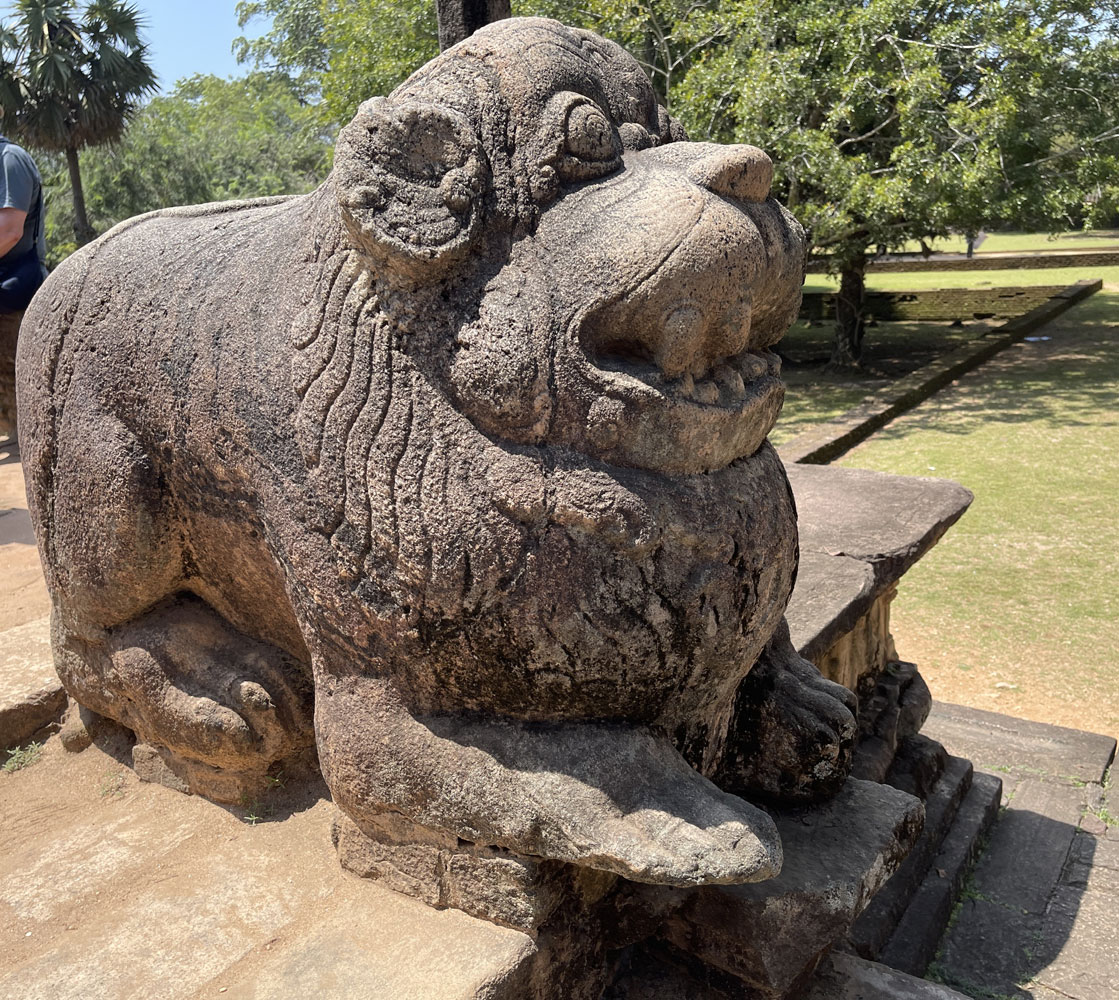
renewed Buddhist identity after the era of Chola rule. At
the top of the staircase, two intricately carved lions stand
guard. |
|
|
| |
|
| |
|
| |
|
| |
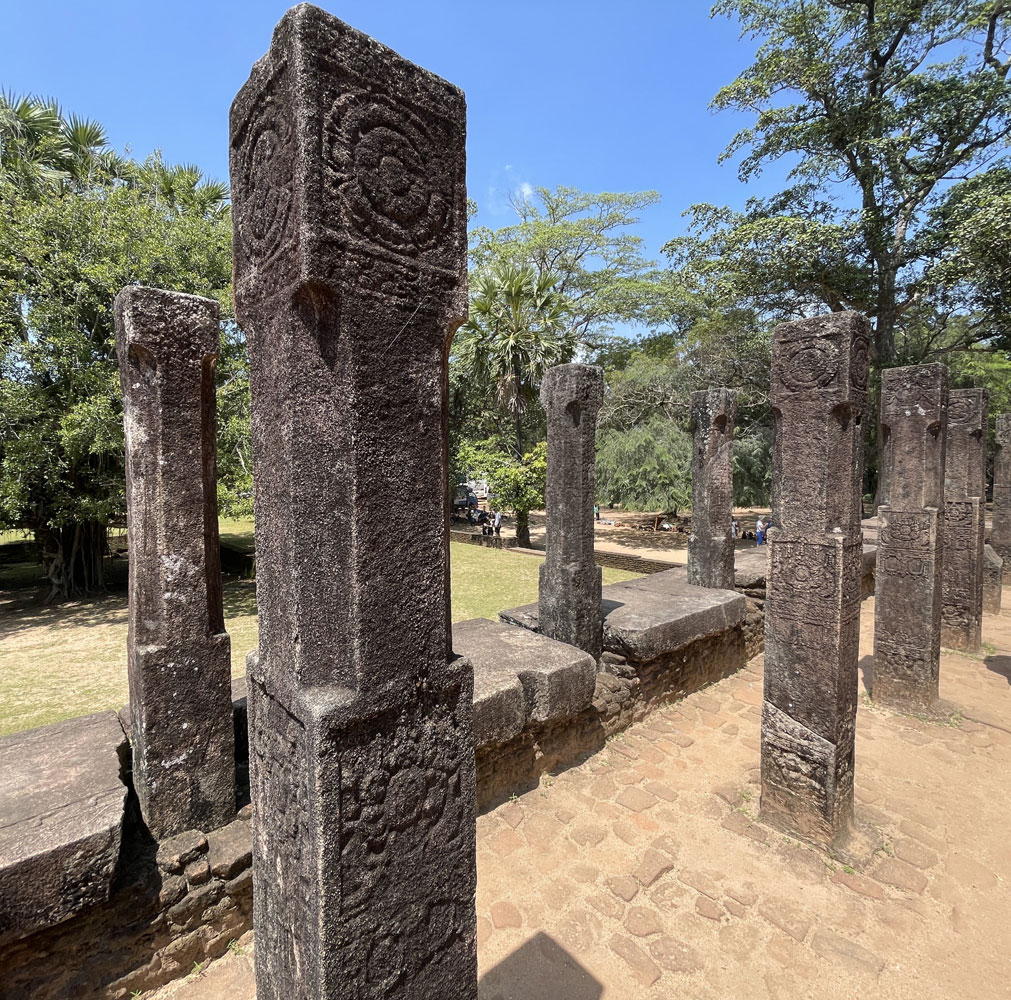
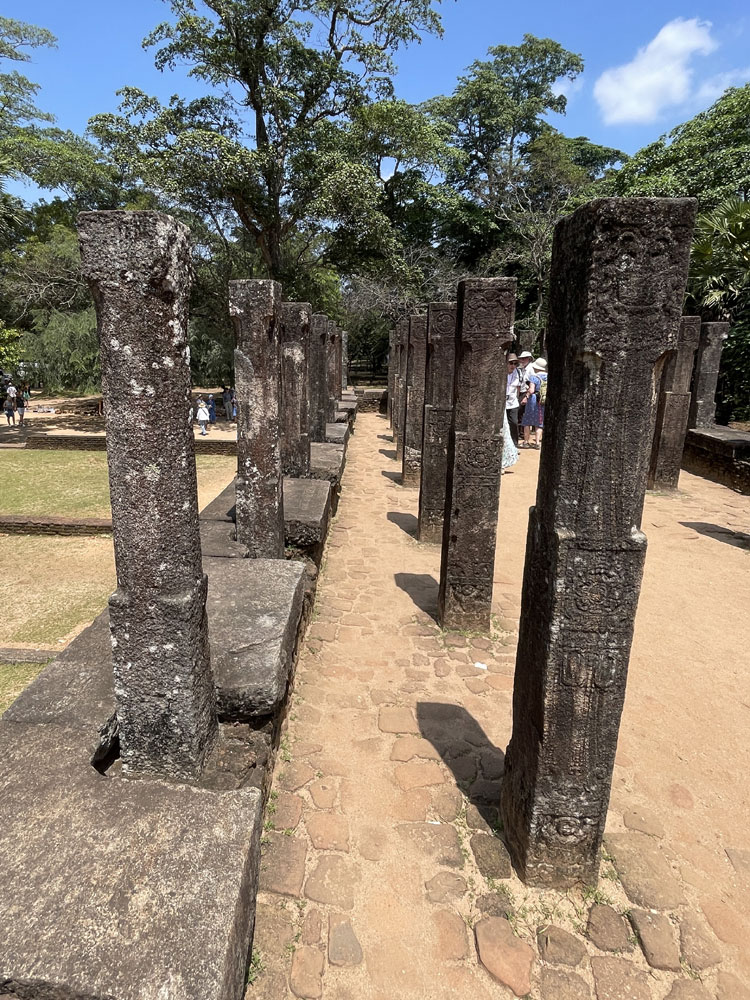
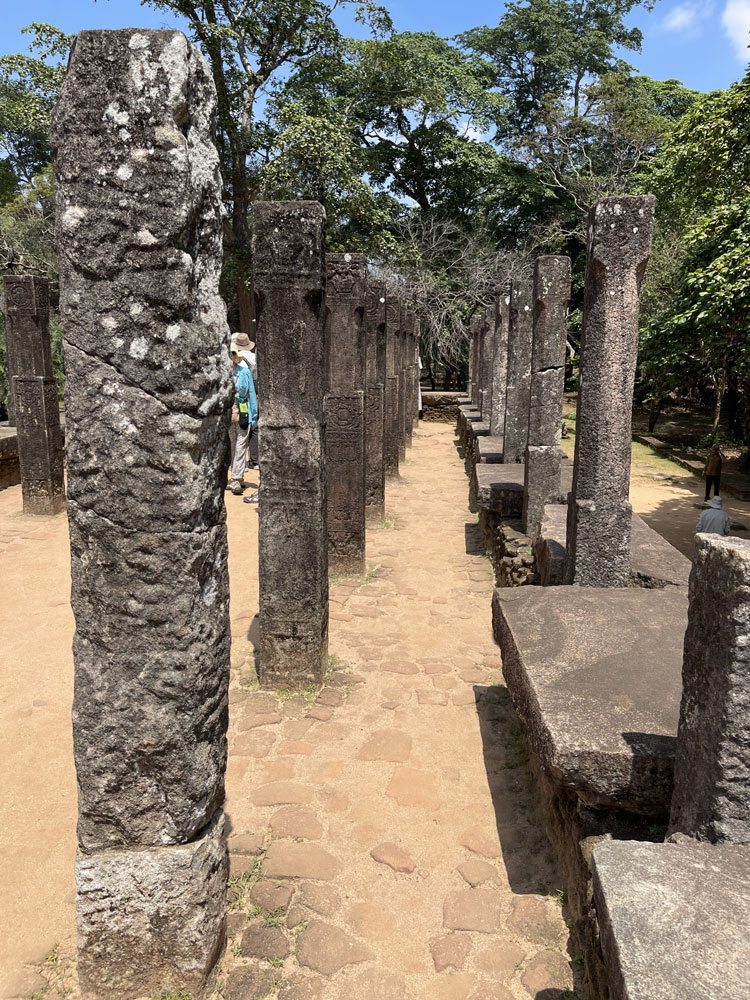
The ruins remain in
remarkably good condition, allowing us to walk across the
main platform among the 48 surviving pillars, which made
exploring the site especially interesting for me. |
|
|
| |
The elaborately carved
stone pillars not only held up the roof but also framed
the king’s throne, placed so that he could hear his
ministers clearly thanks to the chamber’s excellent
acoustics. |
|
|
|
| |
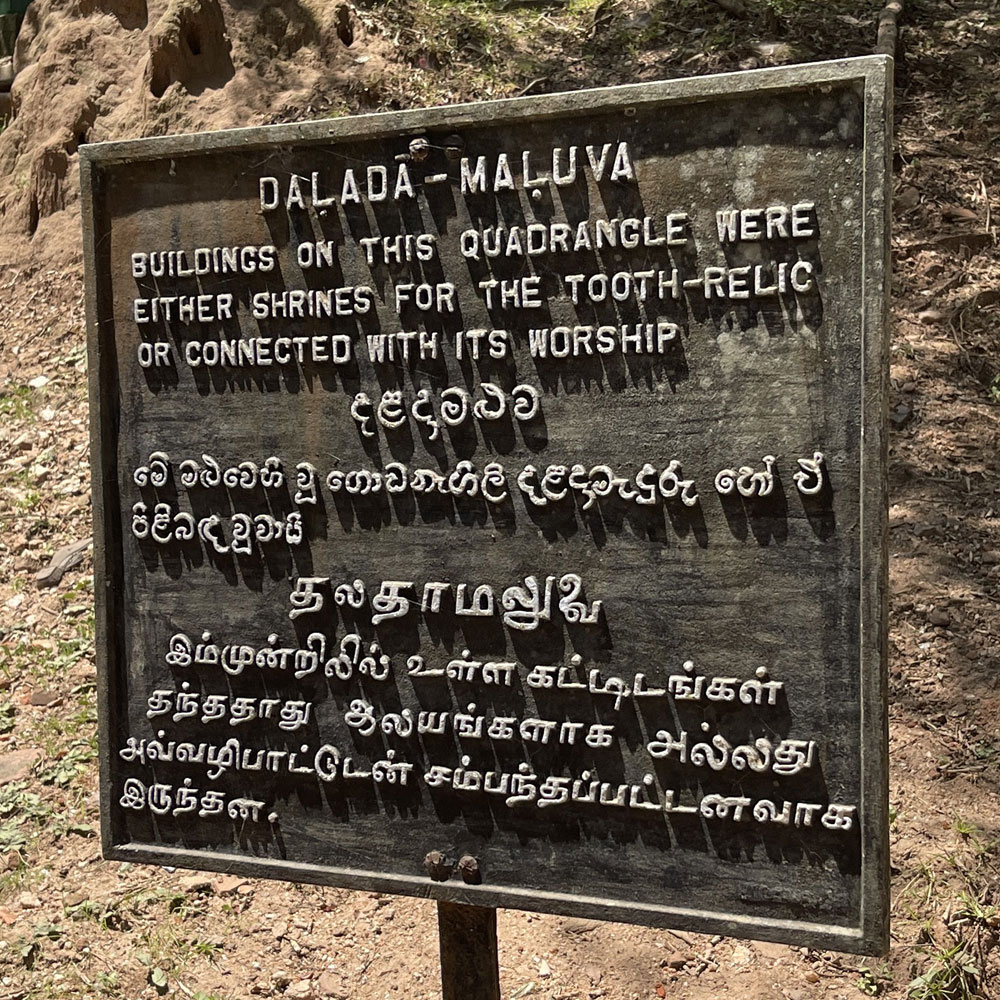
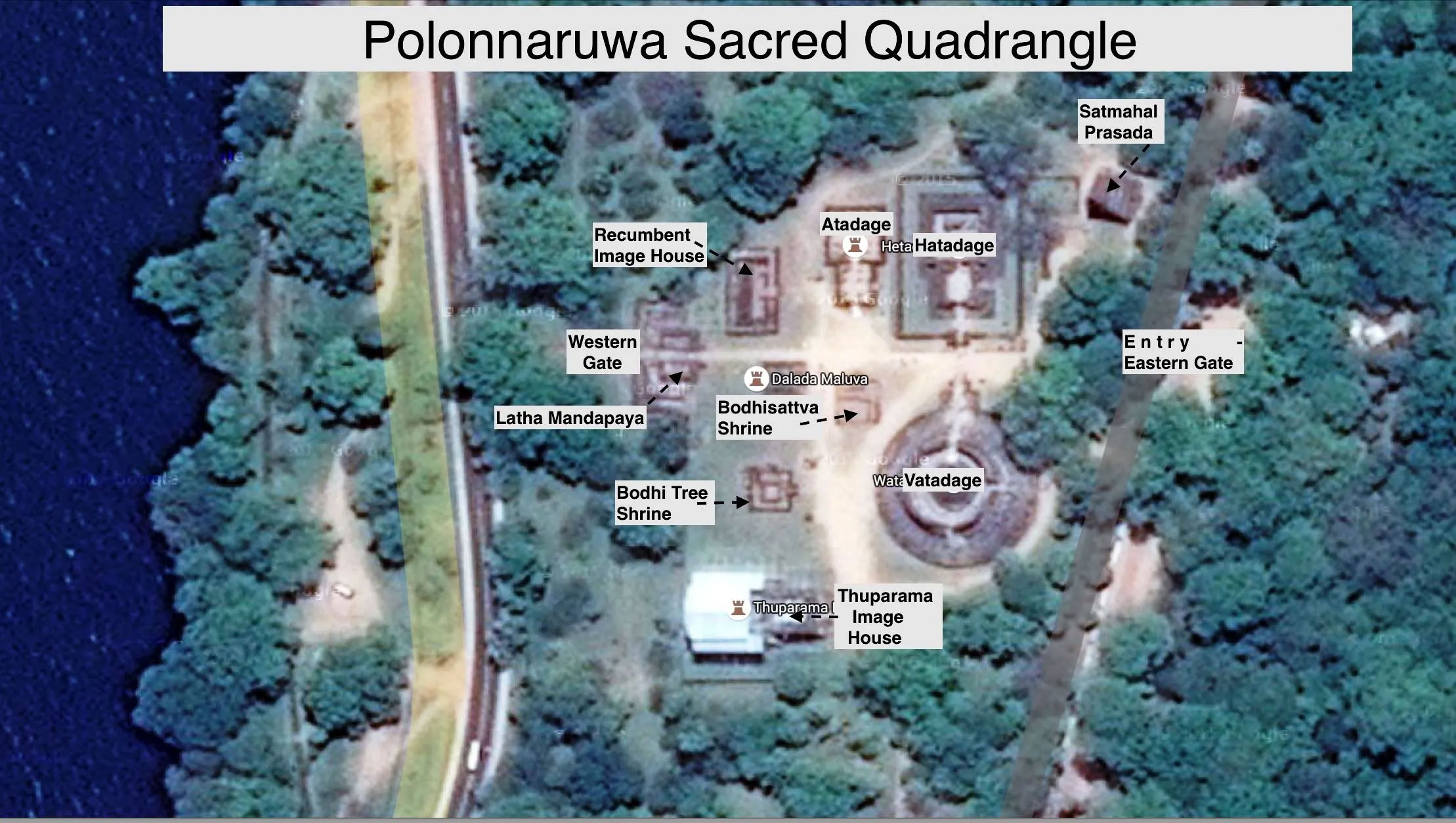
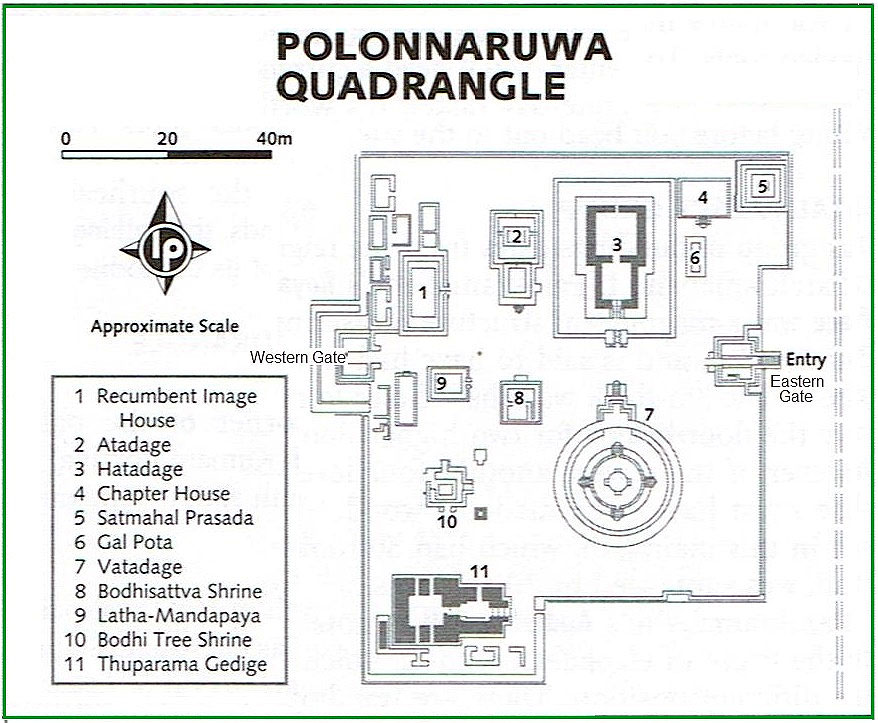
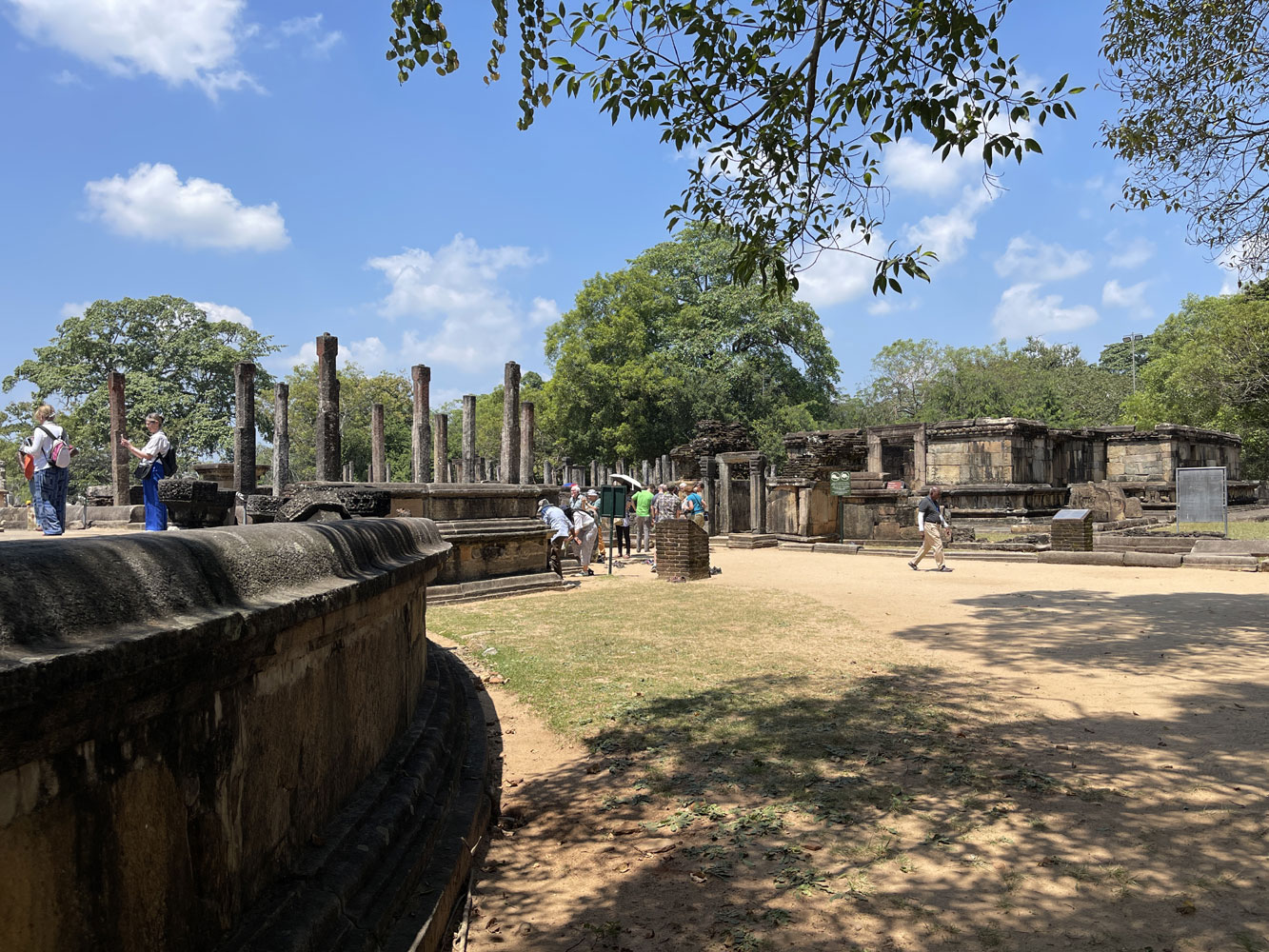
Moving on, we arrived
at the sacred quadrangle, known as the Dalada Maluva. |
|
|
| |
|
| |
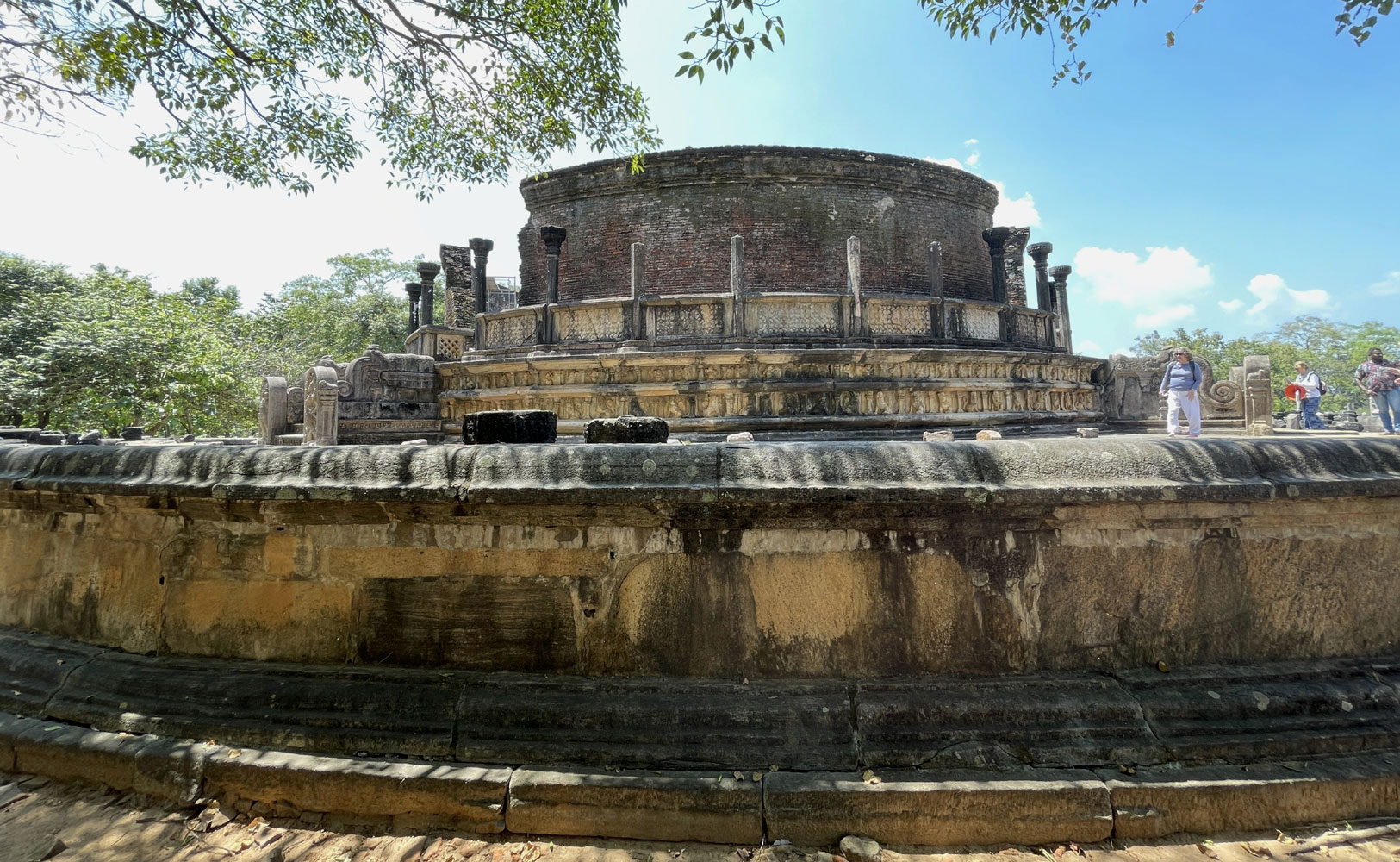
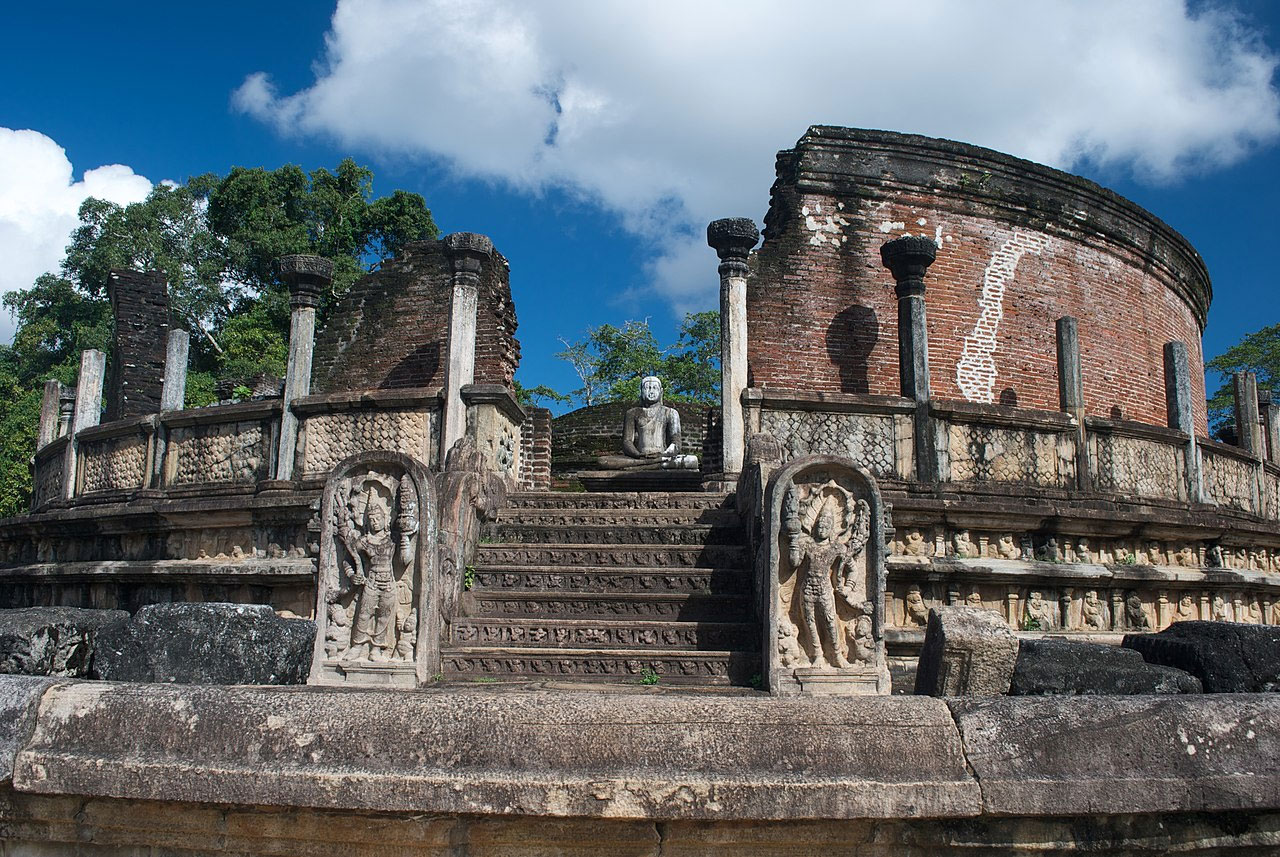
We entered the quadrangle
from the Eastern Gate... |
|
|
| |
|
|
| |
|
| |
|
| |
We were permitted to
walk up for a closer view, but had to remove our shoes first
and that meant getting rather hot feet from the hot surfaces.
I did go up, but didn't linger! |
|
|
| |
|
| |
Leaving the guide, I
decided to look around on my own. |
|
|
| |
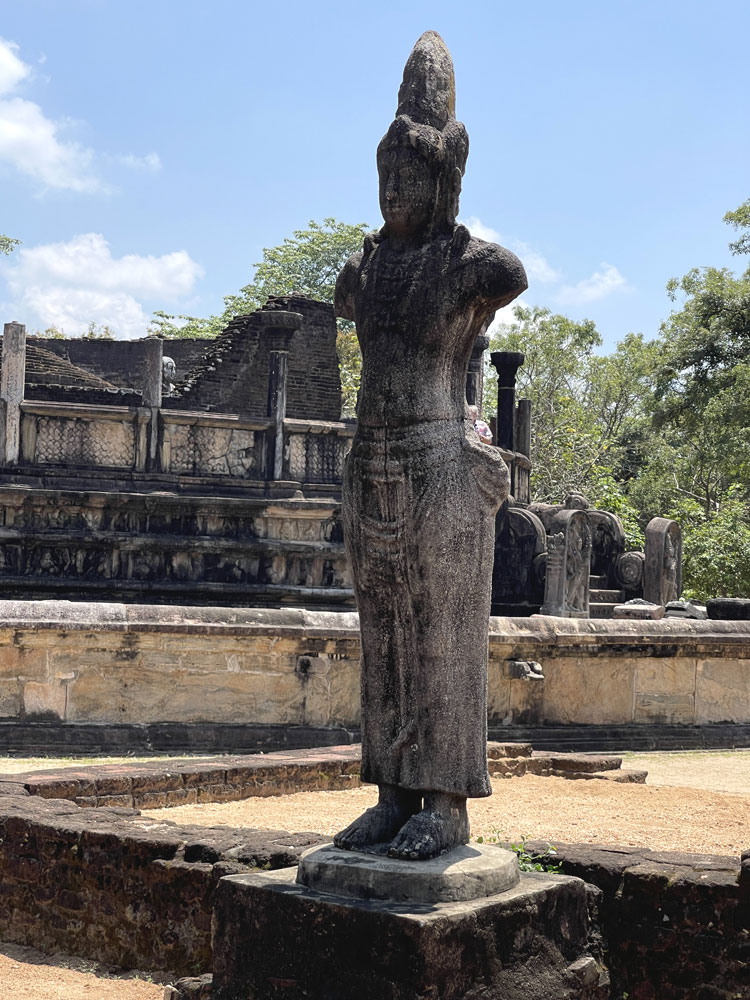
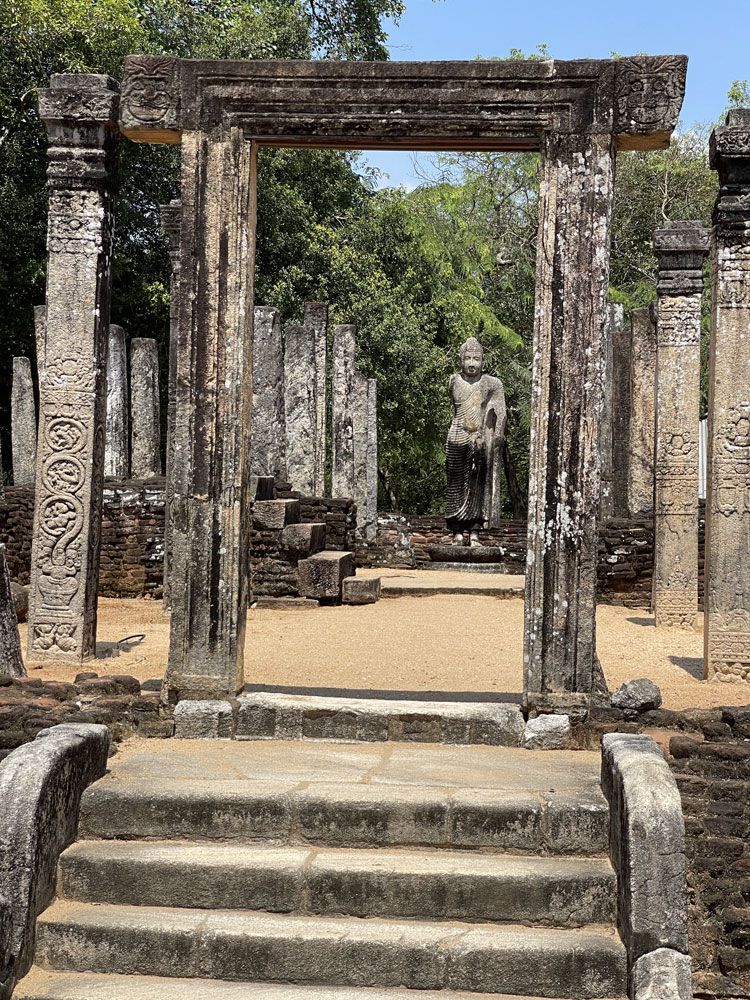
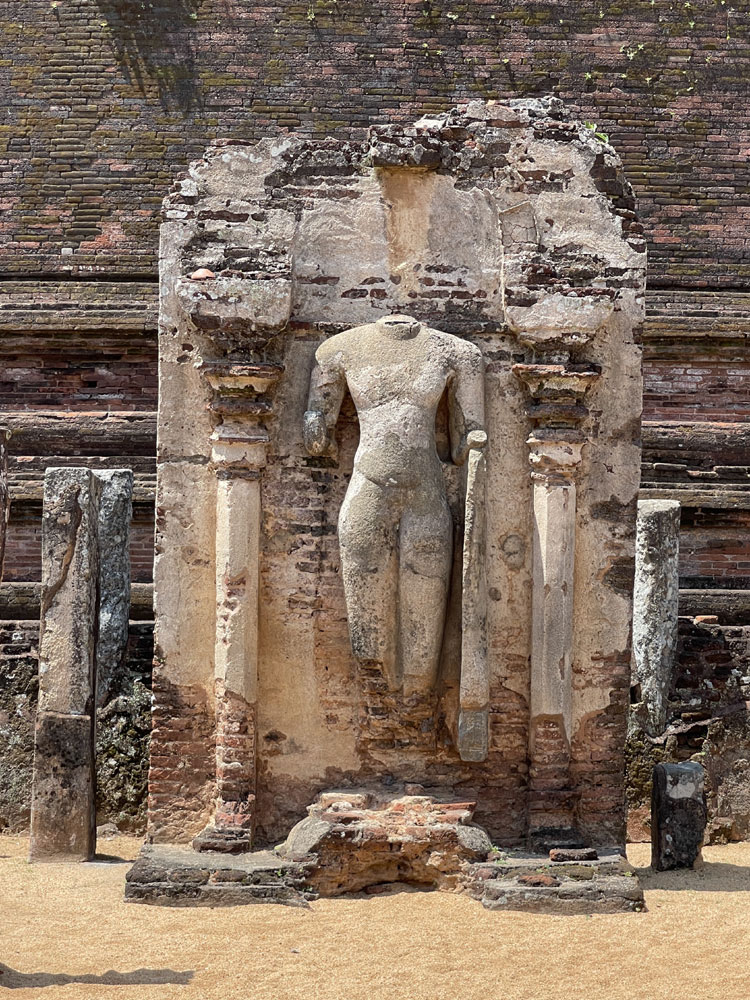
The Statue of Bodhisattva
is a representation of Mahayana Buddhist influence in Sri
Lanka. Believed to be a depiction of Avalokiteshvara, the
Bodhisattva of Compassion, the statue showcases fine craftsmanship
from 11th-13th century. It is adorned with intricate details,
including a finely sculpted headdress and ornaments, reflecting
the artistic and religious significance of the era. |
|
|
| |
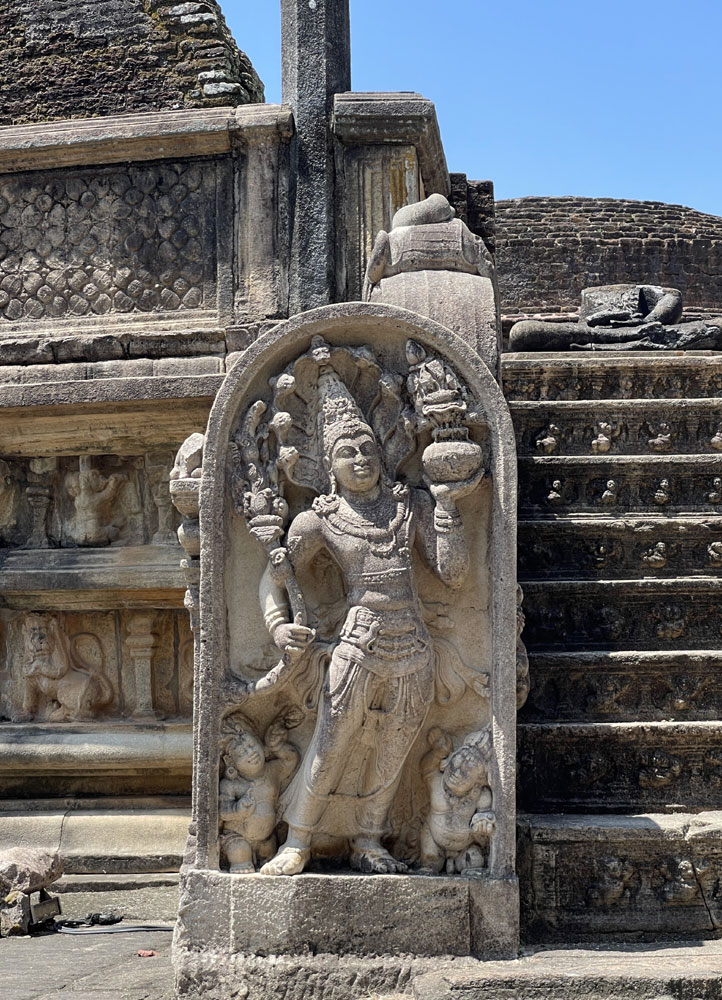
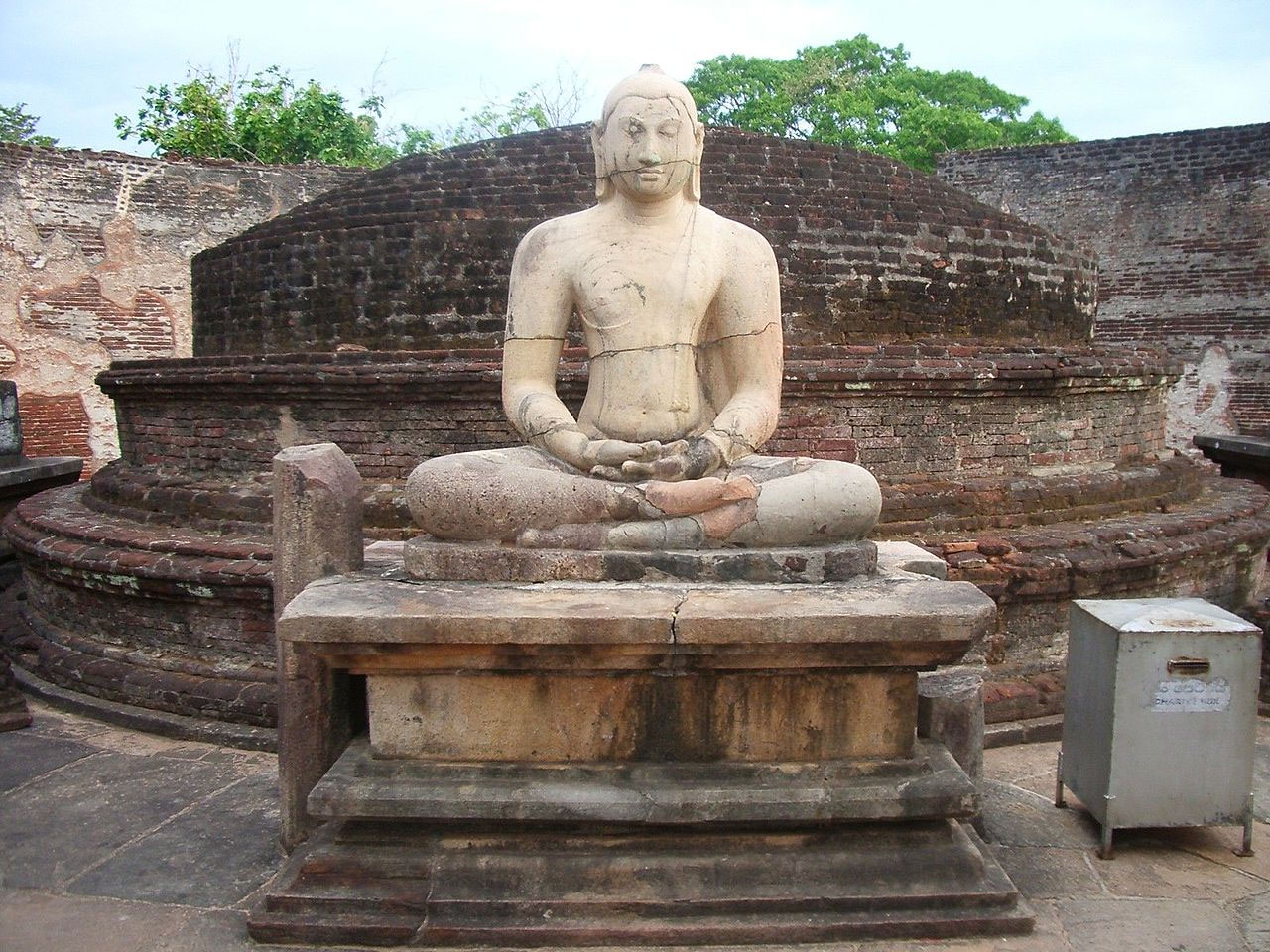
Hatadage
is an ancient relic shrine, built by King Nissanka Malla
and had been used to keep the Relic of the tooth of the
Buddha. Built using stone, brick and wood, only parts of
the brick and stone walls now remain. It appears to have
been a two-storey structure, but the upper storey has now
been destroyed. Three Buddha statues carved out of granite
rock are located within a chamber of the shrine. |
|
|
| |
|
| |
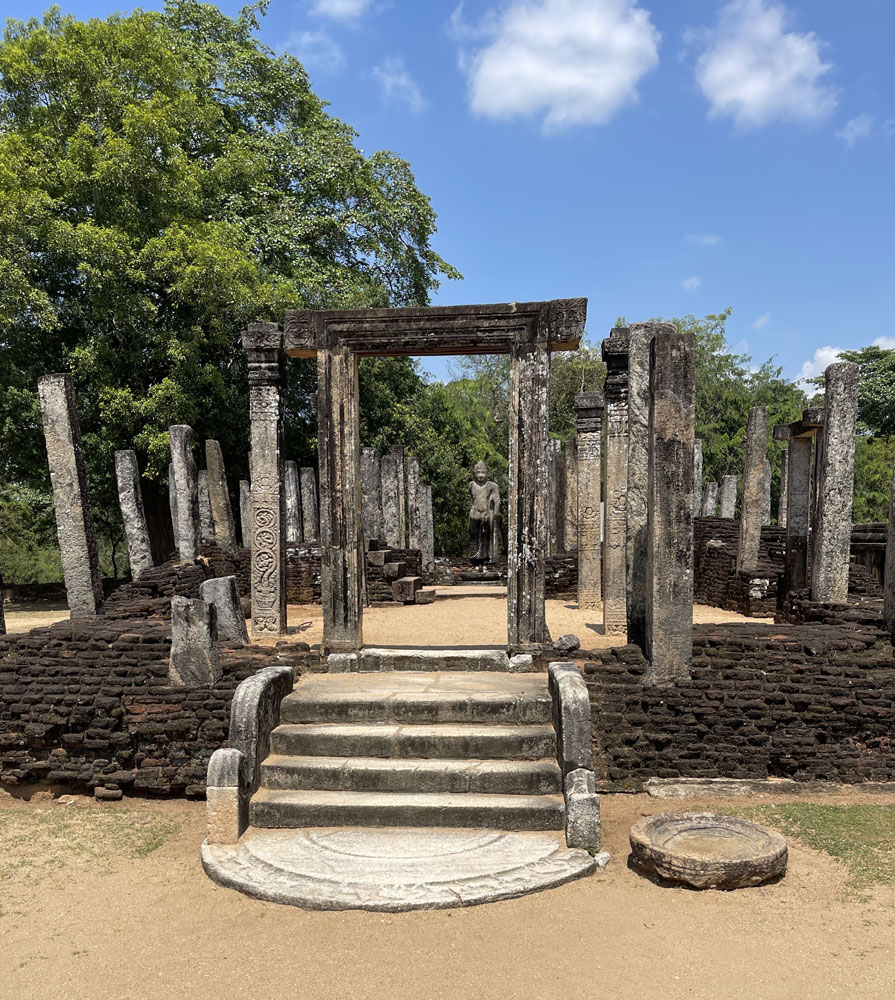
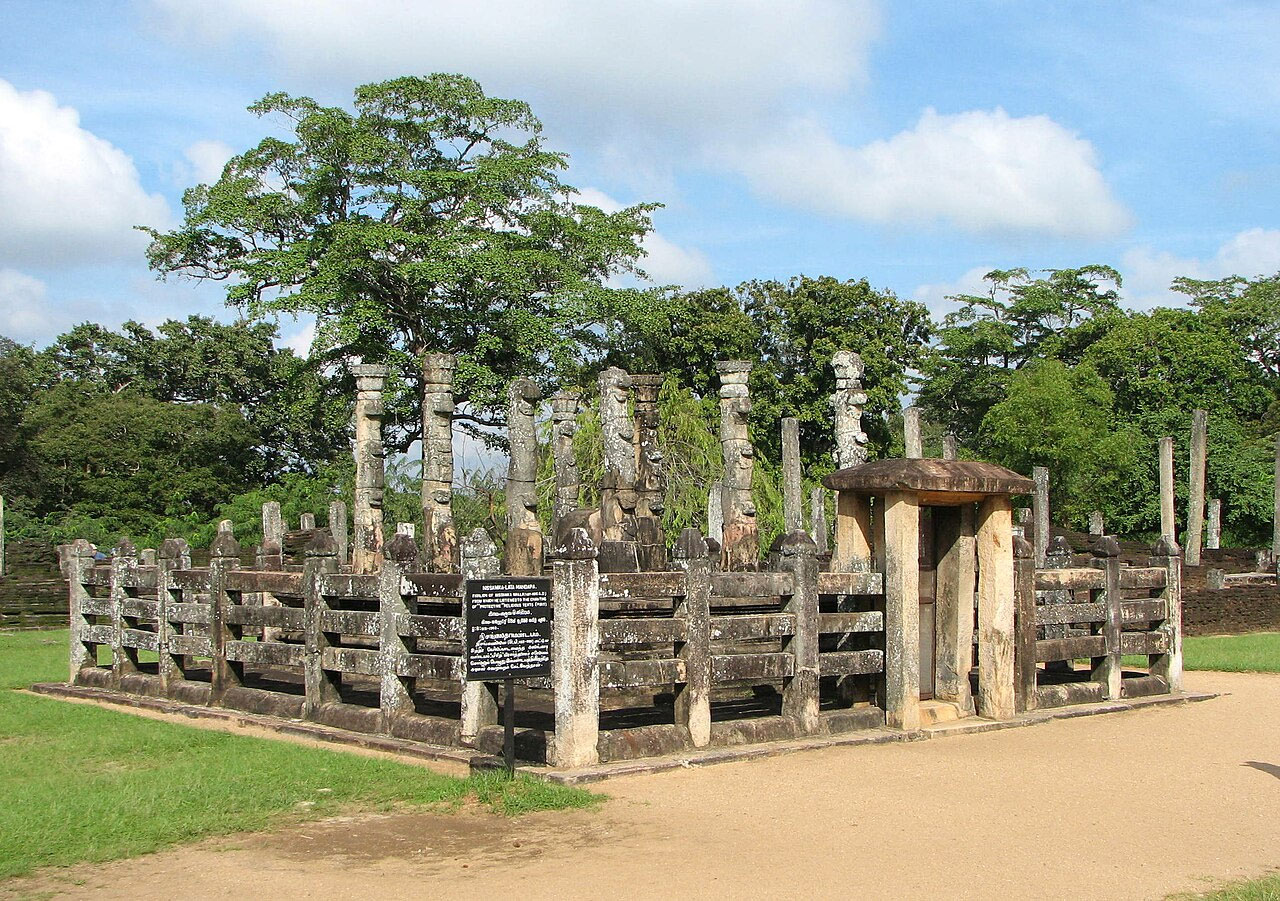
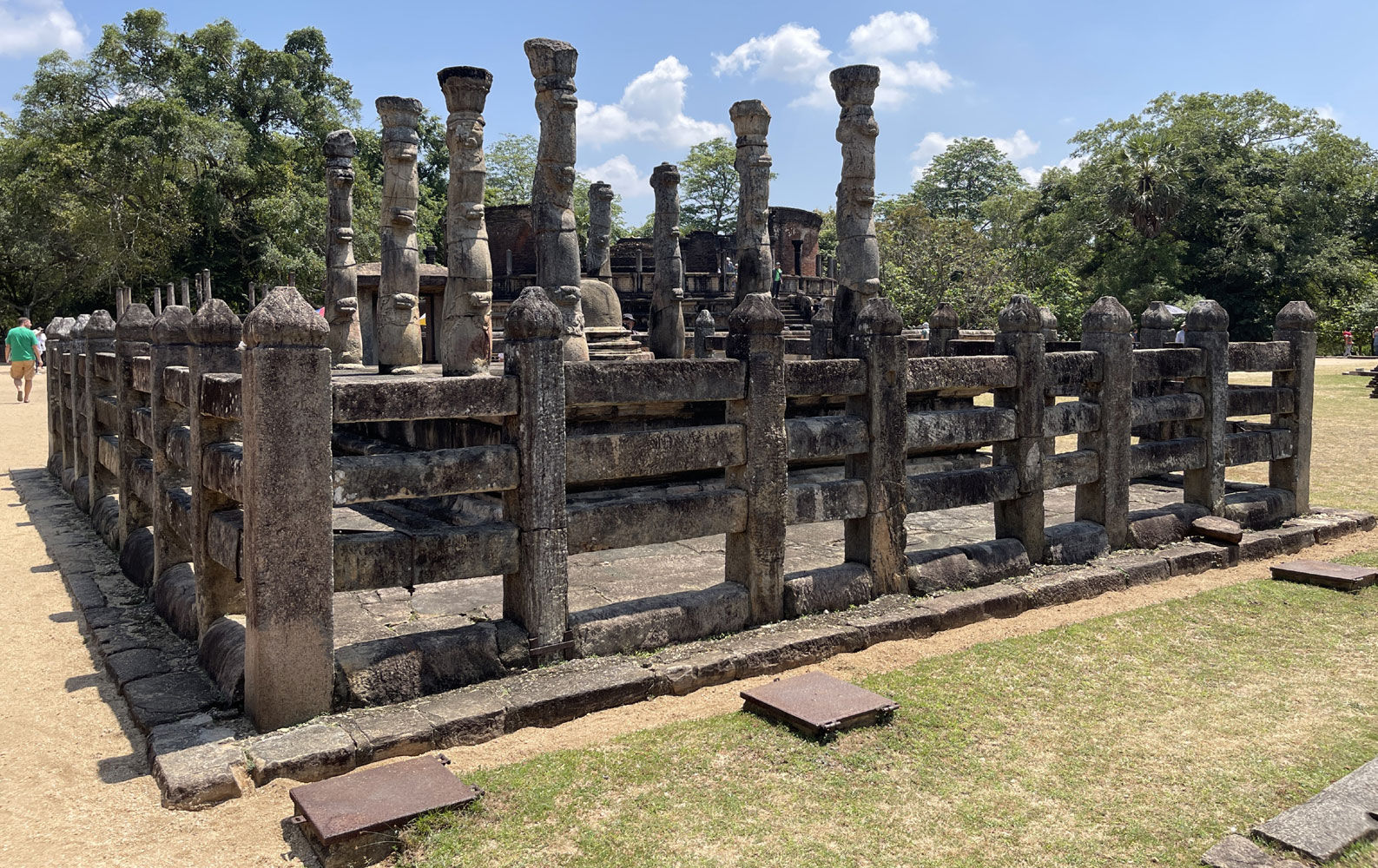
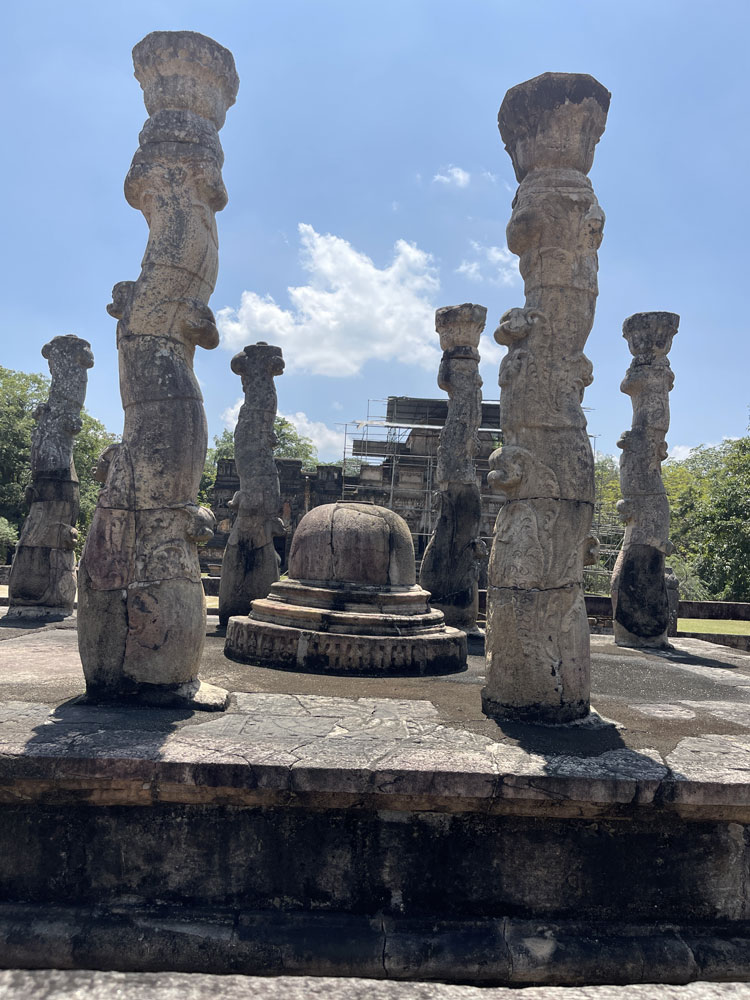
Nissanka
Latha Mandapaya. A màndapa is a pillared structure
that is open on all sides and protects anybody inside
from the sun with a roof. By definition, as of the 20th
century, mándapas, as temporary structures, are
built inside a house or a building and serve as recitation
platform during remembrance ceremonies for the dead. Built
by King Nissanka Malla (1187–1196) and named after
him, it is located near the western entrance, the area
that contains the oldest and most sacred monuments in
the city.
|
|
|
| |
|
| |
|
| |
|
| |
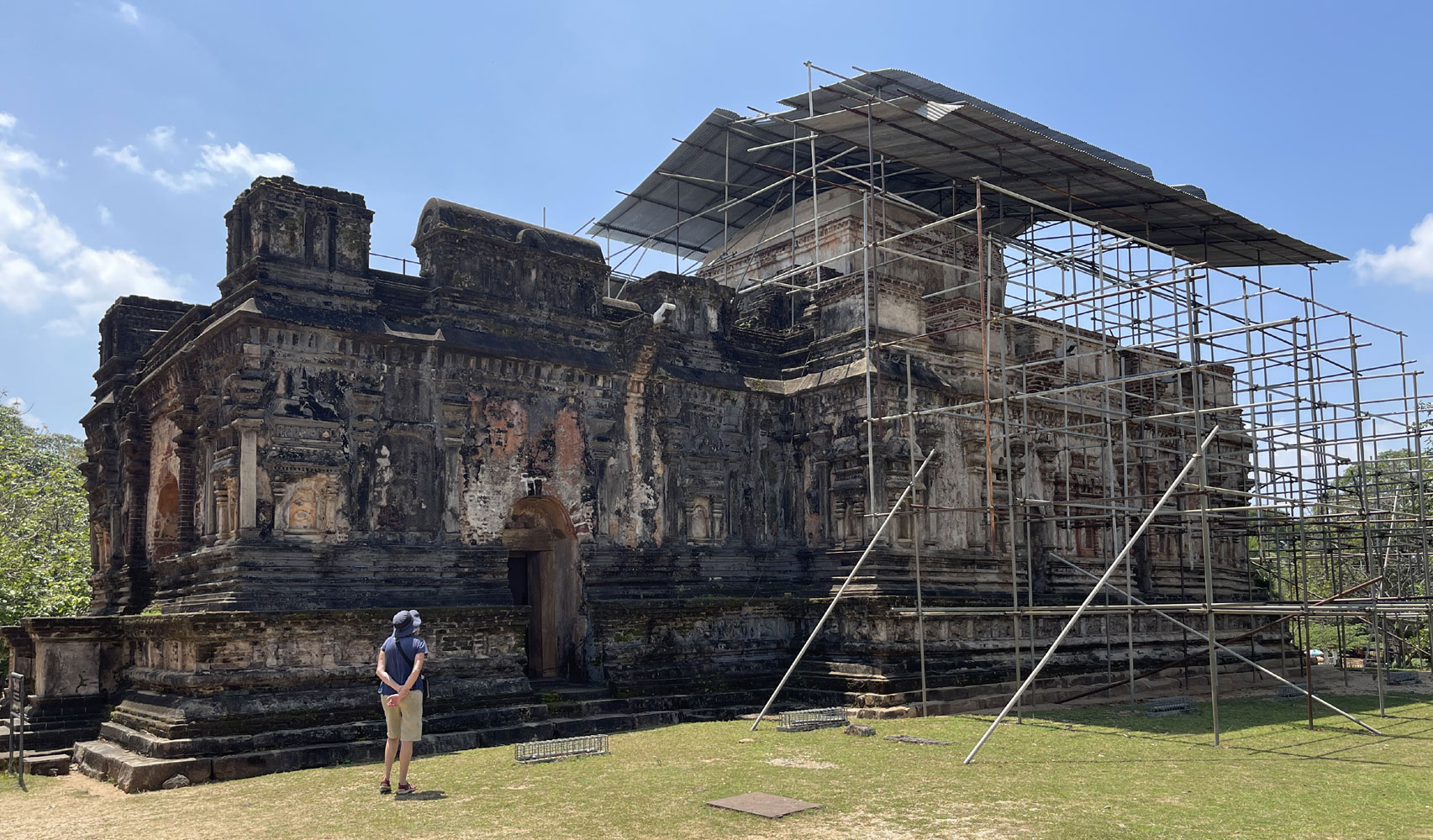
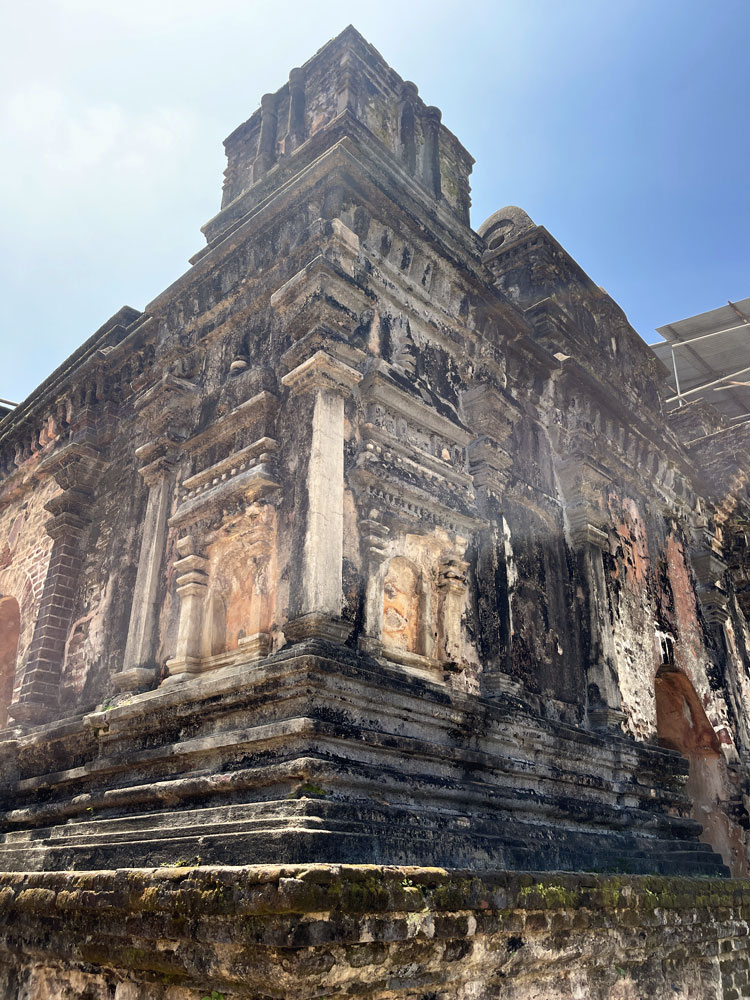
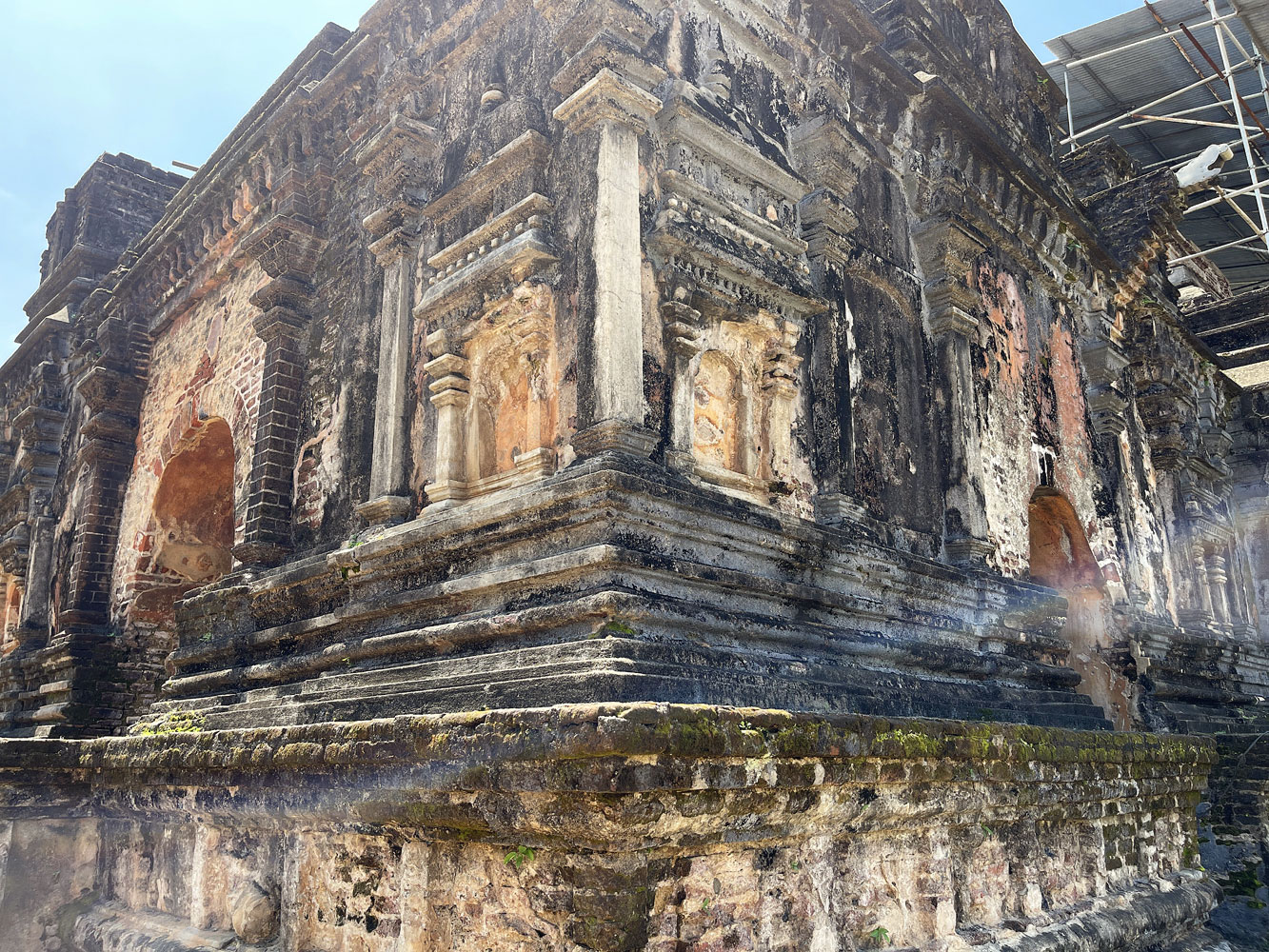
At the southern end
of the Quadrangle, the Thuparama Gedige is the smallest
gedige (hollow Buddhist temple with thick walls) in Polonnaruwa,
but is also one of the best; It's the only one with its
roof intact, supported by corbel arch-style supports. The
inner chamber is delightfully cool and apparently contains
four beautifully executed standing Bodhisattva statues,
although we couldn't go inside to see for ourselves.
|
|
|
| |
|
| |
The exterior adornments
were just plain weird! |
|
|
| |
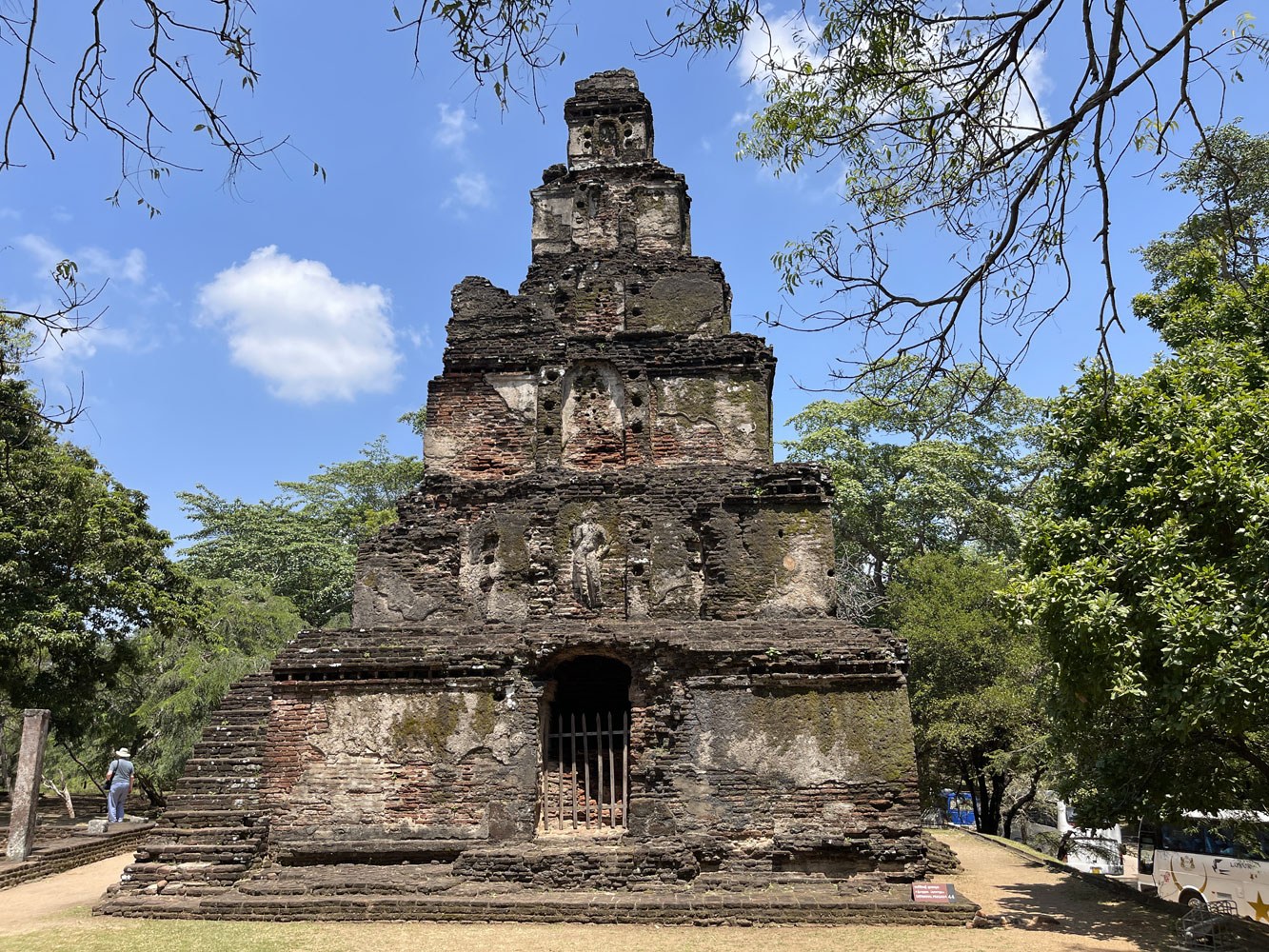
The Satmahal
Prasada ("seven-story tower") is a 12th-century
step pyramid in the northeast corner and is believed to
be a stupa because it is in a Buddhist environment. It is
made of brick and a layer of plaster, with seven floors,
although the seventh only barely remains. |
|
|
| |
|
| |
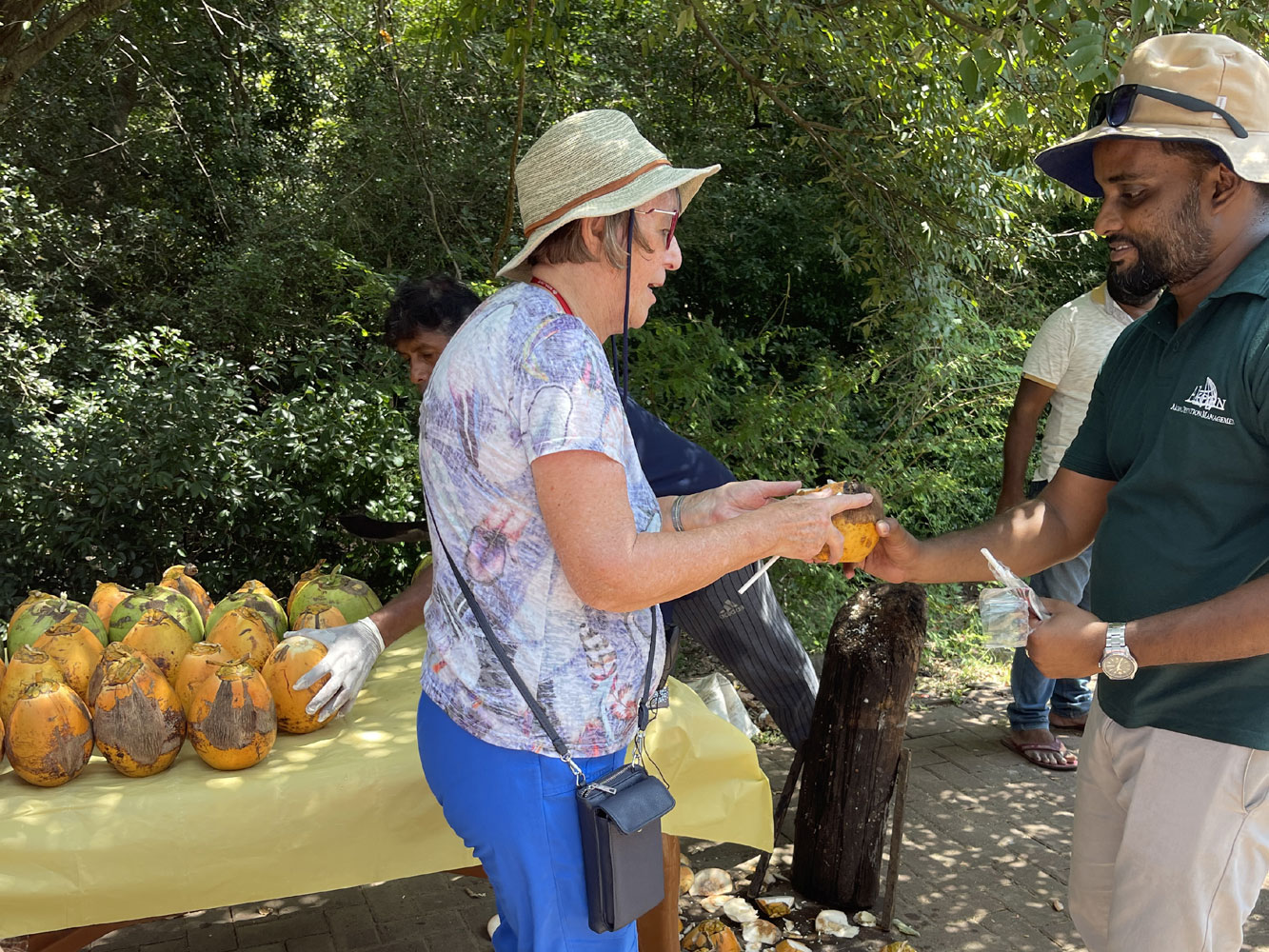
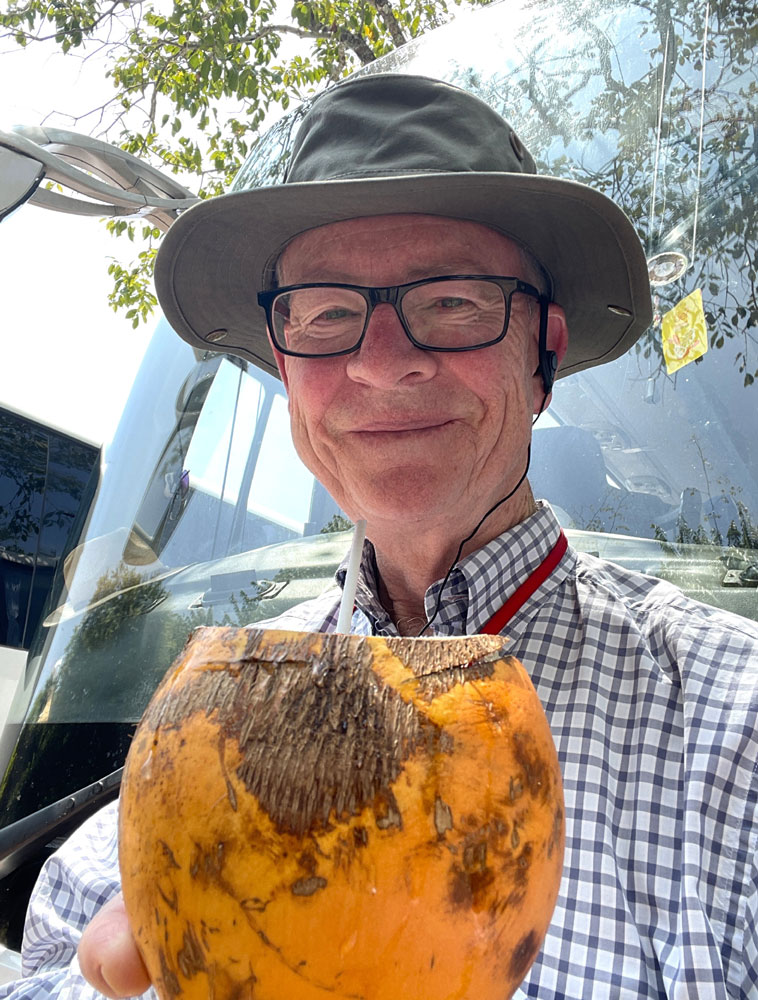
Before going on to the
next location, we were treated to a refreshing fresh coconut
drink. It was perfect in the hot weather. |
|
|
| |
|
| |
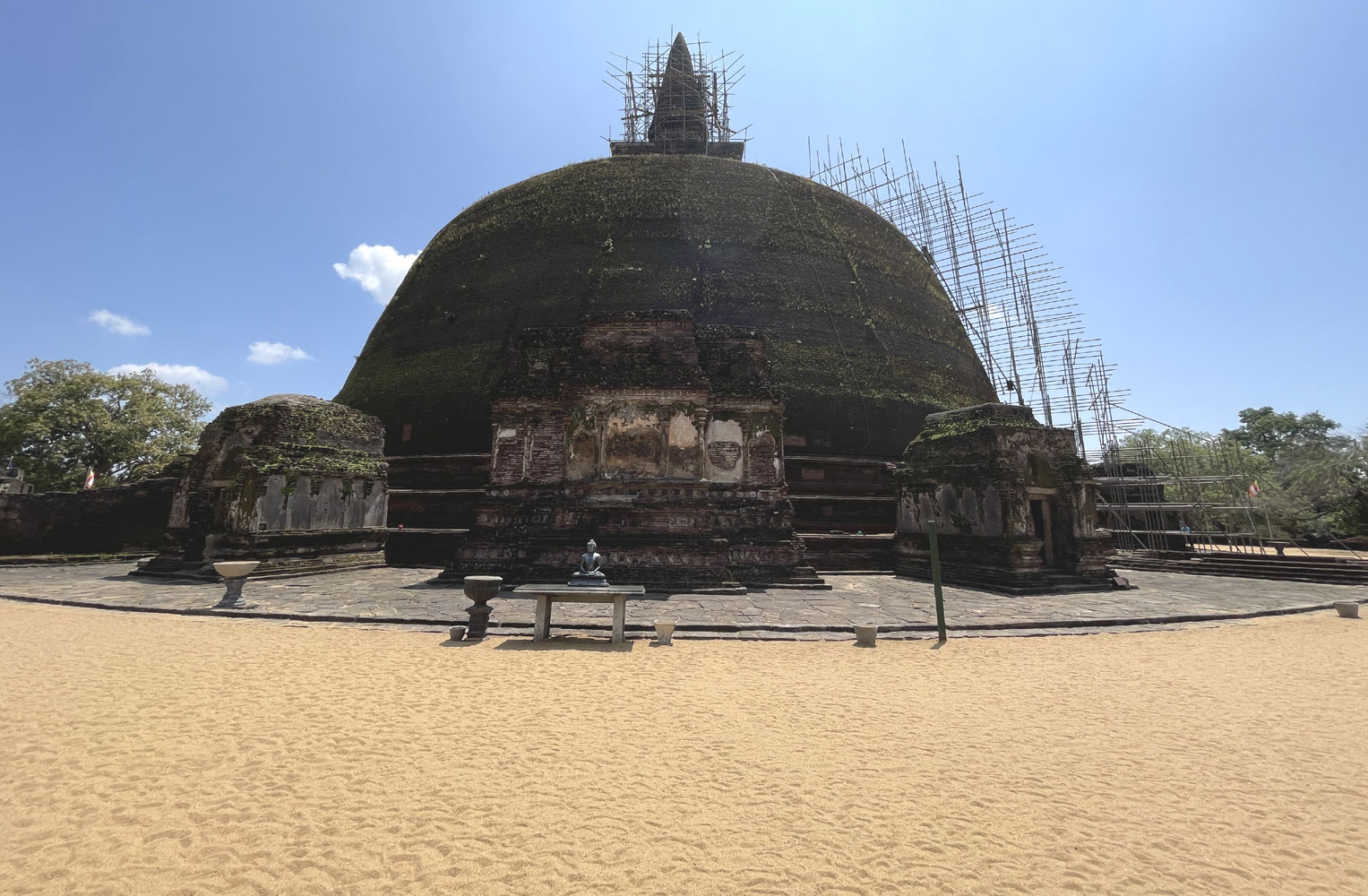
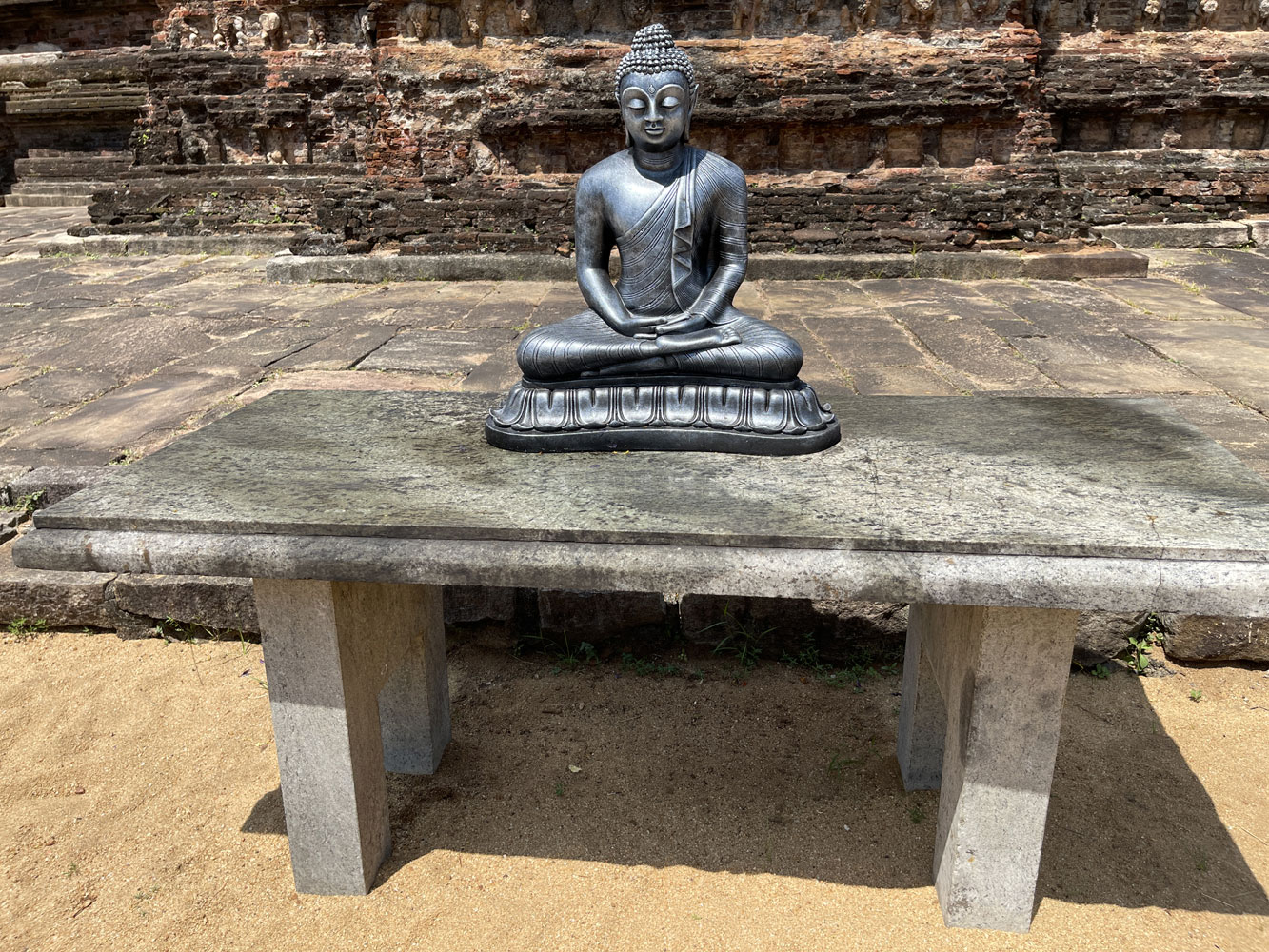
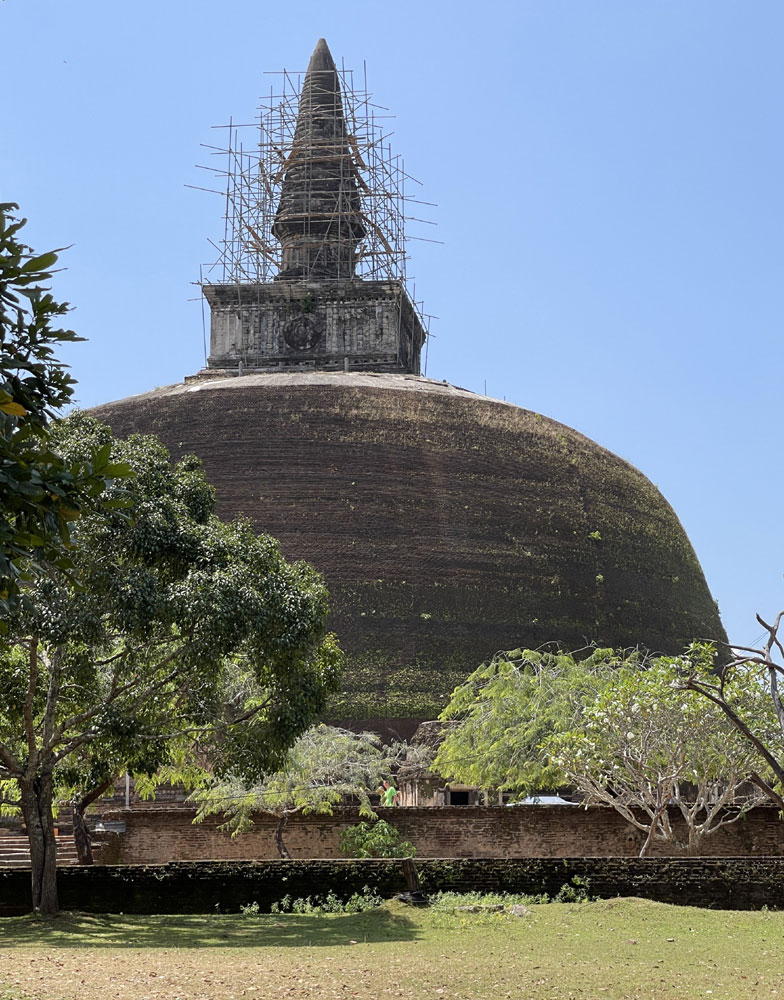
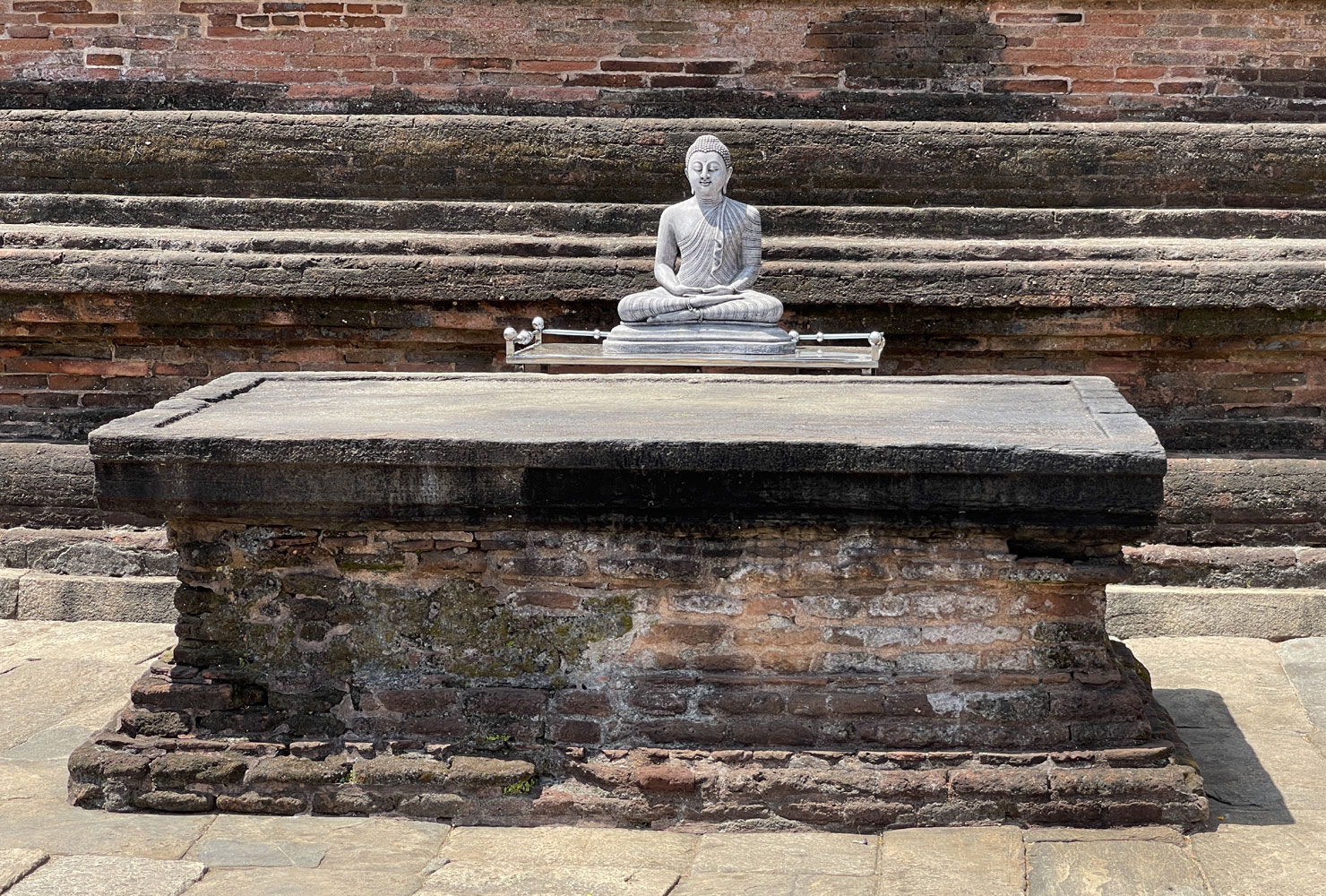
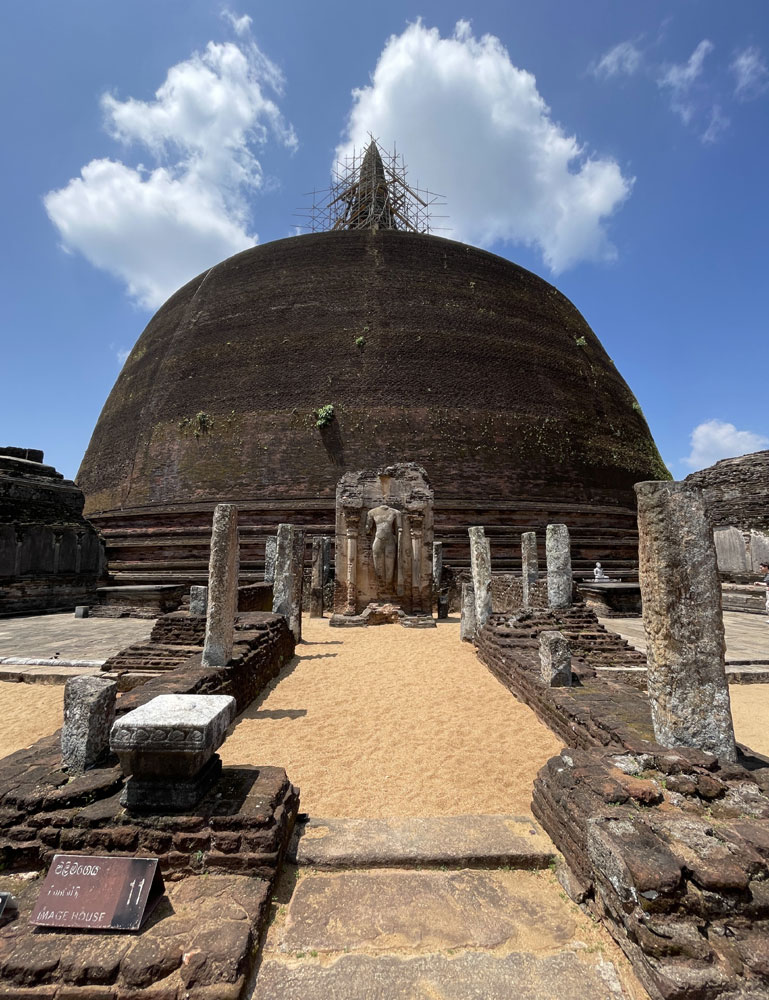
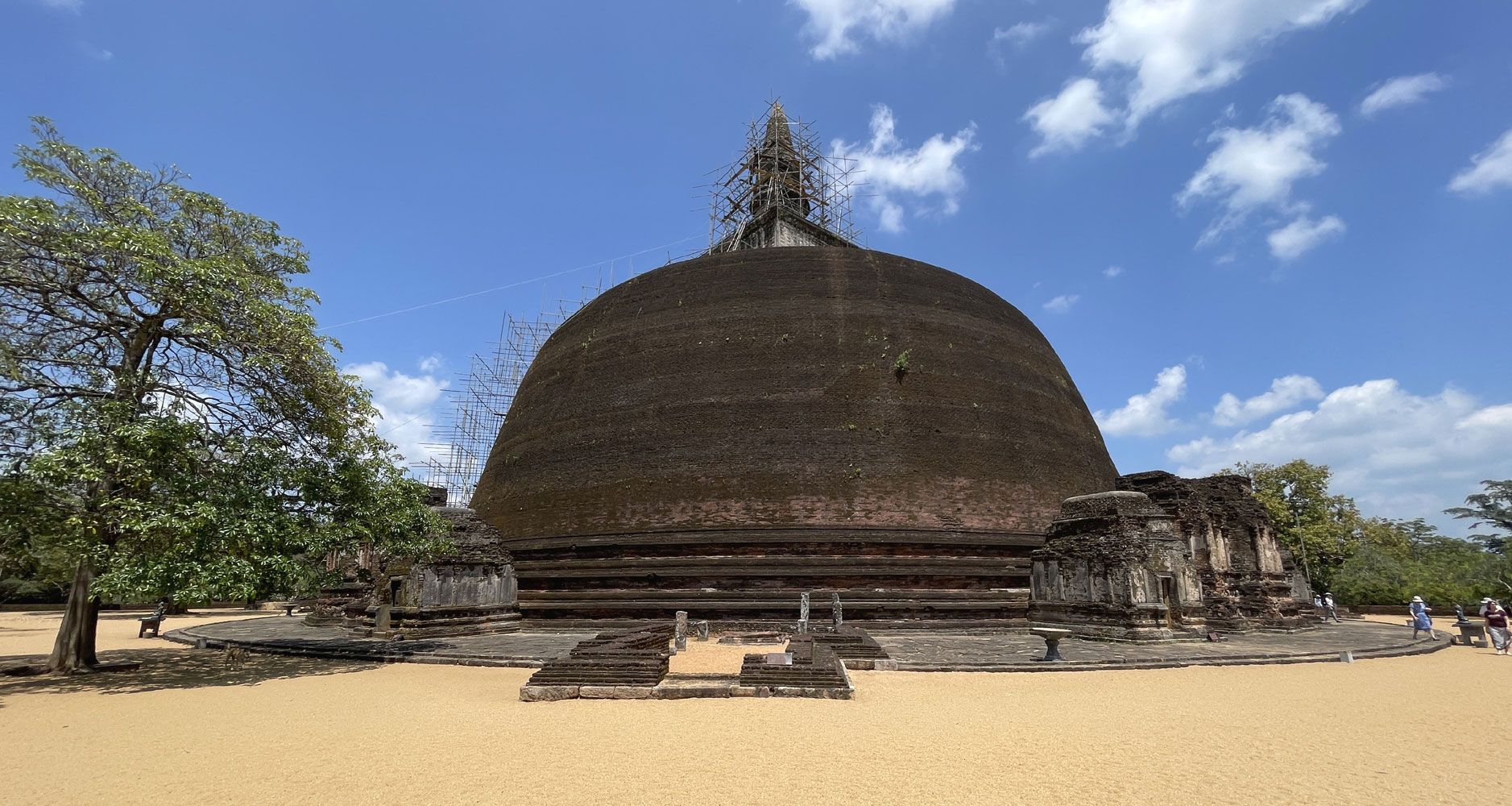
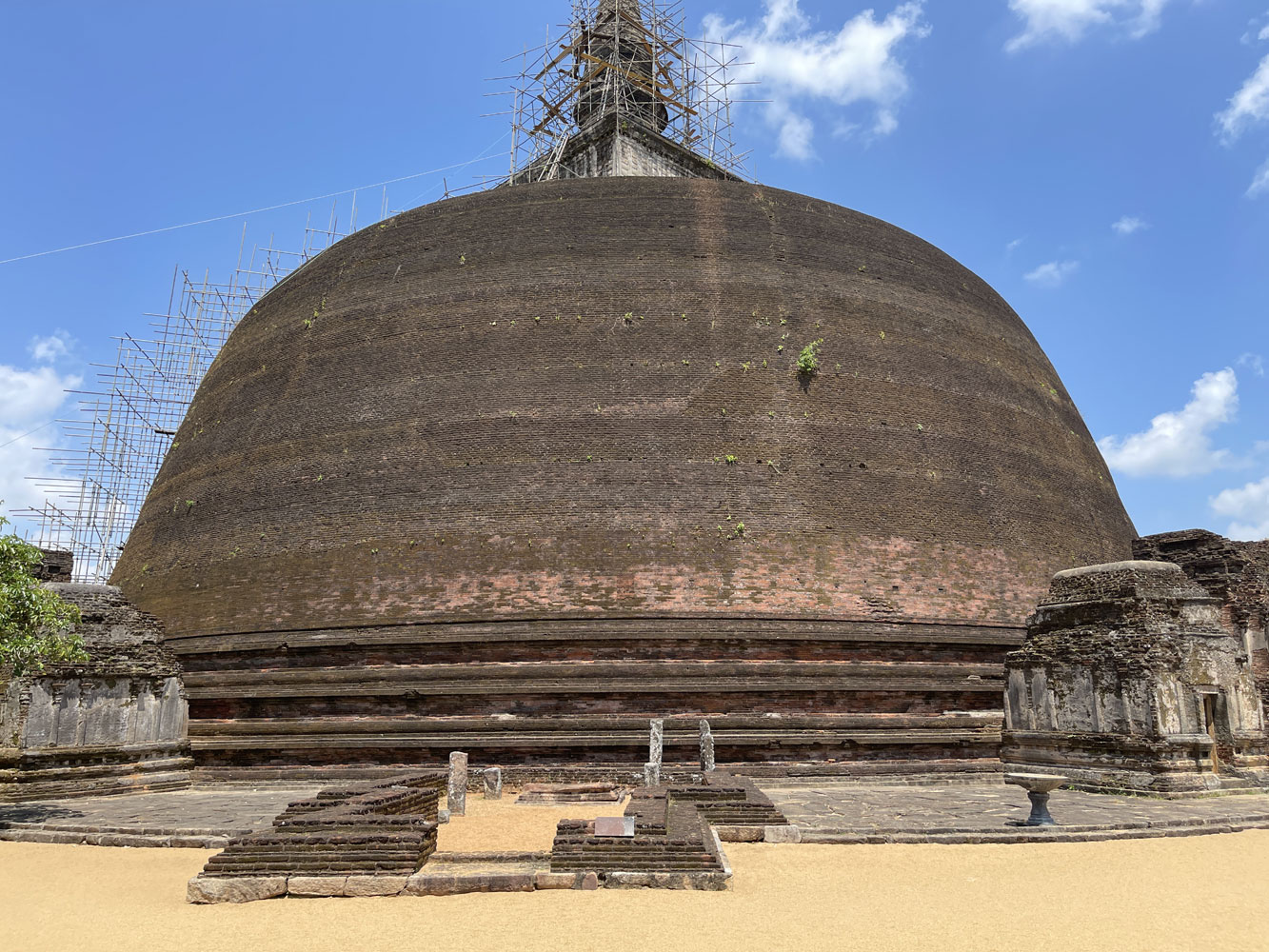
Rankoth
Vehera - In Sinhalese, "ran" means gold, "kotha"
is the name given to the pinnacle of a stupa, and "vehera"
means stupa or temple. Thus, the name Rankoth Vehera can
be roughly translated to English as "Gold Pinnacled
Stupa". |
|
|
| |
|
| |
|
| |
|
| |
|
| |
|
| |
|
| |
|
| |
|
|
| |
|
| |
|
| |
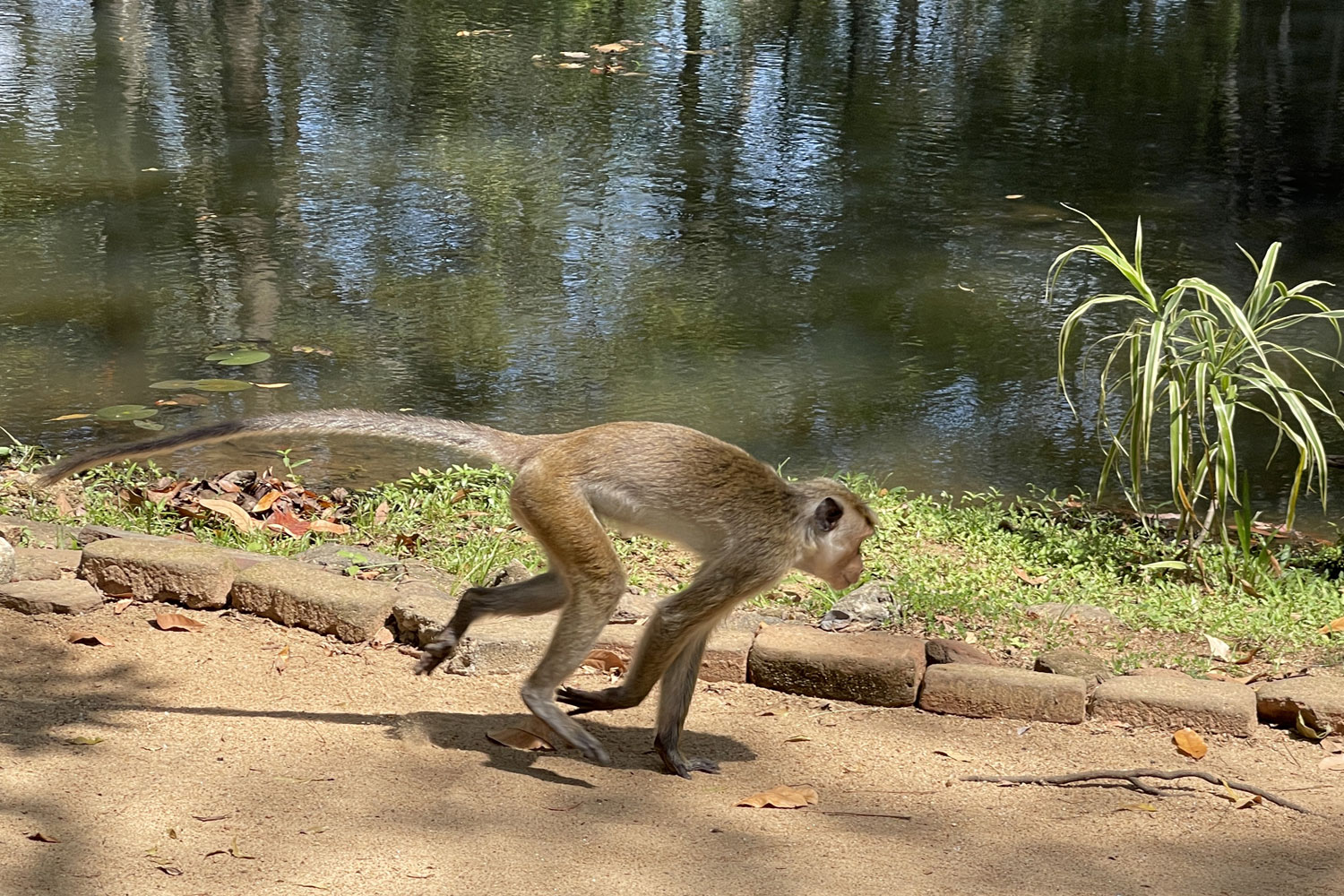
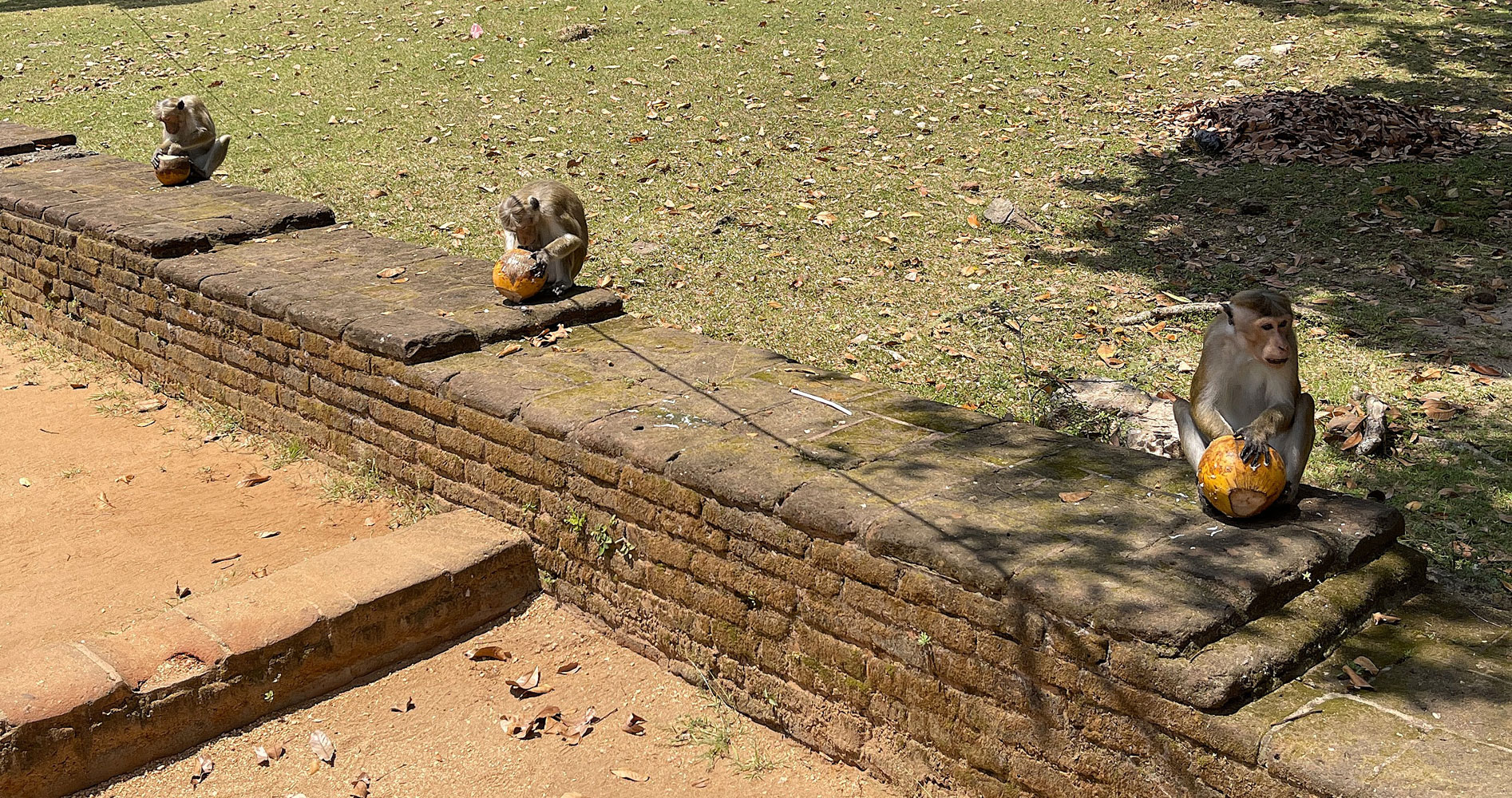
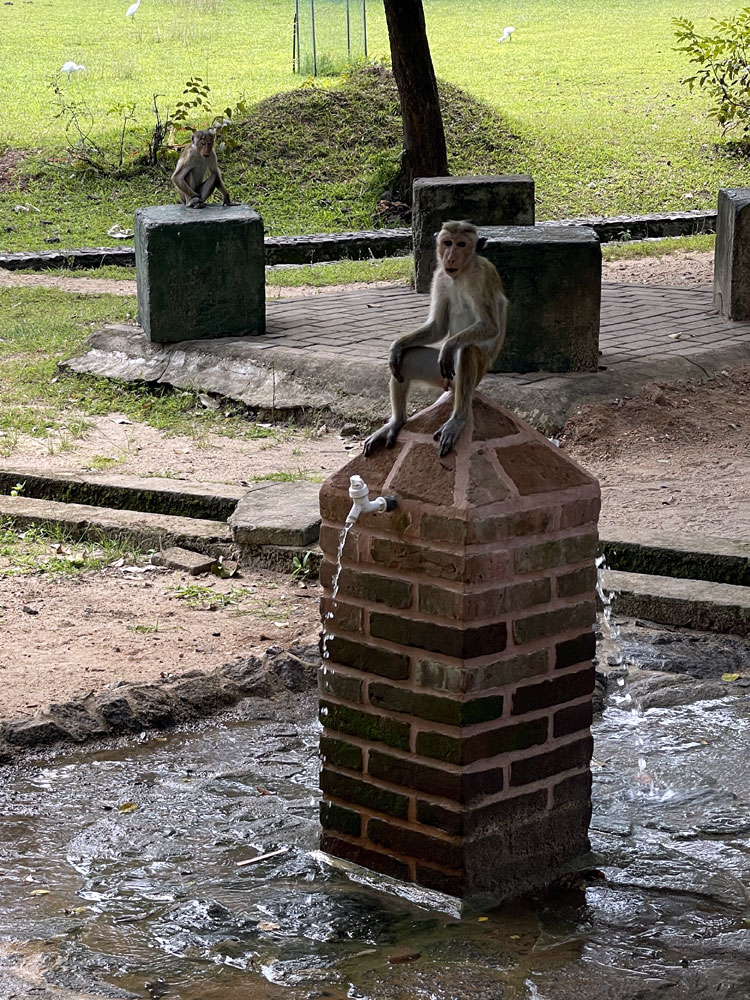
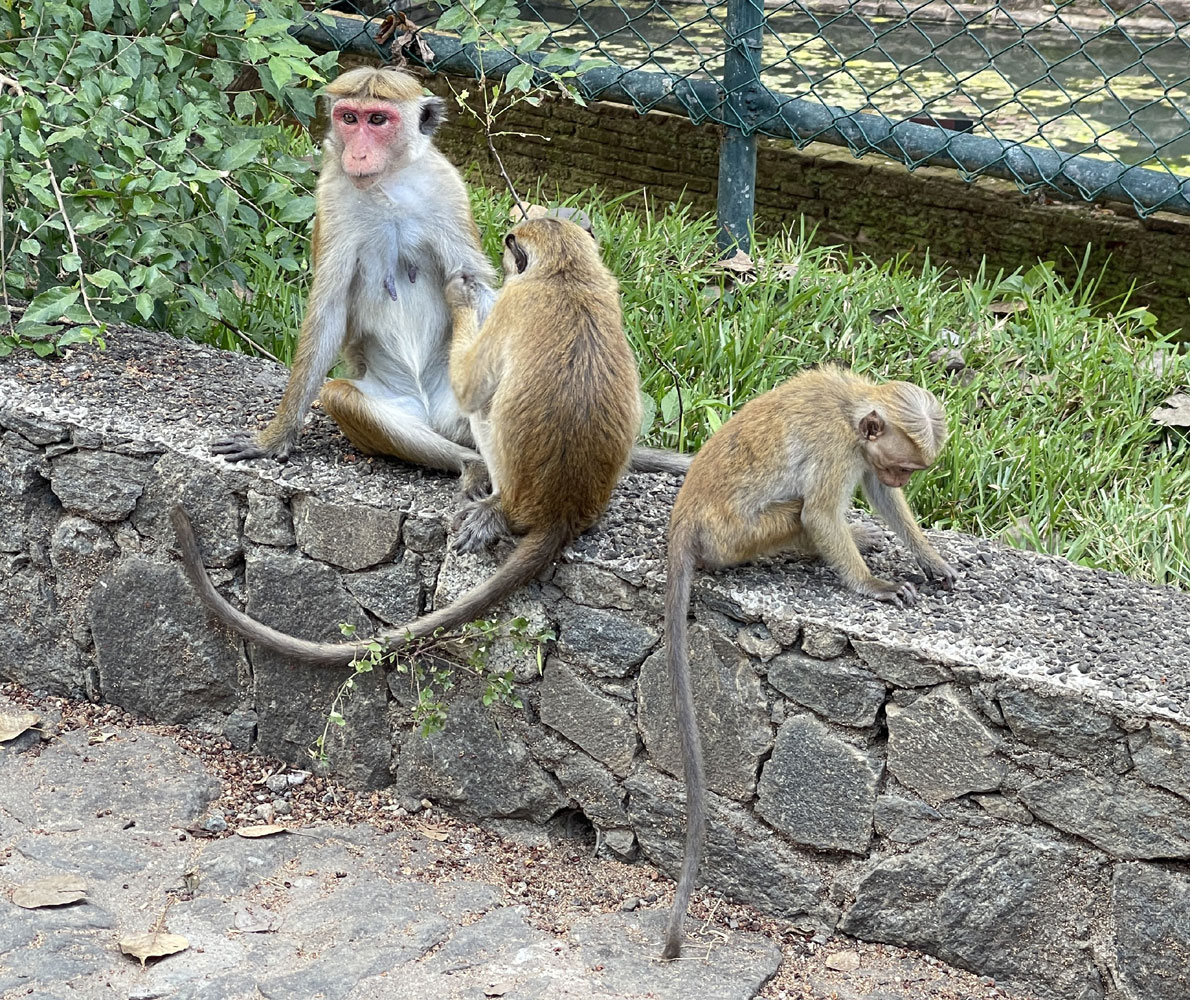
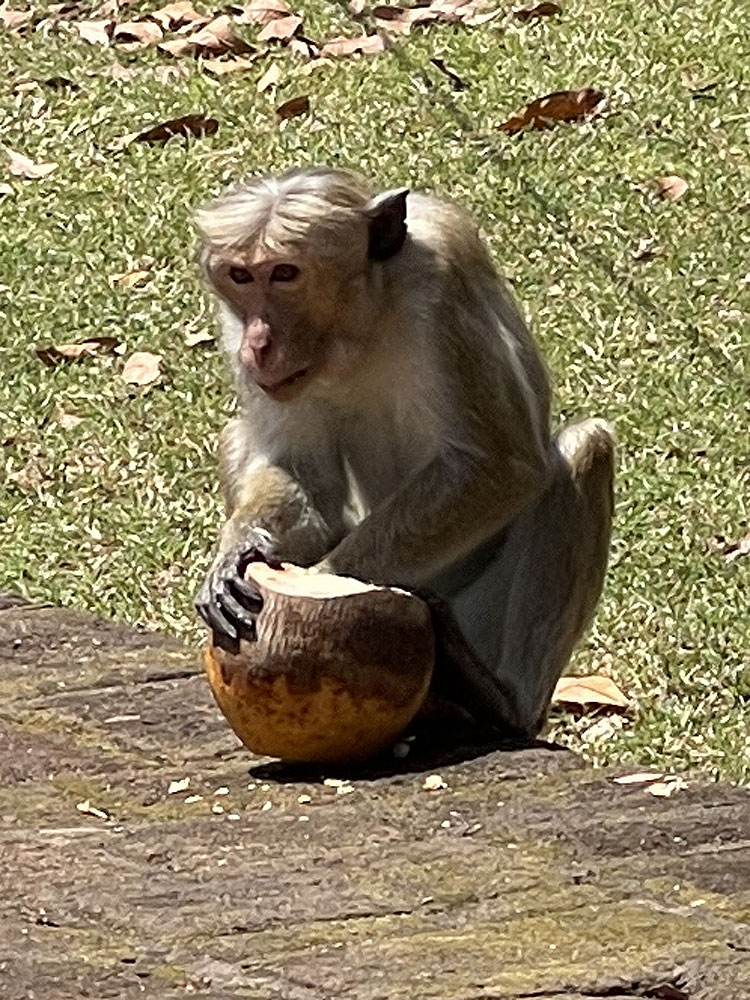
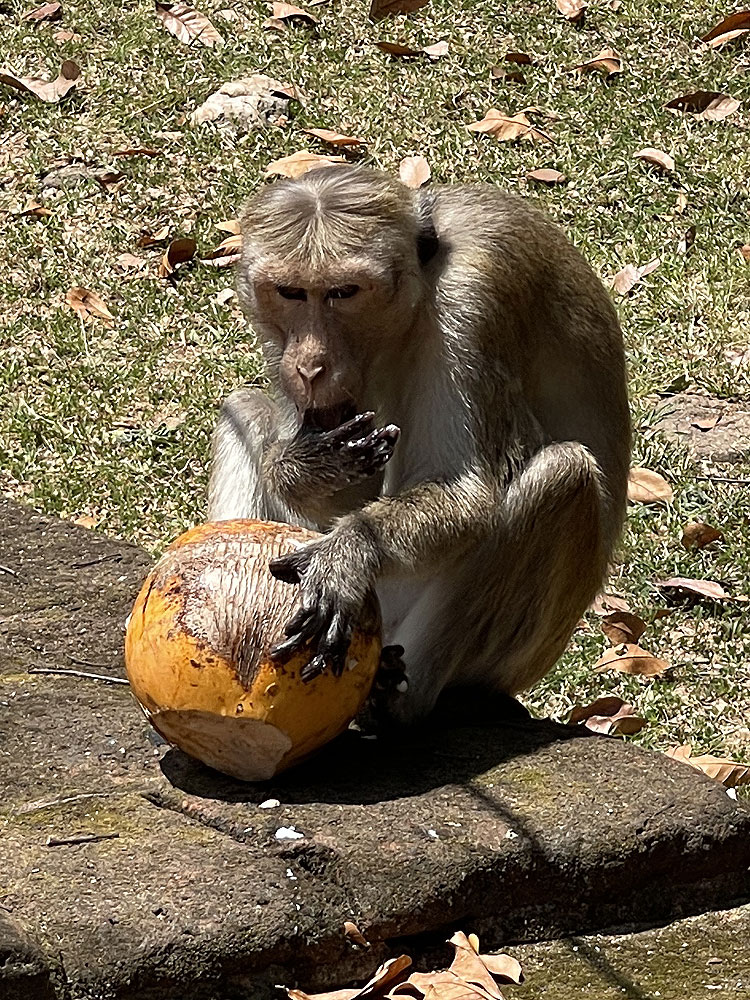
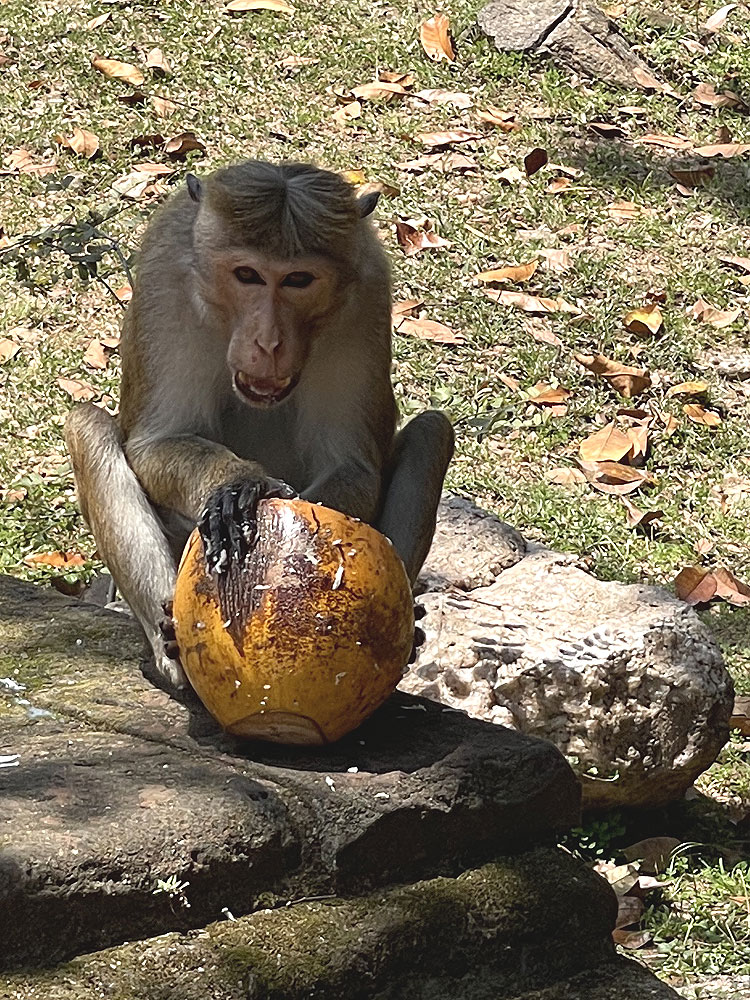
The monkeys kept us
amused as they made short work of the coconuts that had
been discarded. One of the men in our group put his coconut
down to take a photo and it was snatched within seconds! |
|
|
| |
|
| |
|
| |
|
| |
|
| |
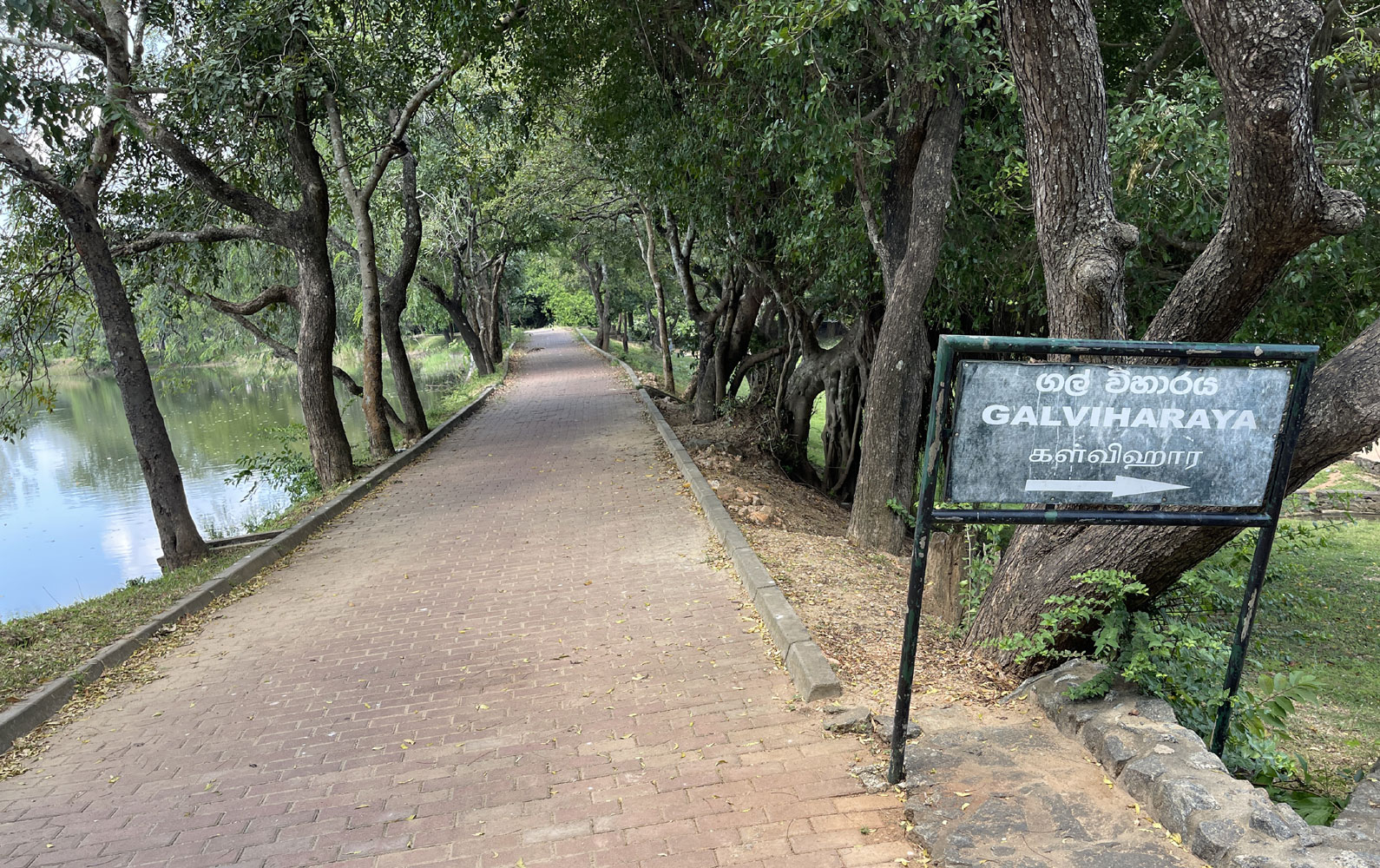
A short, scenic walk
led us to the last location that we would be visiting today. |
|
|
| |
|
| |
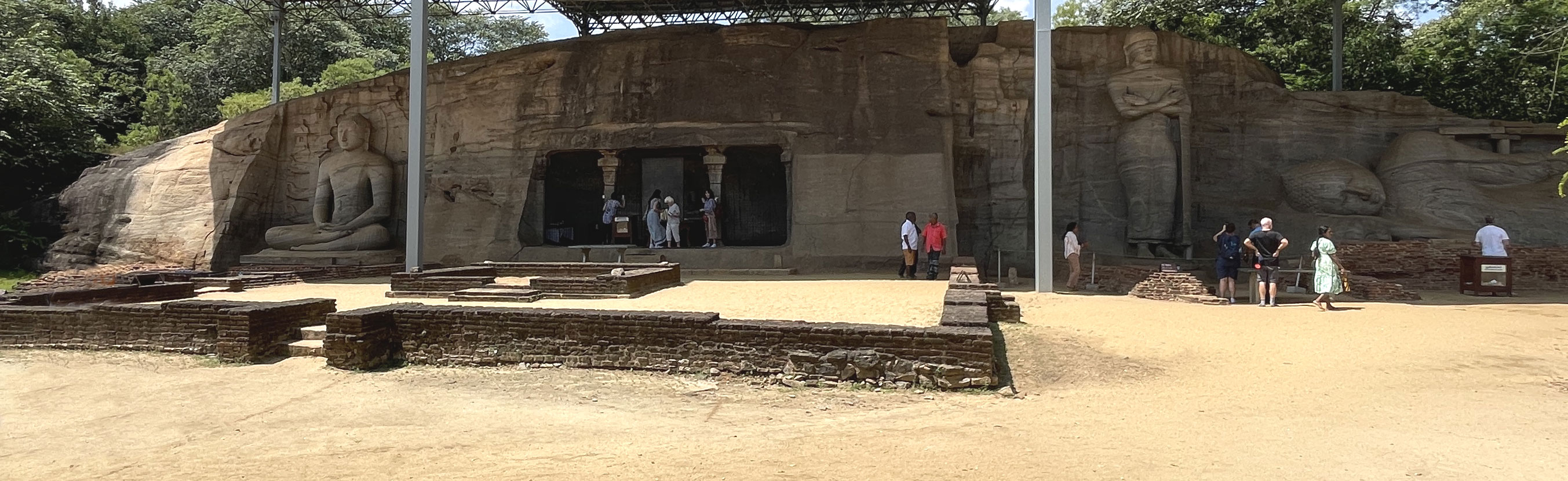
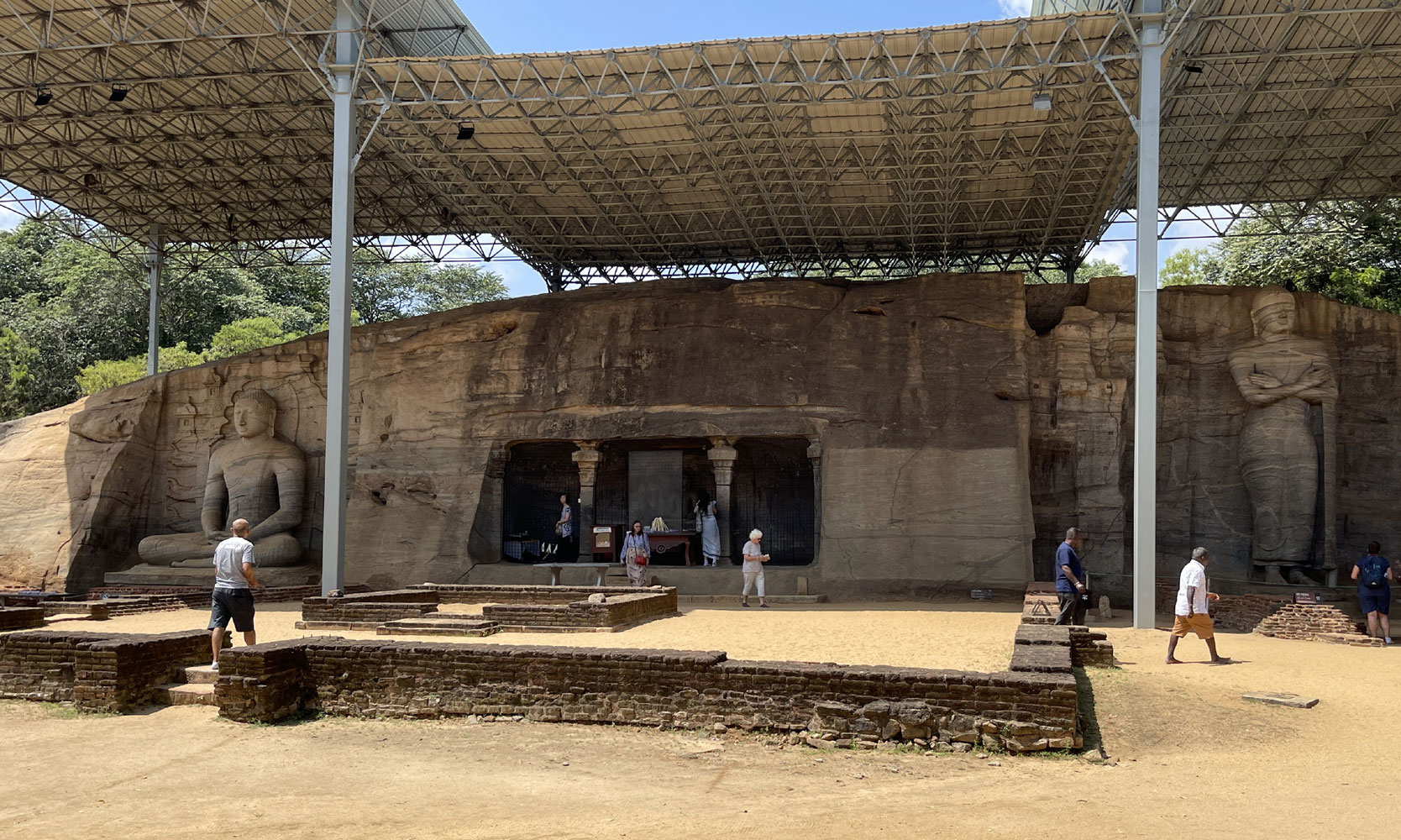
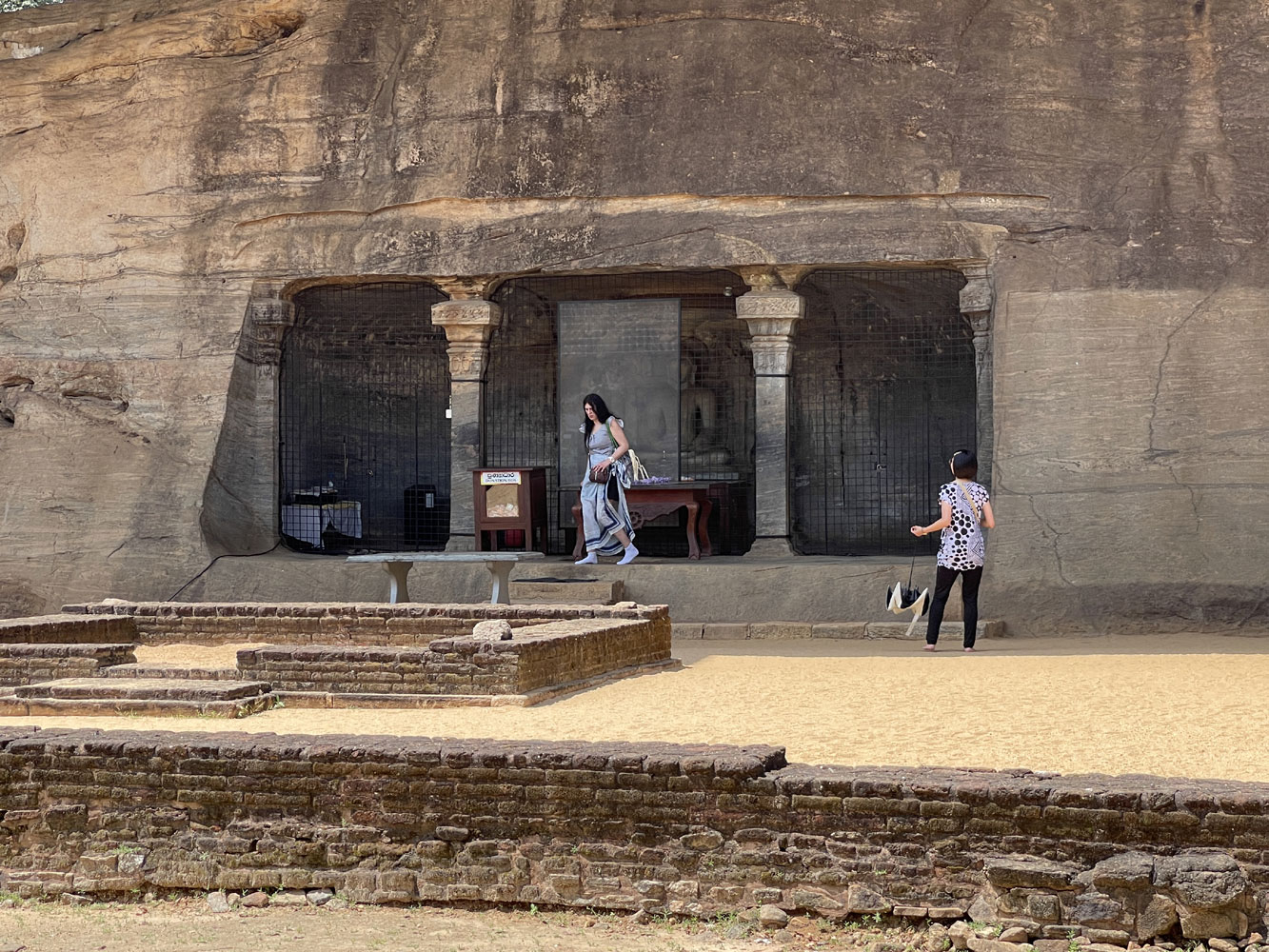
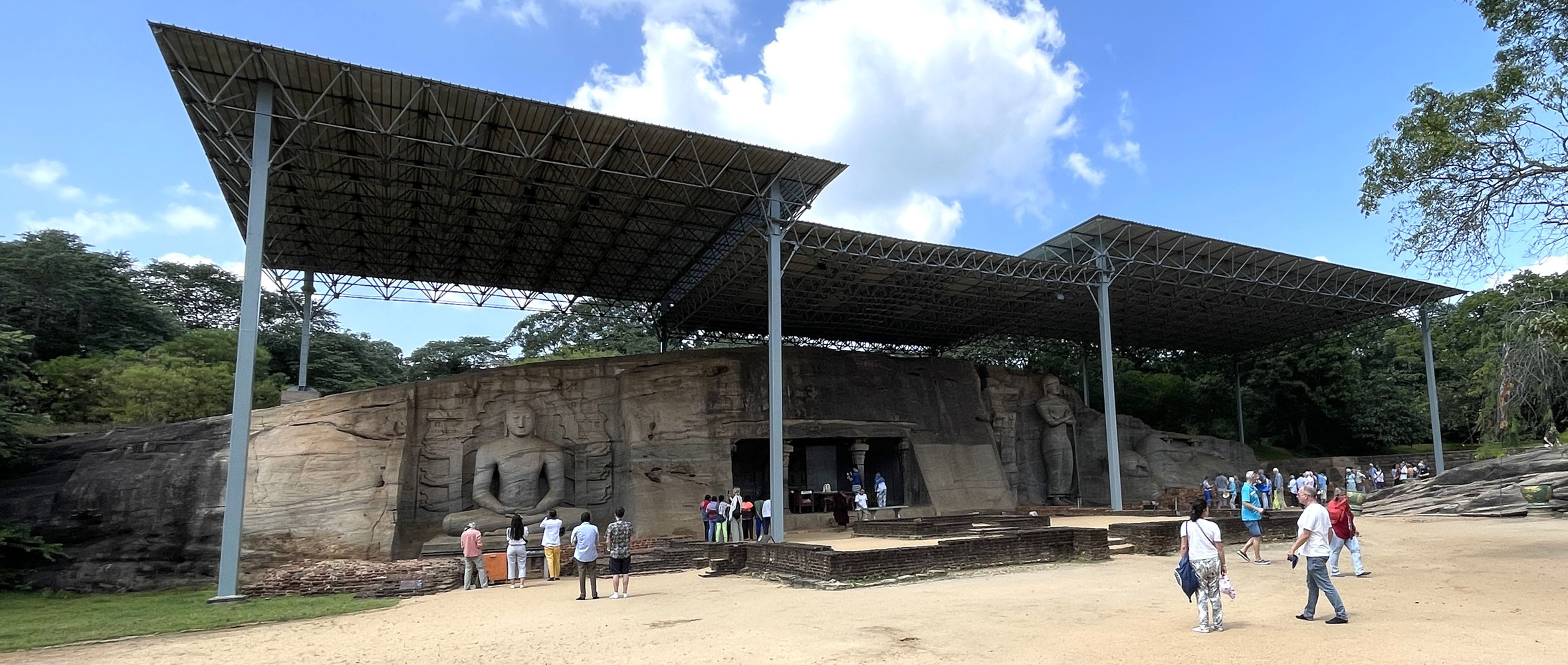
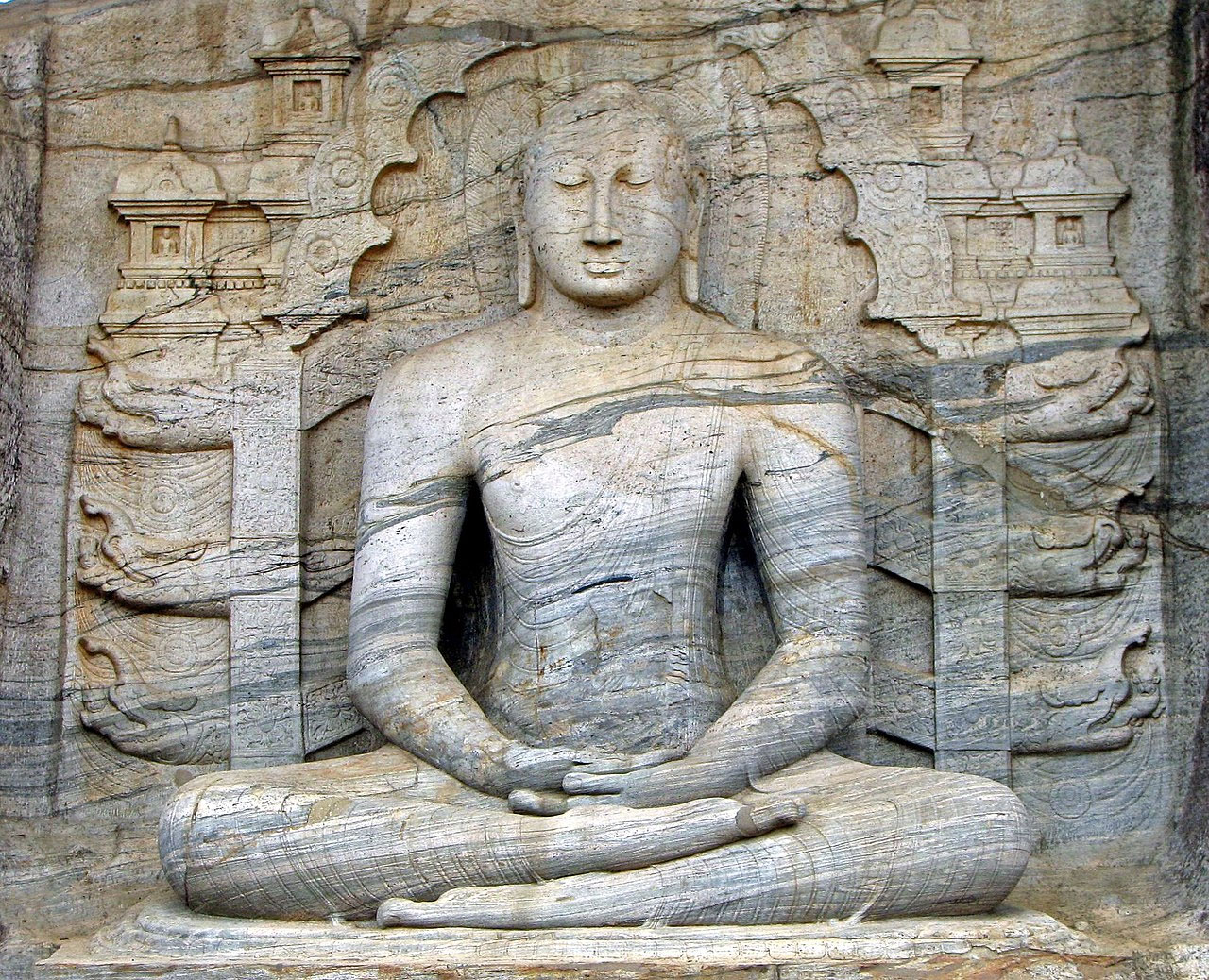
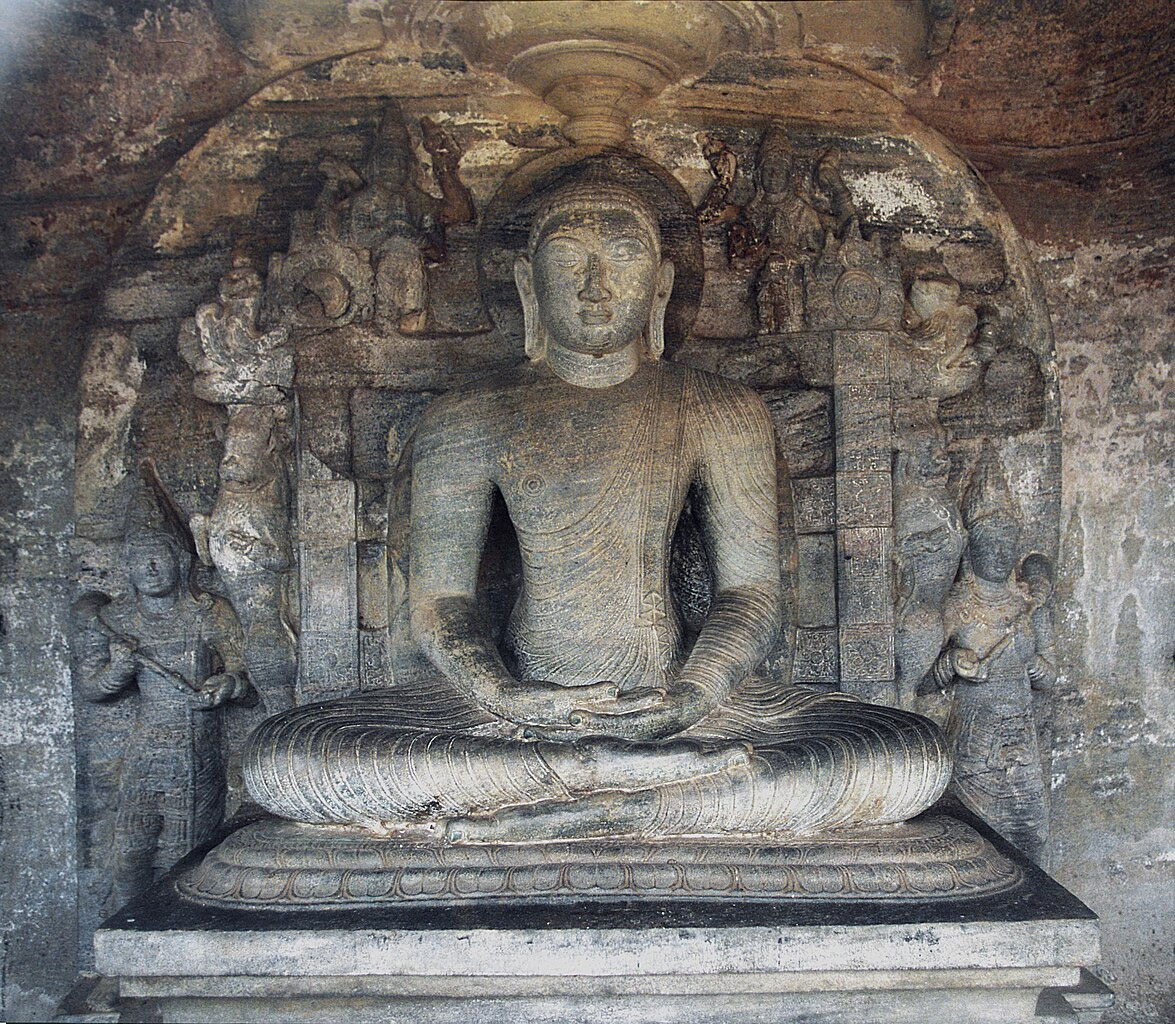
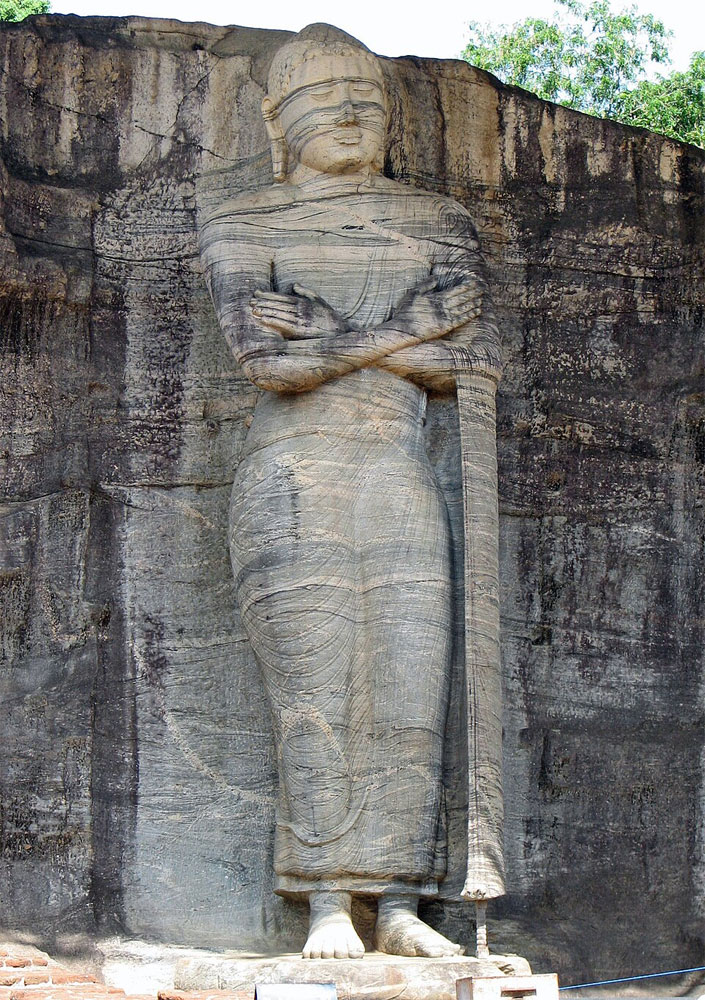
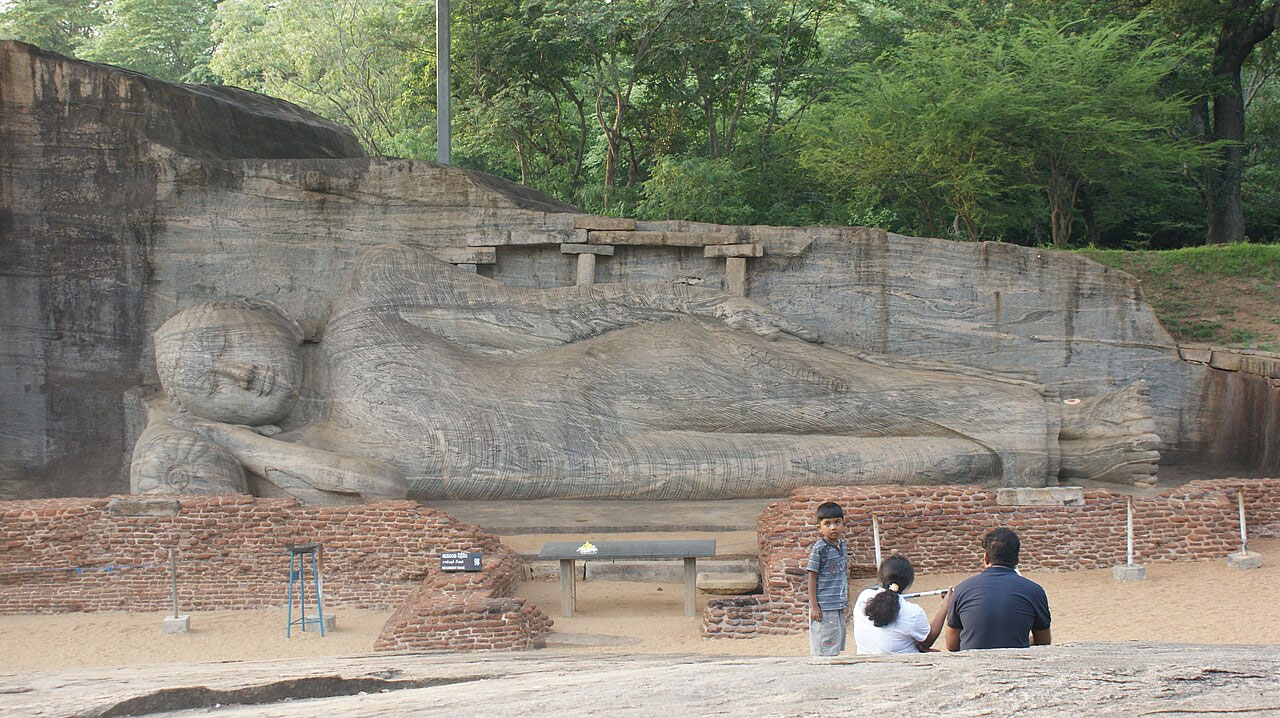
The Gal
Vihar (translation: rock monastery) is a rock temple
of the Buddha. It features four images of the Buddha that
have been carved out of a single granite rock face and is
considered to be among the best examples of the rock carving
and sculpting arts of the ancient Sinhalese. |
|
|
| |
|
| |
|
| |
|
| |
The four images from
left to right are as follows:- |
|
|
| |
|
| |
|
| |
|
| |
|
|
| |
|
| |
|
| |
|
| |
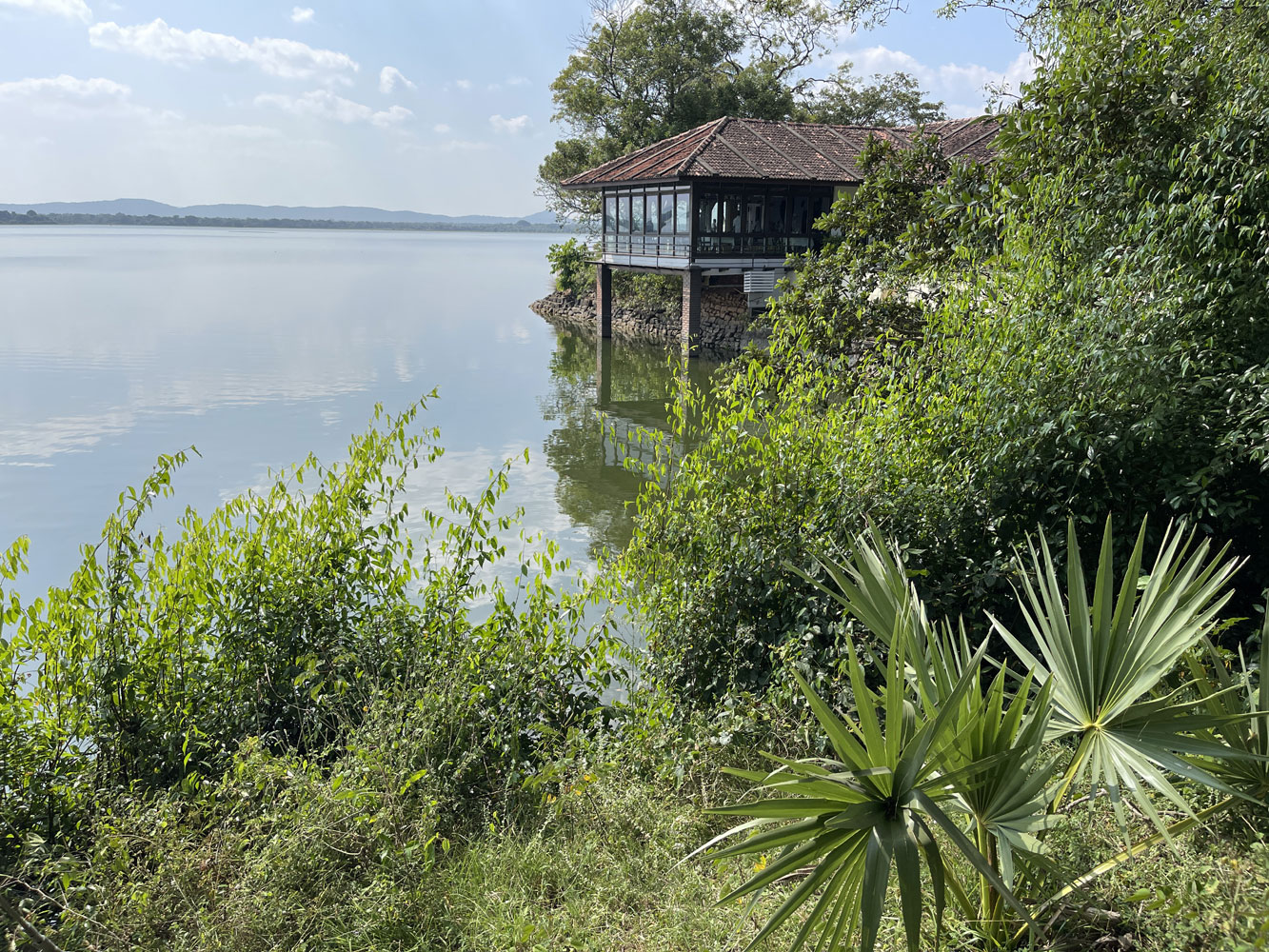
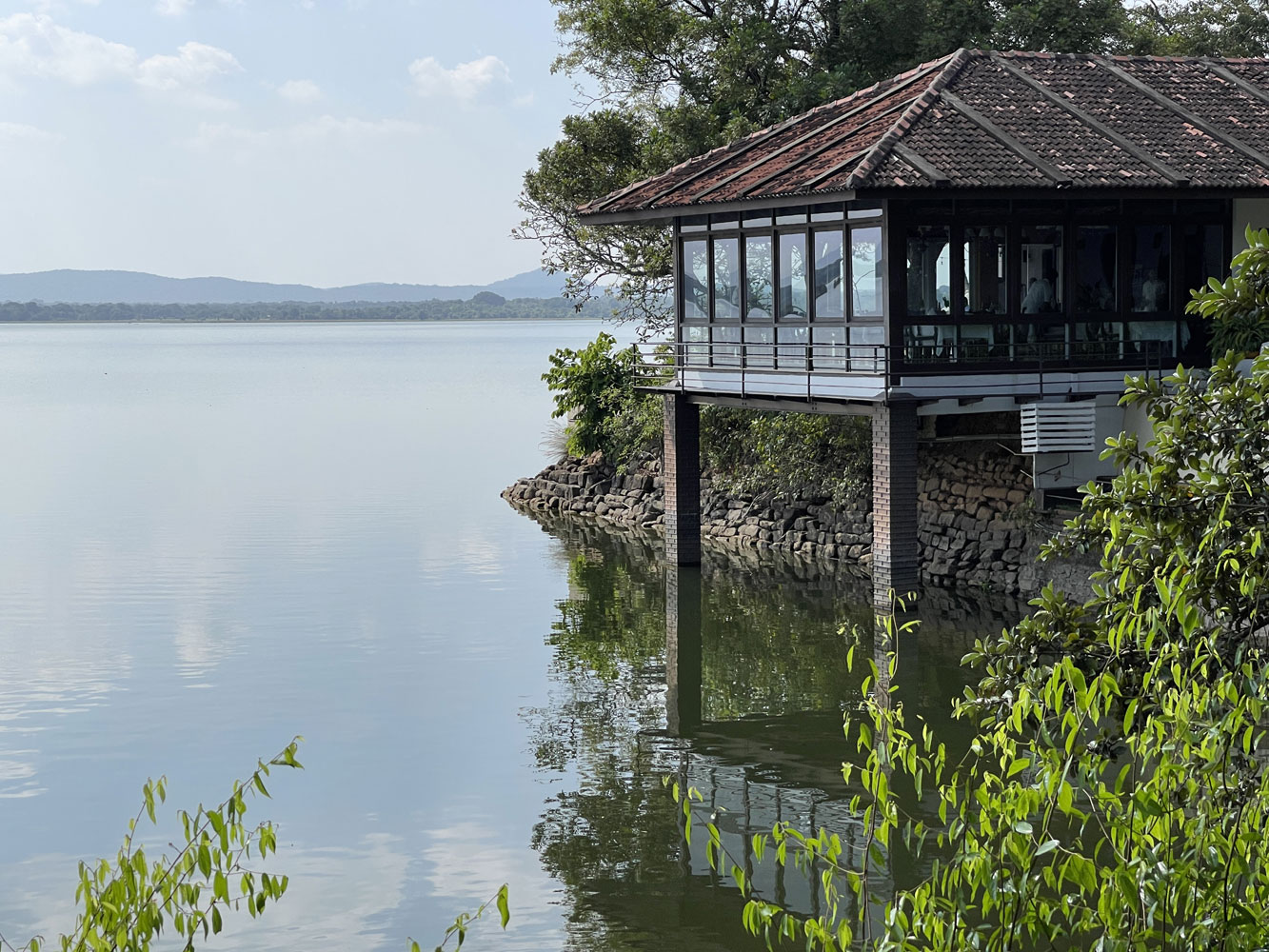
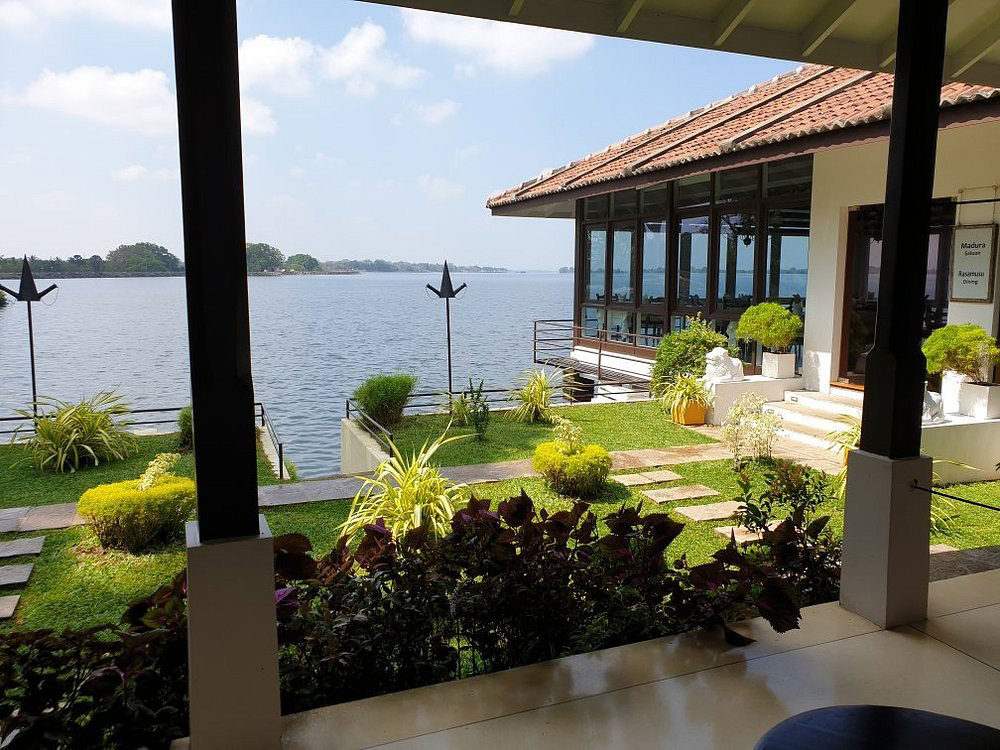
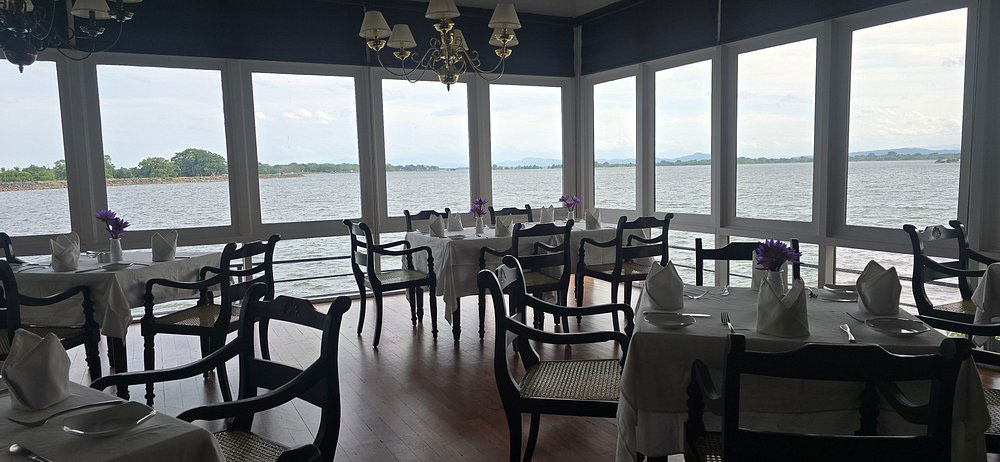
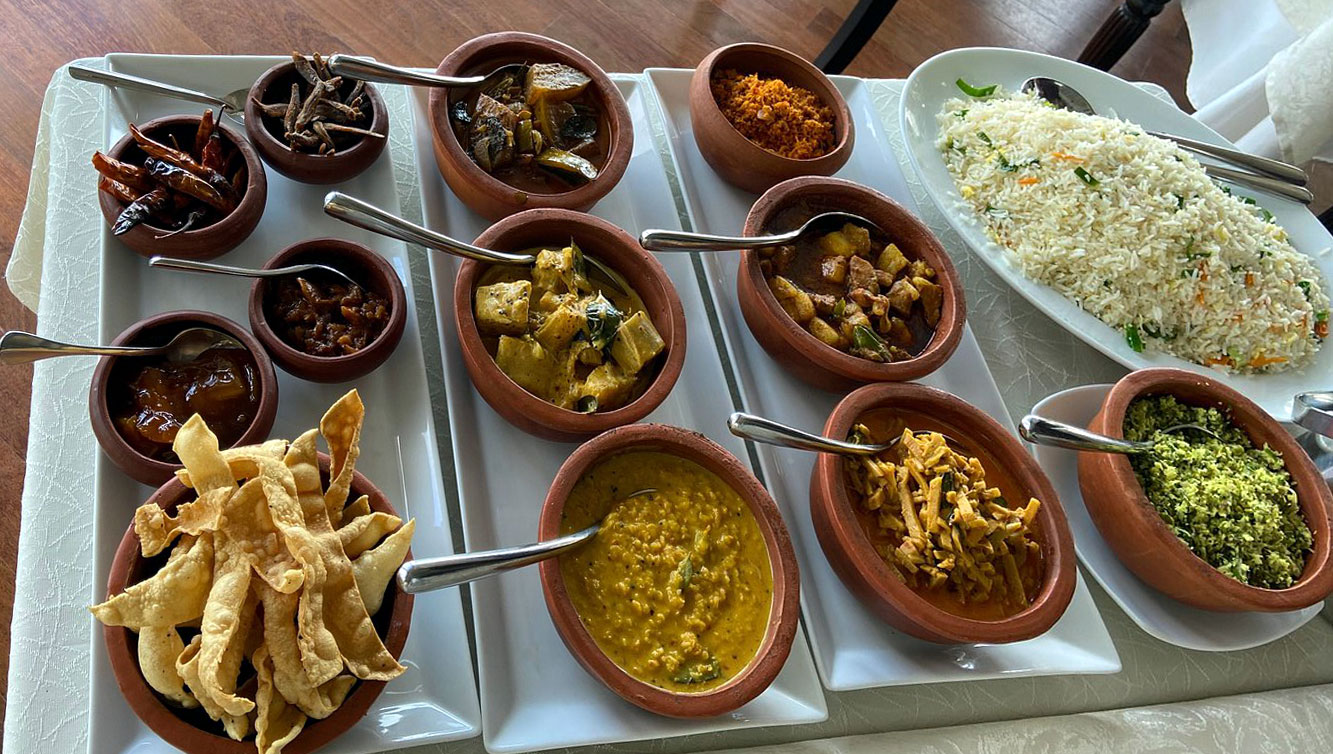
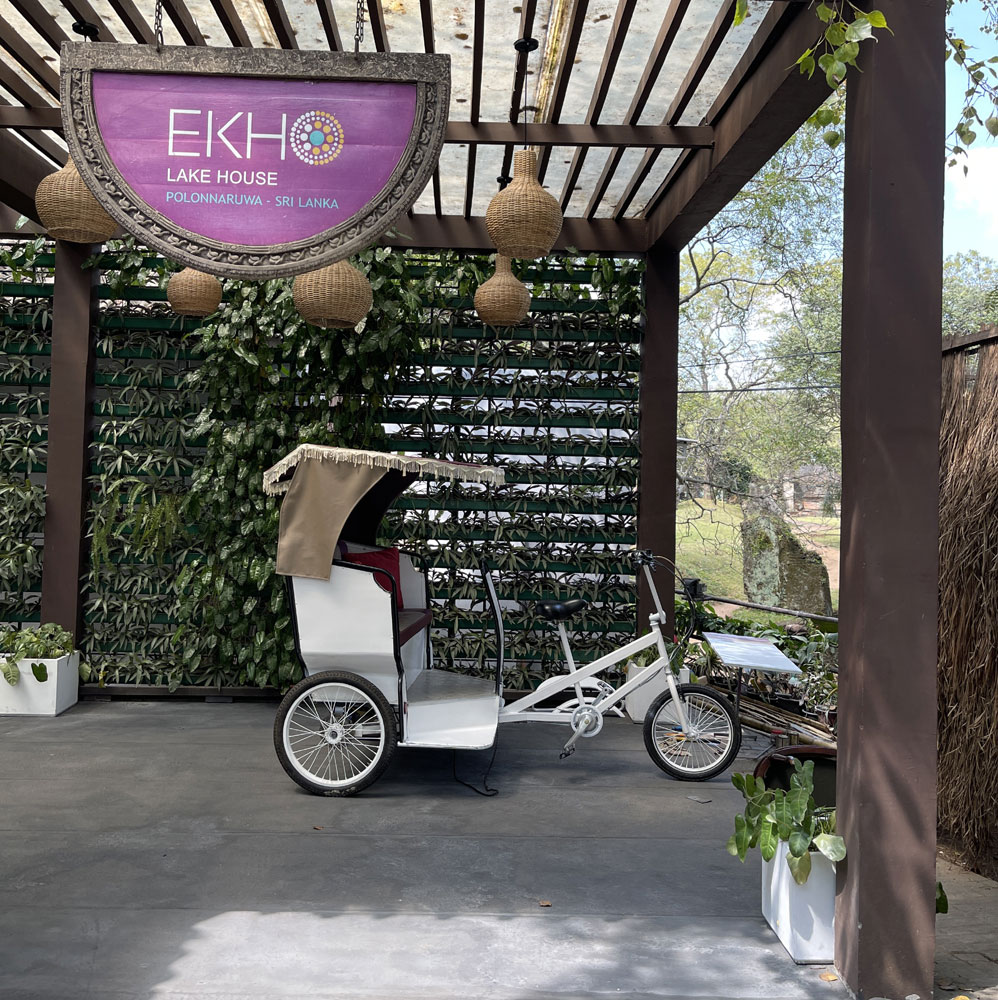
The setting was perfect
and the buffet lunch was plentiful and delicous! |
|
|
| |
|
| |
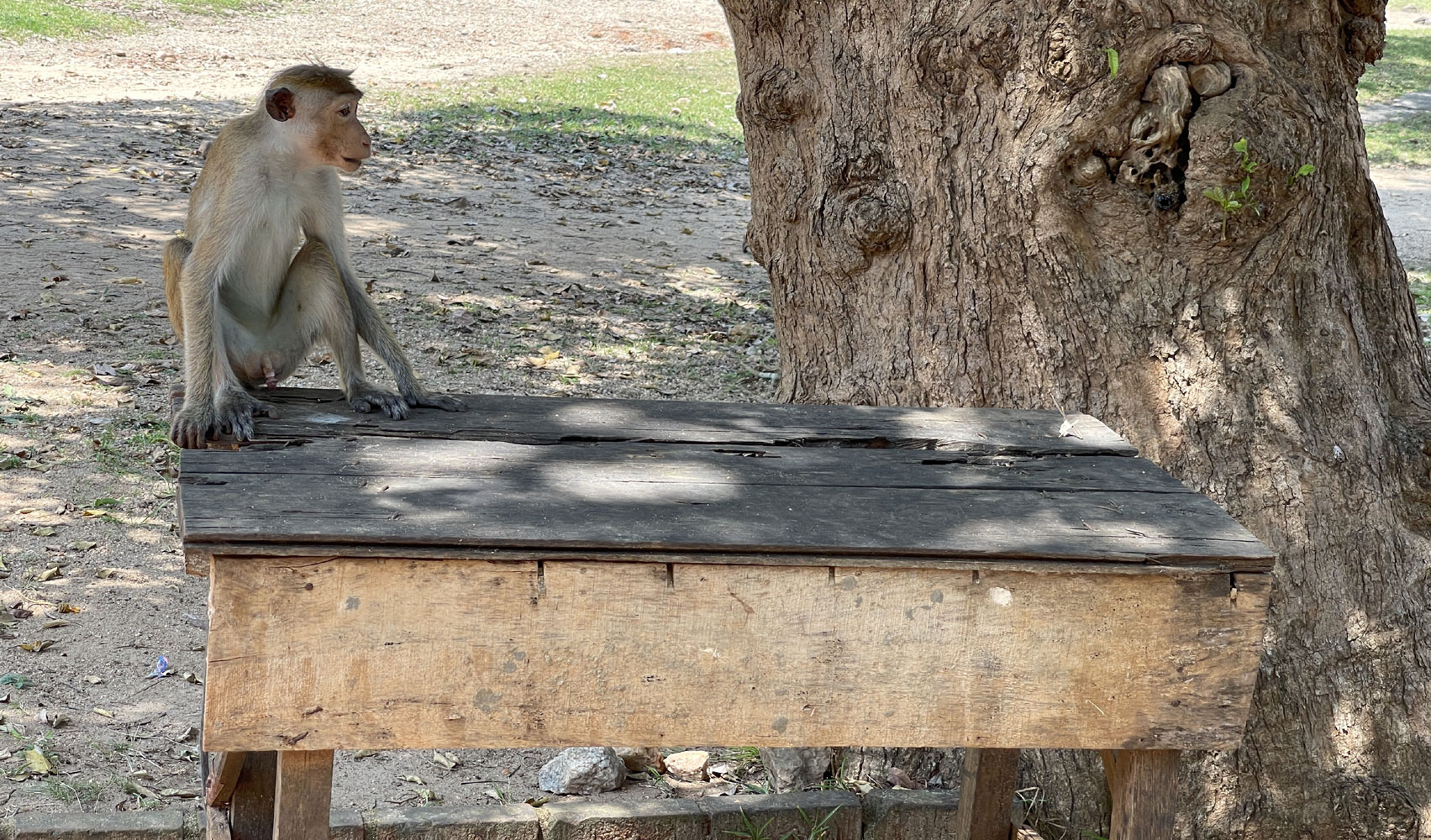
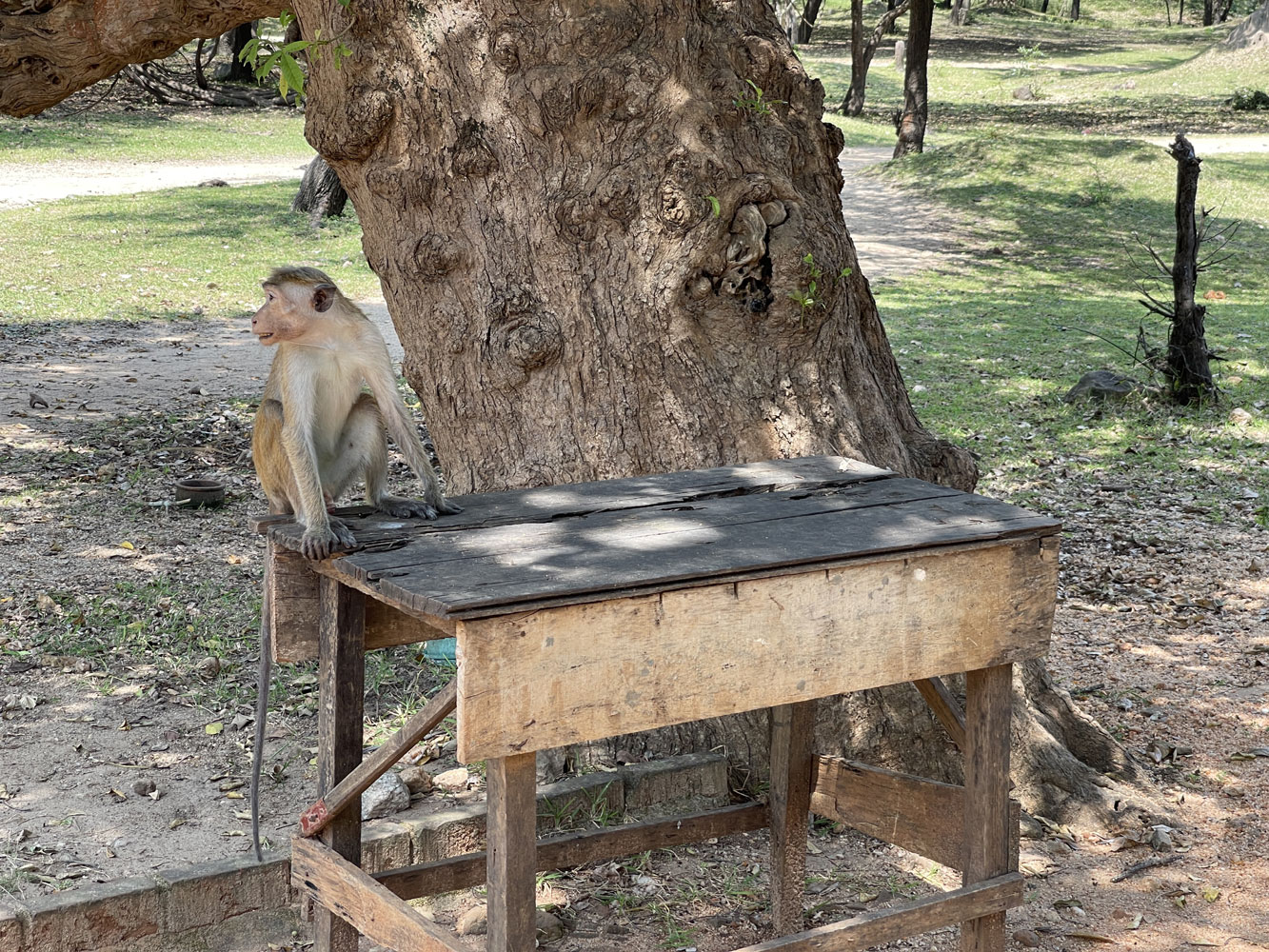
These comical creatures
were everywhere! |
|
|
| |
|
| |
After a leisurely lunch,
it was time to return to the coach for our two hour journey
back to the ship. |
|
|
| |
|
| |
|
| |
|
| |
|
| |
|
| |
|
| |
|
| |
|
| |
|
| |
|
| |
|
| |
|
| |
|
| |
|
| |
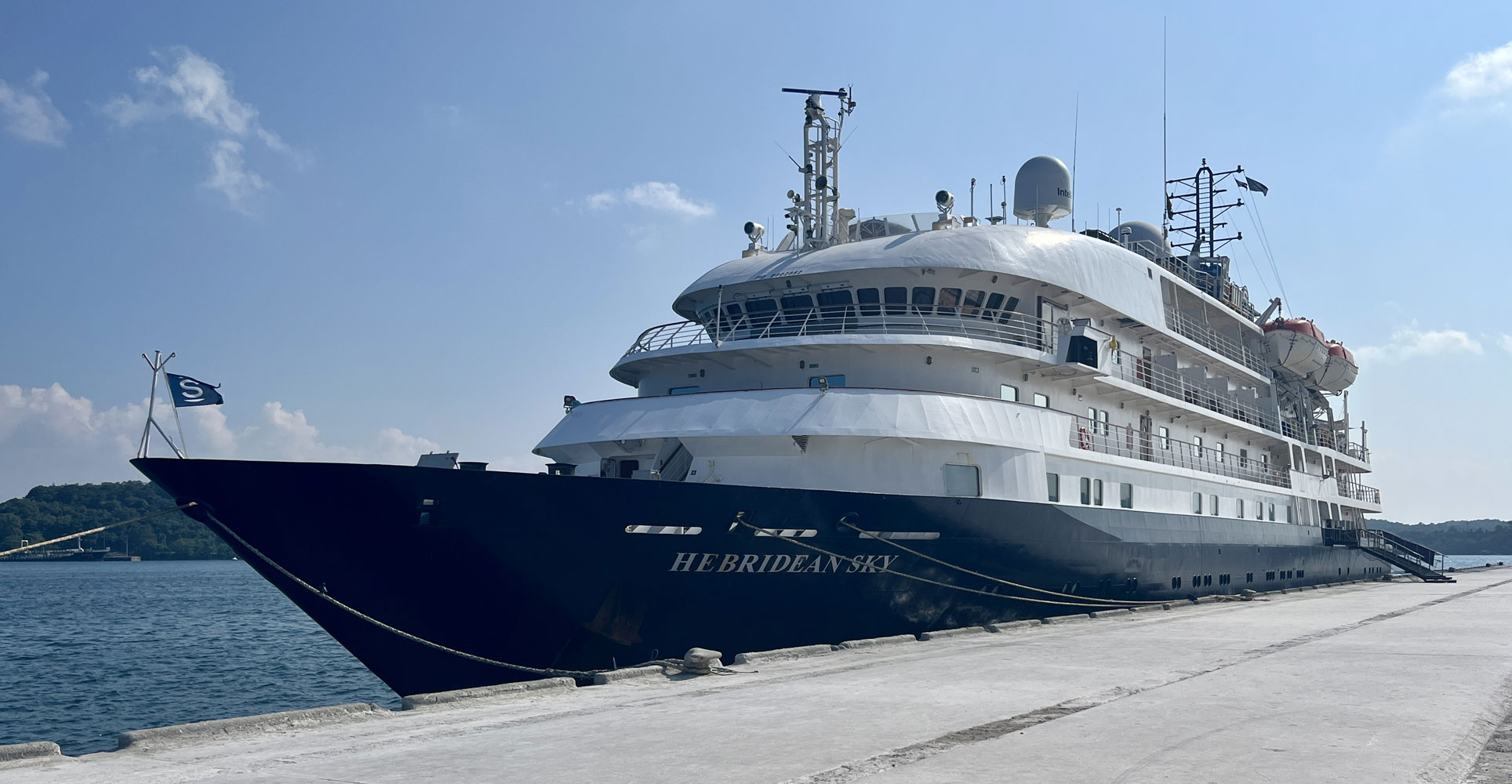
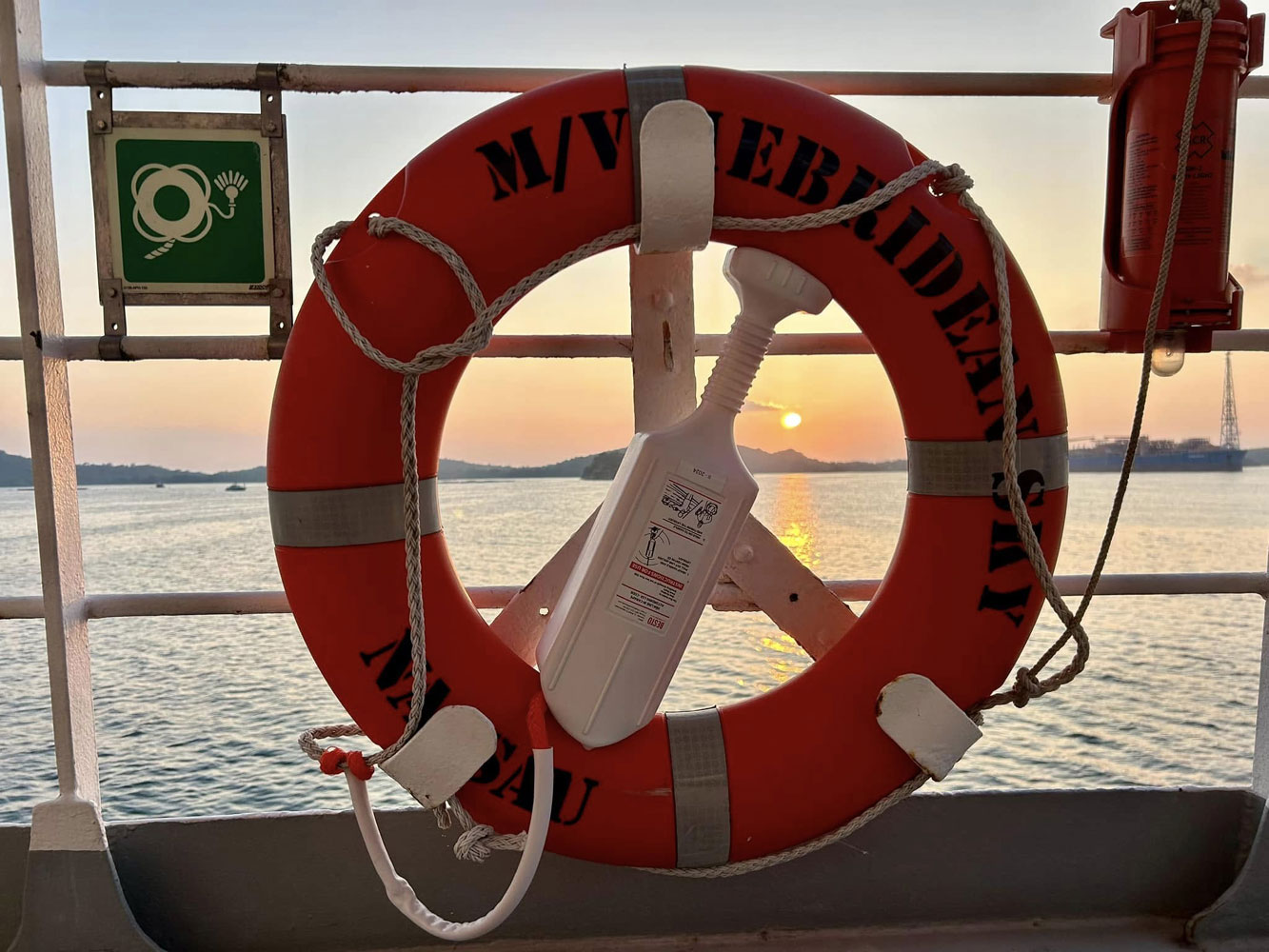
The sight of the Hebridean
Sky was very welcome in the late afternoon sunshine. |
|
|
| |
|
| |
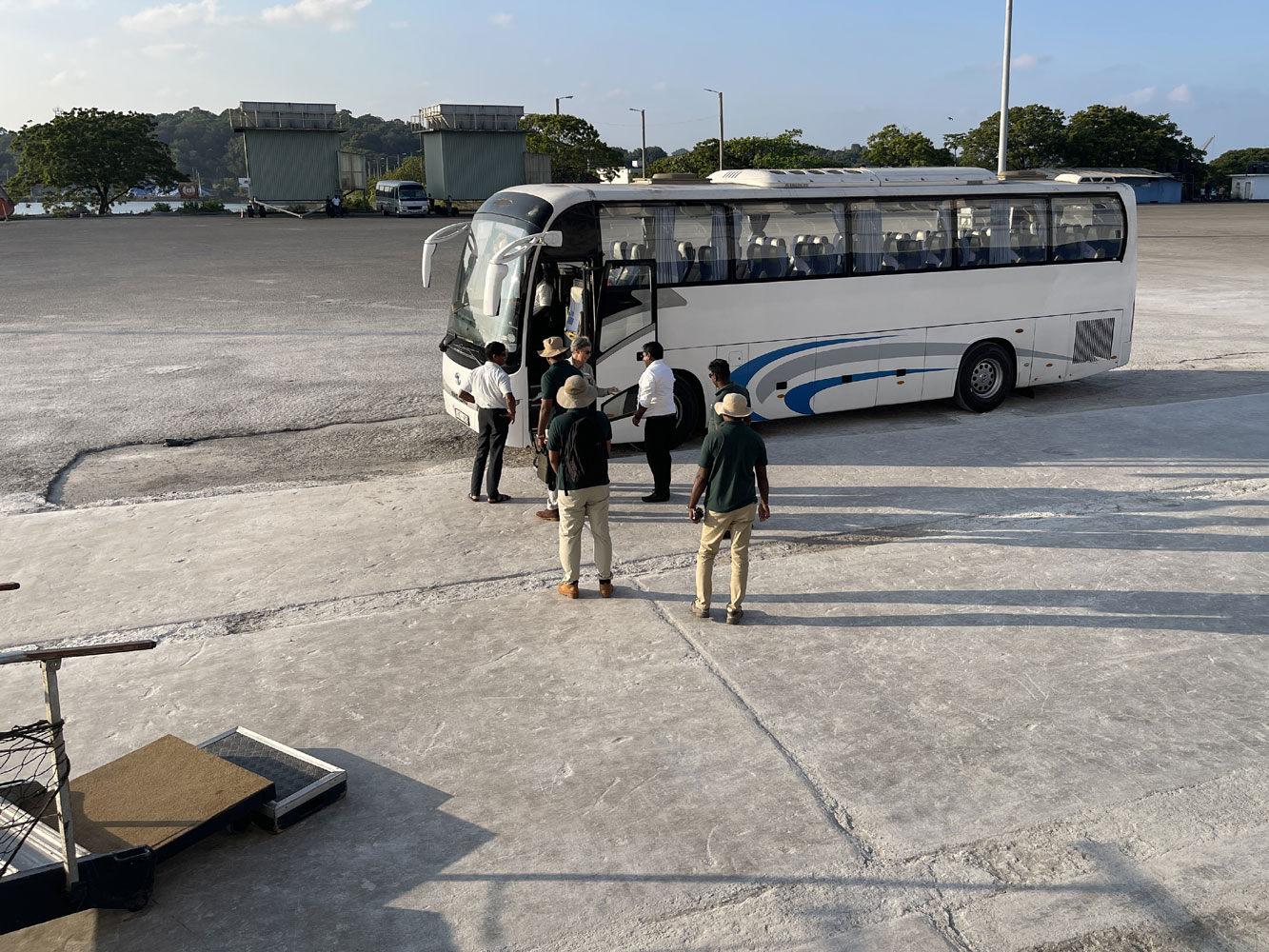
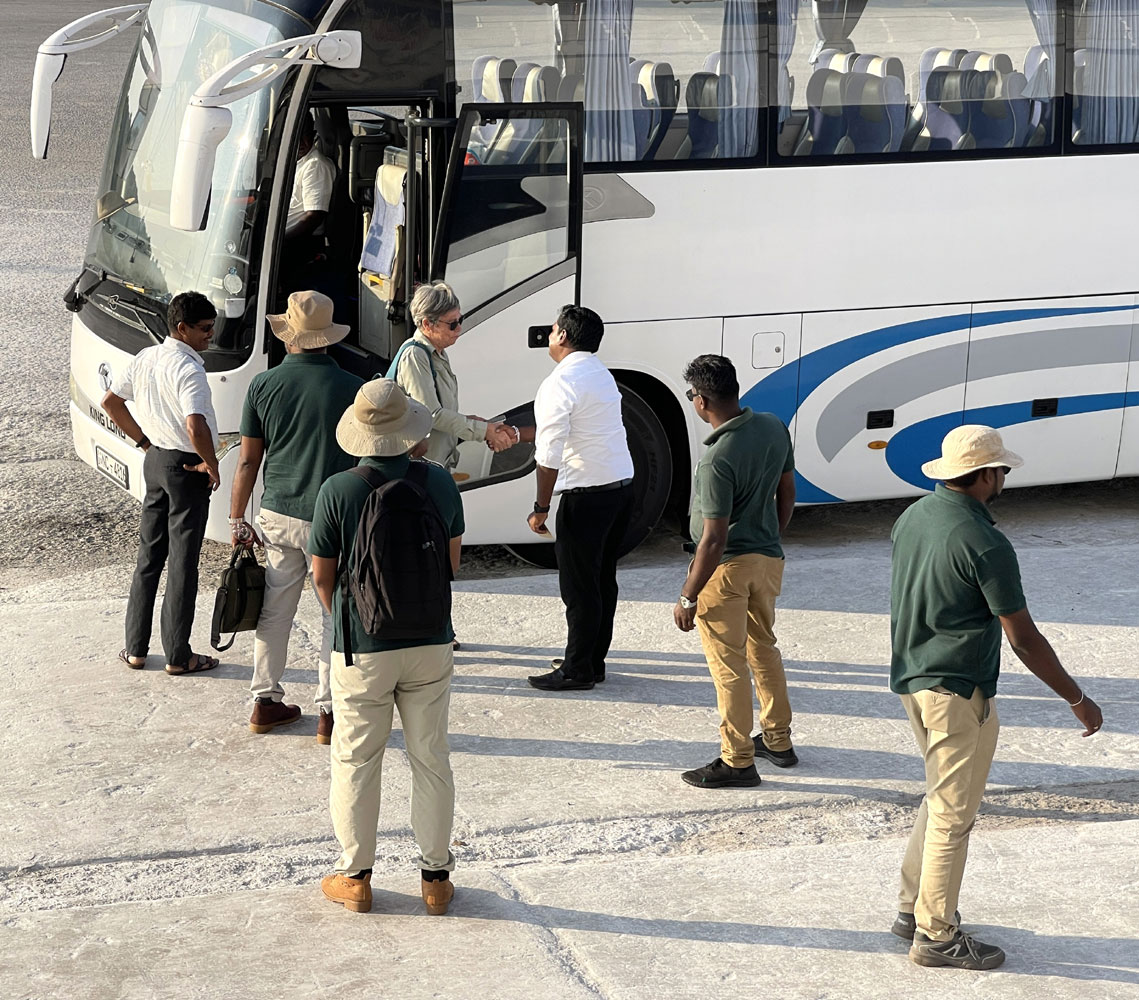
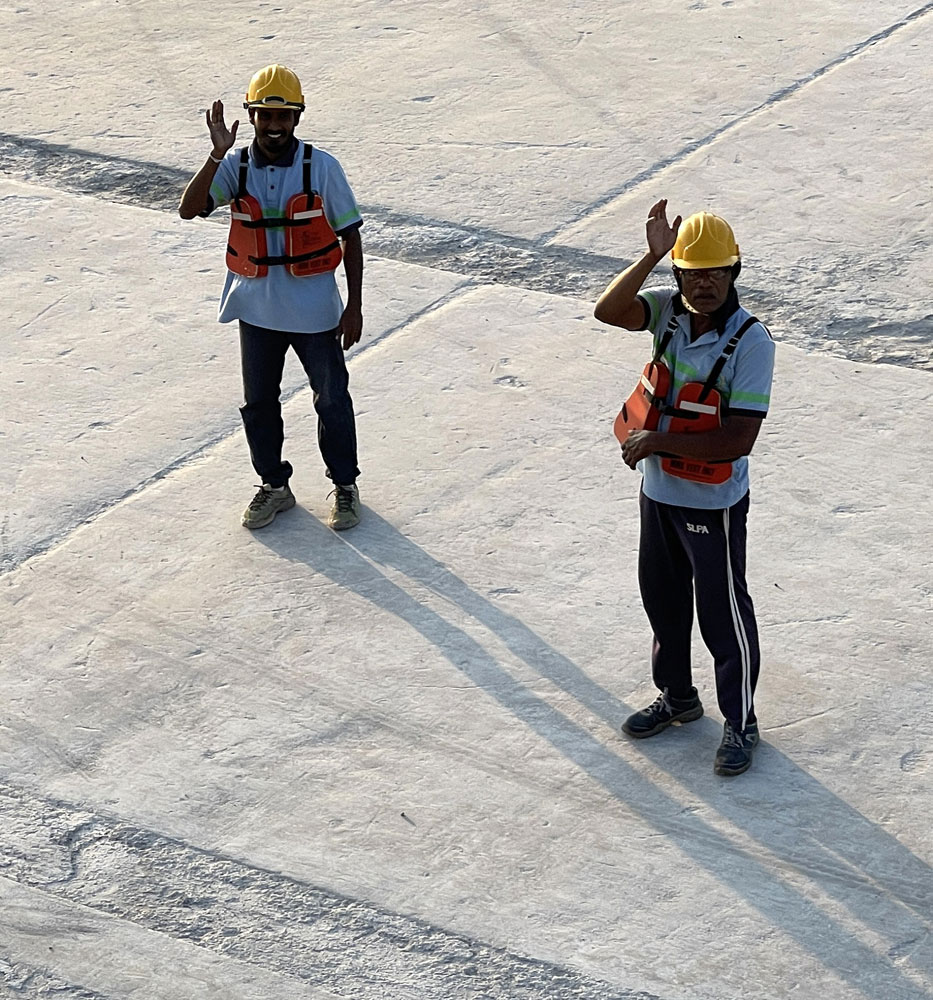
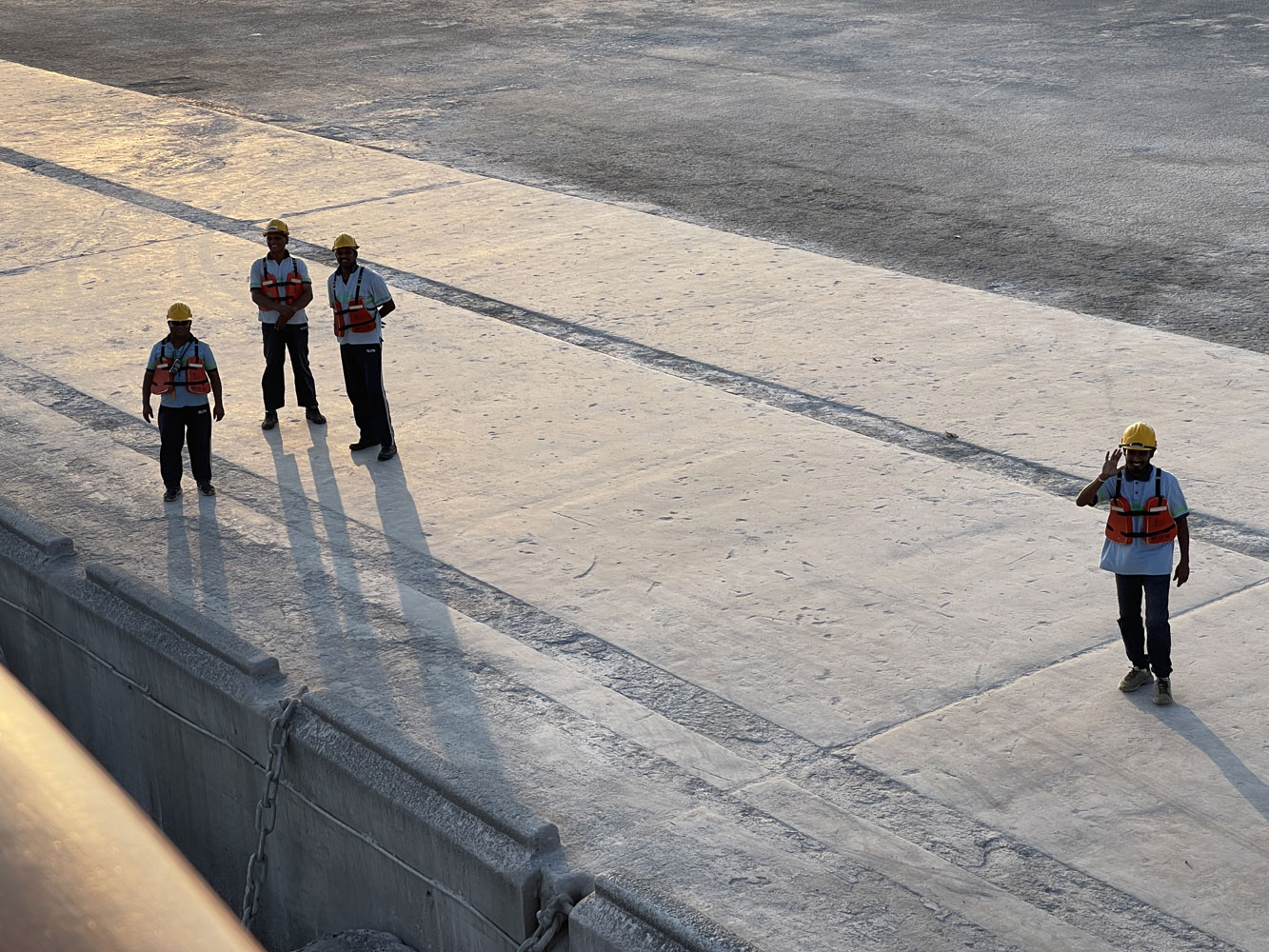
Wendy, who had accompanied
us, thanked the local team for their excellent help during
the day. |
|
|
| |
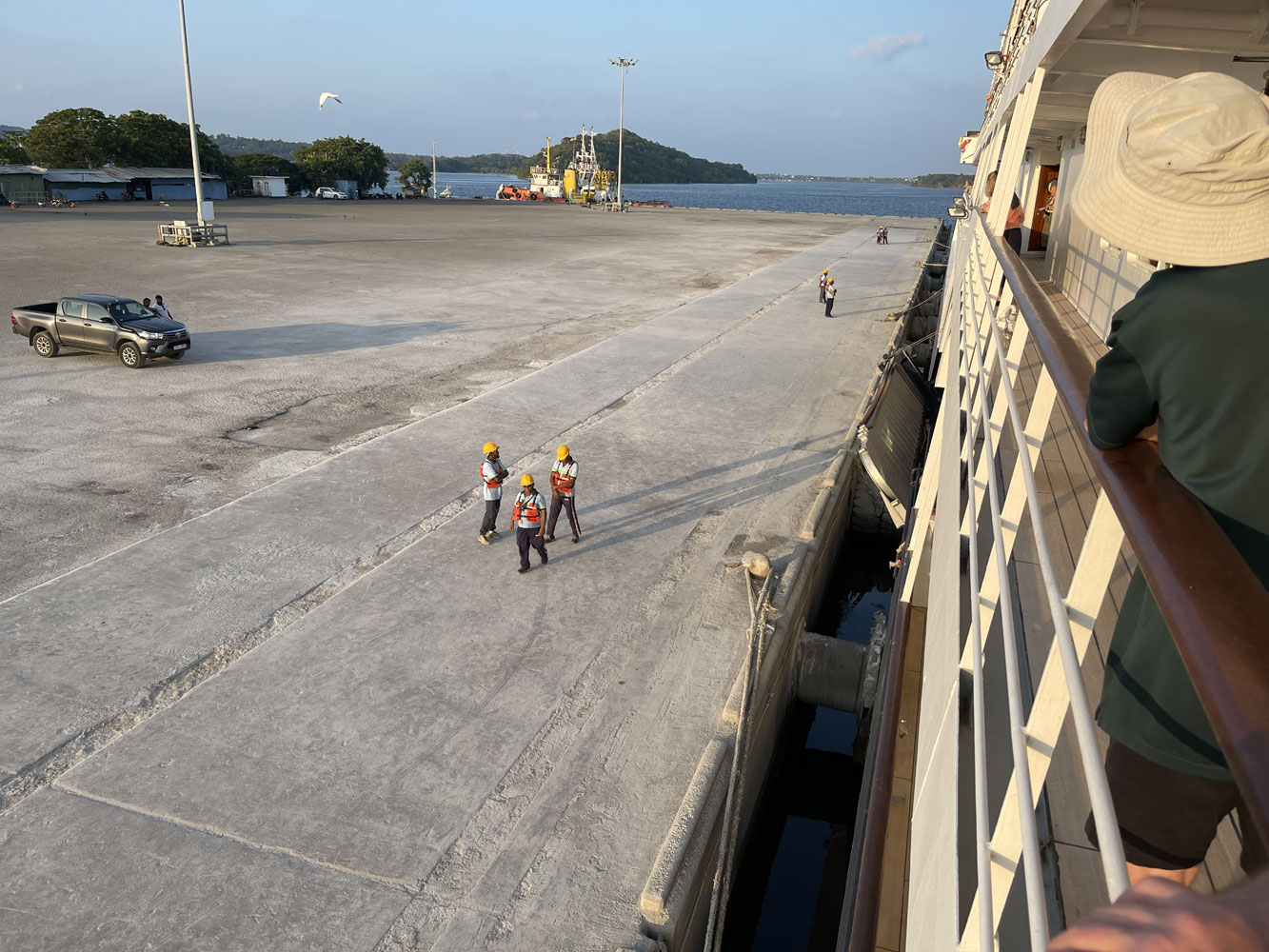
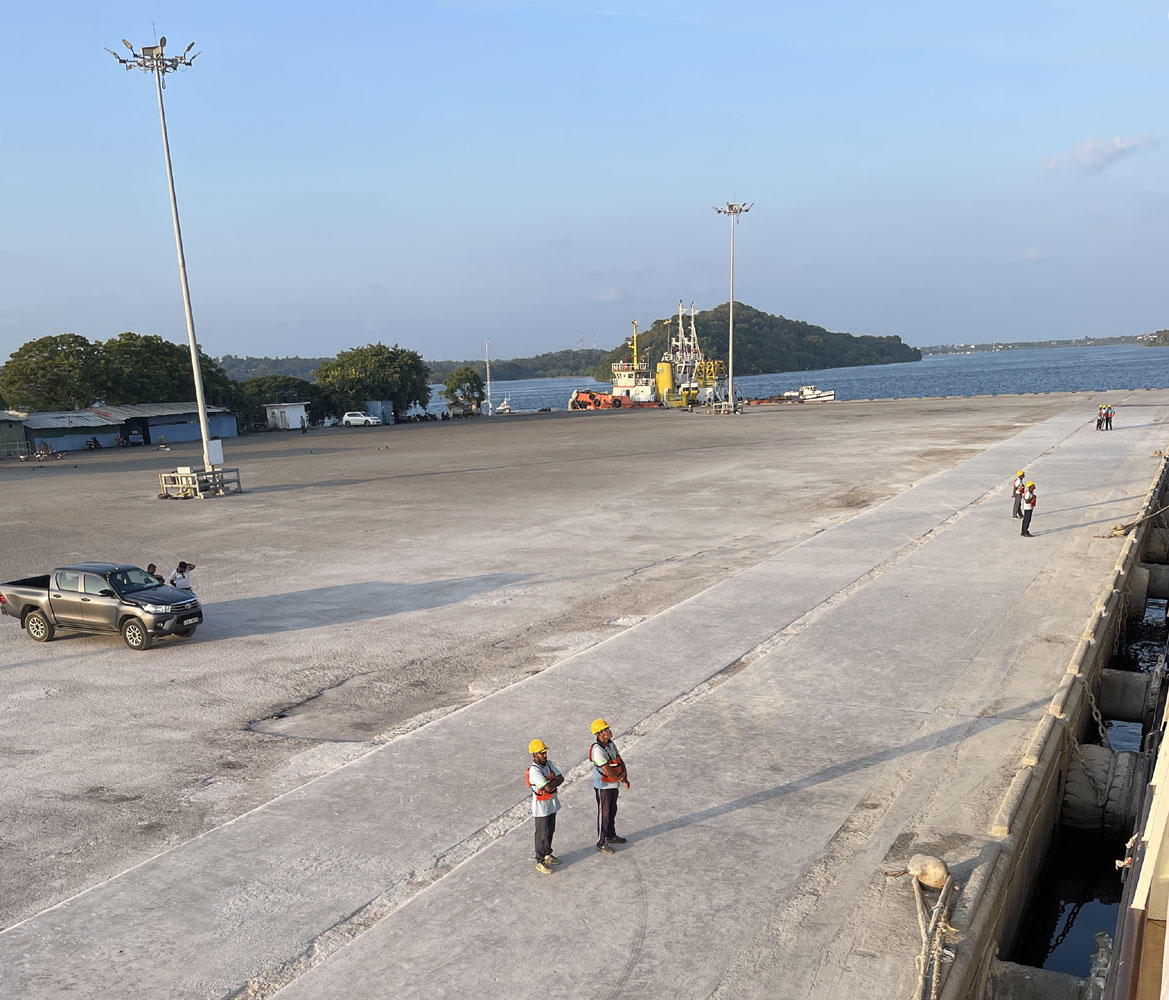
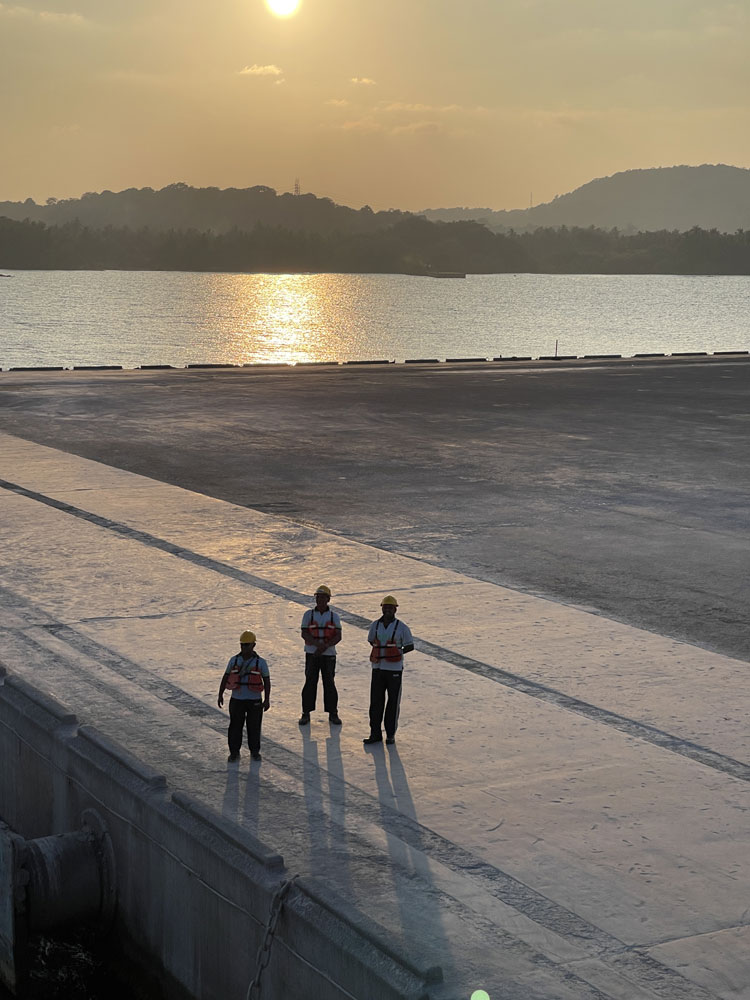
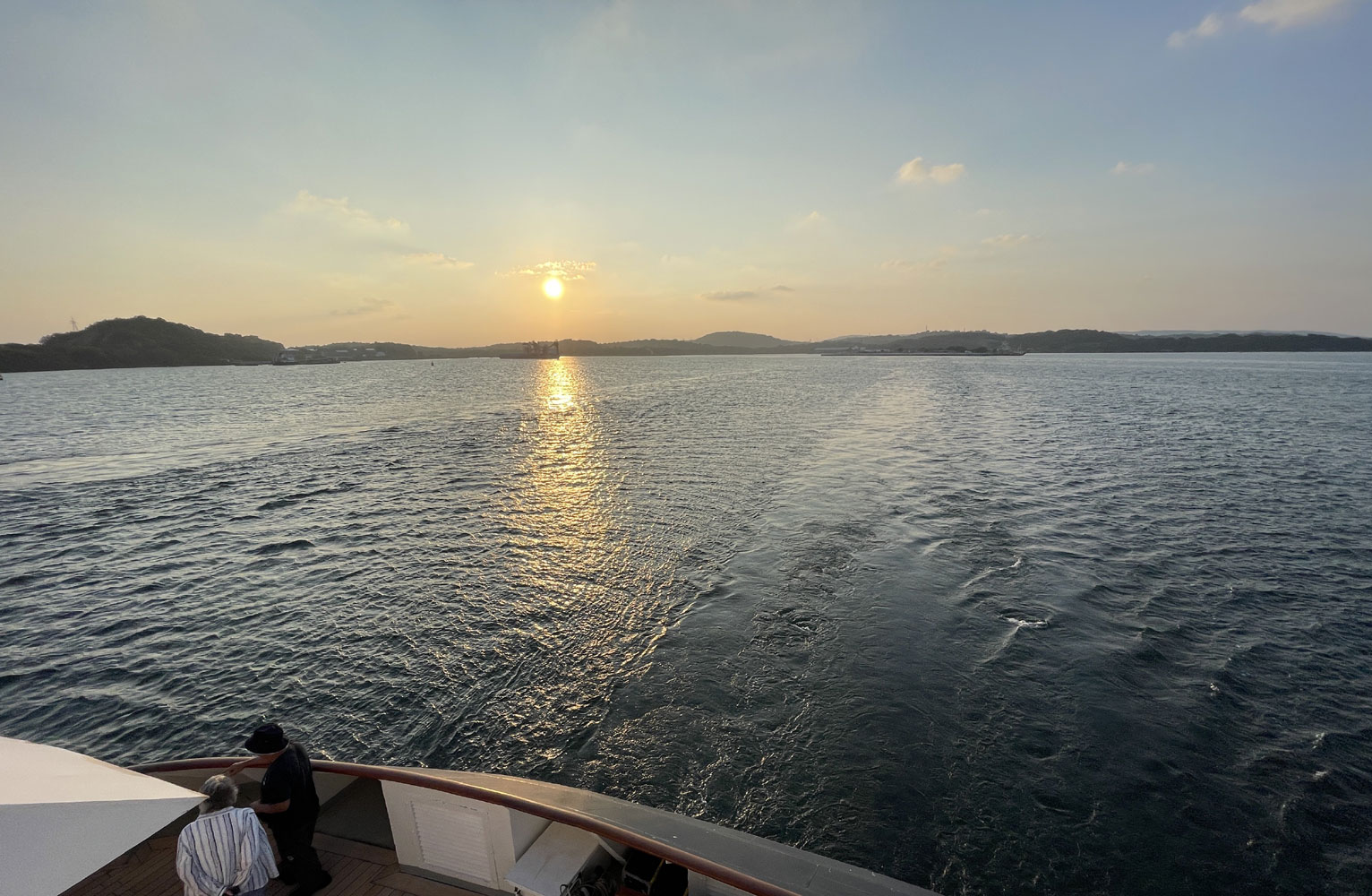
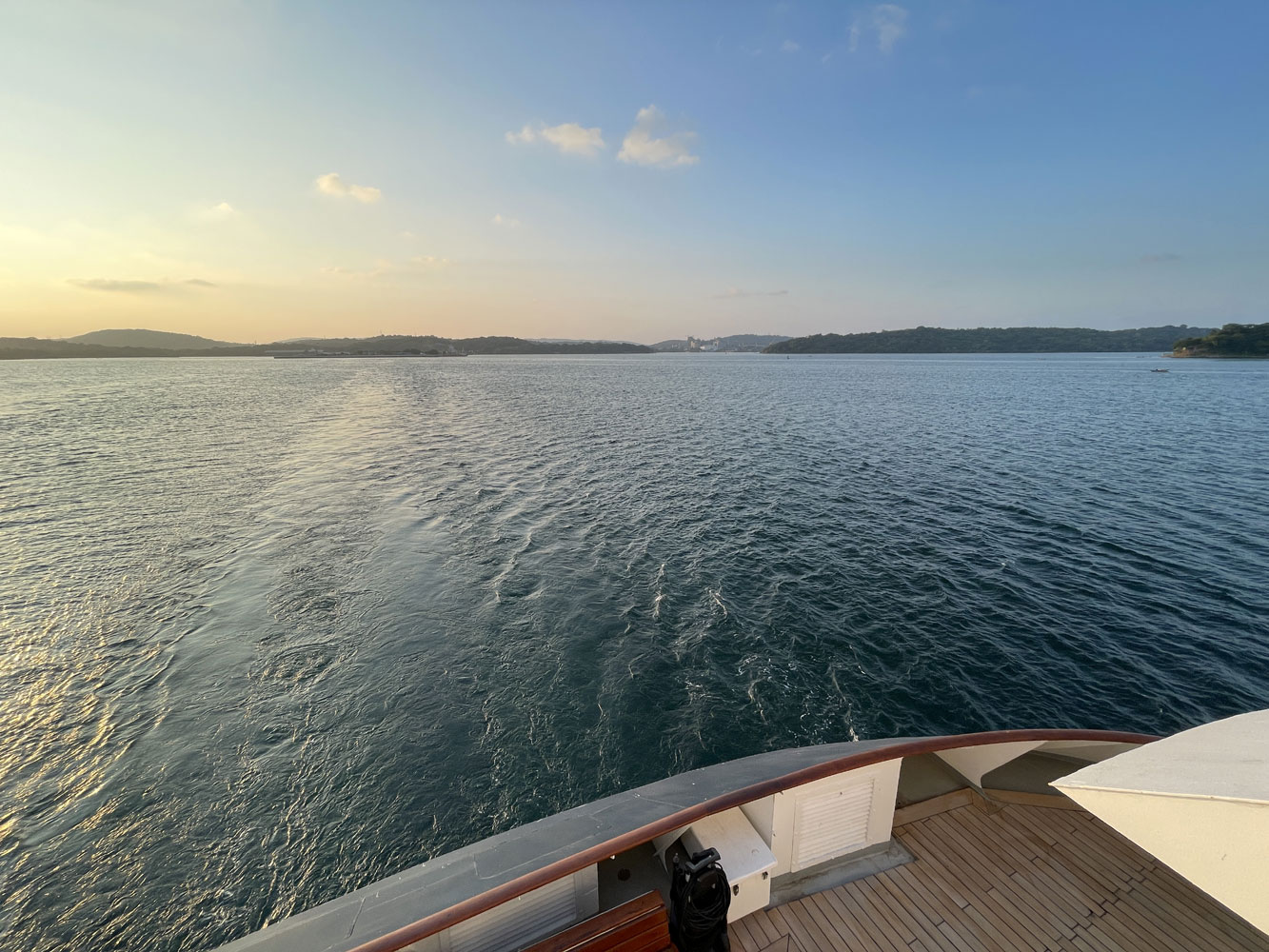
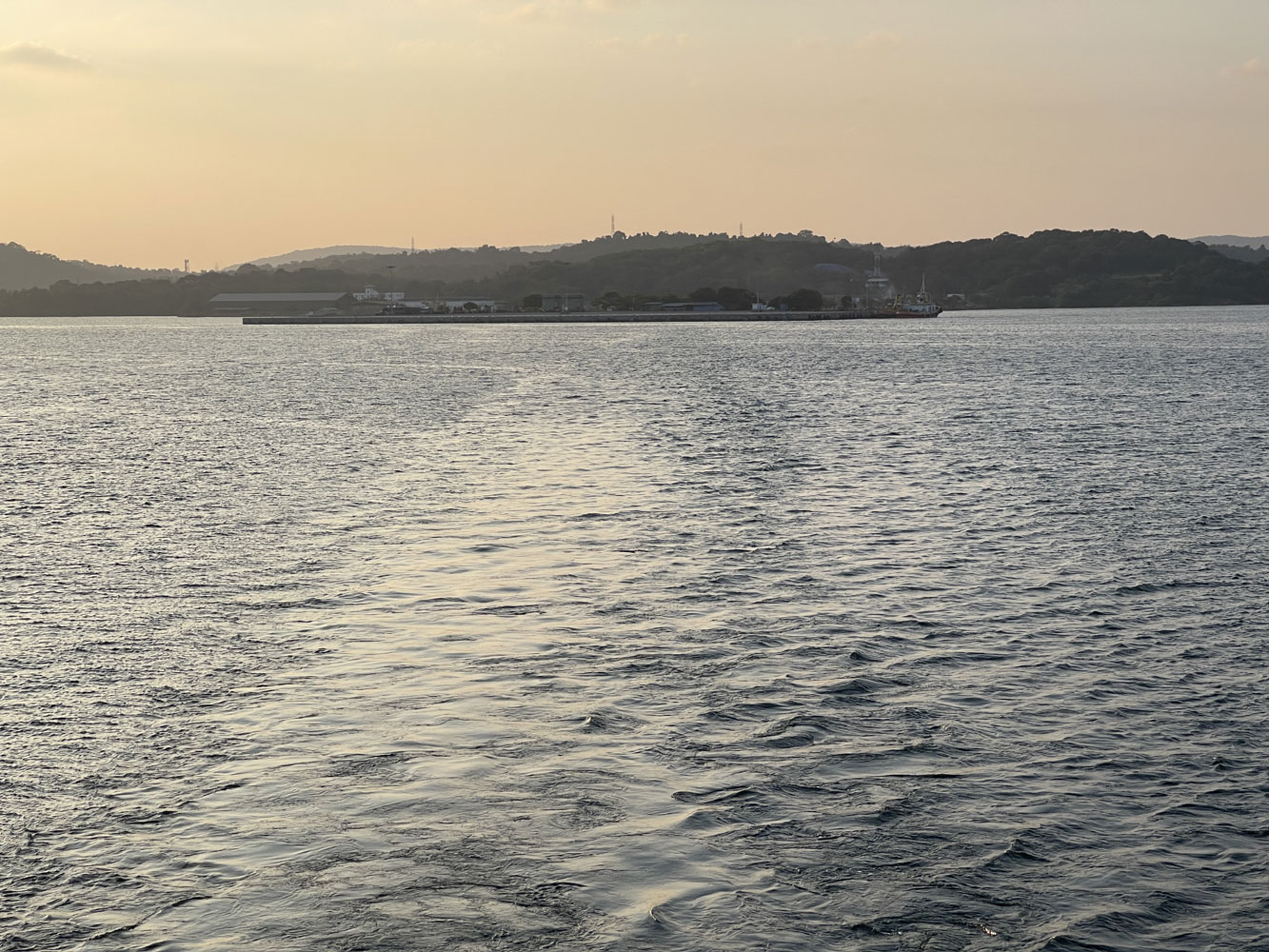
Soon after embarking,
we made ready to leave the port of Trincomalee for our 207
nautical mile voyage to Hambantota. |
|
|
| |
|
| |
|
| |
|
| |
|
| |
|
| |
|
| |
|
| |
|
| |
|
| |
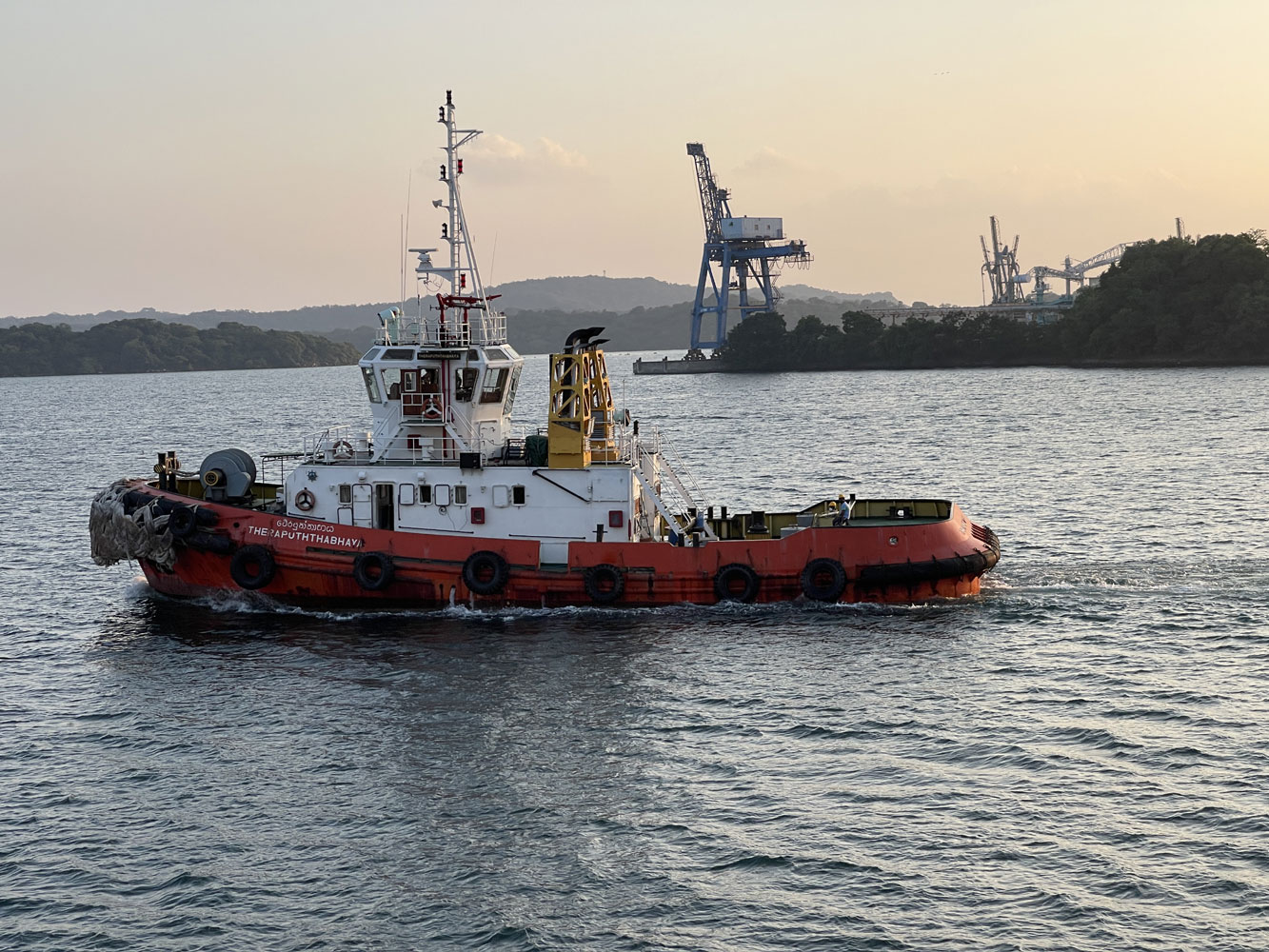
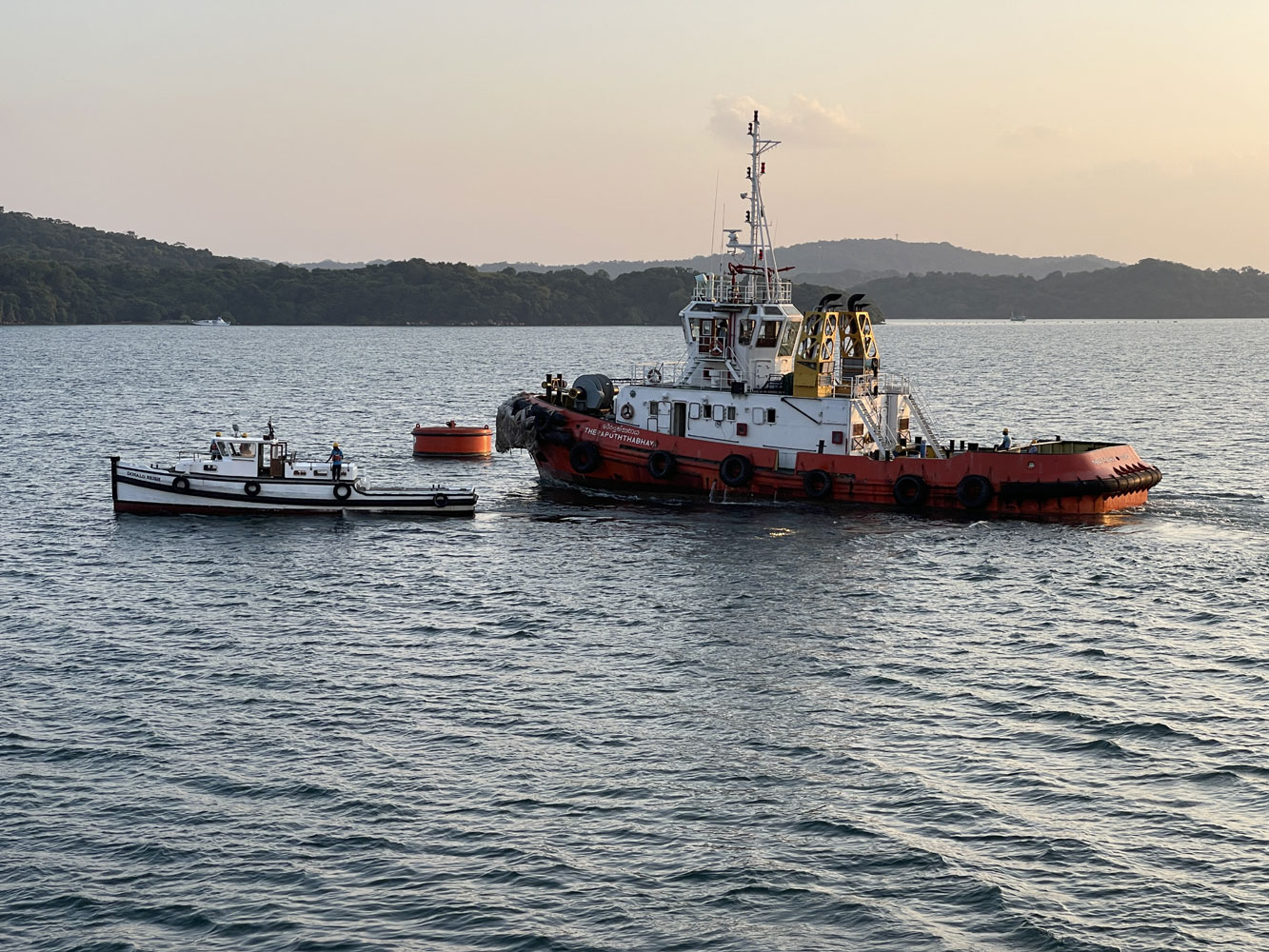
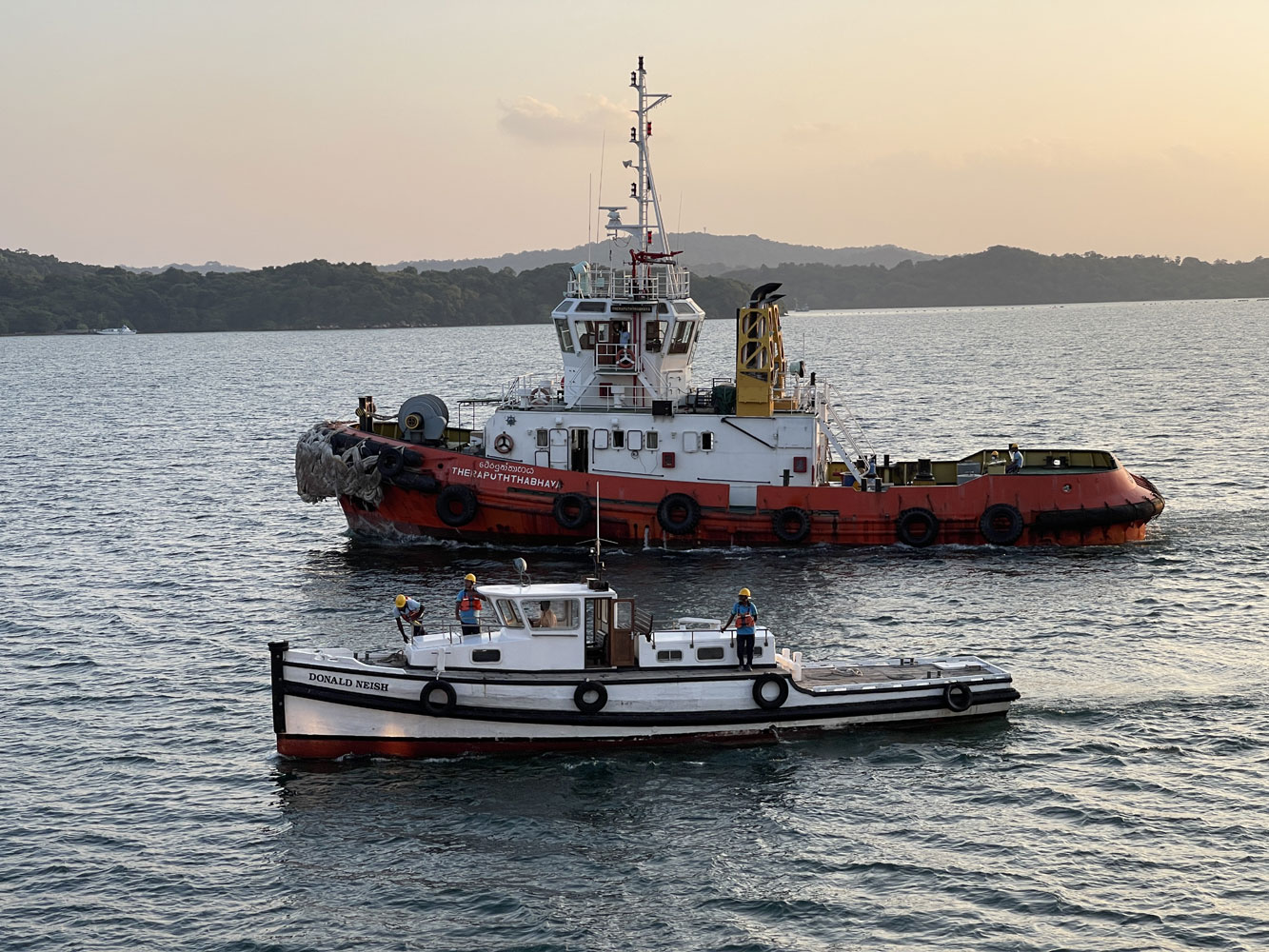
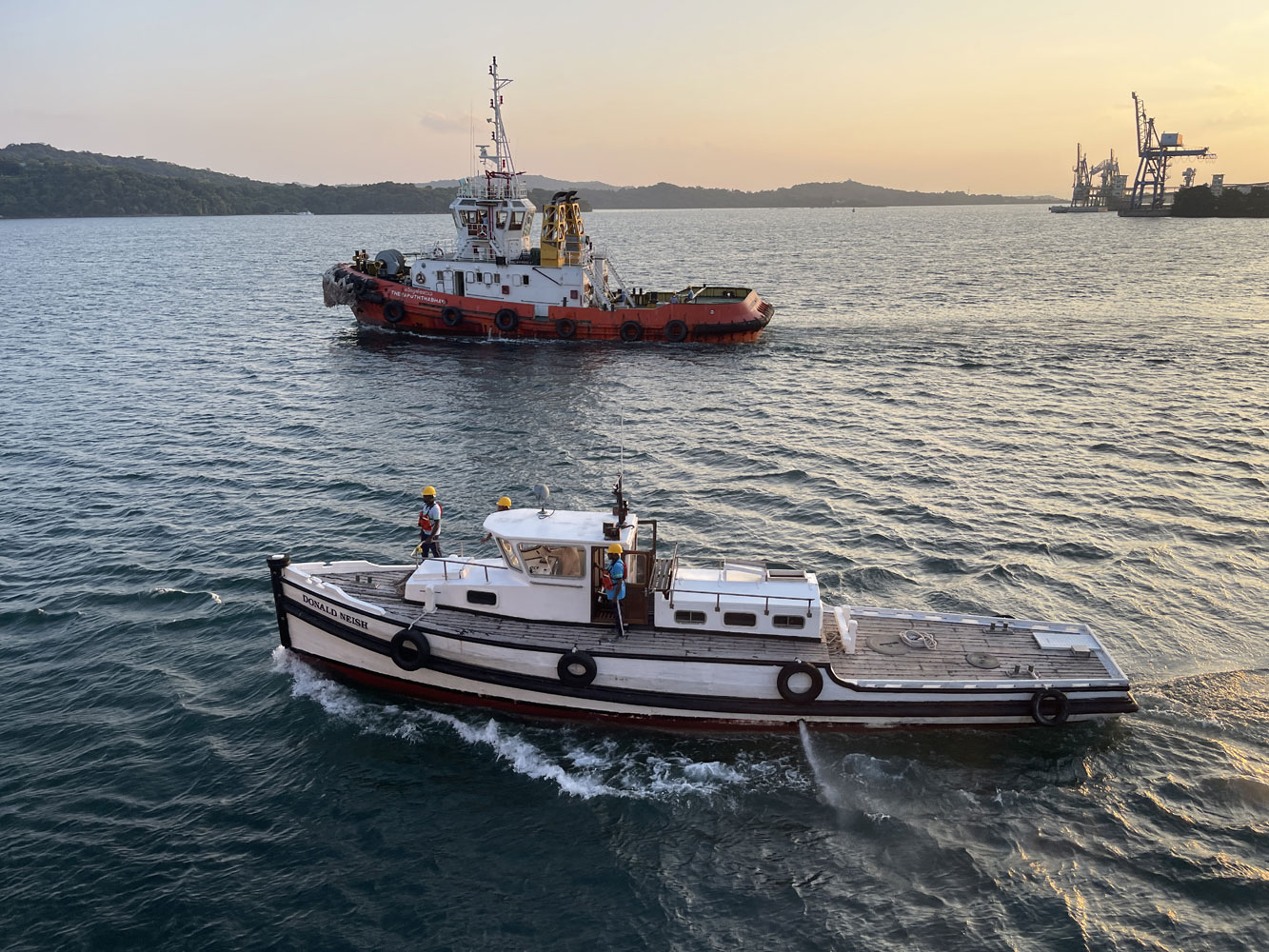
The pilot ship approaches
to pick up the pilot. |
|
|
| |
|
| |
|
| |
|
| |
|
| |
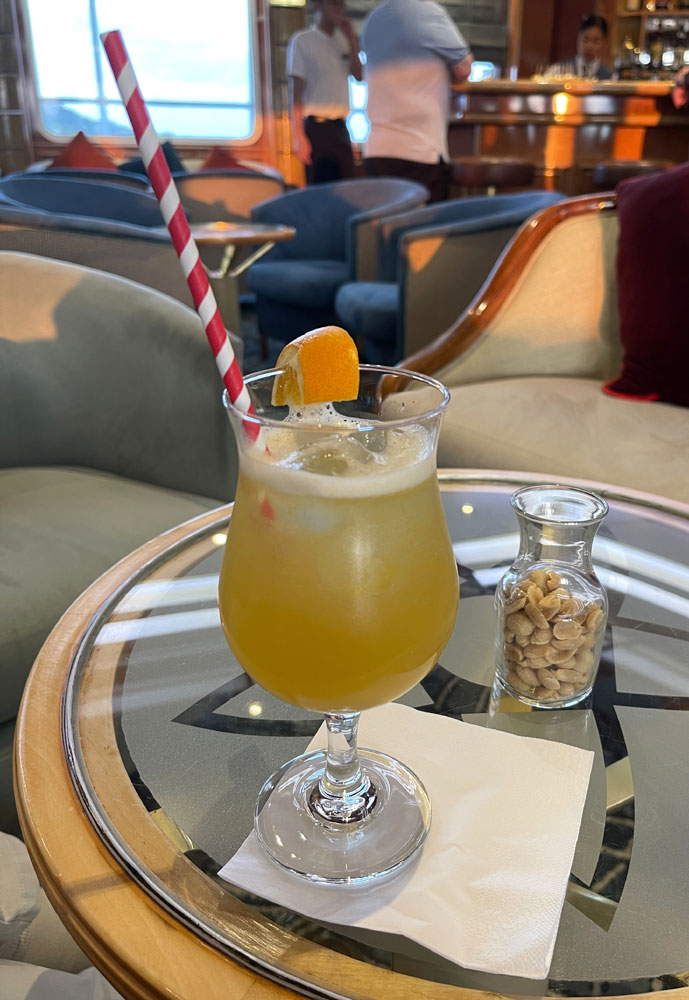
Bruce chose a refreshing
non-alcoholic "clementine fizz" cocktail as his
sundowner. |
|
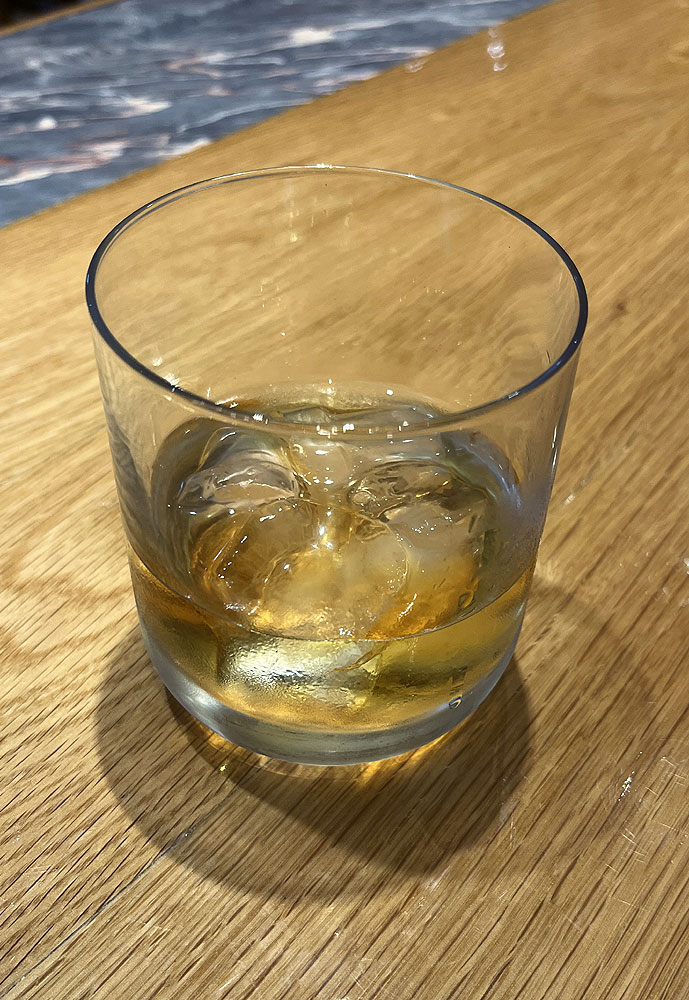
Geoff tried a Singhalese
arrak as an aperitif.
He wasn't too impressed with it. |
|
|
|
| |
|
| |
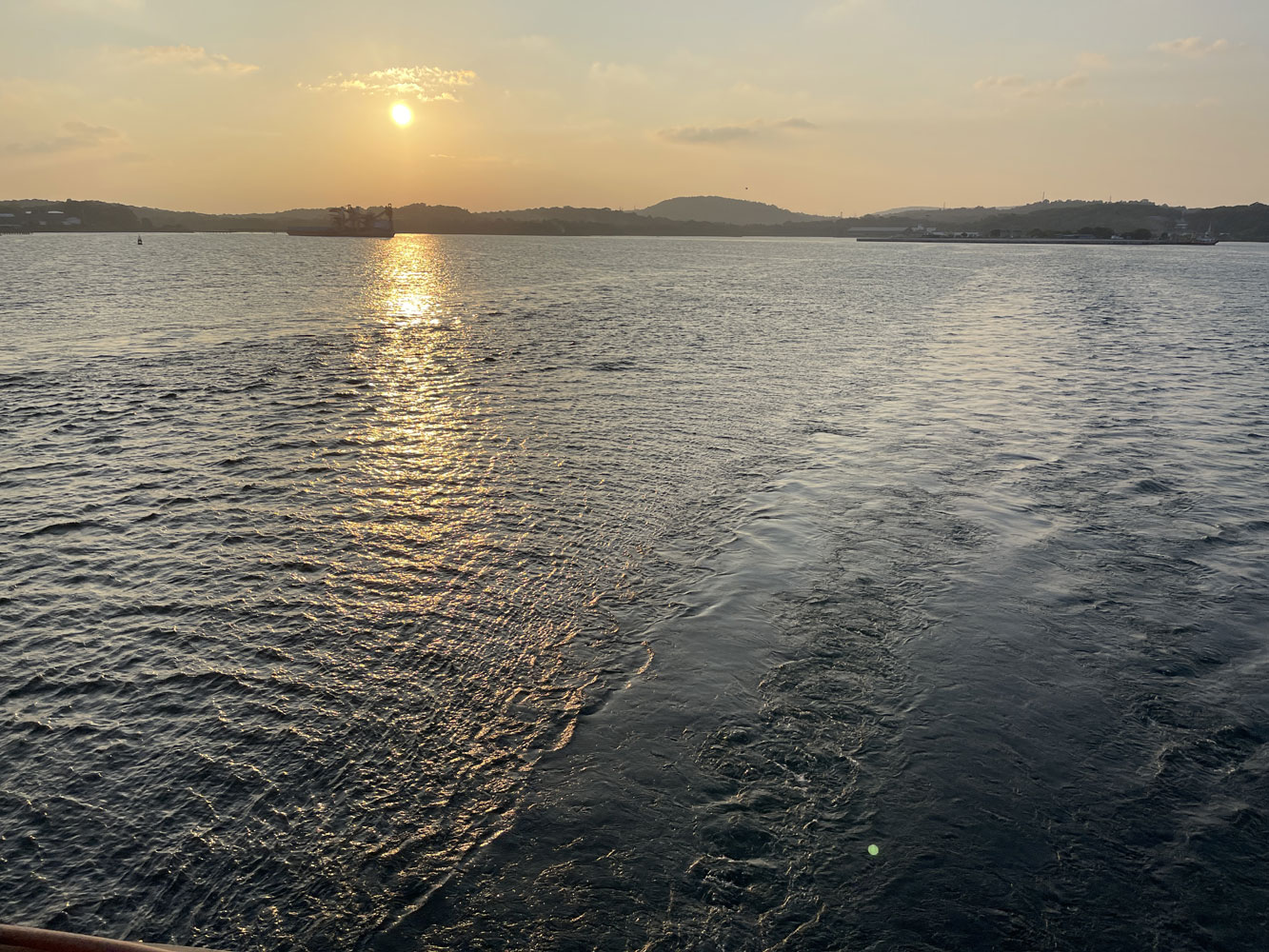
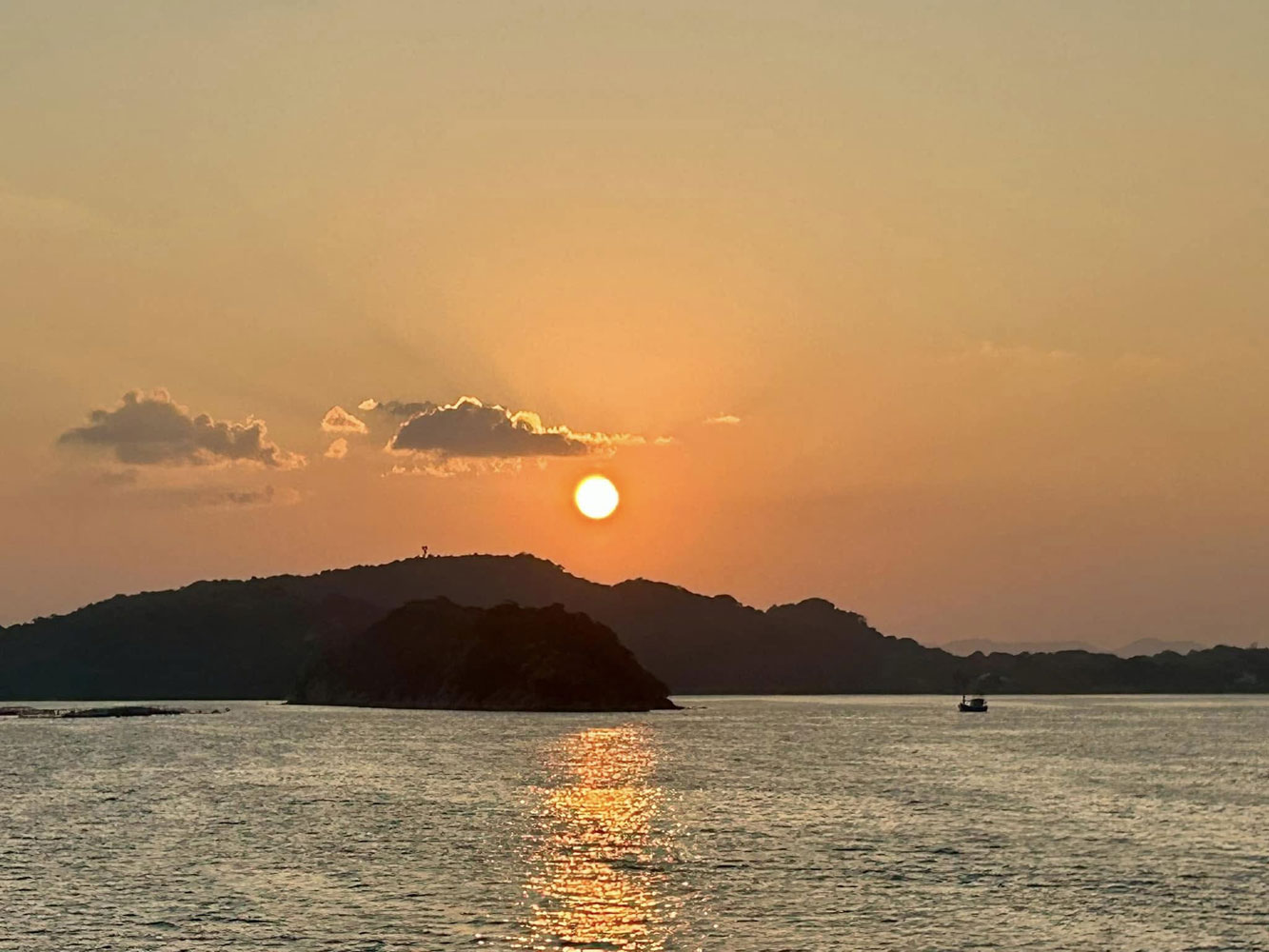
We enjoyed our different
trips today very much. The beautiful sunset was a fitting
end to a perfect day! |
|
| |

|
|