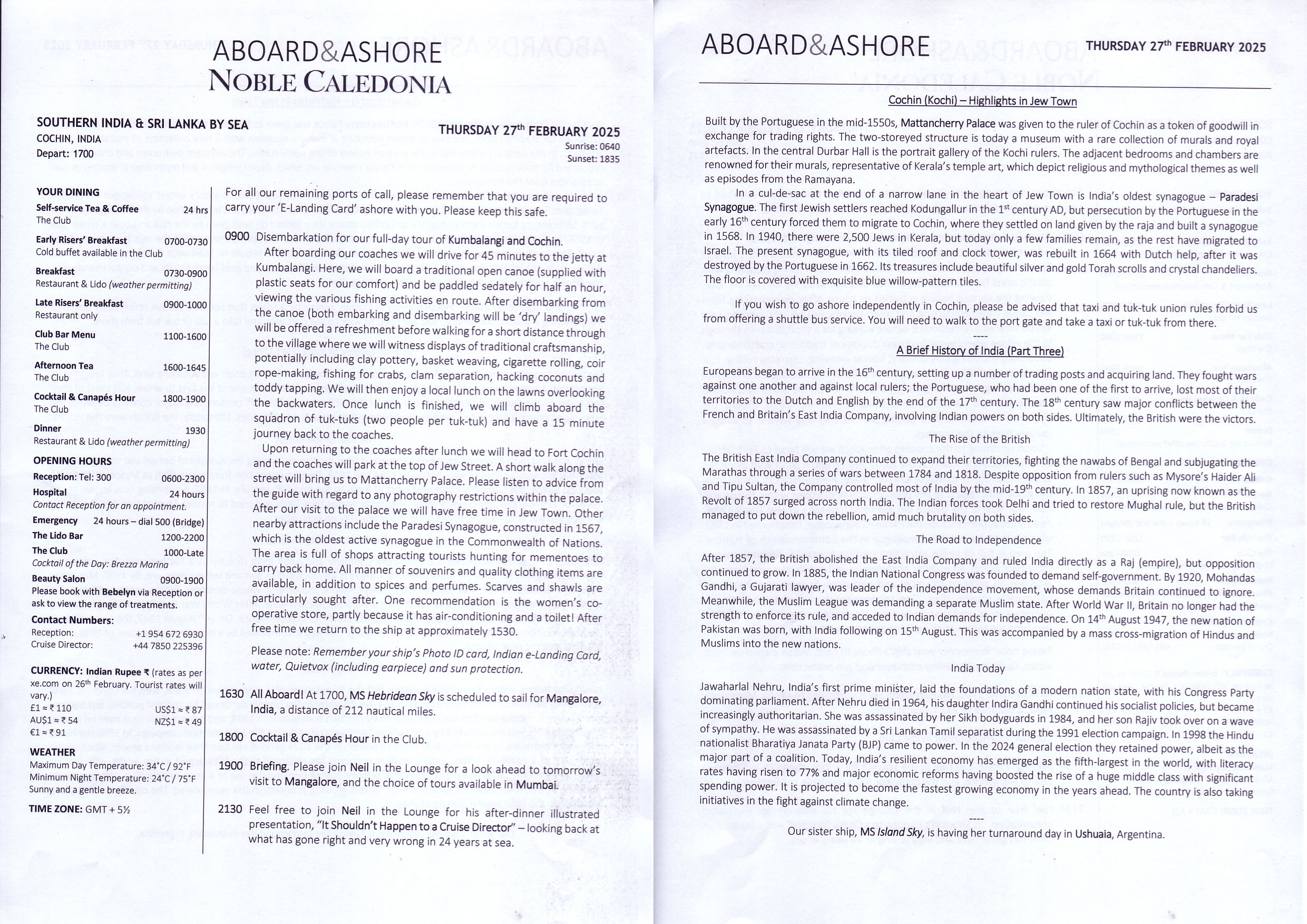
Day 12: Kochi (Kumbalangi)
|
|
Another full day outing in and
around Kochi, beginning with
a morning trip to Kumbalangi Village on the island
of Kallenchery.
|
|
|
| |
Thursday 27th February 2025 (AM)
|
|
|
After a quiet night
in port, we were ready for our next adventure. This page
is dedicated to the morning's activities. Our afternoon
visit to Jew Town, including the Mattancherry Palace, is
on the next page. |
|
| |
|
| |
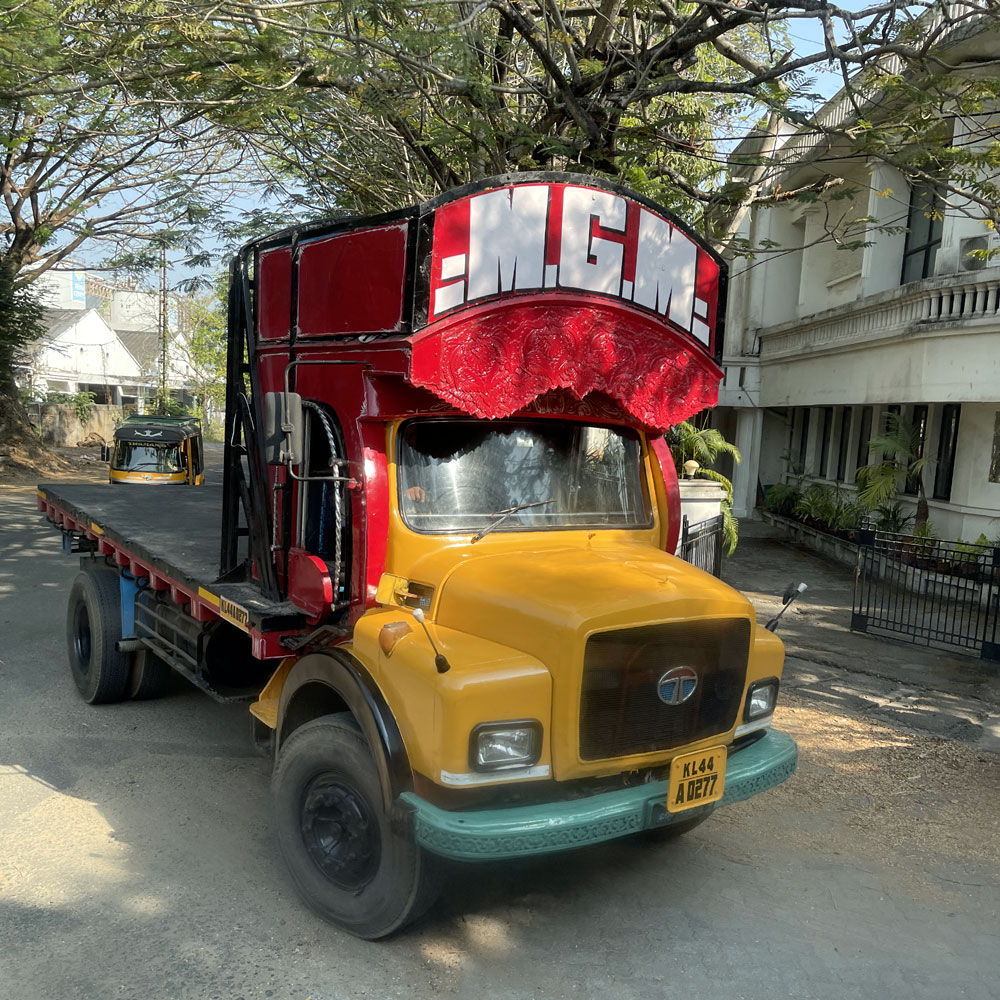
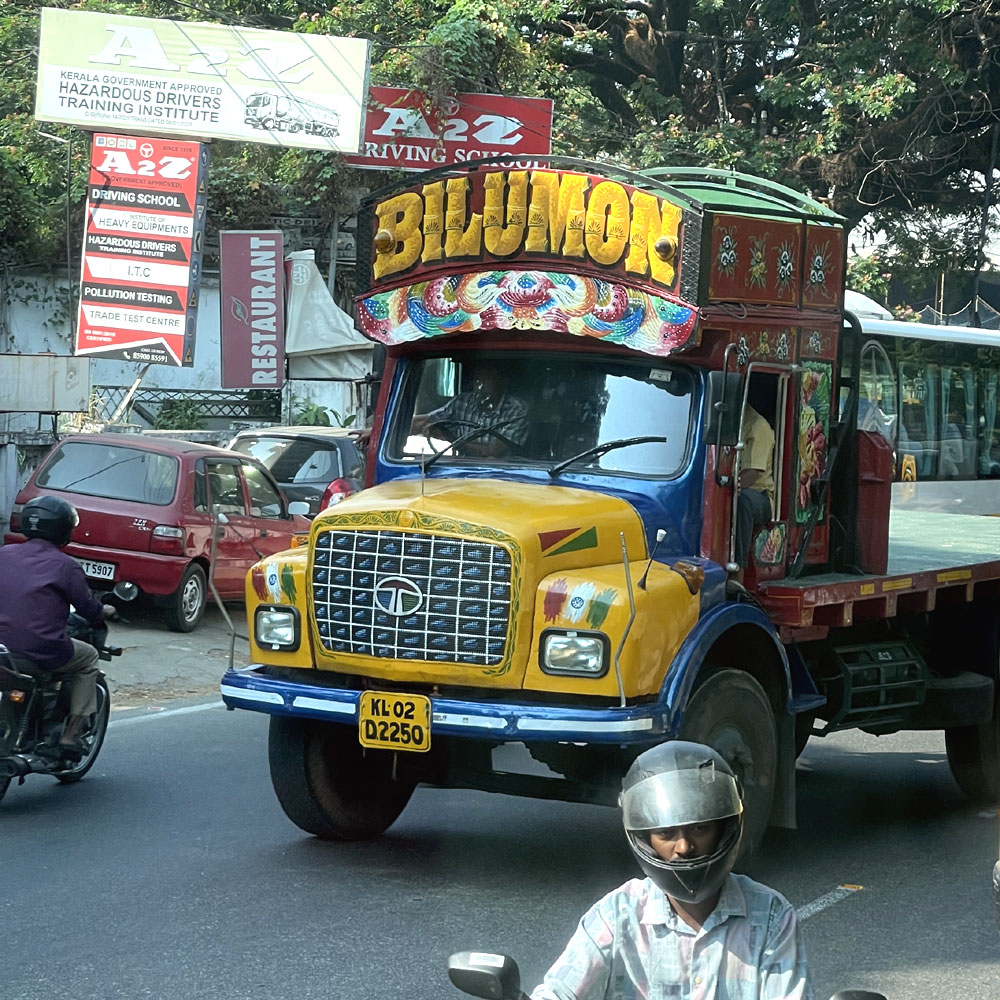
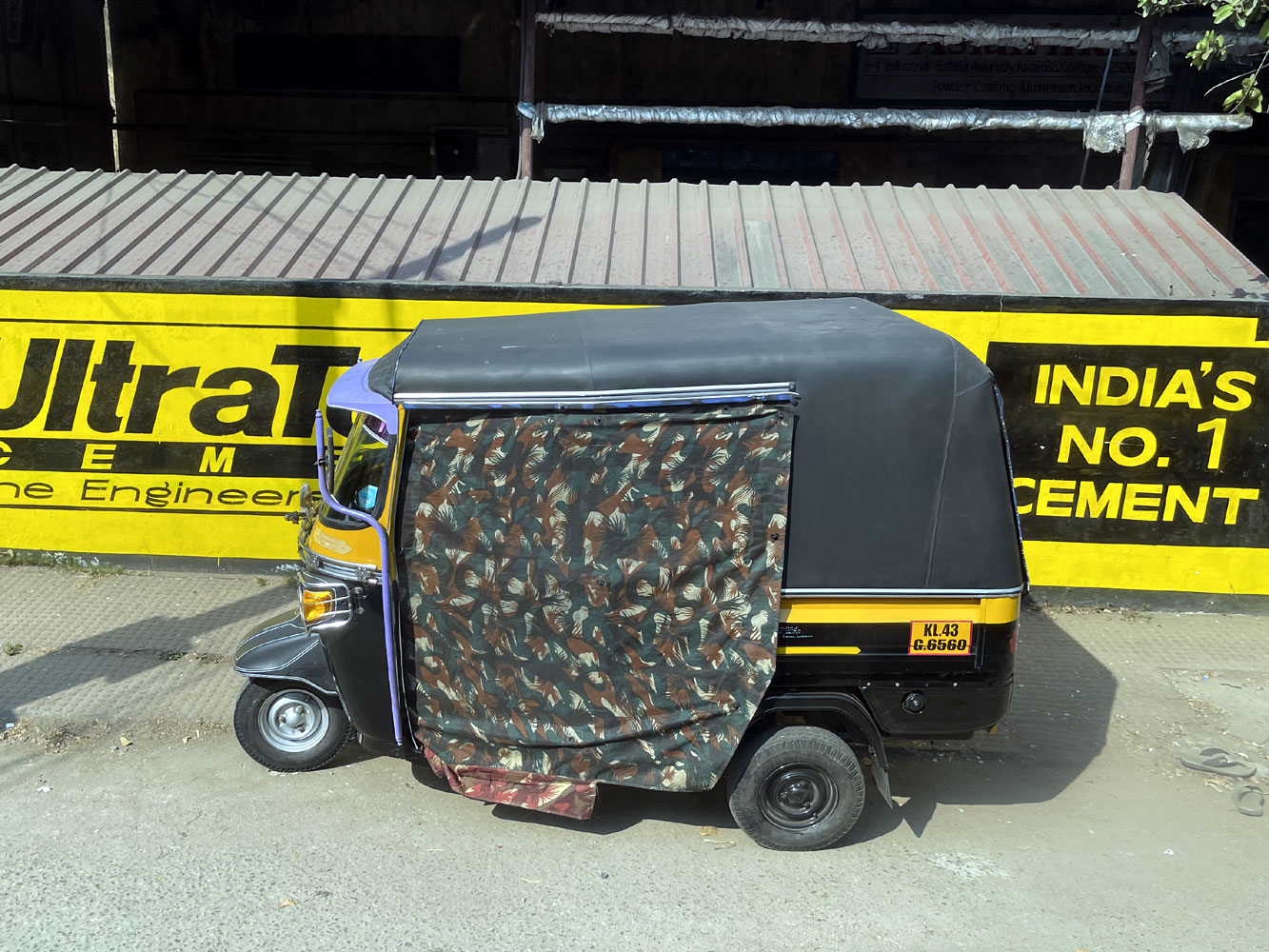
Some colourfully decorated
lorries close to the port. |
|
|
| |
|
| |
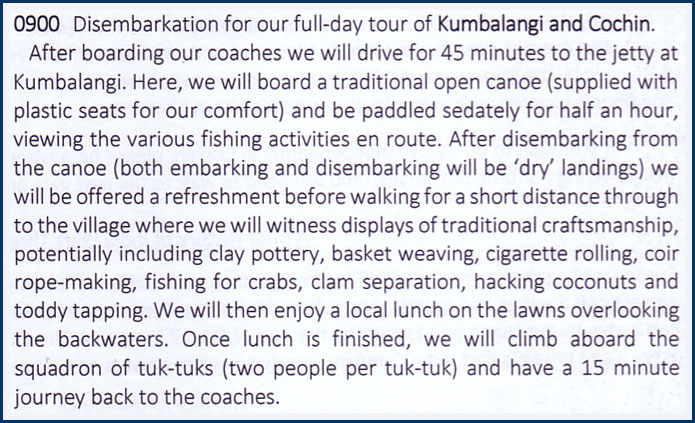
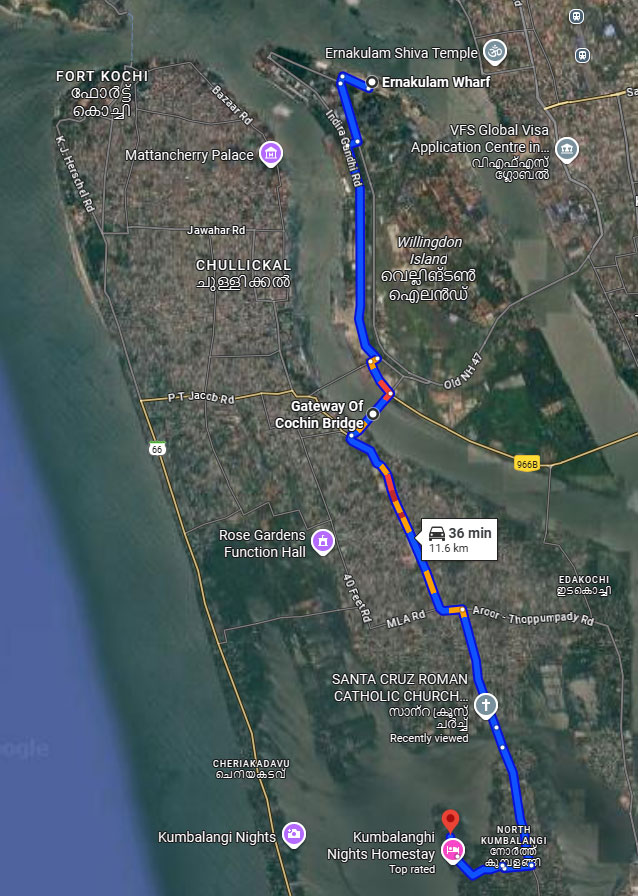
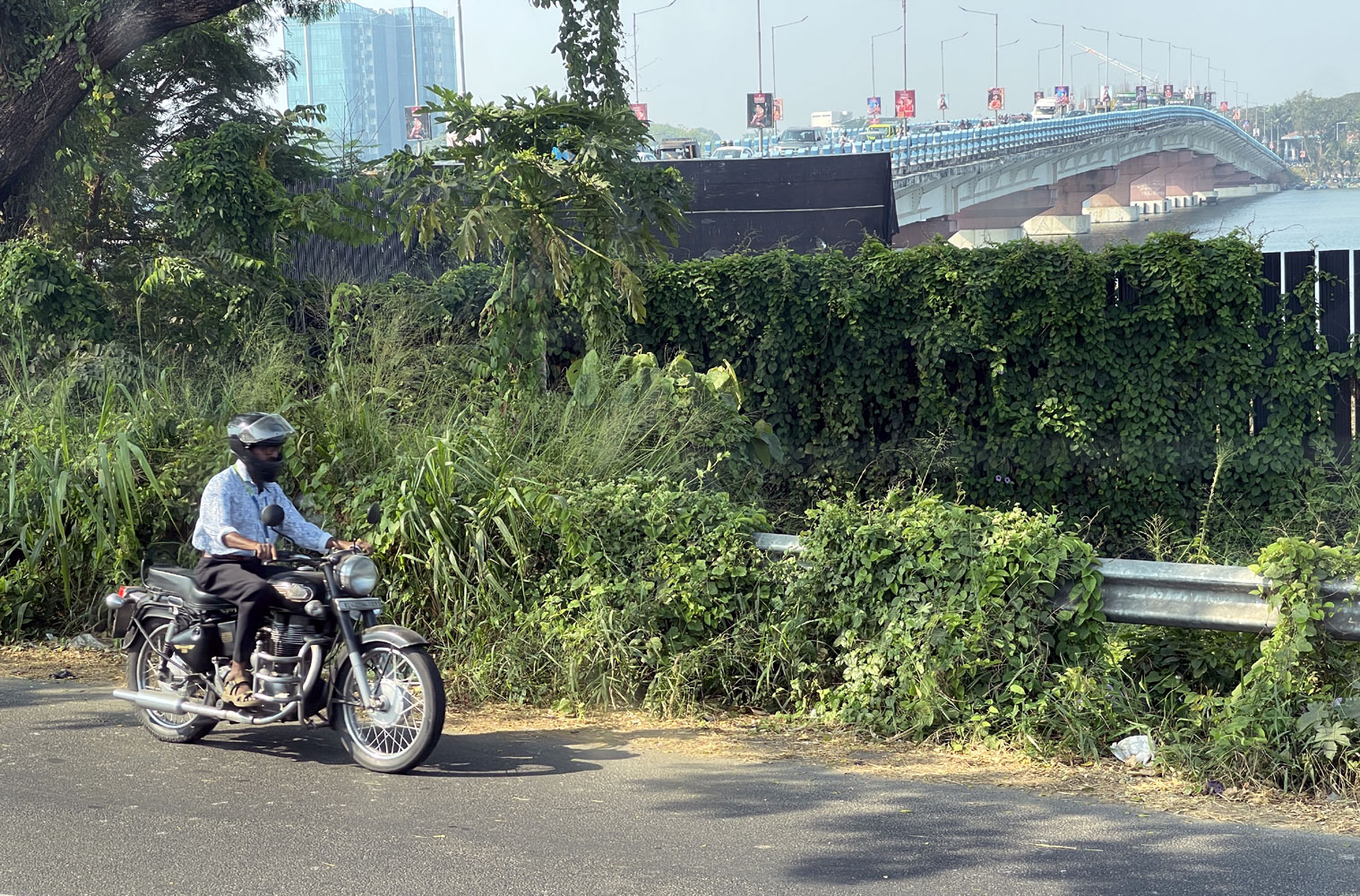
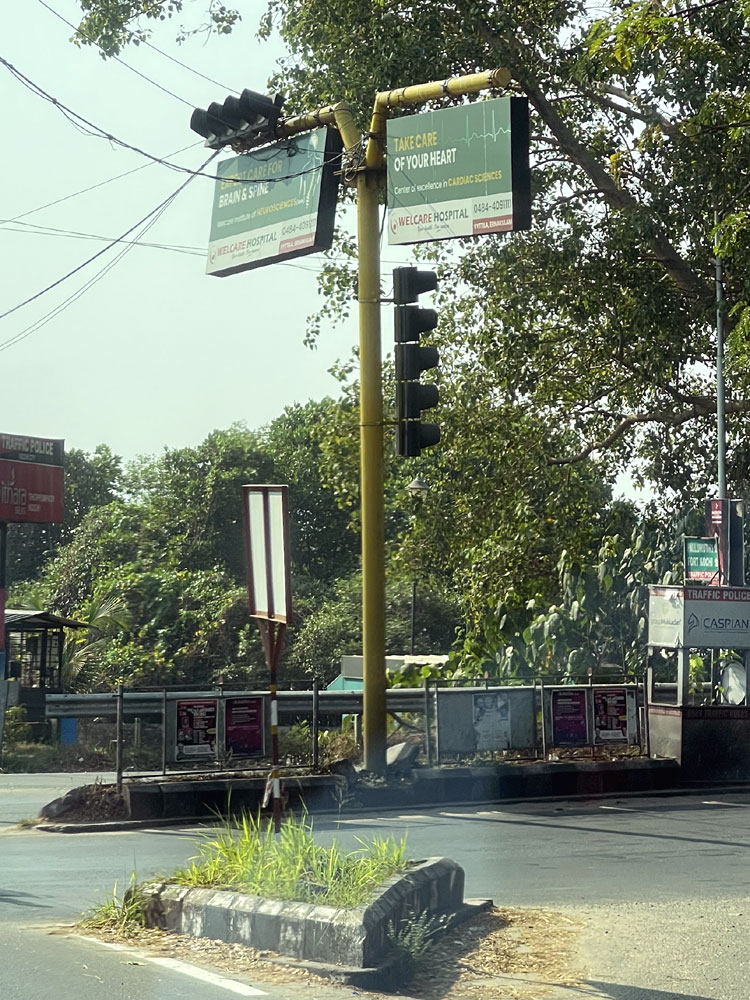
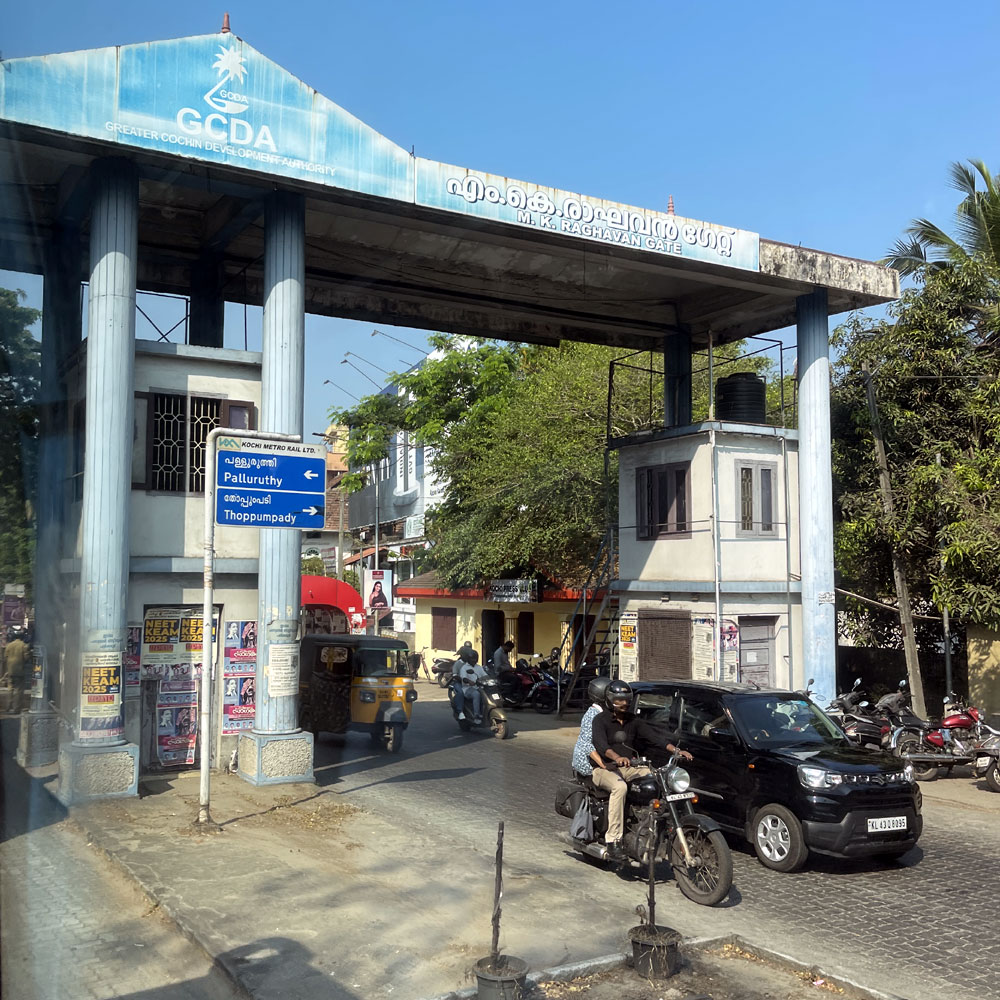
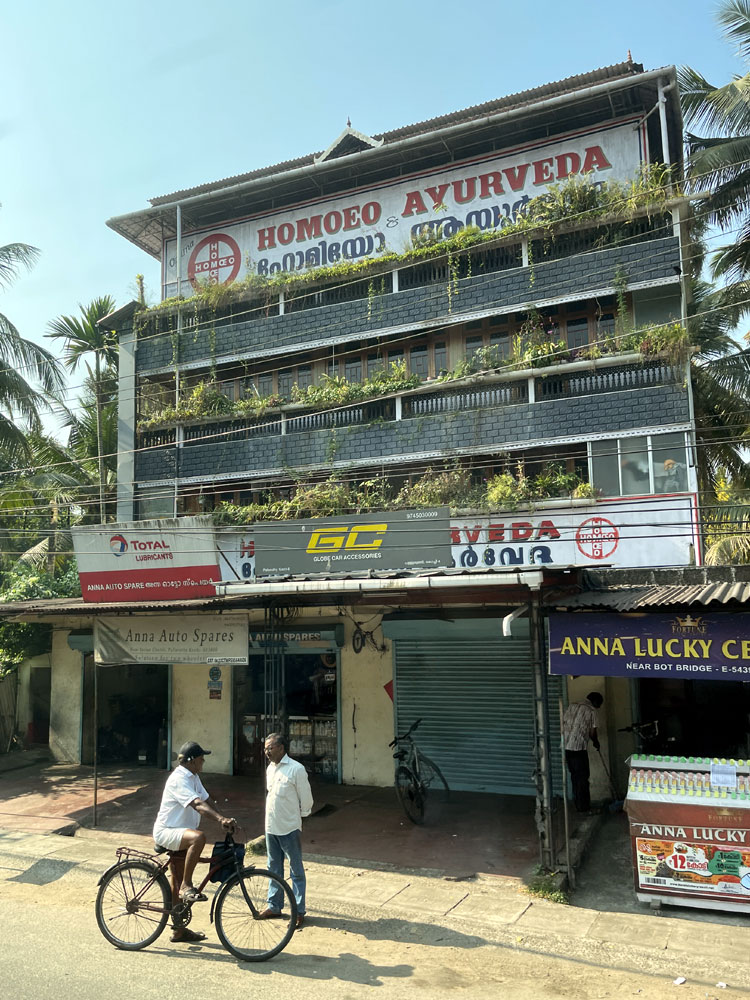
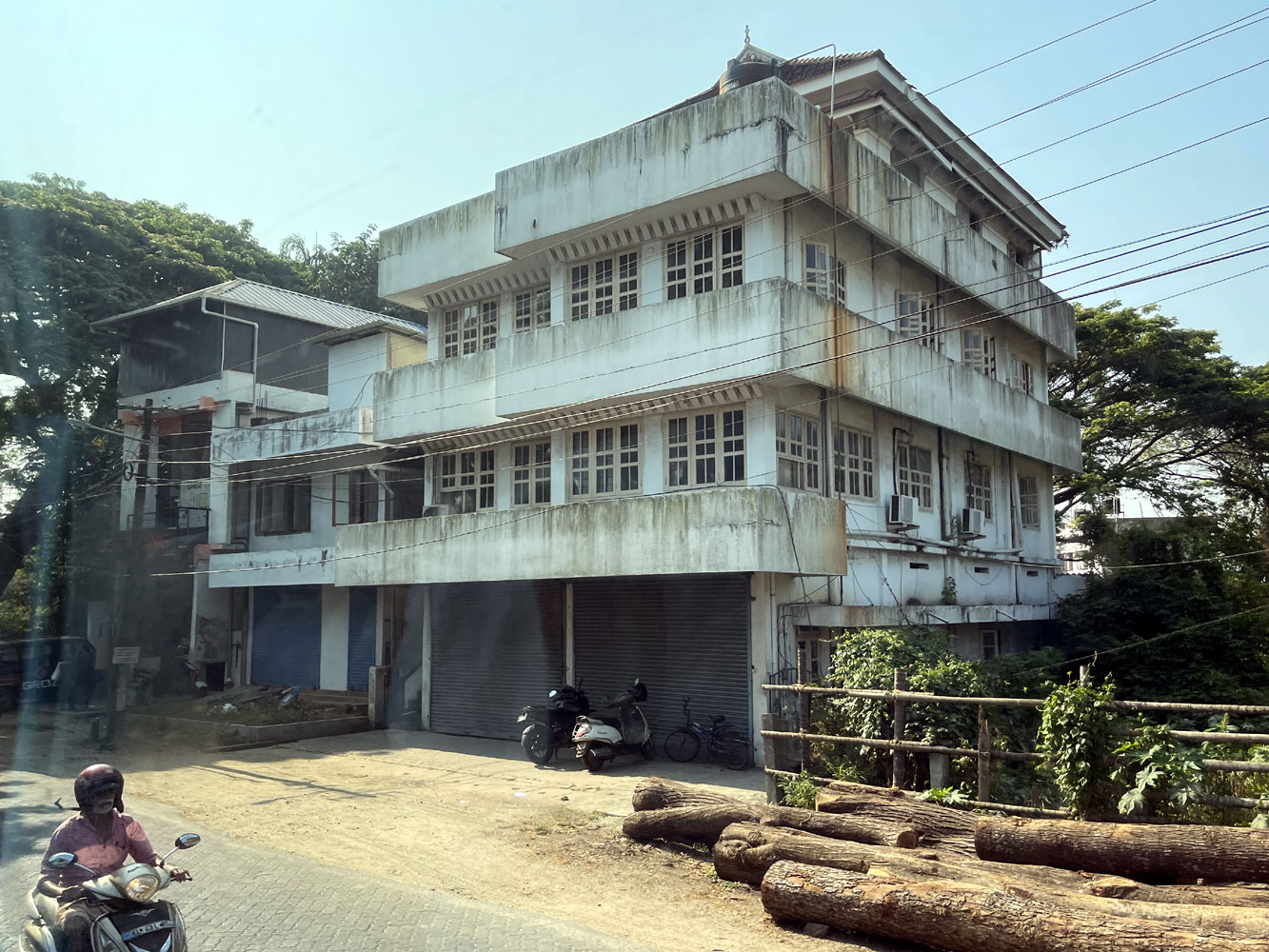
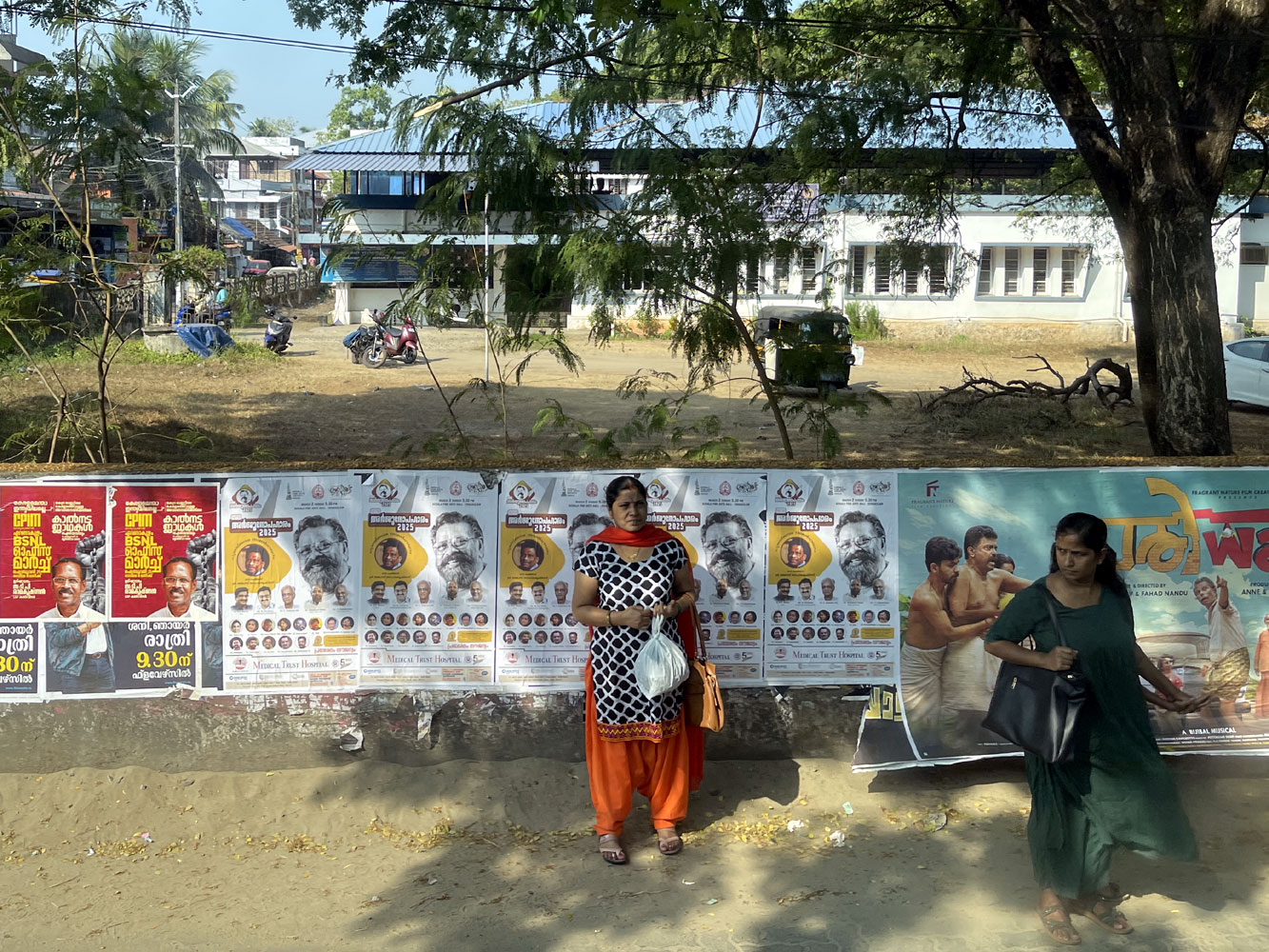
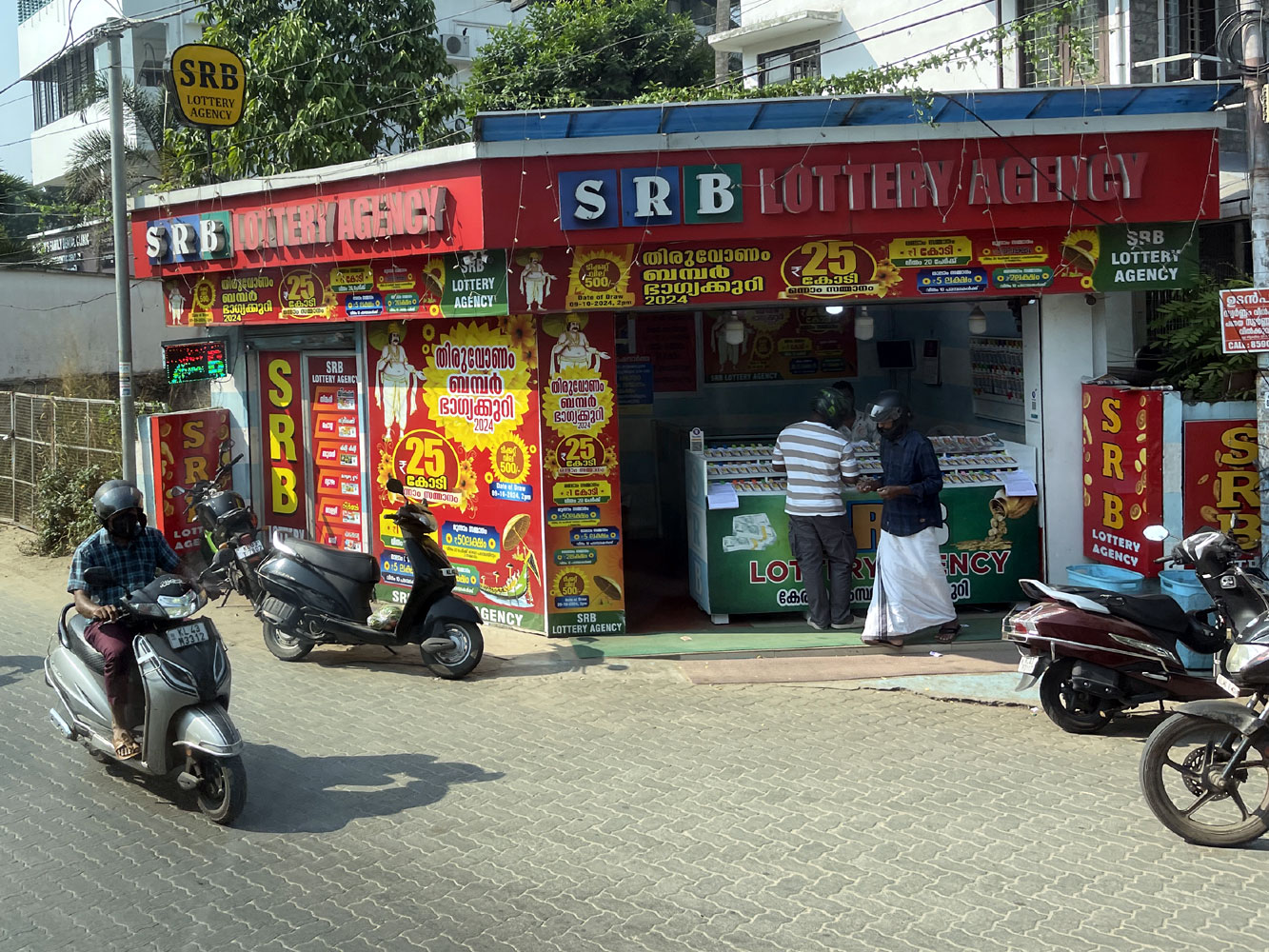
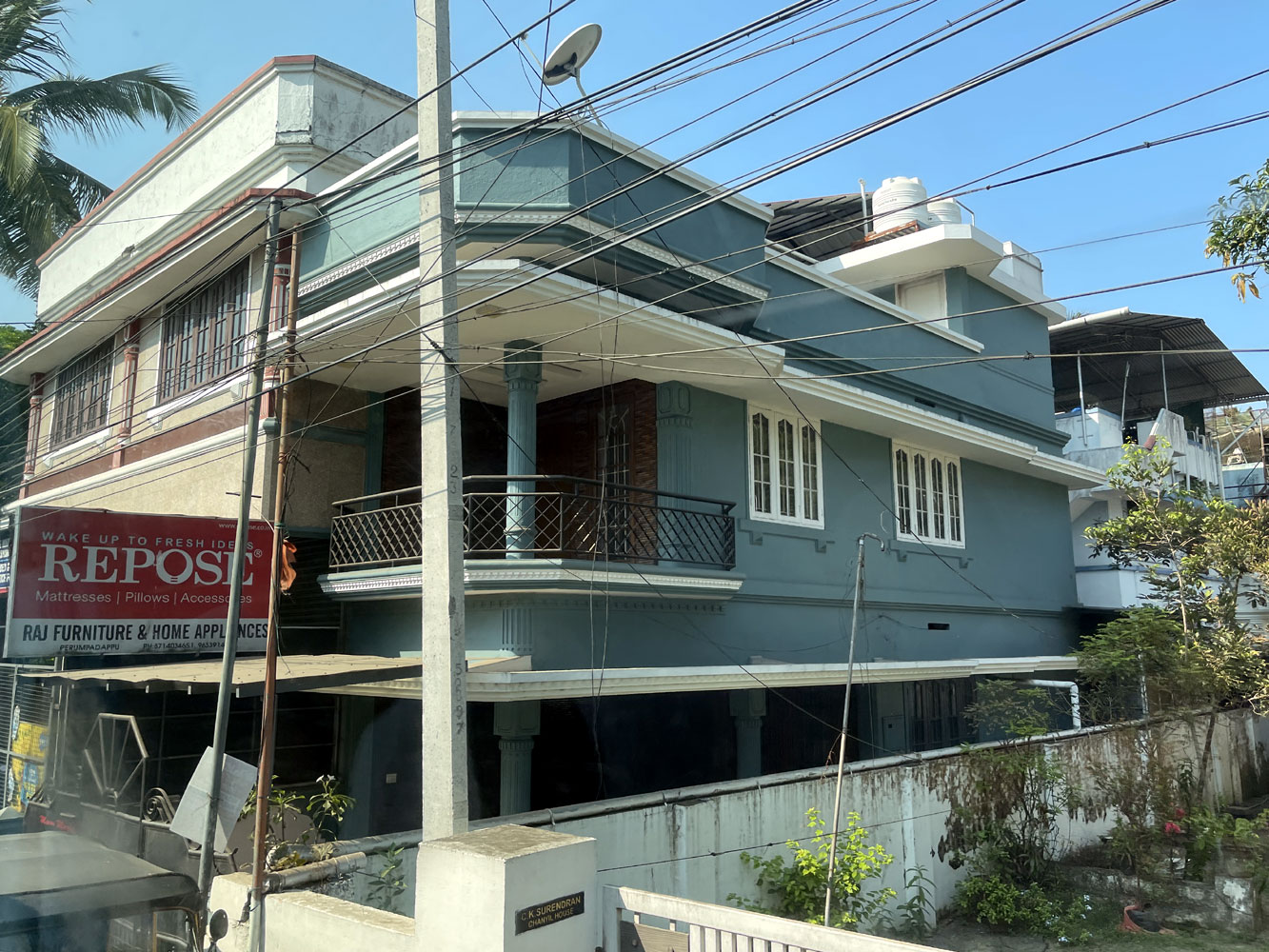
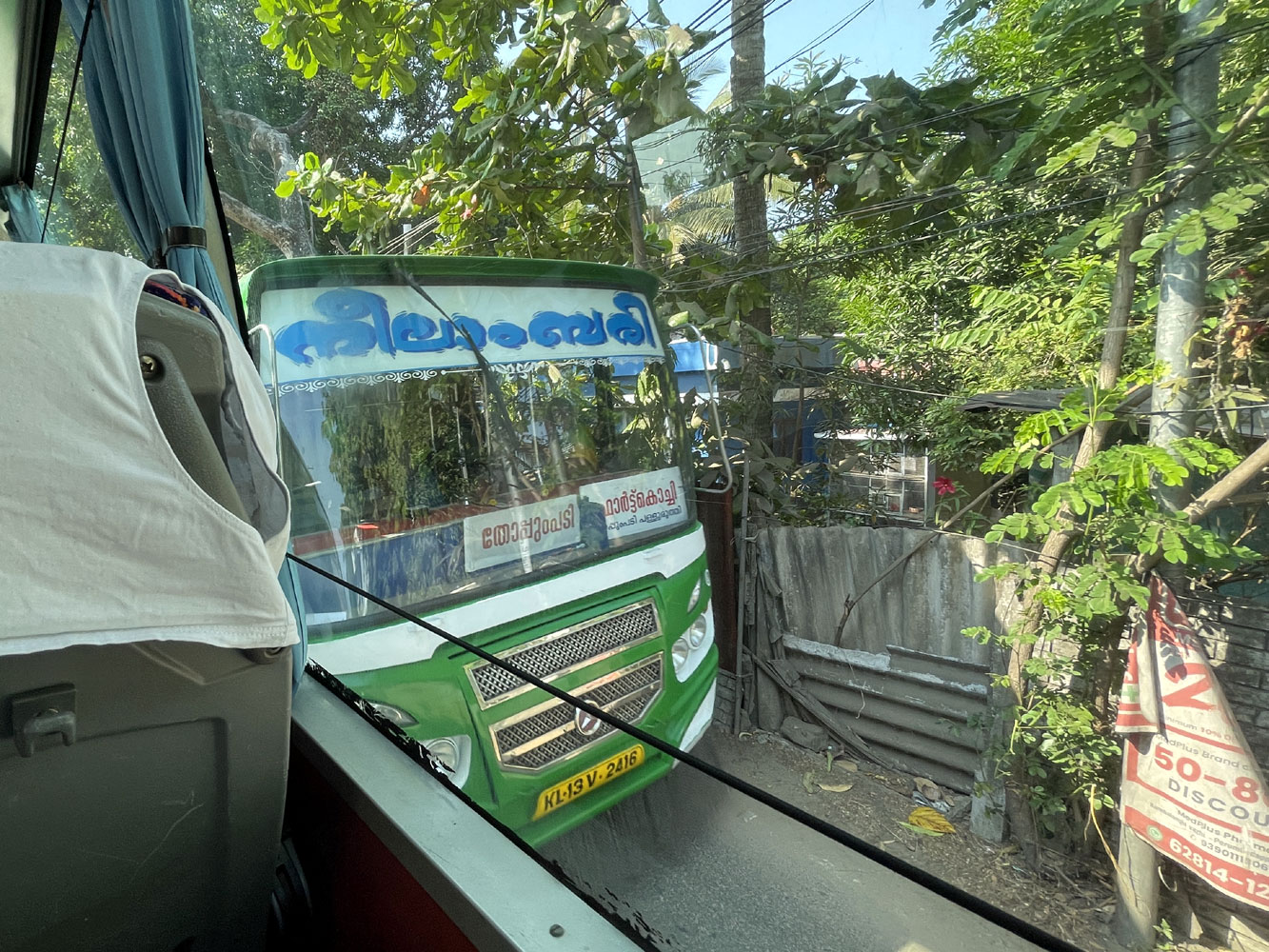
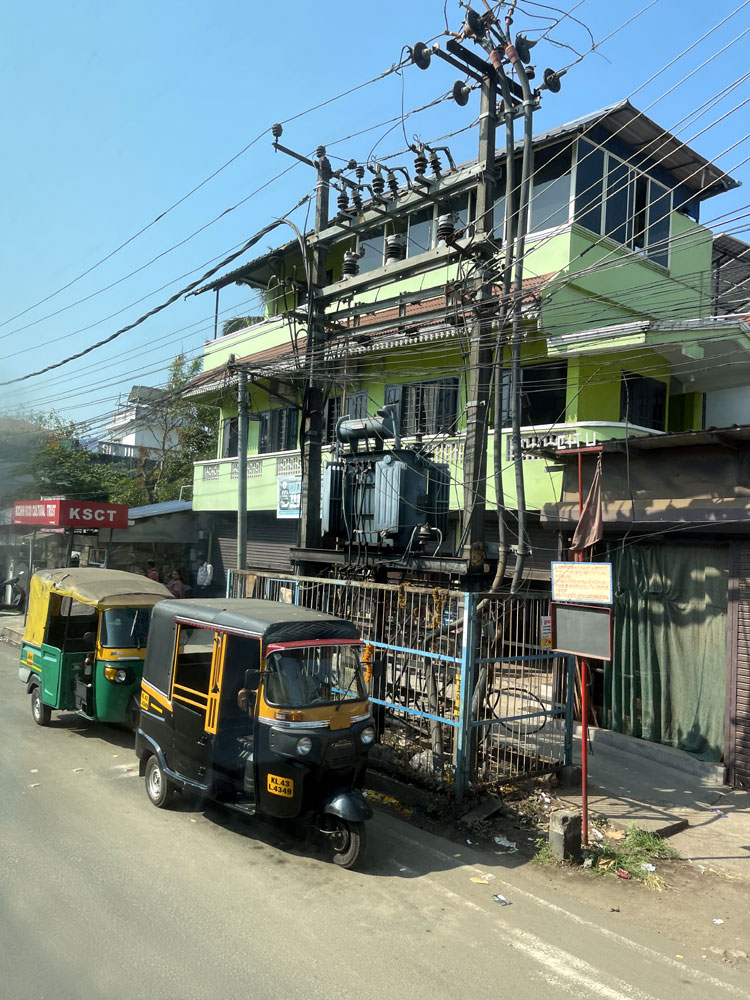
Today’s journey
was much shorter than yesterday's. We began by retracing
yesterday’s route, driving south from Emakulam Wharf
where our ship was docked, and once again crossing the ‘Gateway
of Cochin Bridge’ to leave Willingdon Island. From
there, we took a different route towards Kumbalangi. |
|
|
| |
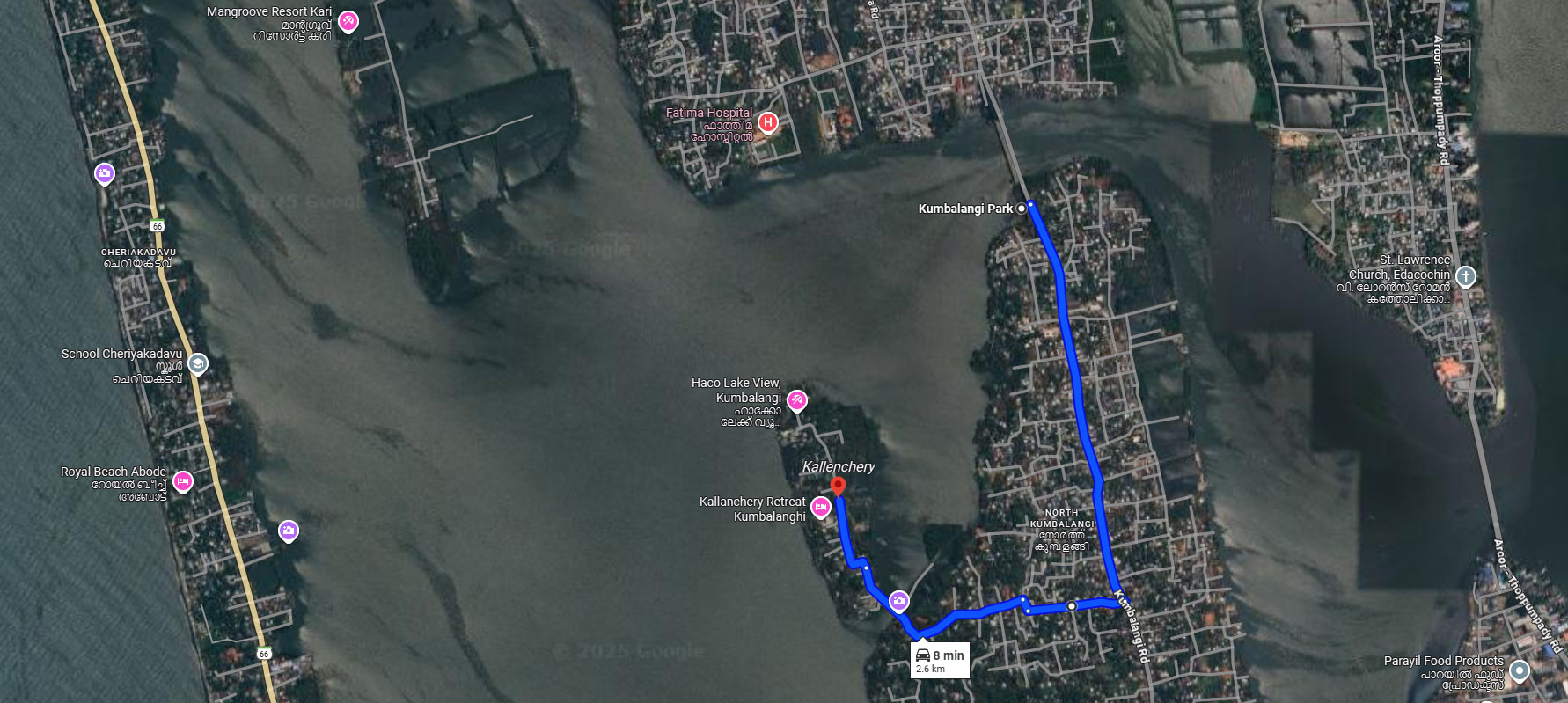
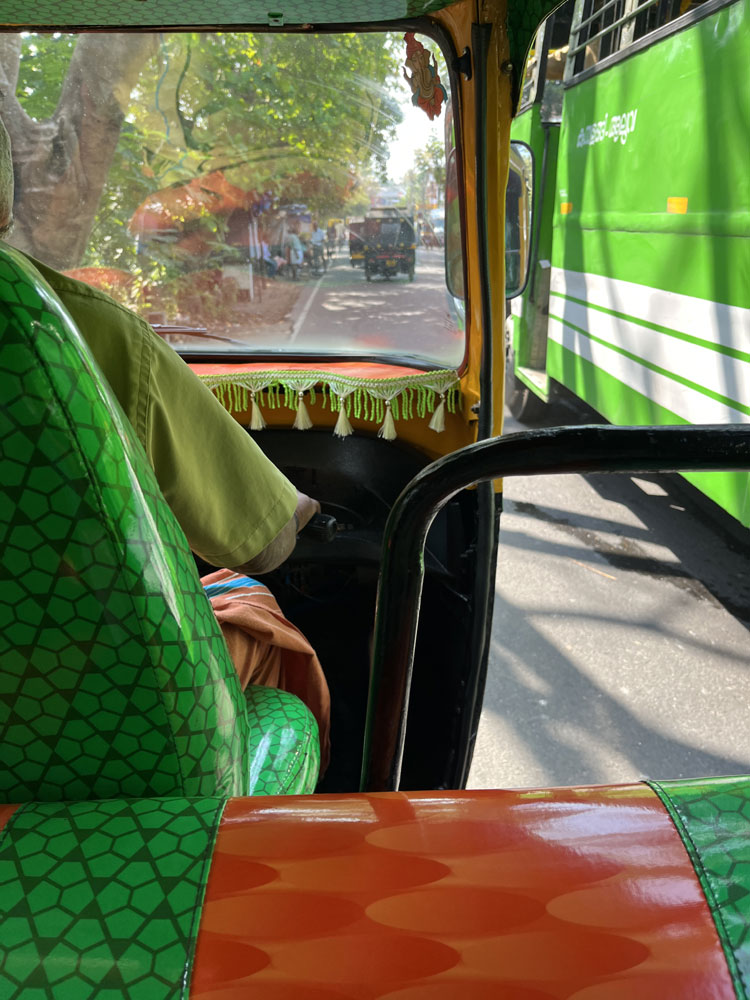
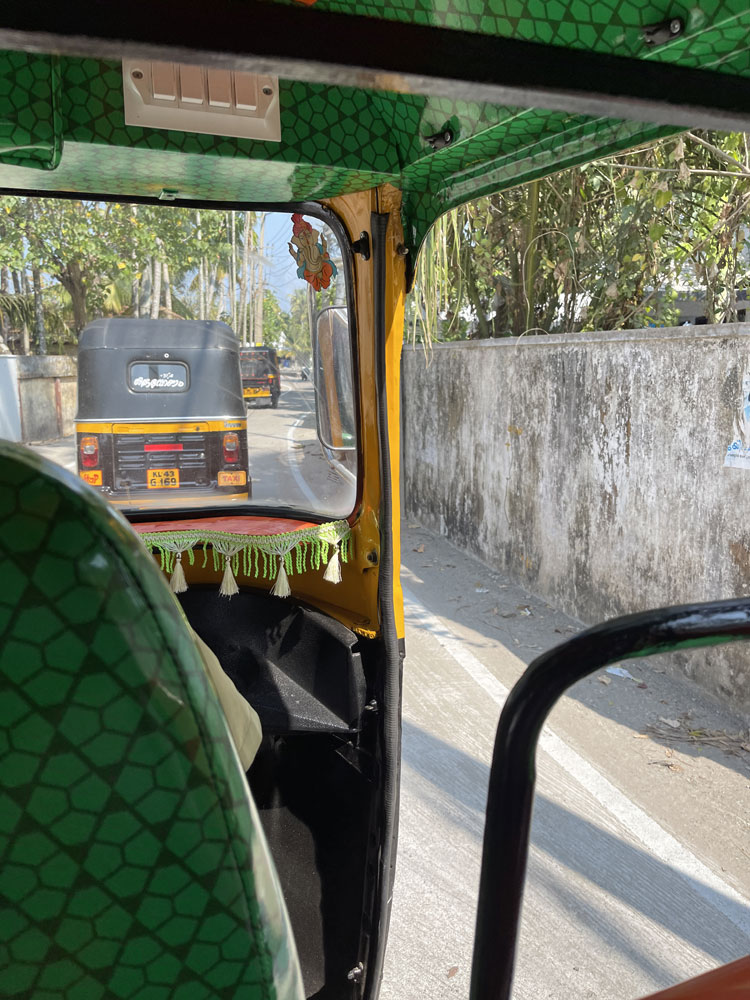
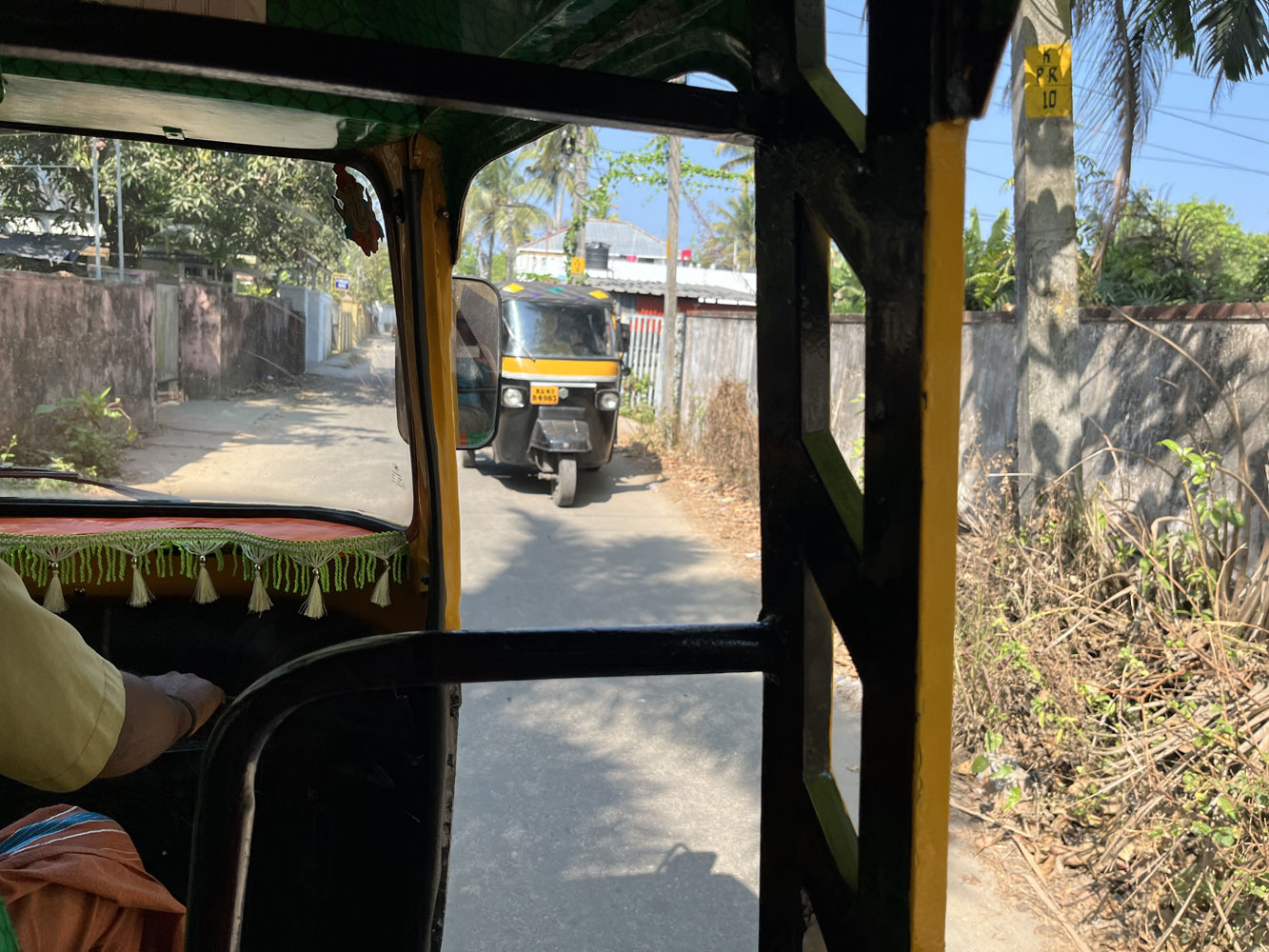
Contrary to the programme,
we didn't drive to the jetty at Kumbalangi for the canoe
ride to our destination. Instead, we took a tuk tuk for
the last 2.5km on the narrow road to Kallenchery Island.
After lunch, we did the same in reverse, rejoining our coach
at Kumbalangi Park. (The canoe experience took place at
the village site.) |
|
|
| |
|
| |
|
| |
|
| |
|
| |
|
| |
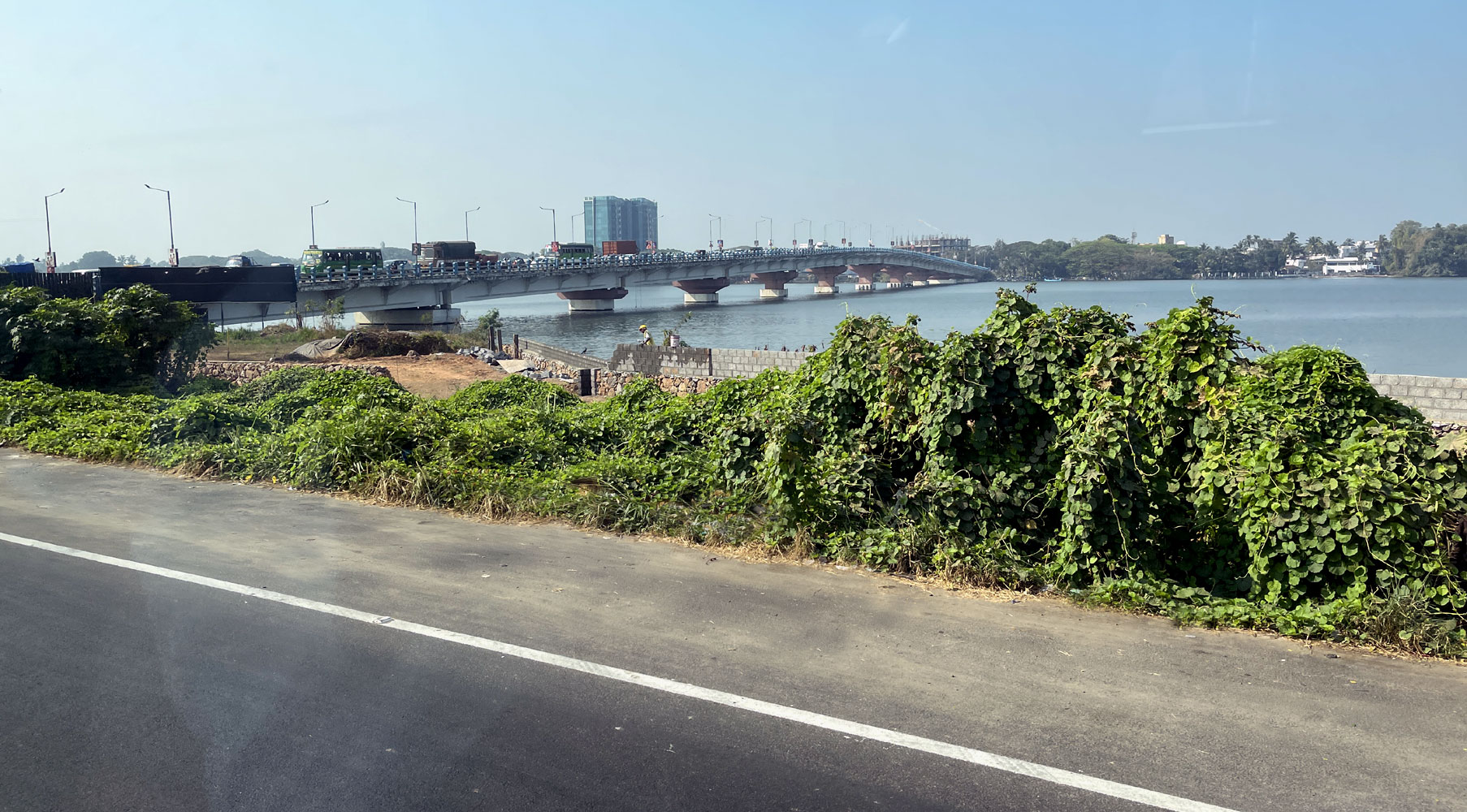
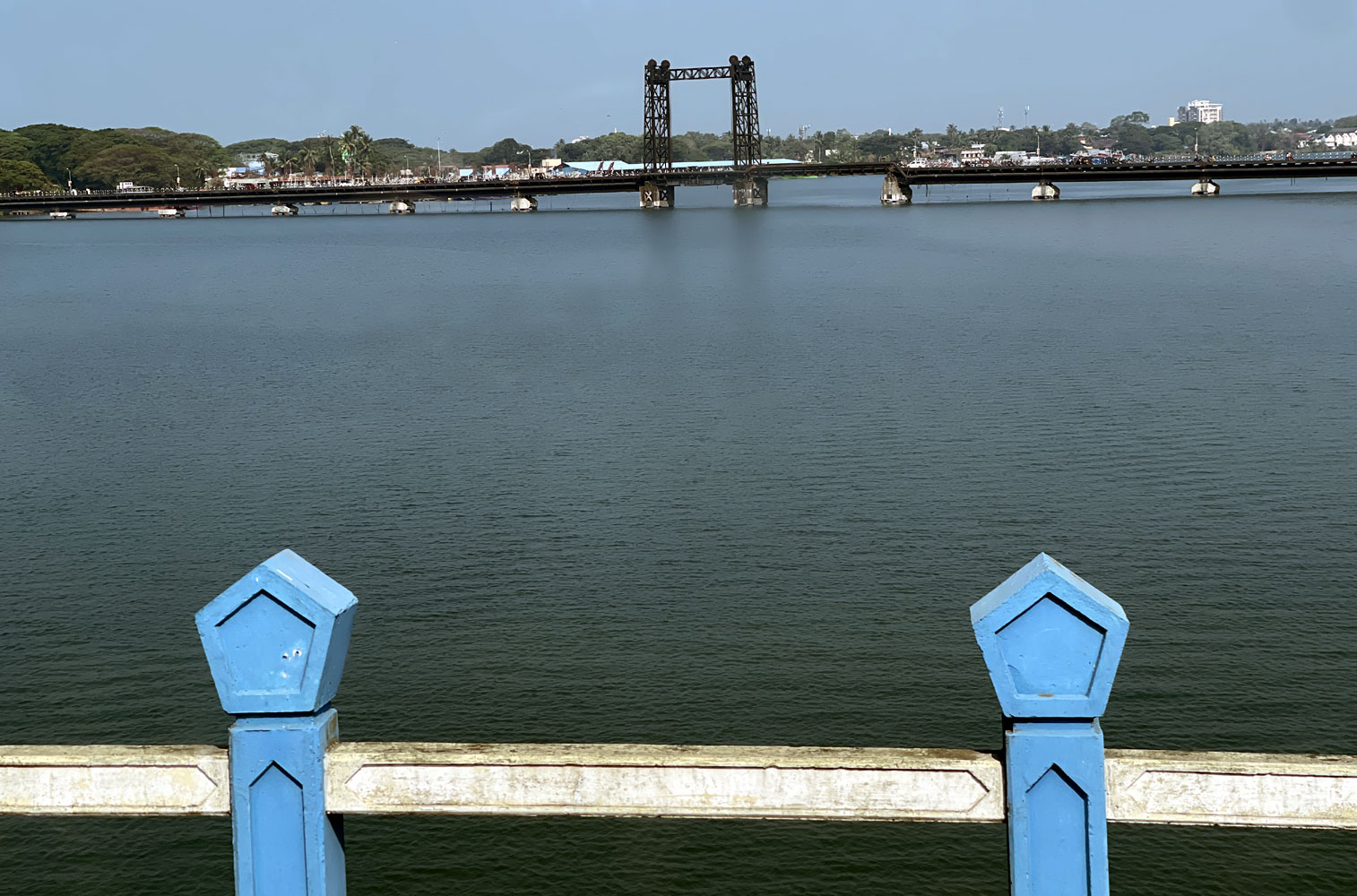
Crossing the "Gateway
of Cochin Bridge" once again. |
|
|
| |
|
| |
|
| |
|
| |
|
| |
|
| |
|
| |
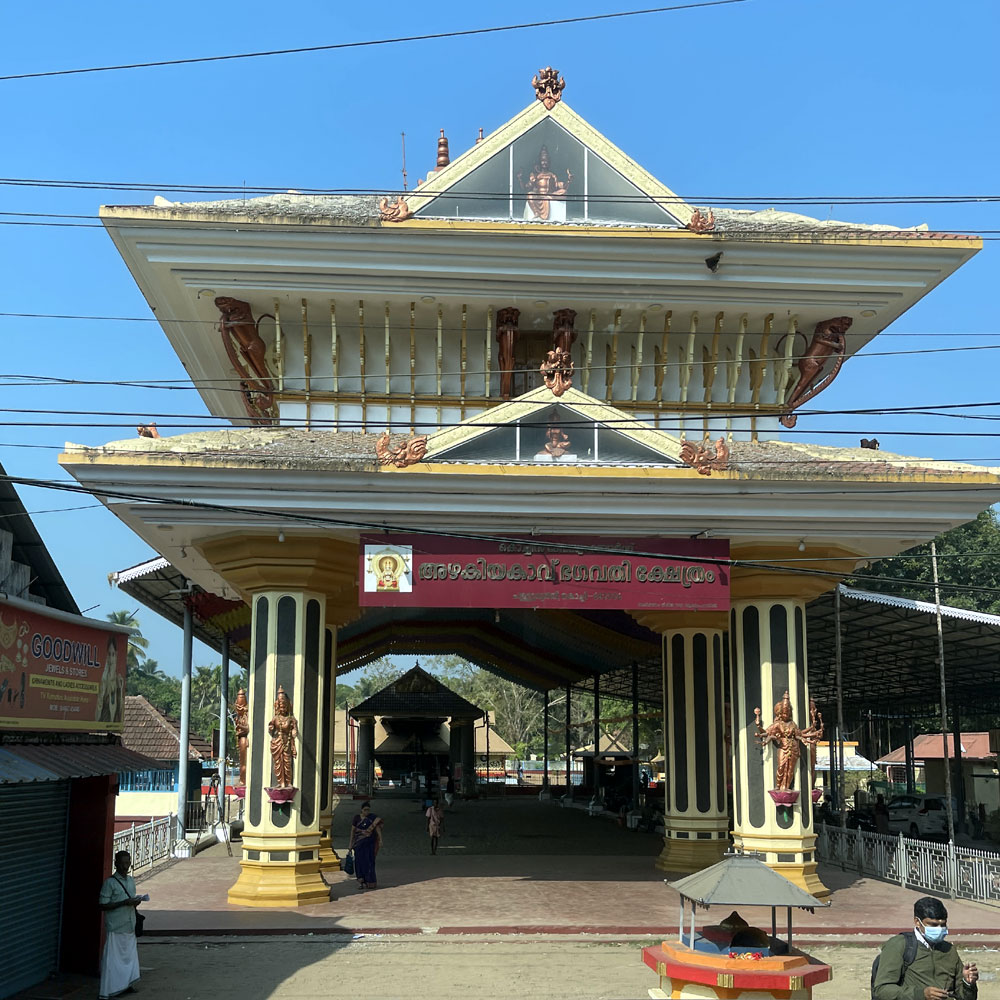
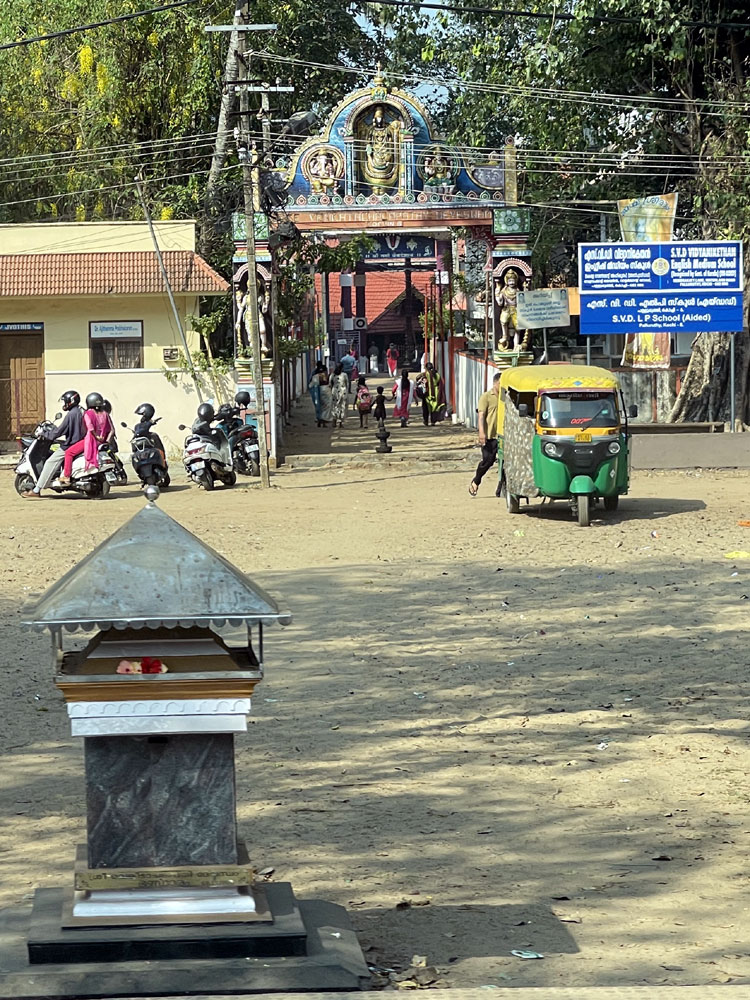
Azhakiyakavu Bhagavathi
Temple, Palluruthy. |
|
|
| |
|
| |
|
| |
|
| |
|
| |
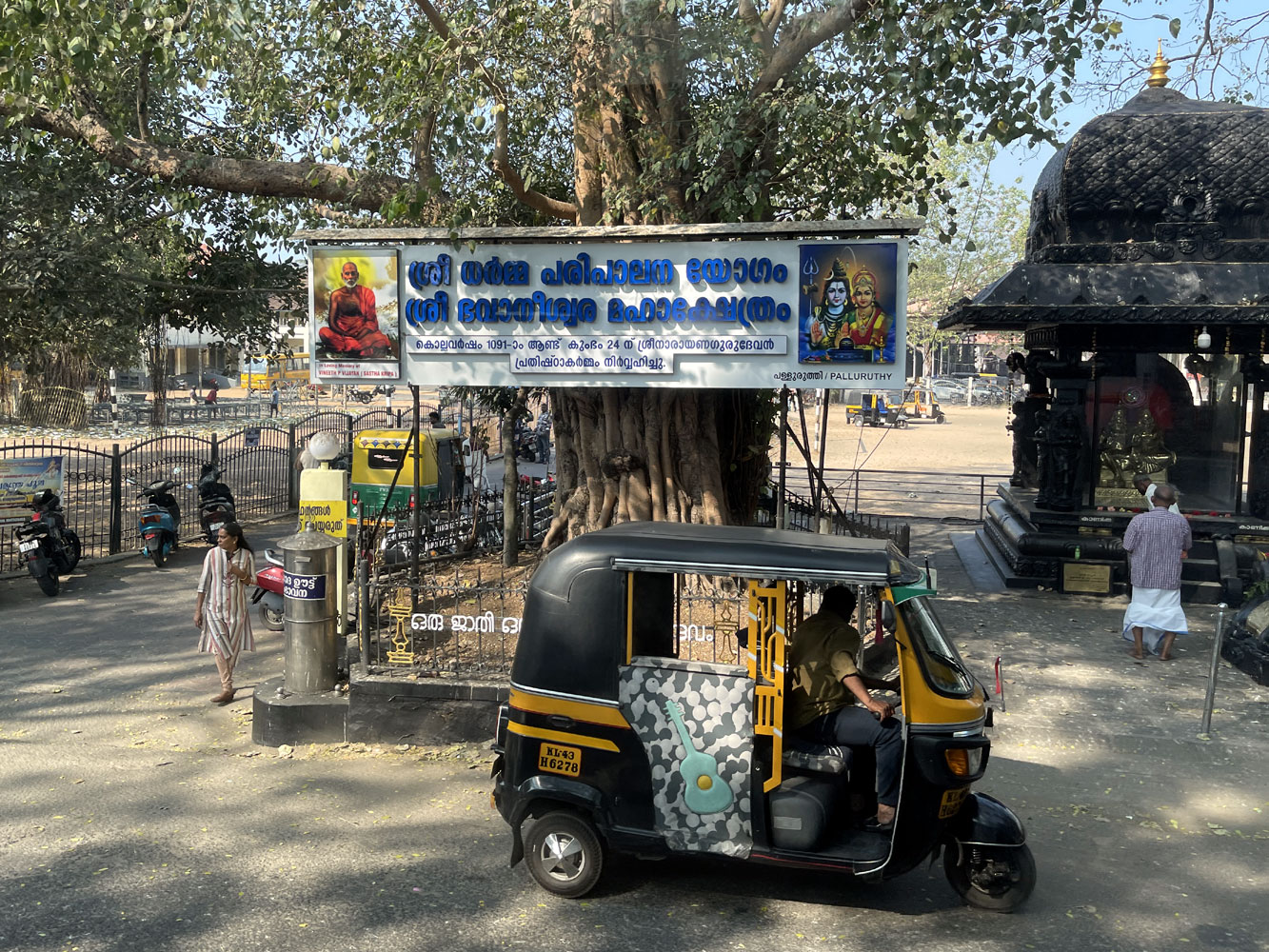
Sree Bhavaneeswara Temple. |
|
|
| |
|
| |
|
| |
|
| |
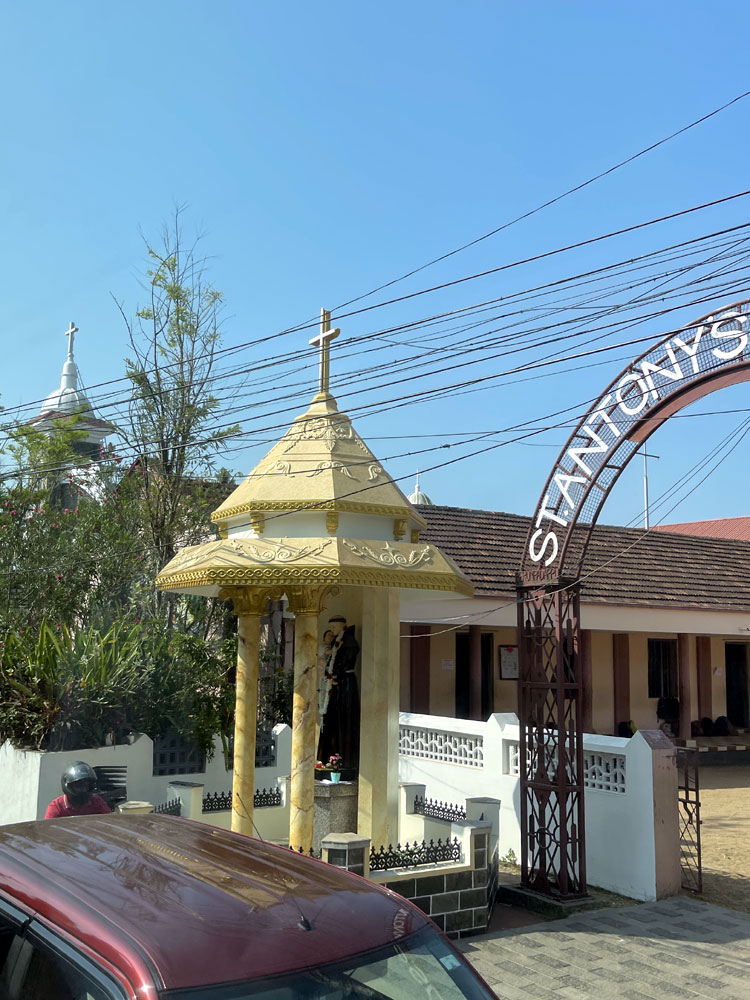
St. Antony's Upper Primary
School and Holy Family Monastery, Palluruthy. |
|
|
|
| |
|
|
| |
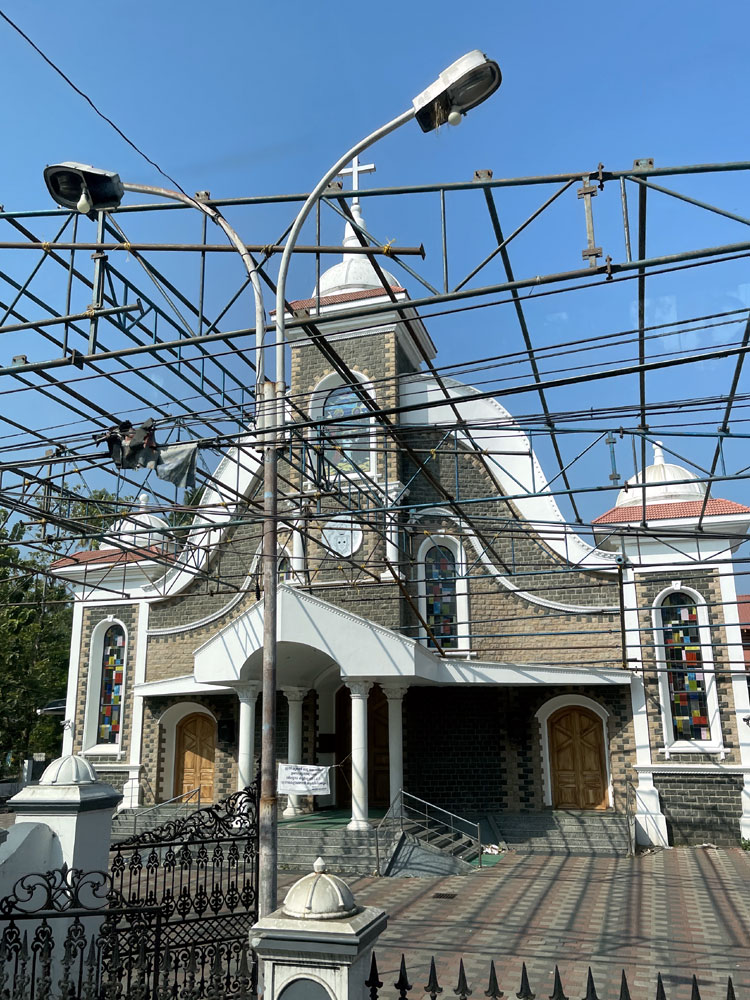
Santa
Cruz Church. |
|
| |
Crossing the Kumbalangi-Perumpadappu
Bridge. |
|
|
| |
|
| |
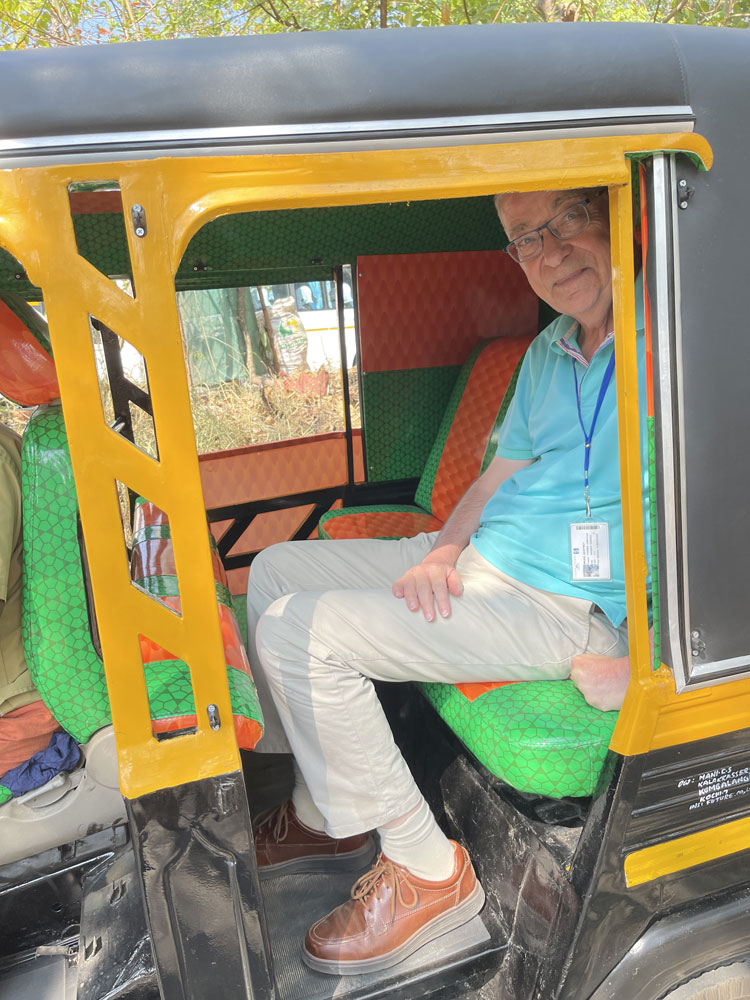
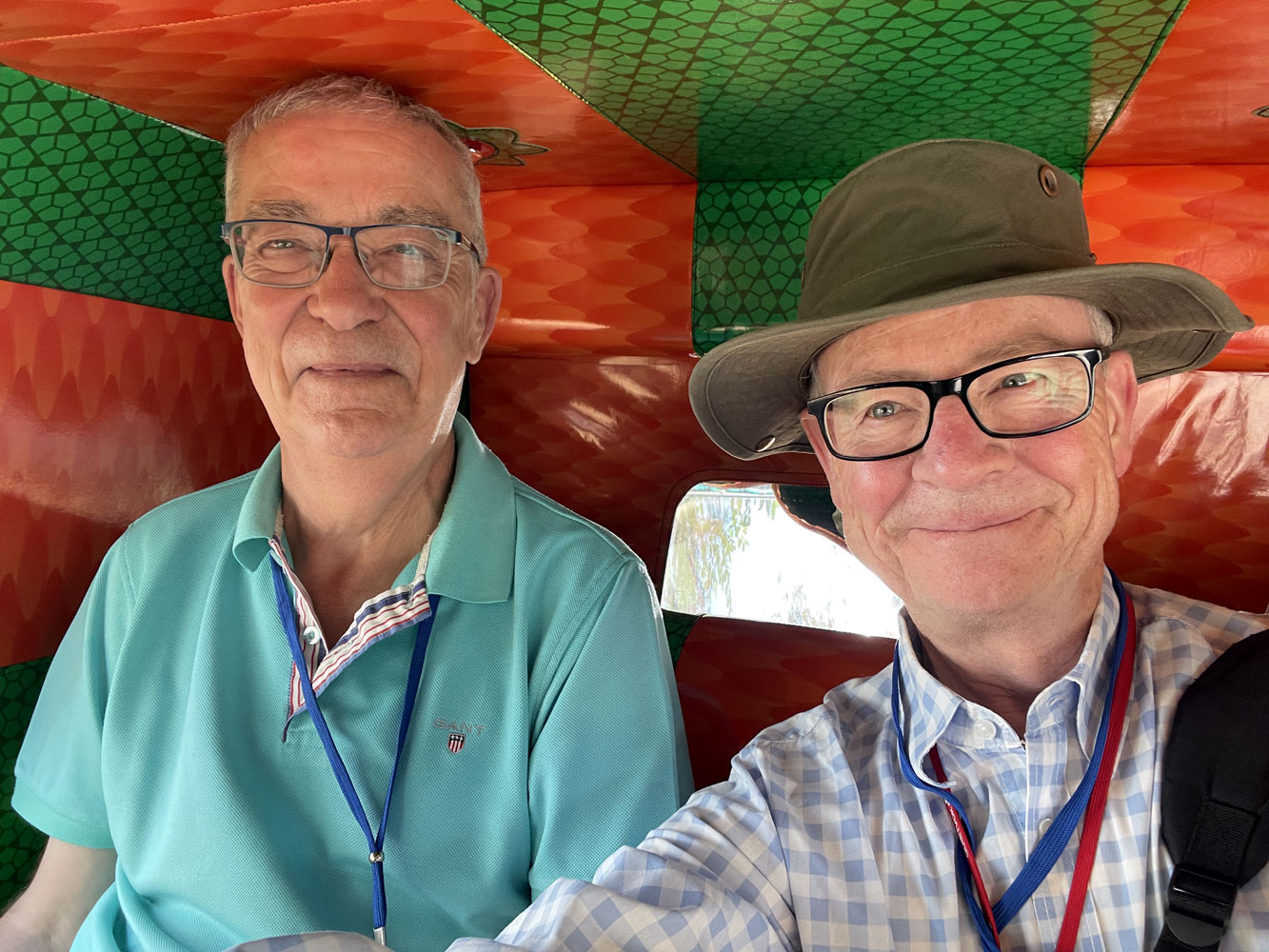
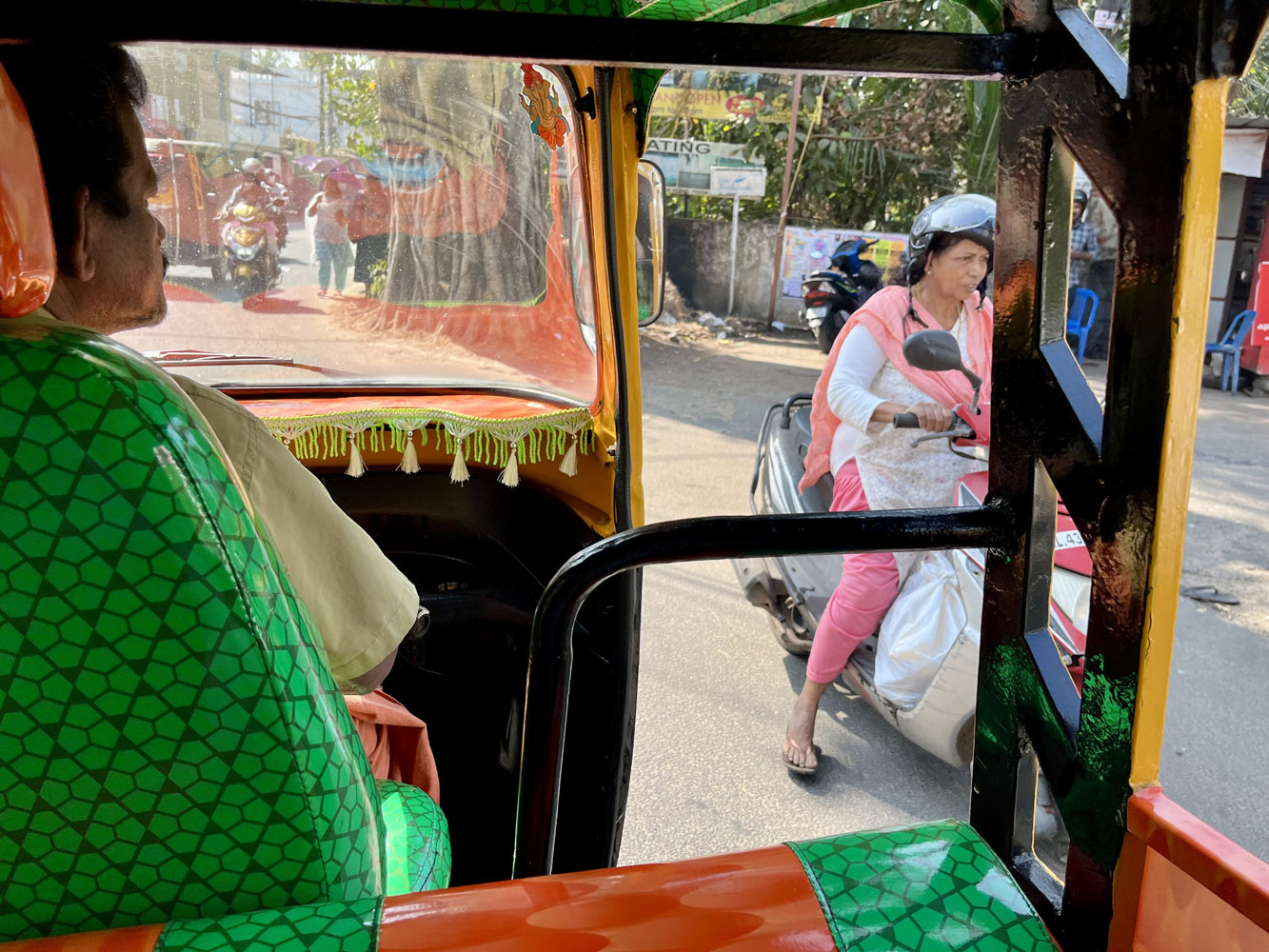
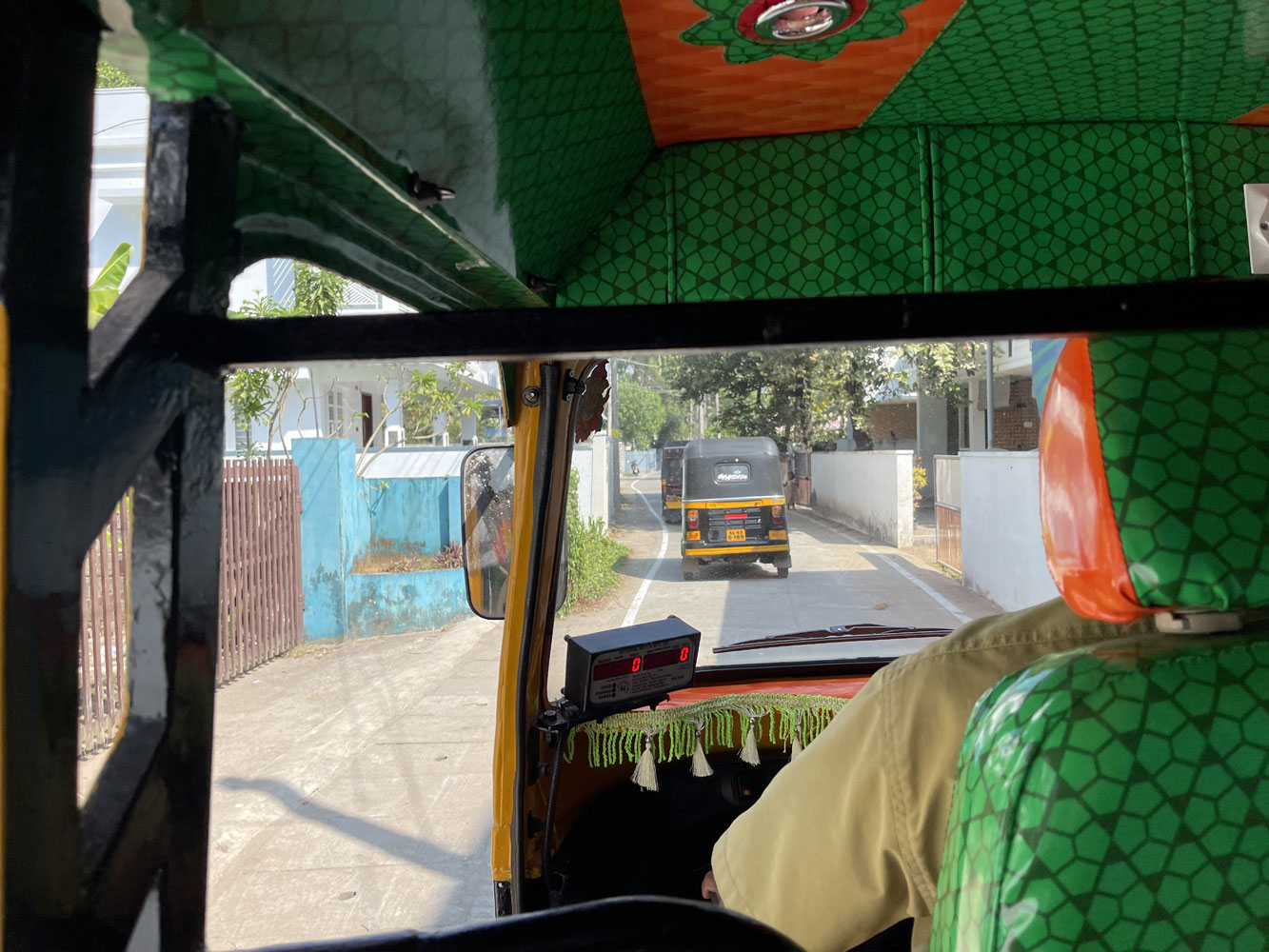
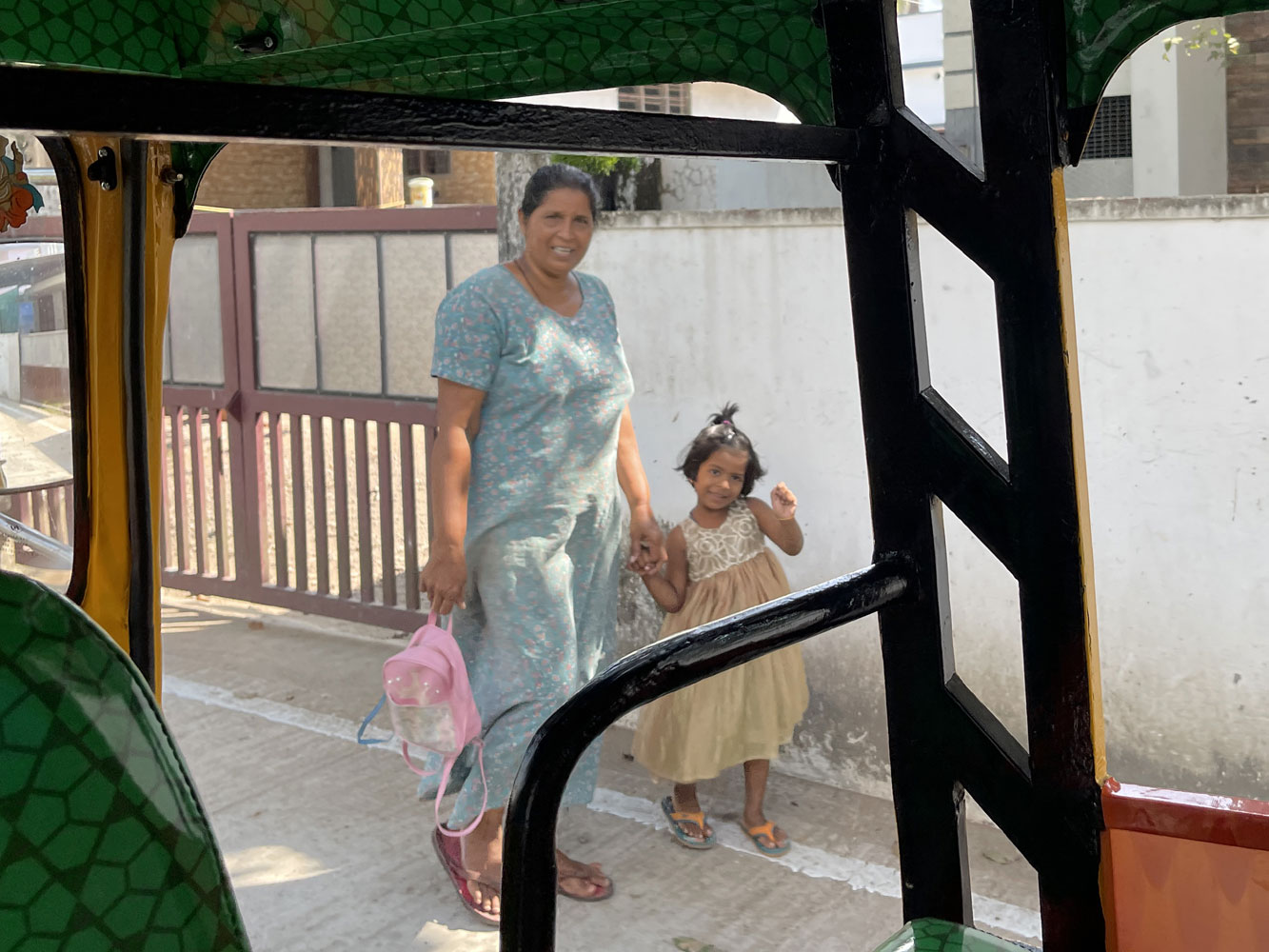
Once across the bridge,
we left the coach and boarded one of the waiting tuk tuks
for the final 2.5 km ride to our destination. |
|
|
| |
|
| |
|
| |
|
| |
|
|
| |
|
| |
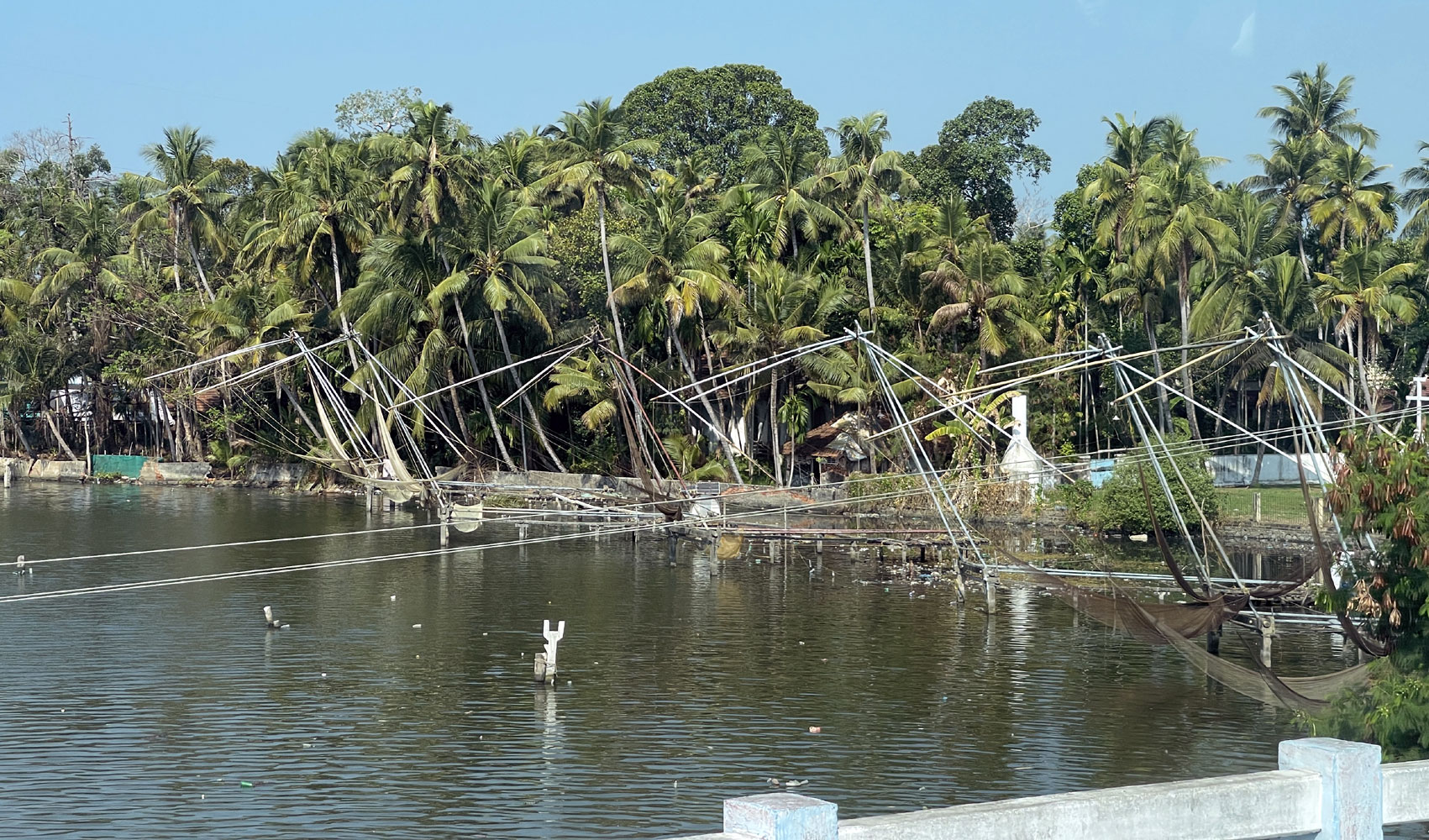
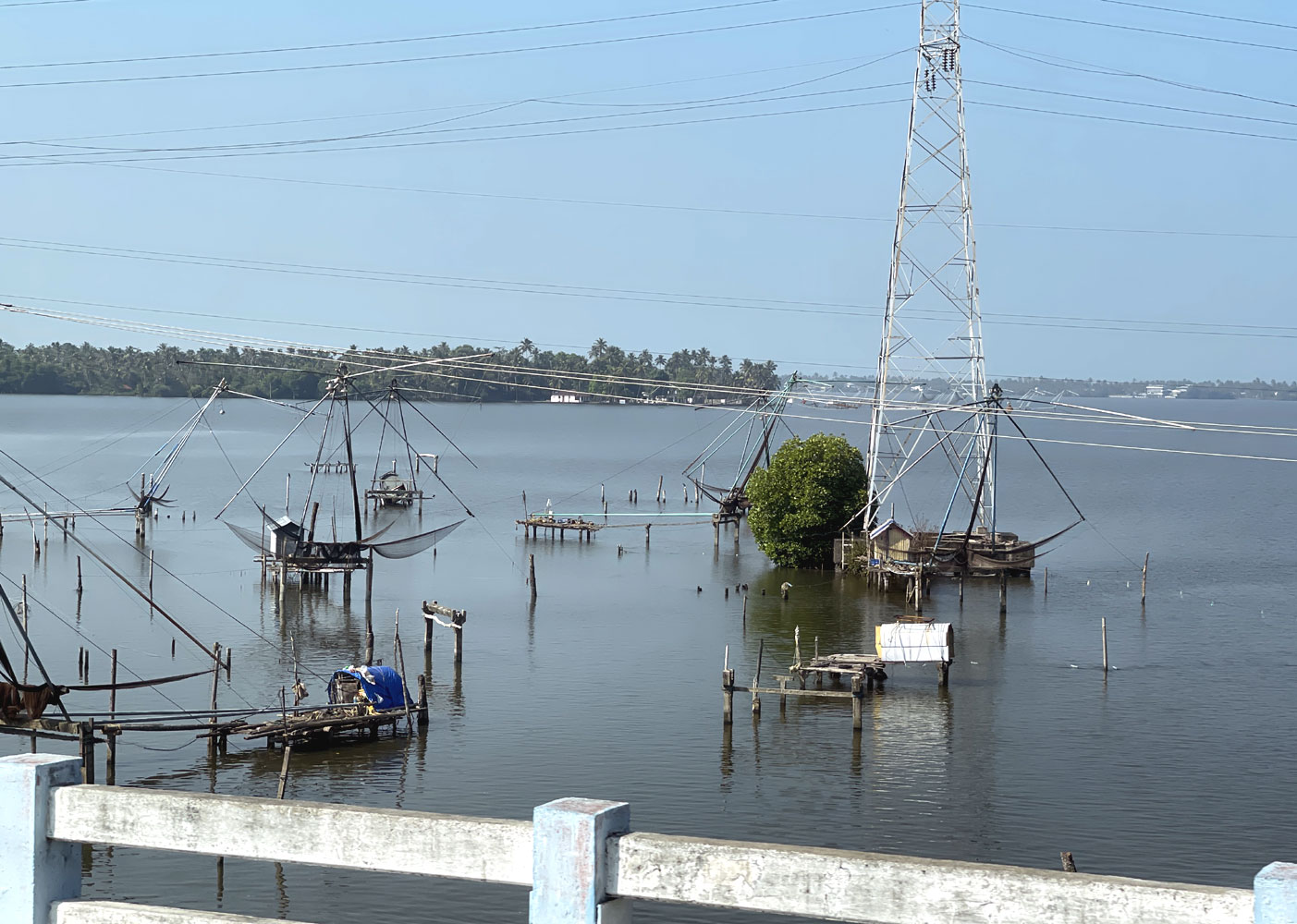
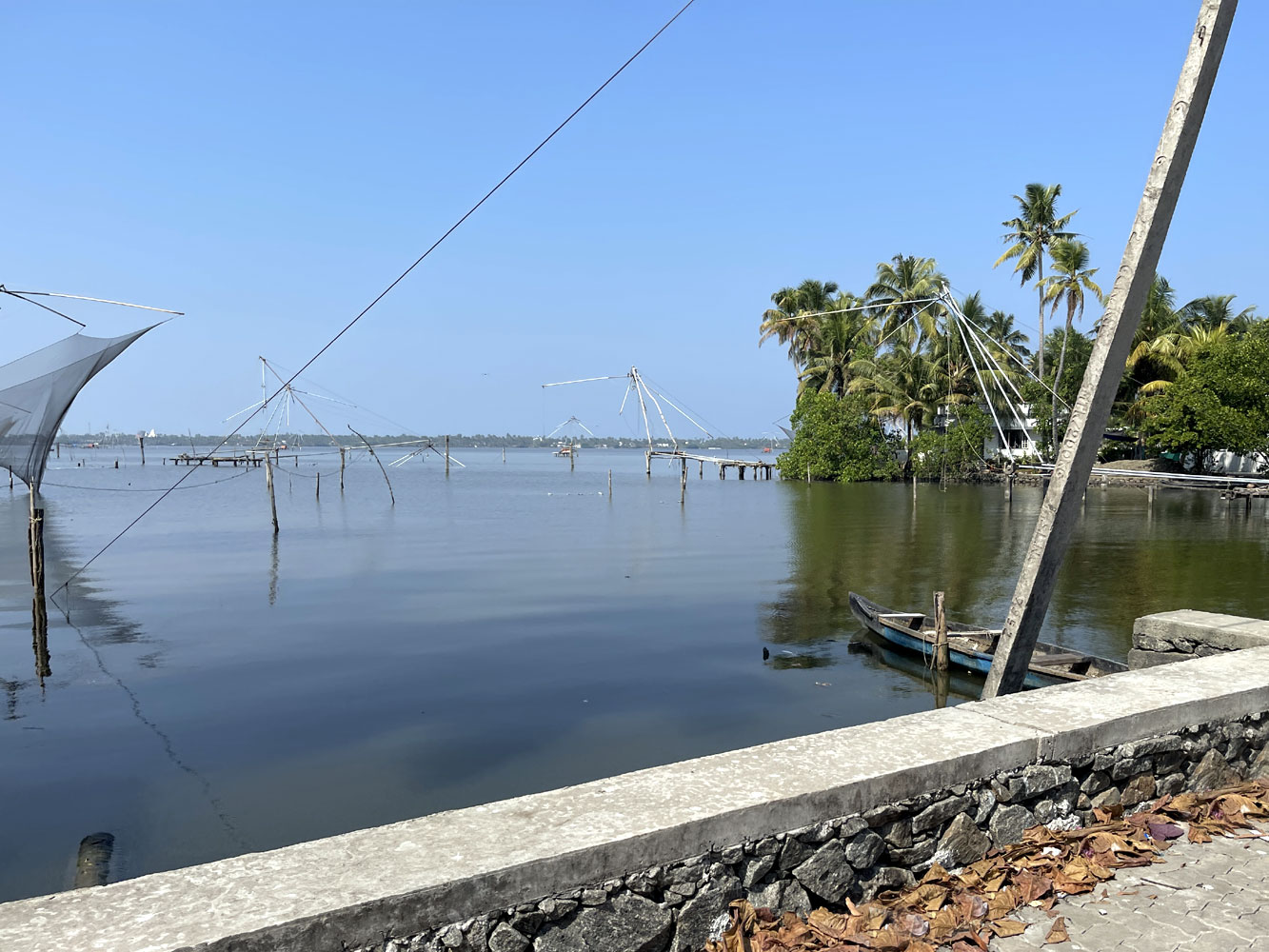
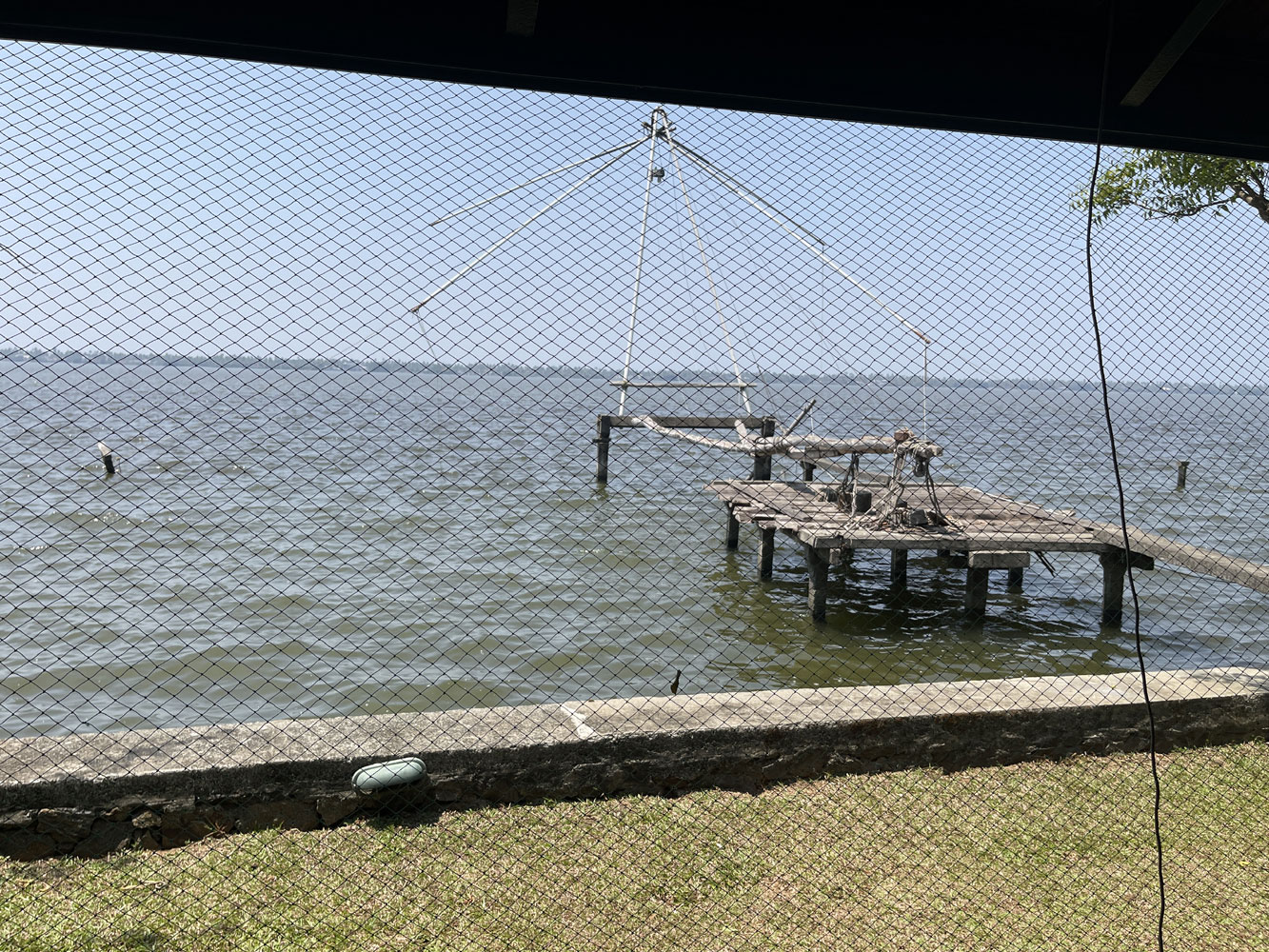
As we crossed the bridge
onto Kallanchery Island, we saw numerous Chinese fishing
nets. Here, each net is typically operated at night by two
people, with electric lights used to draw in fish and prawns. |
|
|
| |
|
| |
|
| |
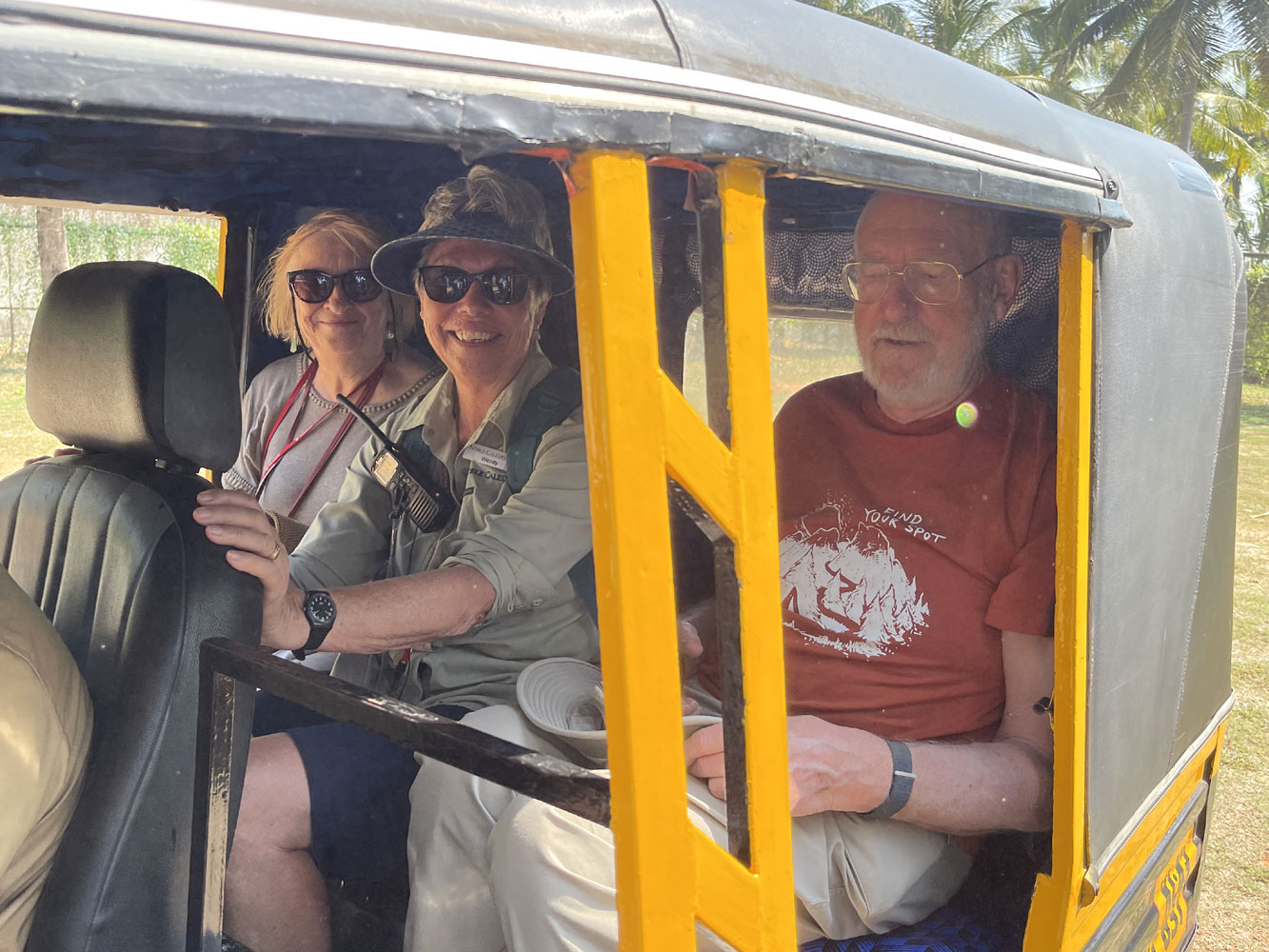
Soon we arrived at our
destination. Wendy had sqeezed into a tuk tuk with two other
people. The lady on the left is Susan. We recogised her
from a cruise we did around the Baltic in 2011! |
|
|
| |
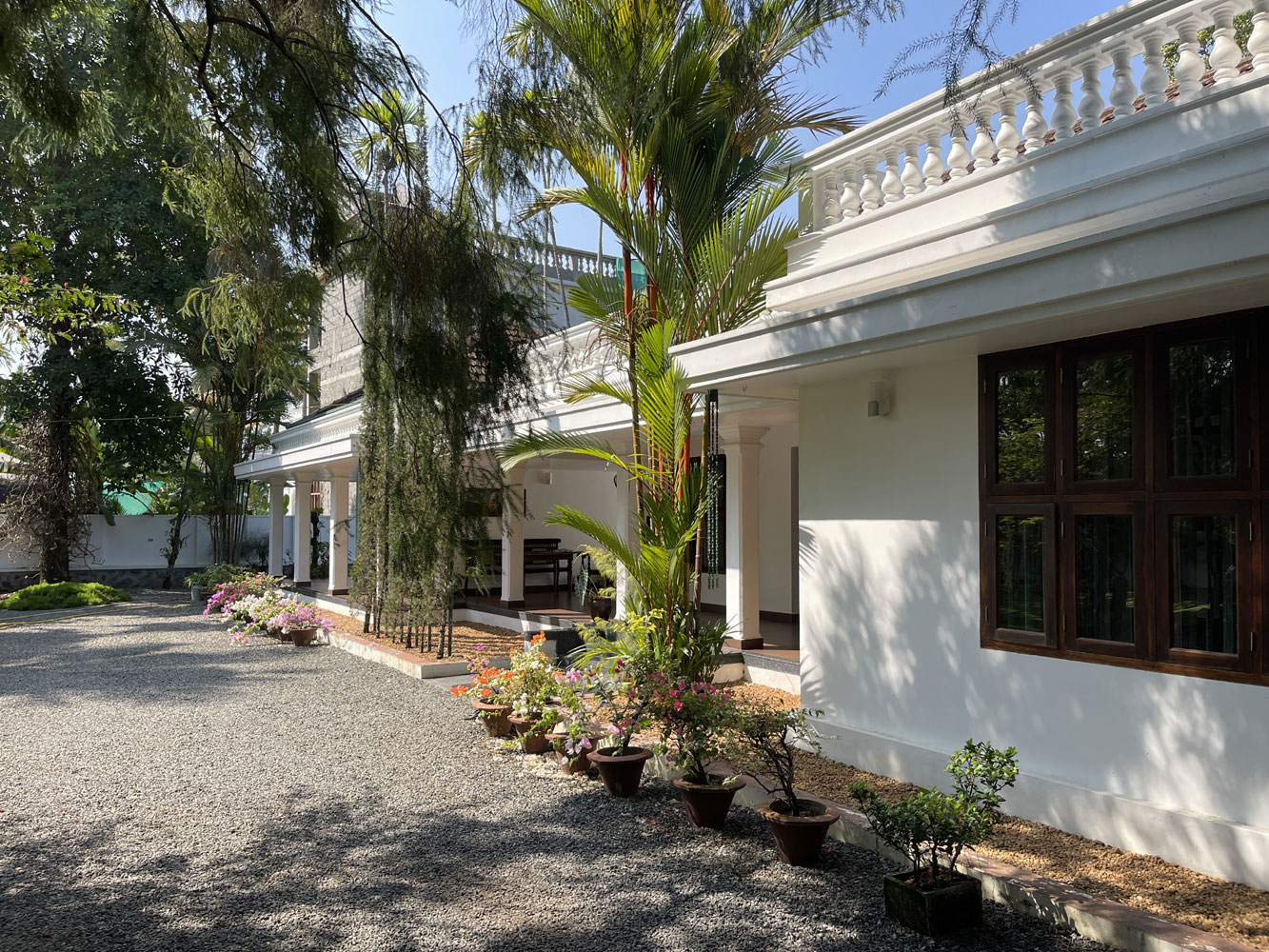
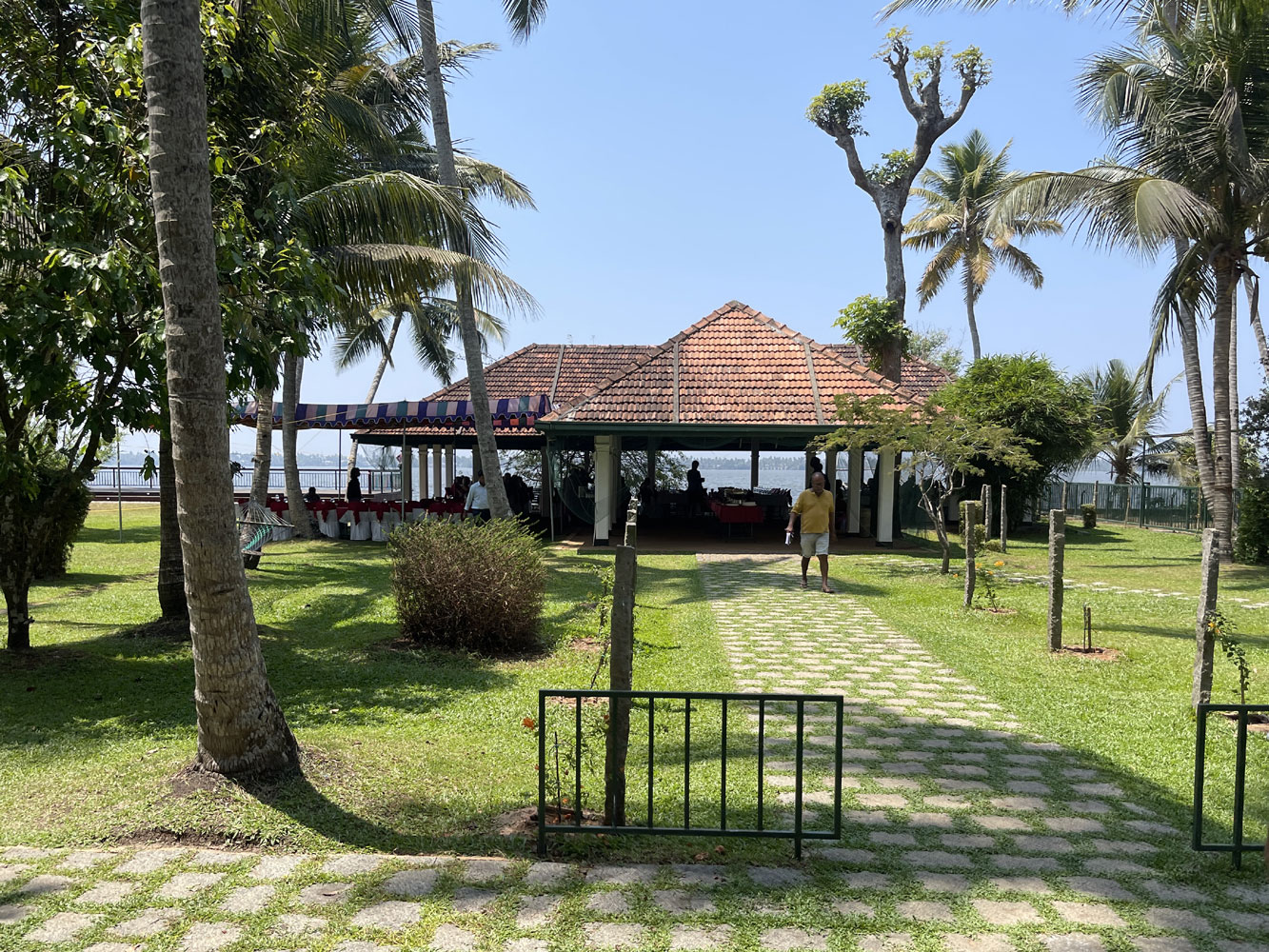
The resort looked very
nice, but we were going to spend most of our time here visiting
the village across the road. |
|
|
| |
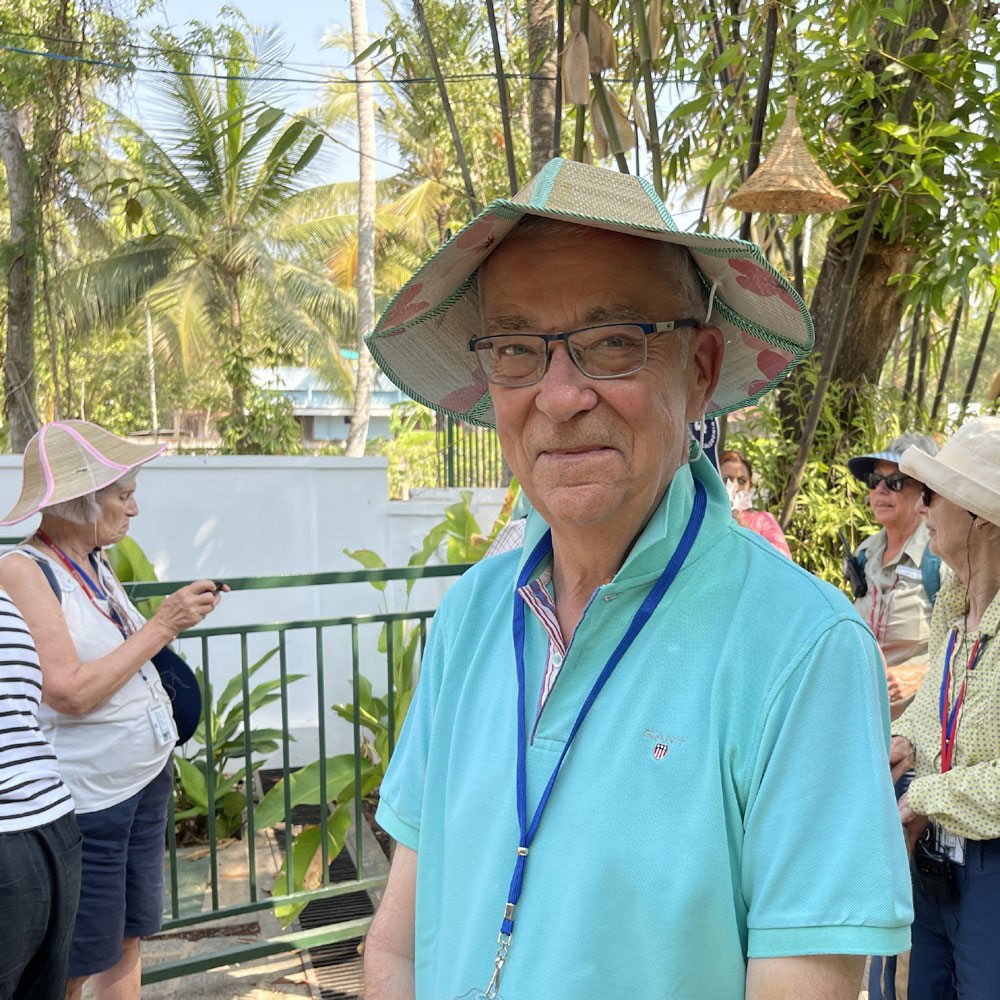
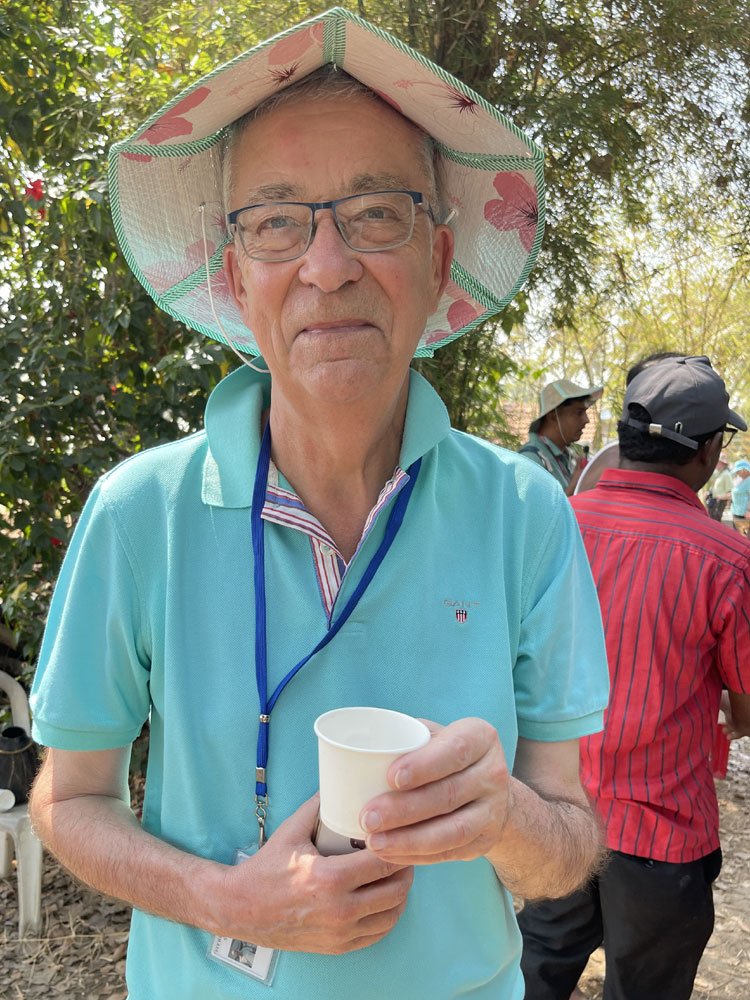
At the village, we were
warmly welcomed by the staff and presented with rather fetching
hats to wear before beginning our tour, which showcased
a range of traditional skills and techniques, many of which
we witnessed firsthand today. |
|
|
| |
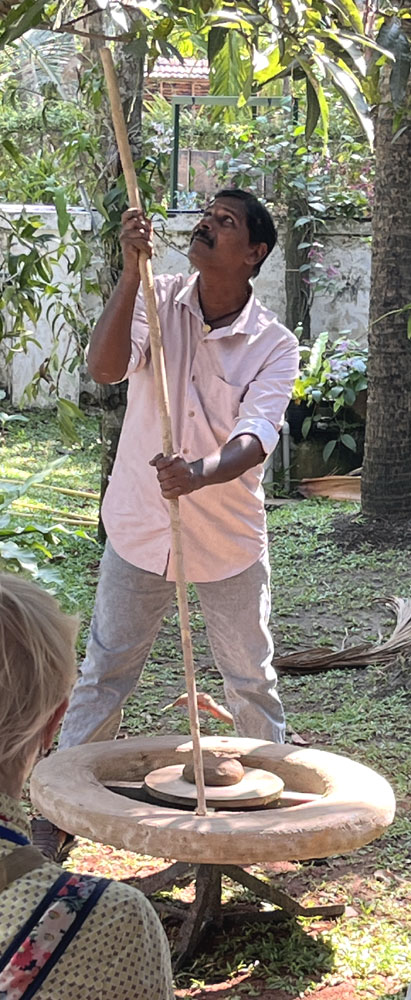
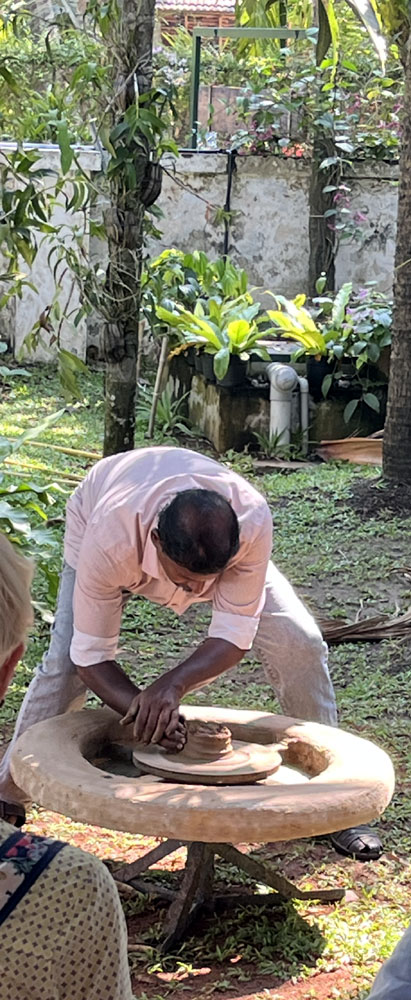
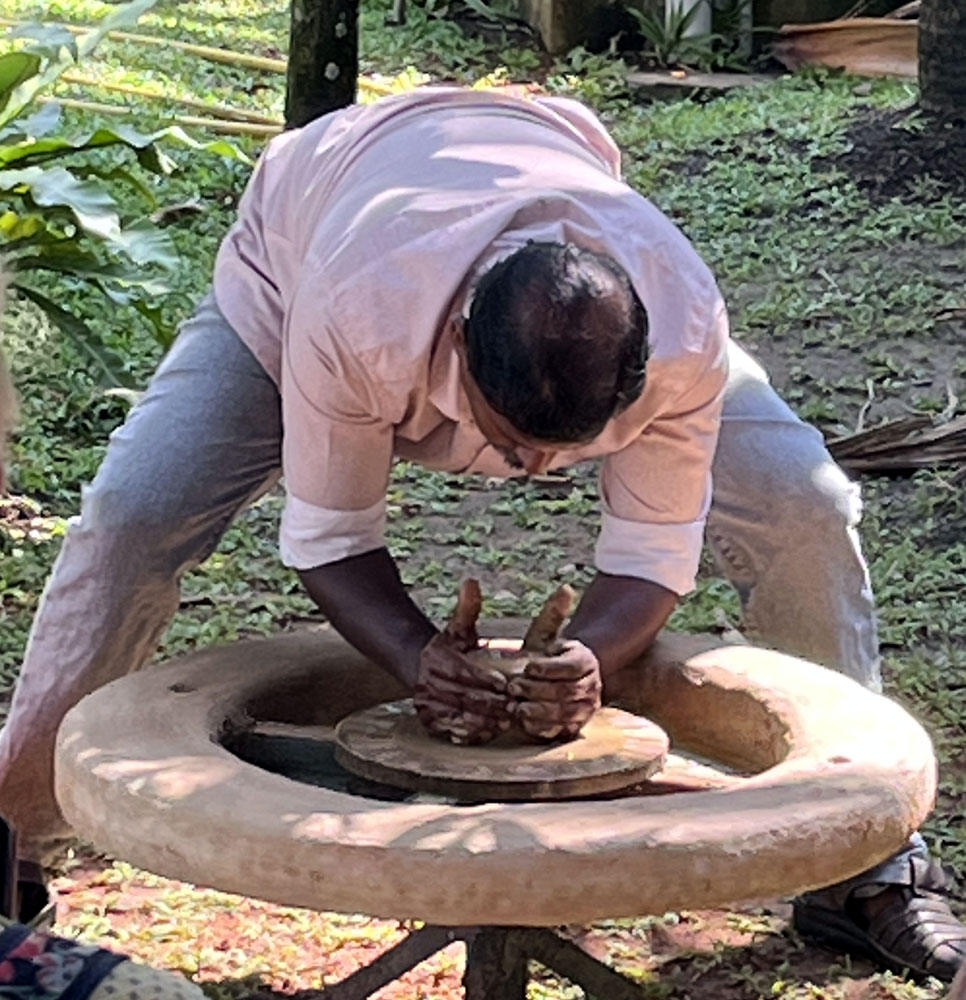
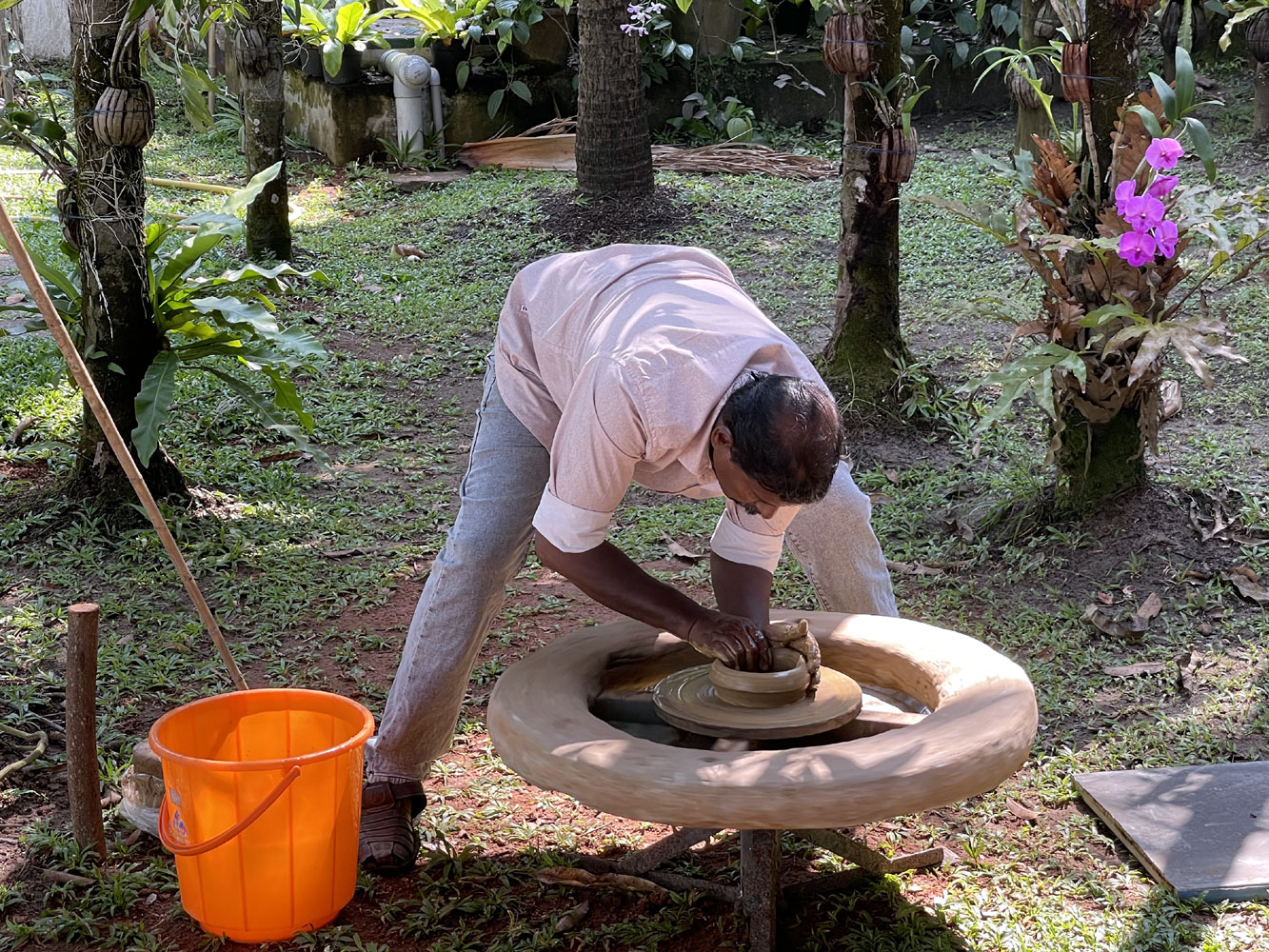
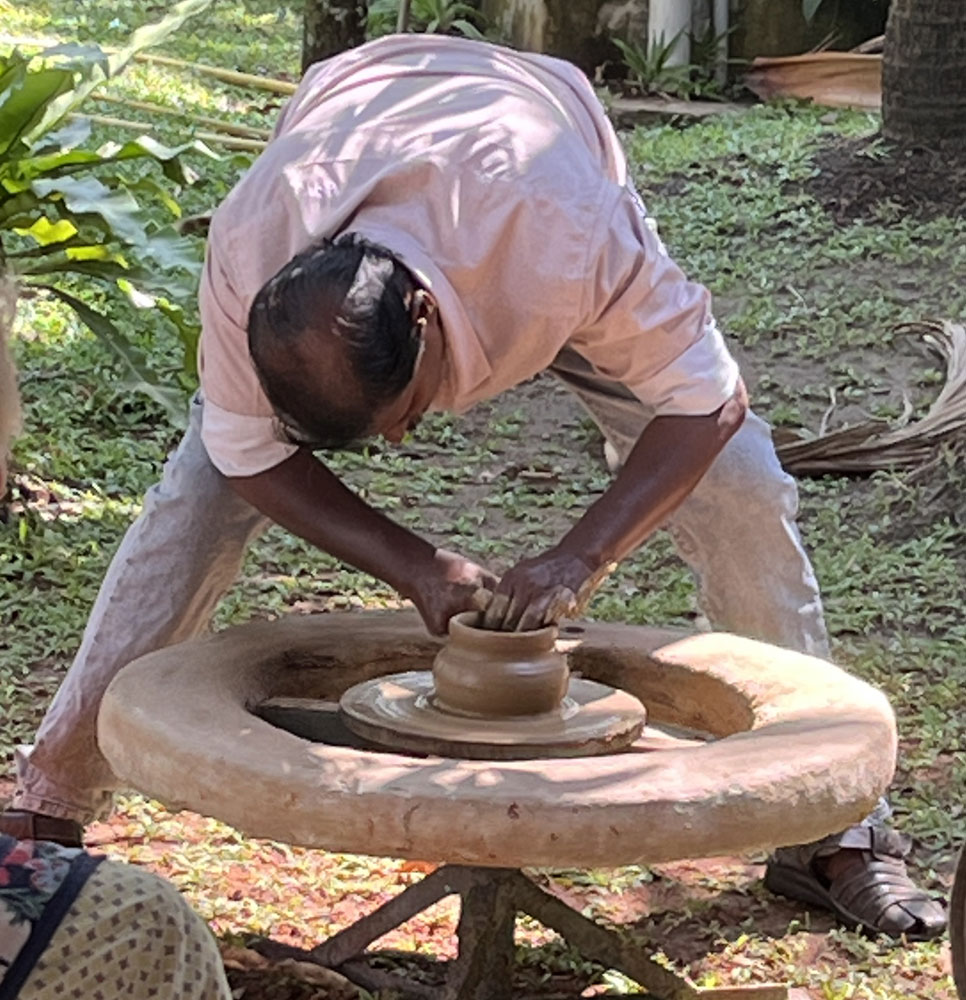
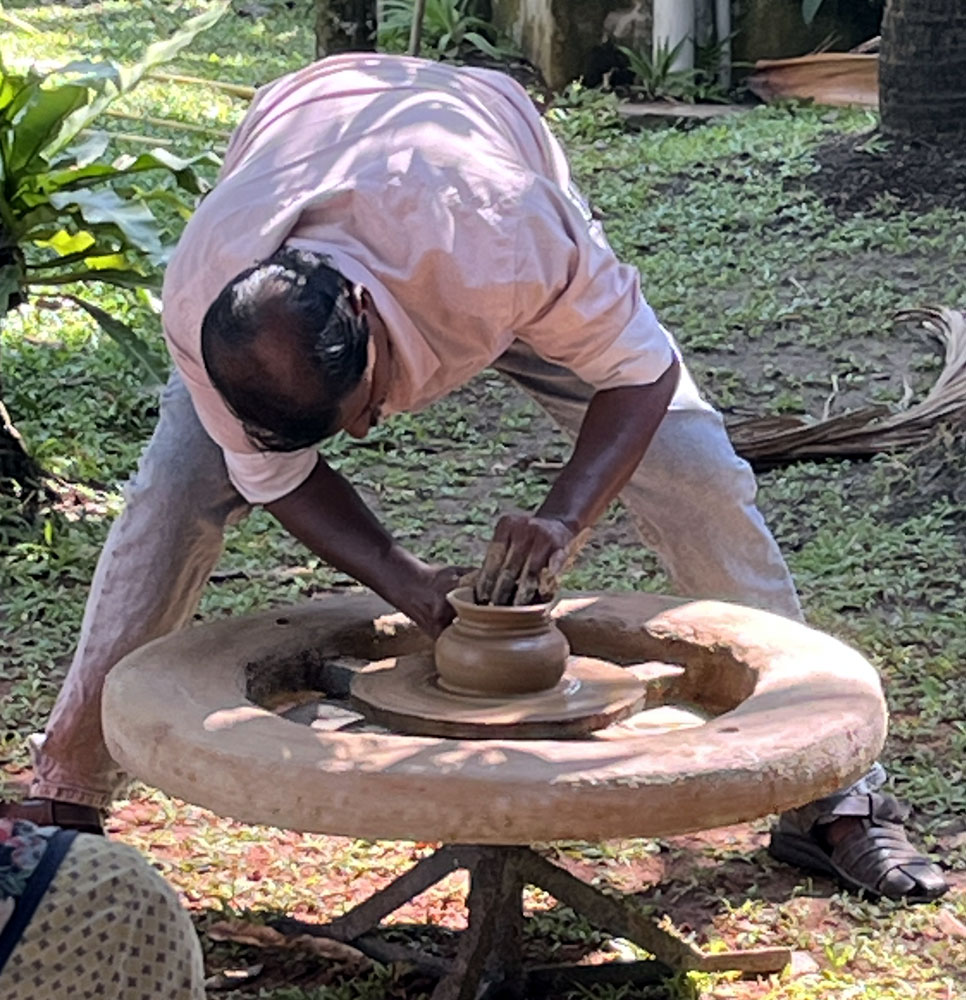
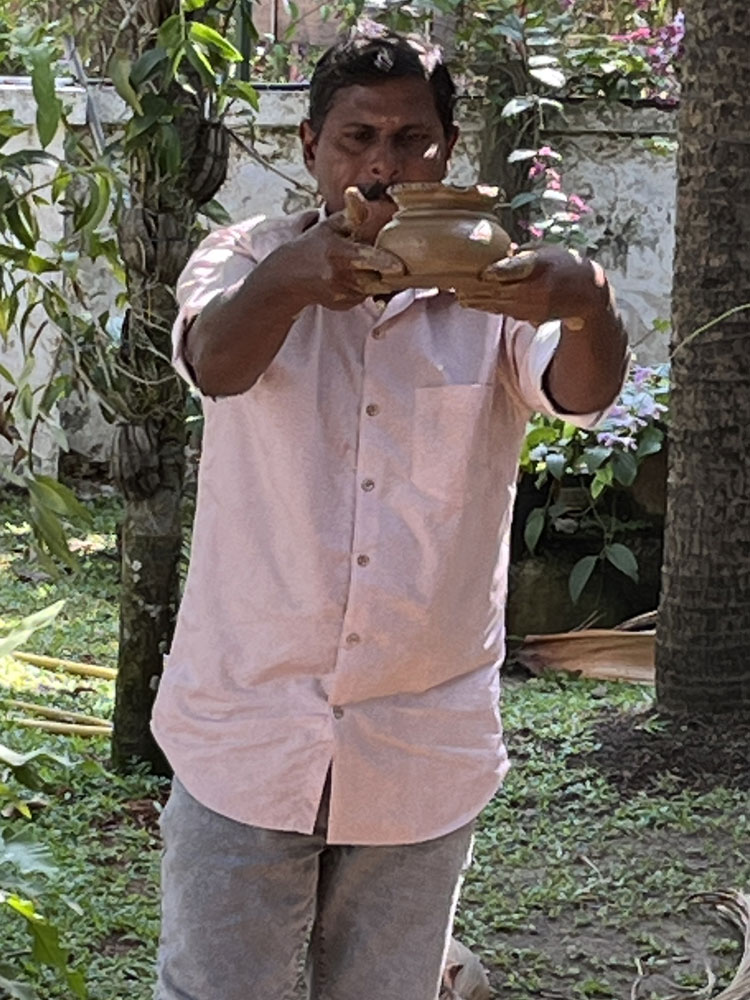
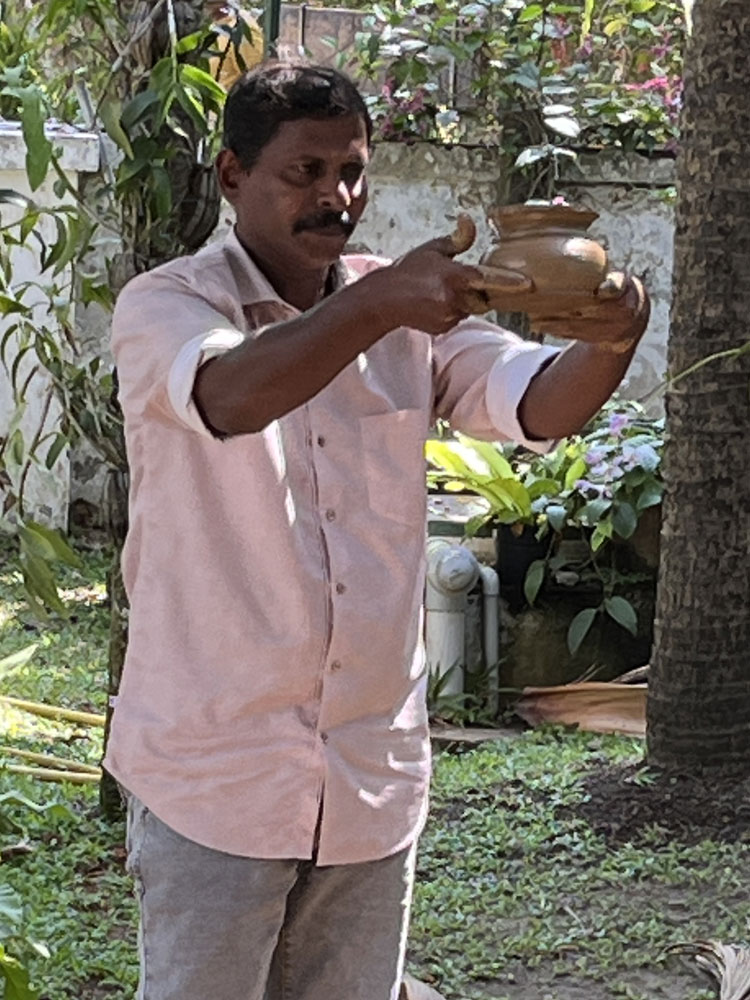
Traditional pottery
making. The potter kneaded the clay with his hands, placed
it at the centre of the wheel, and began the process of
wheel throwing. First, he opened up the clay at the centre,
then skillfully pulled it upward from the inside and outside
at once, shaping it into a taller shape. With practiced
ease, he refined the height and contours, making the whole
process look effortless - clearly the work of long experience. |
|
|
| |
|
|
| |
|
| |
|
| |
|
|
| |
|
| |
|
|
| |
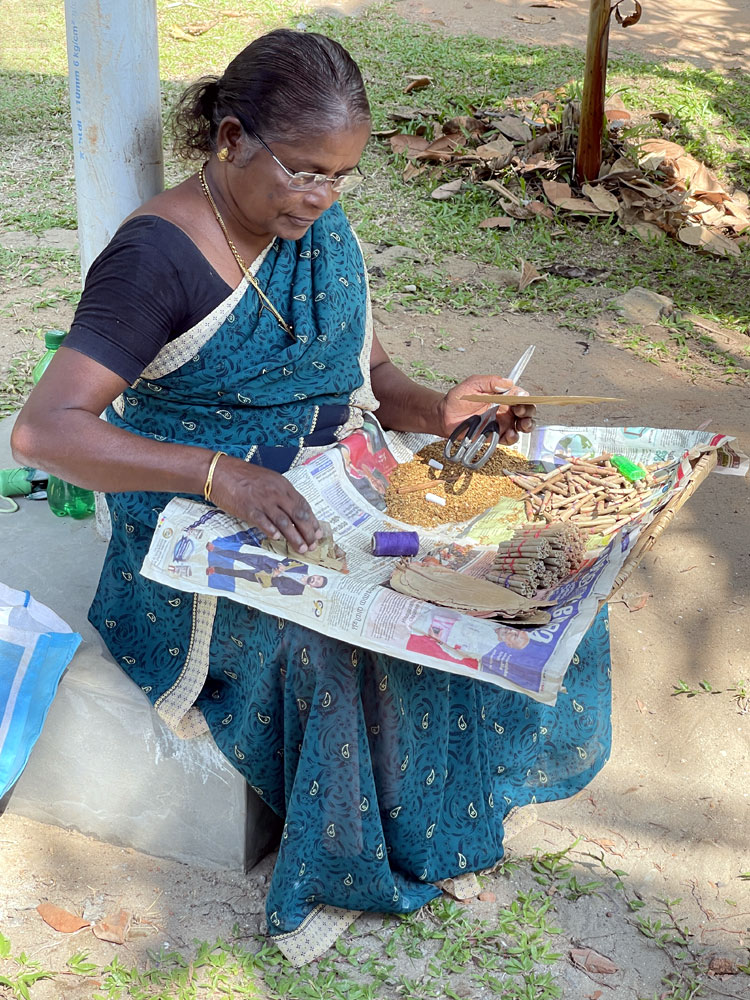
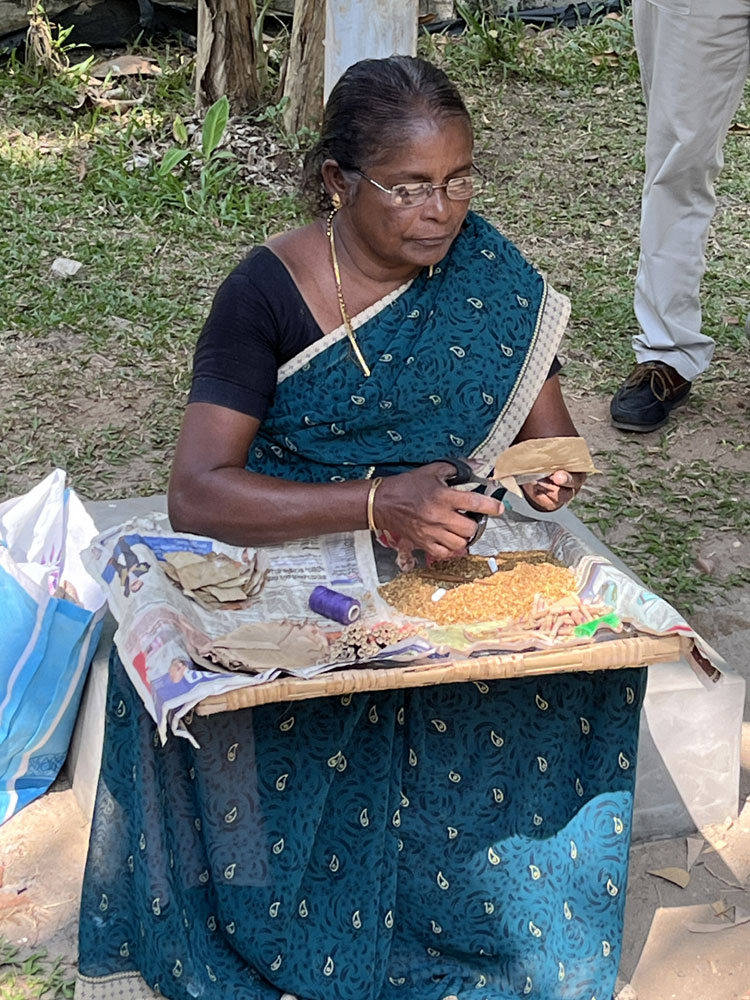
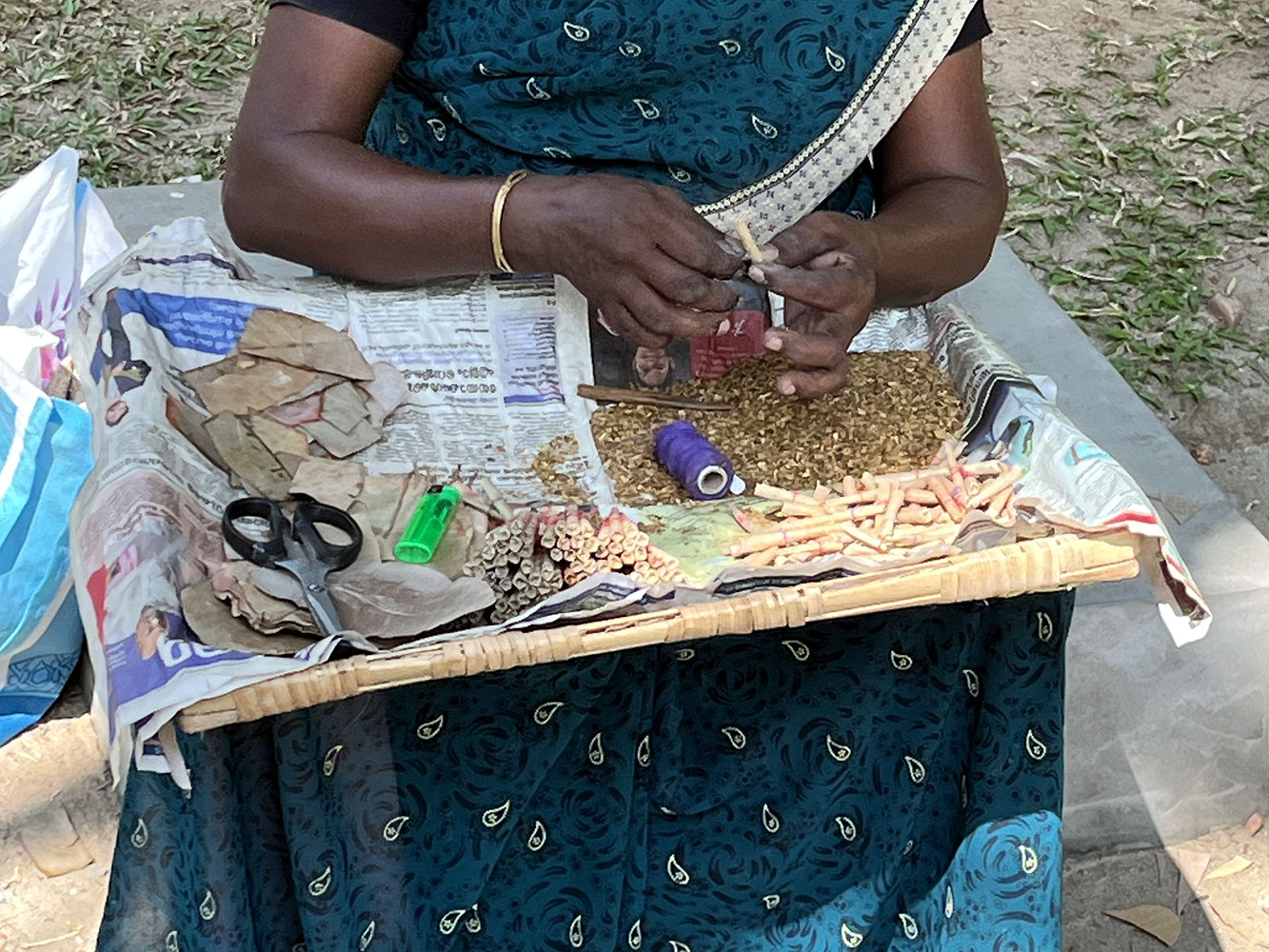
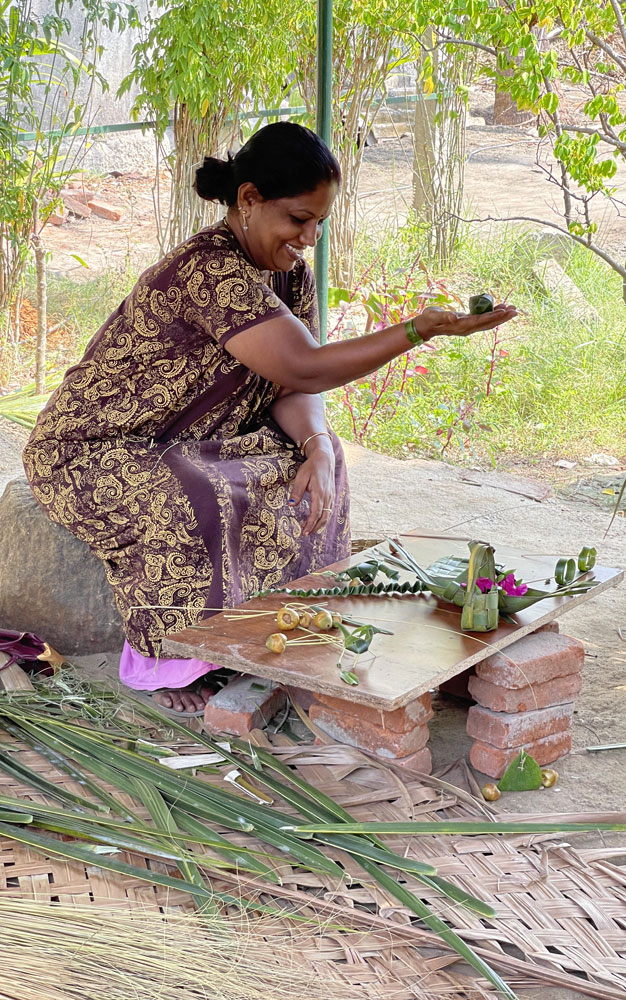
Beedi making. A beedi is a thin, Indian
cigarette with tobacco flake wrapped in tendu leaf. This
lady can be seen cutting a tendu leaf to size, putting
dried tobacco leaves inside it, closing the tips and then
tying it with cotton thread to make the beedi.
|
|
|
|
| |
|
| |
|
| |
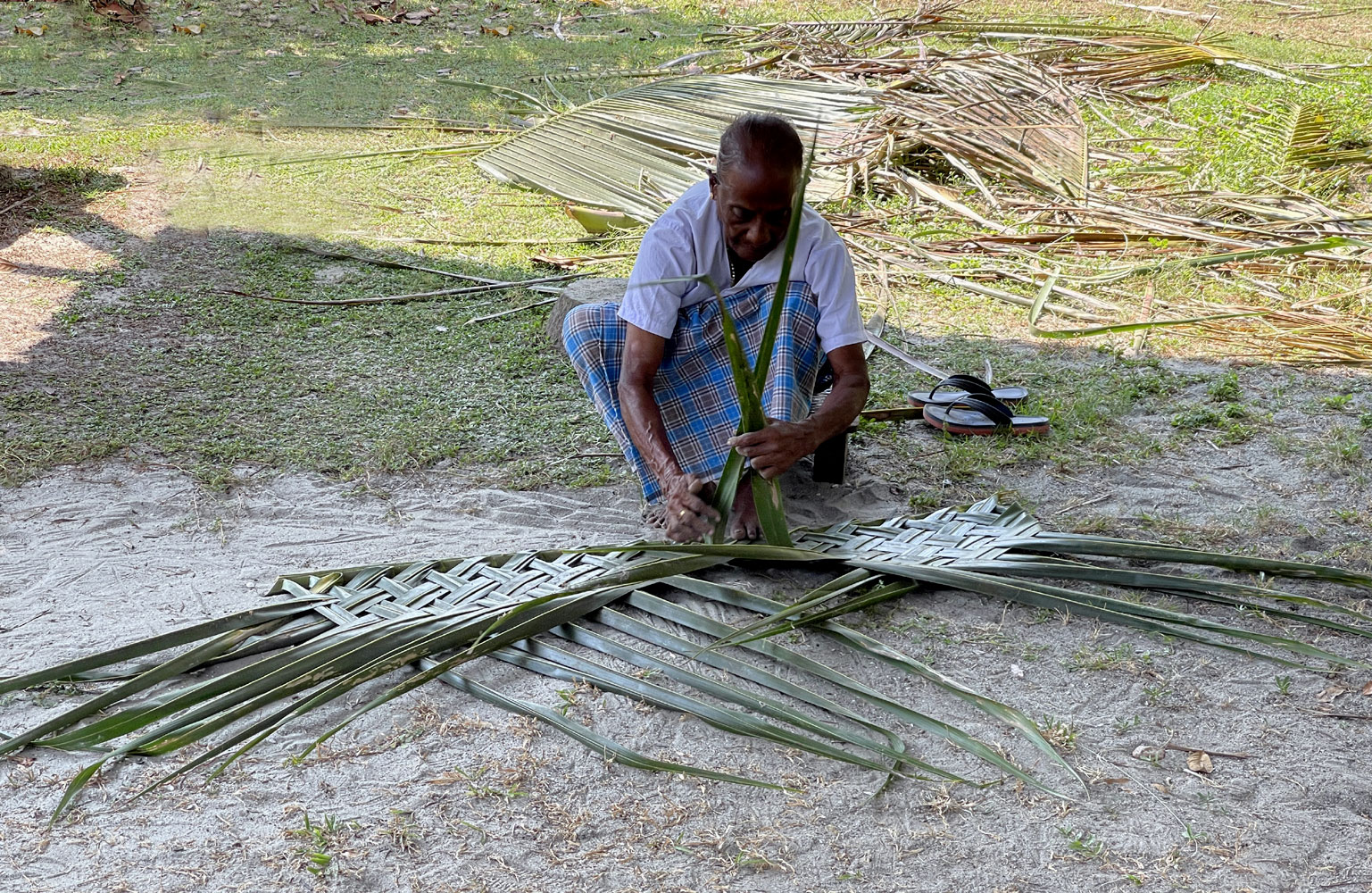
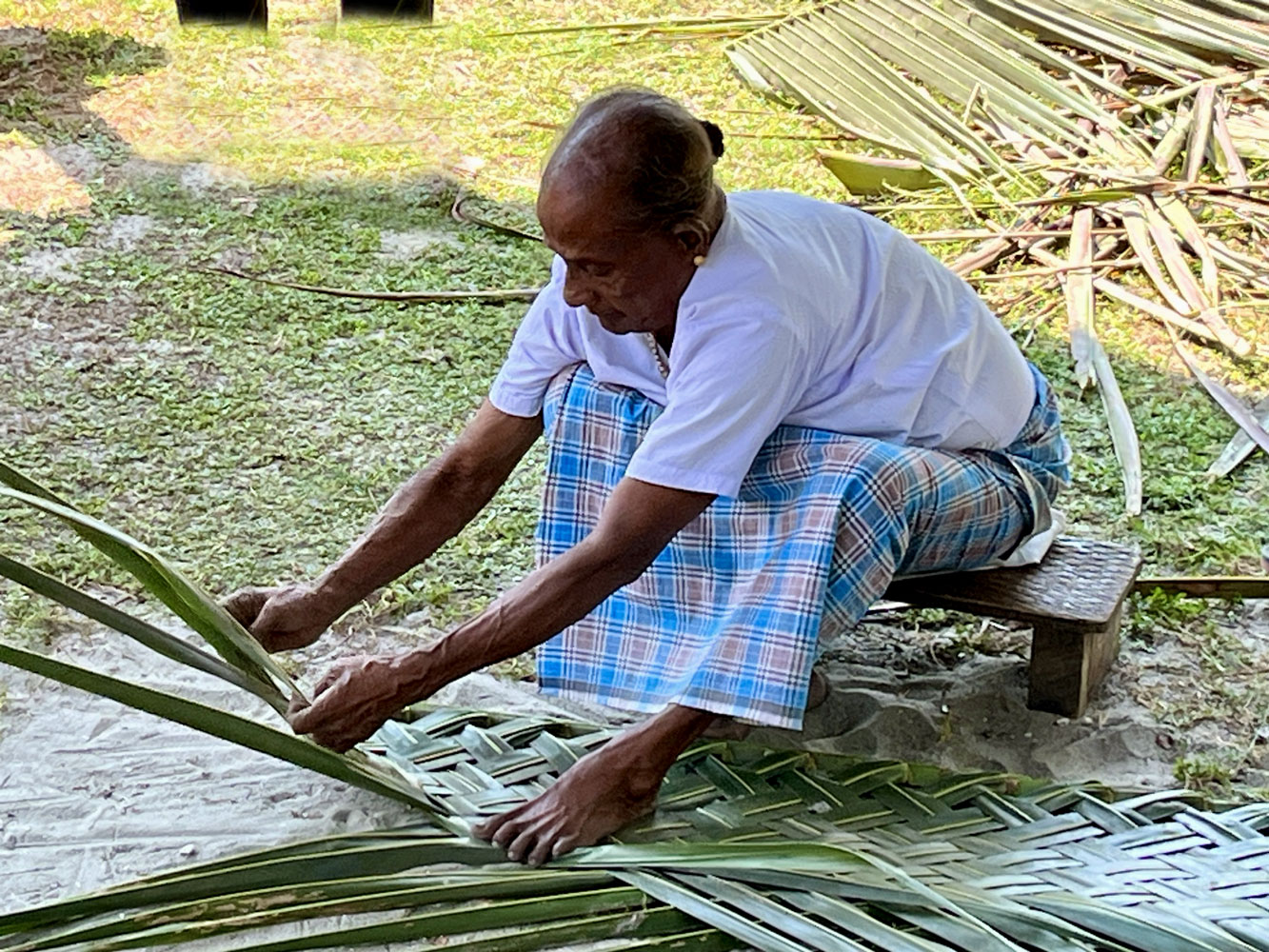
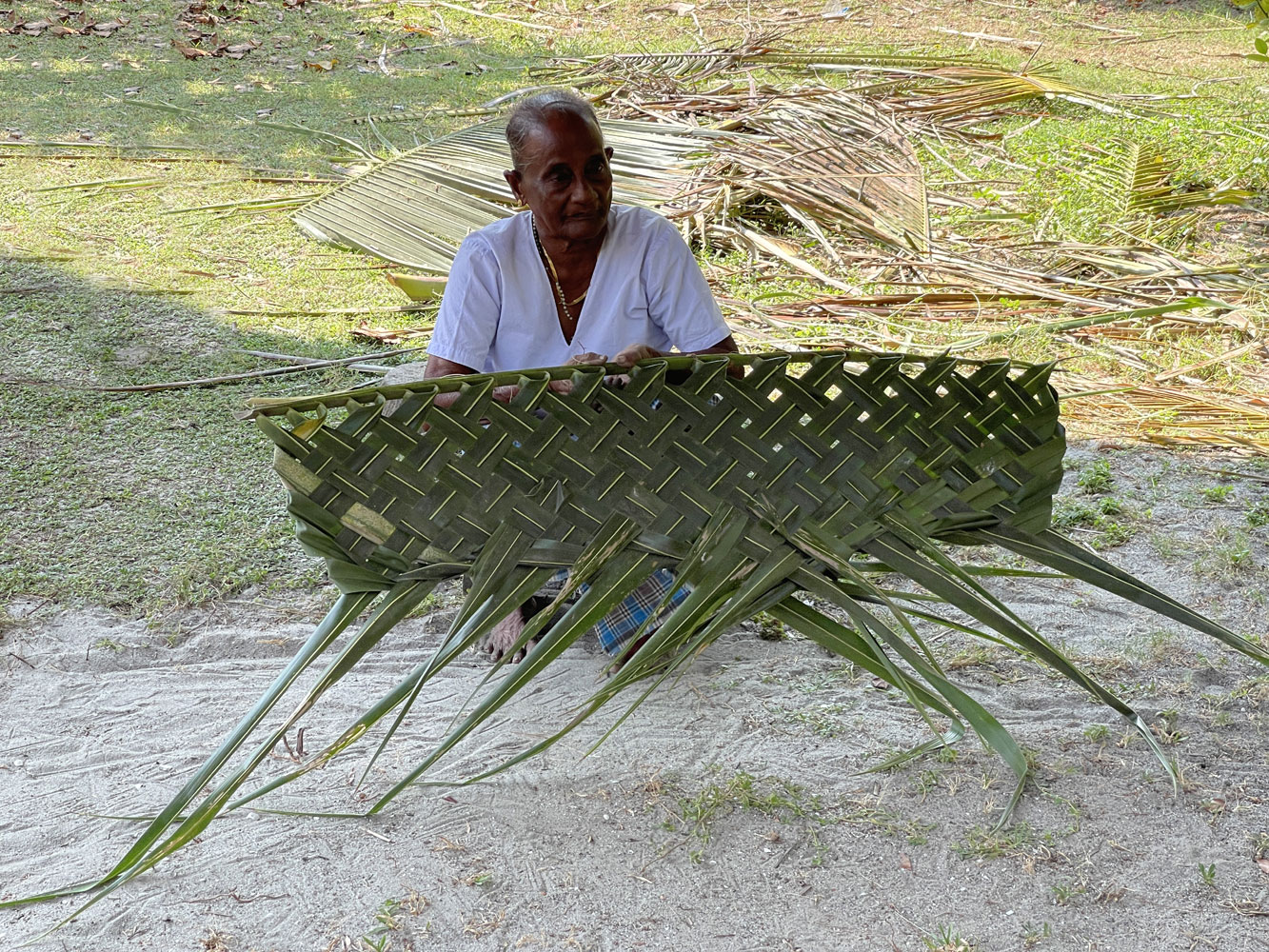
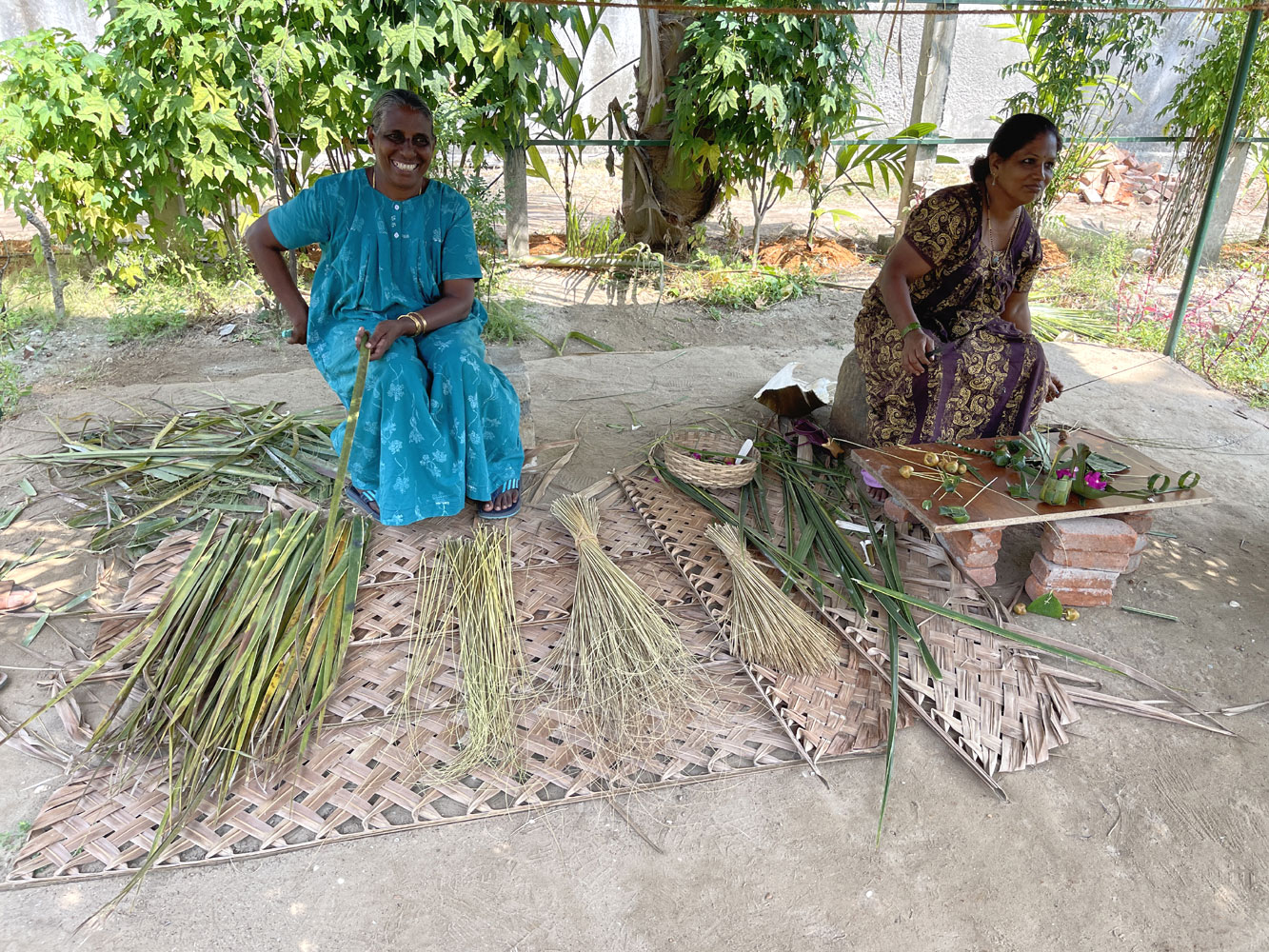
Weaving coconut leaves,
which are then used for thatching and for fencing. The green
coconut leaves are seasoned in brackish water first, to
increase the life of the weaved leaves. |
|
|
| |
|
| |
|
| |
|
| |
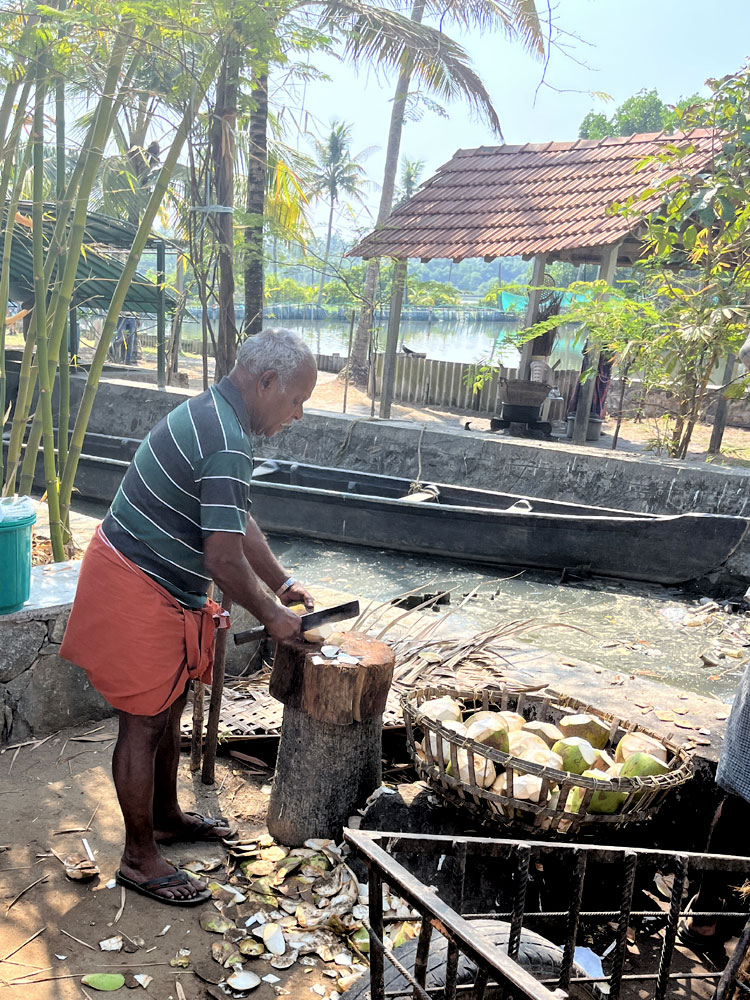
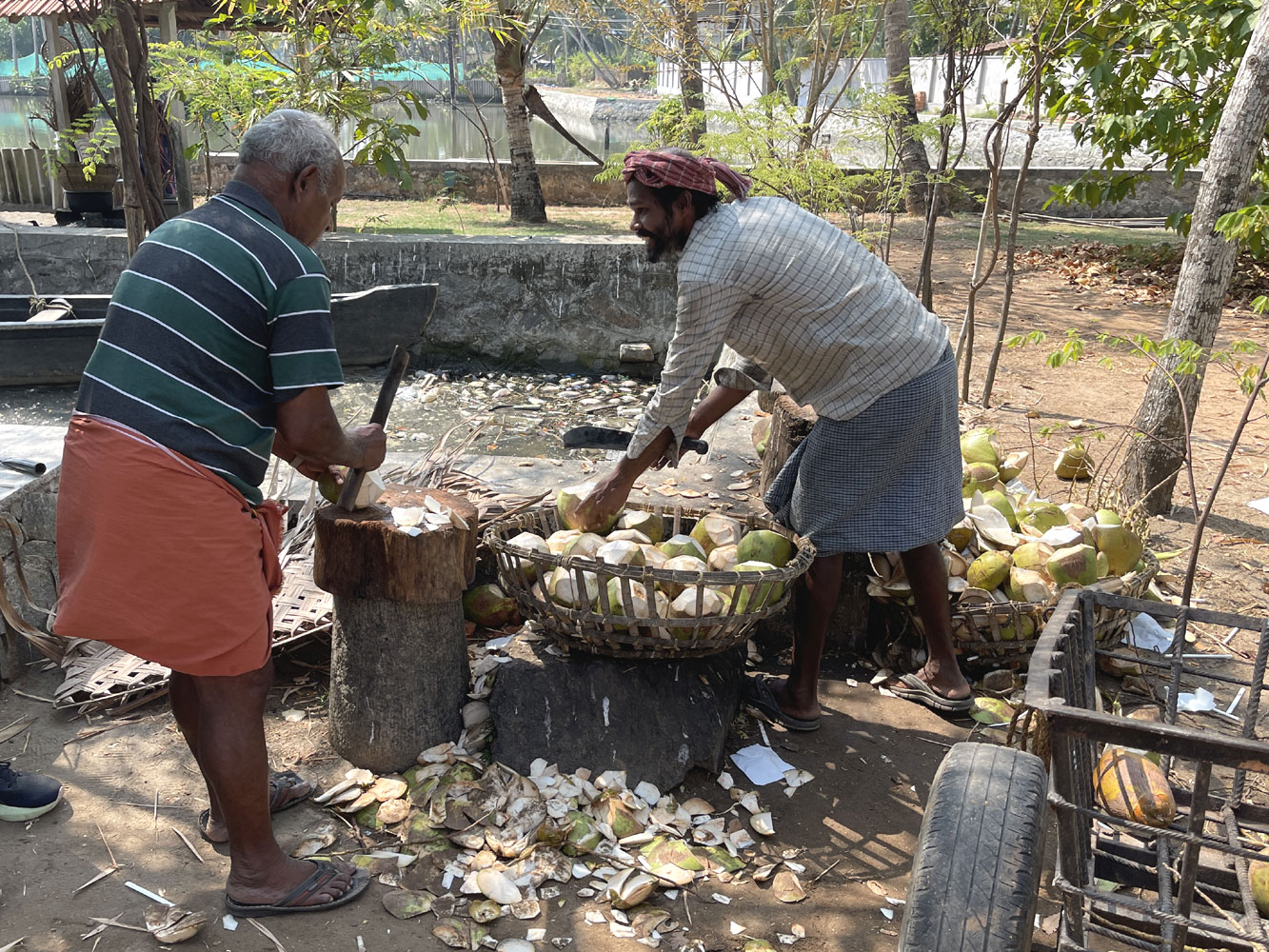
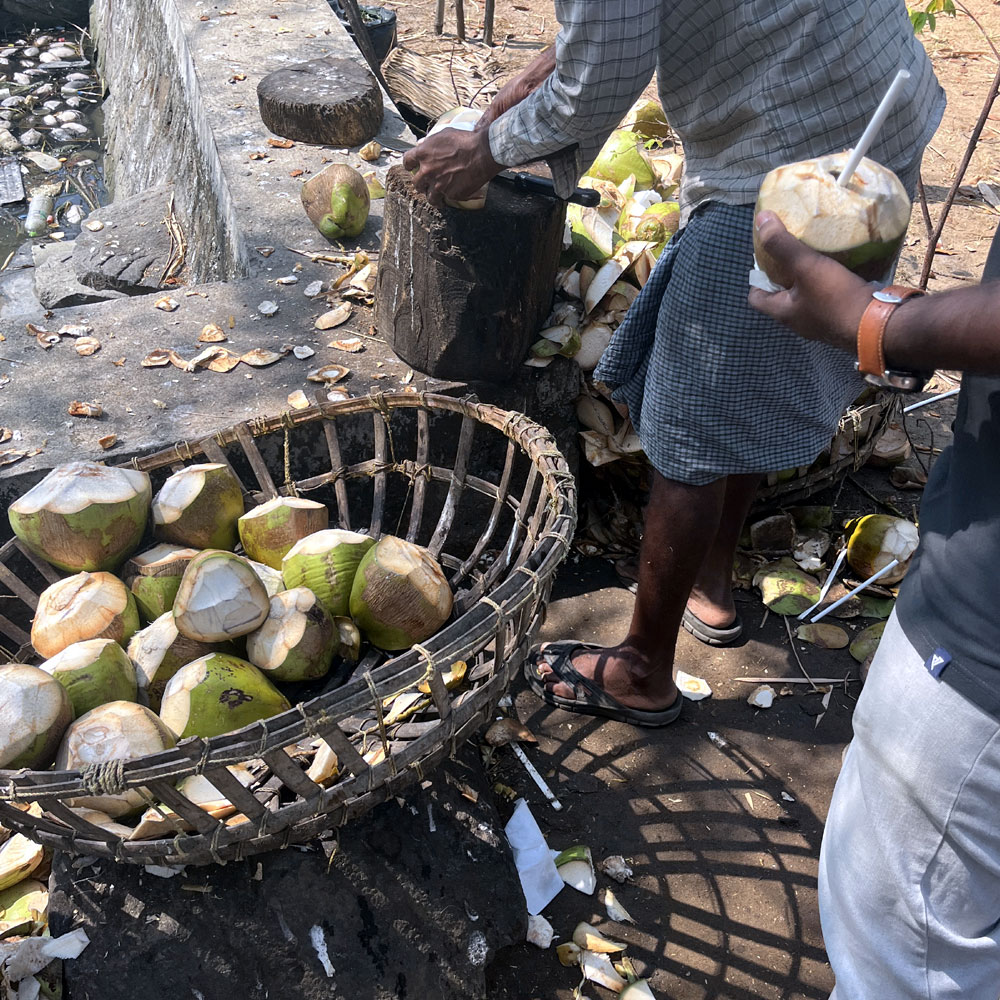
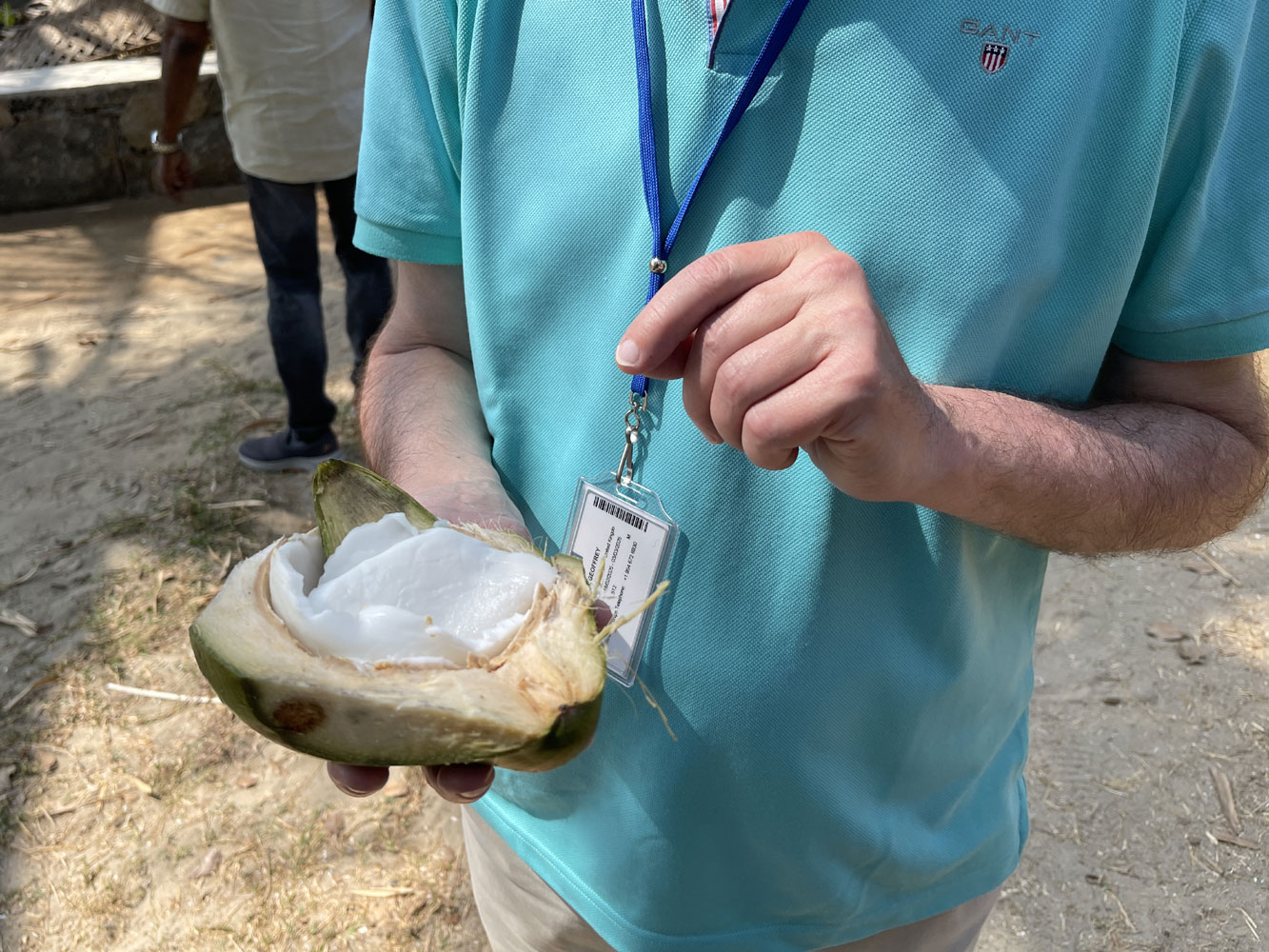
| Cocunuts were being hacked open quickly and
with apparent ease. |
|
|
| |
|
| |
|
| |
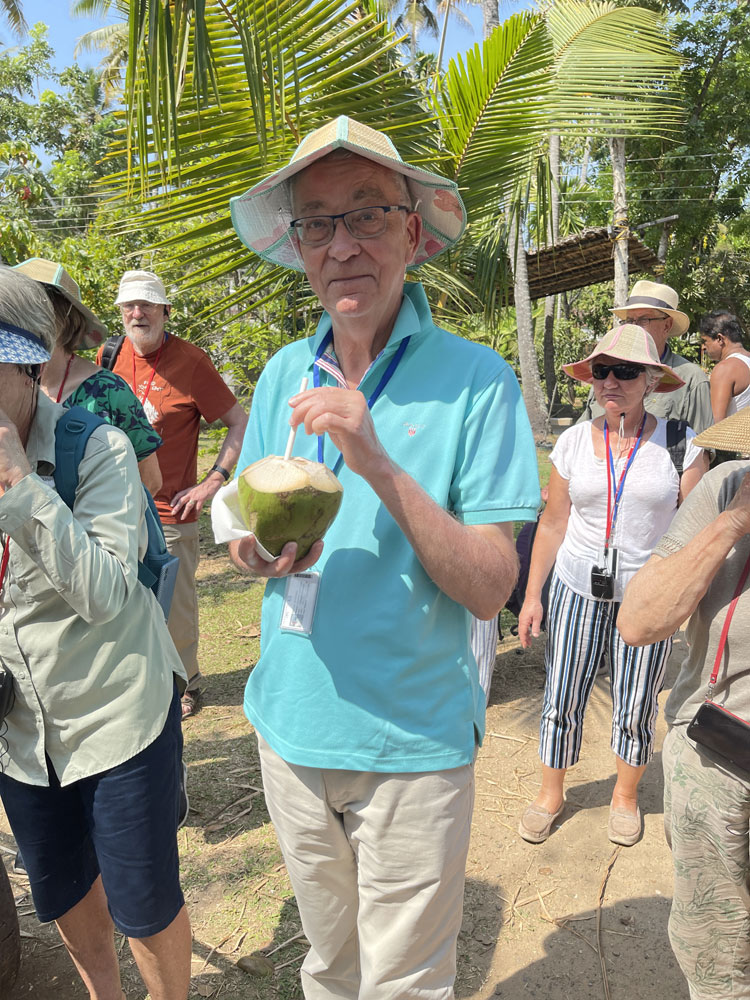
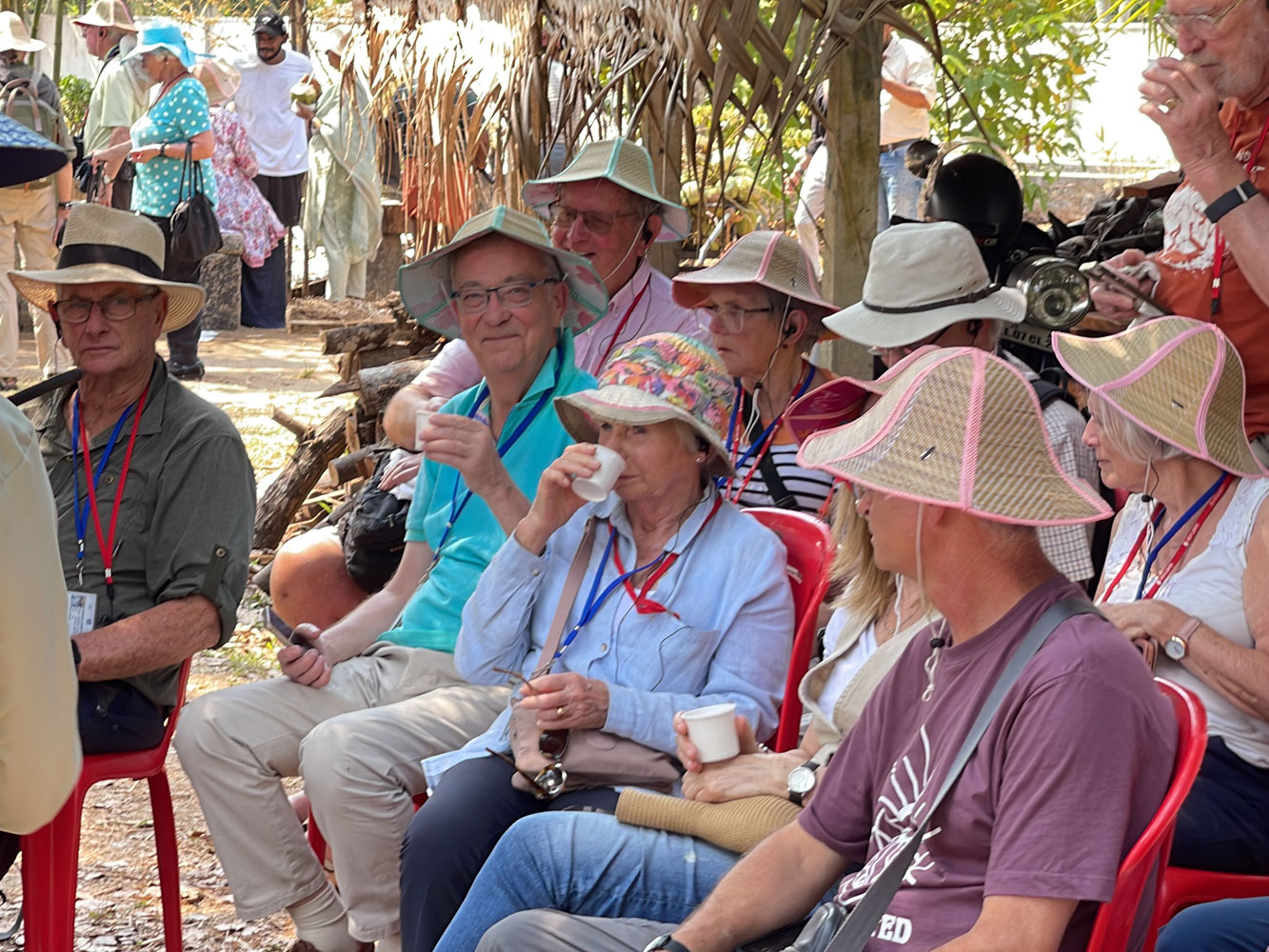
In the heat, we enjoyed
drinking the refreshing liquid inside. |
|
|
| |
|
| |
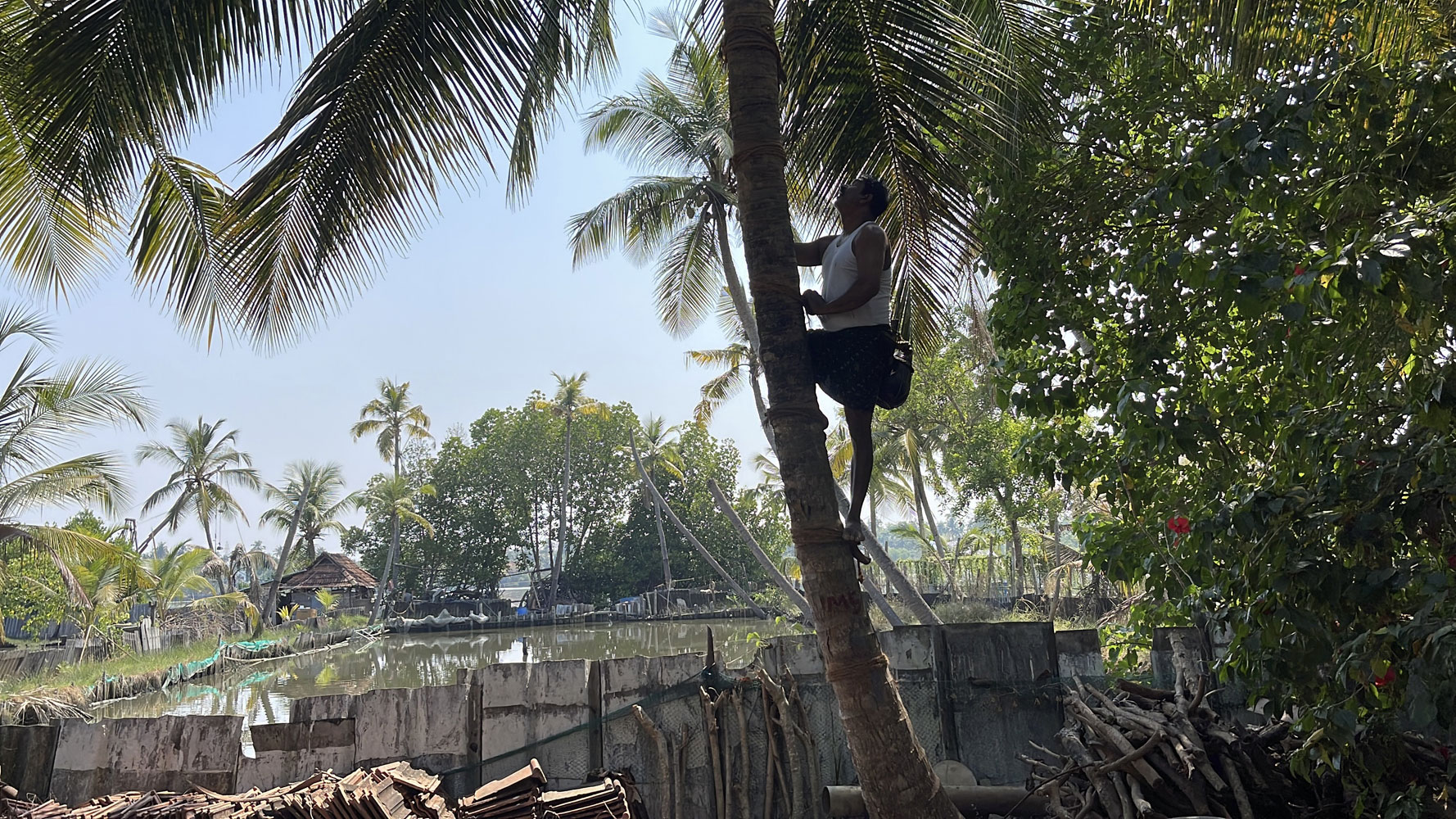
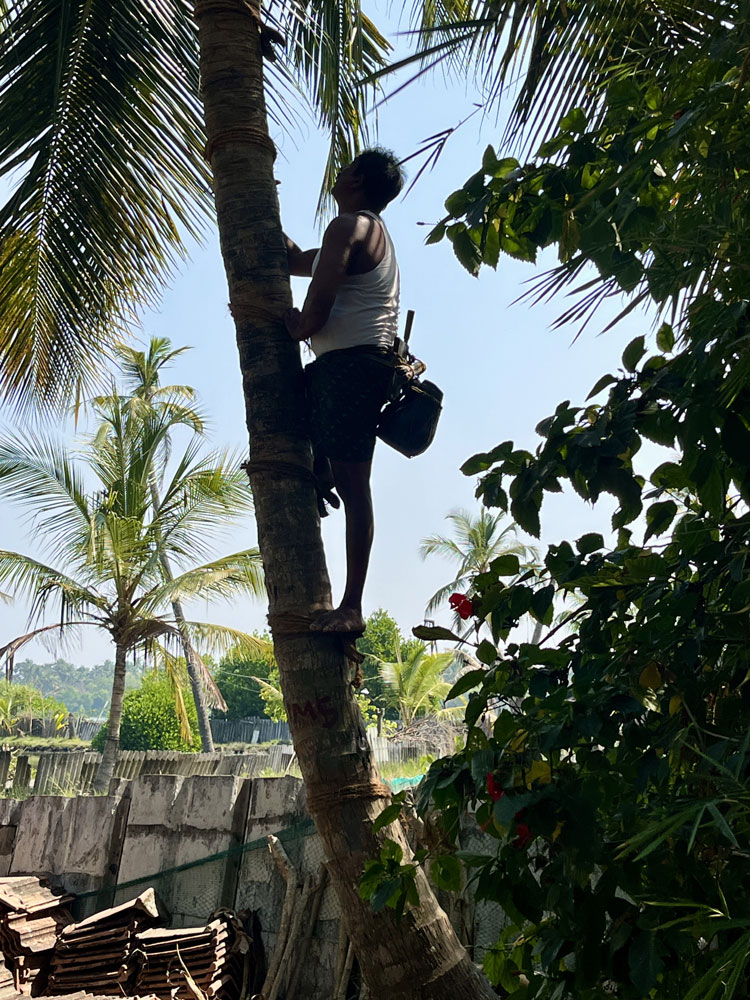
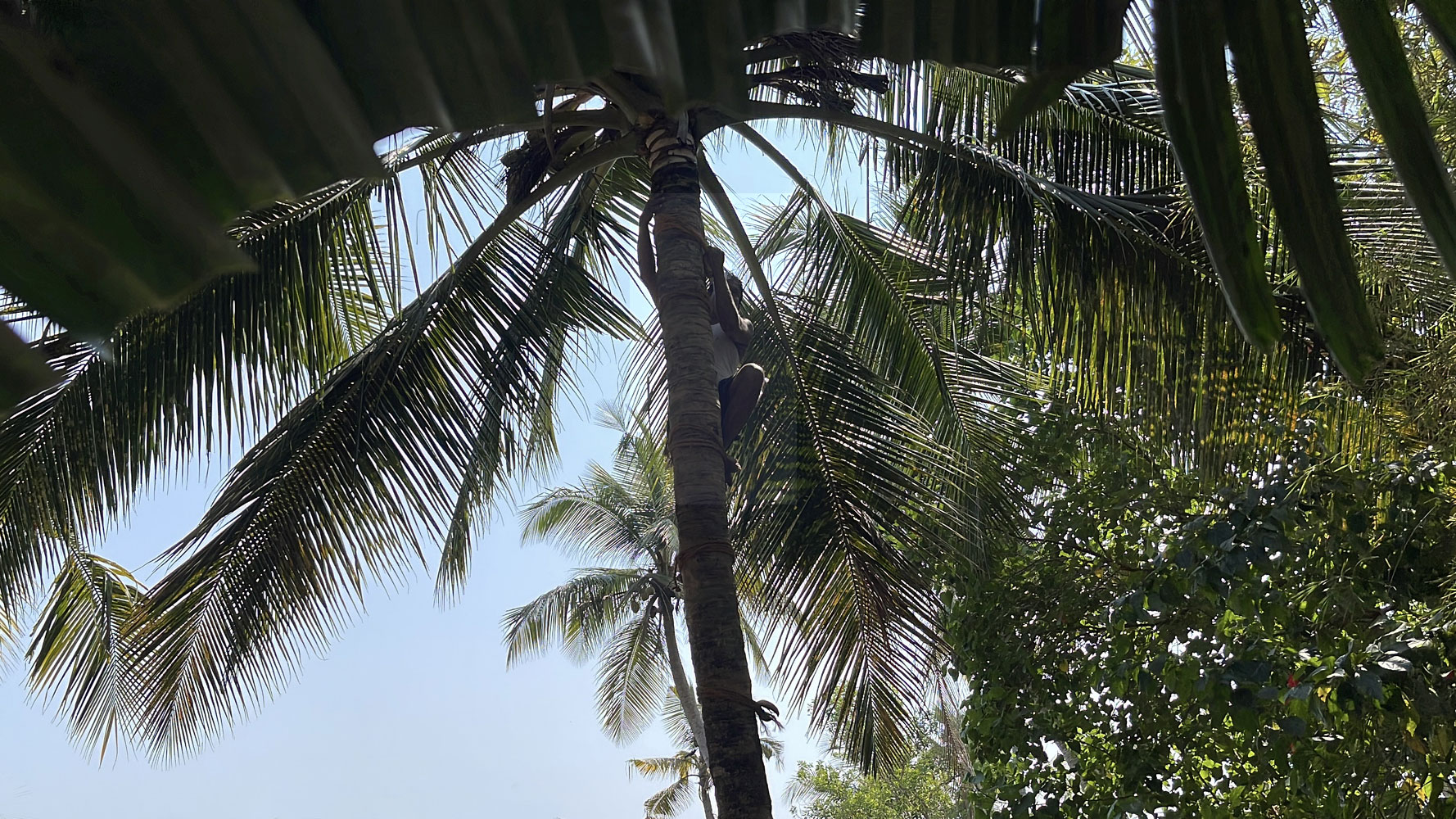
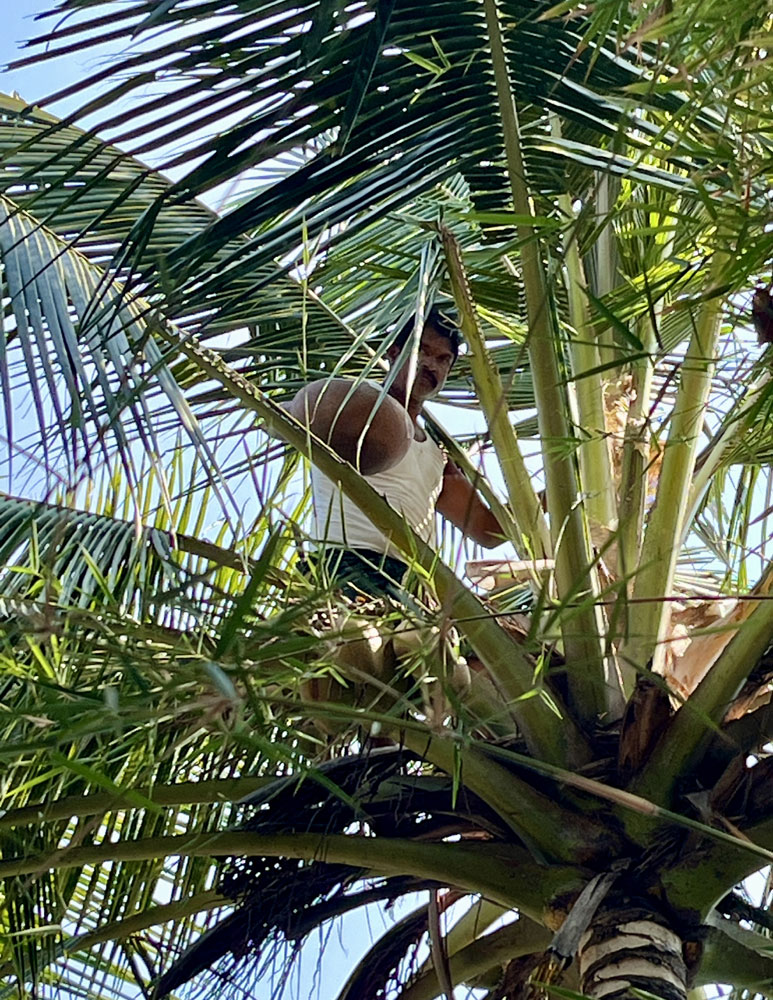
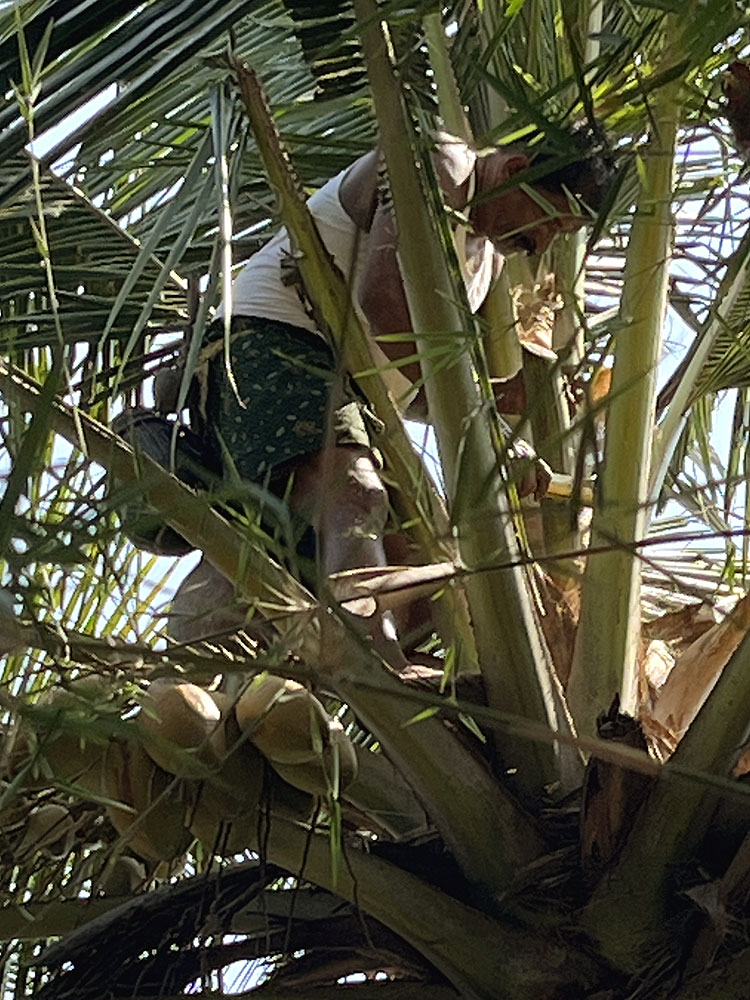
Toddy tapping is the traditional practice
of extracting sap from the flower stalks of coconut palms.
This is collected in clay or plastic pots and can be consumed
fresh as a mildly sweet, non-alcoholic drink, or left
to ferment naturally within hours, becoming an alcoholic
beverage known as toddy.
A skilled toddy tapper climbs the palm tree, usually barefoot,
using a belt made of coir for support. He slices the tip
of an unopened coconut flower (spadix) and attaches a
small container (traditionally a clay pot, now often plastic
or steel). The sap drips into the container, collected
daily in the morning and evening. Fresh toddy is sweet
and refreshing, but if left to ferment for a few hours,
it turns mildly alcoholic (4–6%).
It is often consumed locally in toddy shops along with
spicy Kerala dishes like fish curry, tapioca, and beef
fry. Beyond being a drink, toddy tapping is also culturally
significant and is tied to Kerala’s rural economy,
cuisine and even social traditions.
|
|
|
| |
|
| |
|
| |
|
|
| |
|
| |
|
| |
Geoff seemed to enjoy
the toddy. Bruce declined to try it. |
|
|
| |
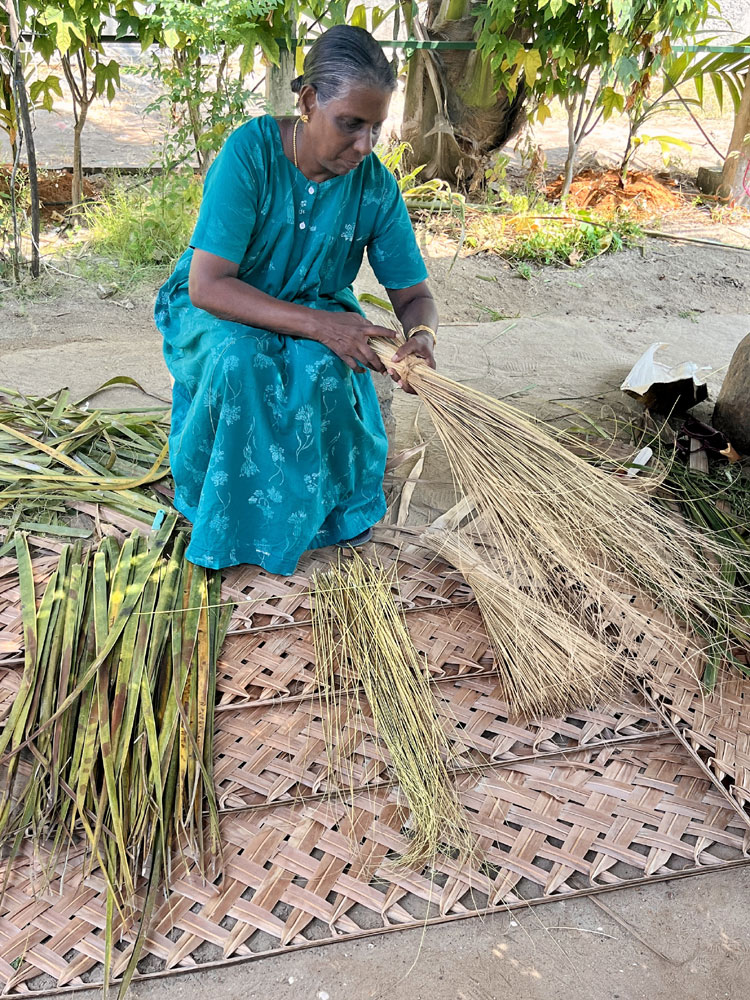
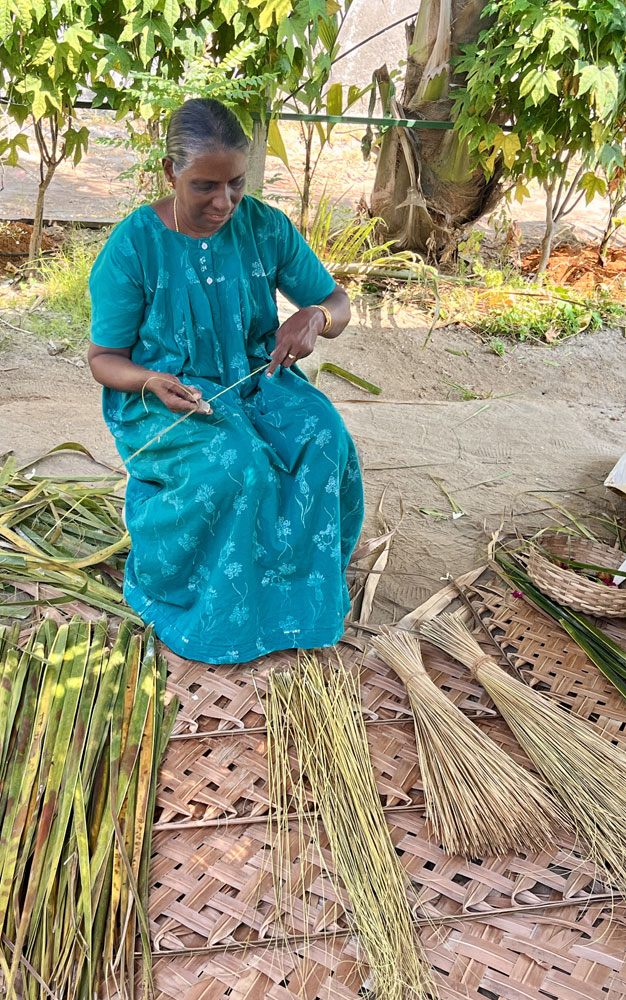
Broom making. Mid ribs
of coconut leaves are taken out and tied together into brooms. |
|
|
| |
|
| |
|
|
| |
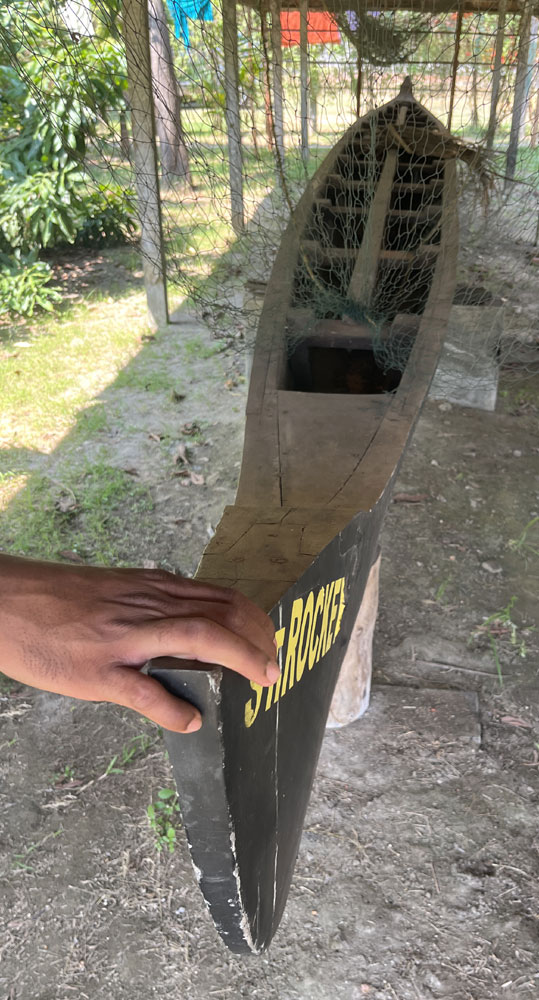
Country boats are made
up of wood from trees like wild jack or teak. The wood is
split into planks of ¾ to 2 inches in thickness.
The planks are joined with coir yarn, with a coir fibre
filling. Oil extracted from sardines, neem and cashew nut
shells are used to make a protective coating.
|
|
| |
Small boats are used
for fishing... |
|
|
| |
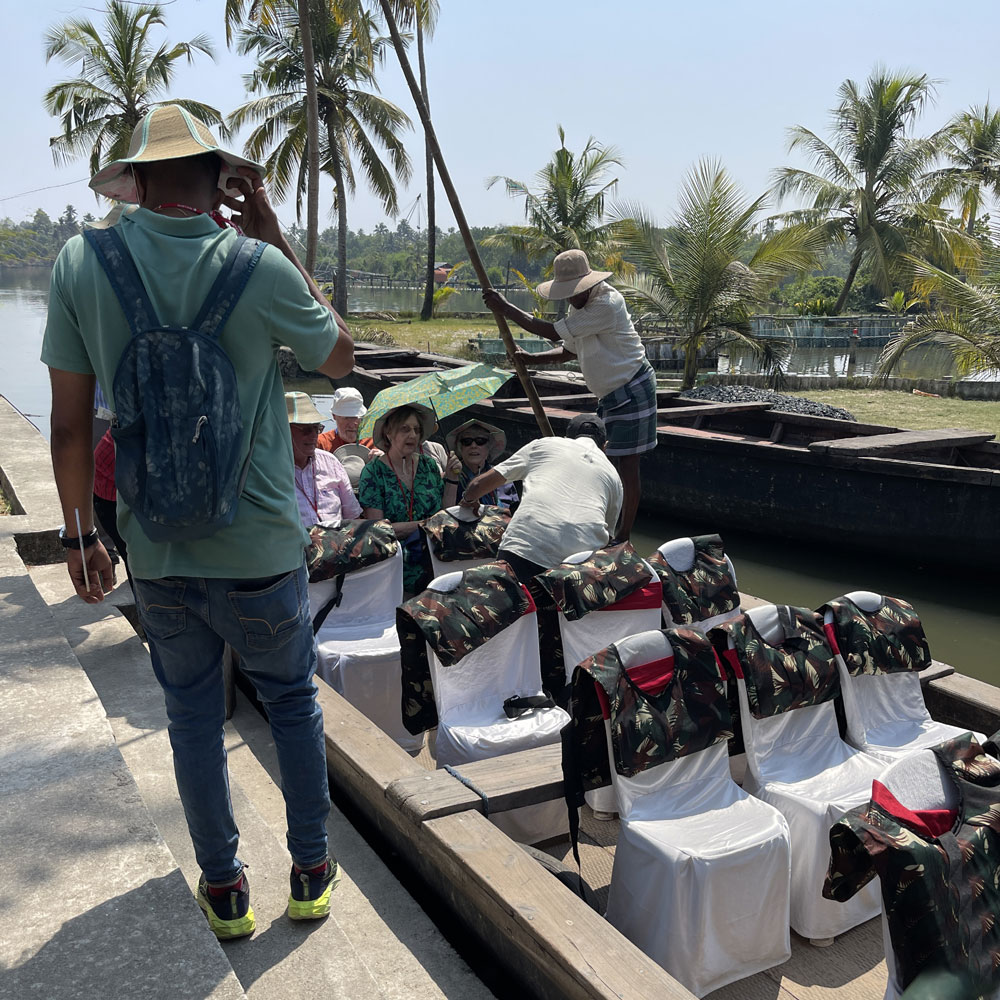
...while big boats are
used for transporting goods and people. Many in our group
took the opportunity of a trip on one of them to see different
methods of fishing. Being a really hot day and with no shade
on the boat, we both stayed behind. |
|
|
| |
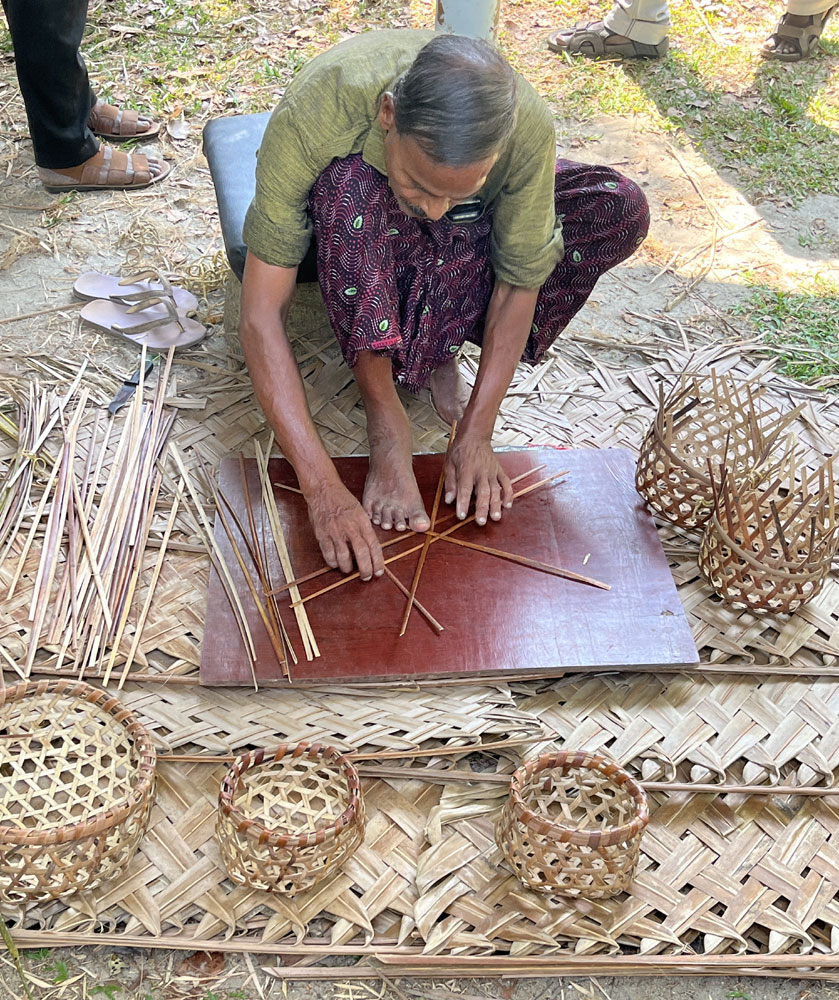
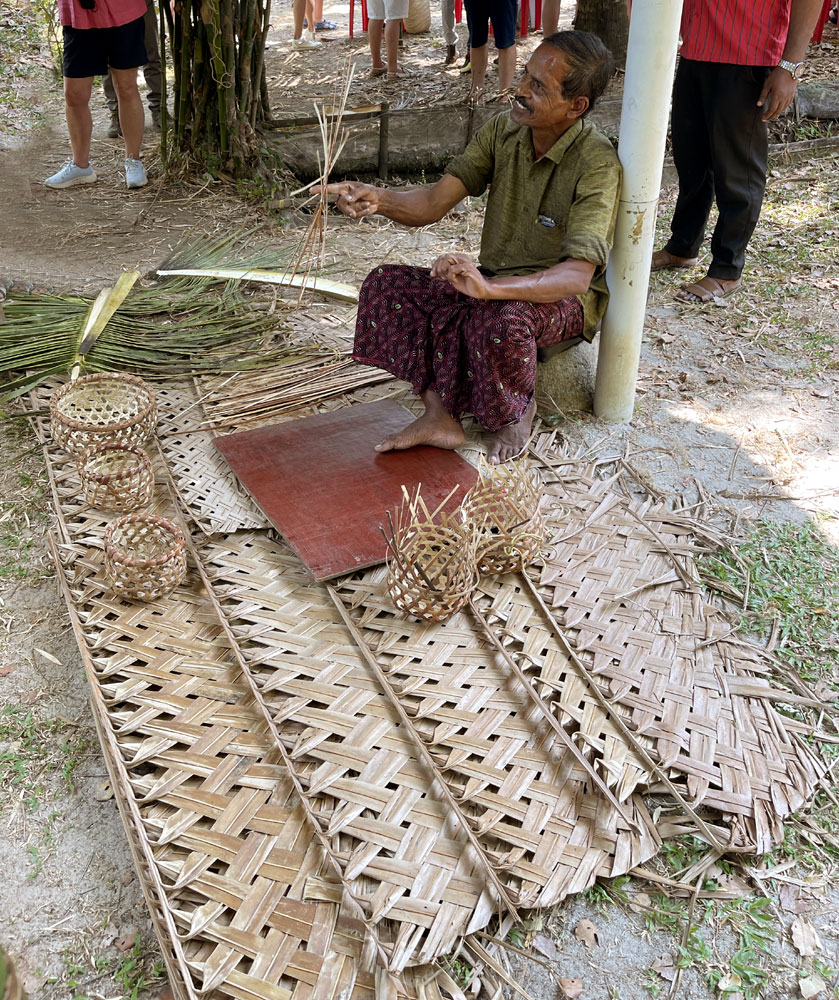
Basket making is a dying
art. Only a few craftsmen know how to make the traditional
baskets which were also used by the villagers to separate
clam meat and shell. |
|
|
|
| |
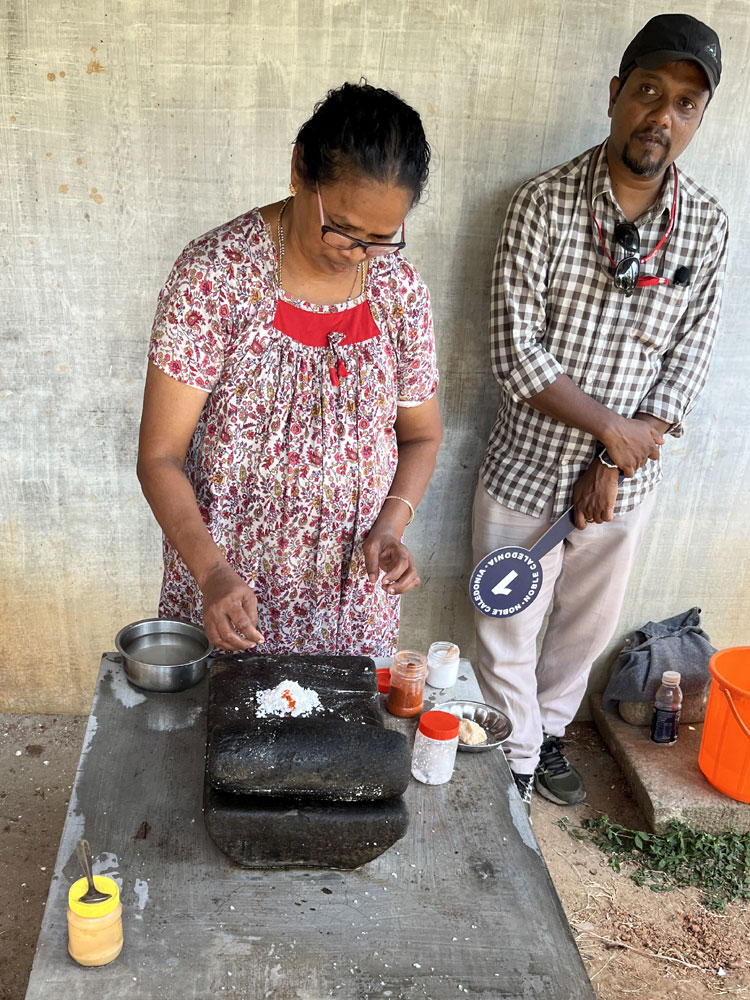
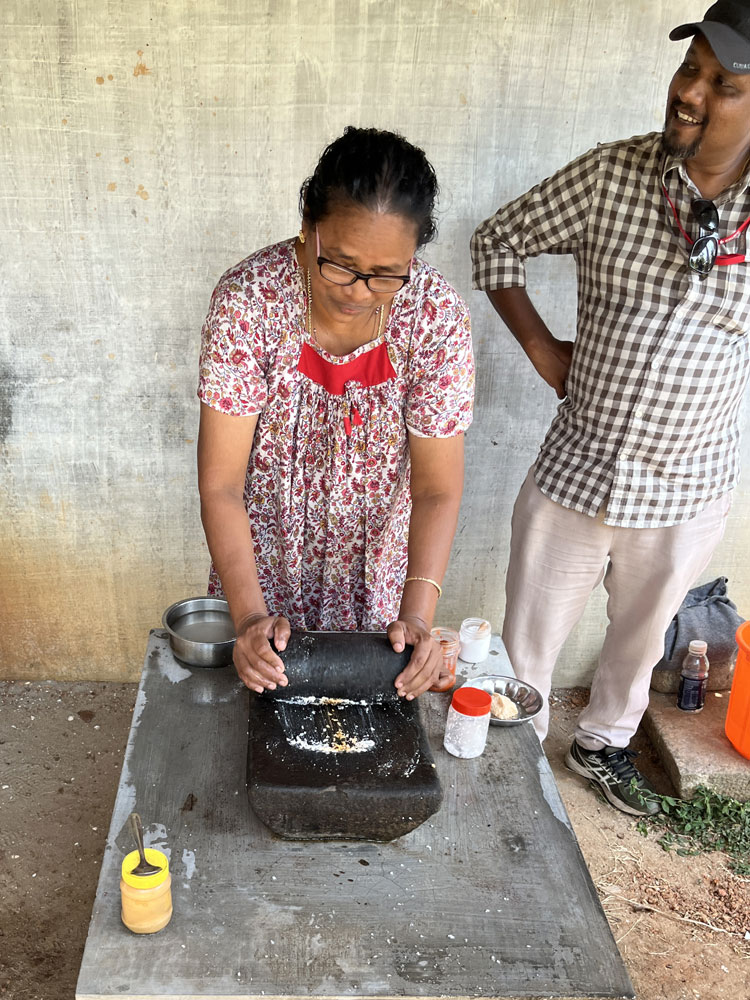
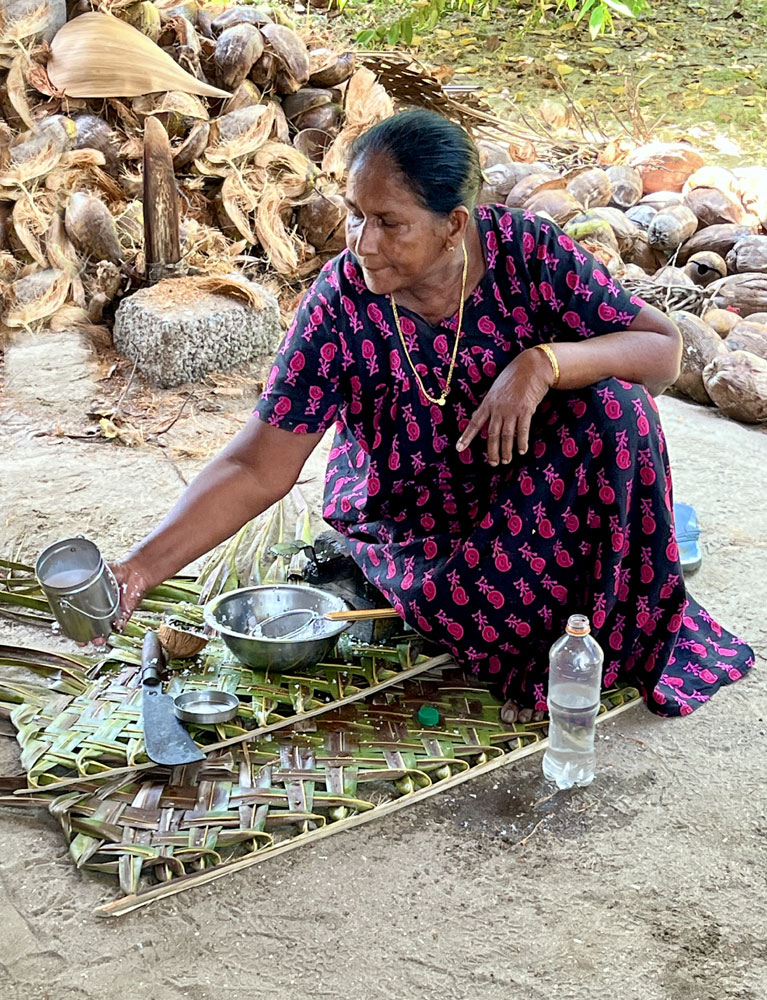
This lady was grinding
coconut pieces and adding salt, but we weren't sure why.
Making a coconut chutney perhaps? |
|
|
|
| |
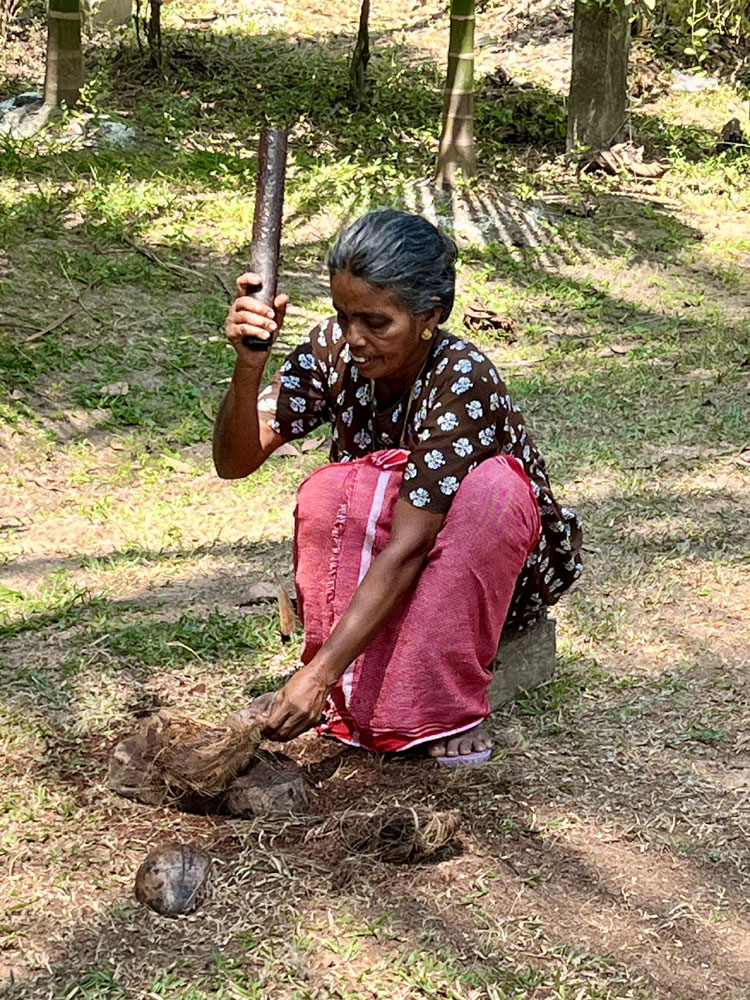
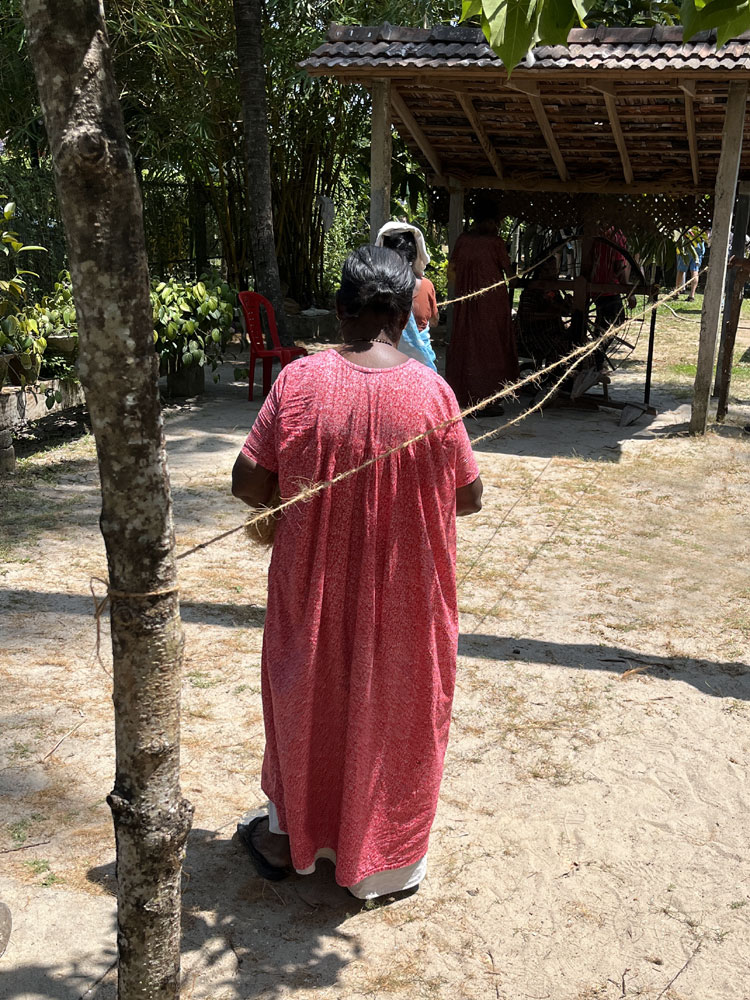
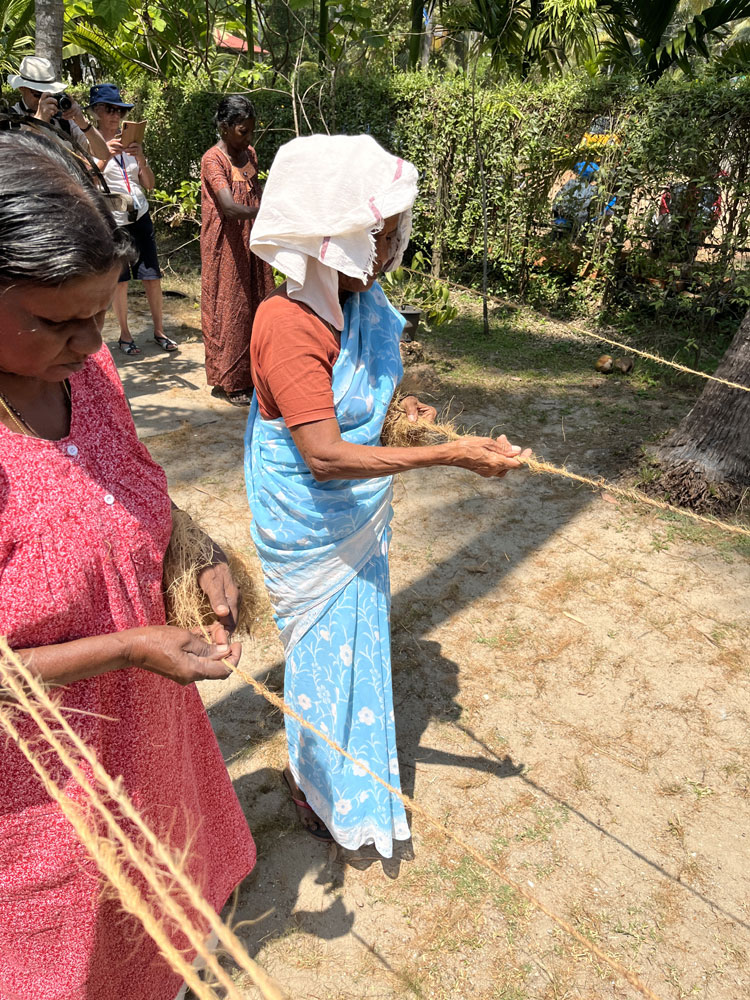
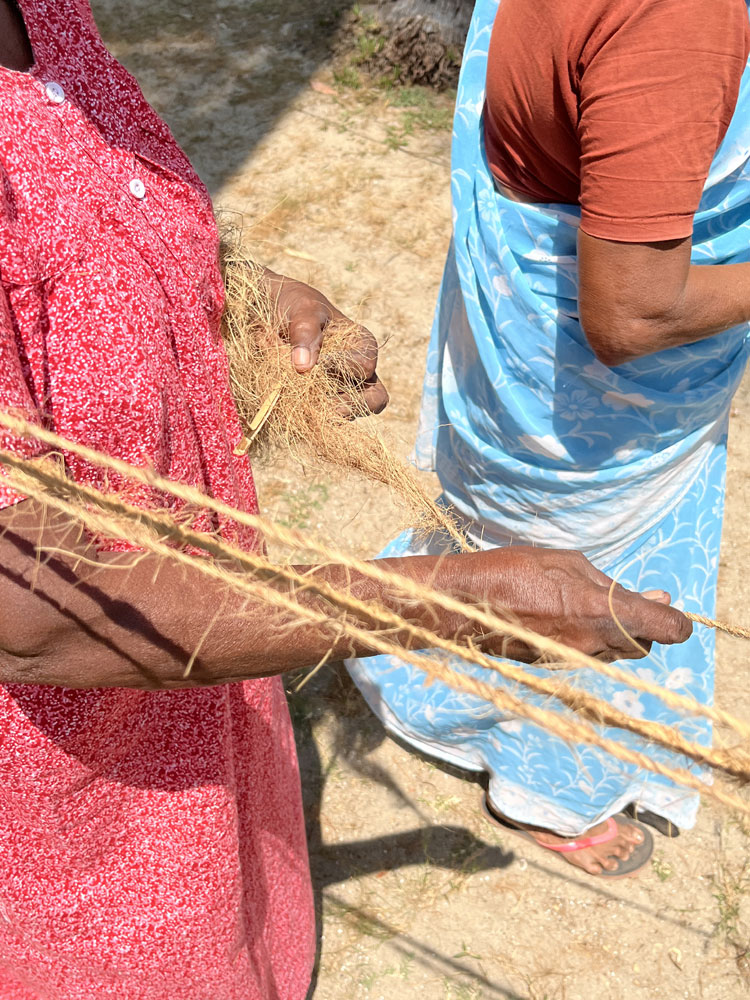
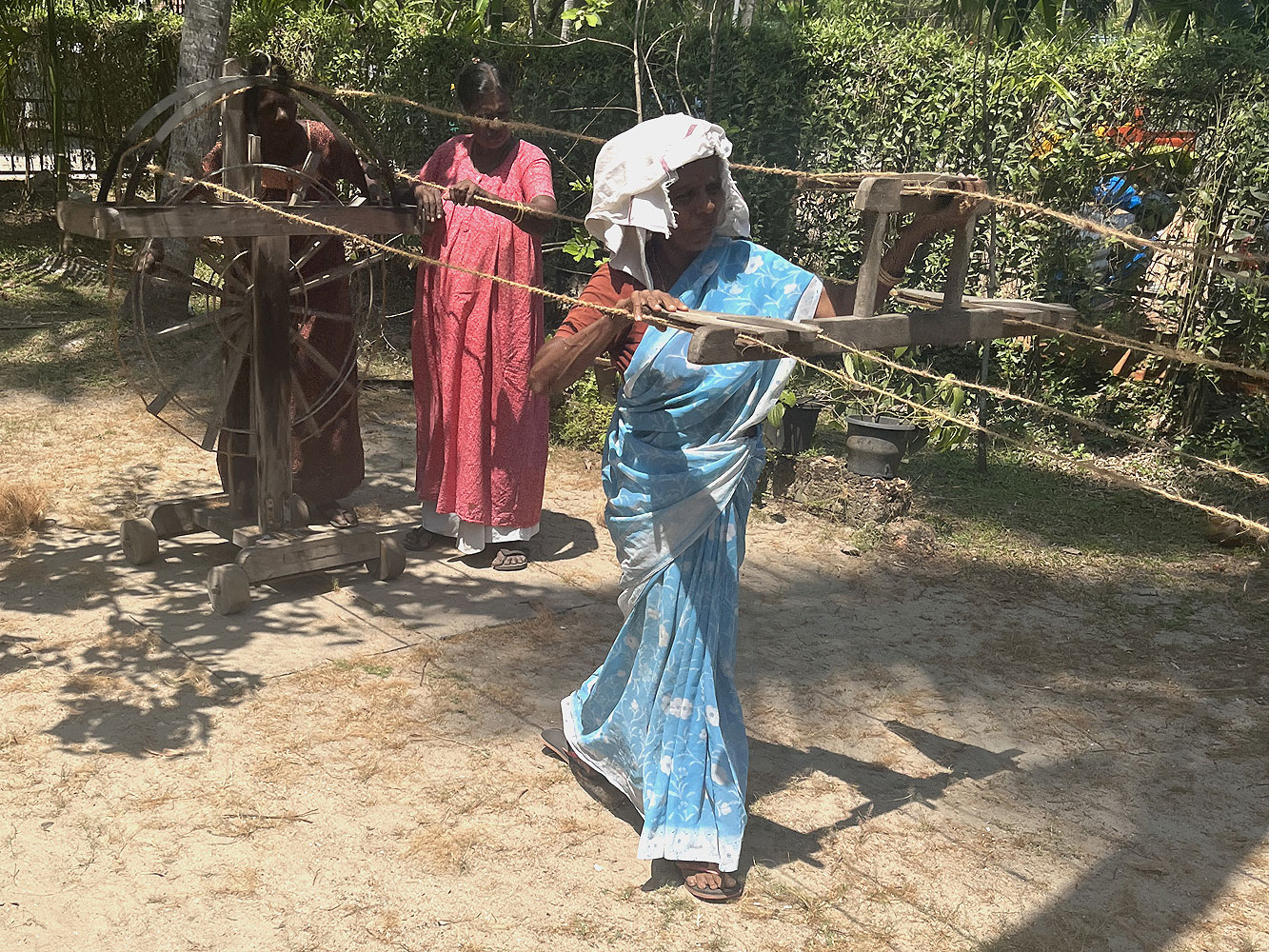
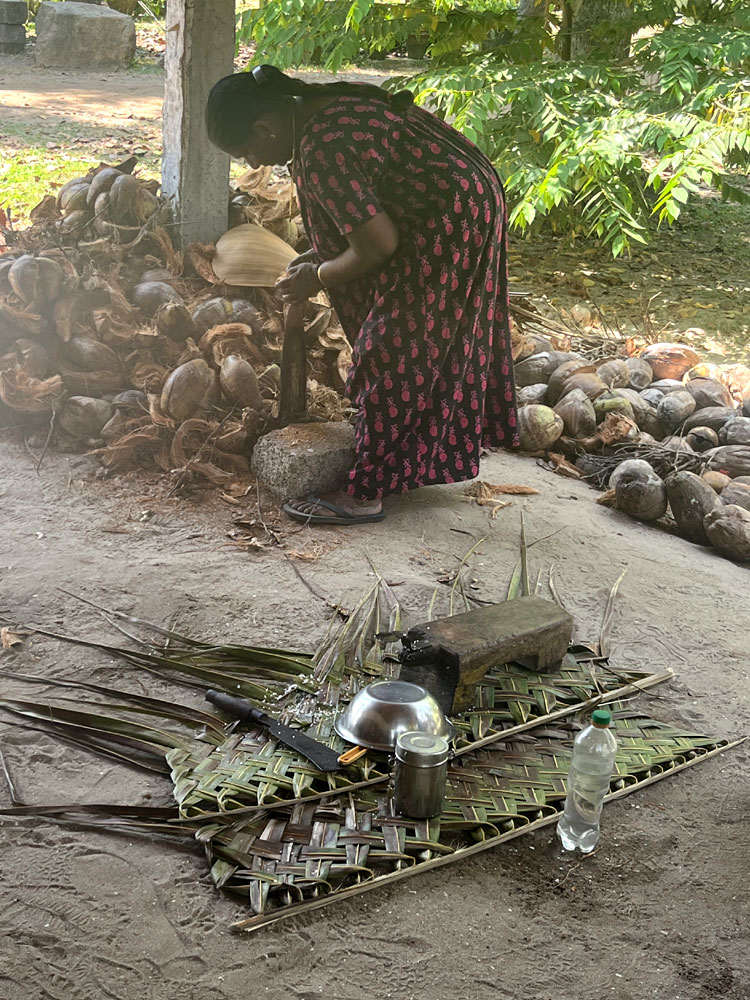
Coir making. The first step in coir yarn
processing is dehusking the coconut and keeping the ripe
coconut husks in fresh water (retting) for 3-6 months.
This process makes the fibre soft and strong and the coir
rope made from them lasts longer than modern coir.
Here, a village woman beats the retted
husk after it has been drying for 2-3 hours. She uses
a wooden mallet to separate the bristle fibres, called
golden fibres. Nearby we saw the loom, the only equipment
used in traditional coir making. It was really interesting
to see how the villagers hook the fibre in the spinning
loom, then walk backwards, simultaneously and skilfully
making coir out of the fibre.
|
|
|
|
| |
|
|
| |
Some common uses of
the coir yarn include:
Floor coverings: woven into mats, carpets, rugs, and door
mats.
Industrial products: ropes, fishing nets, brushes, and geotextiles
(for soil stabilization, erosion control, and landscaping).
Household items: mattresses, cushions, and upholstery stuffing.
Agriculture and gardening: coir twine for tying plants,
coir nets for supporting crops, and biodegradable coir products
for soil enrichment. |
|
| |
|
| |
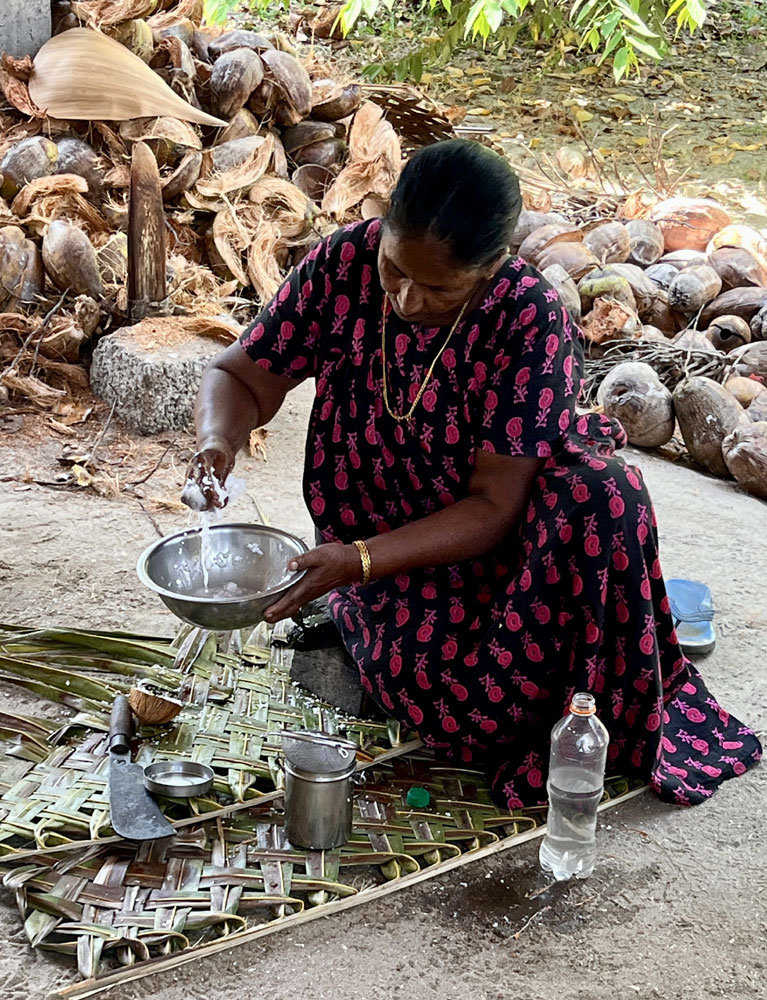
Copra processing. The
coconut is cut into two pieces and sun dried to extract
coconut oil. The entire process will take three days before
extracting coconut oil. Separating the copra (dried coconut)
from the coconut shell is a skilled task, as this lady demonstrated. |
|
|
| |
|
|
| |
|
| |
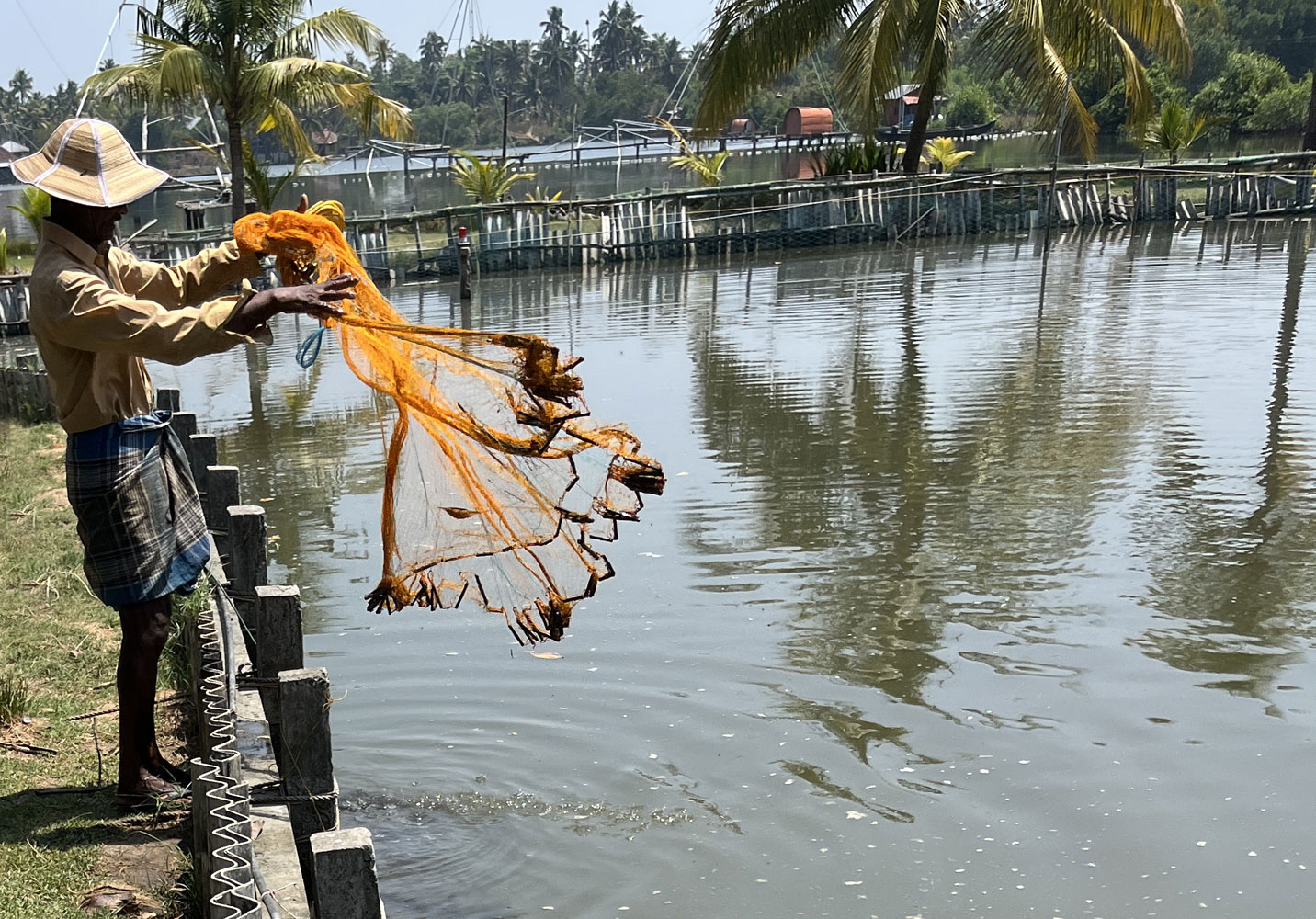
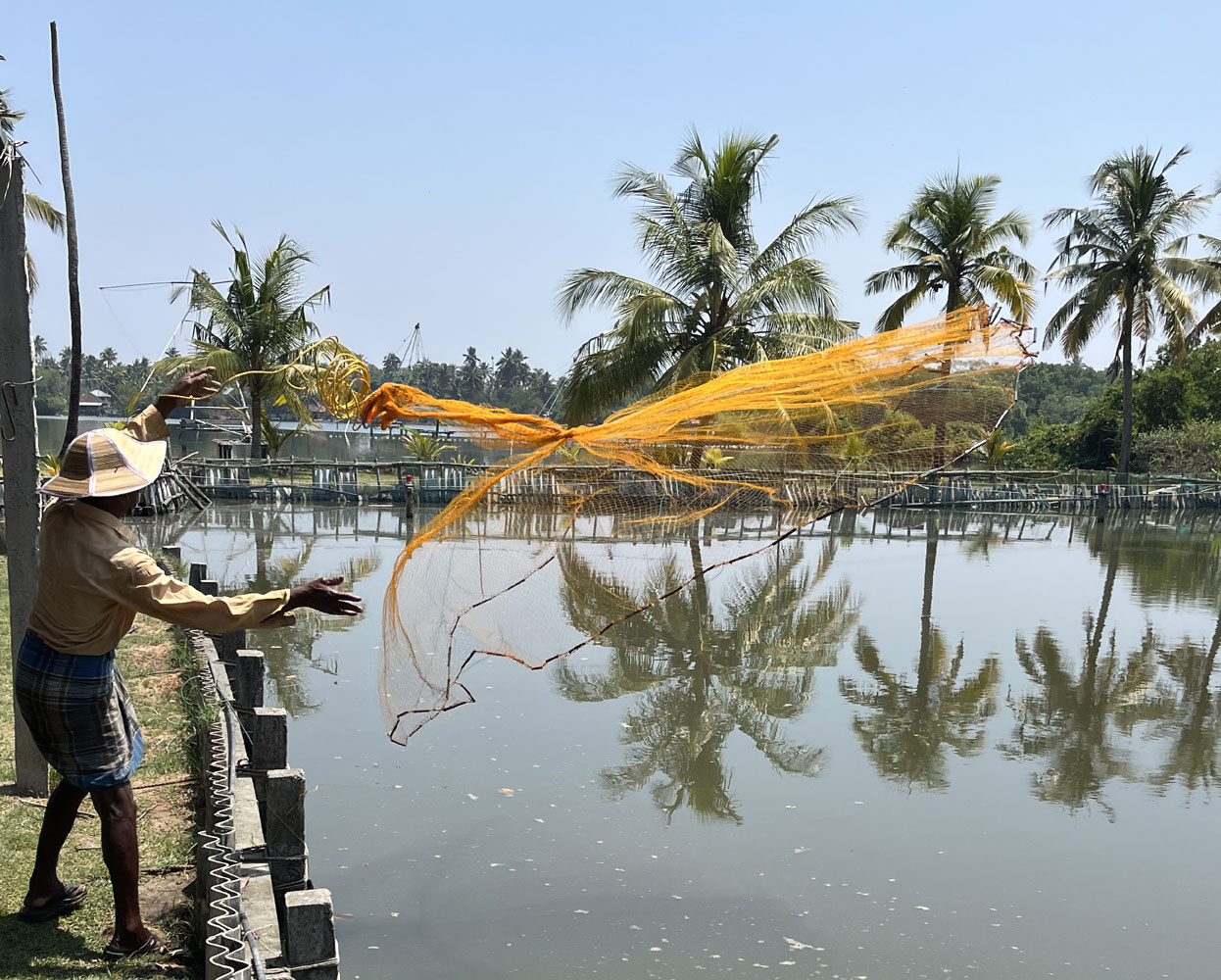
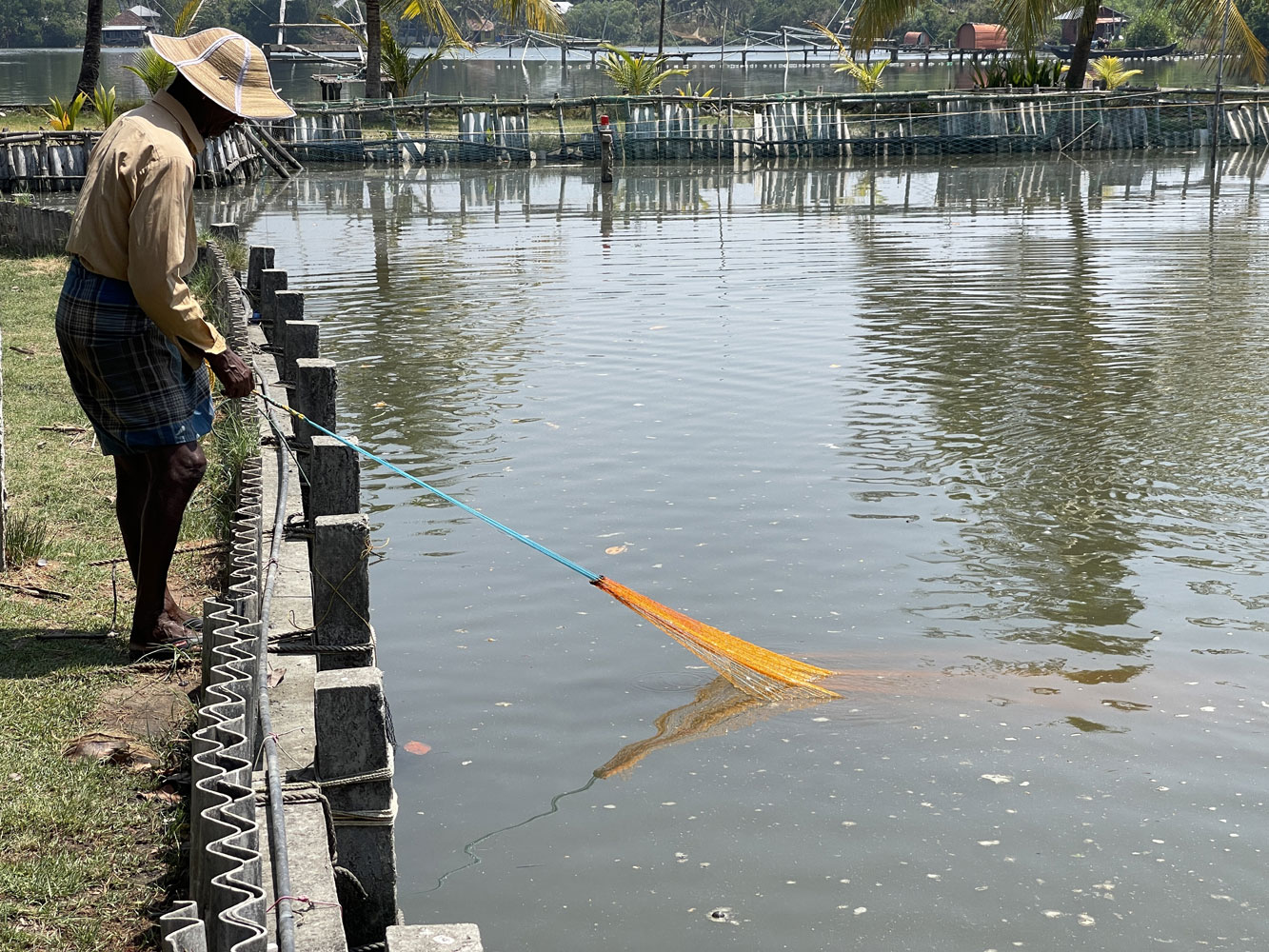
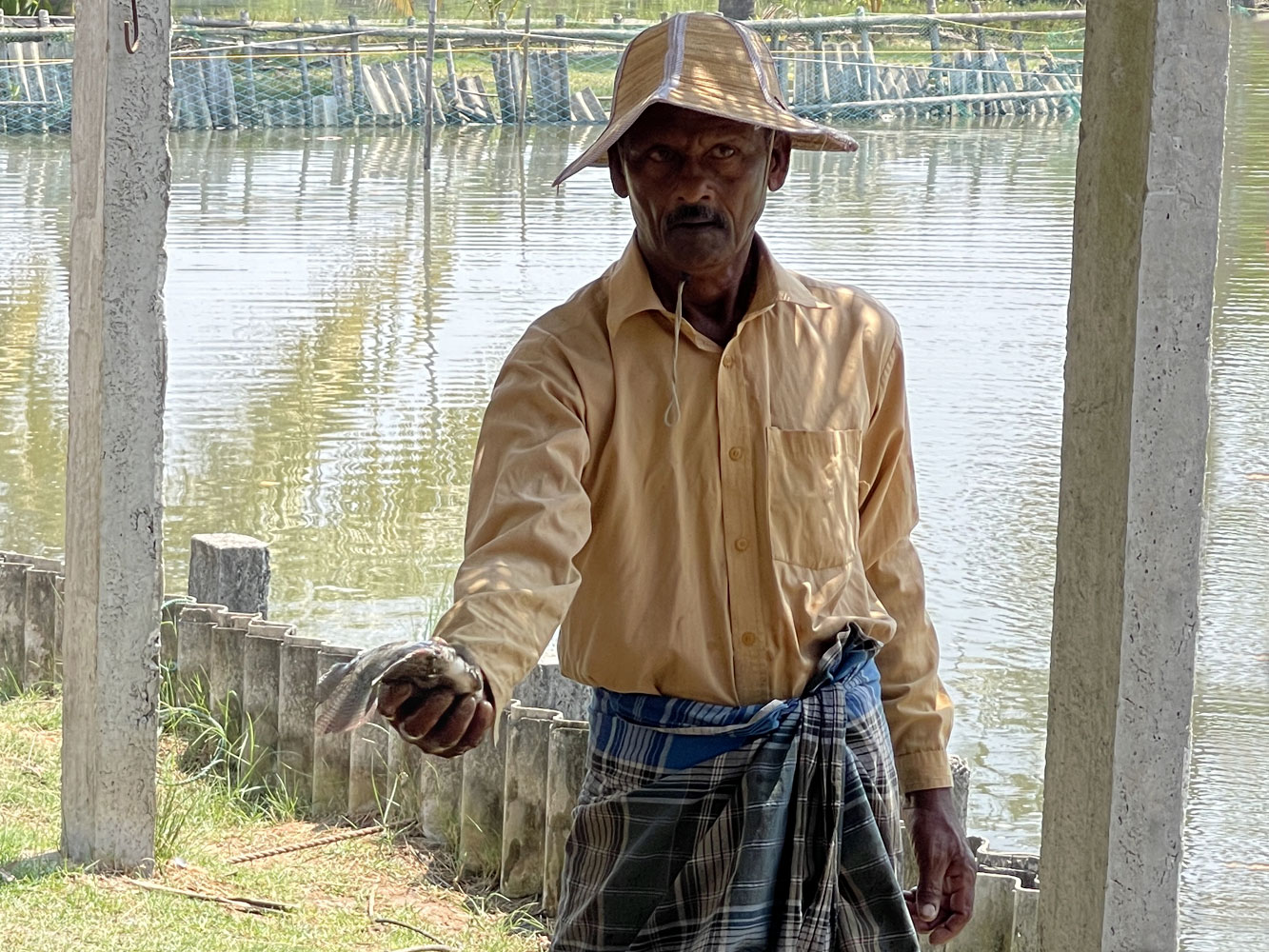
Casting of Nets. This
is a traditional method of fishing. Conical shaped nets, fitted
with lead weights at the bottom, are cast into the water whilst
holding one end. The weights fitted at the bottom keep the
fish inside the net (theoretically!). |
|
|
| |
|
| |
|
| |
|
| |
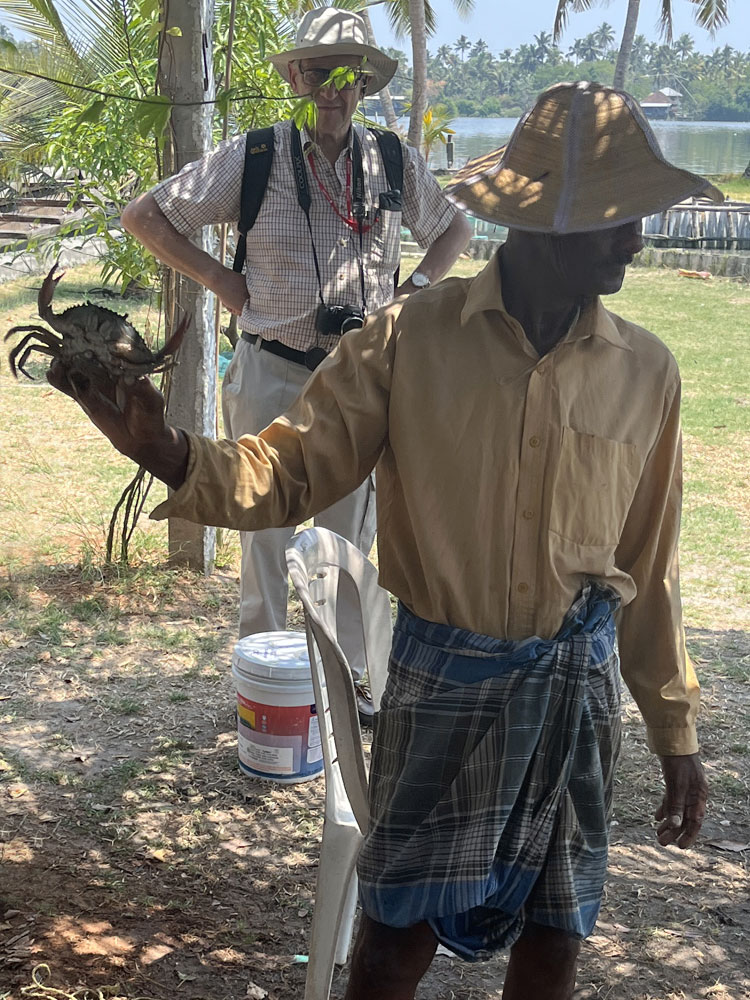
Crab Farming. The brackish
waters here are home to both green and red crabs. Green
crabs, being less aggressive, are especially valued and
enjoy strong demand in the Far East, particularly in Japan,
Singapore, and Malaysia, where they are exported live. This
area also hosts a well-maintained crab farm, where crabs
are naturally fattened before being sent to market.
|
|
|
| |
|
| |
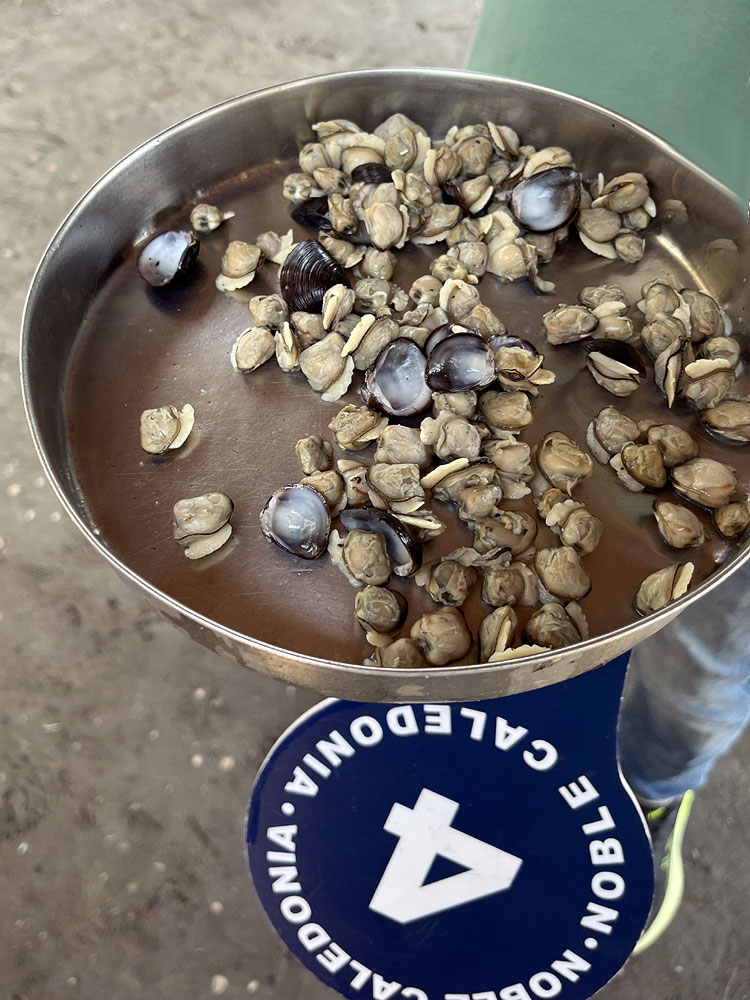
Clam meat processing.
For many of the inhabitants of Kallanchery Island, this
is their livelihood. Men collect them from the back waters
then the women steam them to separate the meat from the
shell. They then go to the market for sale. The shells are
used for making white cement, cement based paints and fertilizers. |
|
|
| |
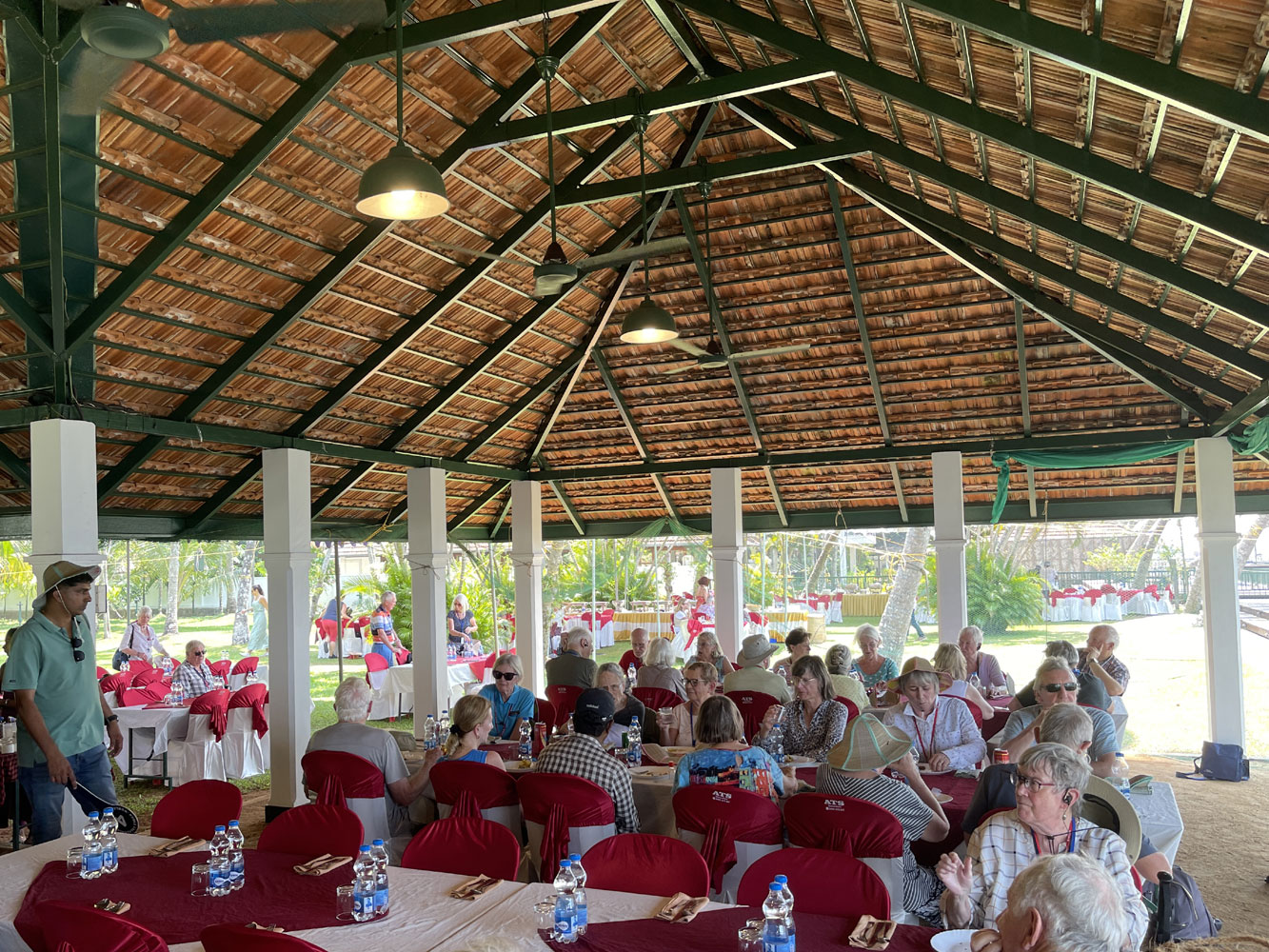
After
all the things we had seen and learned, it was time to have lunch
in this beautiful setting nearby. |
|
| |
|
| |
|
| |
After lunch, there was
time to relax and enjoy the gardens briefly. |
|
|
| |
|
| |
|
|
| |
It was then time to begin
our afternoon adventure. See next page... |
|

|
|