Day 9: Colombo
|
|
We get a warm welcome to Sri Lanka's
commercial capital, Colombo
and take a tour of some of the city's highlights.
|
|
|
| |
Monday 24th February 2025 (morning/afternoon)
|
|
|
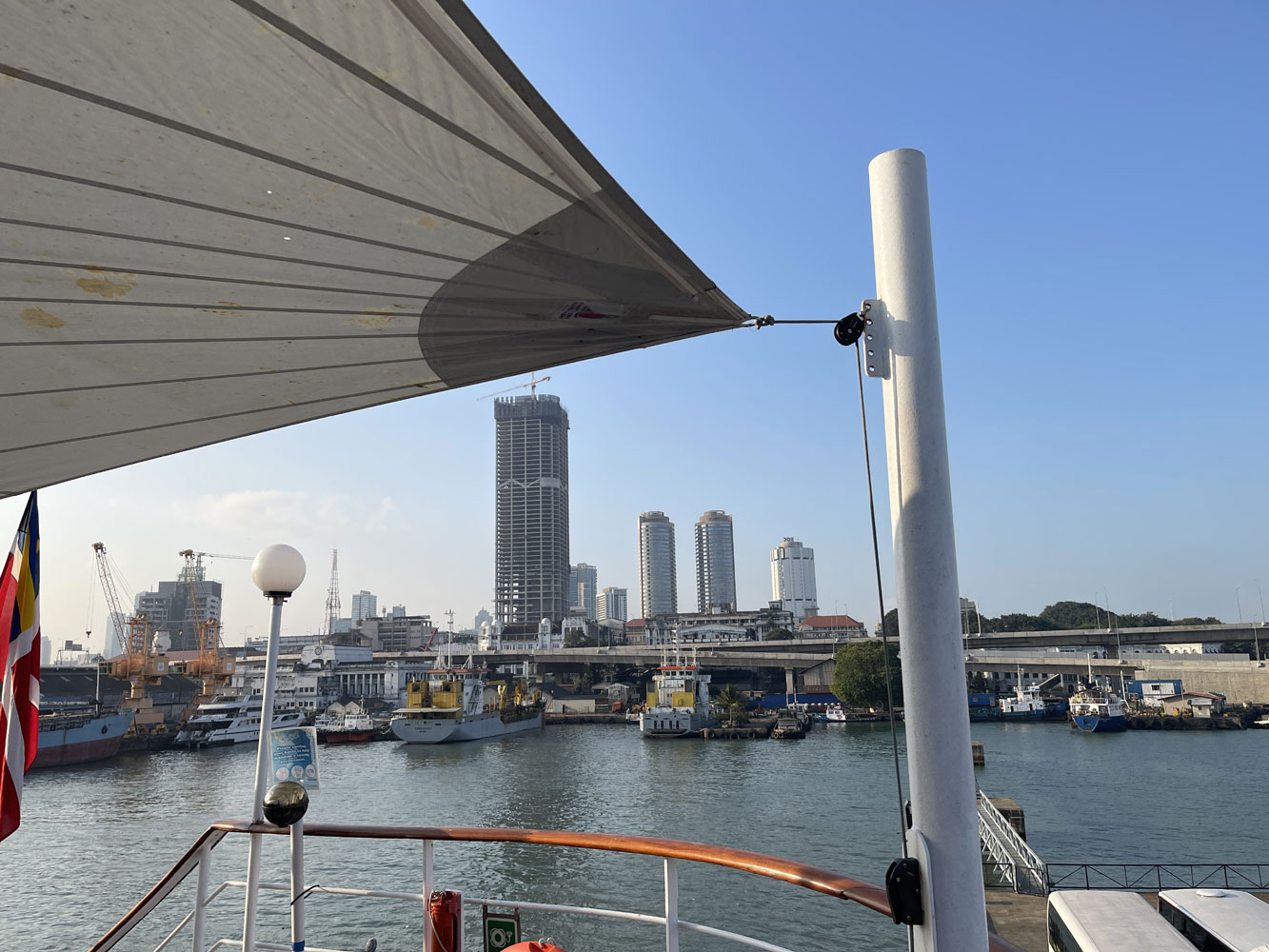
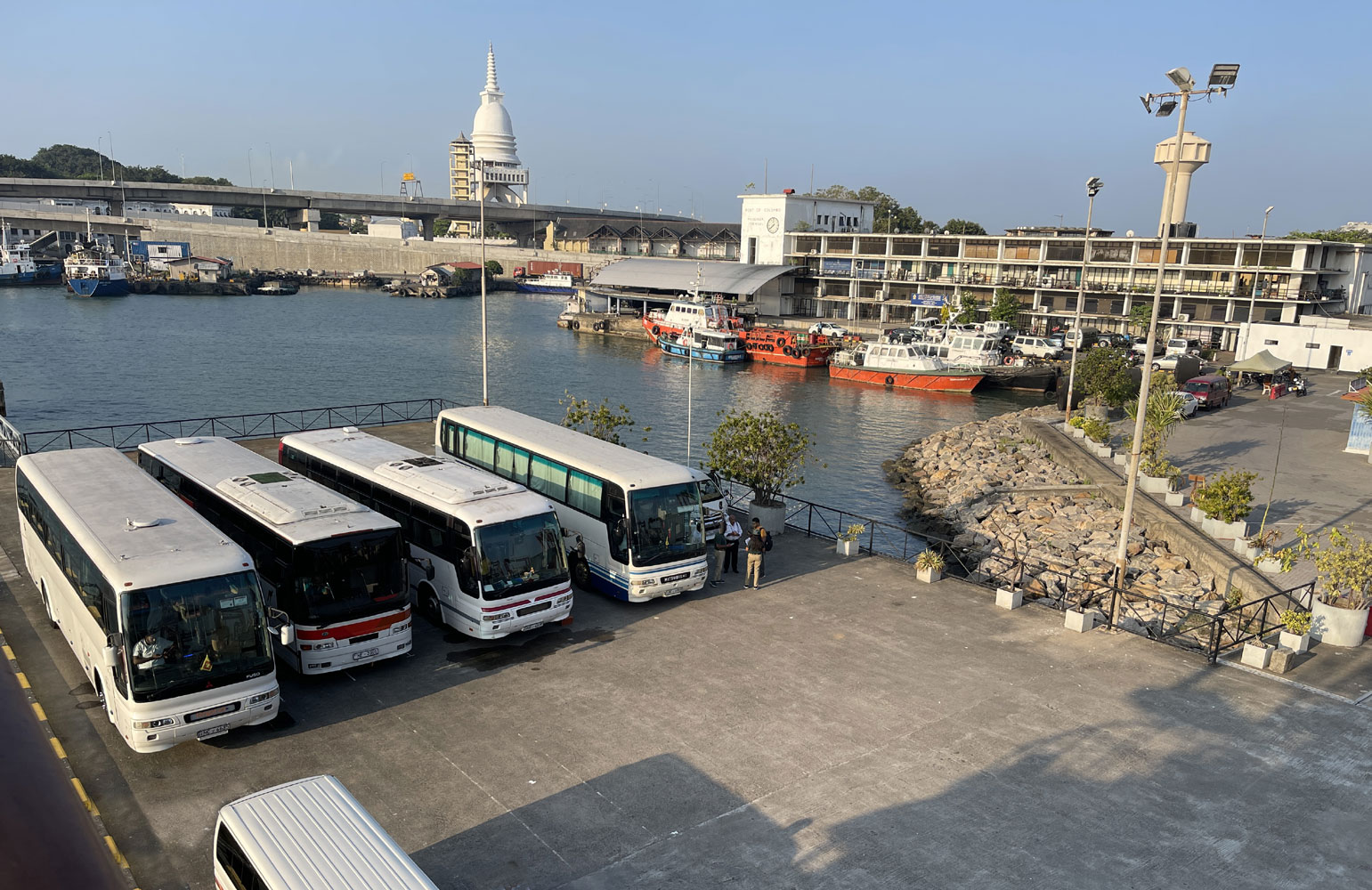
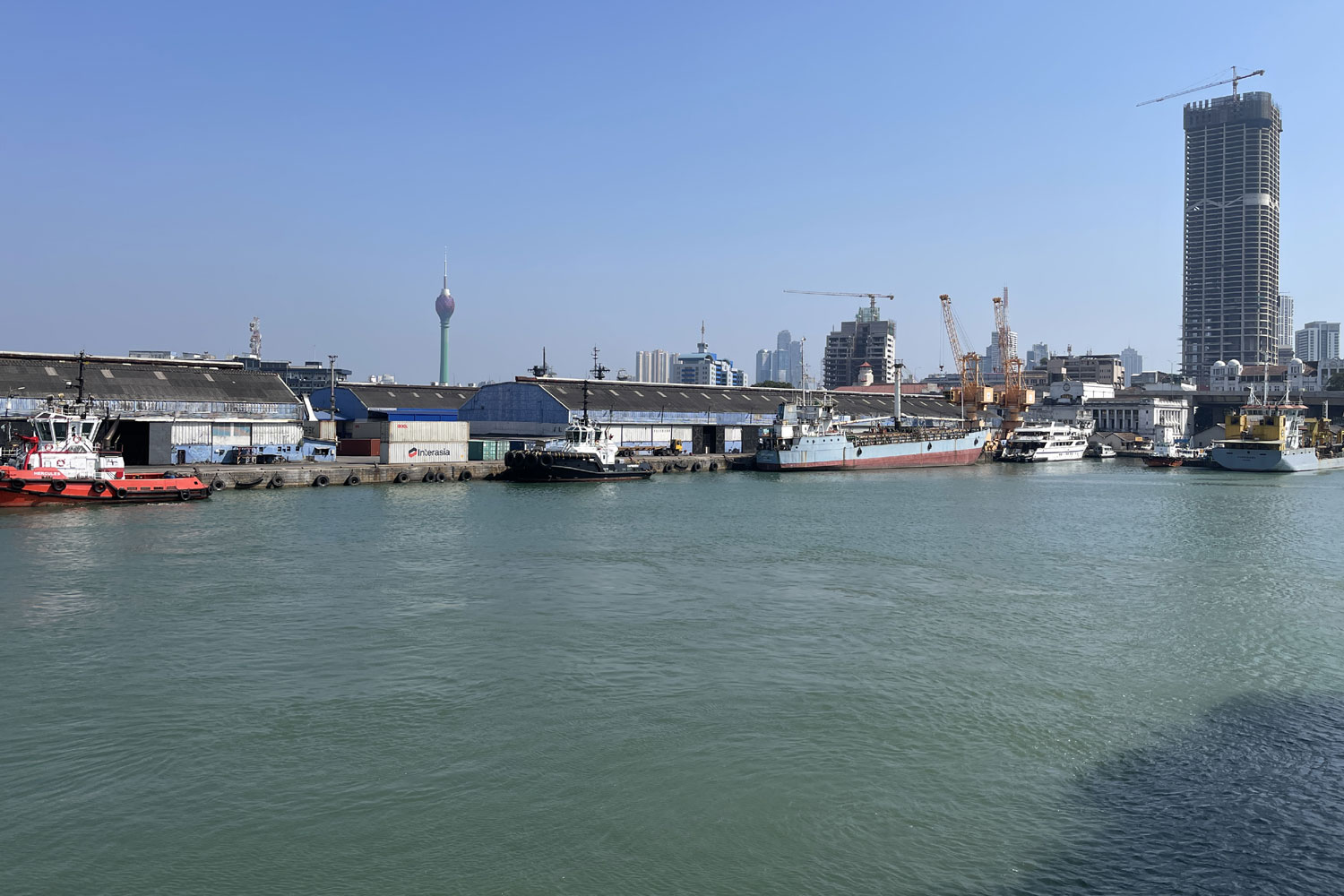
After a calm overnight
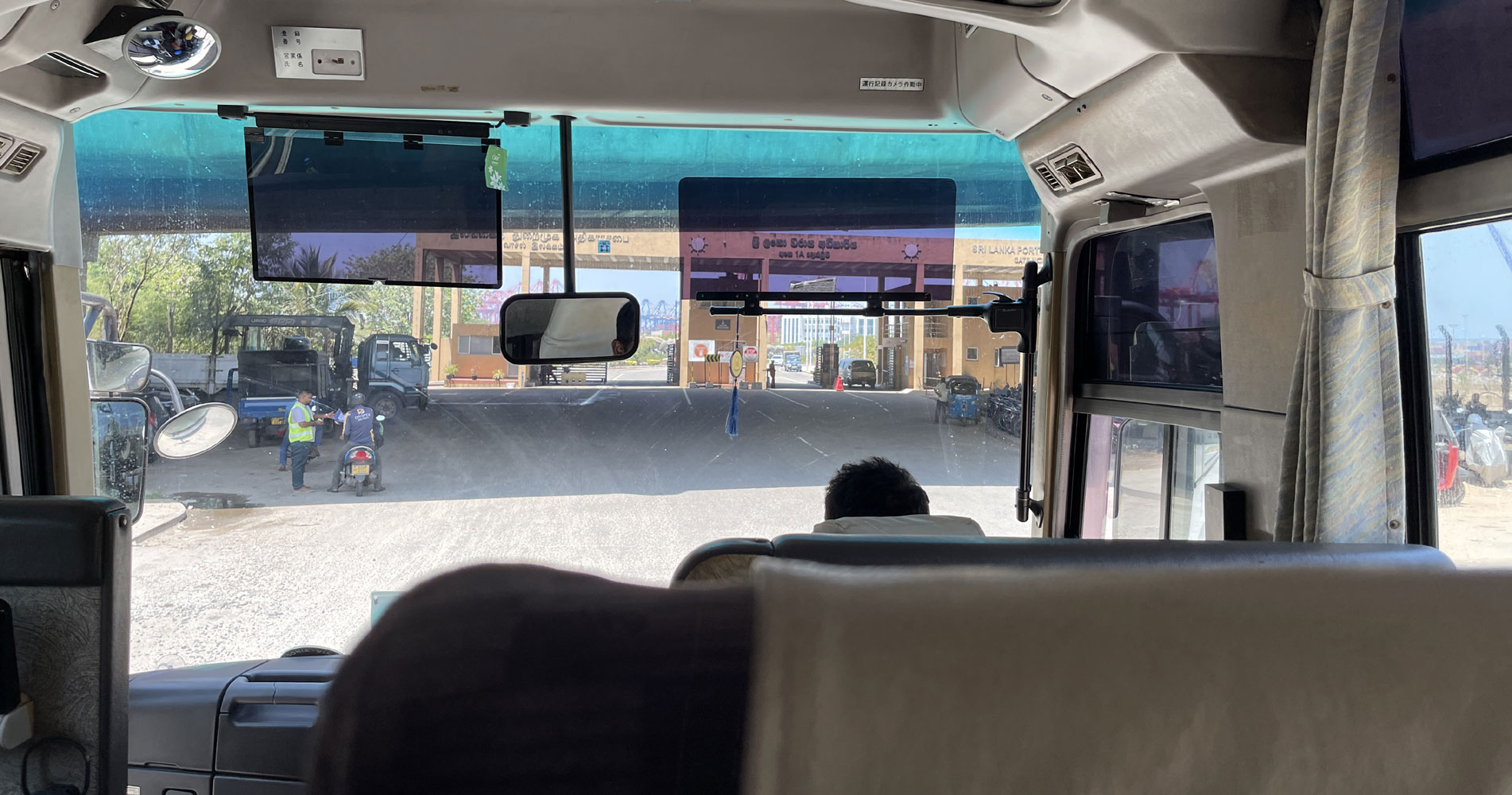
voyage from Galle, the port of Colombo looked large, yet
serene in the early morning light. |
|
|
| |
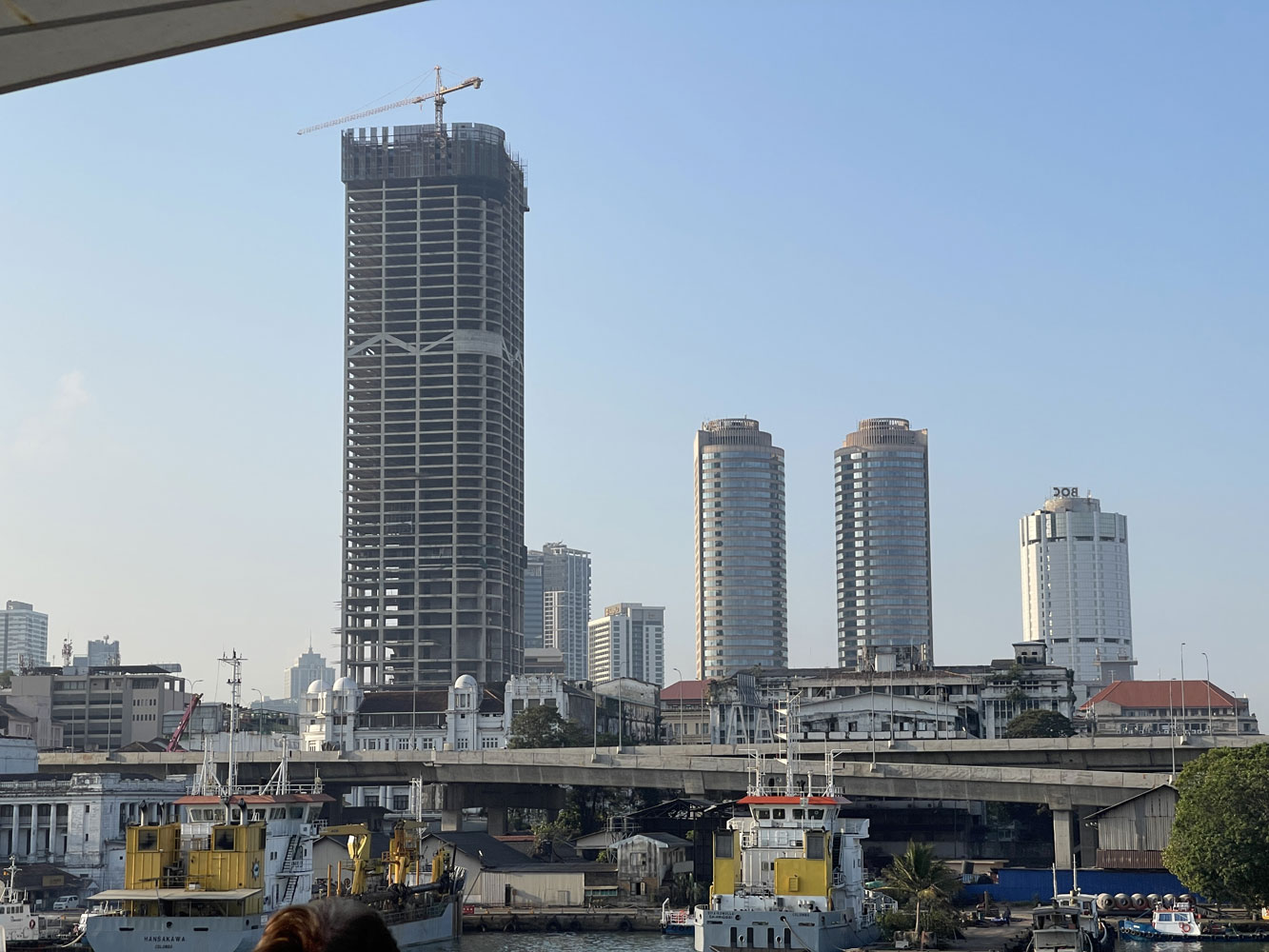
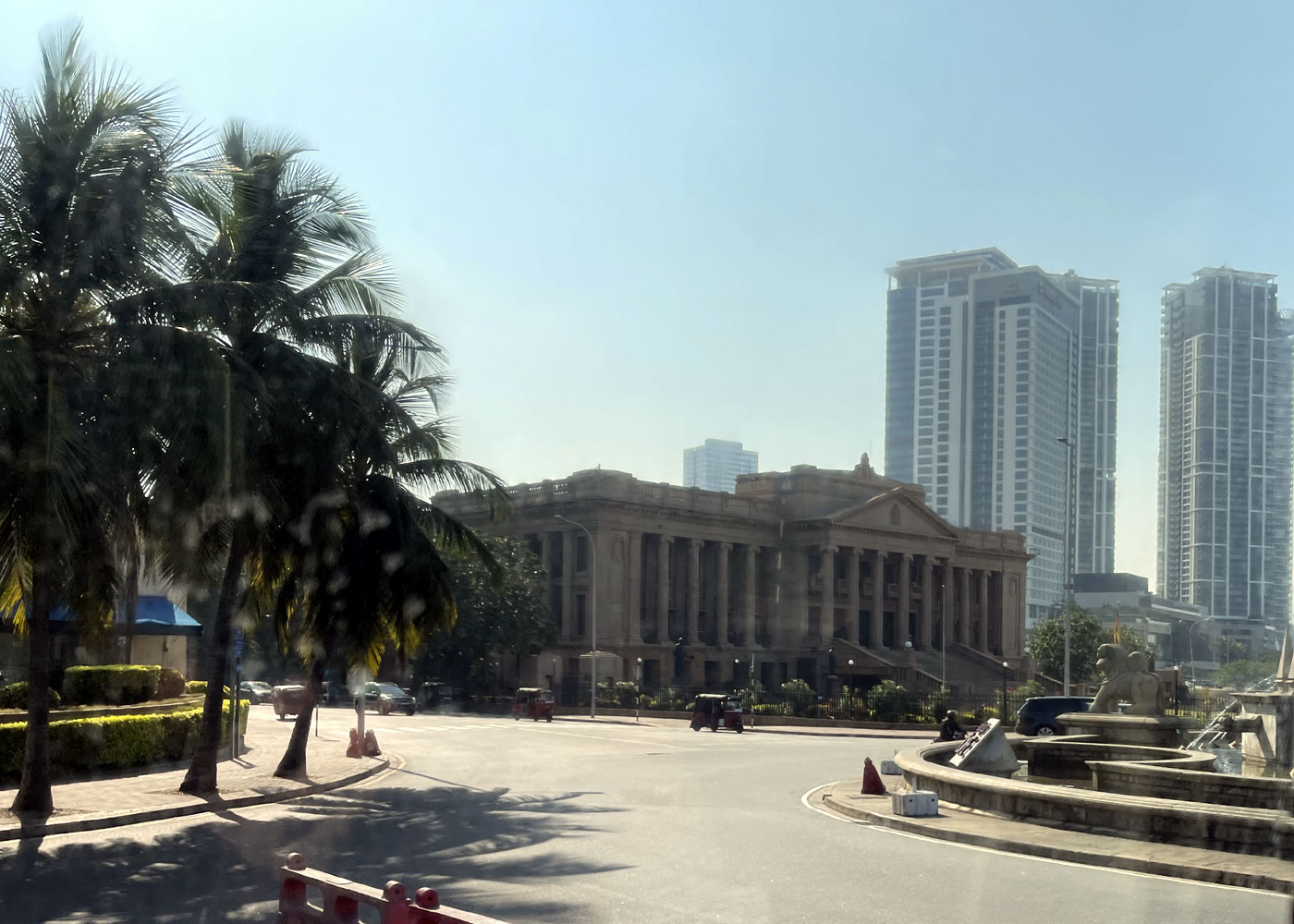
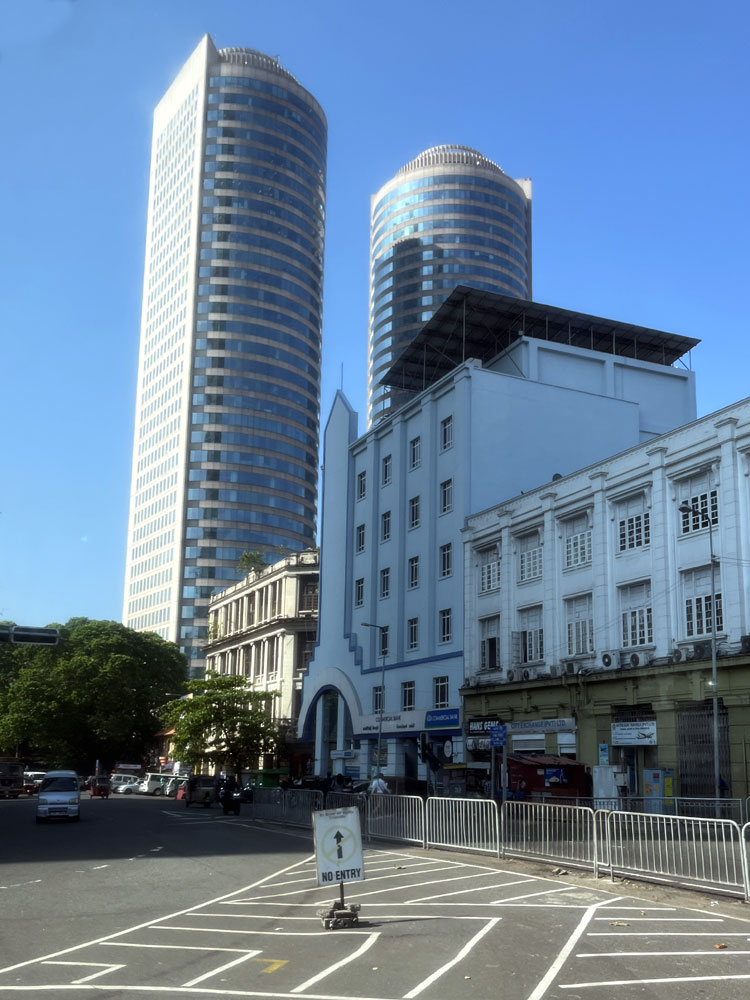
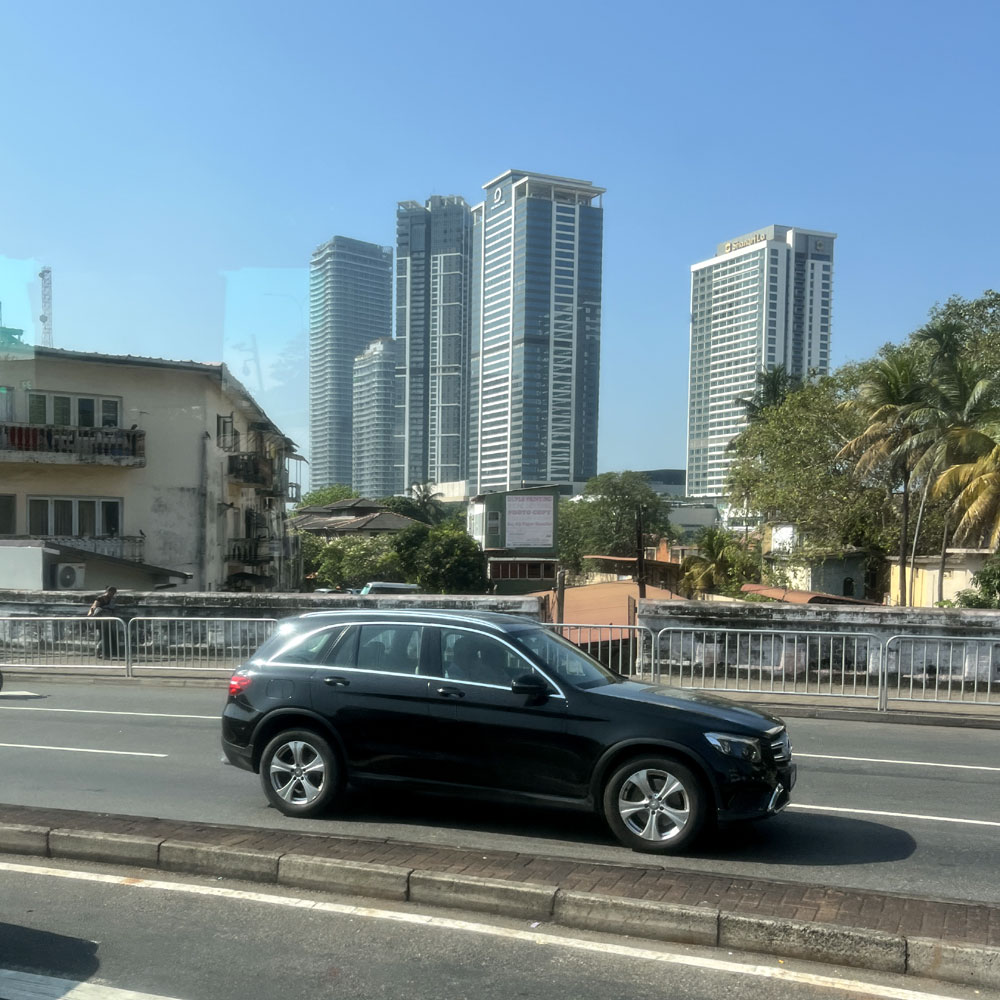
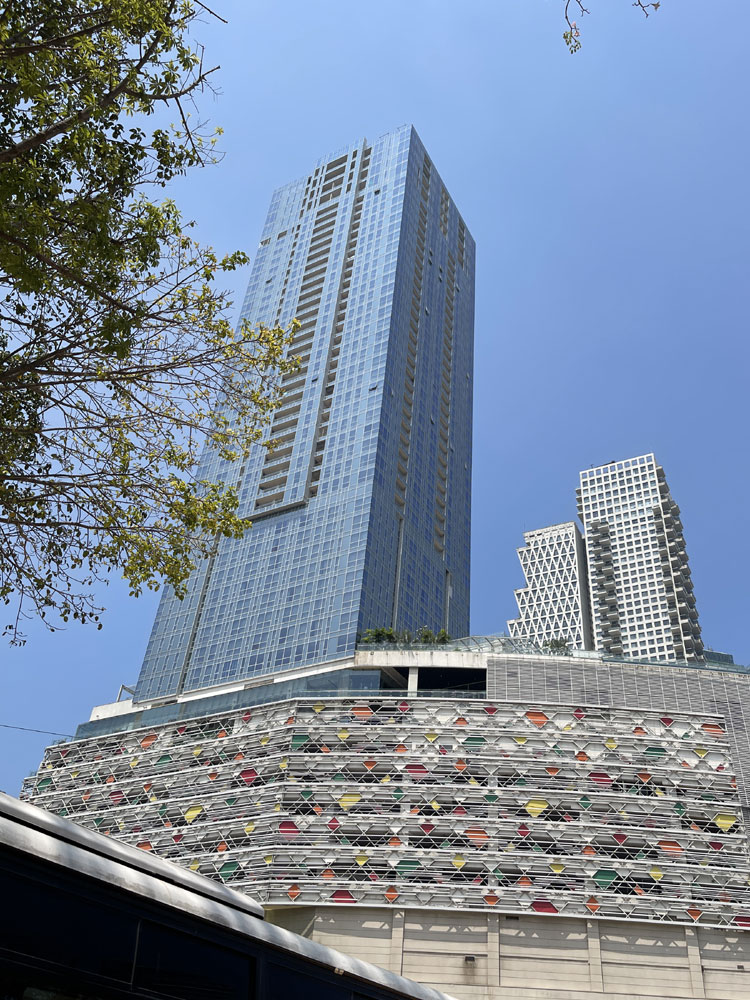
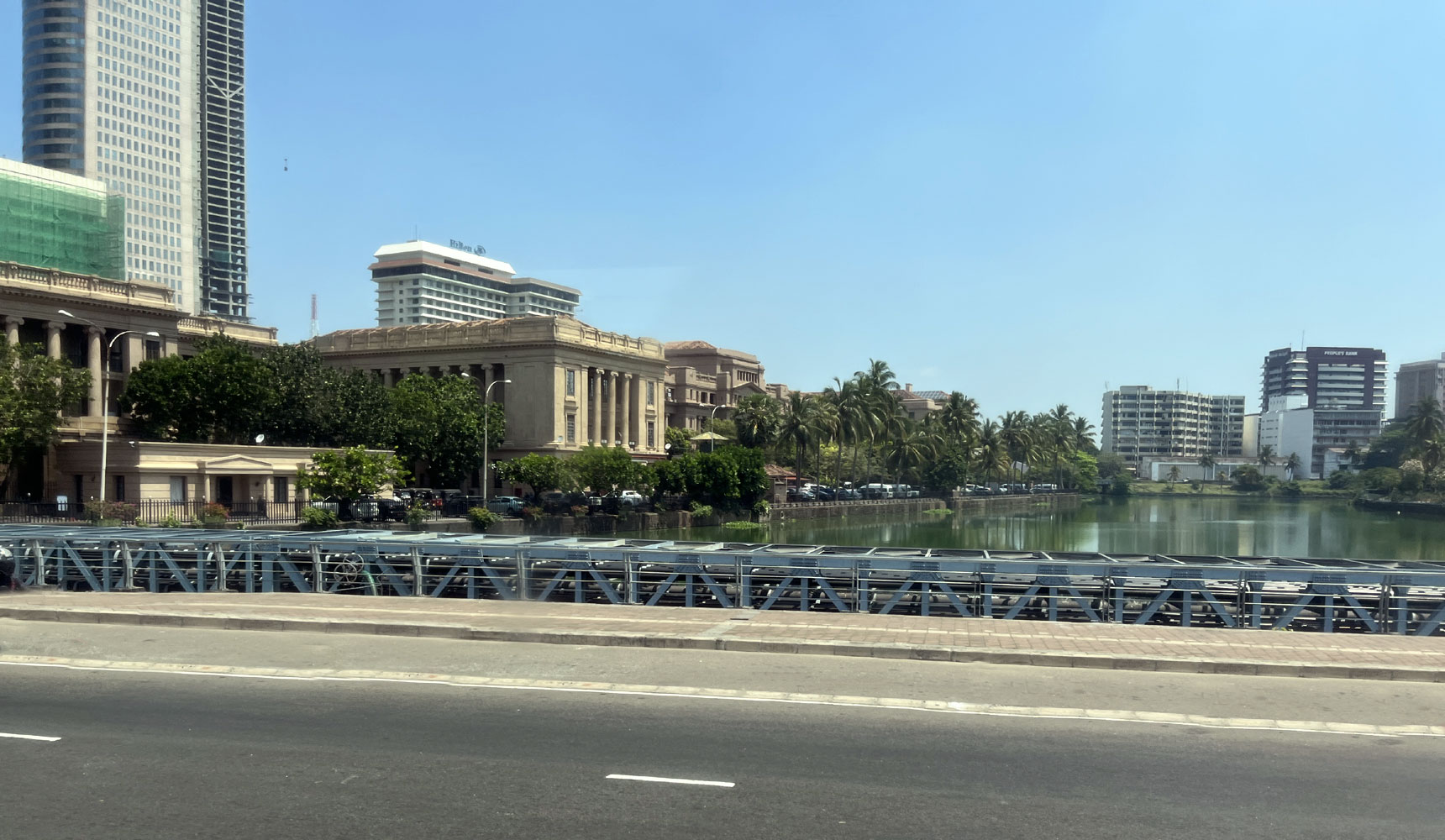
The city beyond looked
like it was undergoing rapid change, with modern skyscrapers
dominating the skyline and plenty of construction underway. |
|
|
| |
|
| |
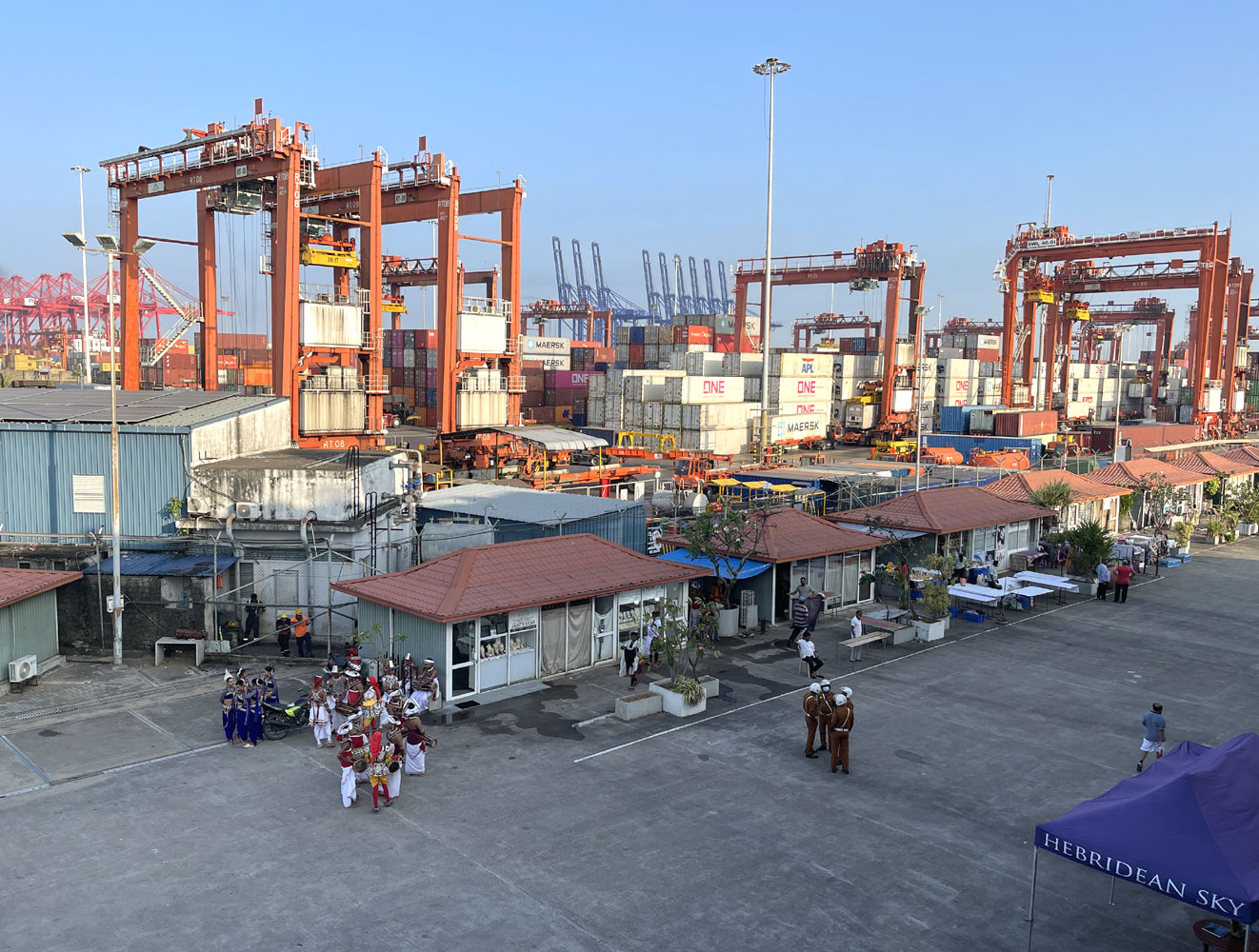
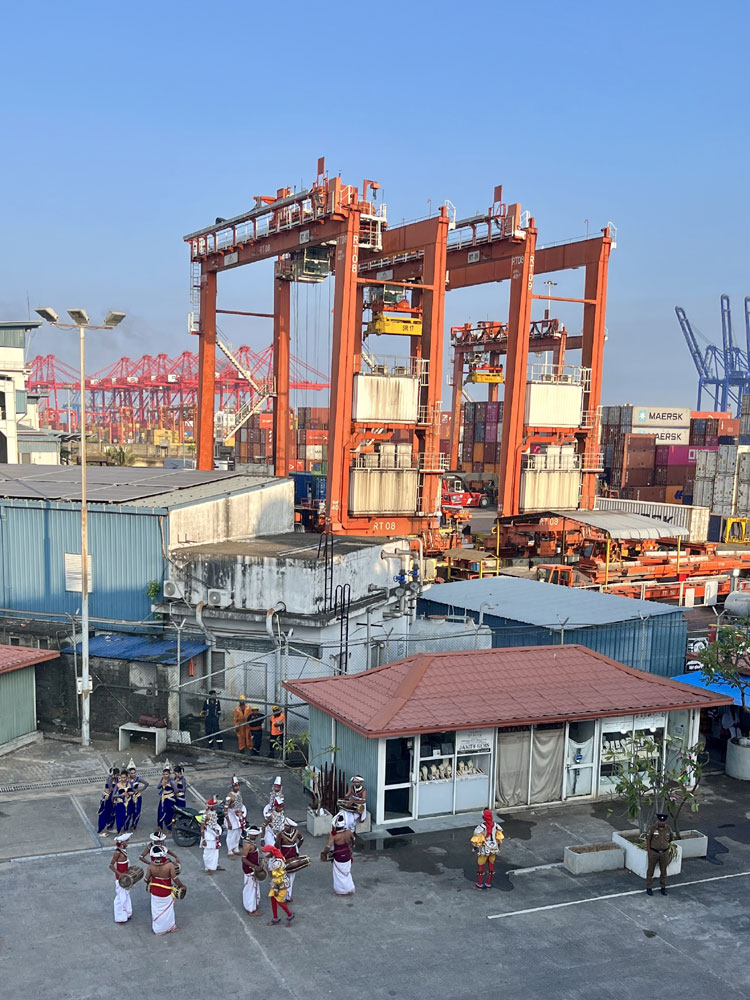
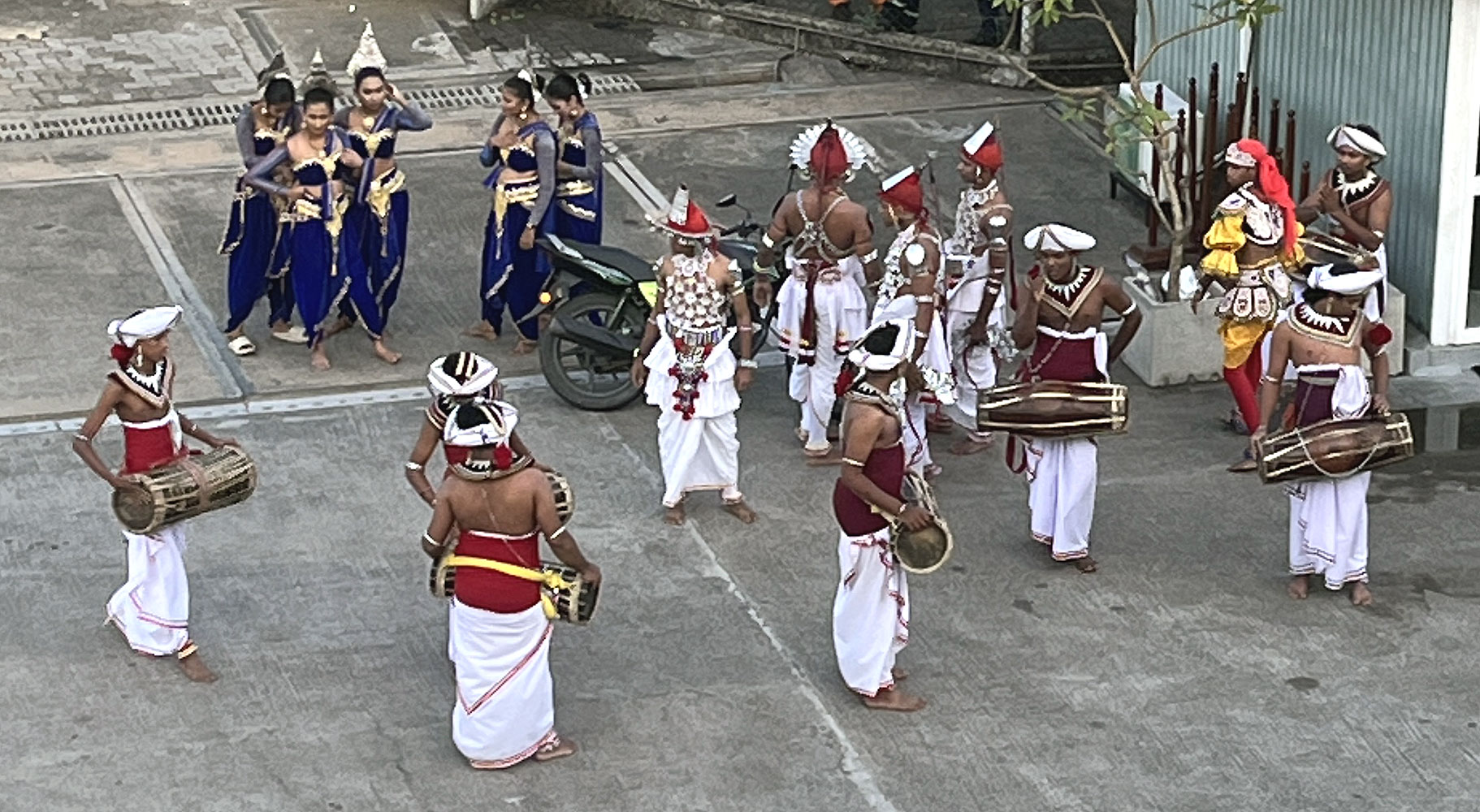
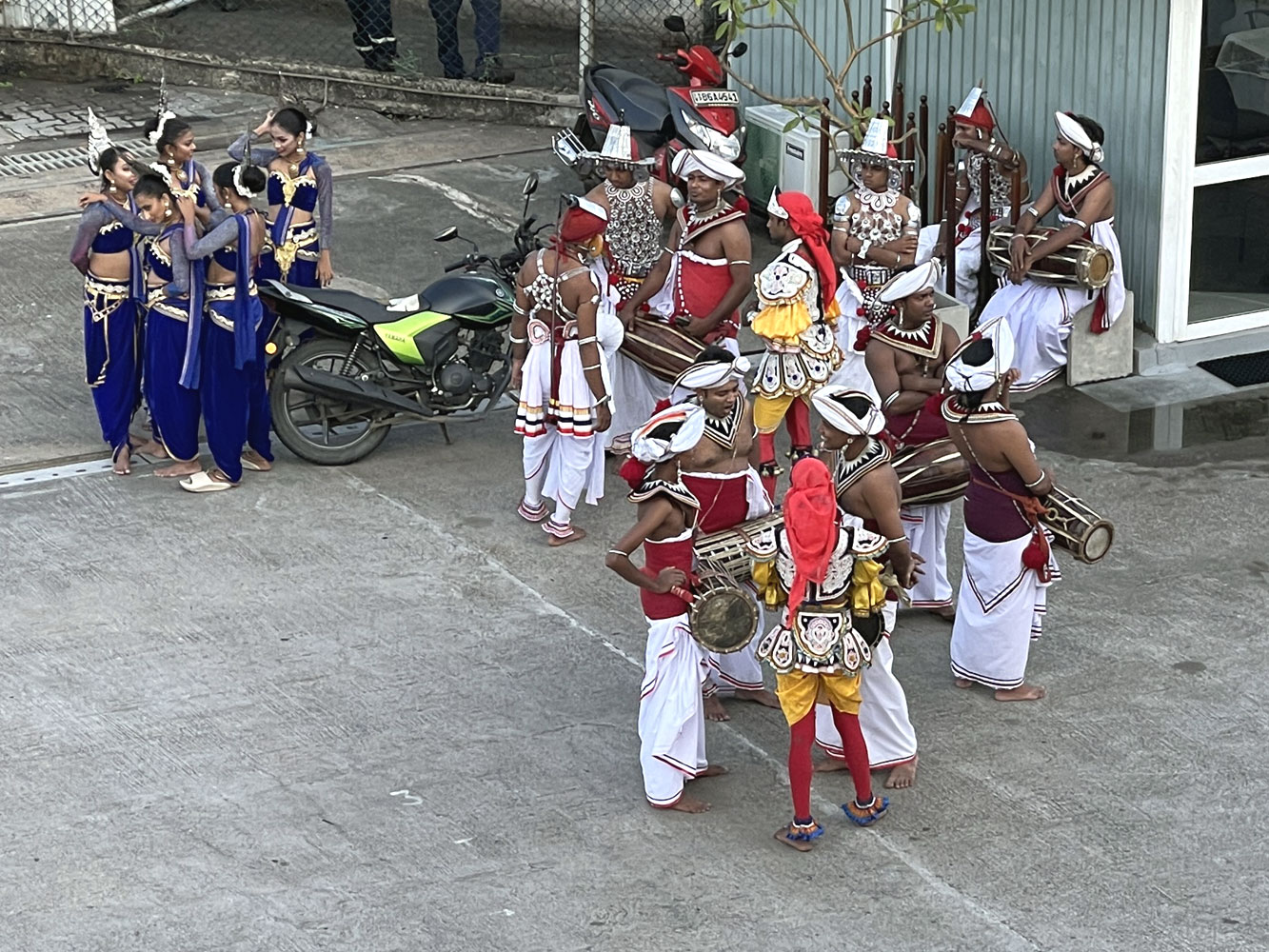
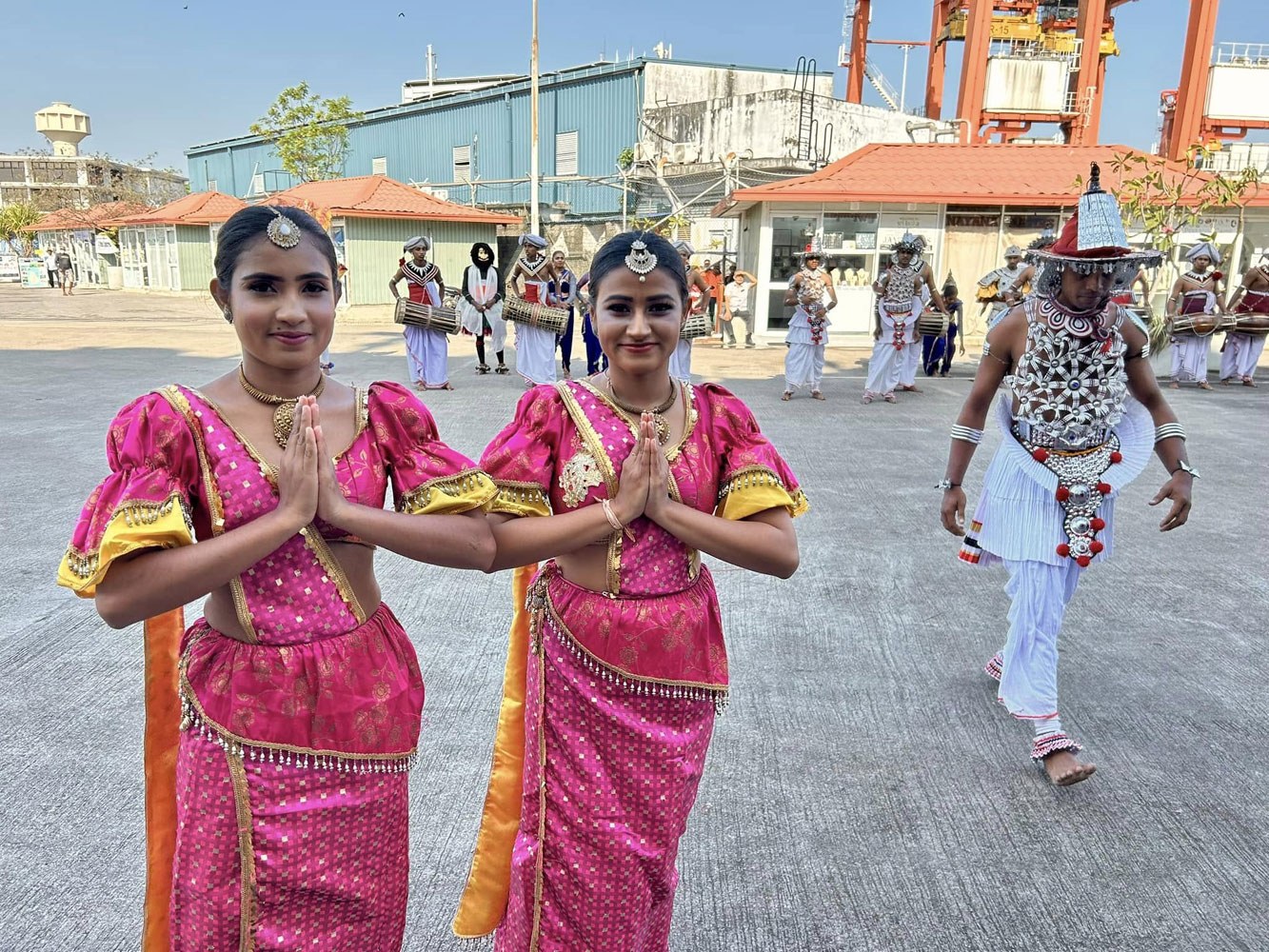
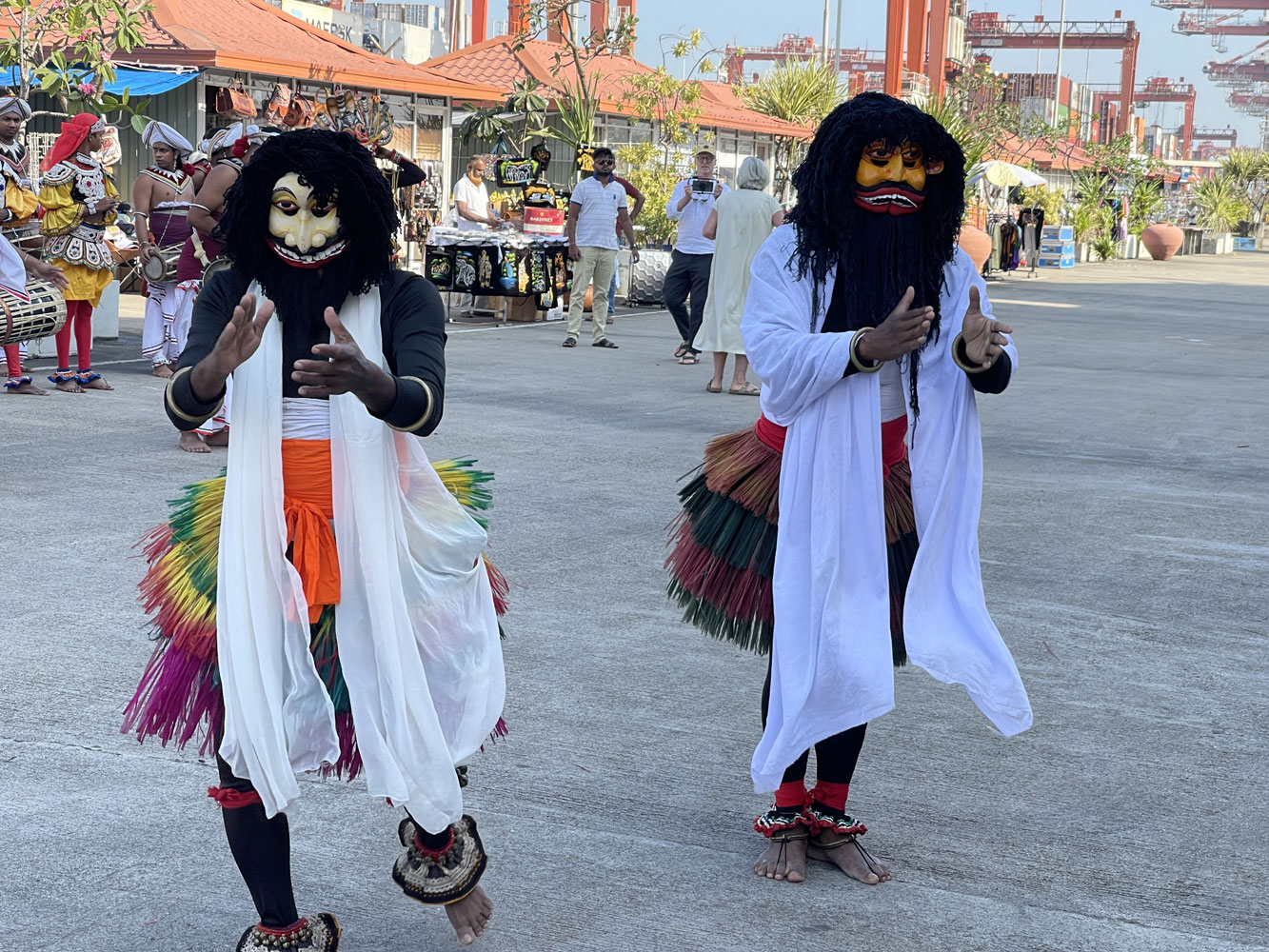
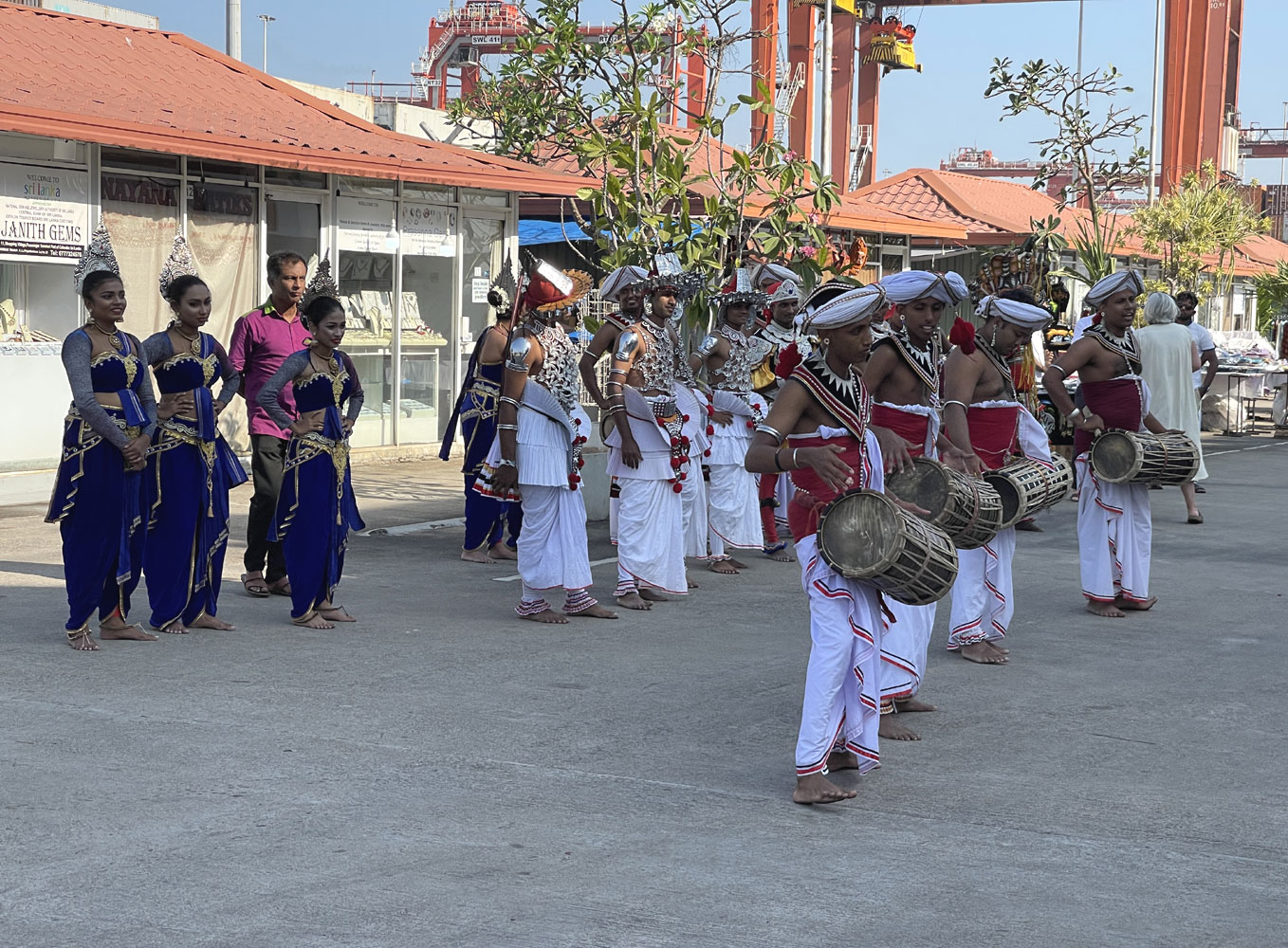
What looked like a group
of musicians and dancers had begun to assemble alongside
the ship to greet us. |
|
|
|
|
| |
|
| |
|
| |
|
| |
|
| |
|
| |
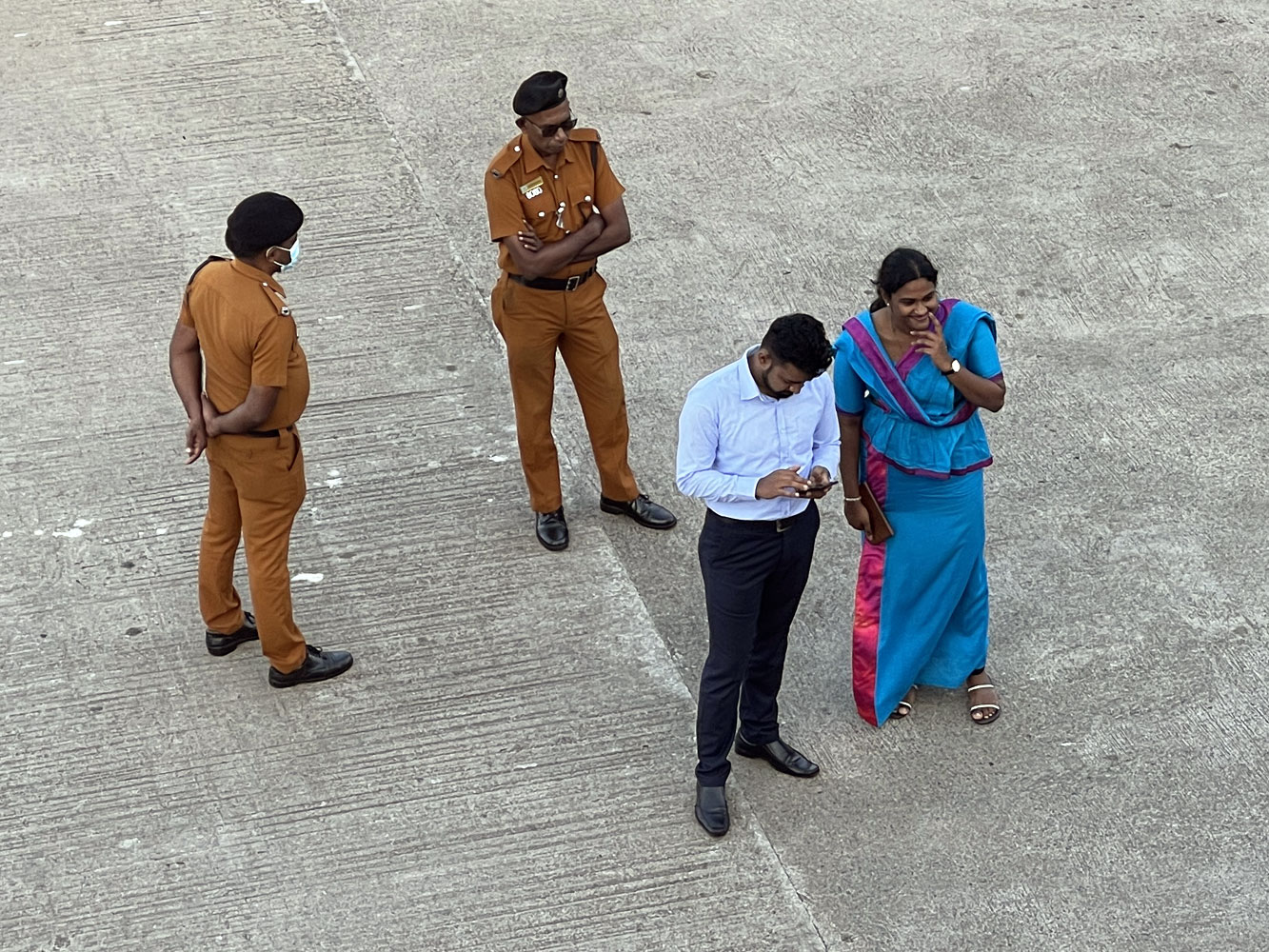
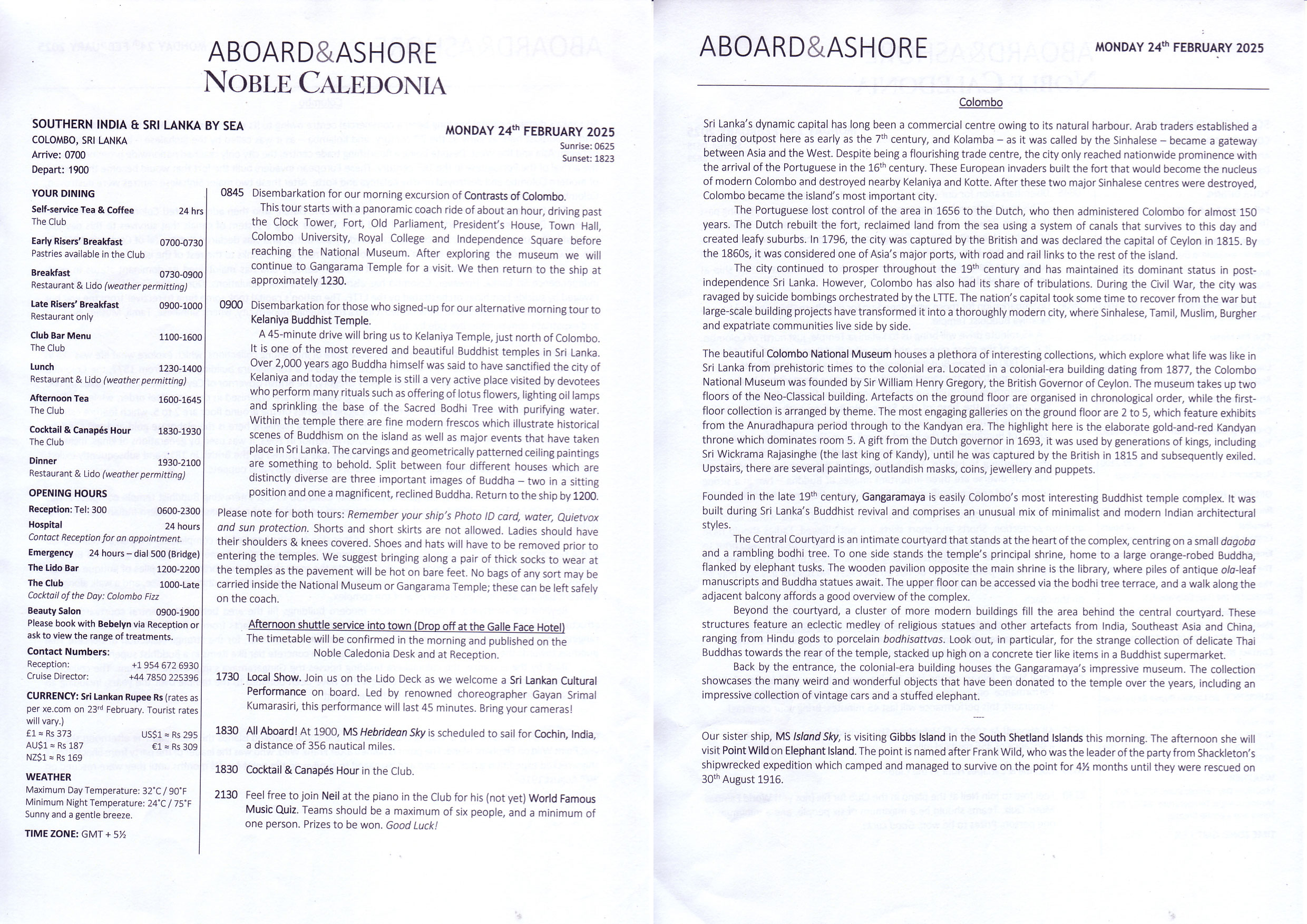
At 9:00am, we heard the
announcement that the local guides and drivers were ready
to begin the morning tour. |
|
|
| |
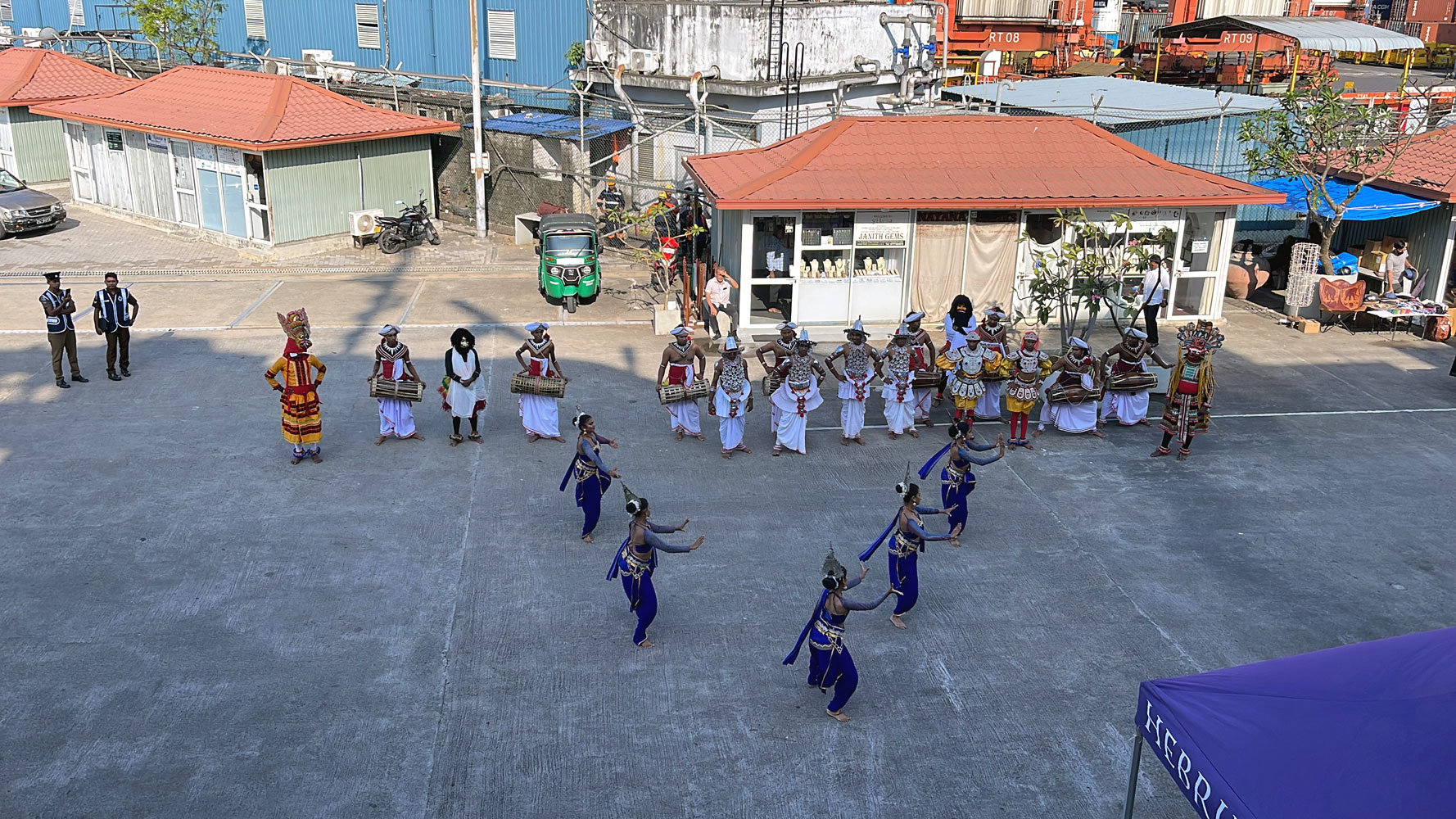
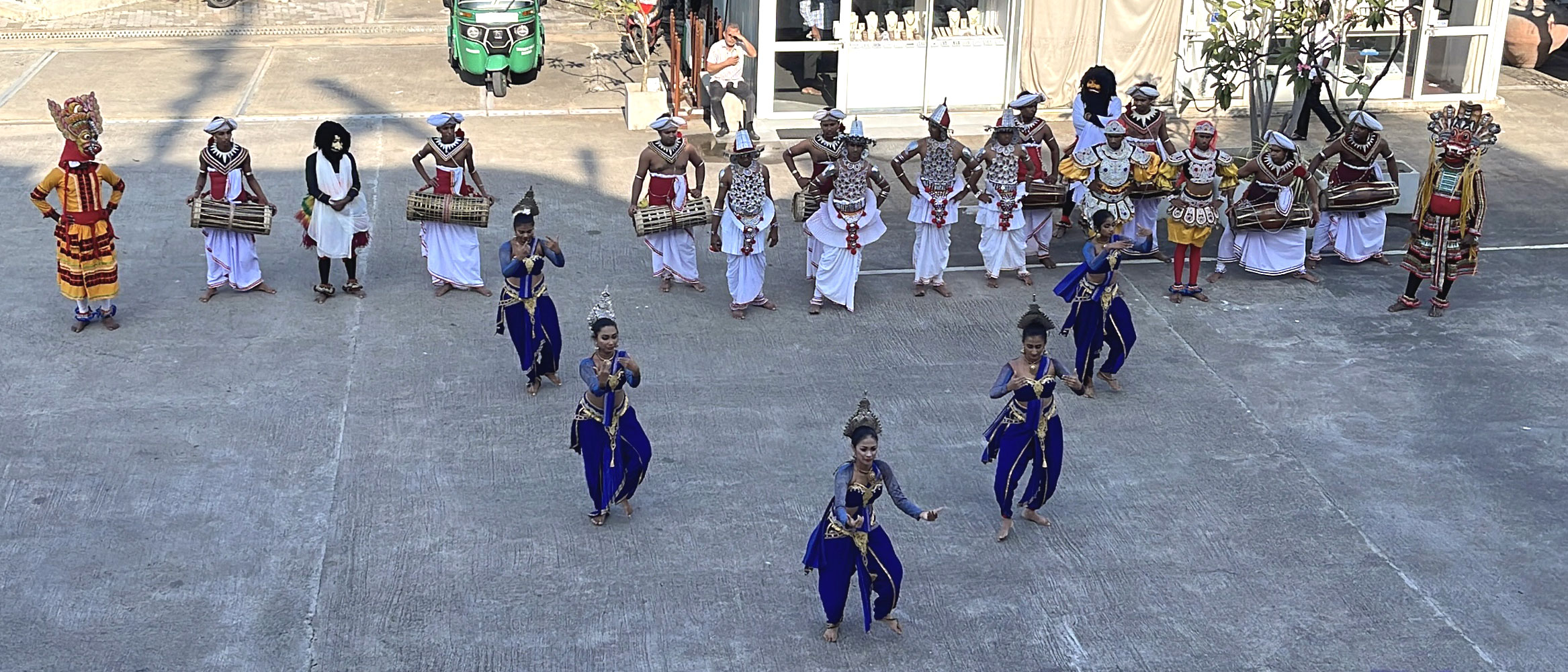
We were delighted to receive
such a warm welcome as we stepped off the gangway. For a few
minutes, we paused to enjoy the entertainment arranged especially
for our arrival, only to discover later that the performers
would be taking the stage again for us aboard the ship that
evening. (See next page). |
|
|
| |
|
| |
|
| |
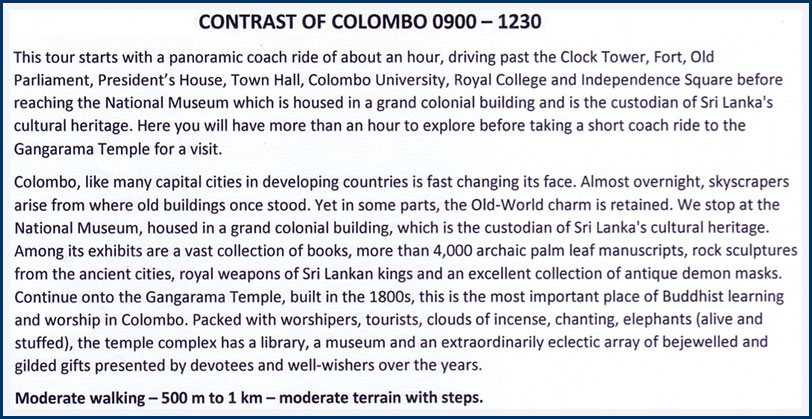
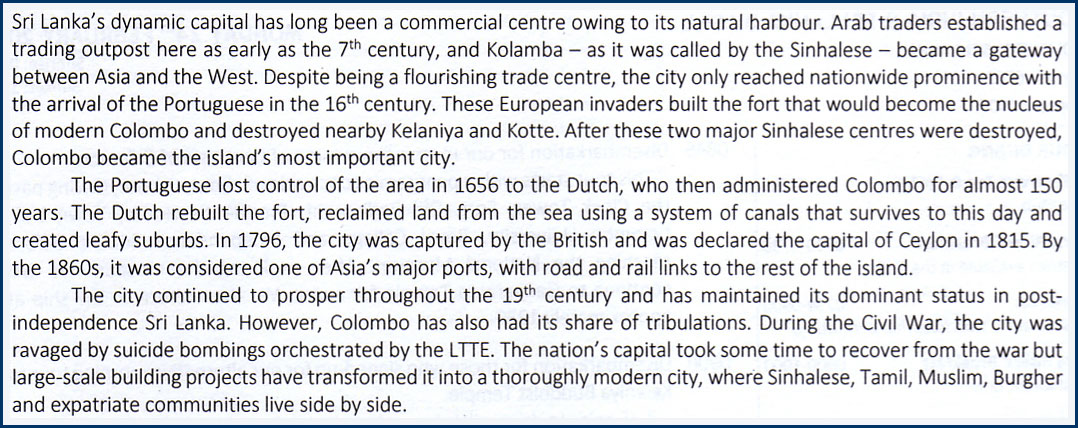
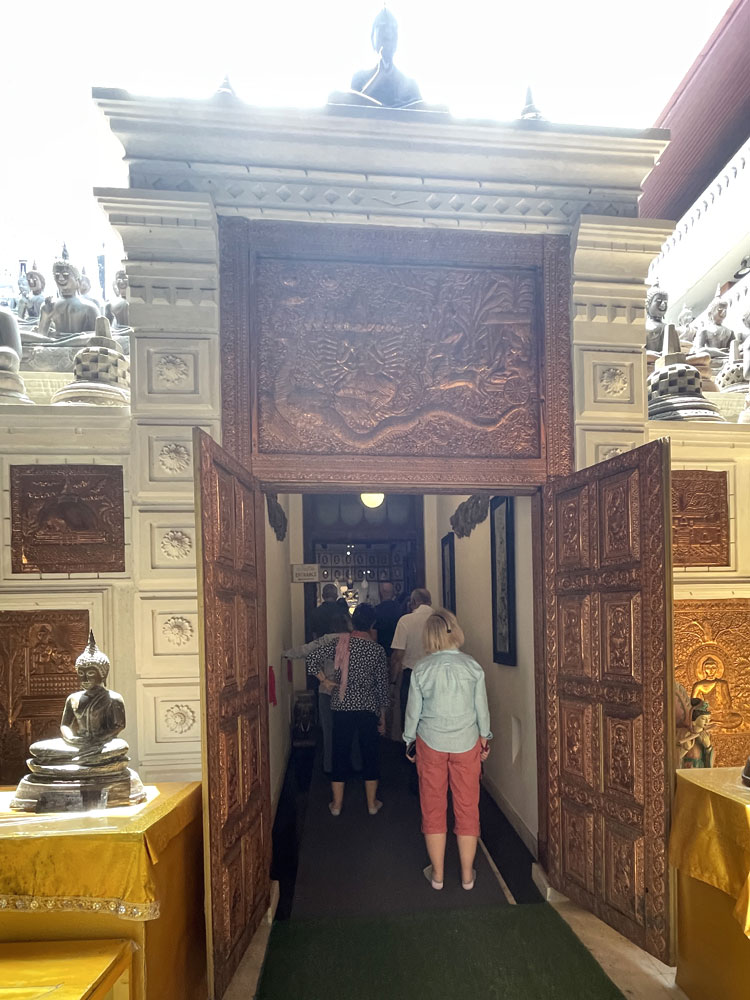
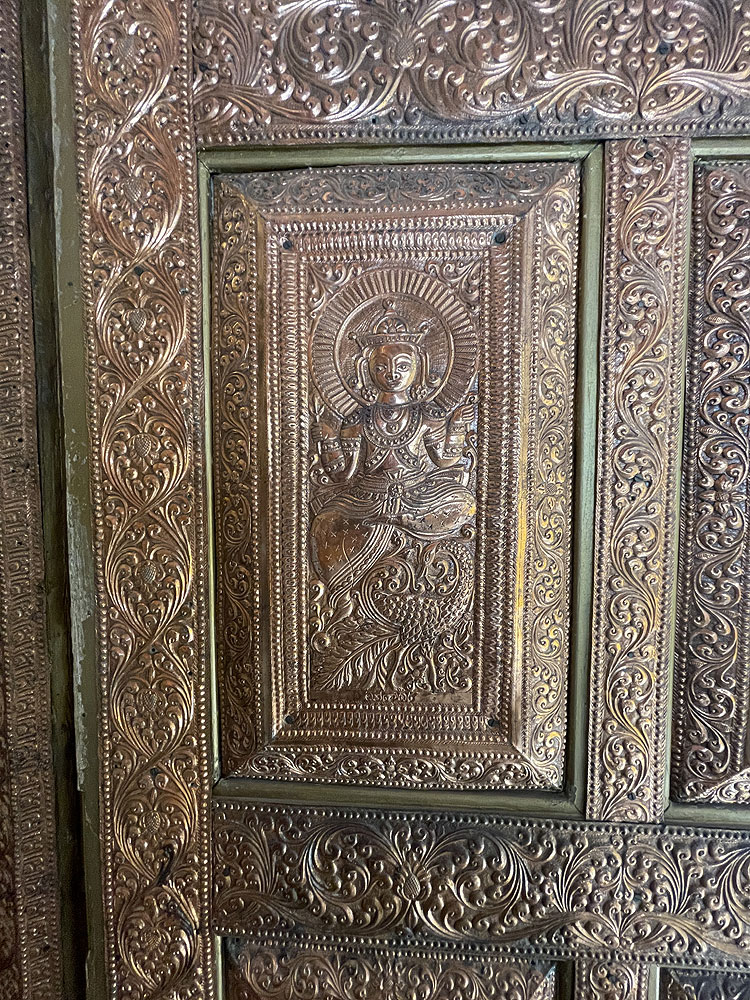
After boarding
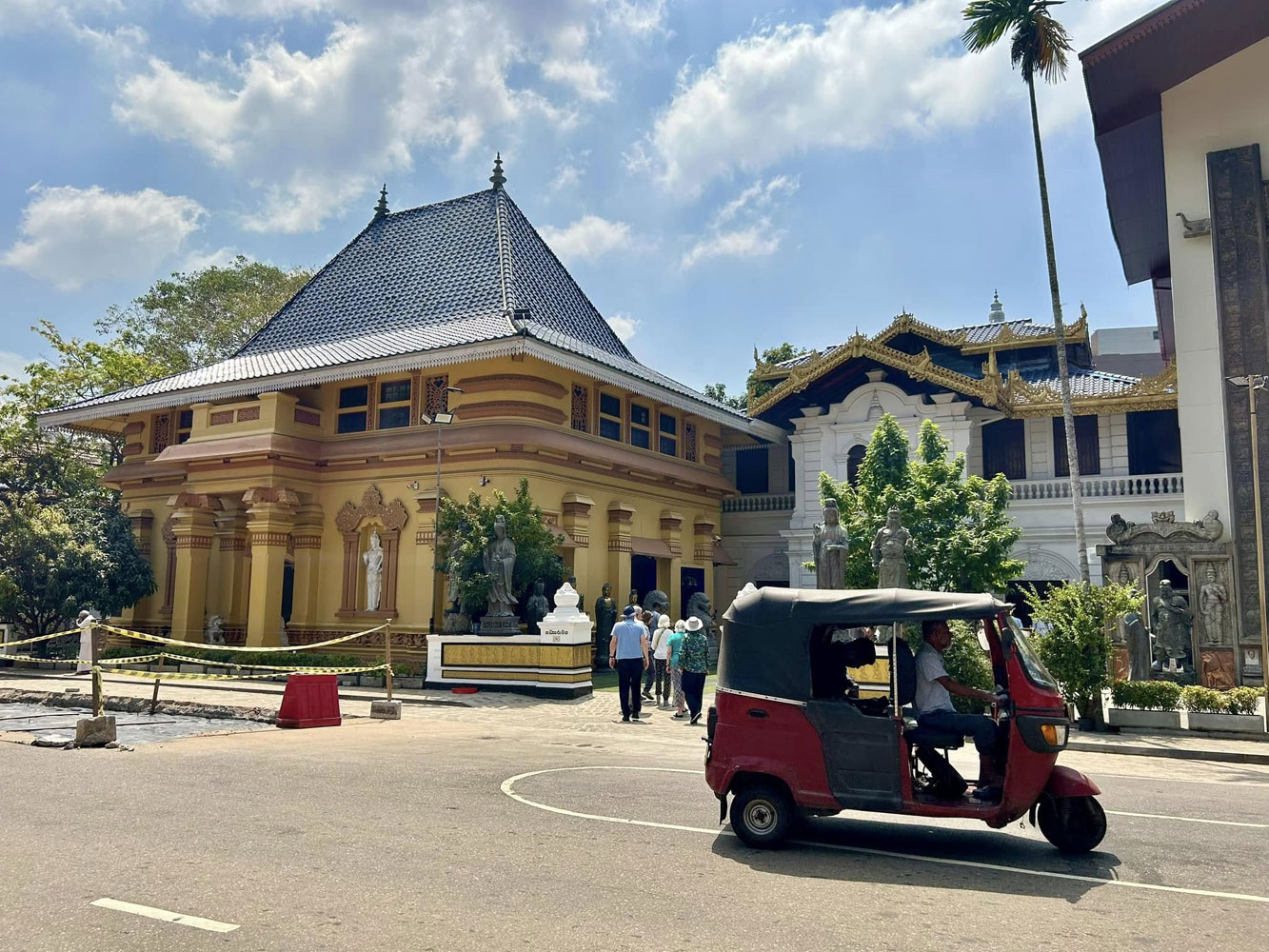
our coach, we began our tour of Colombo,
the more widely known of Sri Lanka's two capital cities
(the other one being Sri
Jayawardenepura Kotte, located not far away). |
|
| |
|
| |
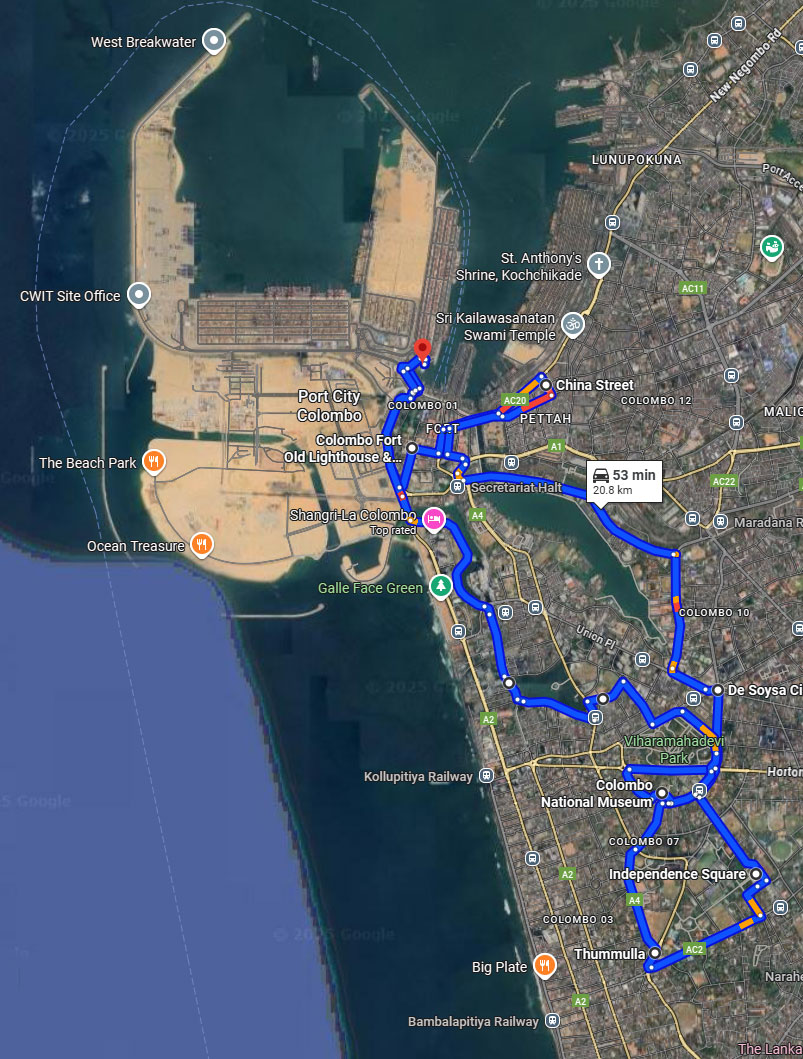
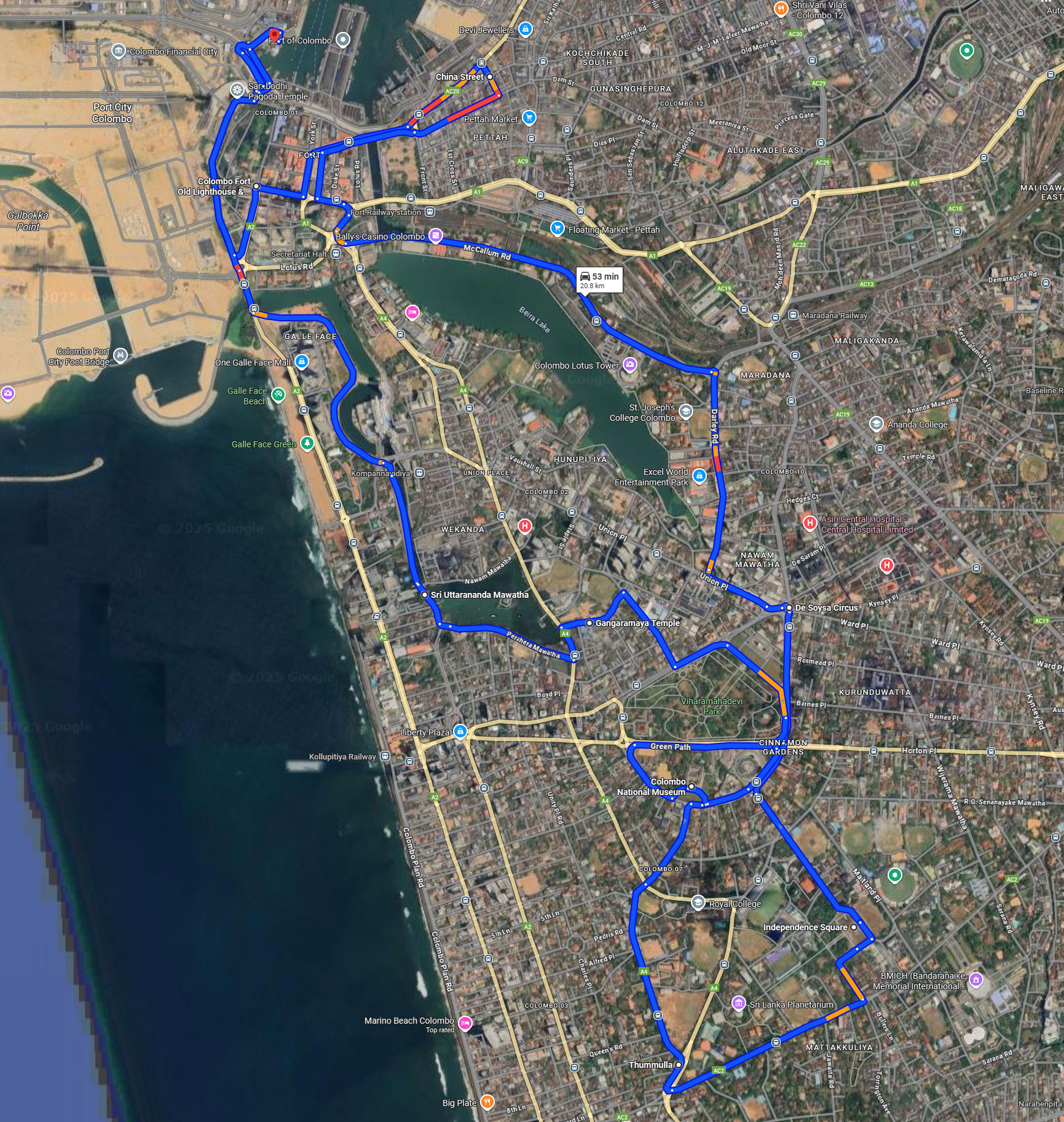
These maps show the
route we took during the tour. Click on each one to see
them in more detail. Leaving the harbour we explored the
area closest to the port first, without getting off the
coach. Driving along the eastern side of Beira Lake, our
first stop was at Independence Square. From there we drove
to the National Museum for our second stop. Our final stop
was at the Gangaramaya Temple, after which we drove back
to the ship along the western route. Despite only having
three stops, we were given plenty of time at each one, because
there was a lot to take in, especially at the museum and
temple. There was also plenty to see while we were driving
and we both thought that we got a reasonably good feel for
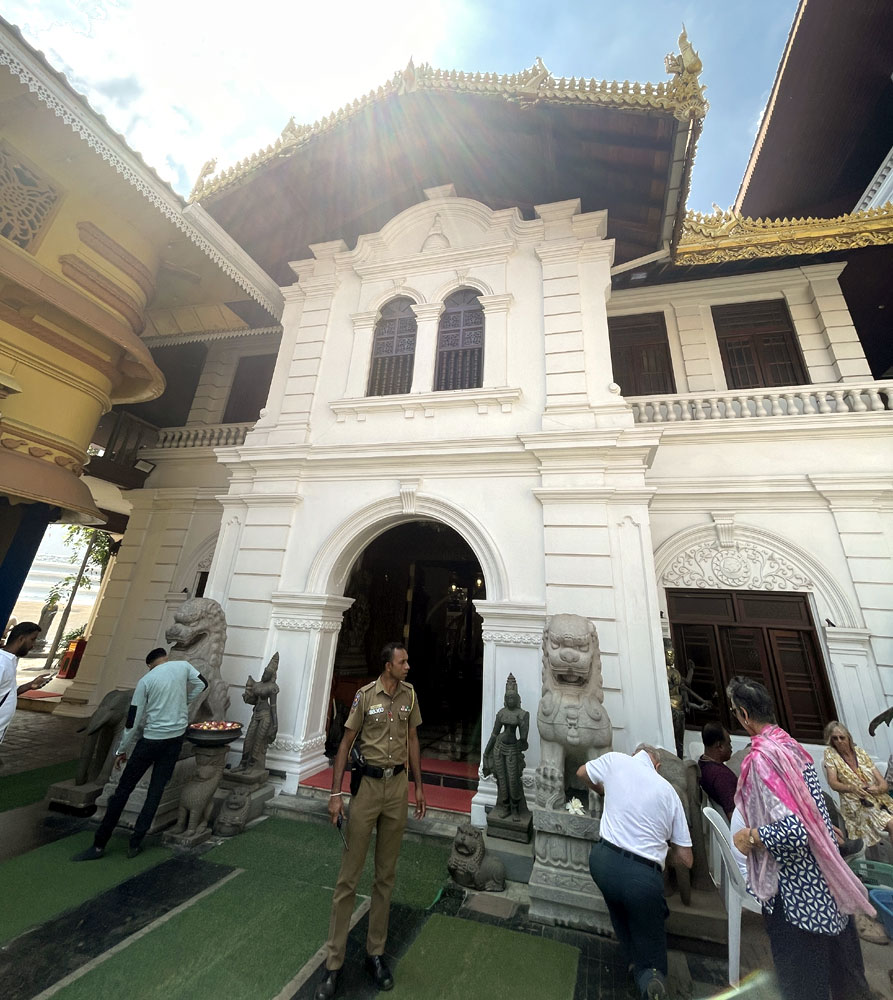
the city, despite only having one day here. |
|
|
|
| |
|
| |
|
|
| |
|
| |
|
| |
|
| |
|
| |
|
| |
|
|
| |
|
|
| |
|
| |
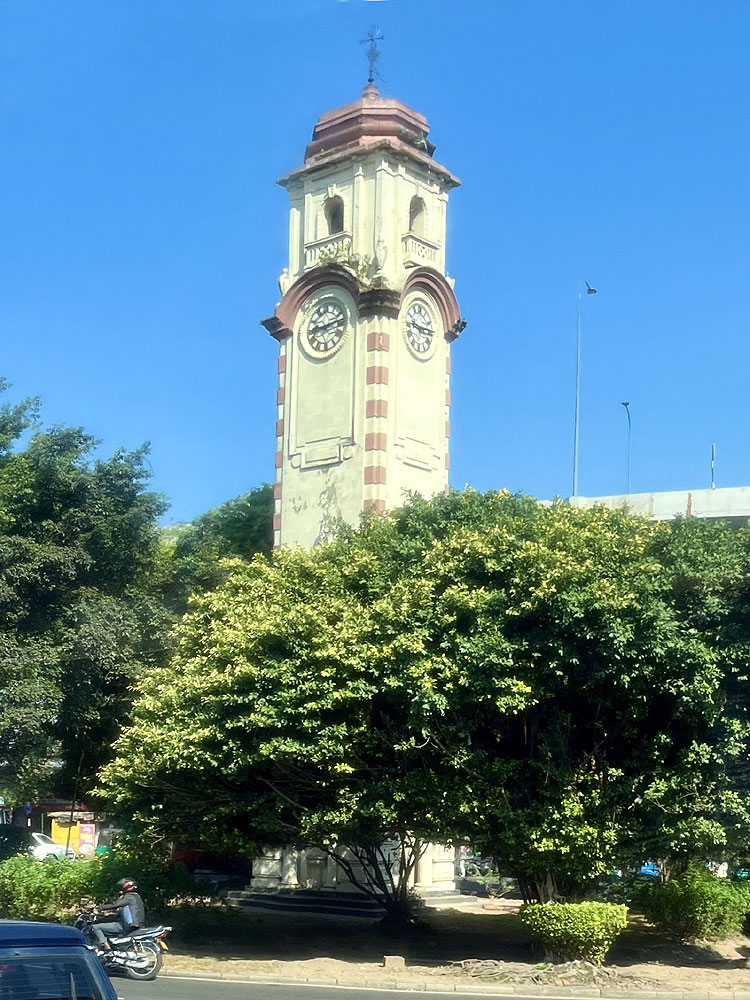
The Khan
Clock Tower was built in the early 20th century by
the Khan Family of Bombay. It is a popular landmark and
marks the entrance to Pettah Market.
|
|
|
| |
|
| |
|
| |
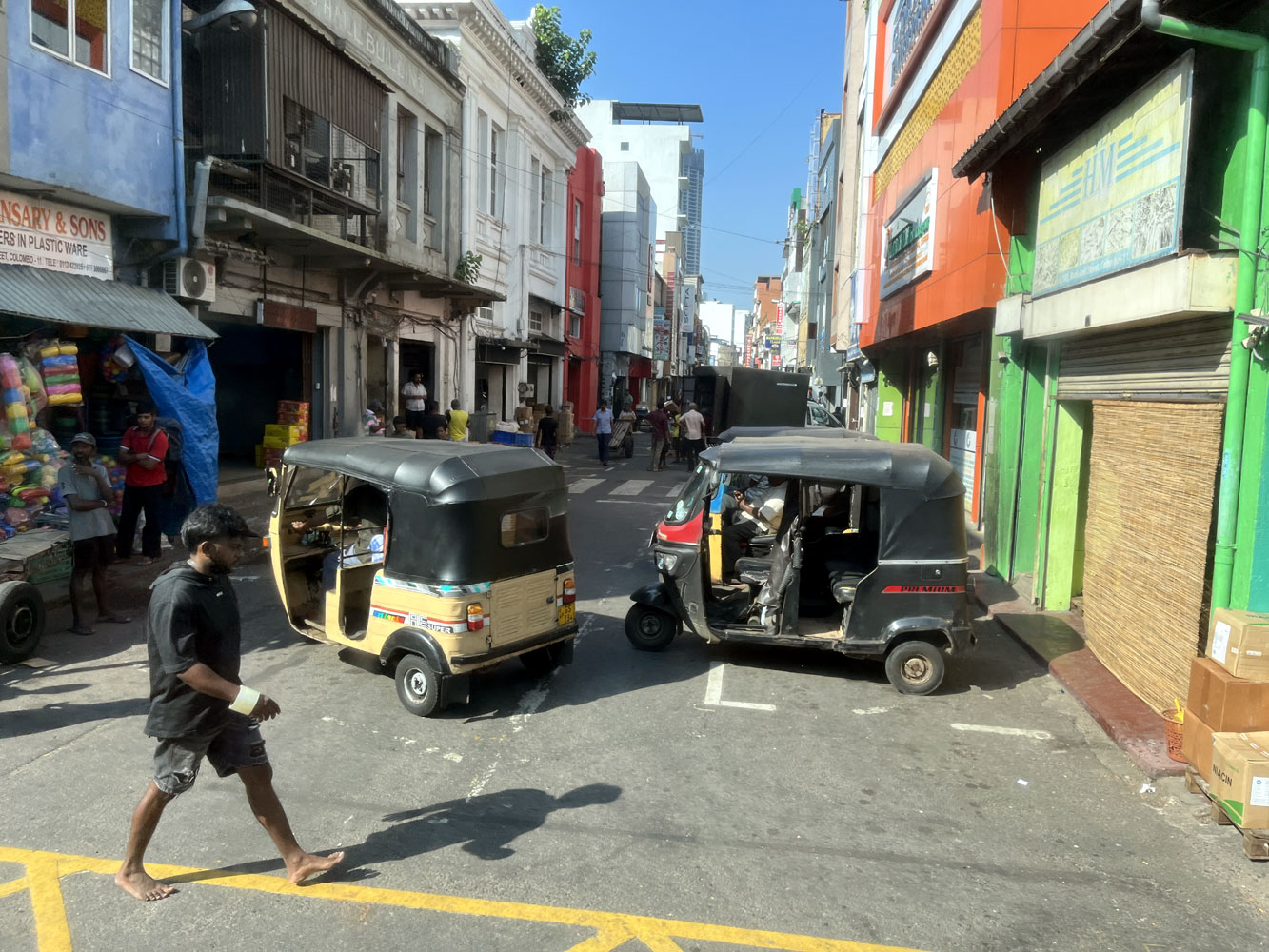
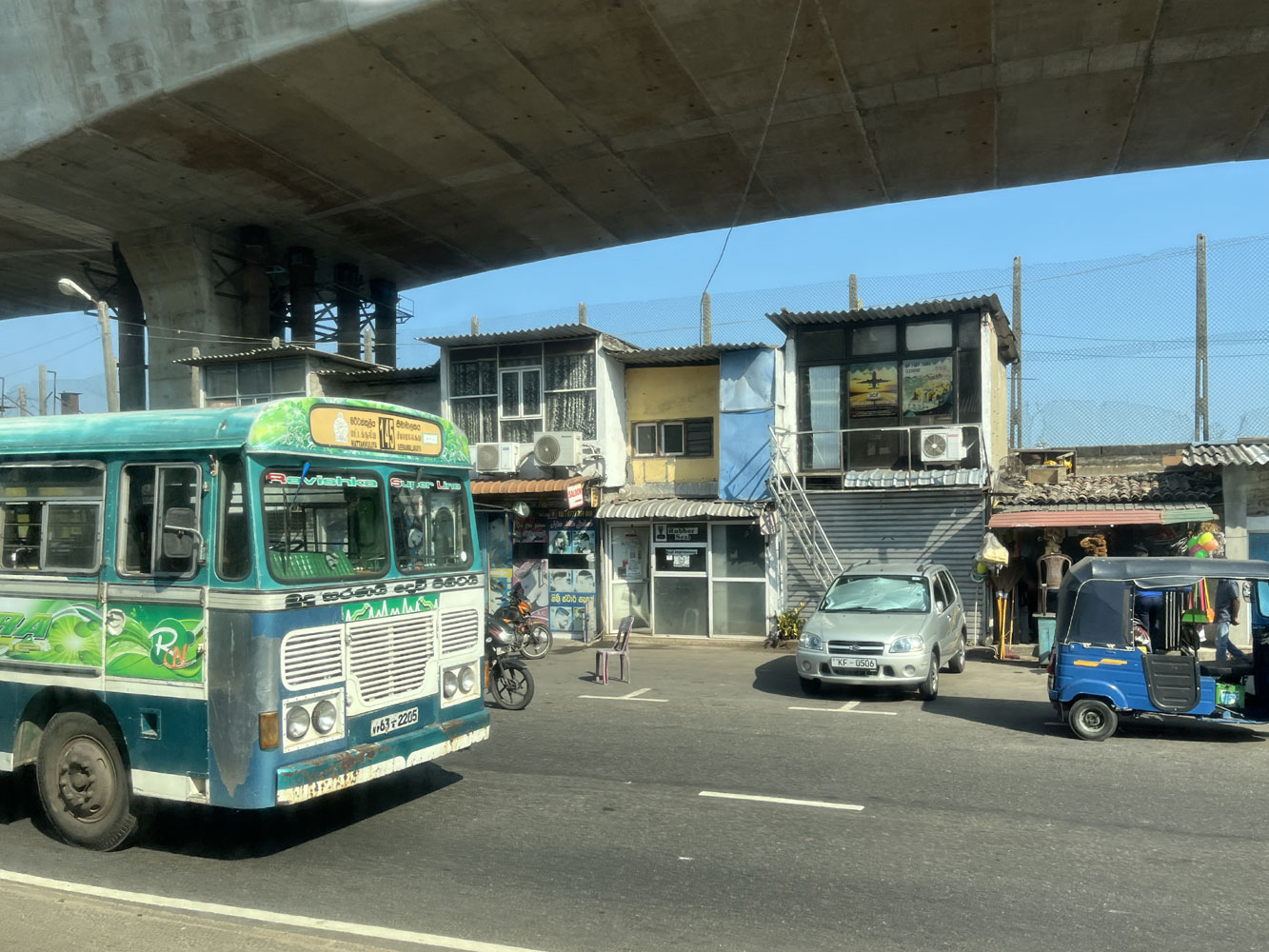
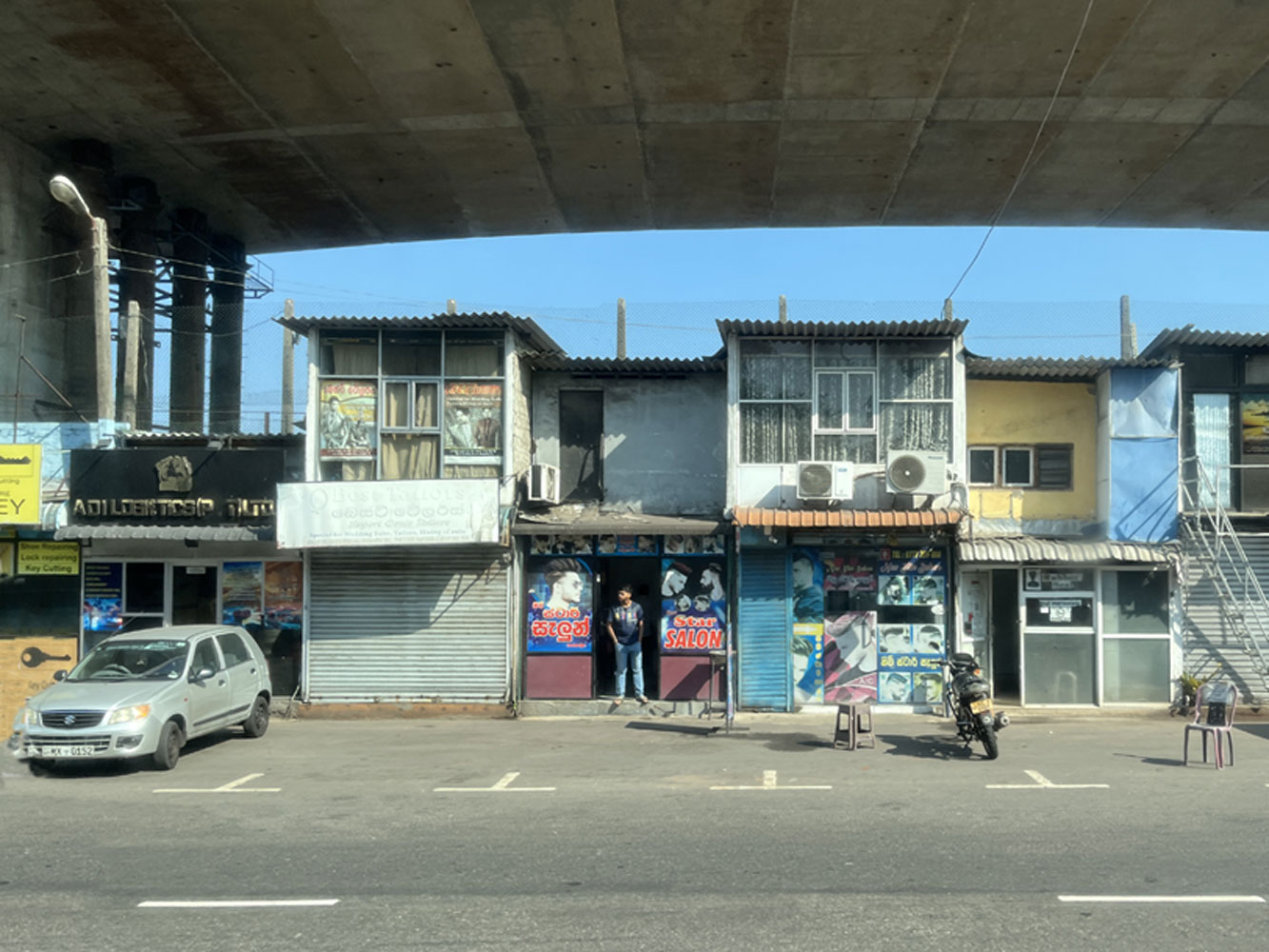
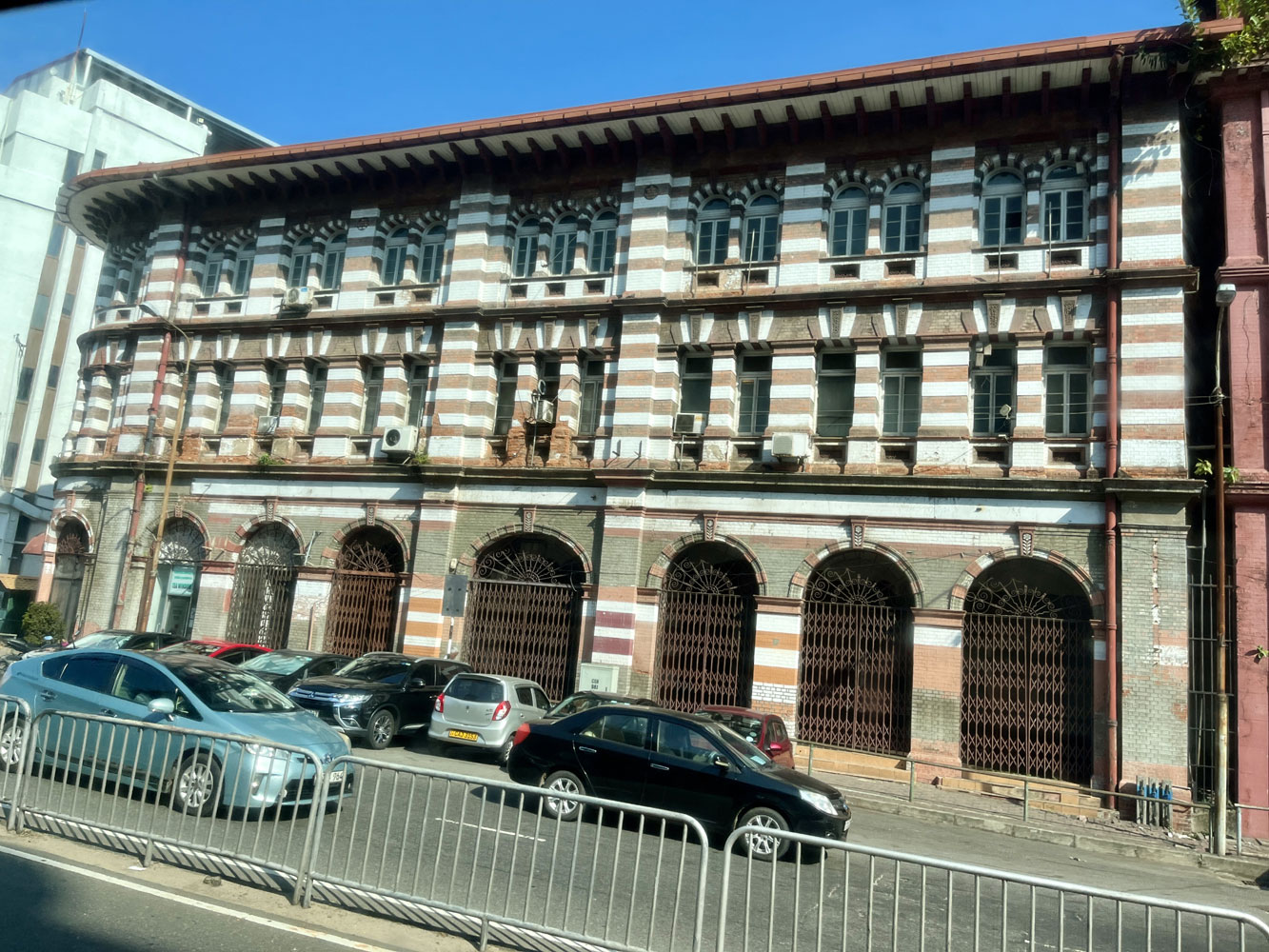
An unnamed and somewhat
unloved looking building. We were continually surprised
to see the legacy of Sri Lanka's colonial past reflected
in so many of its buildings. |
|
|
| |
|
|
| |
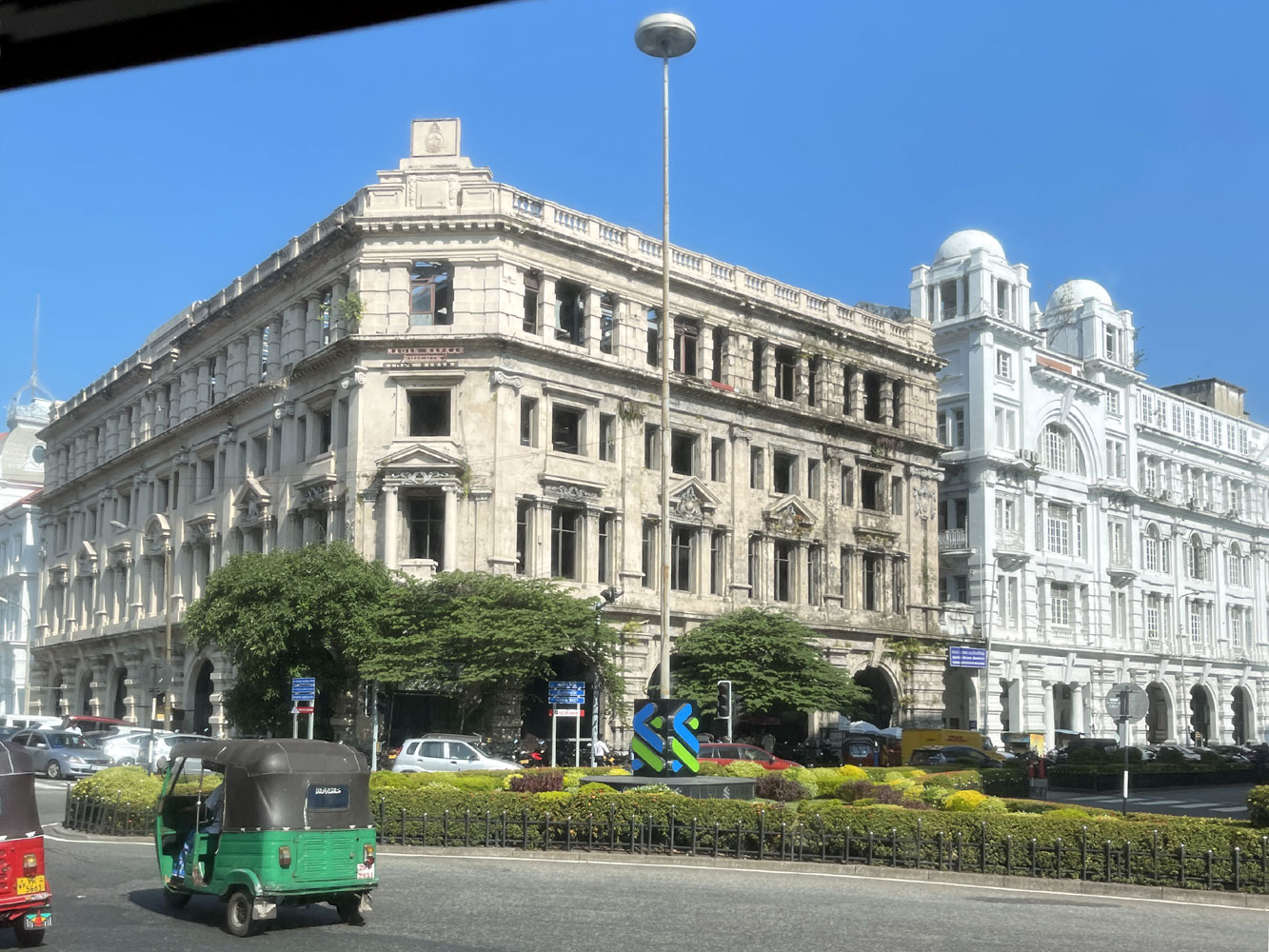
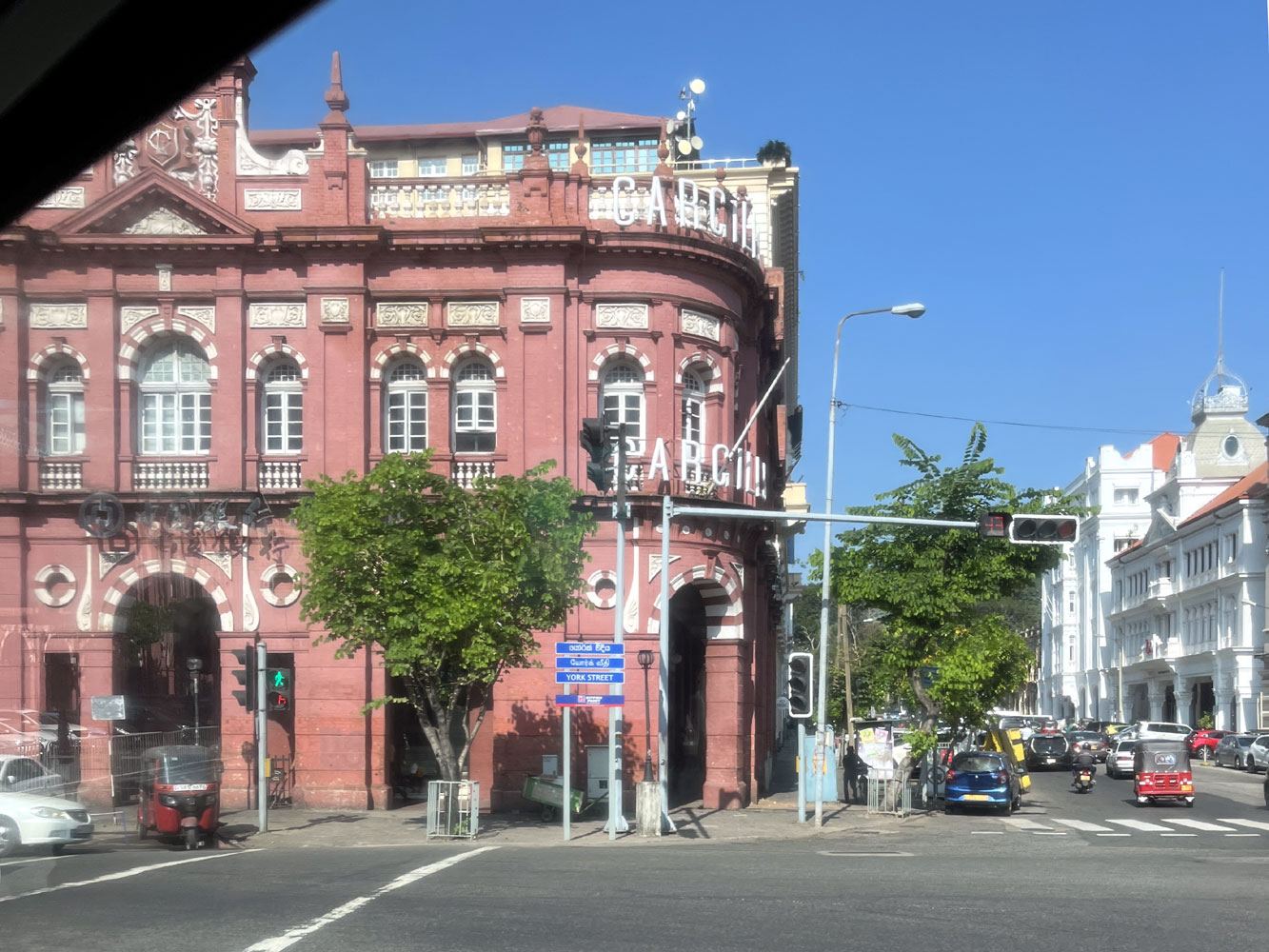
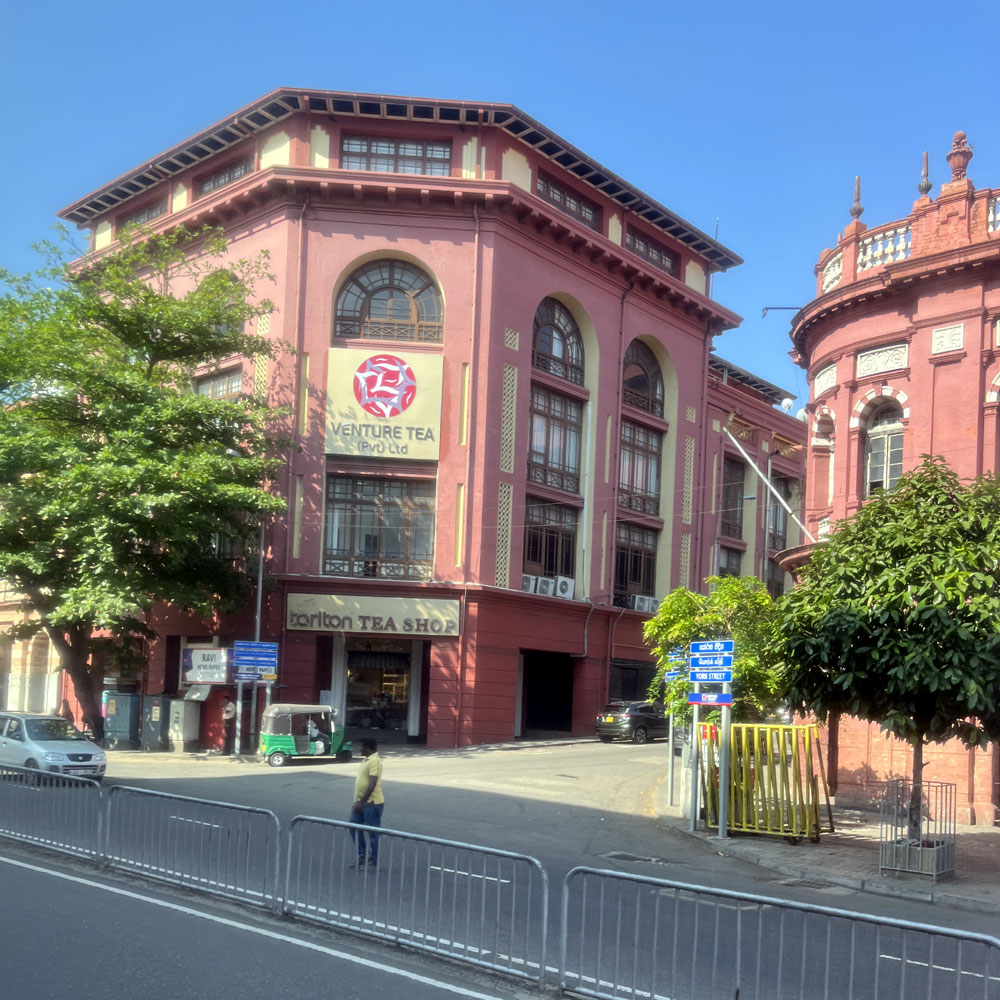
The Cargill’s
Building on York Street was built by Walker, Sons &
Co in 1906 in an Edwardian style. It occupies a former Dutch
military commander’s residence, which had been built
in 1684. |
|
|
|
|
|
| |
|
|
| |
|
| |
|
| |
|
| |
|
| |
|
|
|
| |
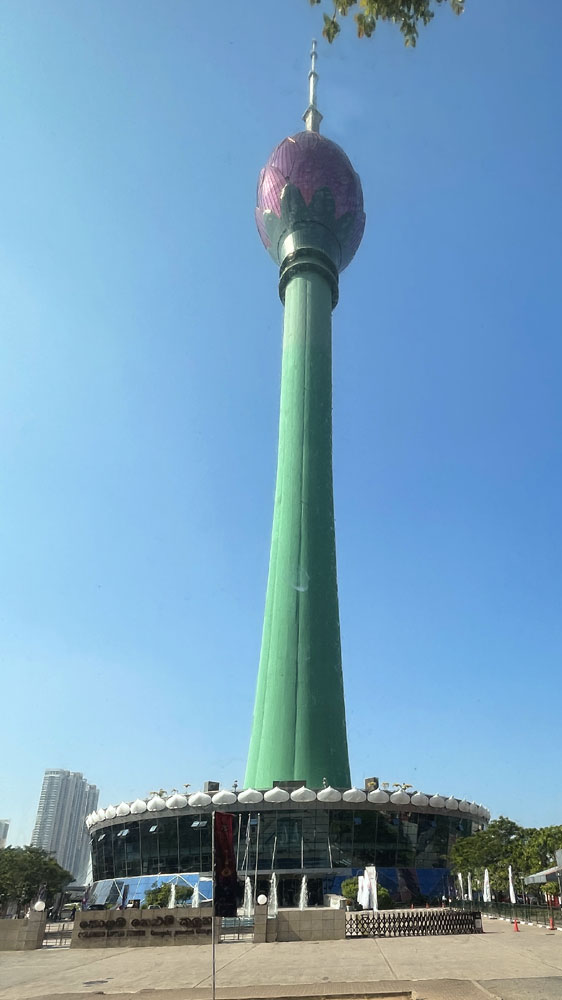
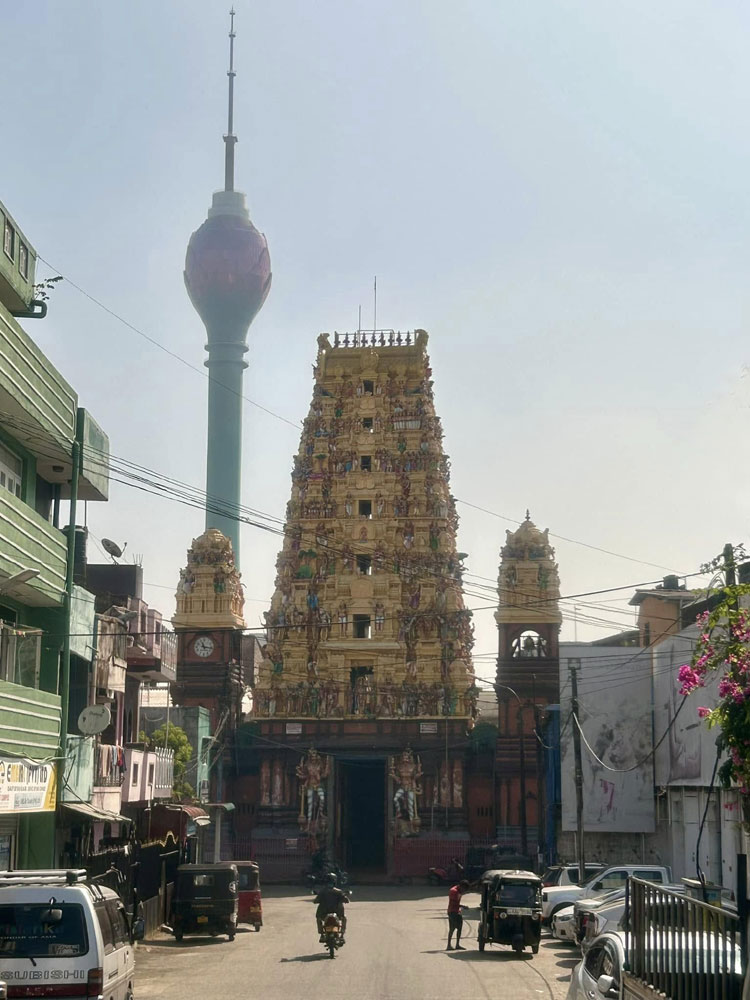
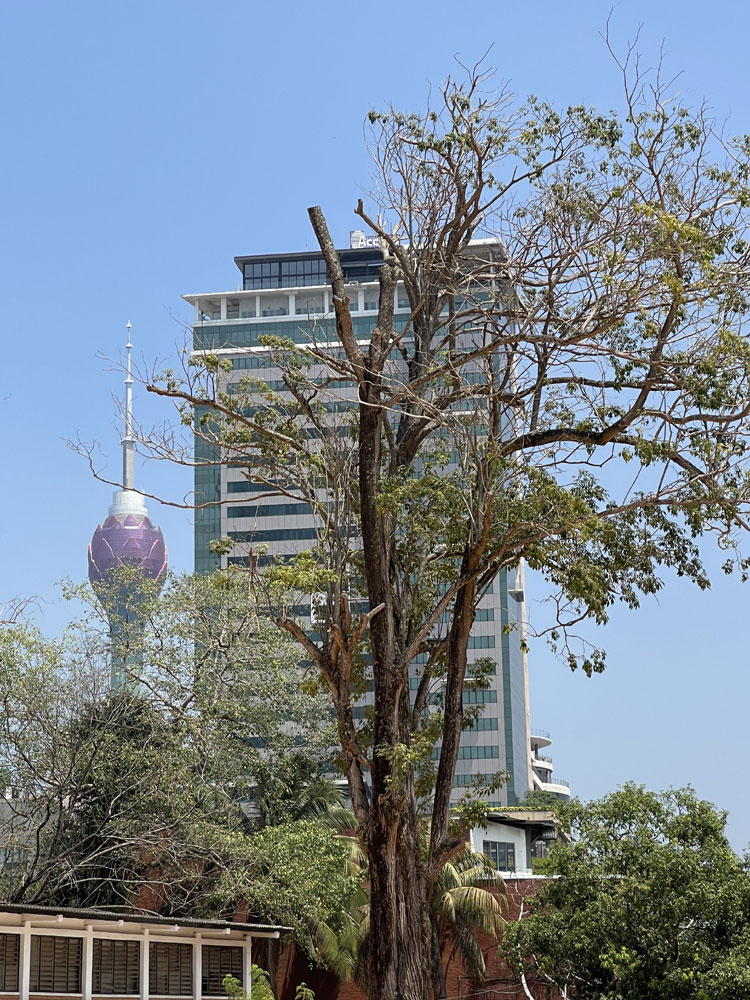
The Arulmigu Sivasubramania
Swami Kovil, located on Kew Road in Colombo, is a stunning
Hindu temple dedicated to Lord Skanda or Murugan. This century-old
temple features impressive architecture, including a detailed
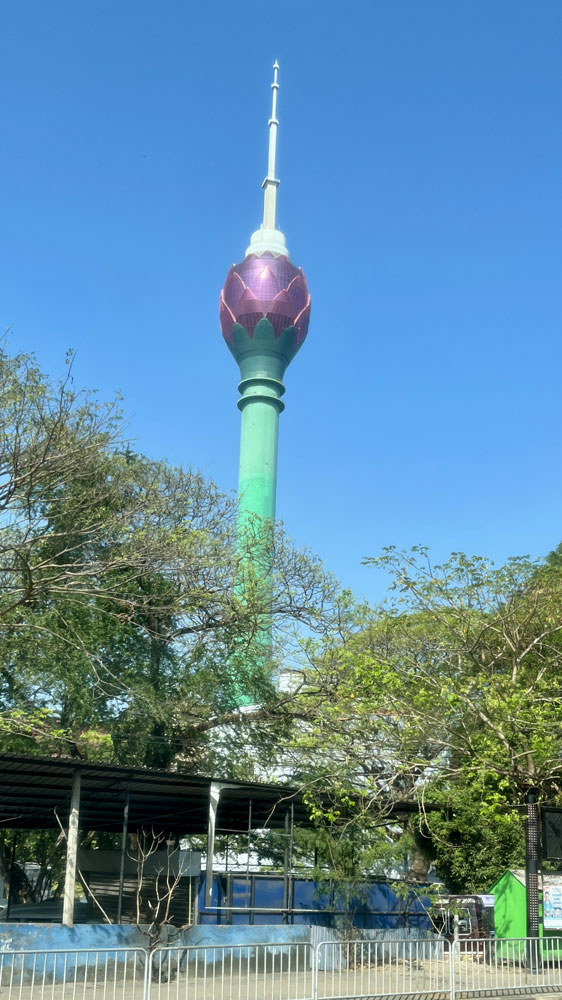
facade and an entrance tower called gopuram. The Lotus Tower
in the background, makes for a dramatic photo. |
|
|
| |
|
|
| |
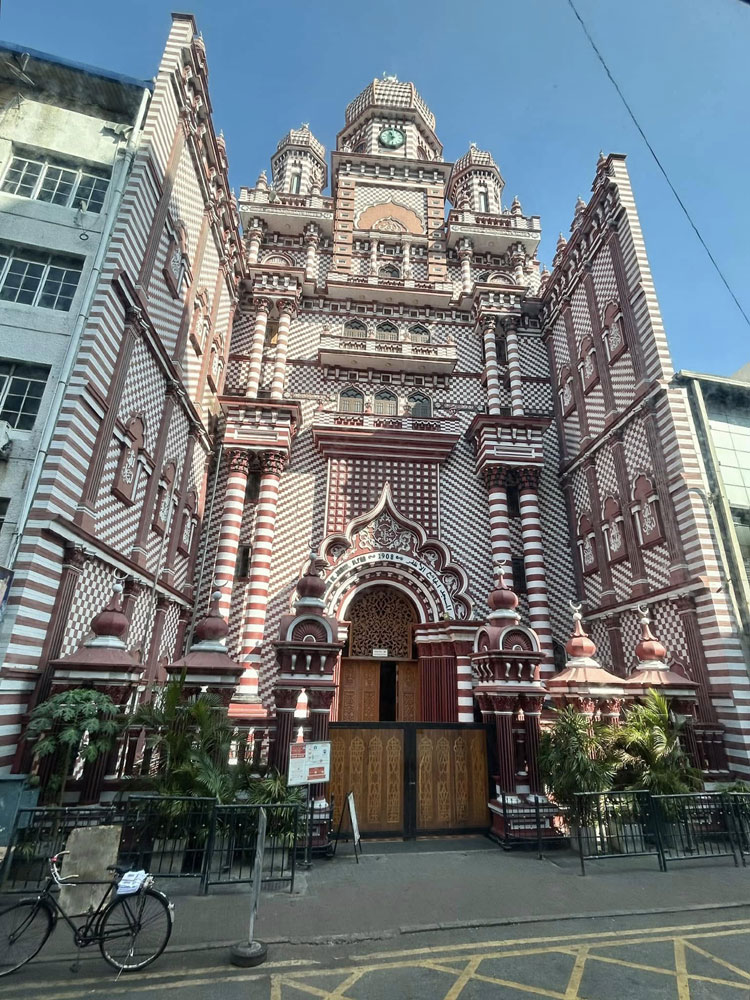
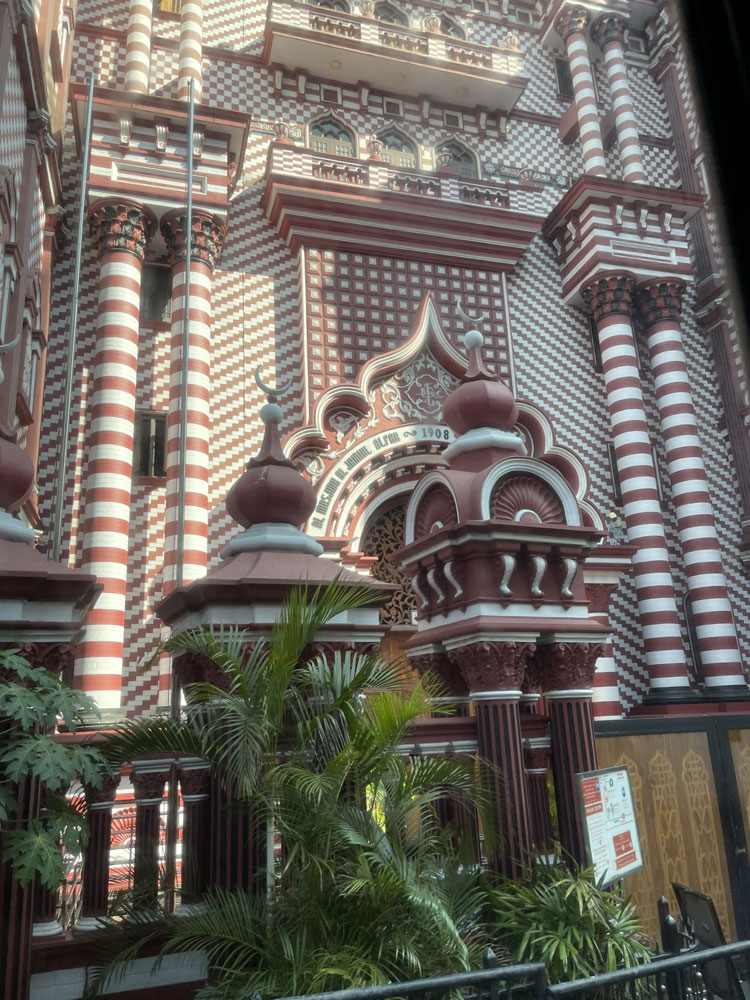
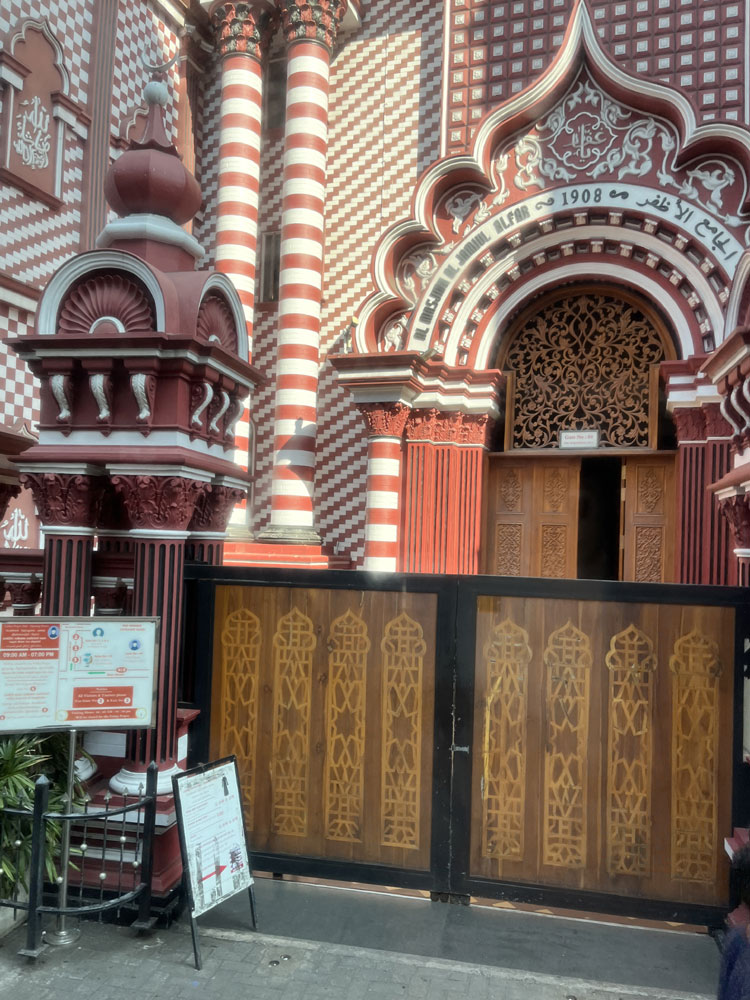
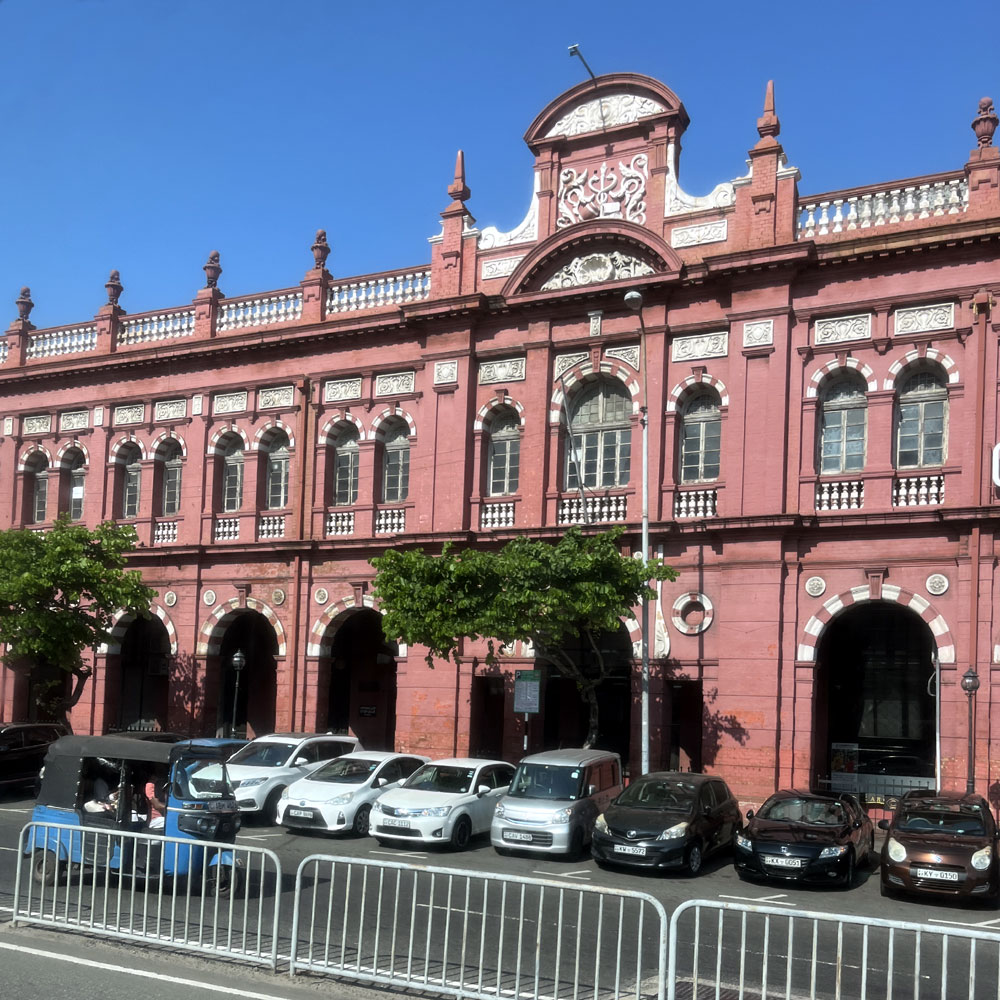
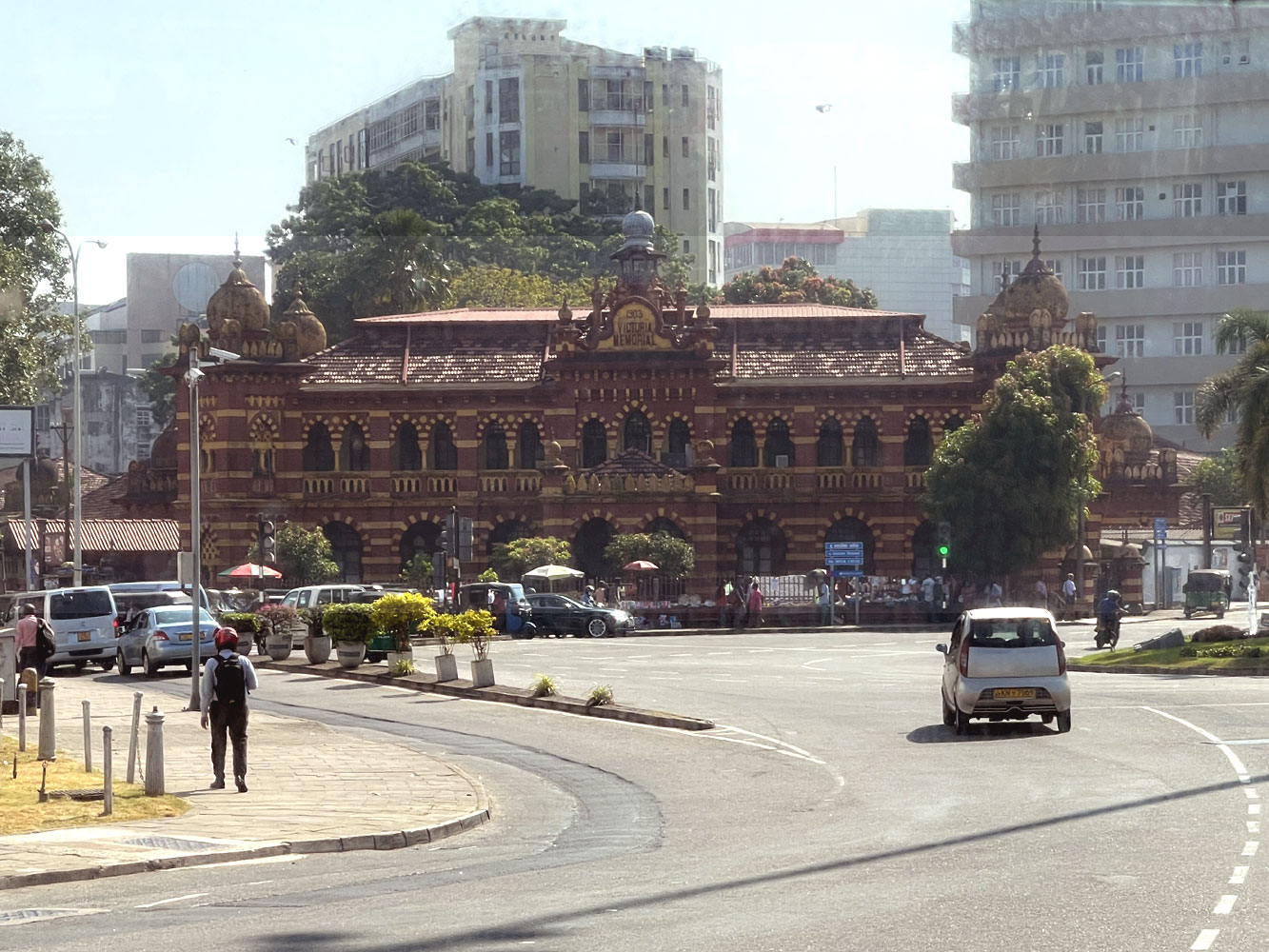
The striking colour and distinctive
architecture of the Victoria Memorial Eye Hospital at De
Soysa Circus make it one of Colombo’s most unmistakable
landmarks. Passersby often pause in admiration, curious
about its history, purpose, and striking presence. Yet,
many remain unaware that it is still very much a part of
the Colombo
National Hospital, mistakenly believing it to be an
abandoned relic inhabited only by insects and nocturnal
creatures. |
|
|
| |
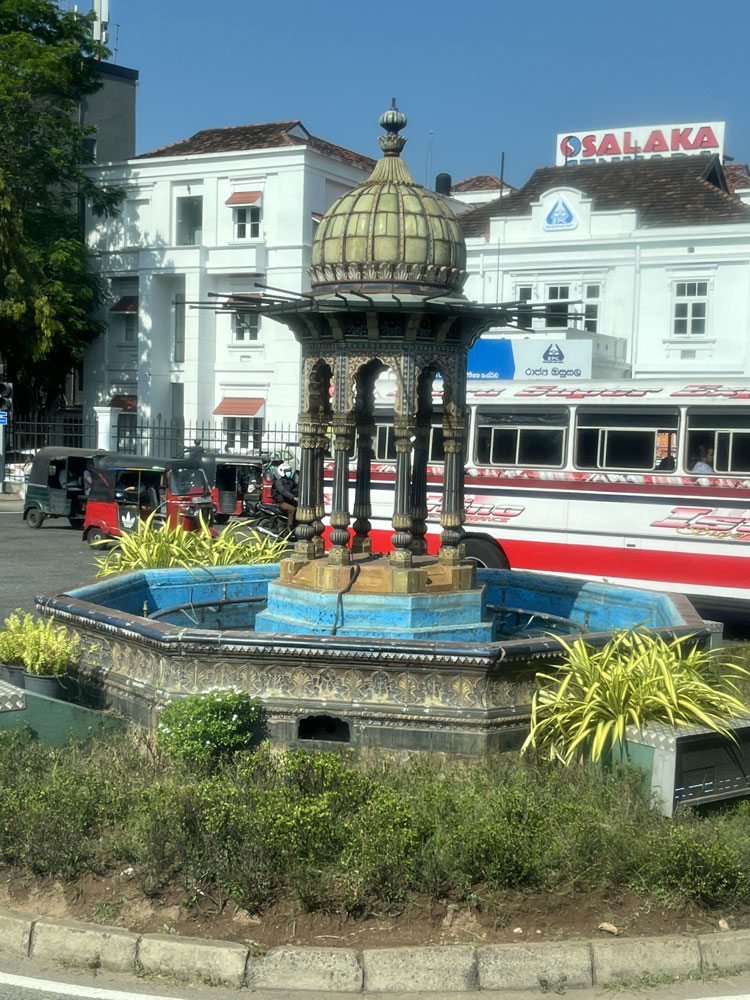
The George
Wall Memorial Fountain.
George Wall was a merchant,
coffee planter, politician, amateur astronomer, botanist
and humanitarian in Ceylon (Sri Lanka).
|
|
|
| |
|
| |
|
|
| |
|
|
| |
|
| |
|
| |
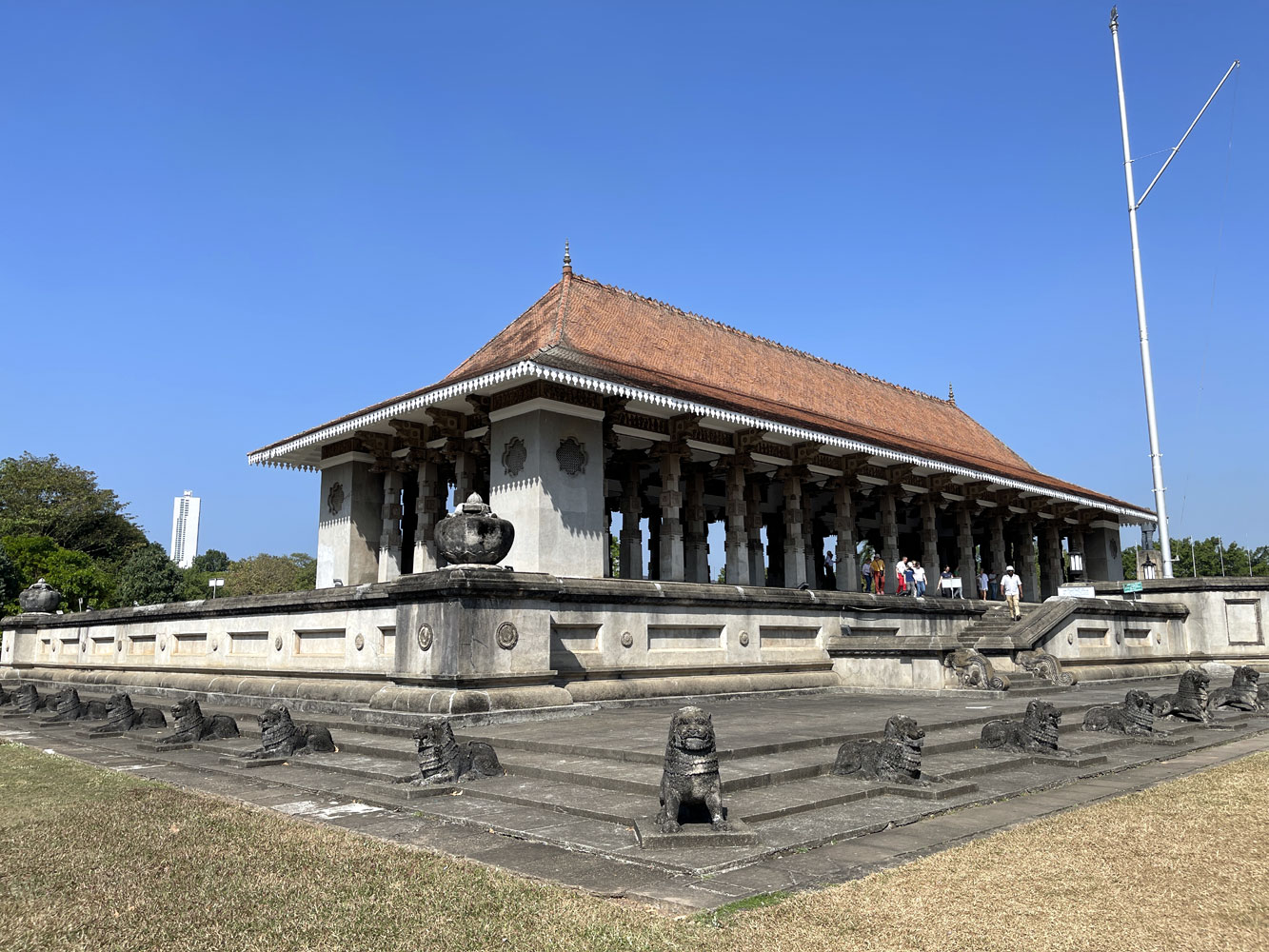
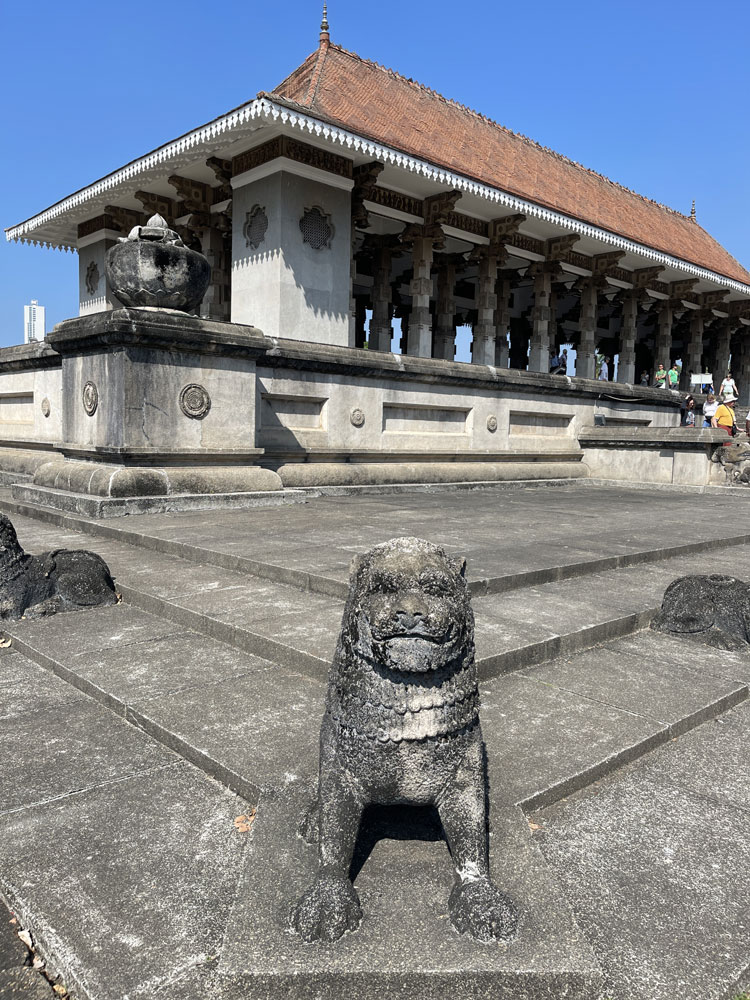
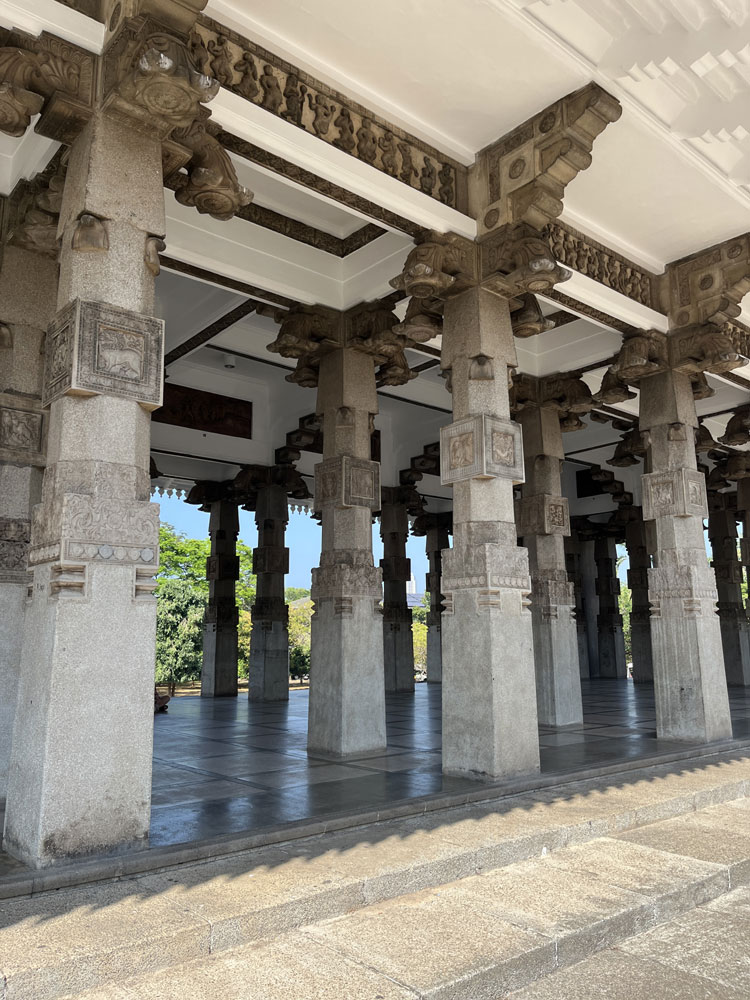
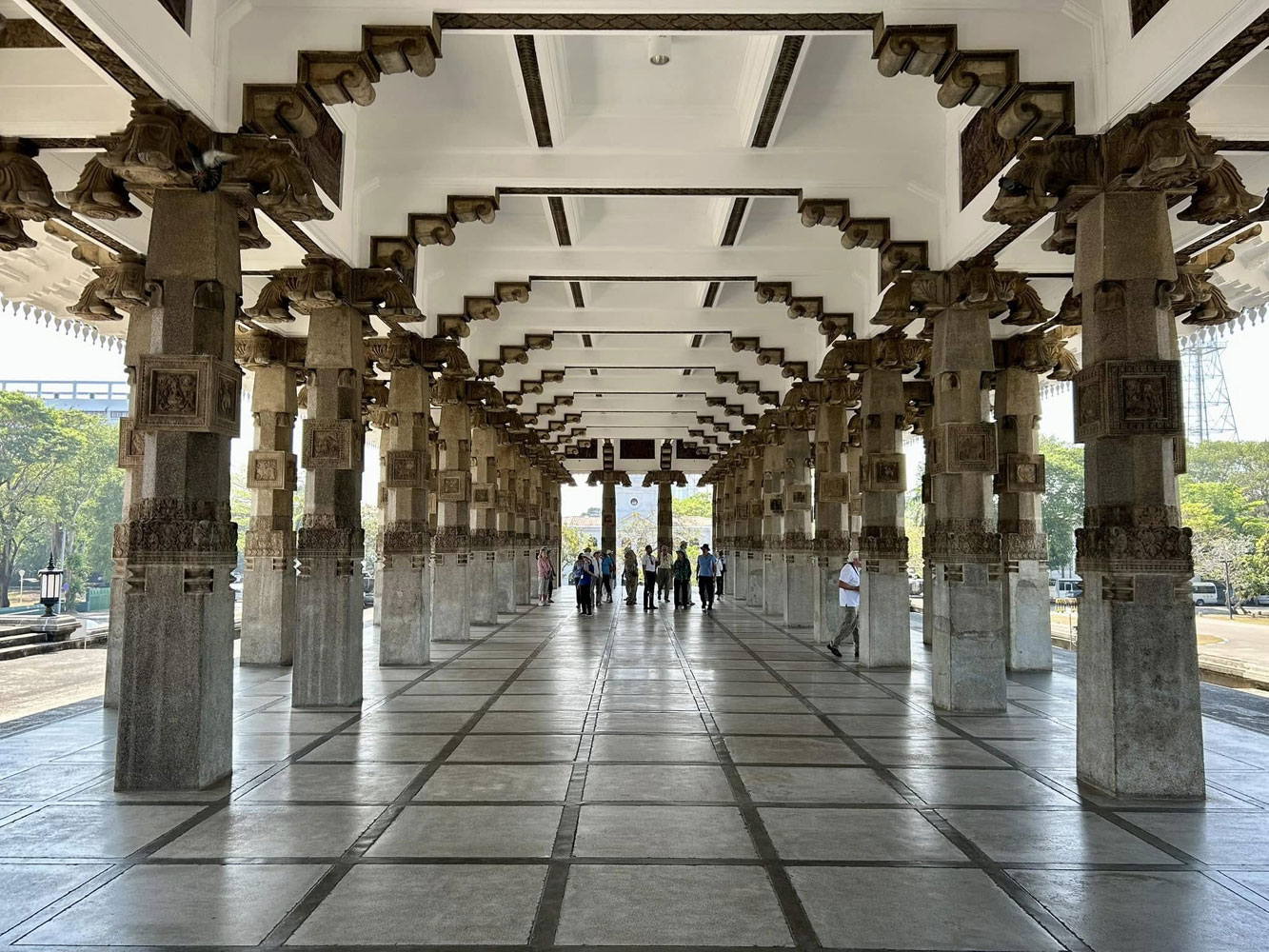
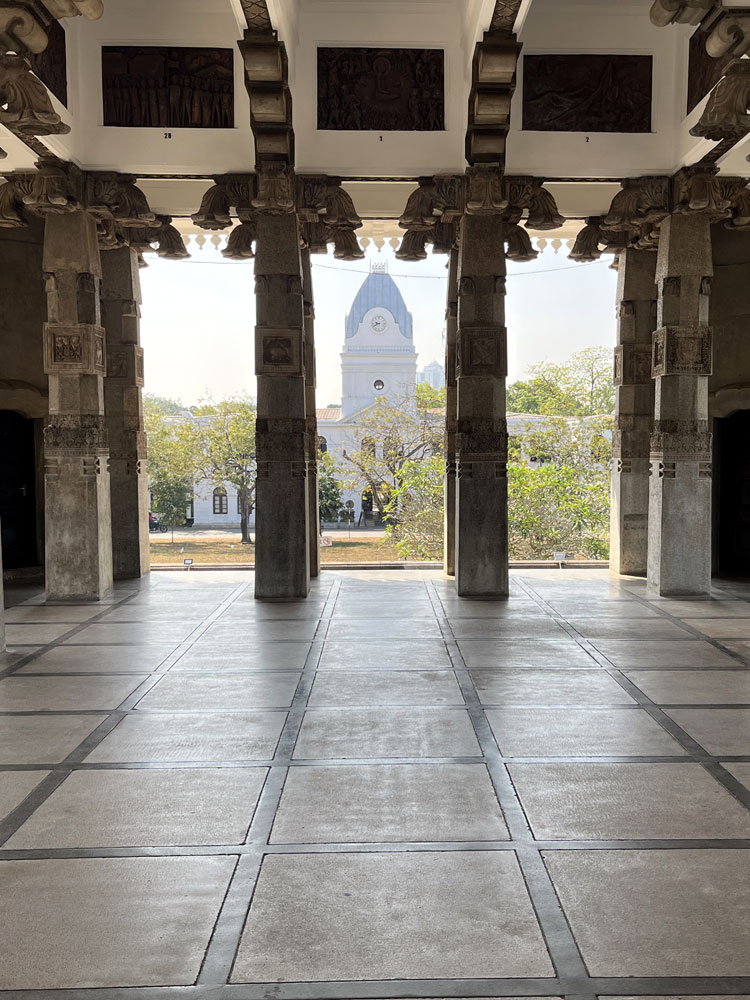
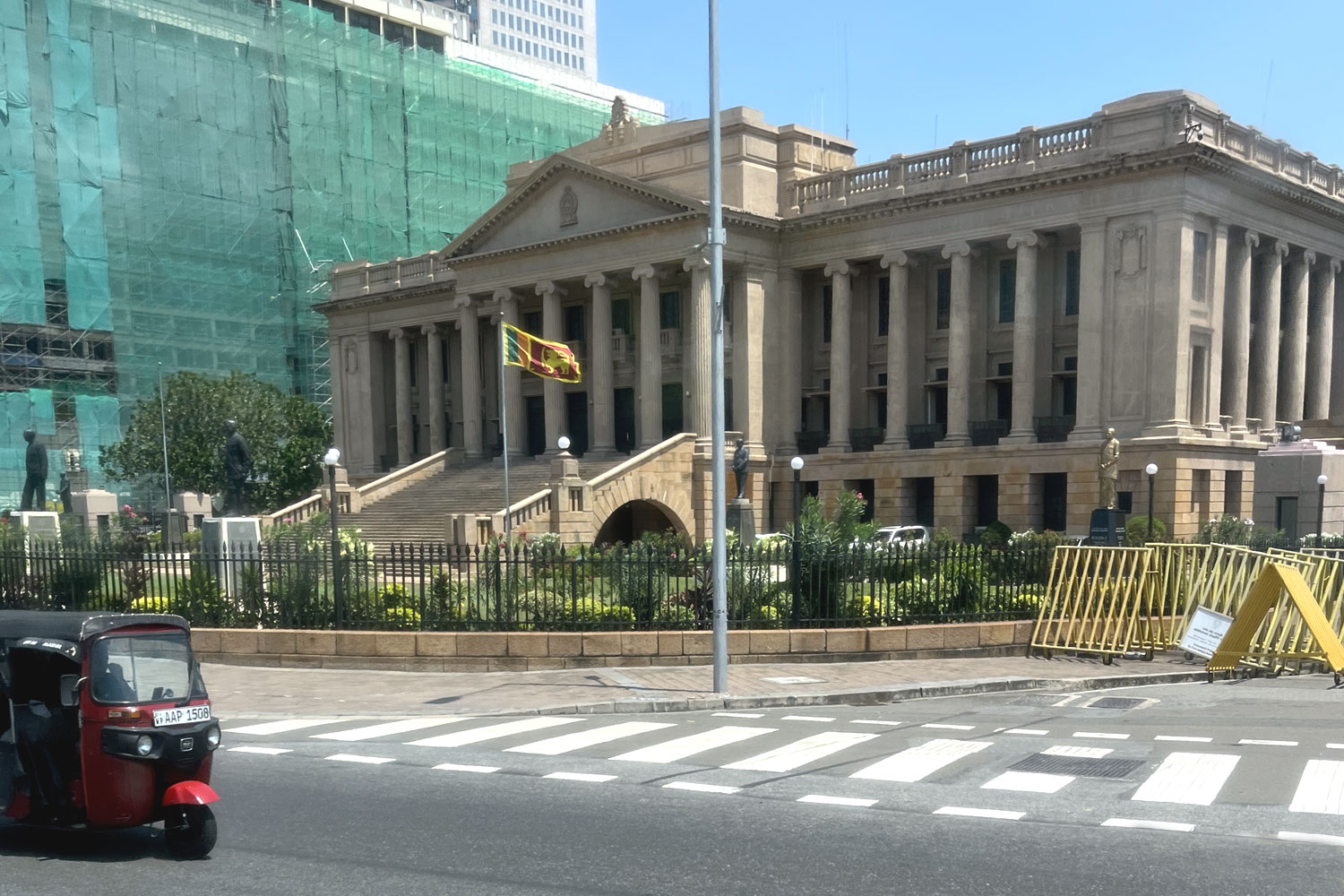
The Independence
Memorial Hall is a national monument, built to commemorate
independence of Sri Lanka from British rule, with the restoration
of full governing responsibility to a Ceylonese-elected
legislature on 4 February 1948. |
|
|
| |
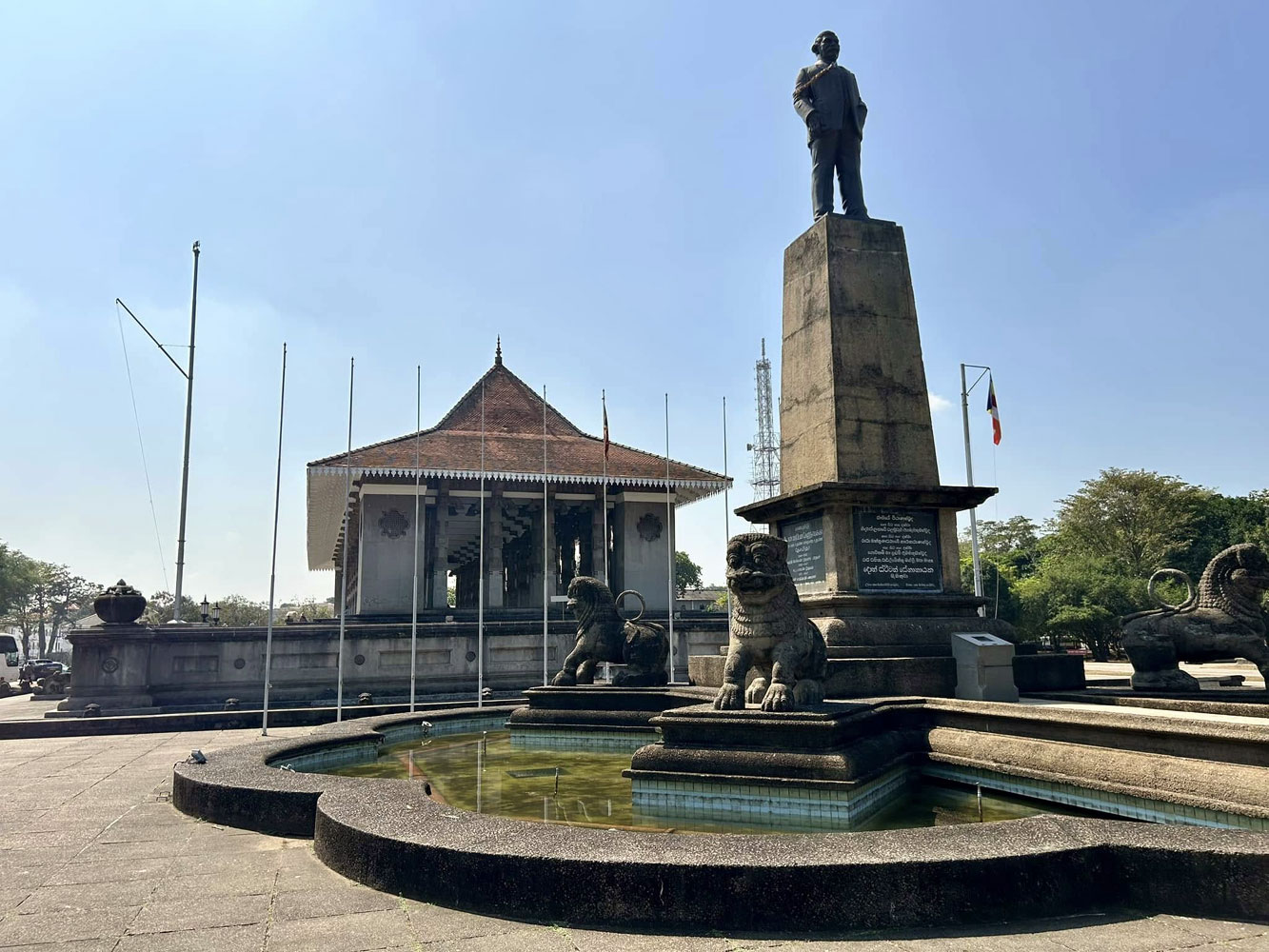
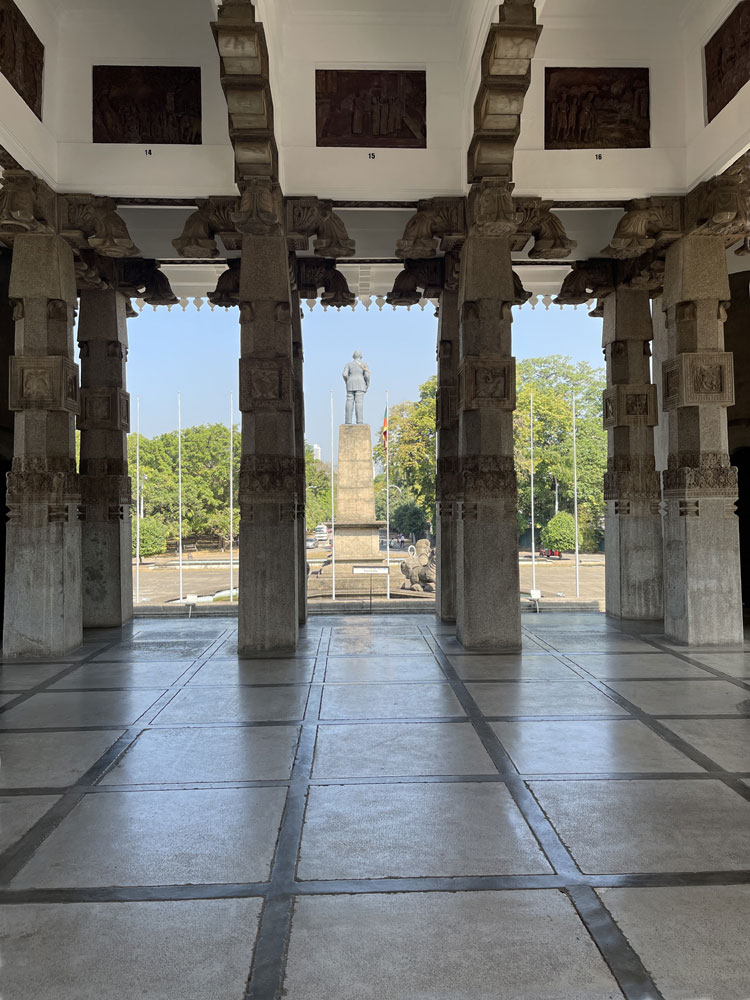
A statue
of The
Rt. Hon. Don Stephen Senanayake PC, M.P. considered
to be the “Father of the Nation”, stands in
front of the Memorial Hall. He was the first Prime Minister
of independent Ceylon, 1948-1952. |
|
|
| |
|
|
| |
|
| |
|
|
| |
|
| |
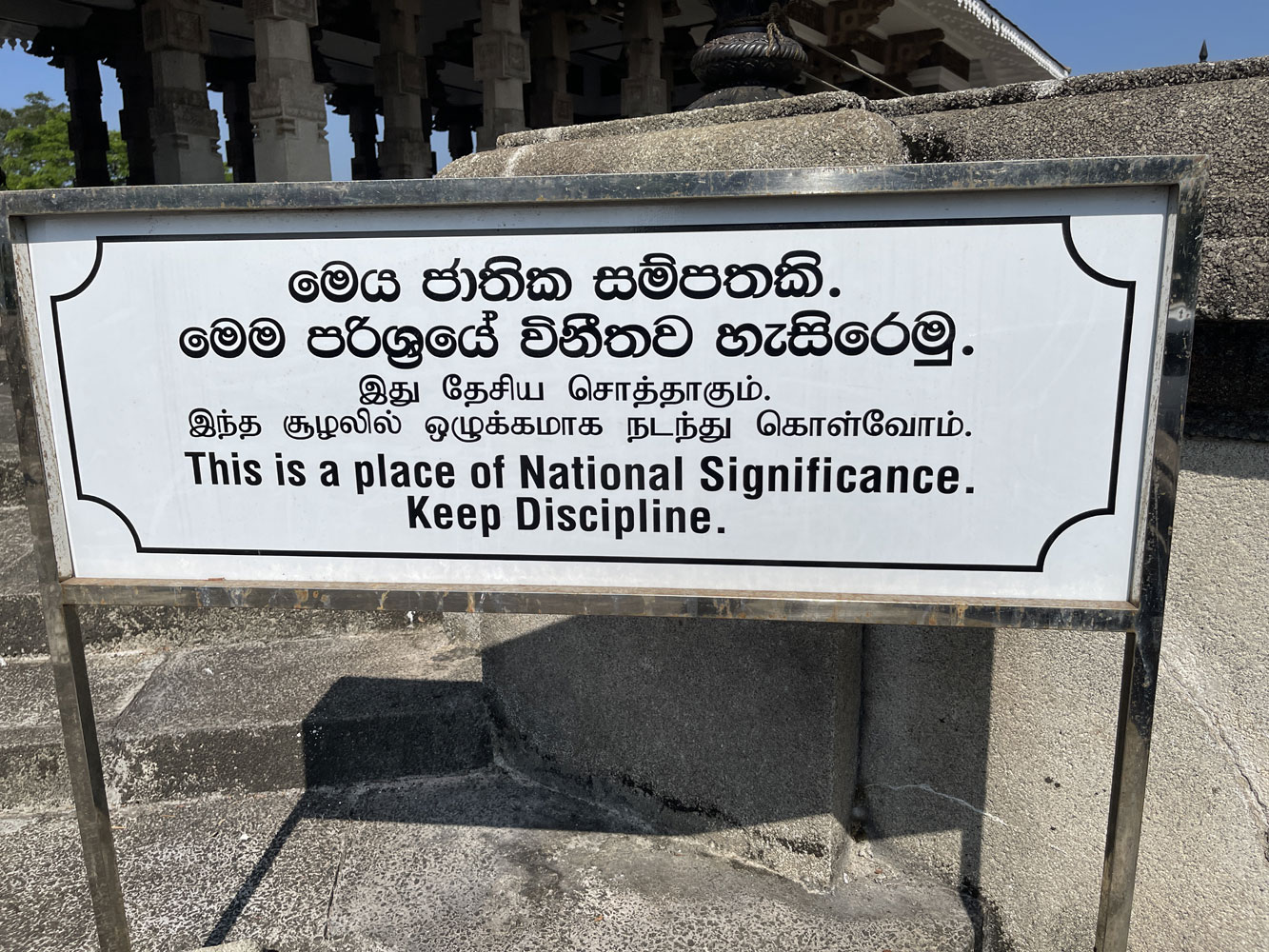
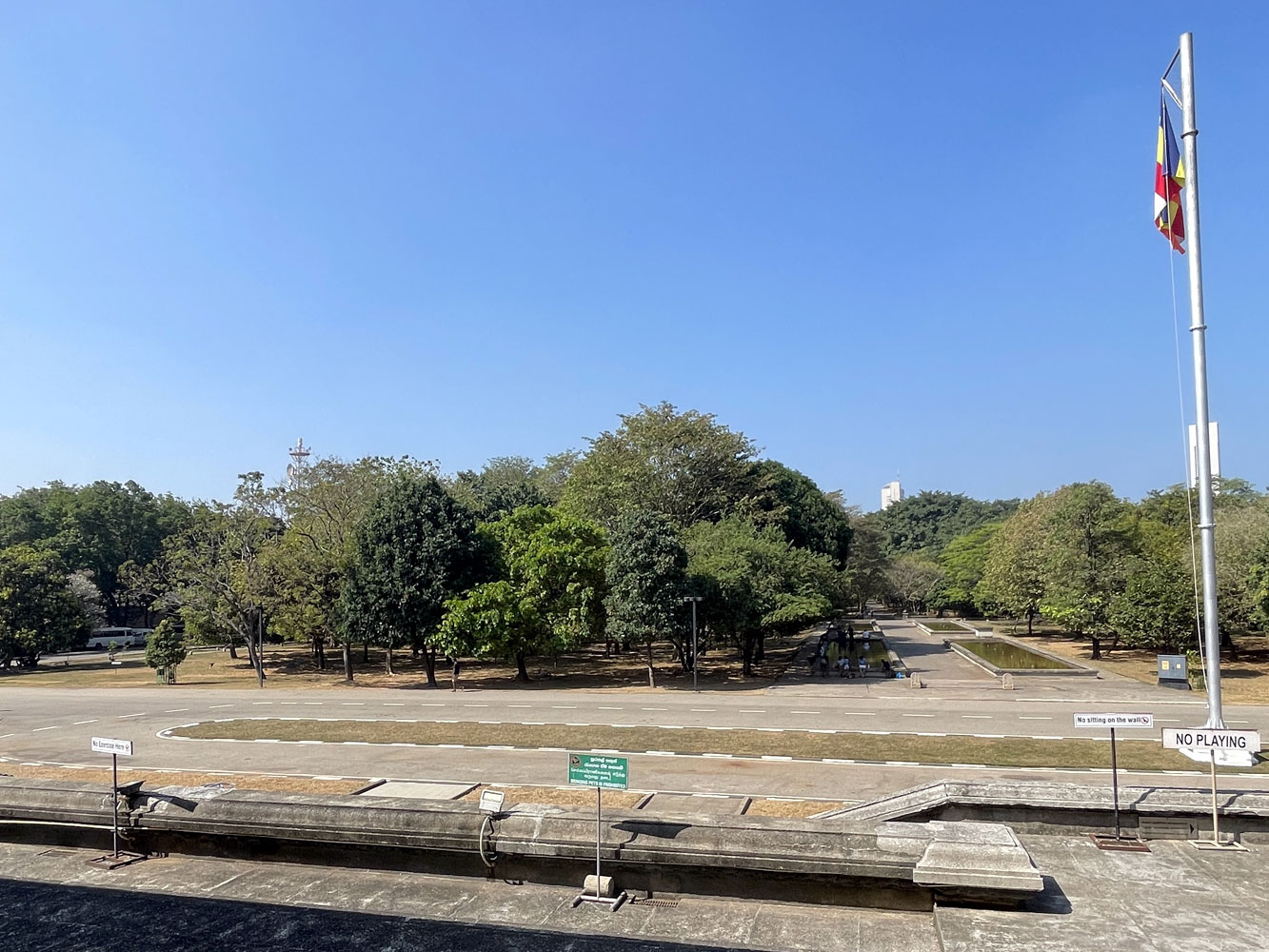
‘A place of National
Significance.’ ‘Keep Discipline.’ ‘No
Exercise Here.’ ‘No Pets.’ ‘Do Not
Sit on the Wall.’ ‘No Playing.’ …
Alright, alright - we get the message...
|
|
|
| |
...and if others don't,
there are ways and means of making them comply! |
|
|
|
| |
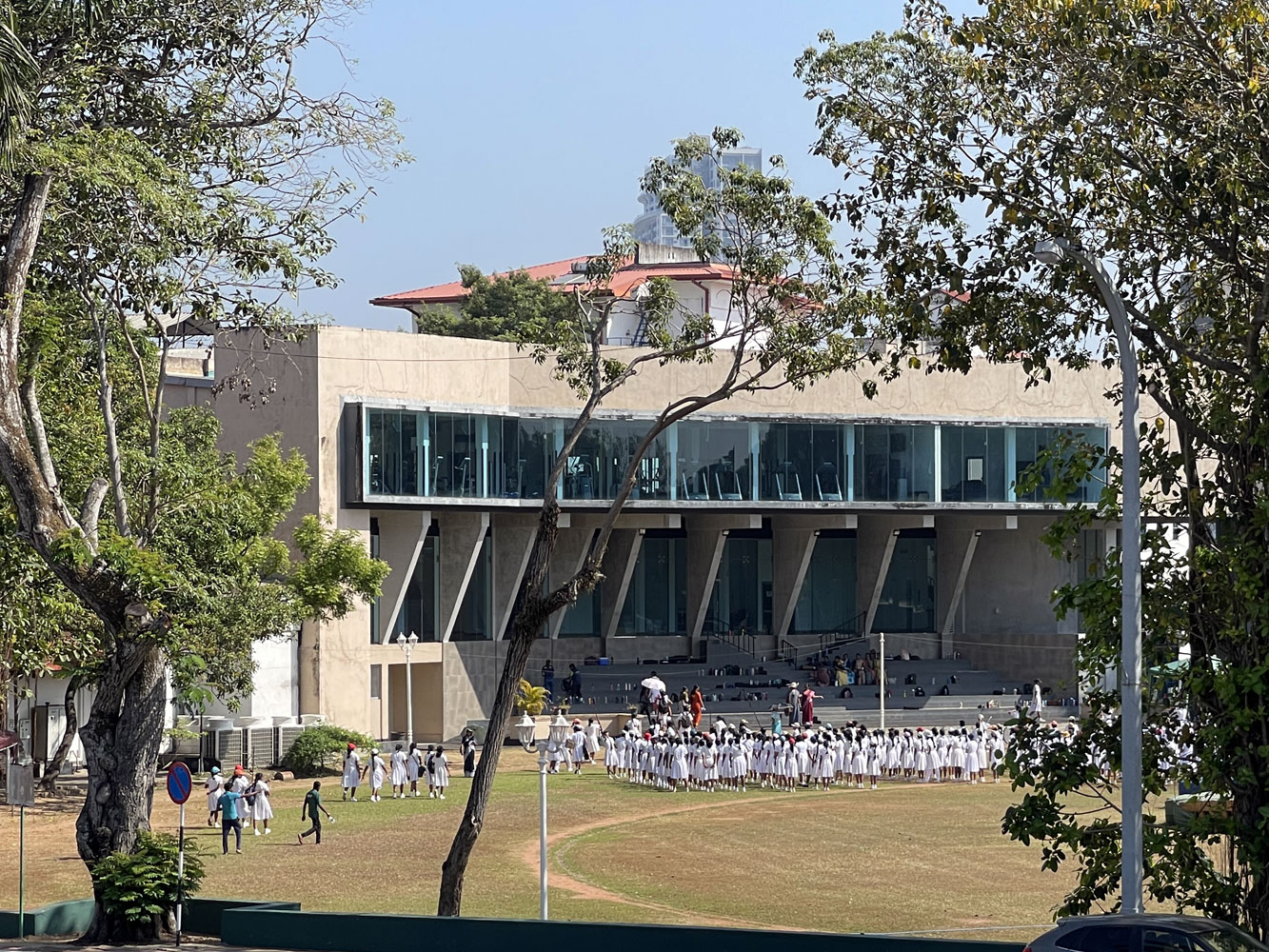
Opposite the Independence
Memorial Hall is the Sports Ministry Ground. |
|
|
| |
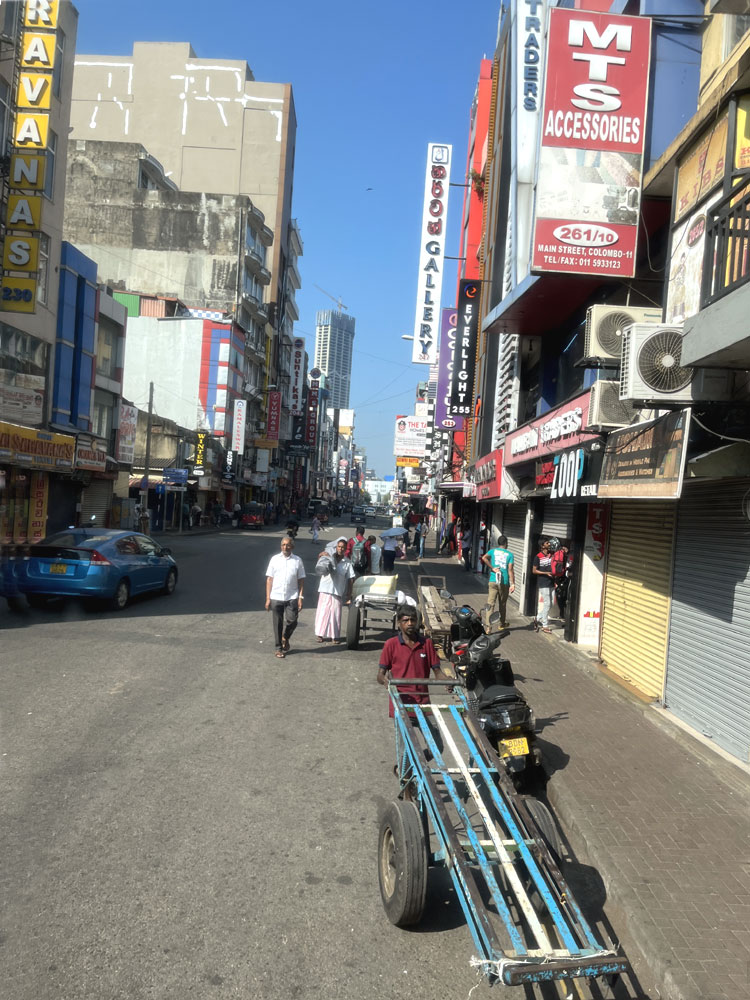
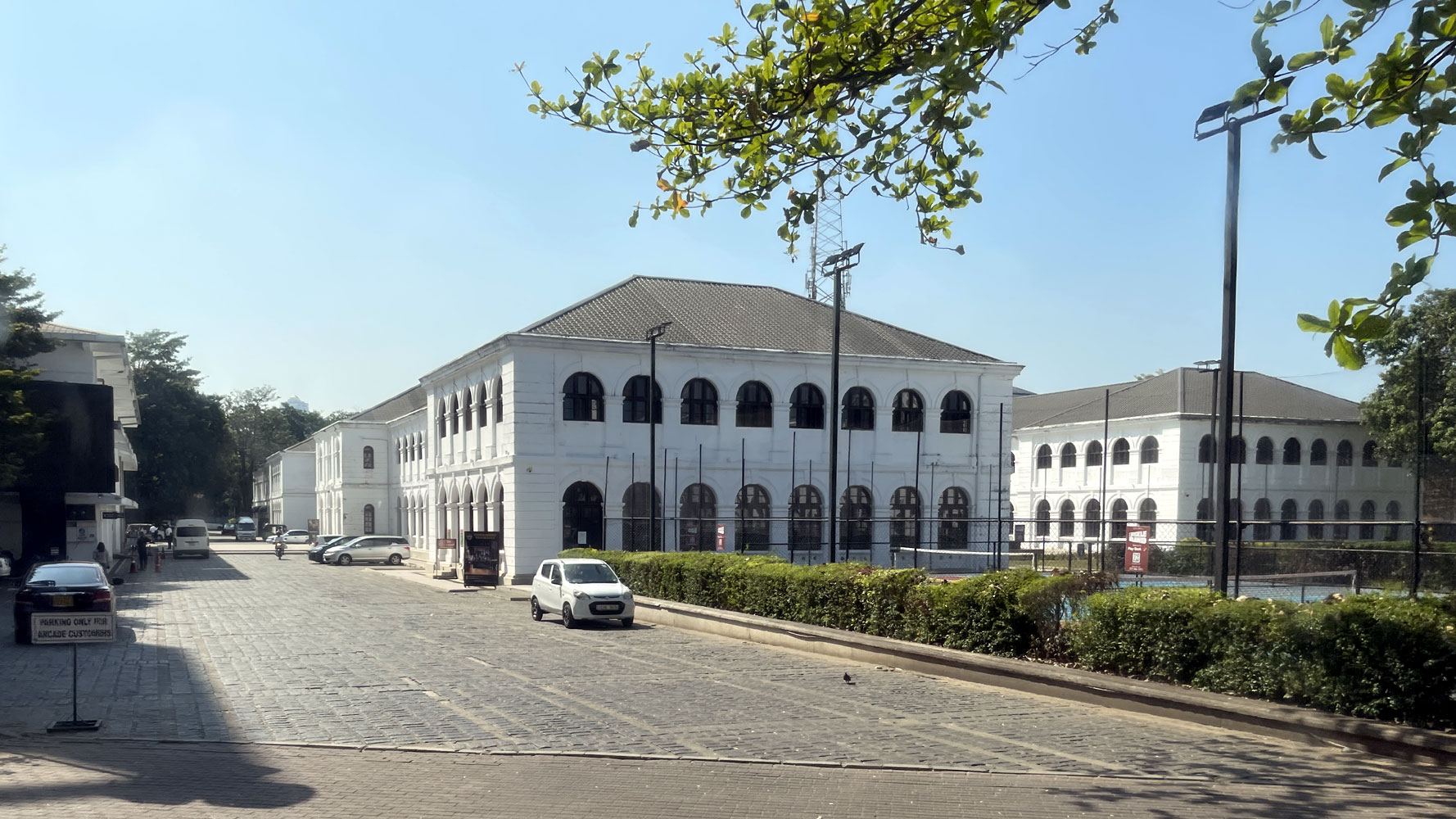
A shopping arcade (we
think) close to Independence Square. |
|
|
| |
|
|
| |
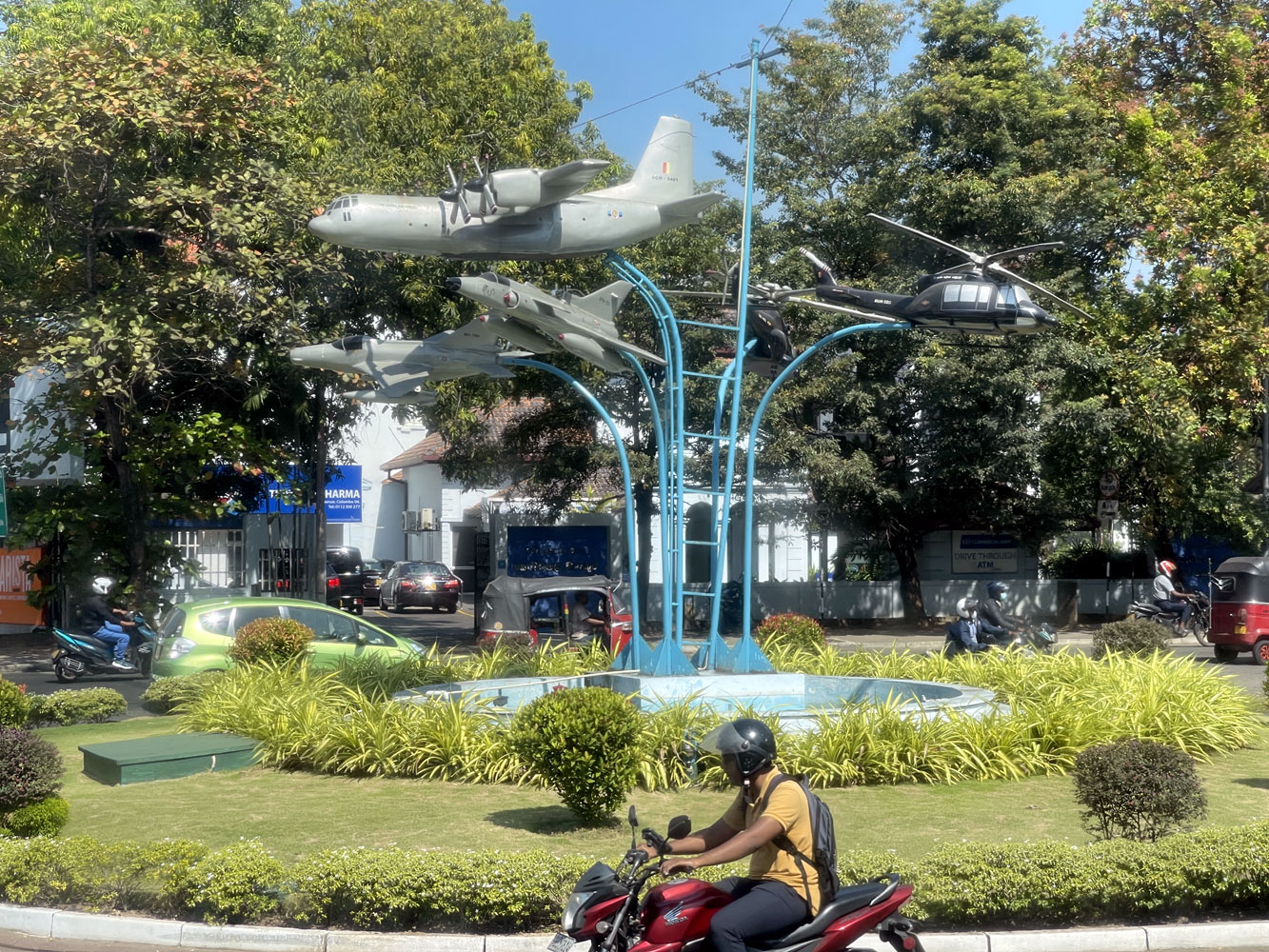
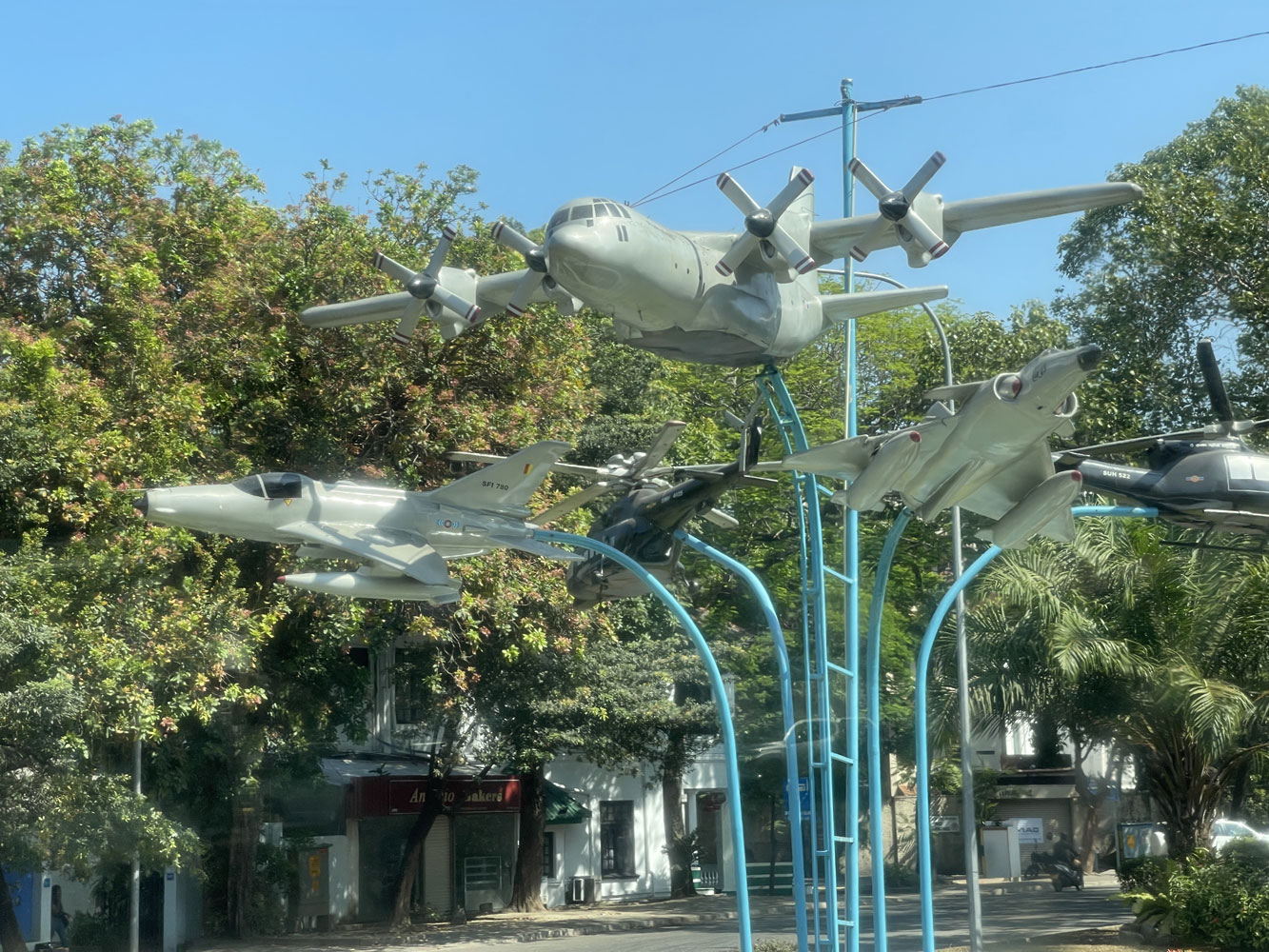
Sri Lanka
Air Force Monument. |
|
| |
|
| |
|
| |
|
|
| |
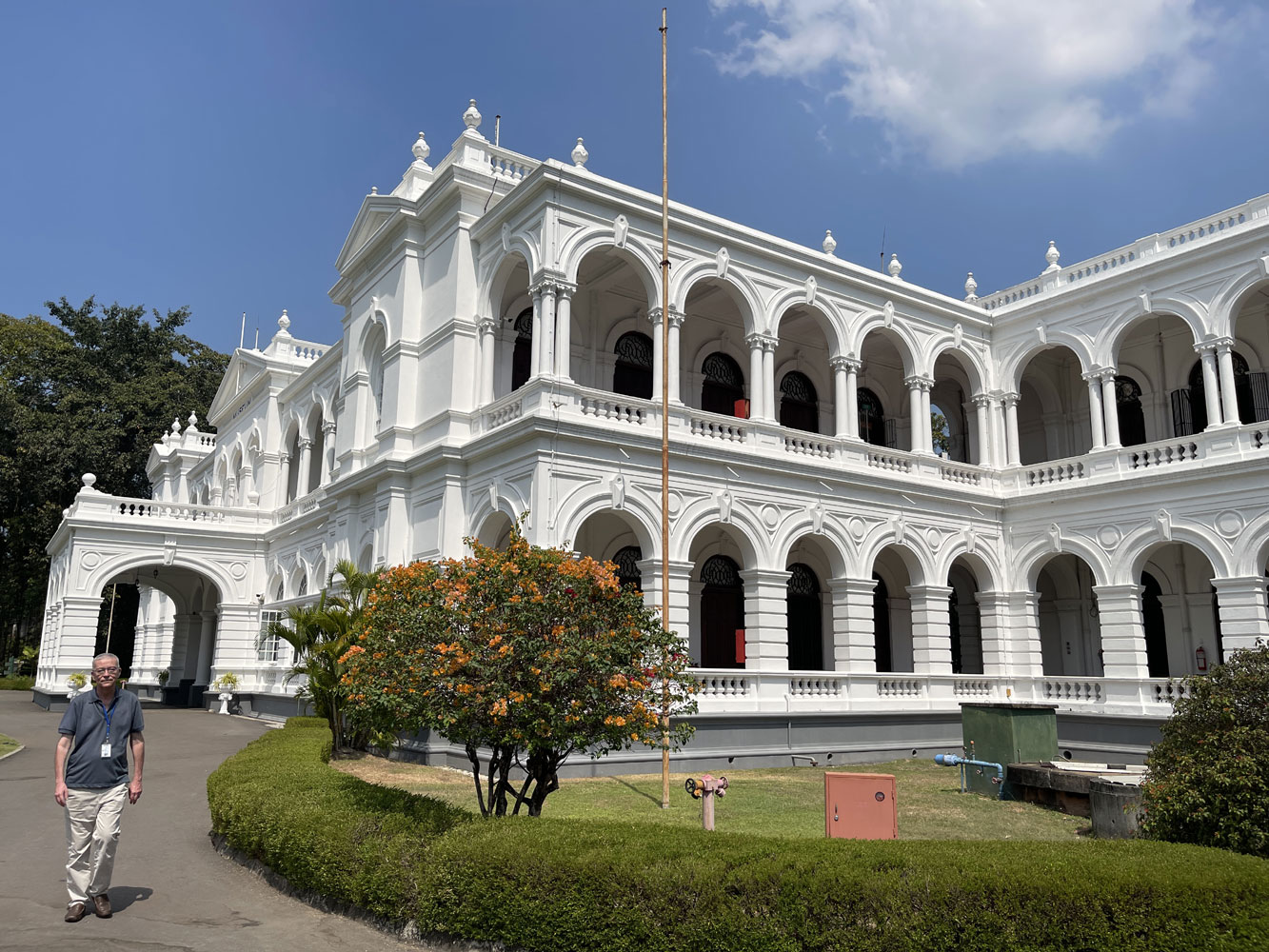
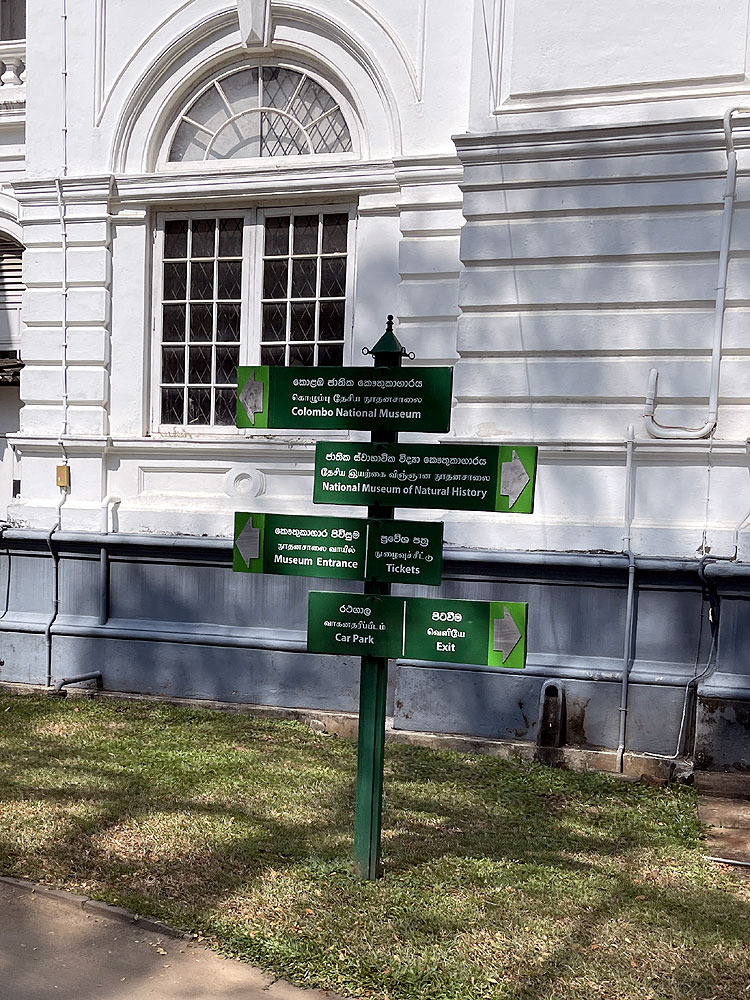
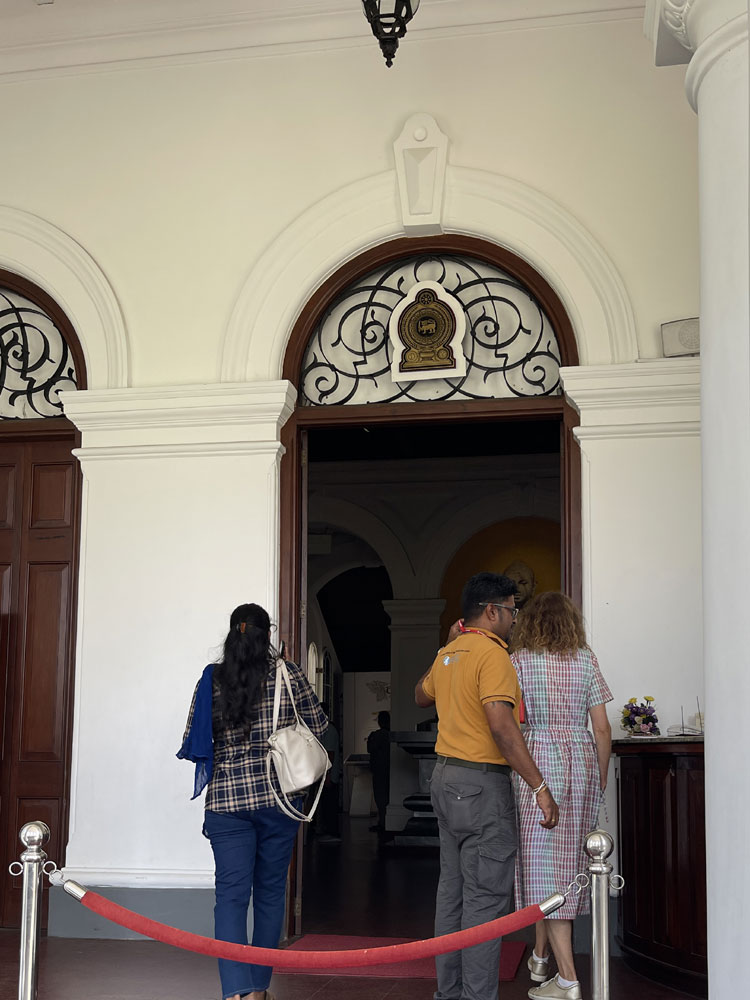
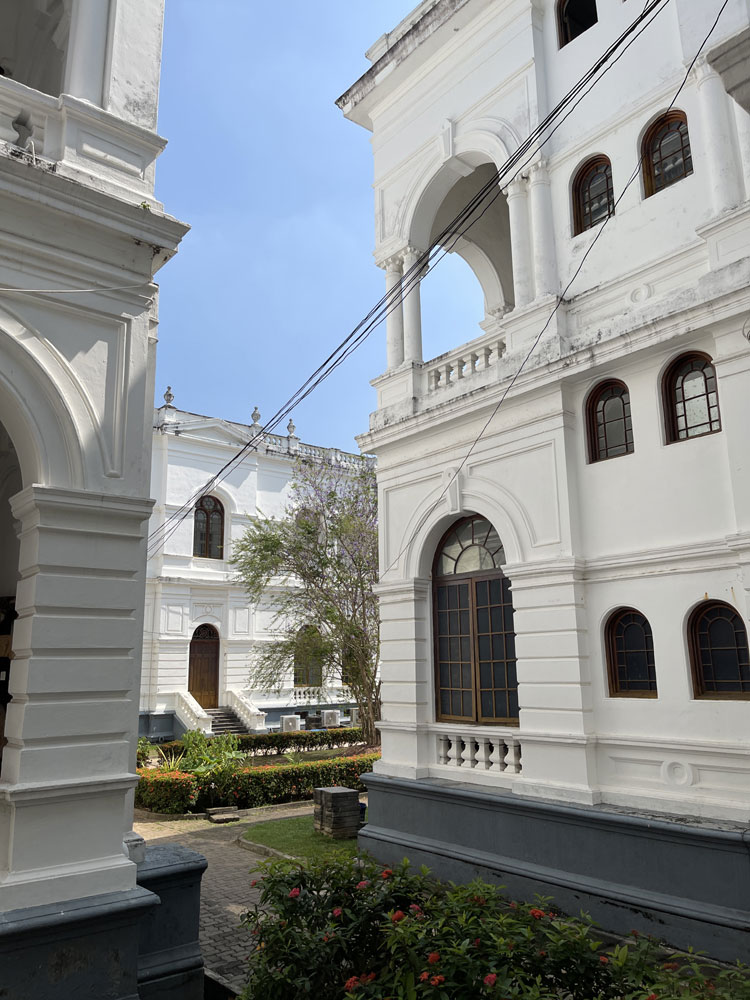
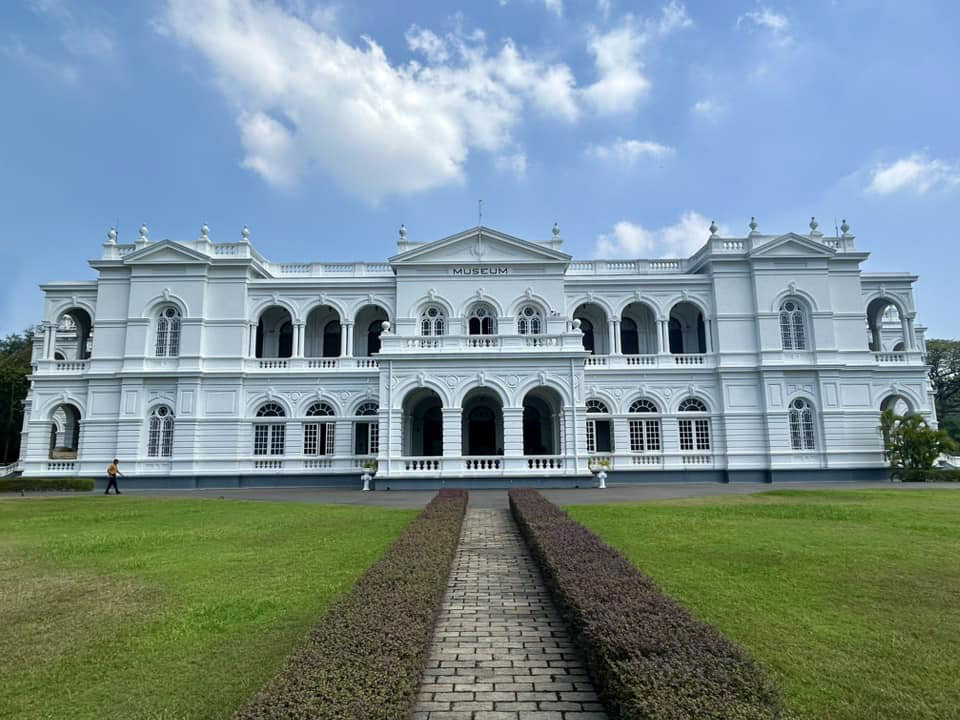
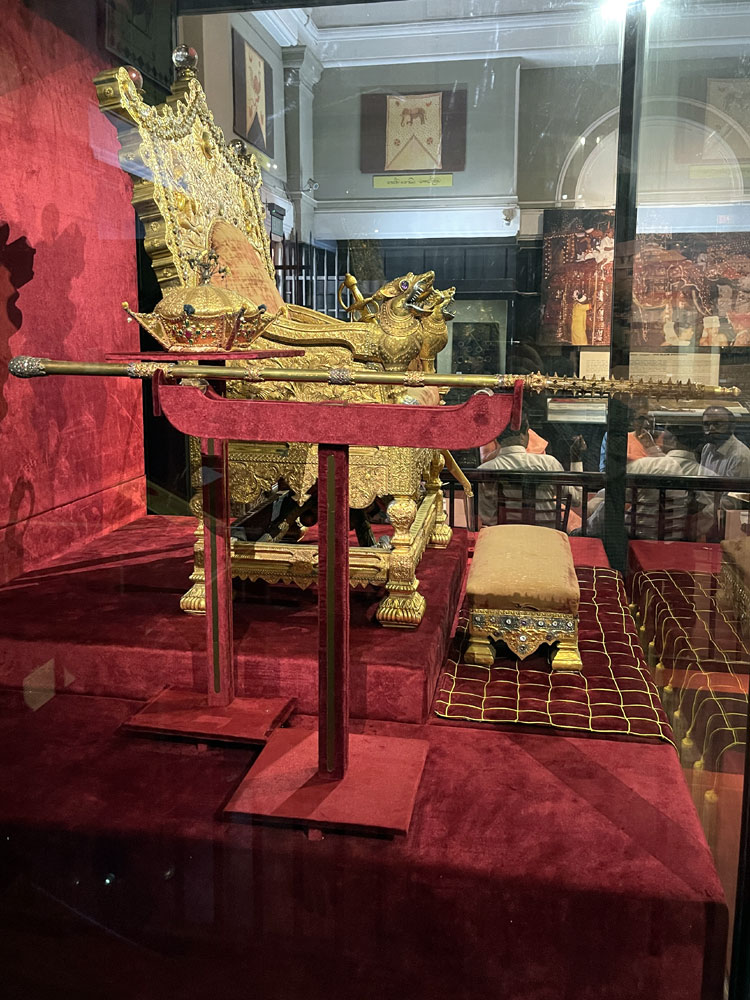
The Colombo
National Museum, also known as the Sri Lanka National
Museum, was our next stop. It is the largest museum in
Sri Lanka.
|
|
|
| |
|
| |
|
|
| |
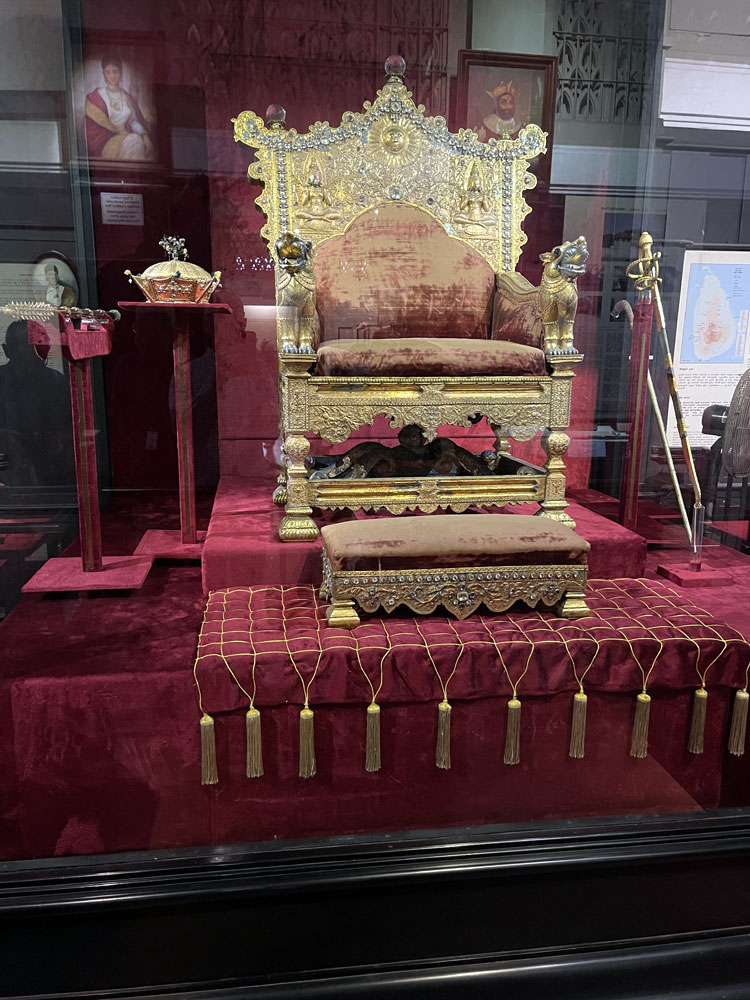
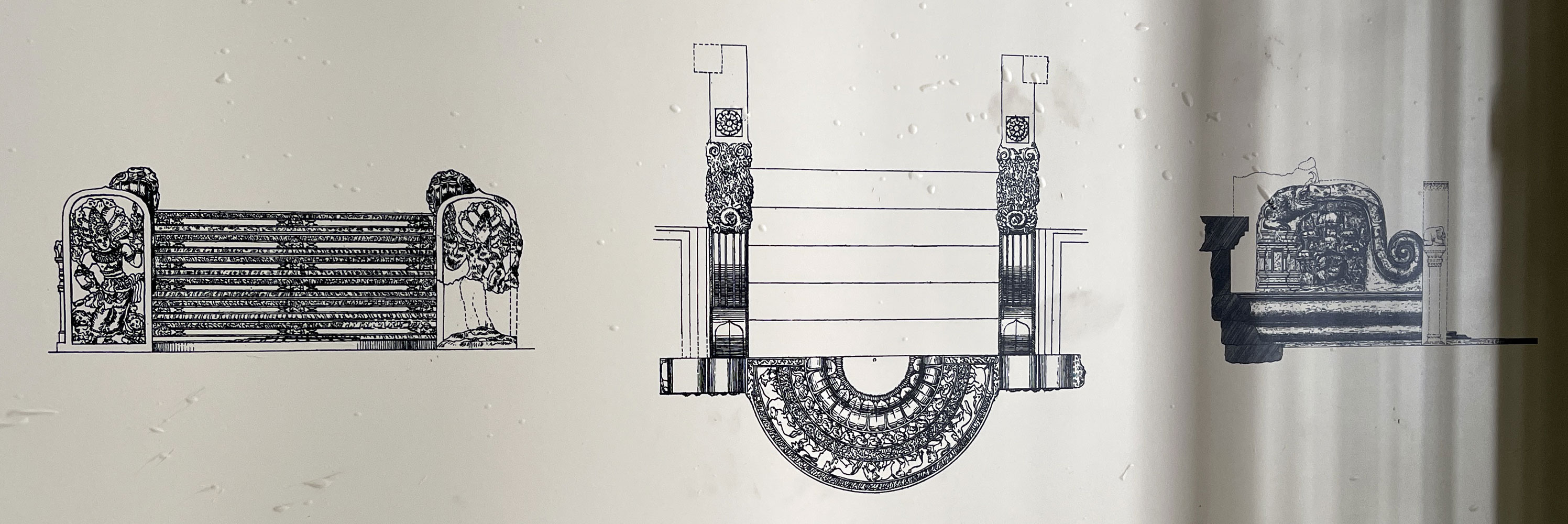
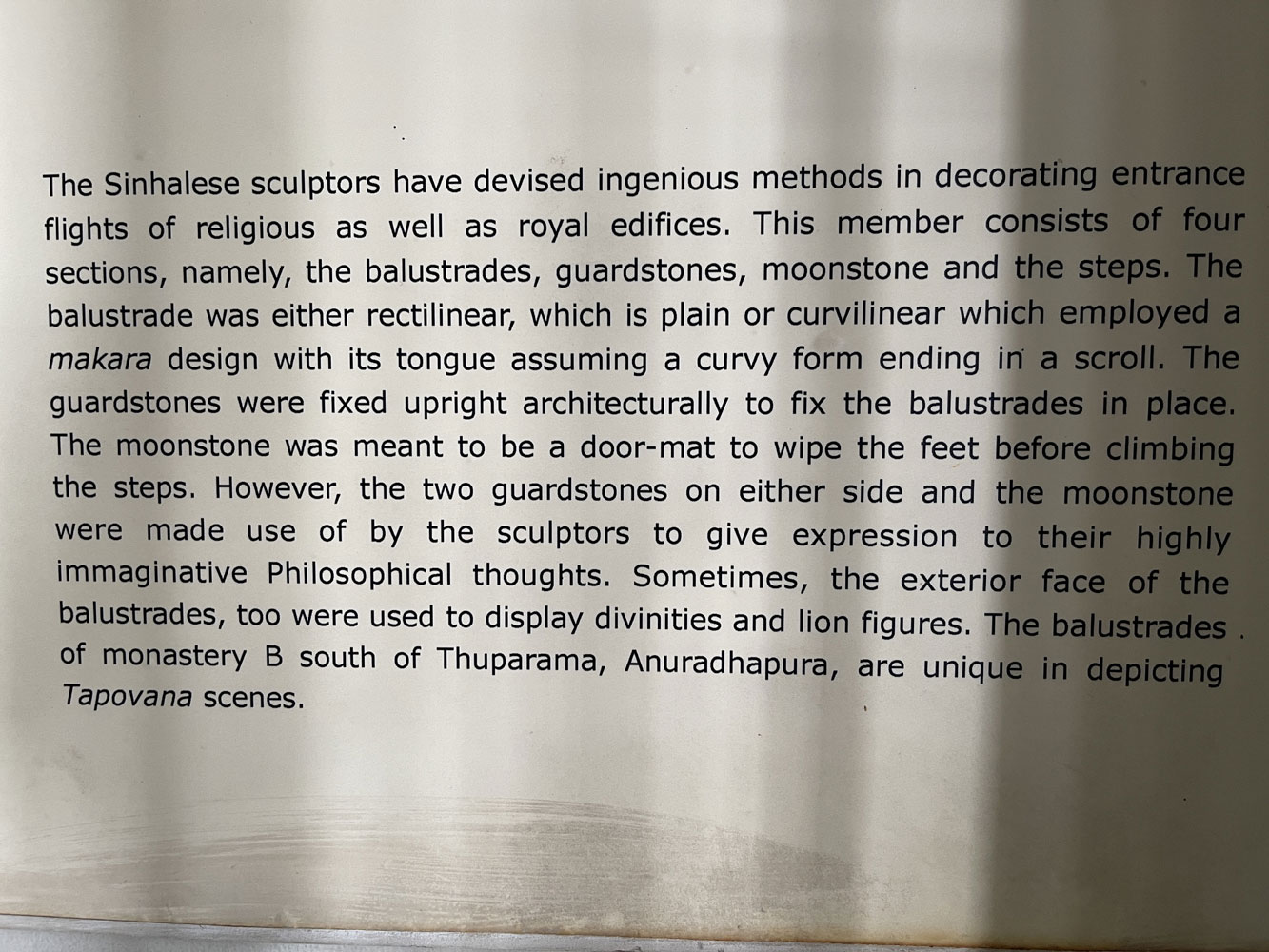
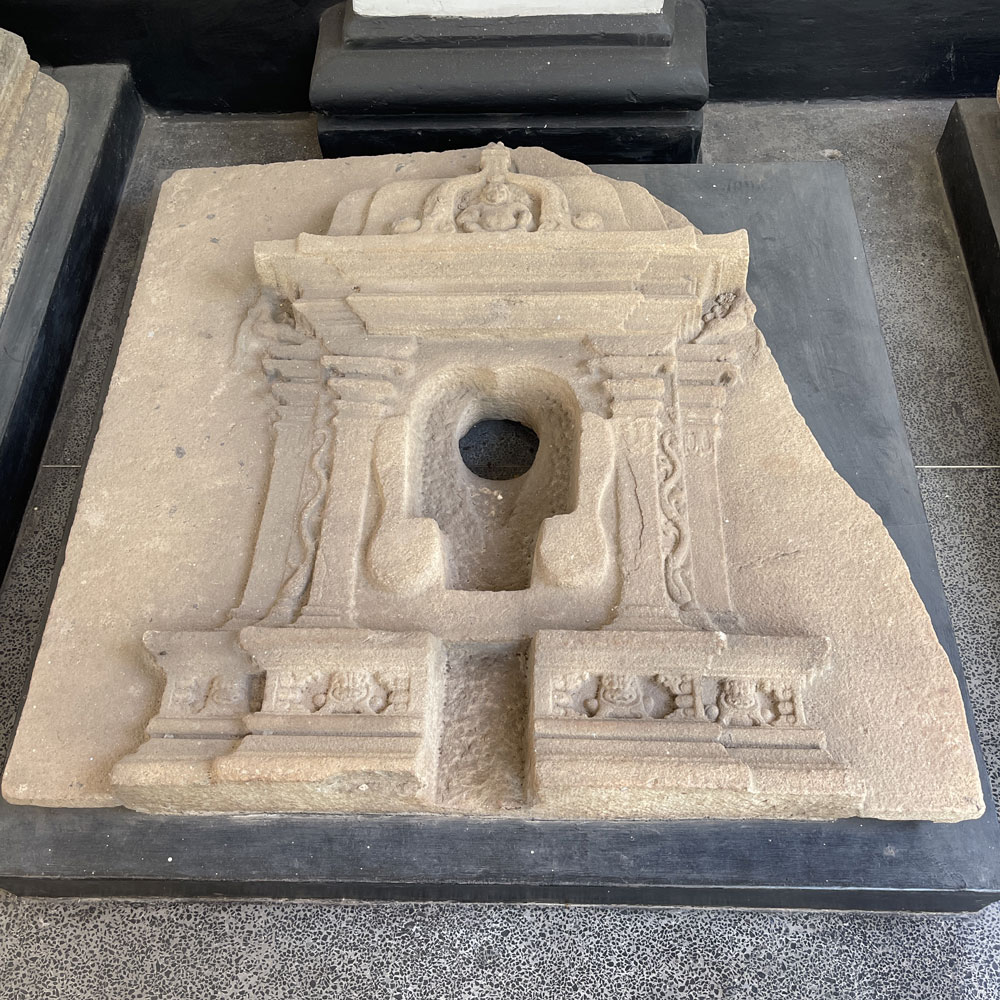
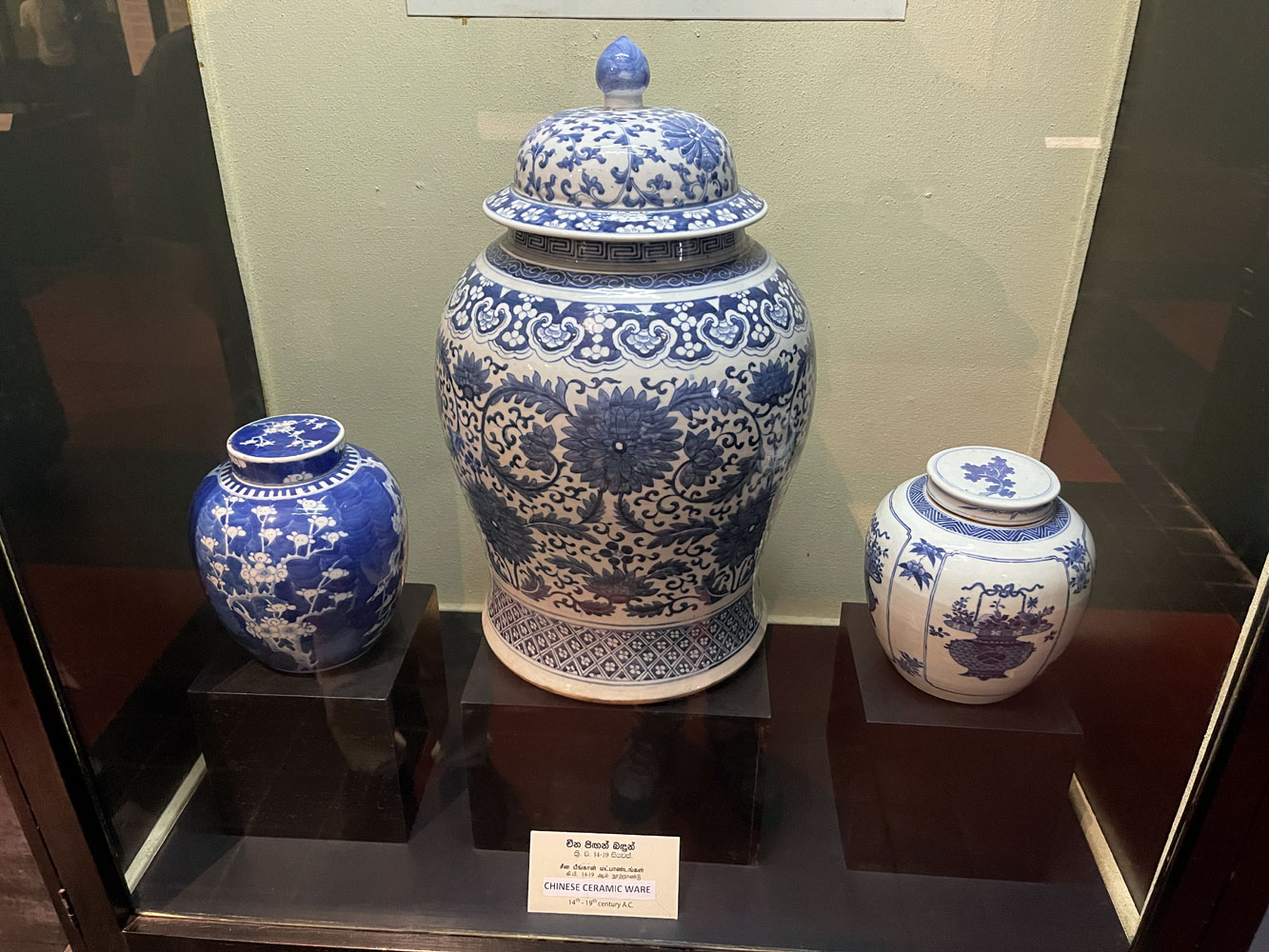
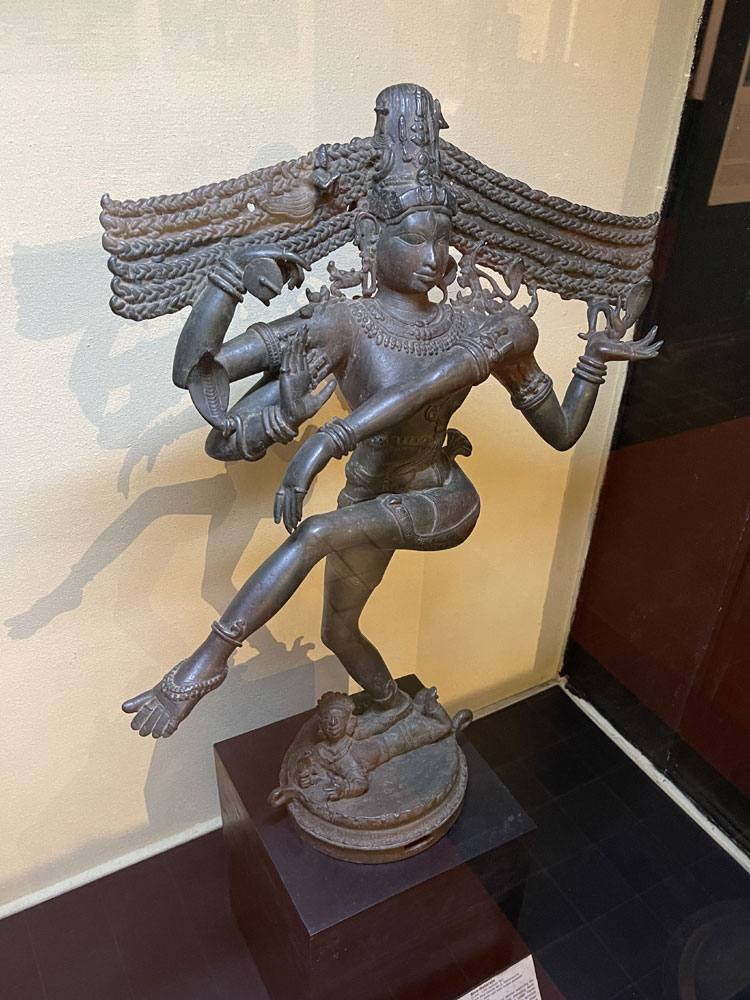
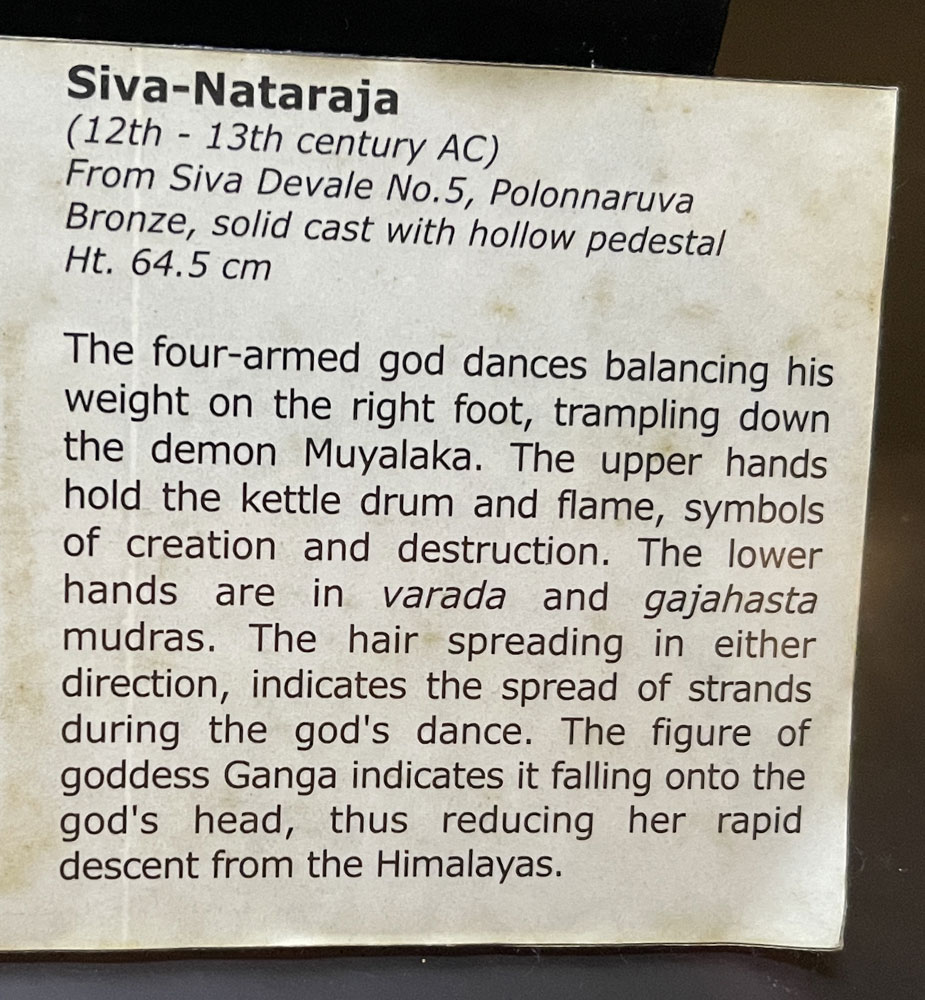
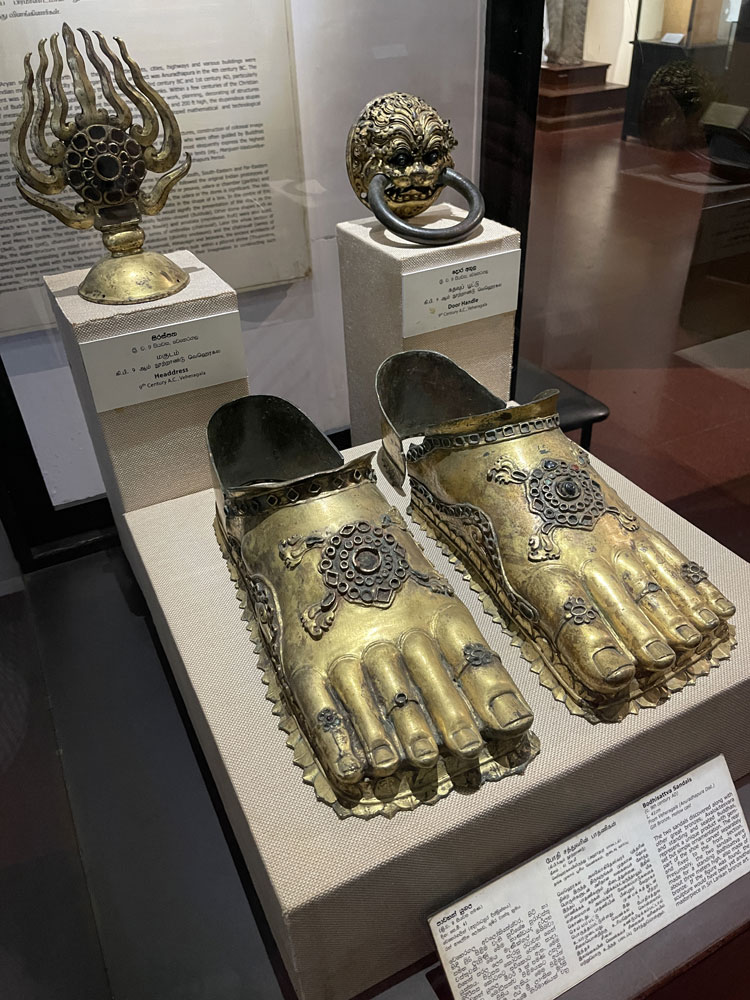
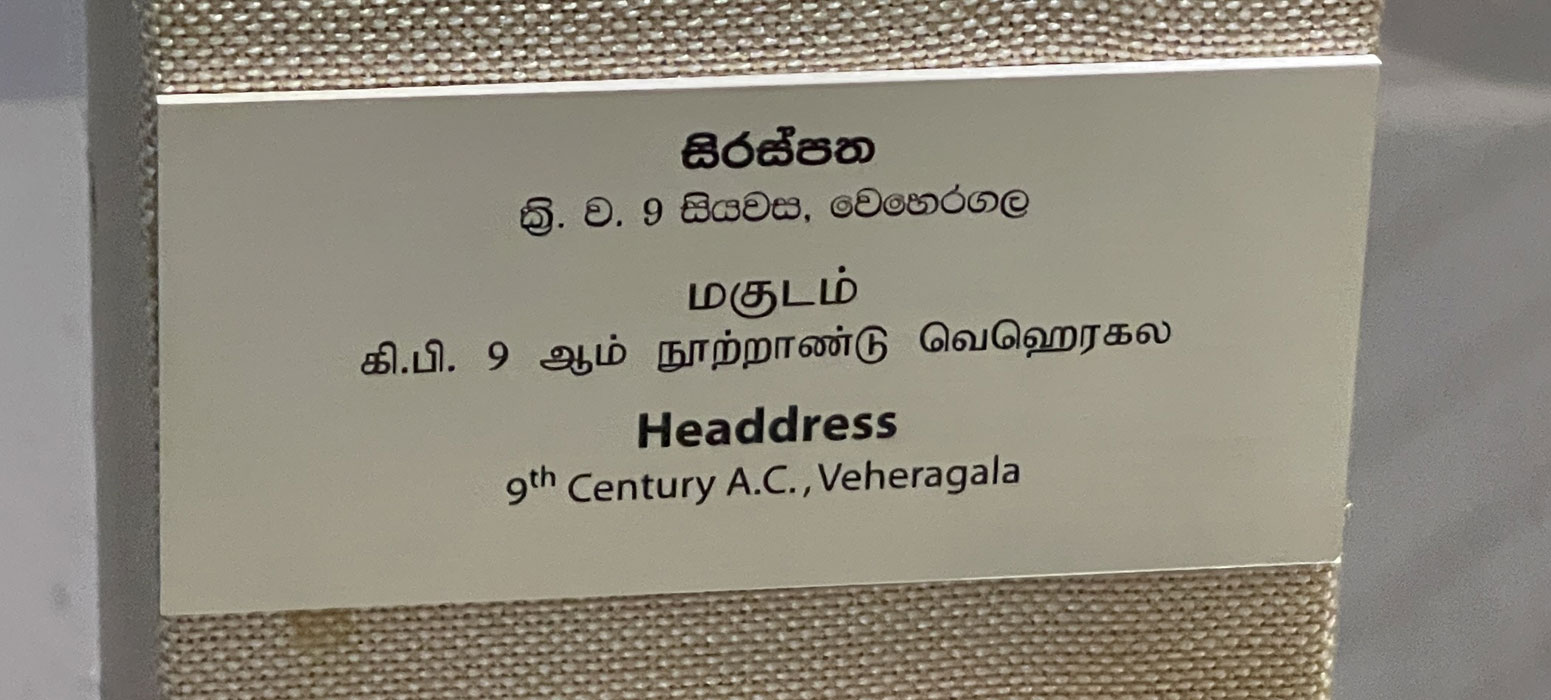
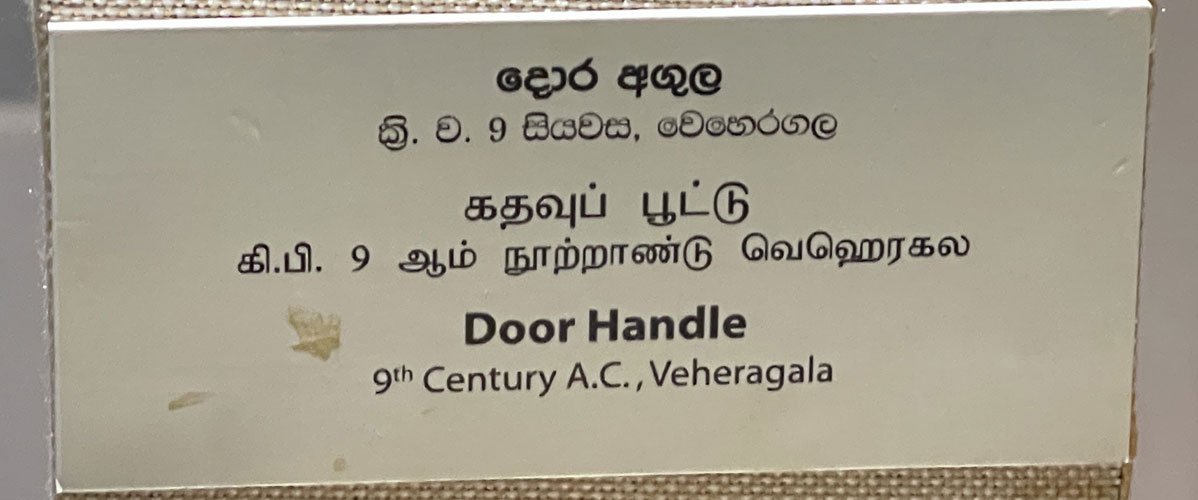
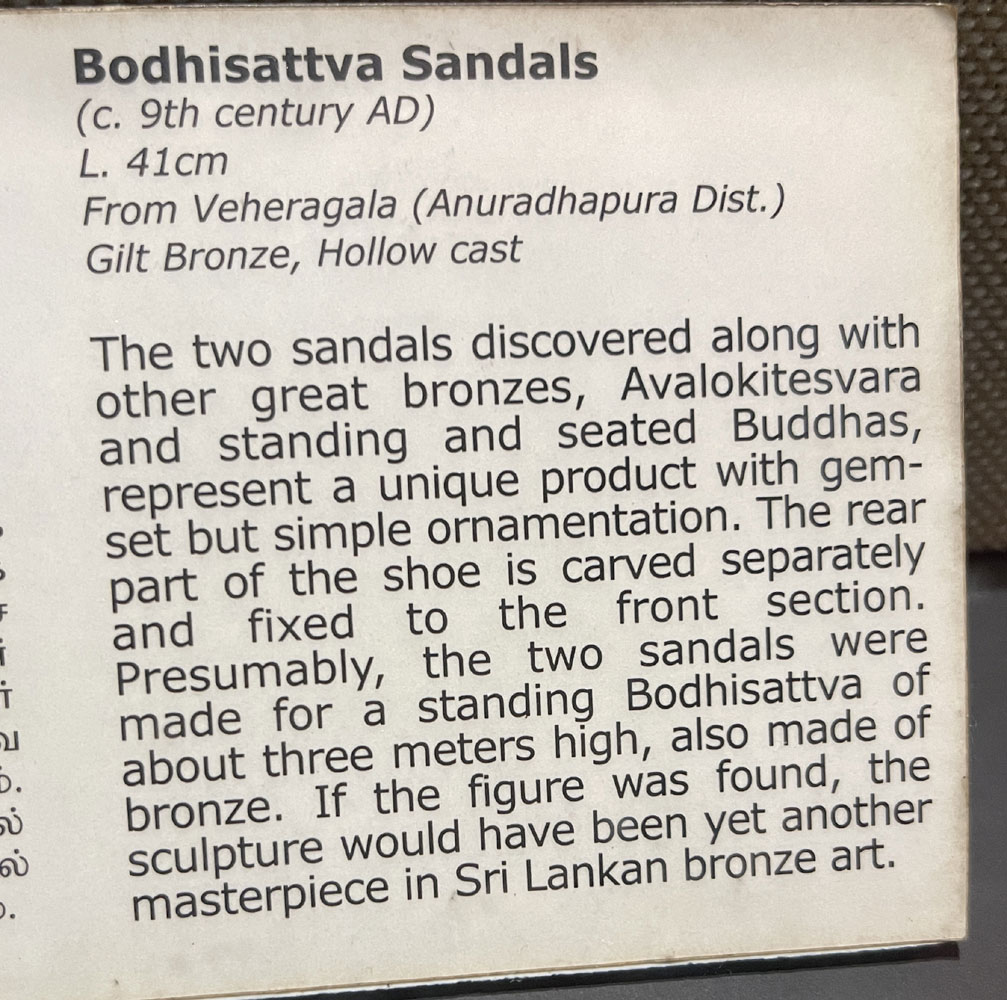
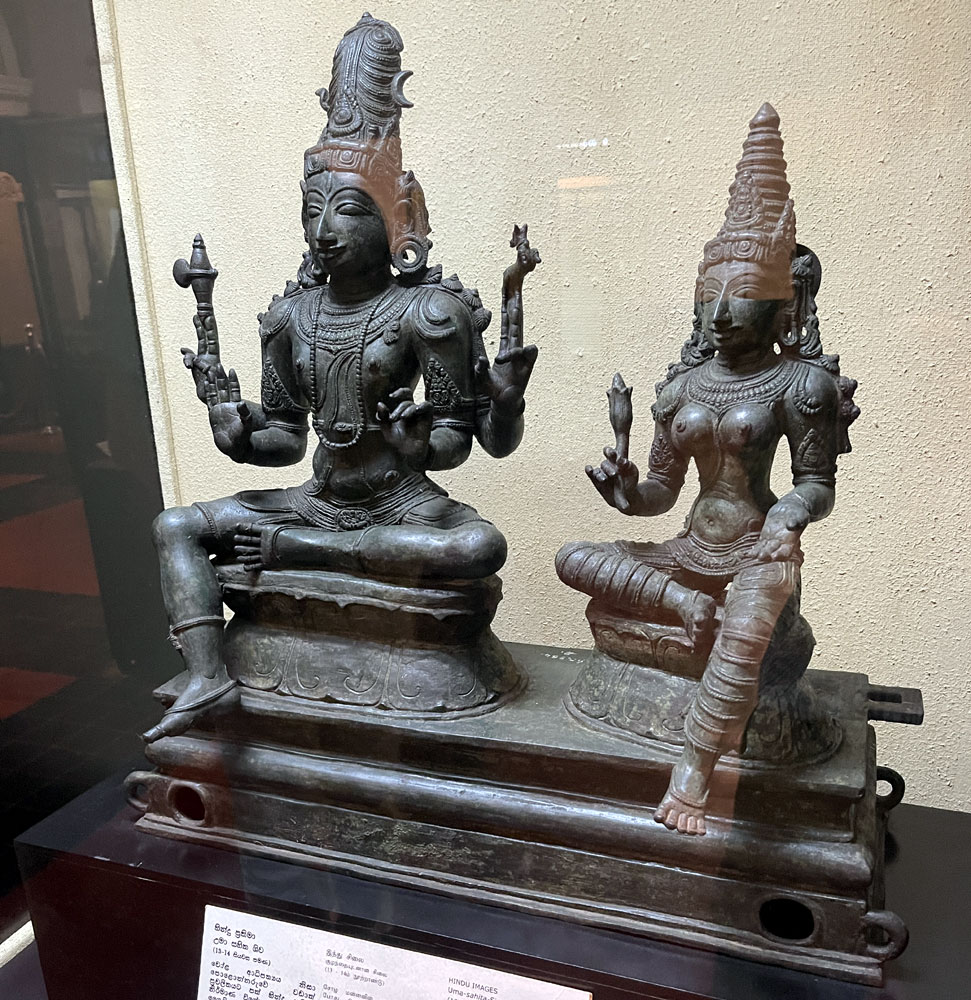
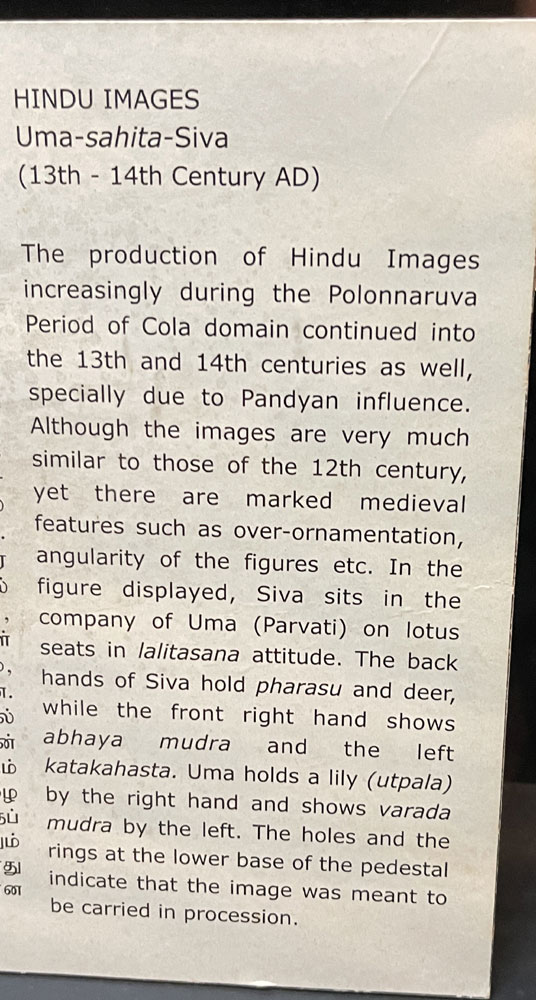
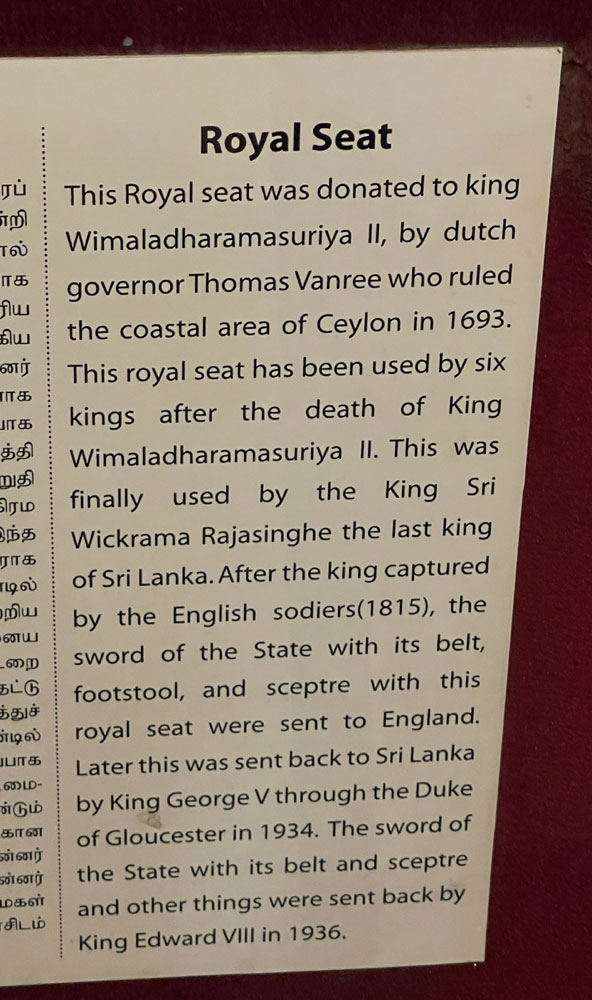
There was so much to
see here, that we had to be really selective in what we
could focus on, but here are a few things that stood out
for us. |
|
| |
|
| |
|
| |
|
| |
|
| |
|
| |
|
| |
|
| |
|
| |
|
|
| |
|
| |
|
|
| |
|
|
|
|
| |
|
| |
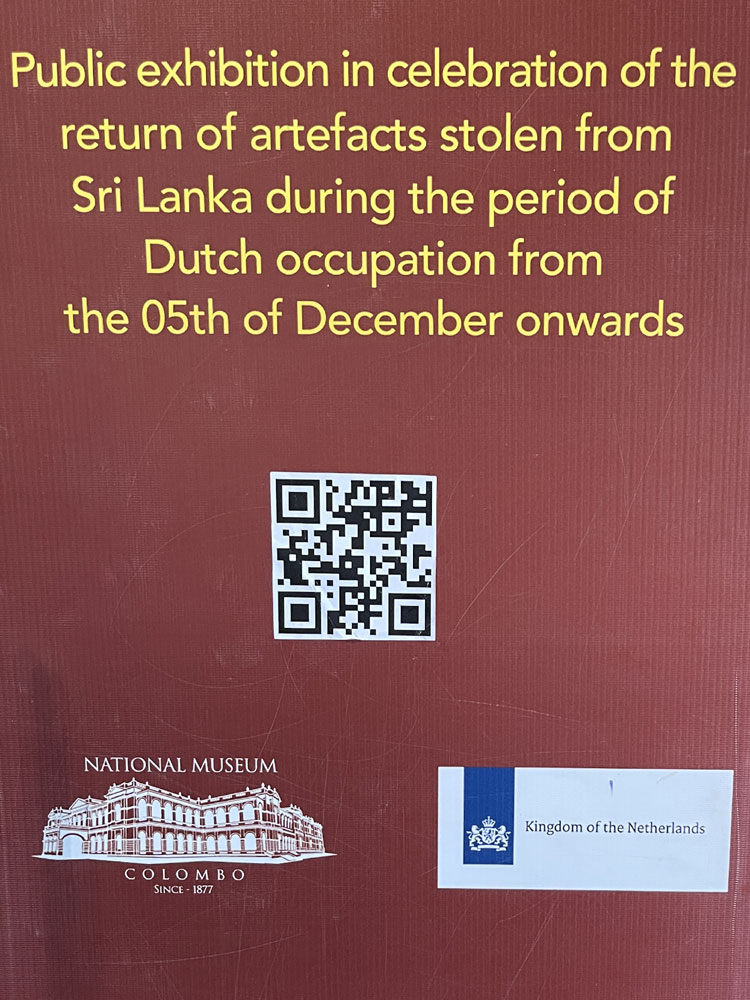
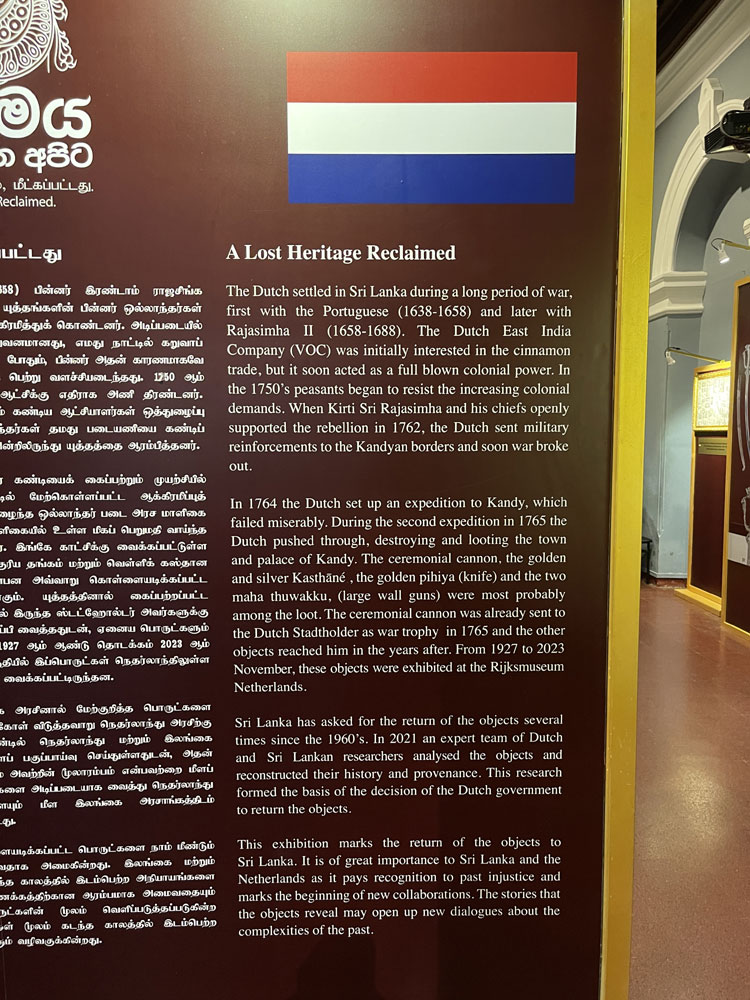
We briefly visited this
temporary exhibition within the museum. |
|
|
|
| |
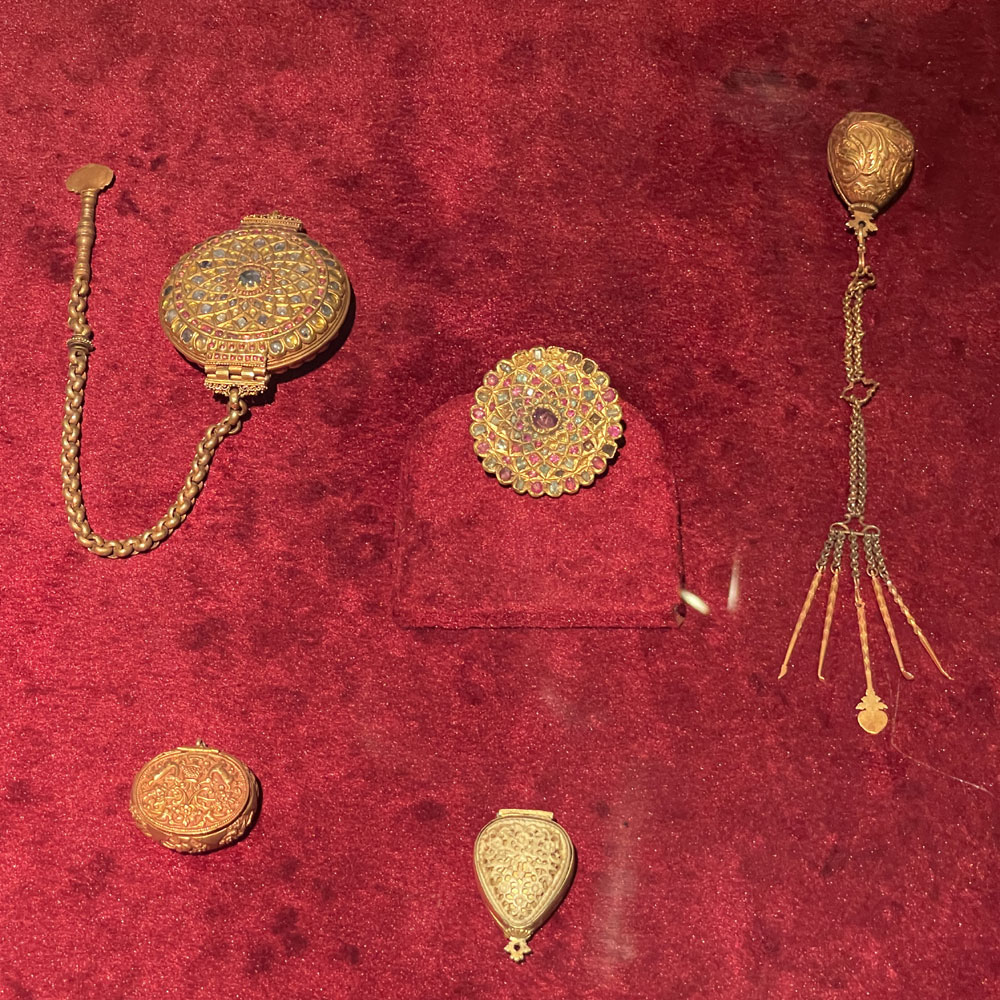
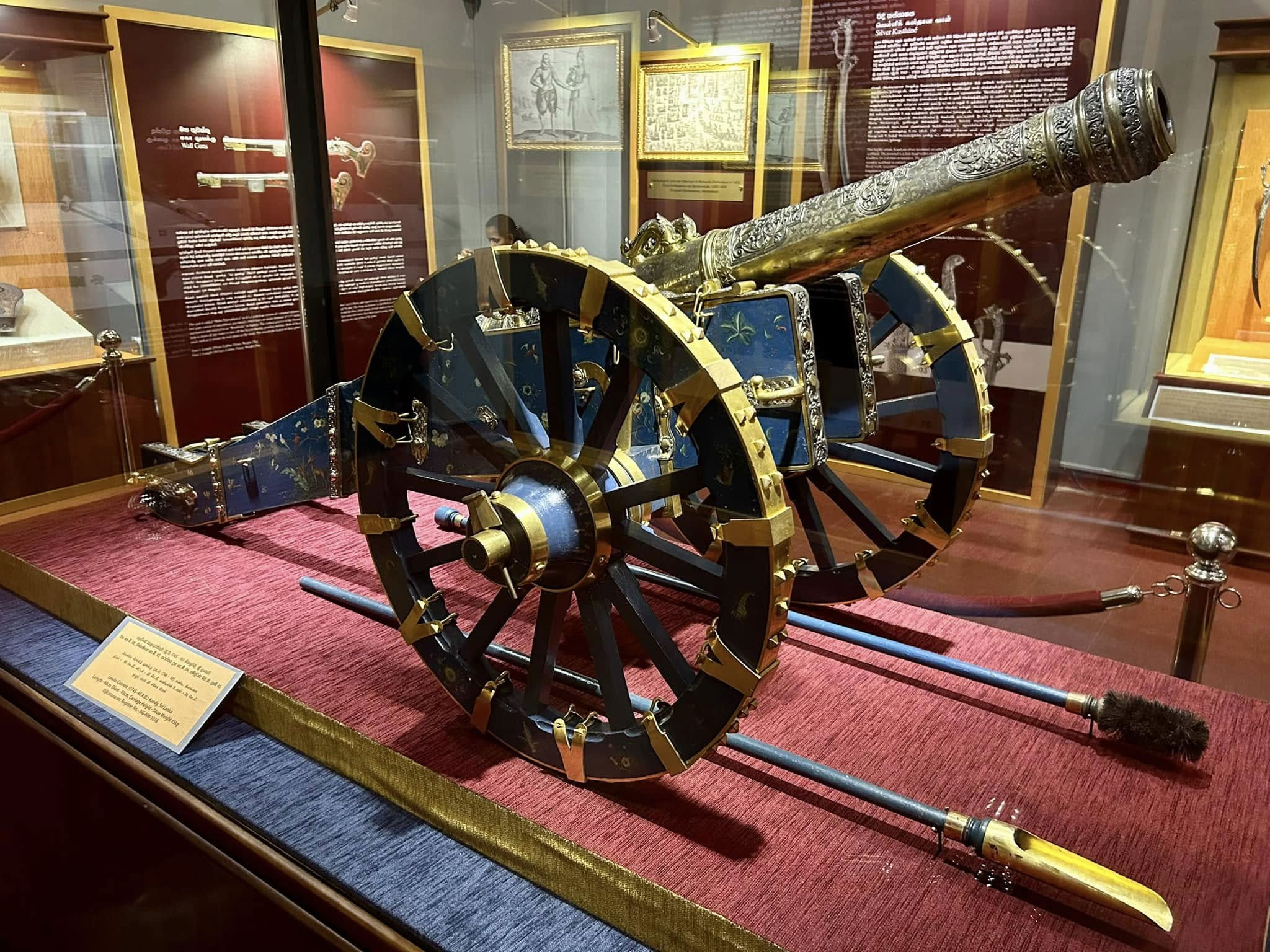
Here, we saw this small
cannon, known as Lewke's cannon, which is cast in bronze,
gilded, engraved, and richly decorated with silver, gold
and gemstones. It carries a shield that resembles Kandyan
royal emblems (lion with sun and moon) and is embellished
with Kandyan motifs. |
|
|
| |
| Afterwards, we took a brief look around the
grounds of the musem. |
|
|
| |
|
| |
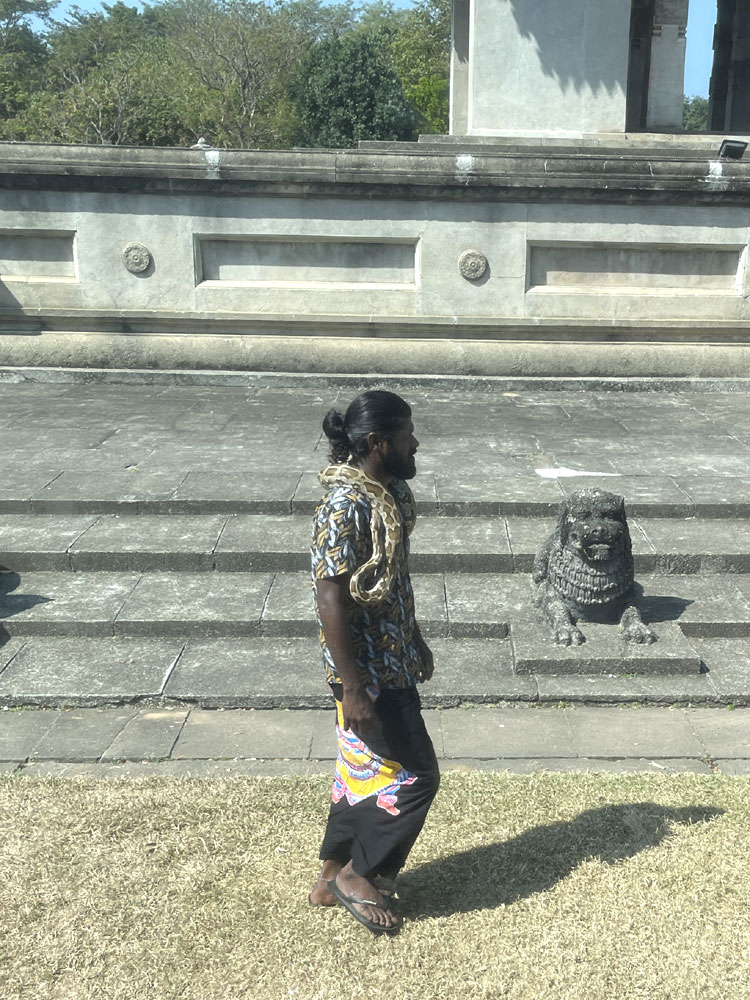
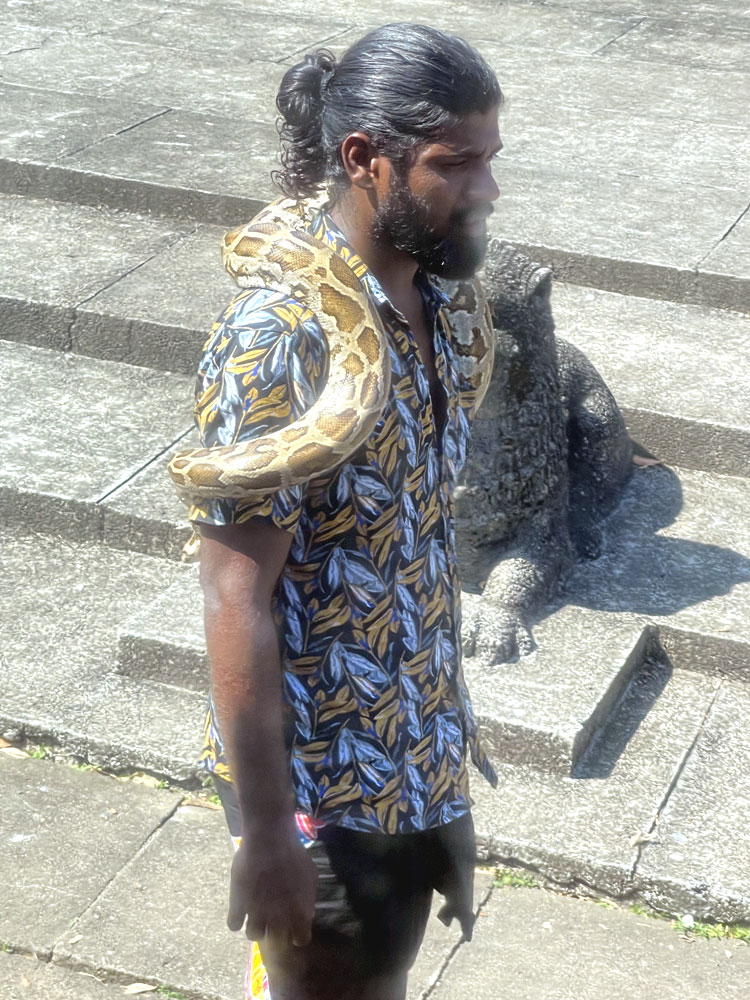
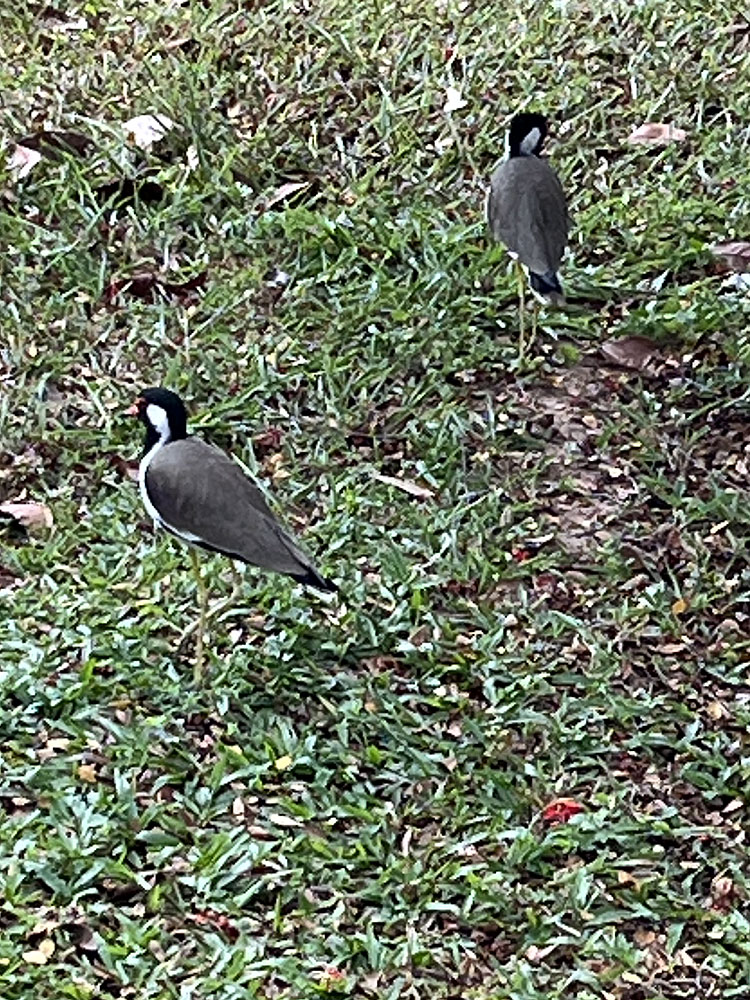
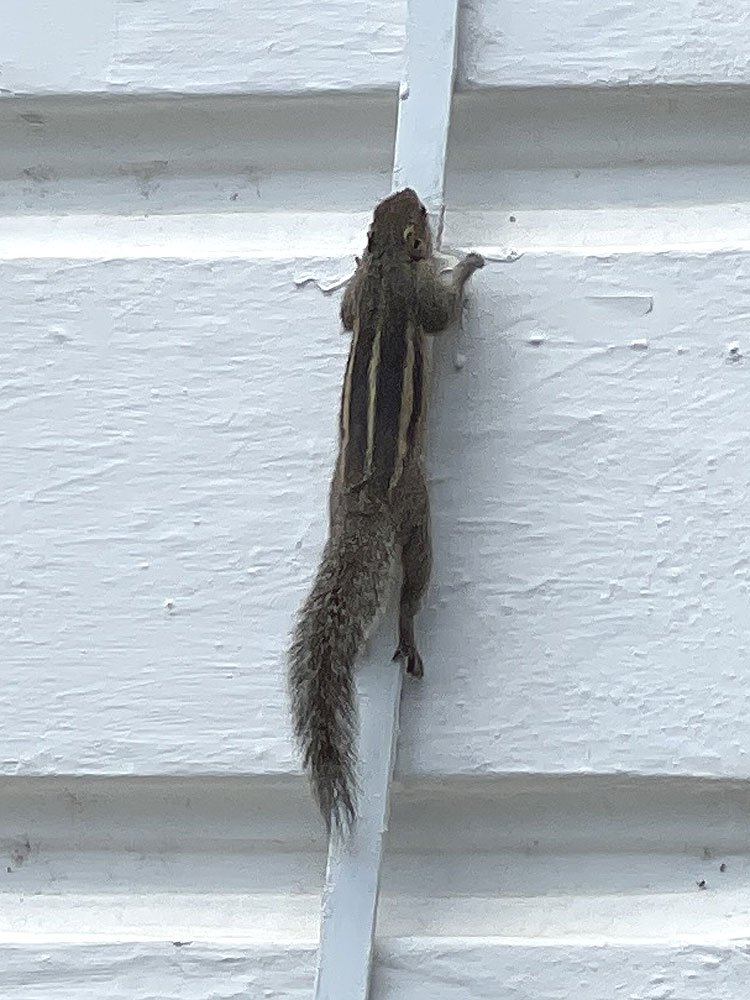
There is always some
wildlife to be seen in this country! |
|
|
|
| |
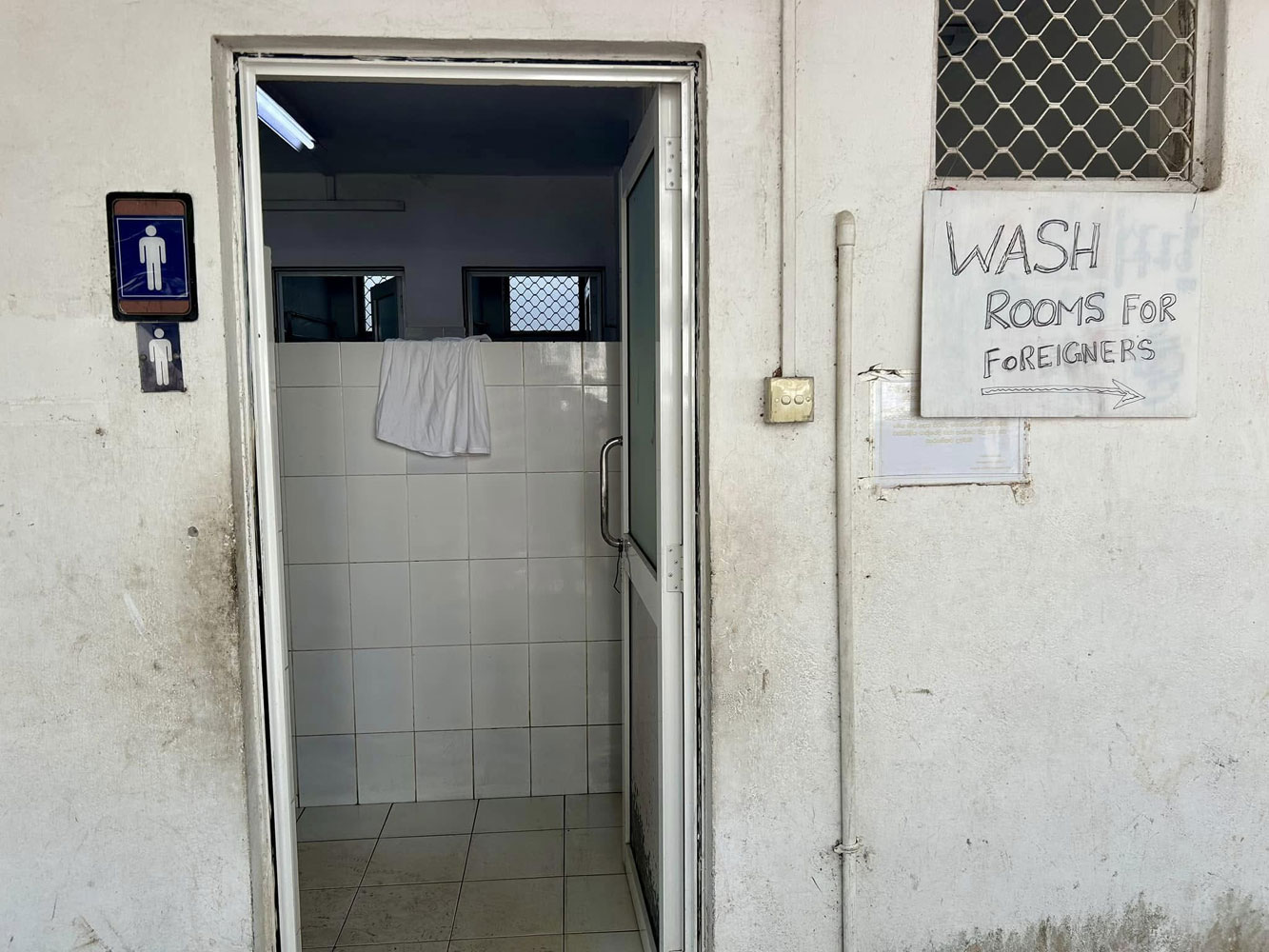
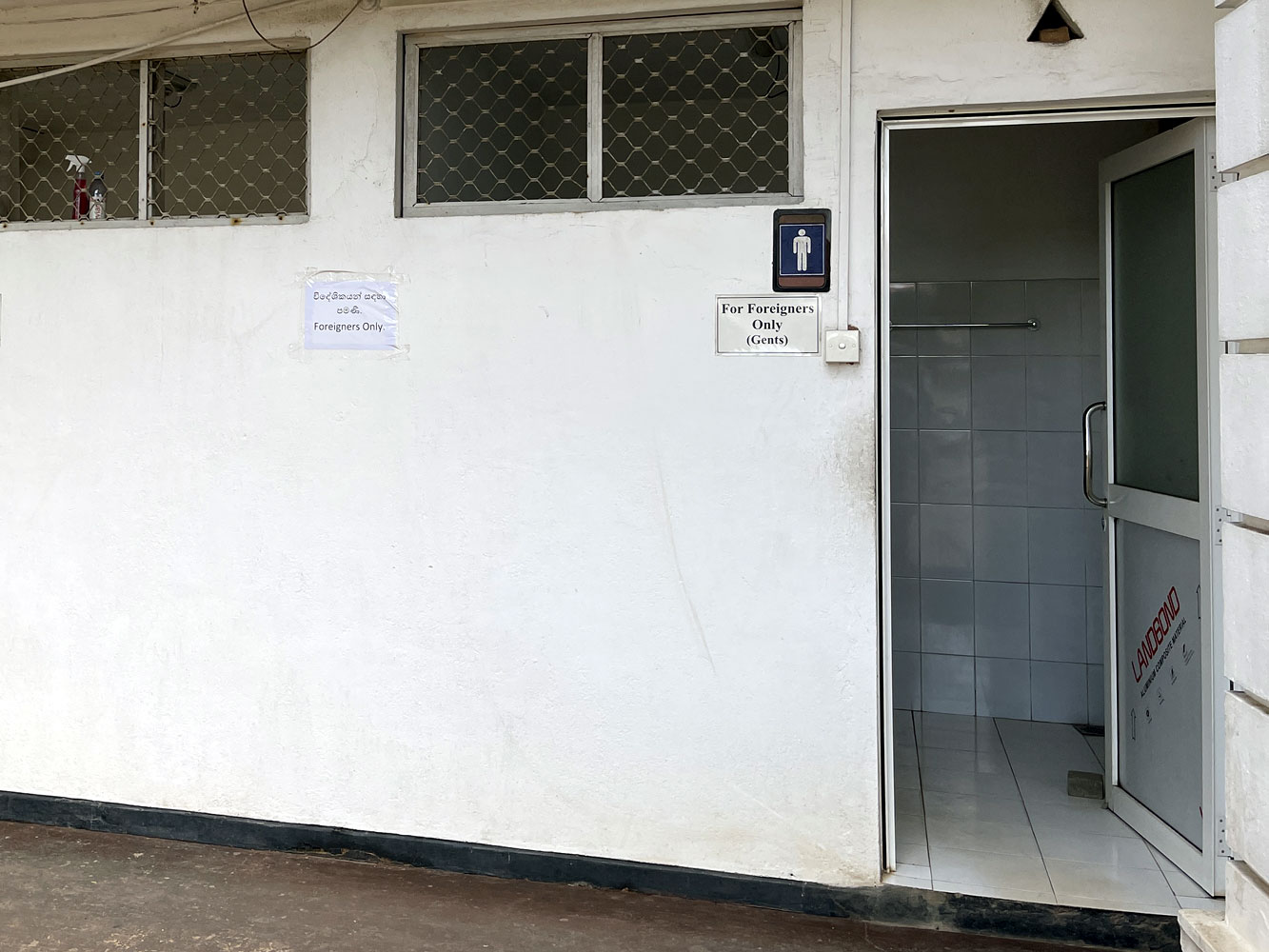
There didn't seem to
be too much difference between the two, but we decided to
obey the sign! |
|
|
|
| |
|
|
| |
|
| |
|
| |
|
| |
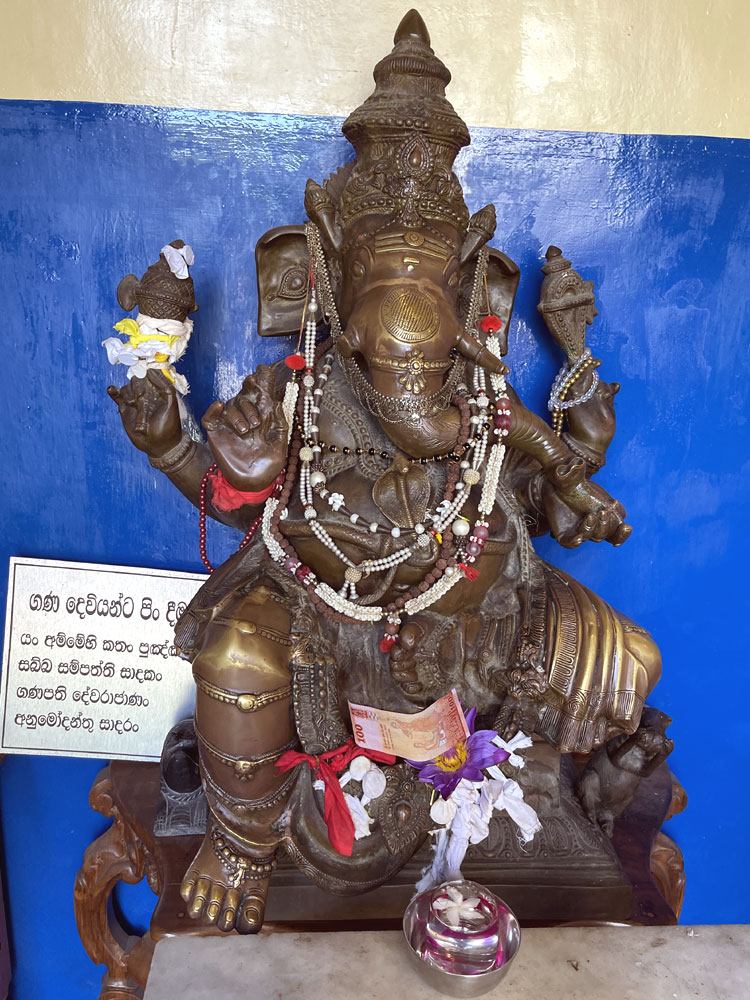
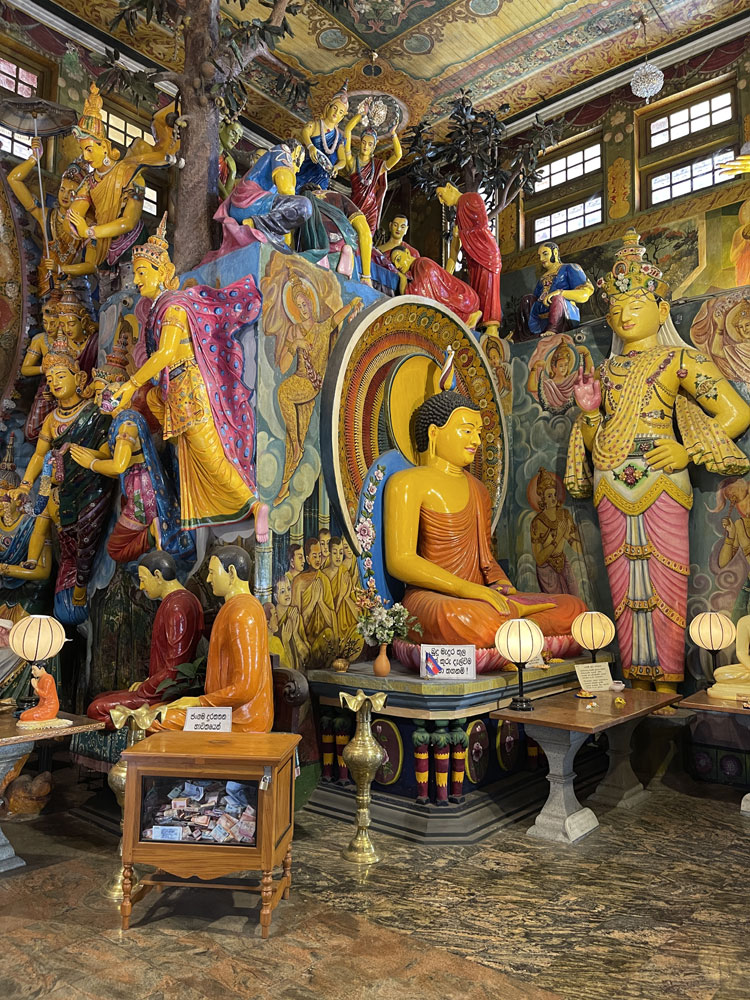
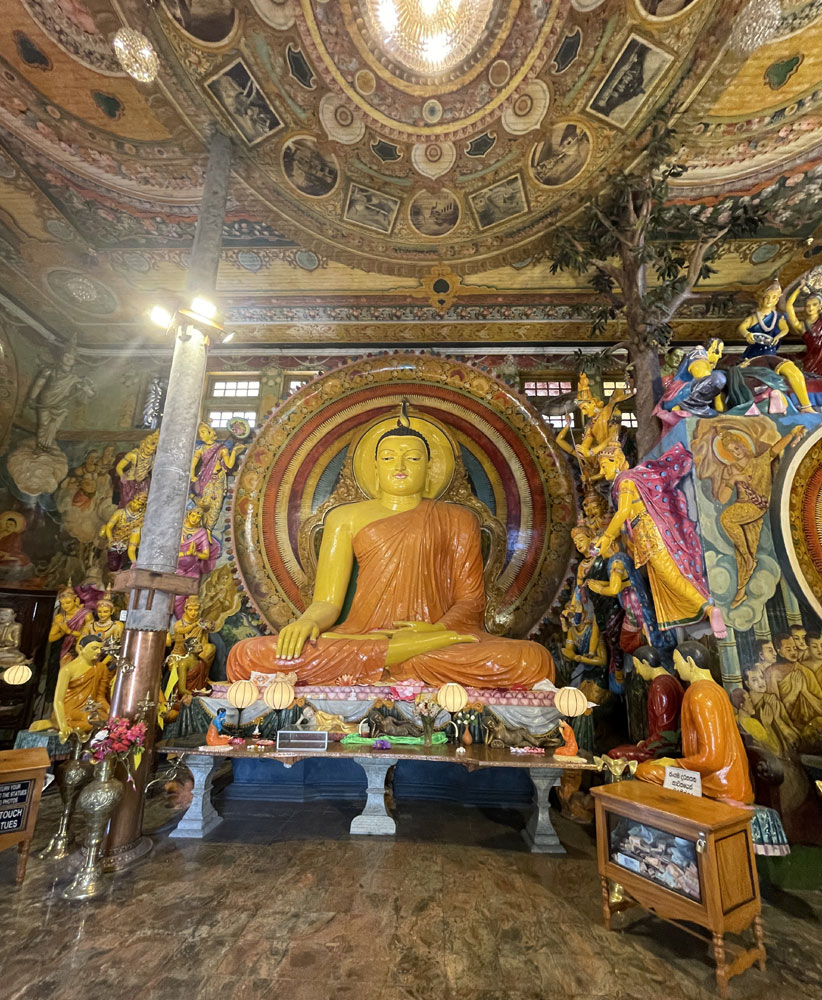
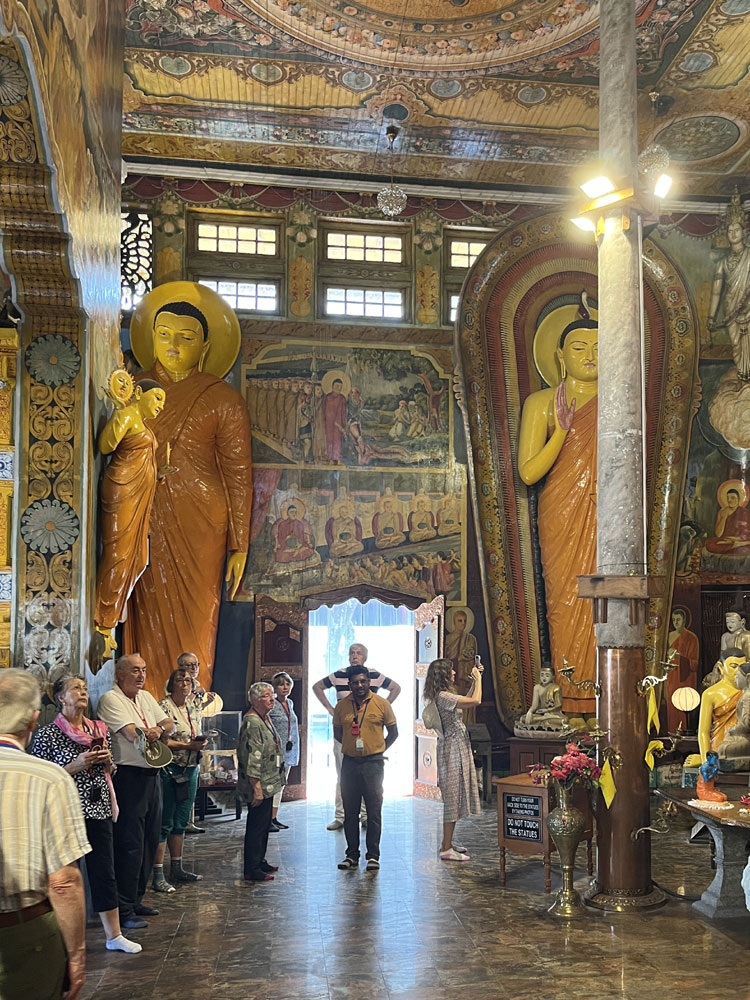
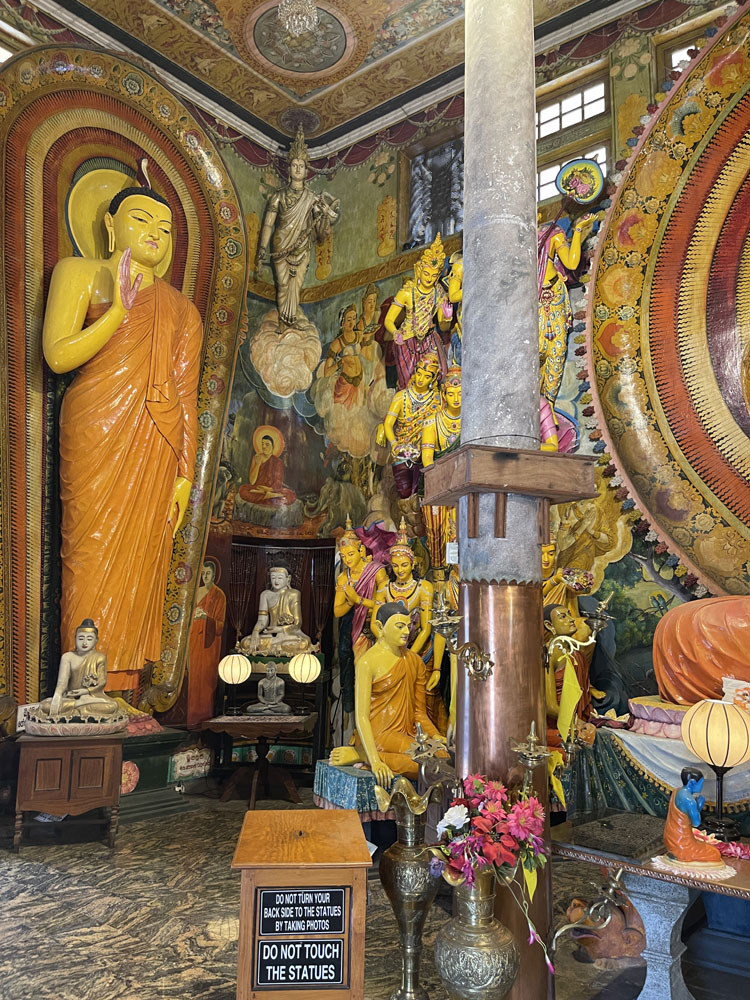
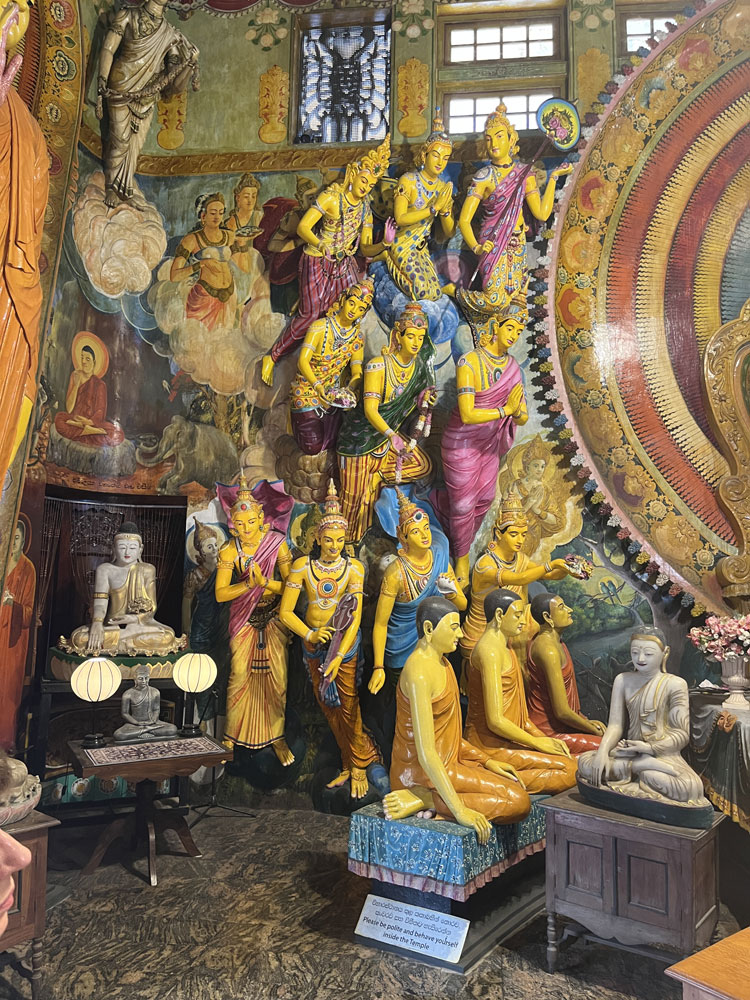
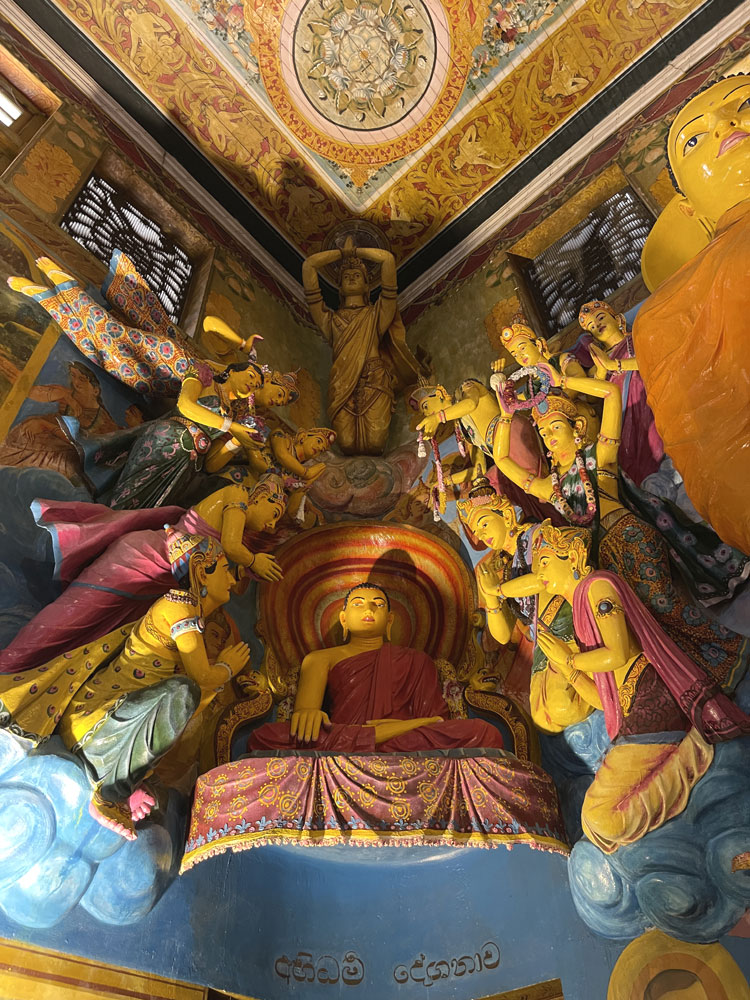
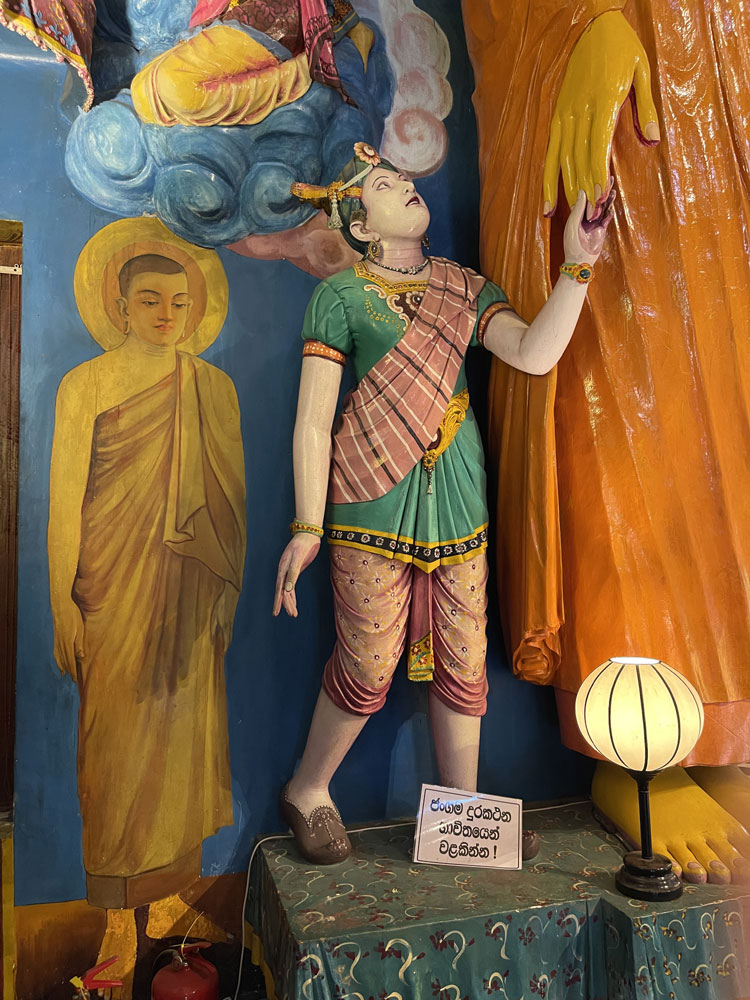
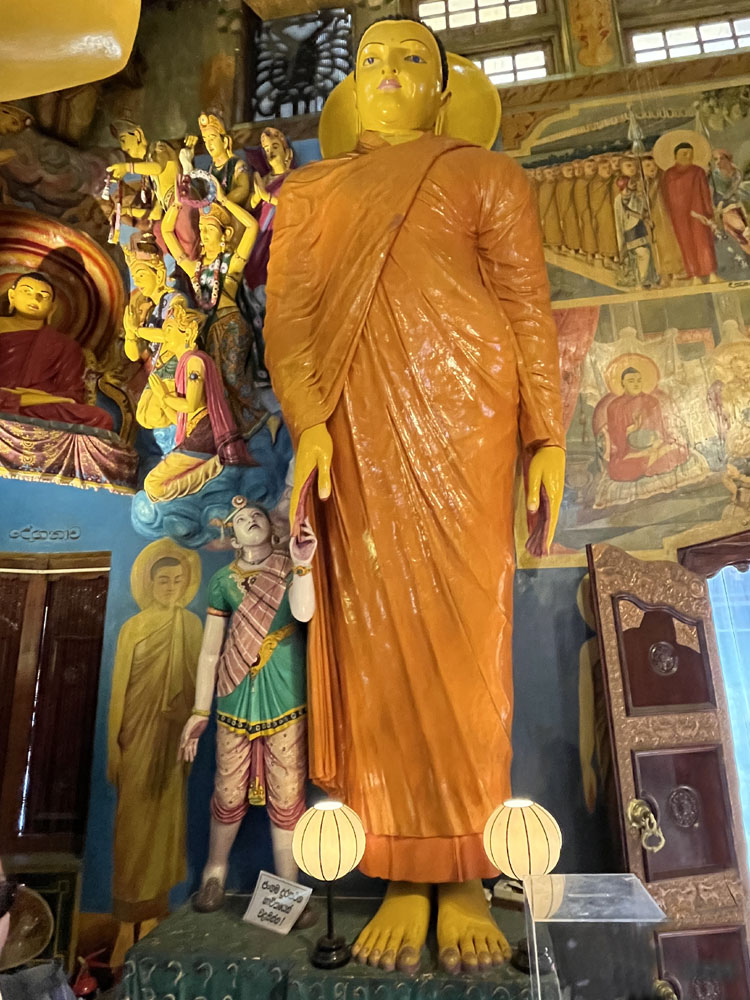
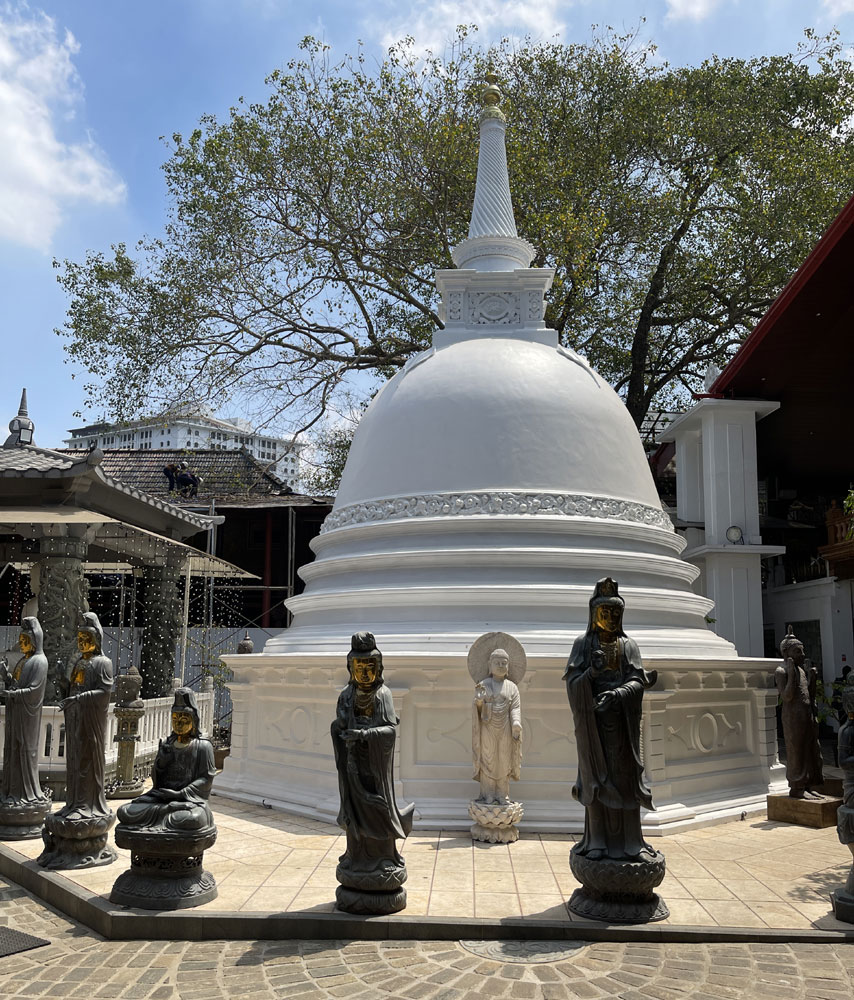
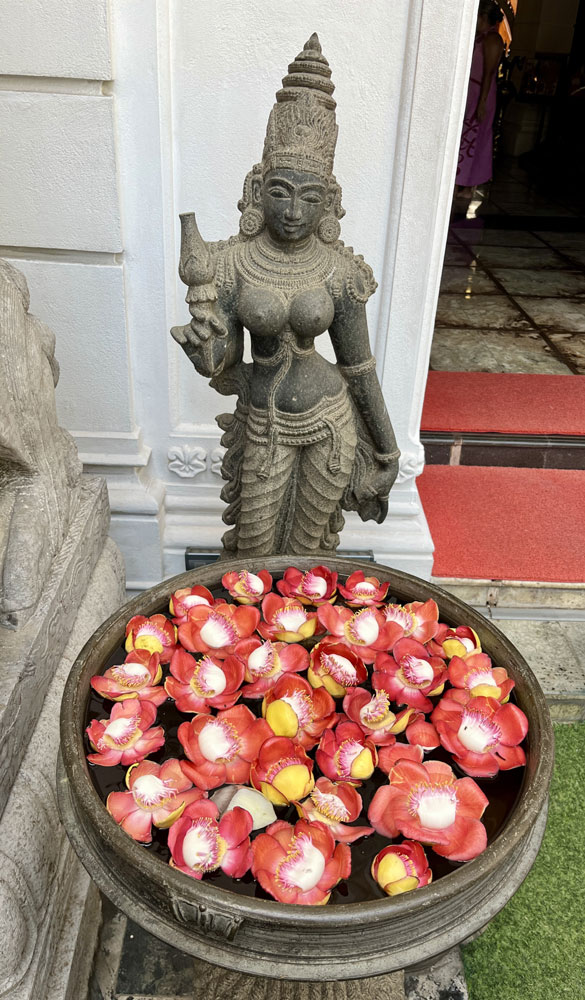
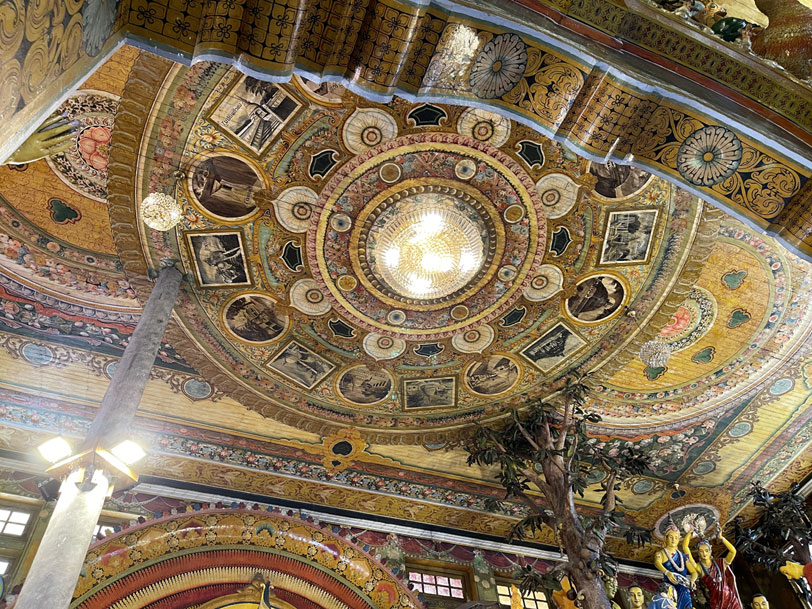
A statue of Ganesha
is at the entrance to the large central temple, which is
highly decorated and extremely colourful. |
|
|
| |
|
| |
|
|
| |
|
| |
|
|
| |
|
| |
|
|
| |
|
|
| |
|
| |
|
| |
|
|
| |
|
| |
|
| |
|
| |
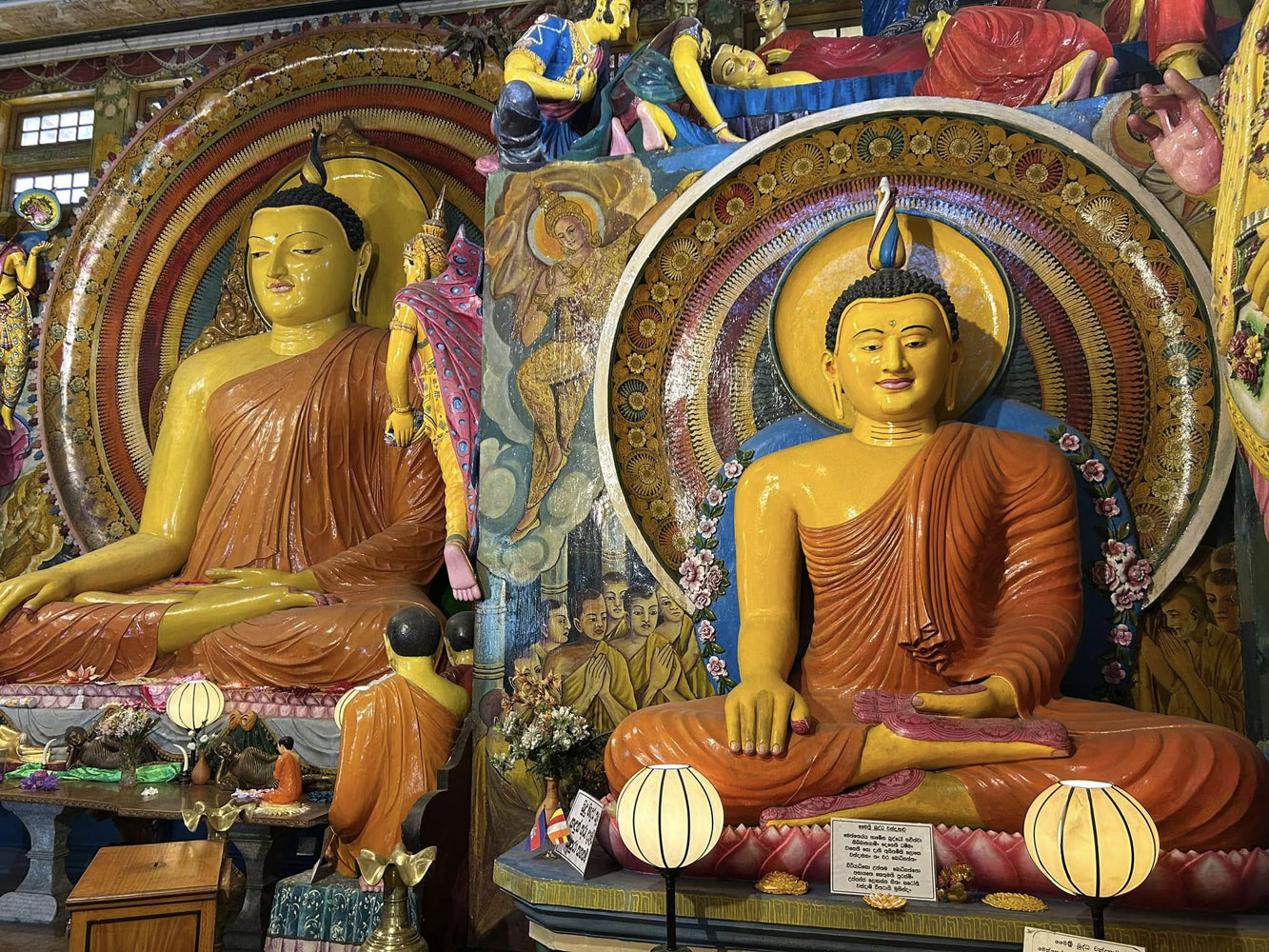
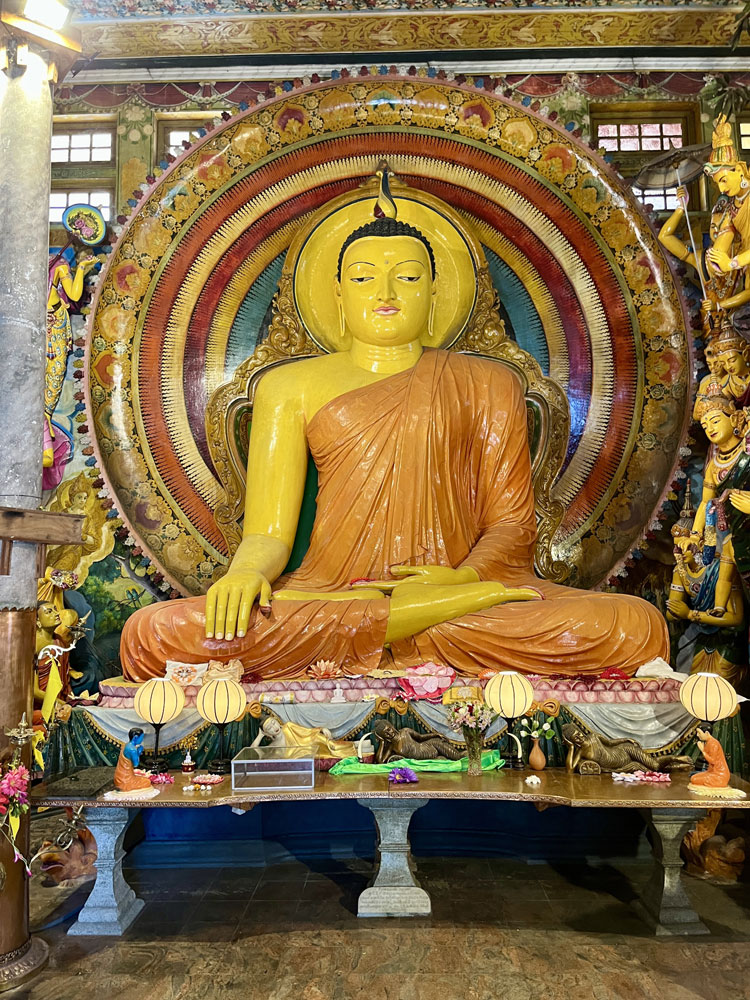
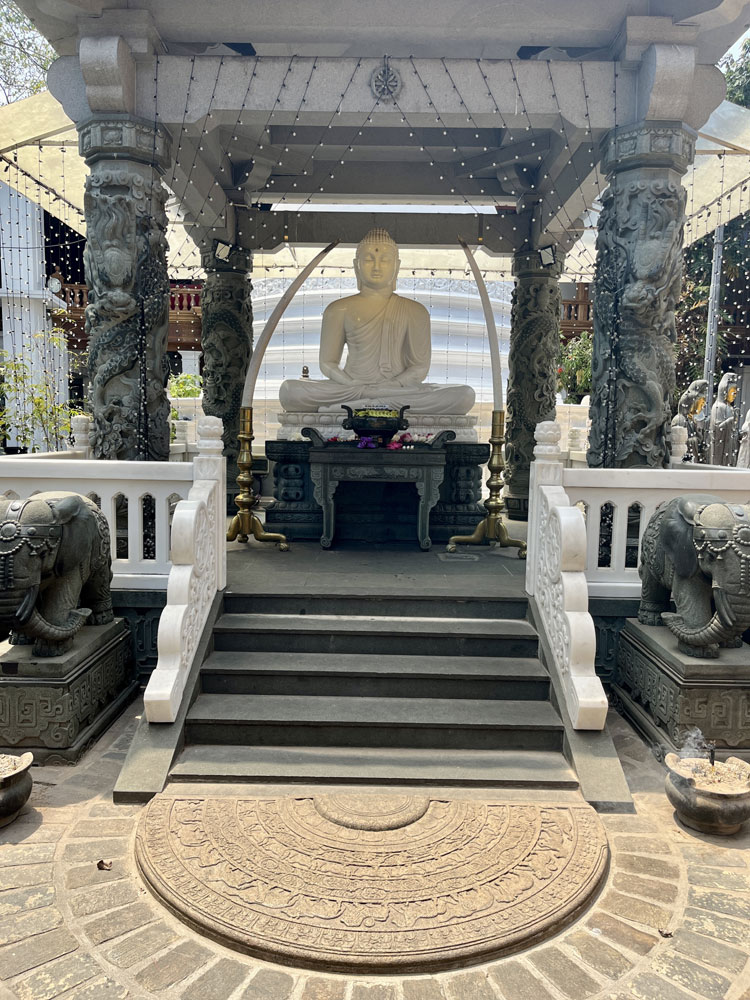
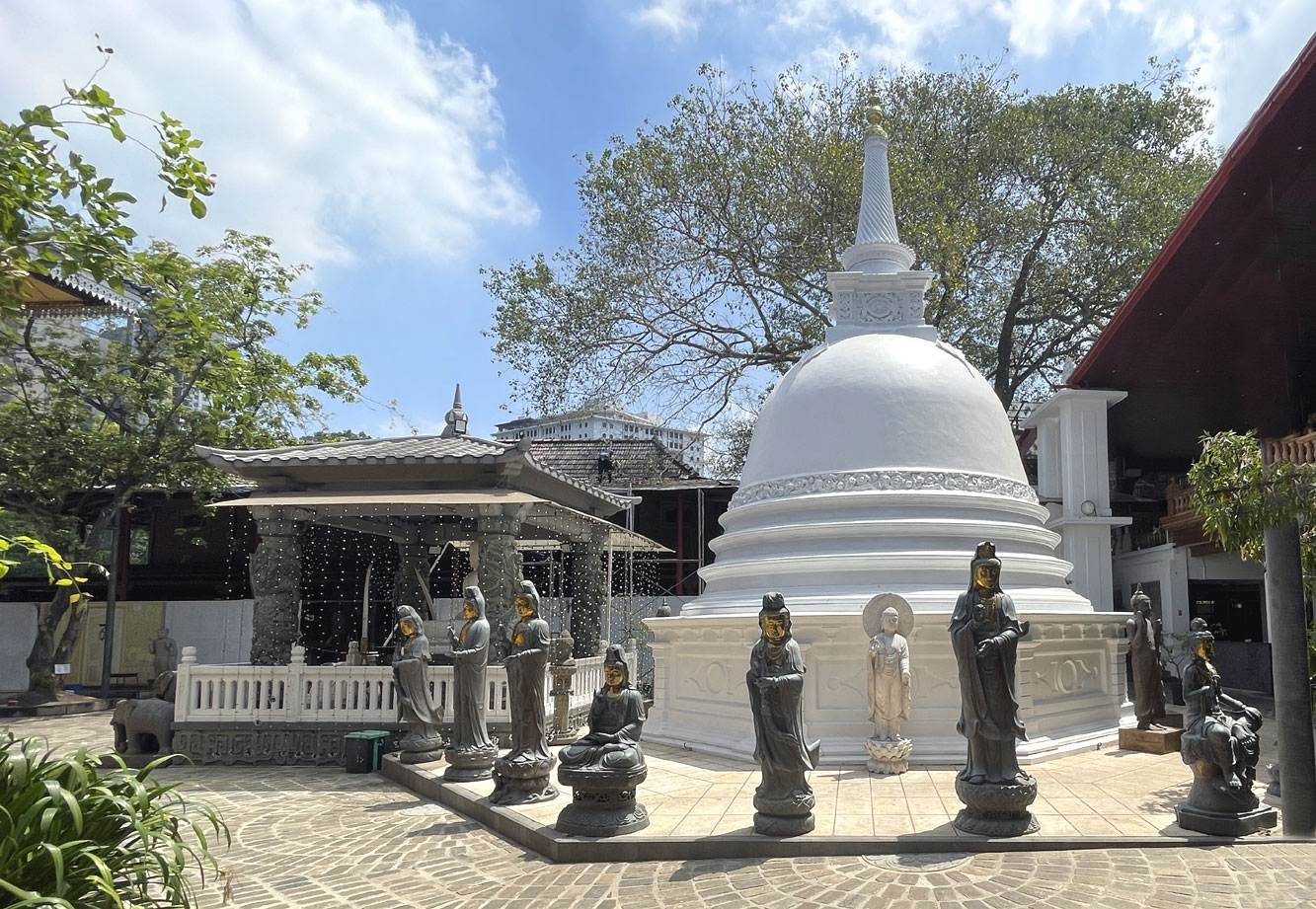
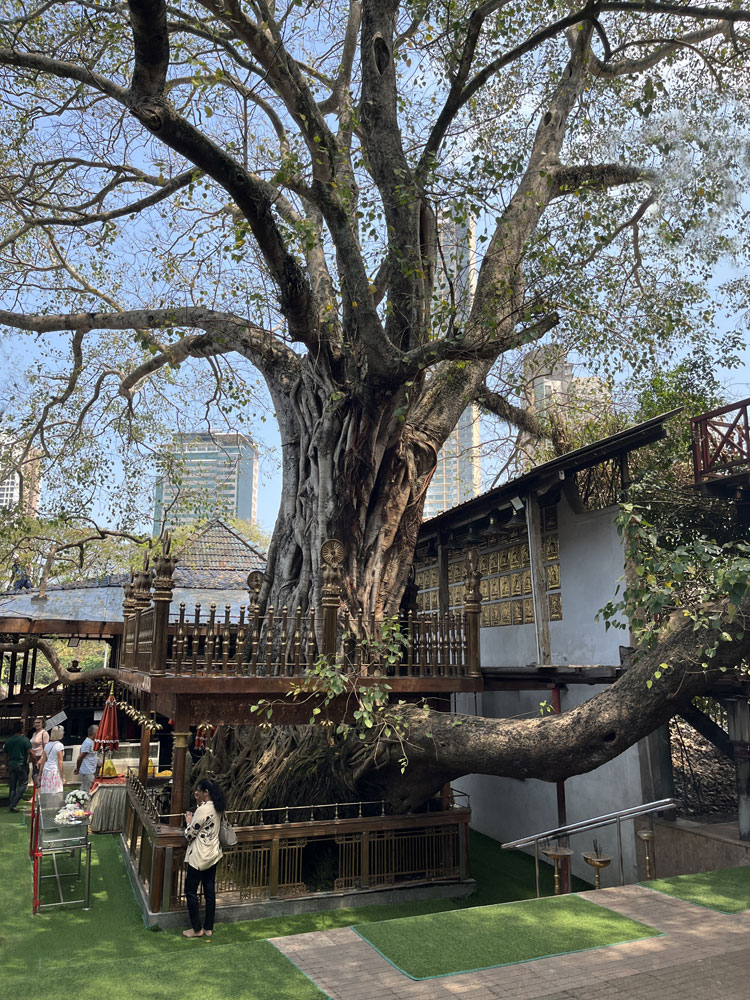
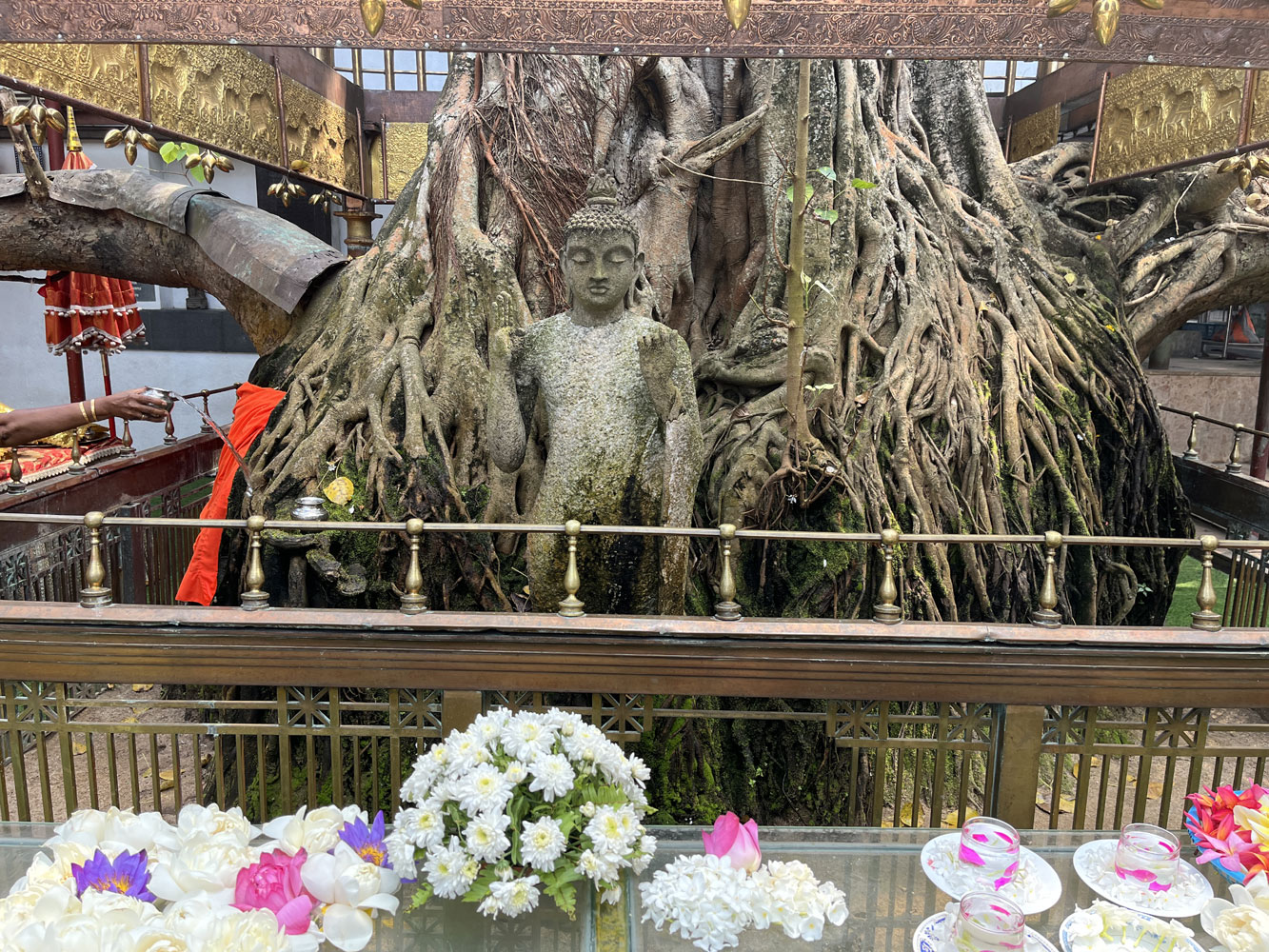
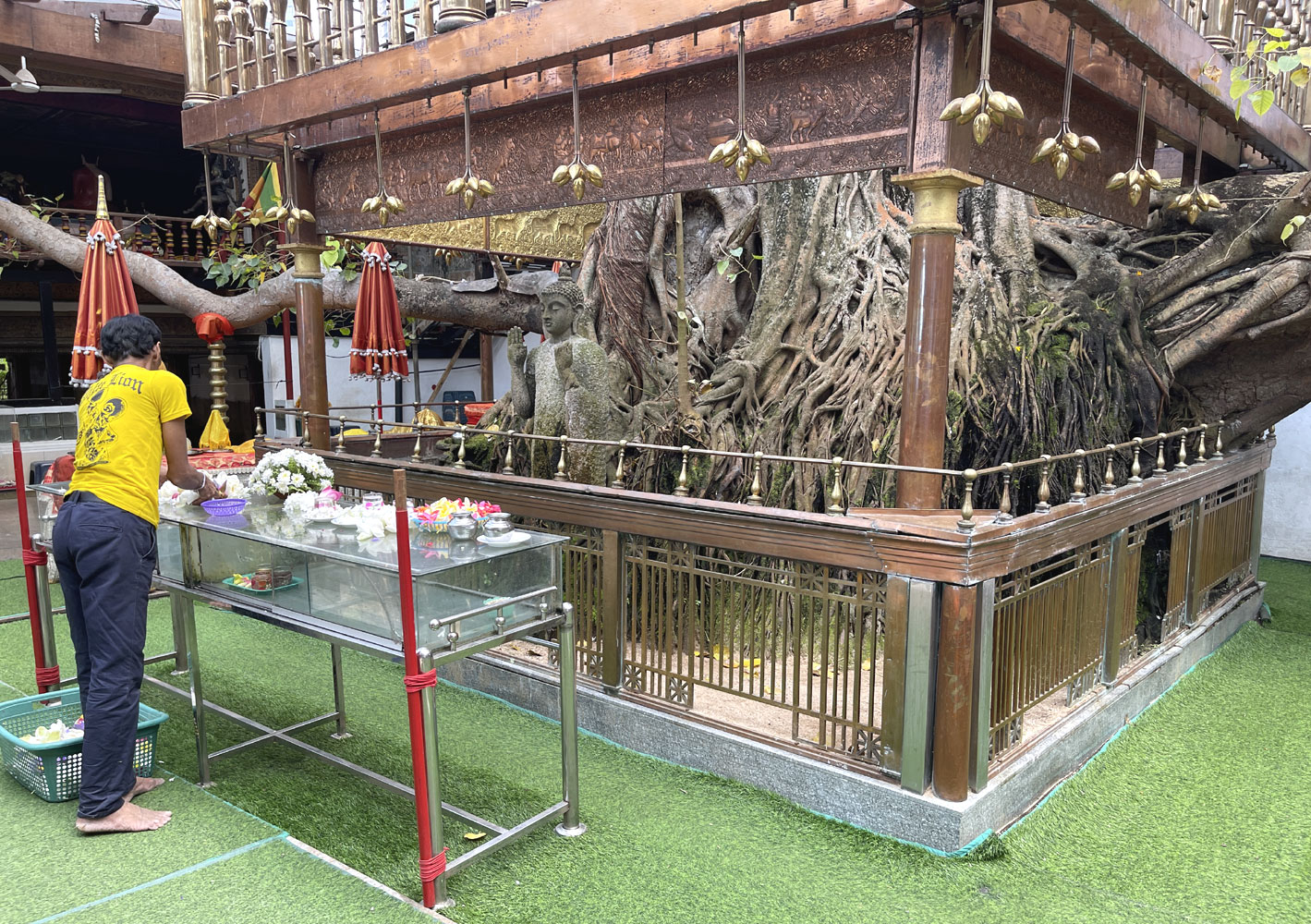
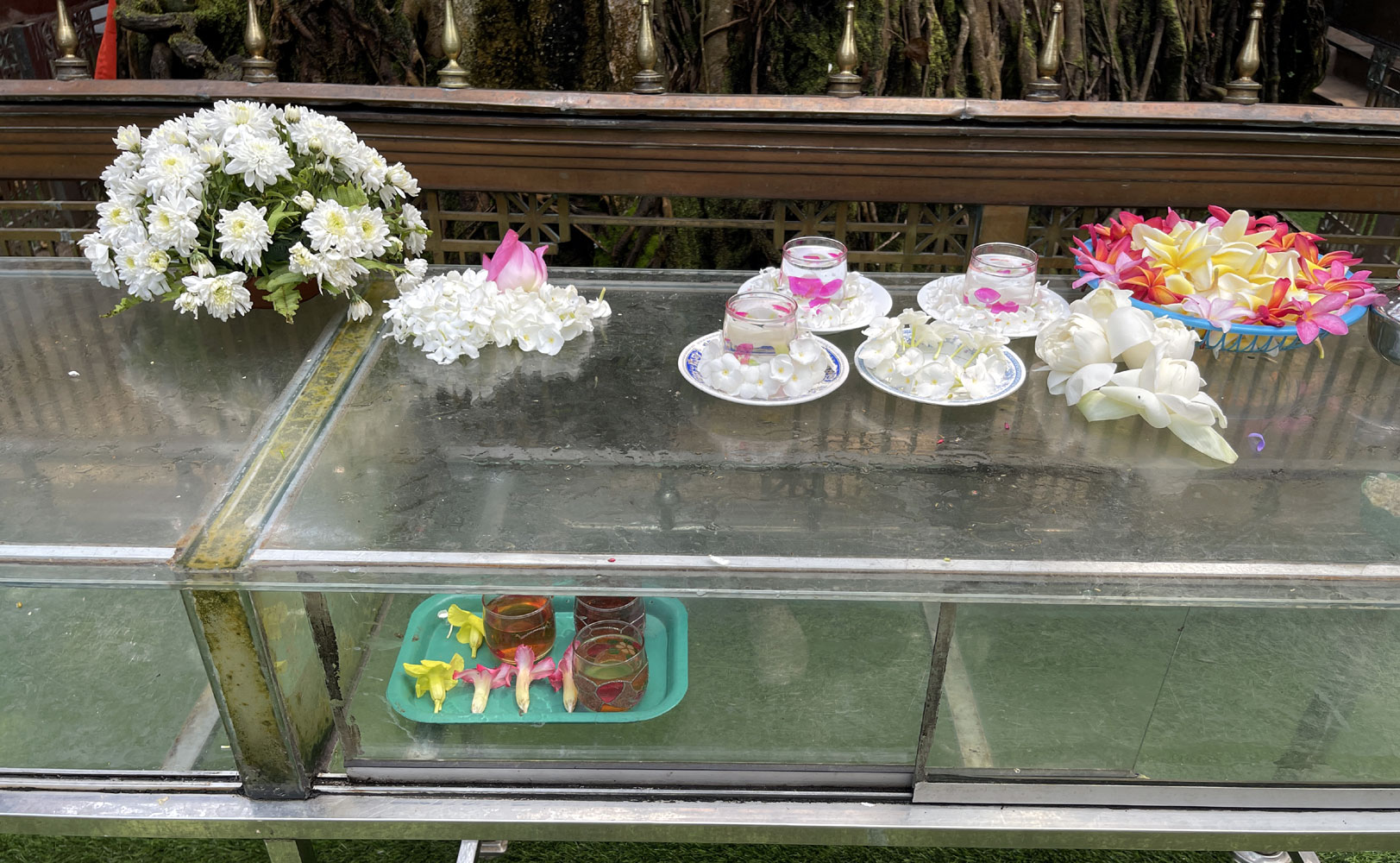
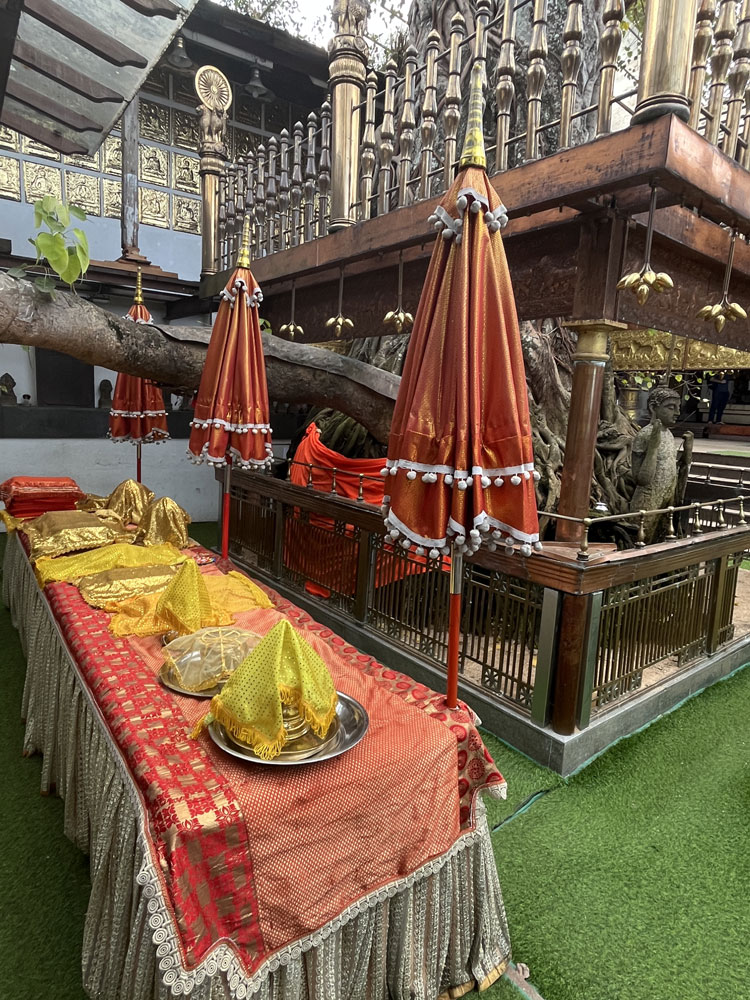
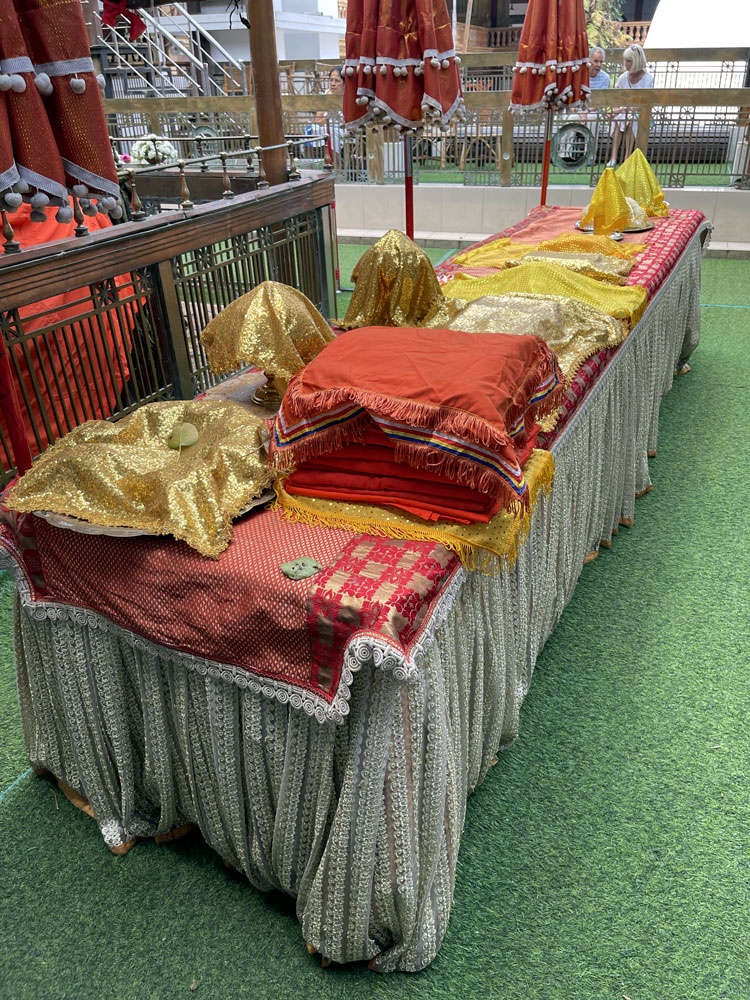
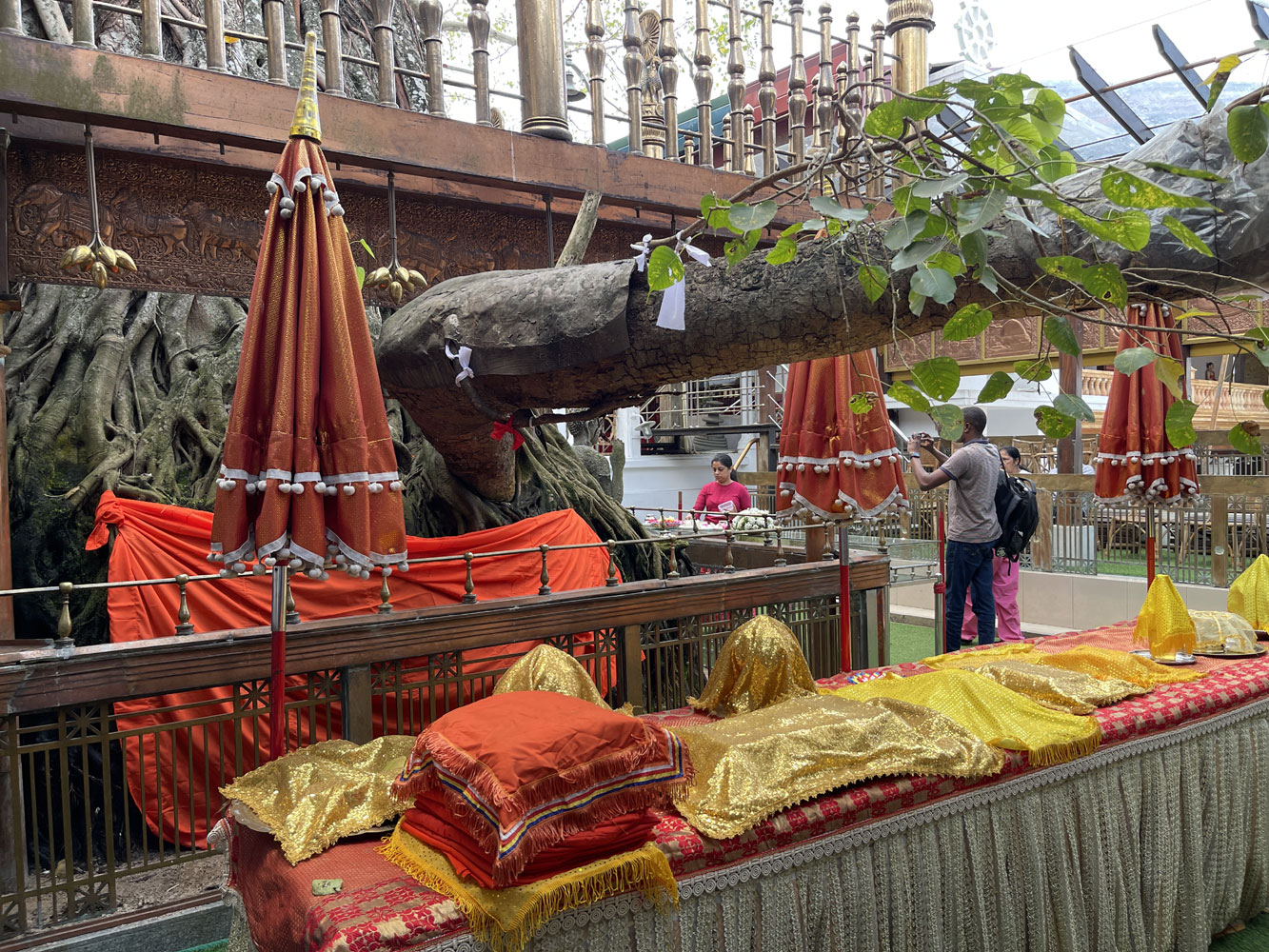
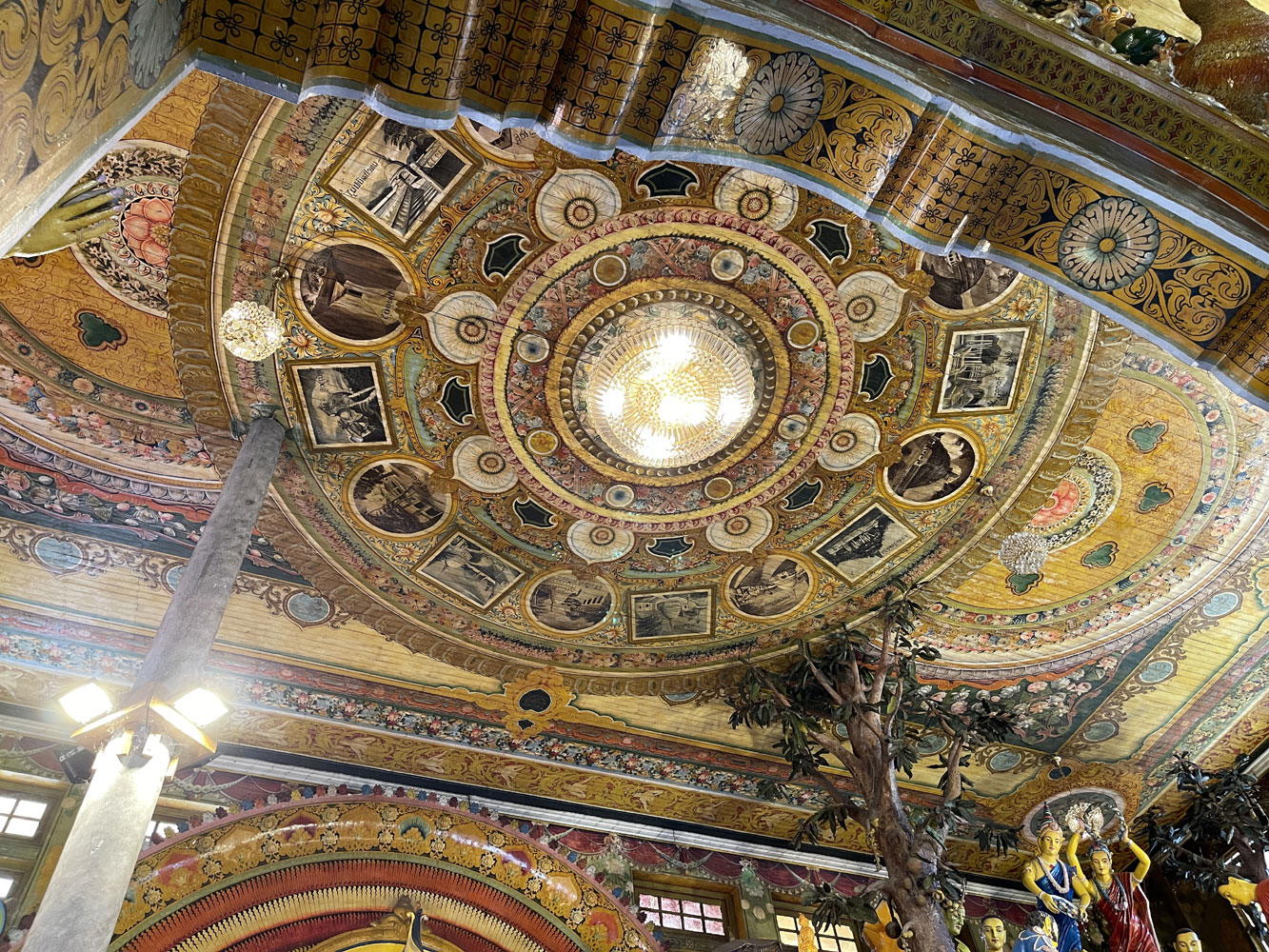
A large bodhi
tree is located at the centre of the temple, in front
of which the devout make offerings. The bodhi tree is important
in Buddhist belief because it is believed that the Buddha
reached enlightenment while meditating under it. |
|
|
| |
|
| |
|
| |
|
| |
|
|
| |
|
| |
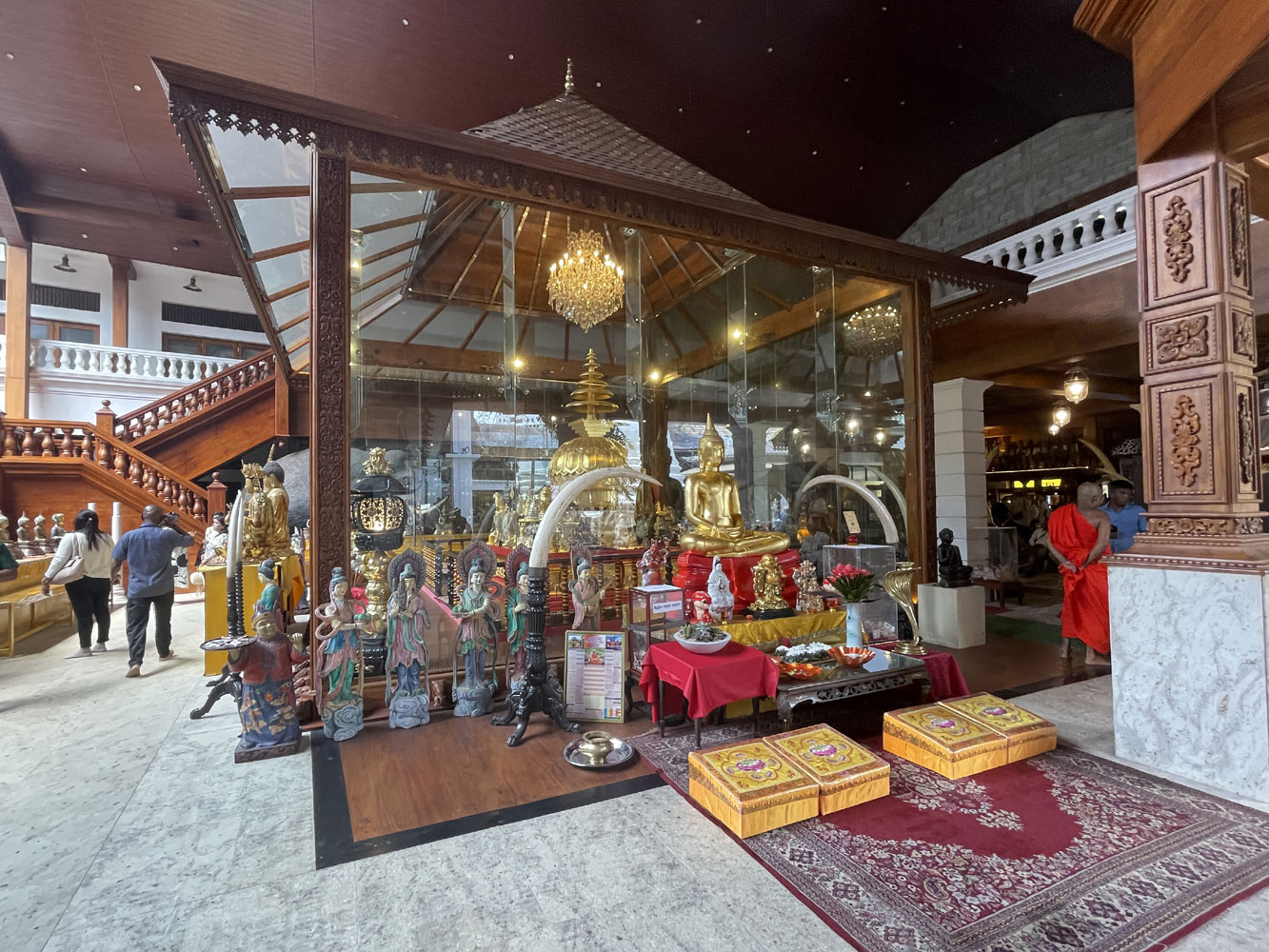
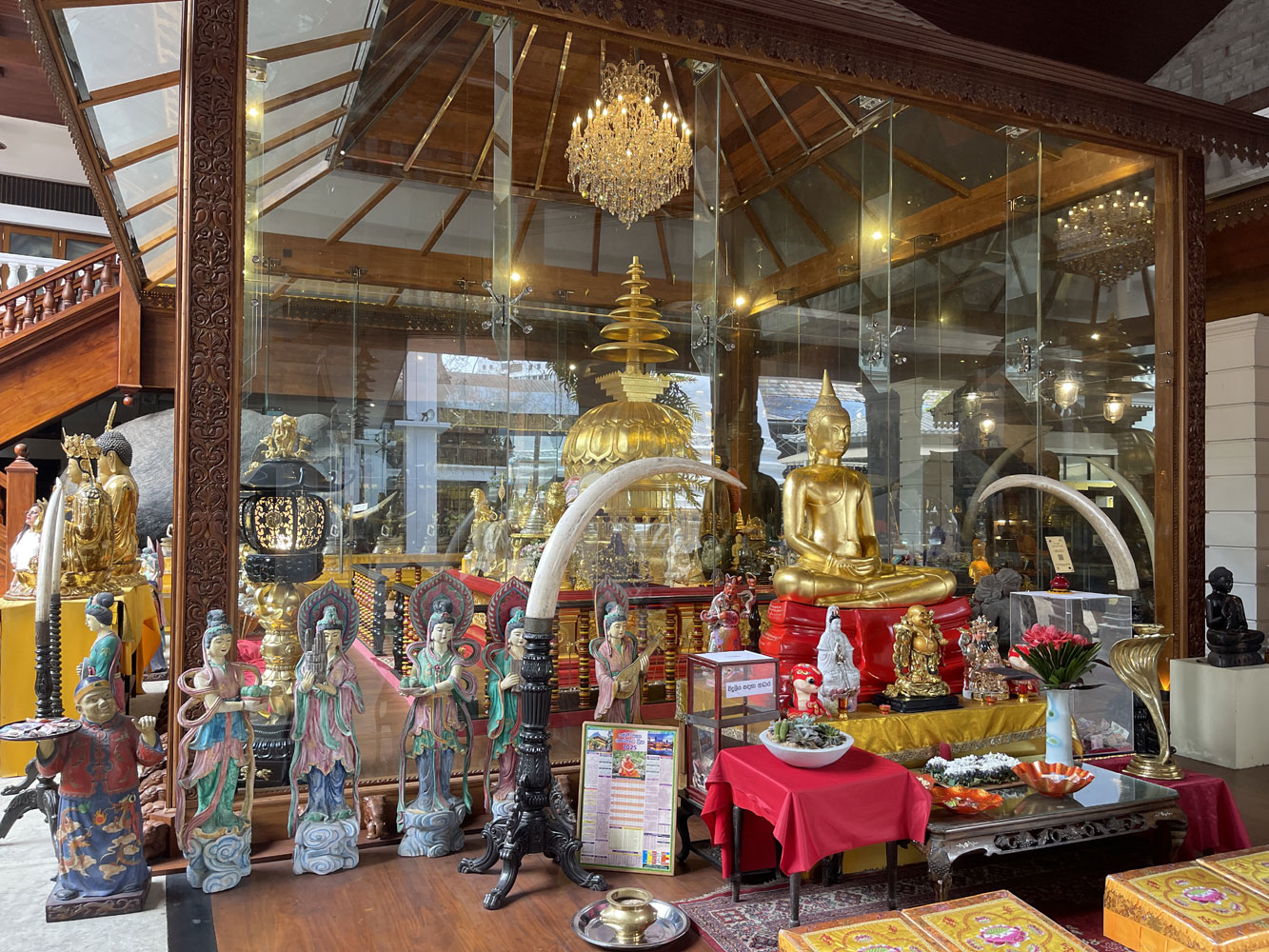
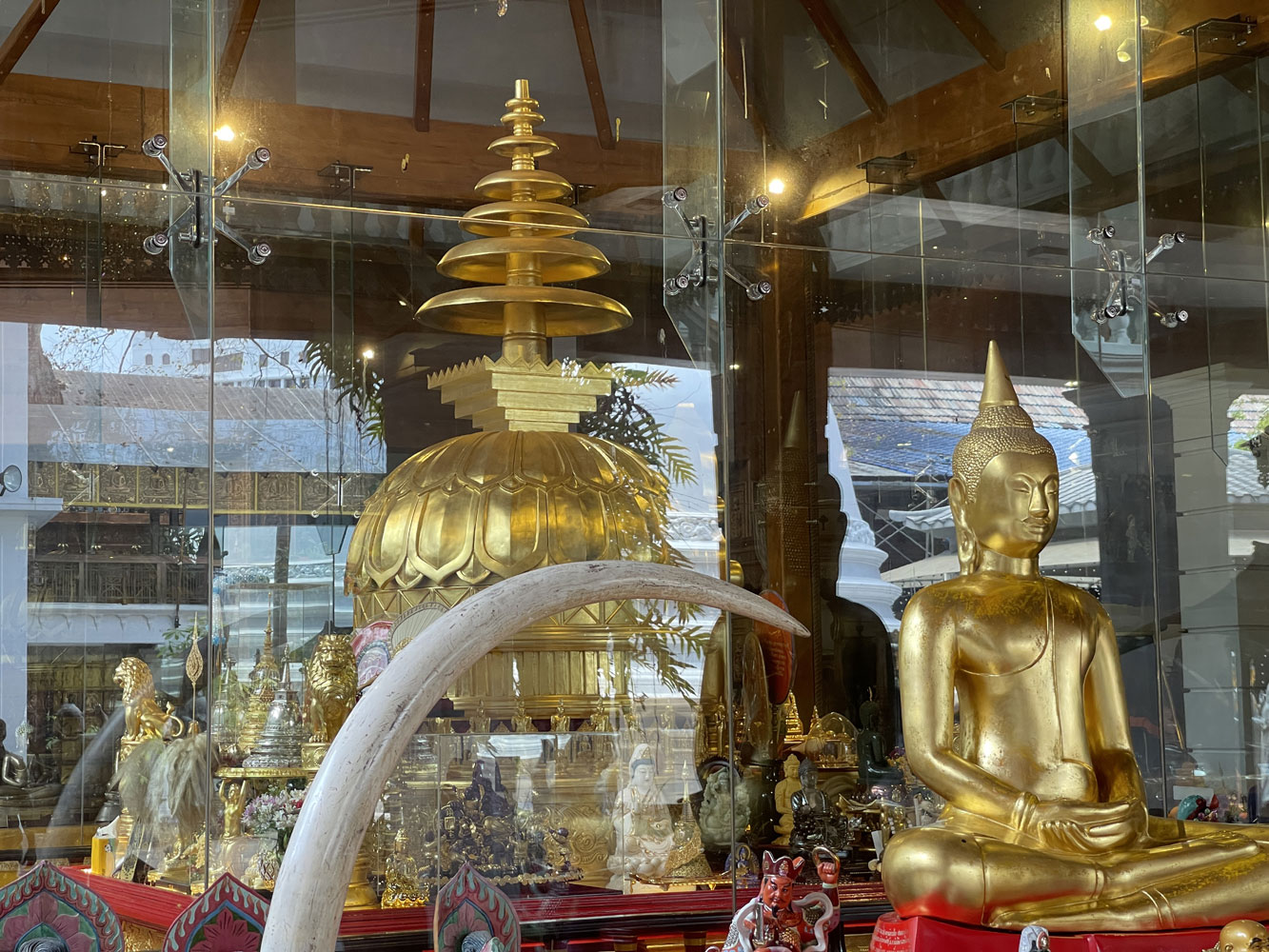
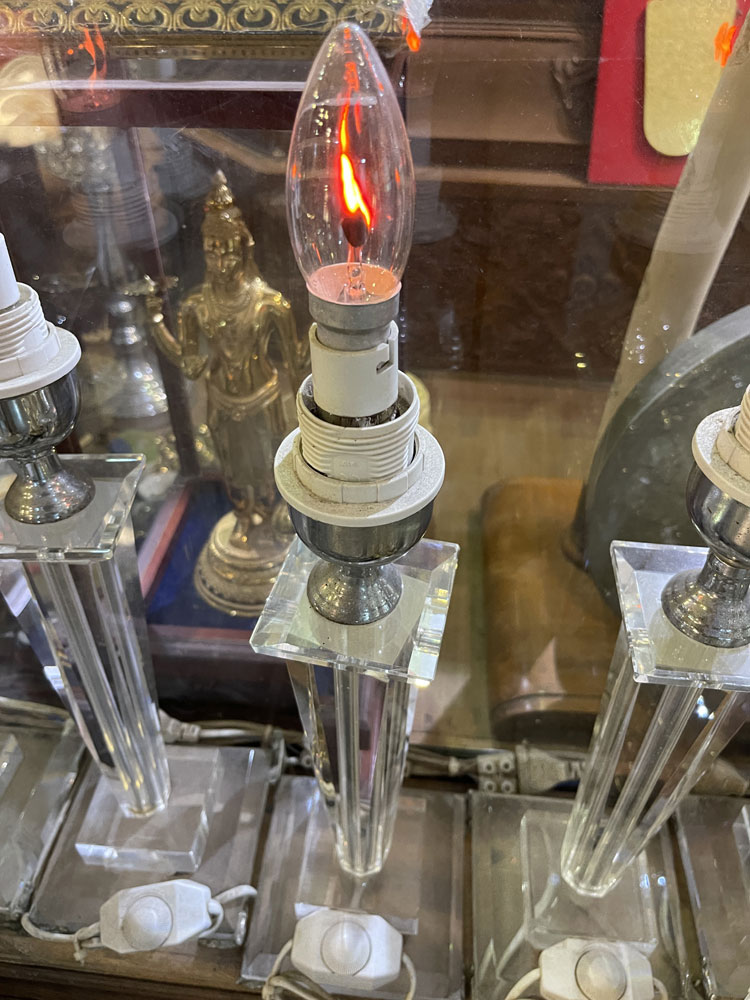
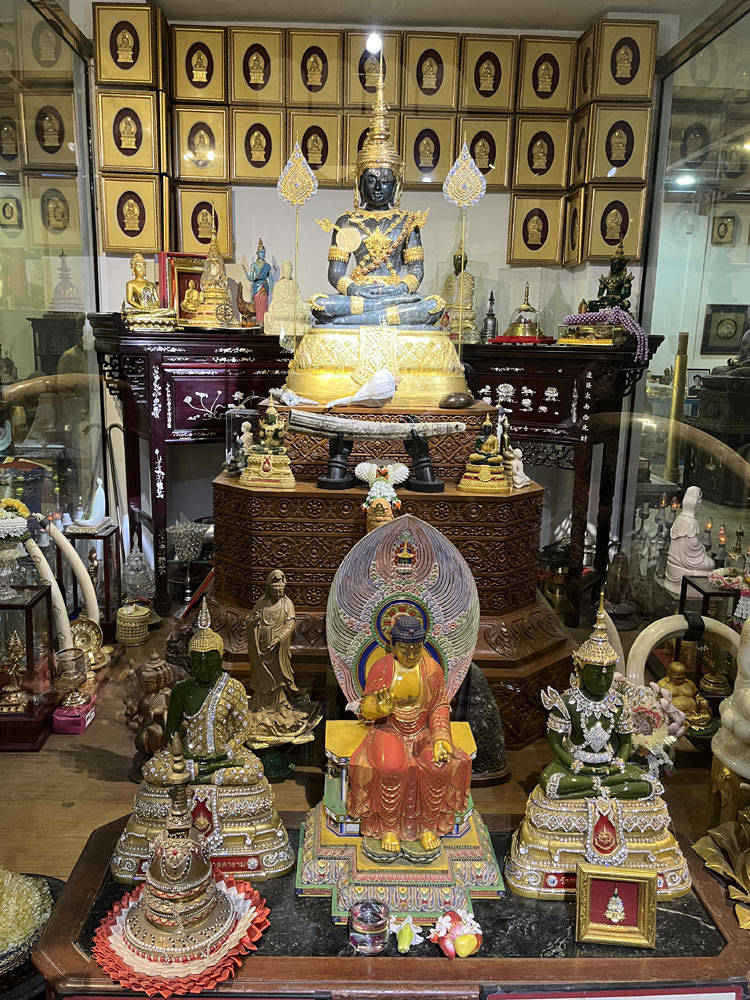
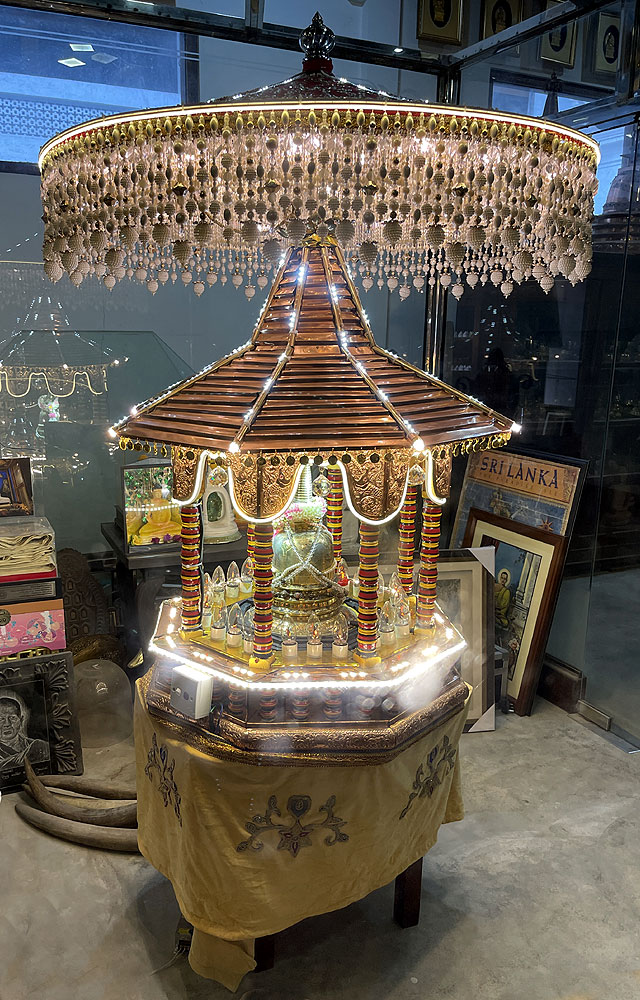
Much of the temple is
dominated by alms that have been paid, from the smallest
items of jewellery to cars! |
|
|
| |
|
| |
|
| |
|
|
| |
|
| |
|
|
| |
|
| |
|
|
| |
|
| |
|
| |
|
|
|
| |
|
|
| |
|
| |
|
|
| |
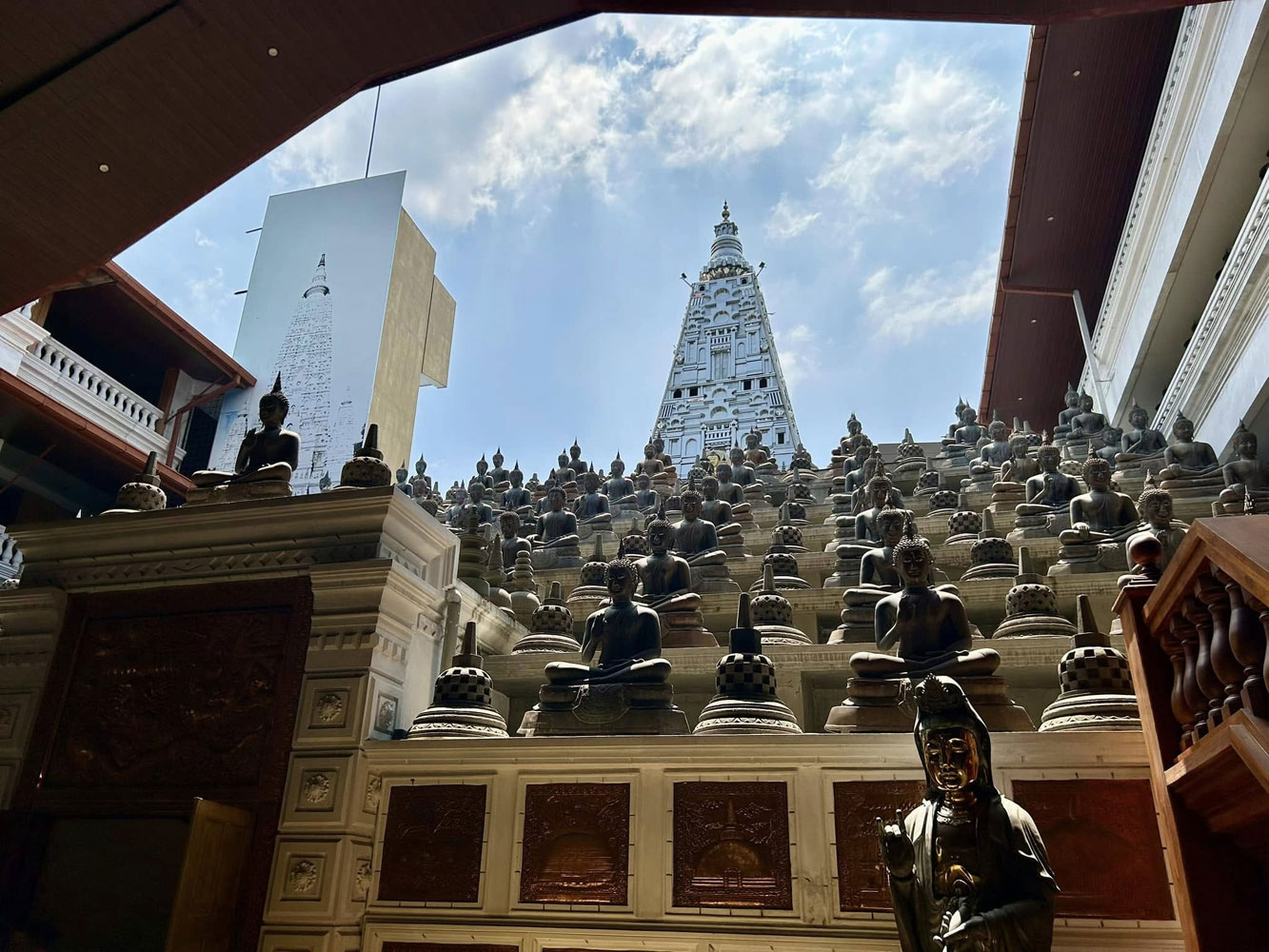
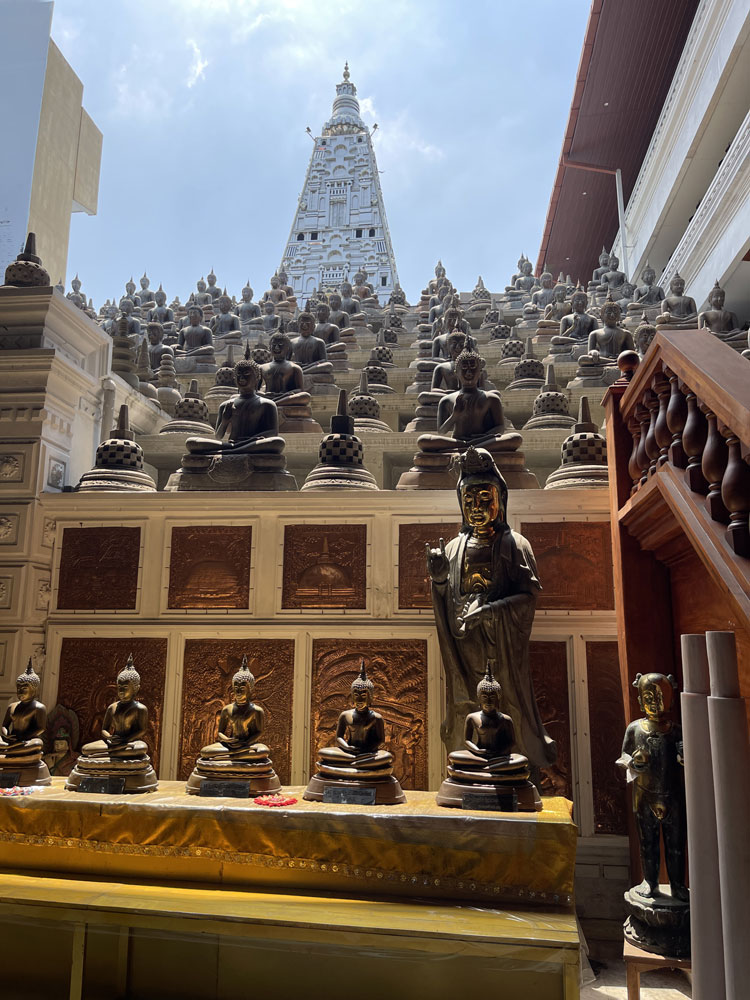
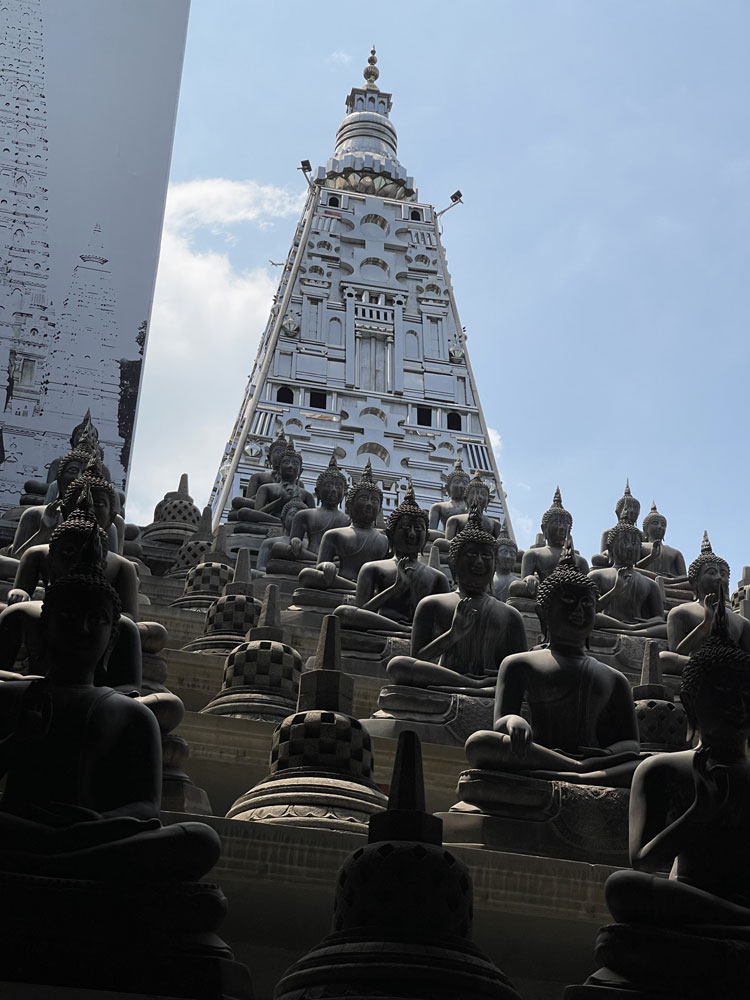
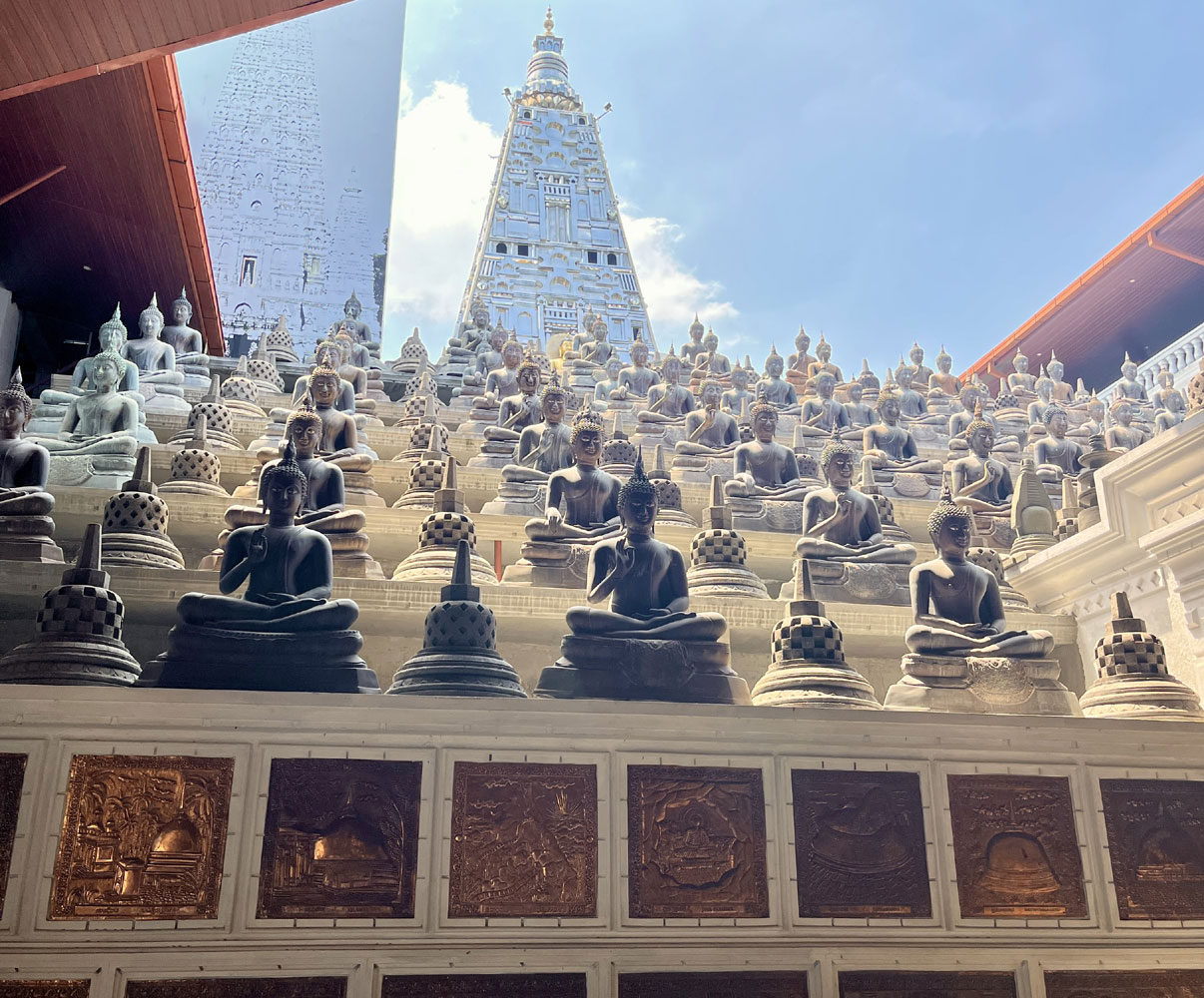
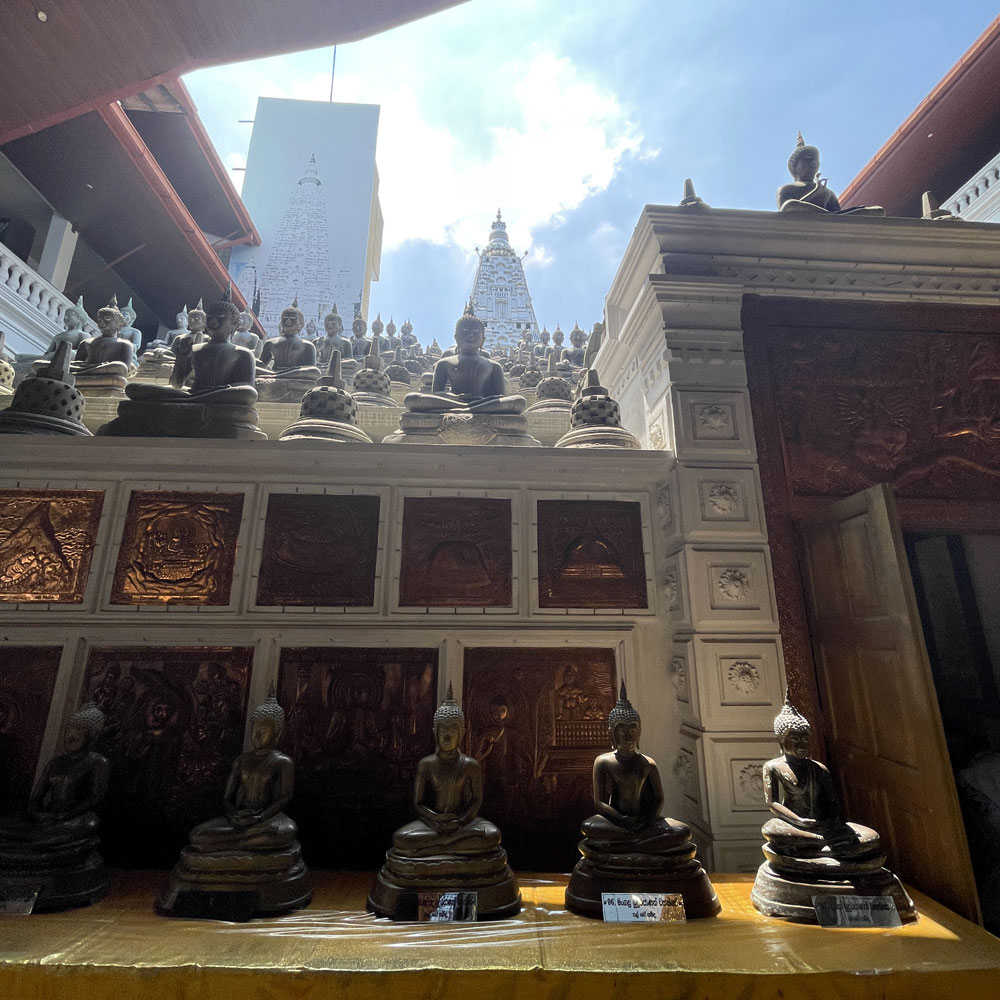
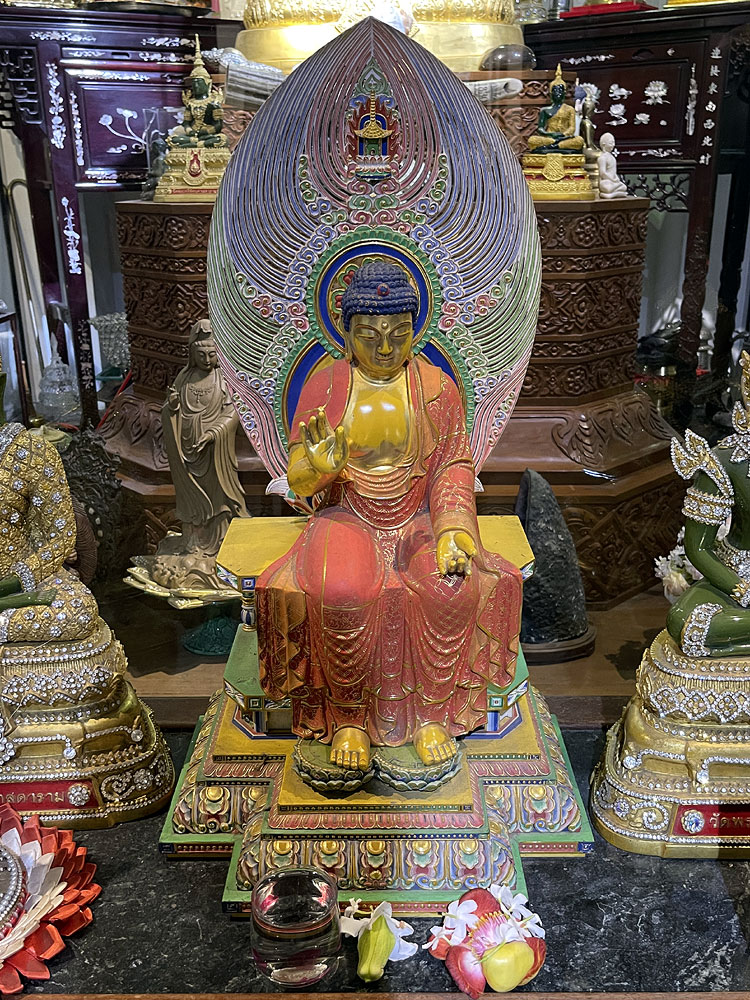
After what felt like
an assault on the senses, it was time to leave the temple
complex. |
|
|
| |
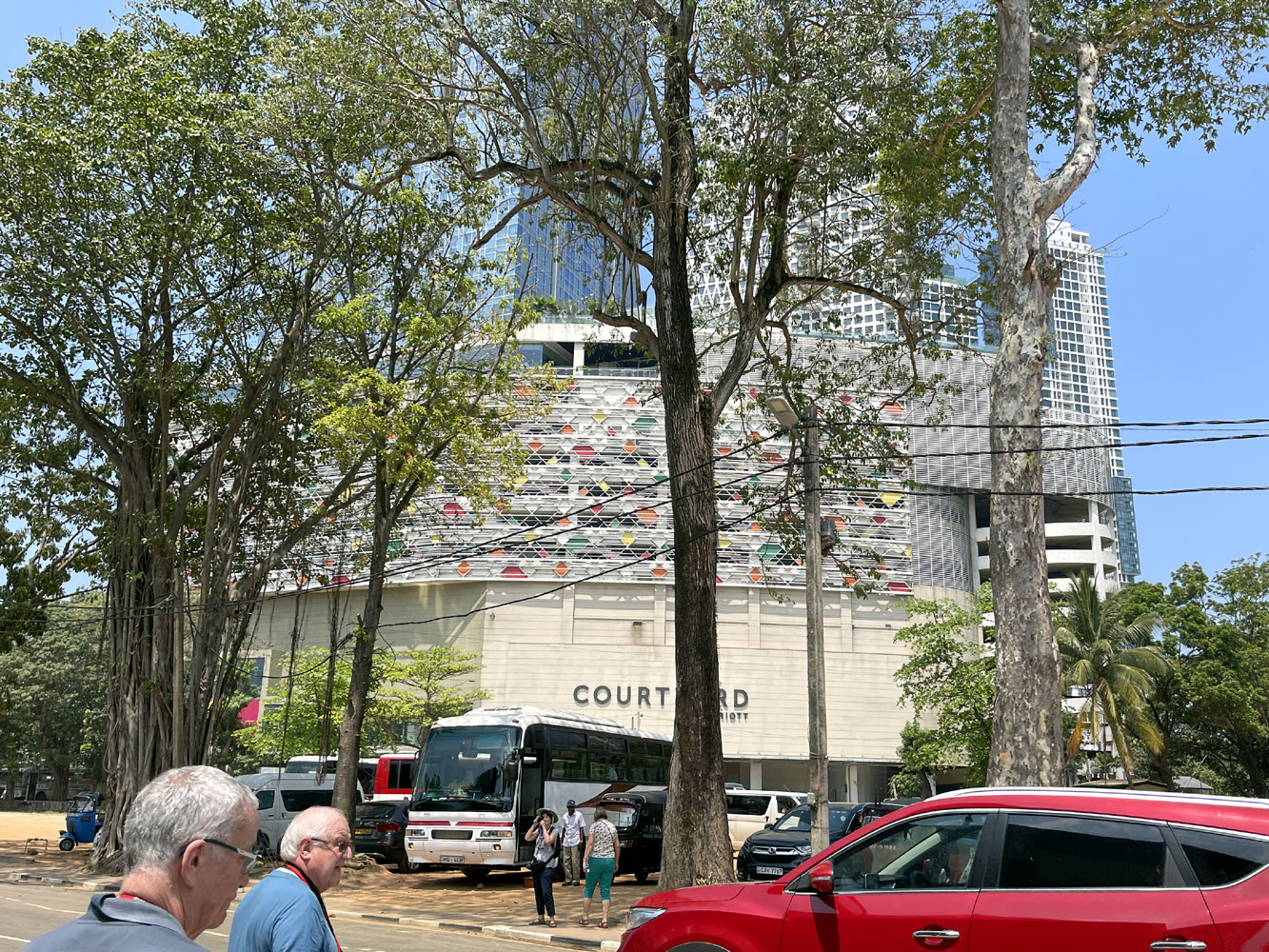
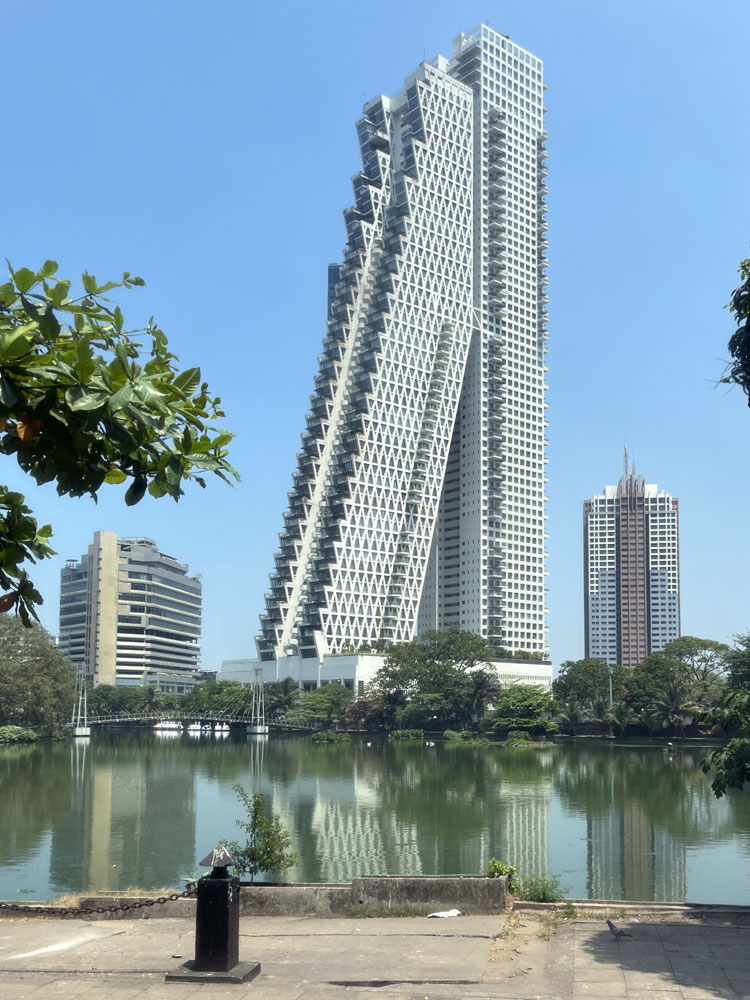
Altair
(as seen from the exit of the temple and looking across
the Beira Lake) is a modern residential and commercial development. |
|
|
| |
|
|
| |
|
| |
|
|
| |
|
|
| |
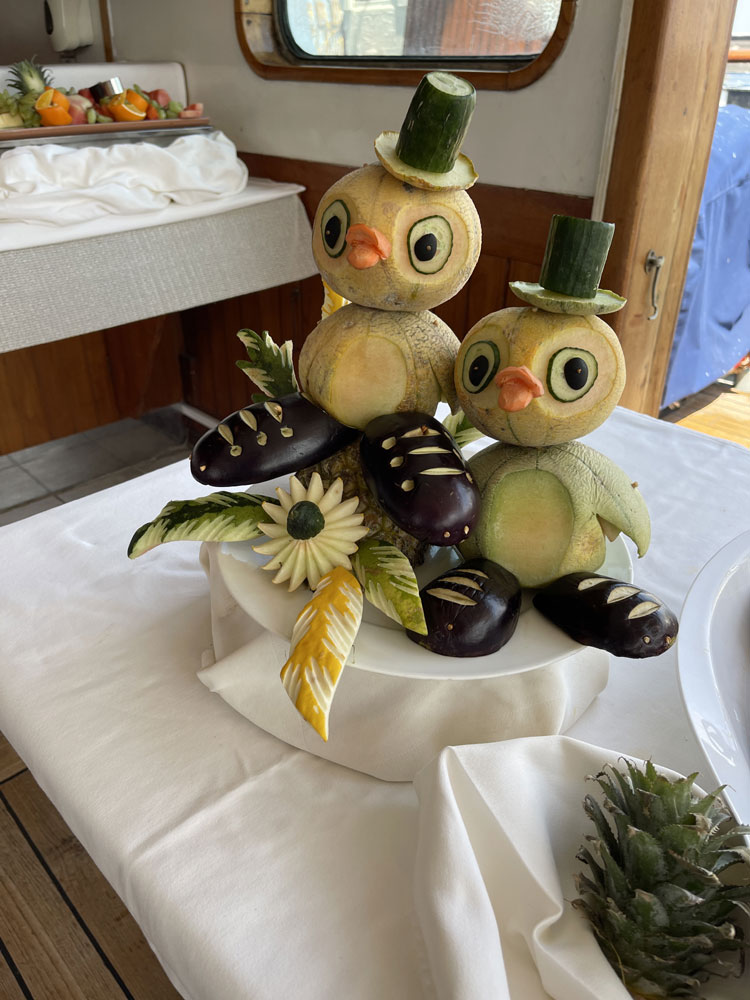
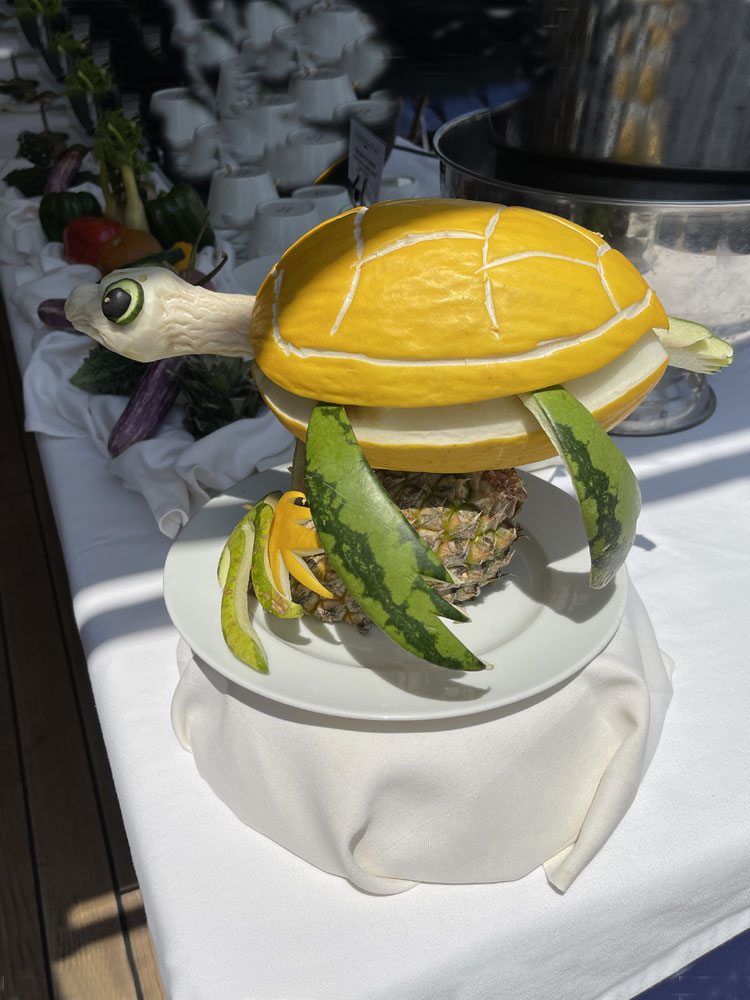
Back on board, it was
time for lunch. We were treated to some fruit and vegetable
artwork from one of the kitchen's hardworking team! |
|
|
|
| |
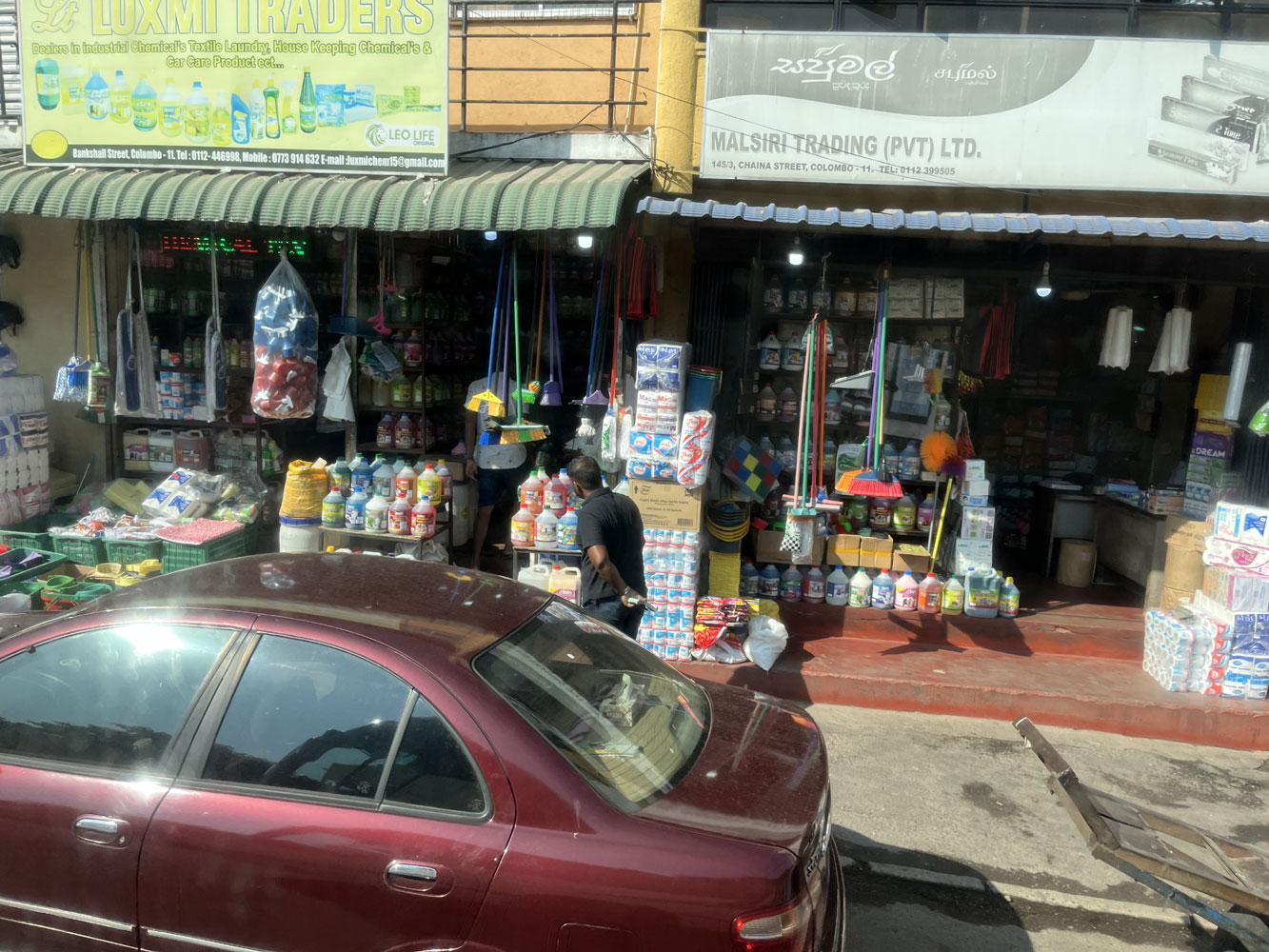
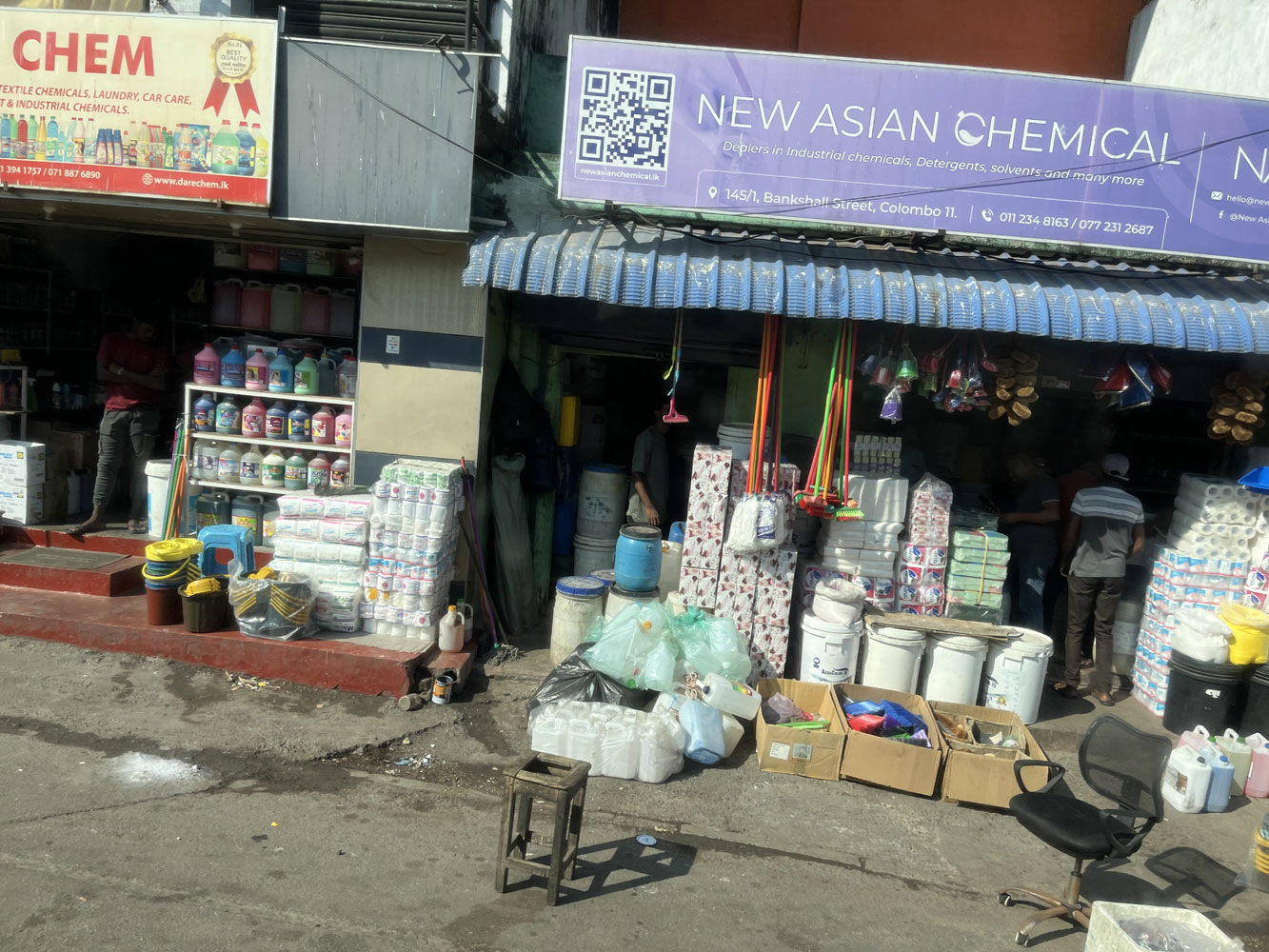
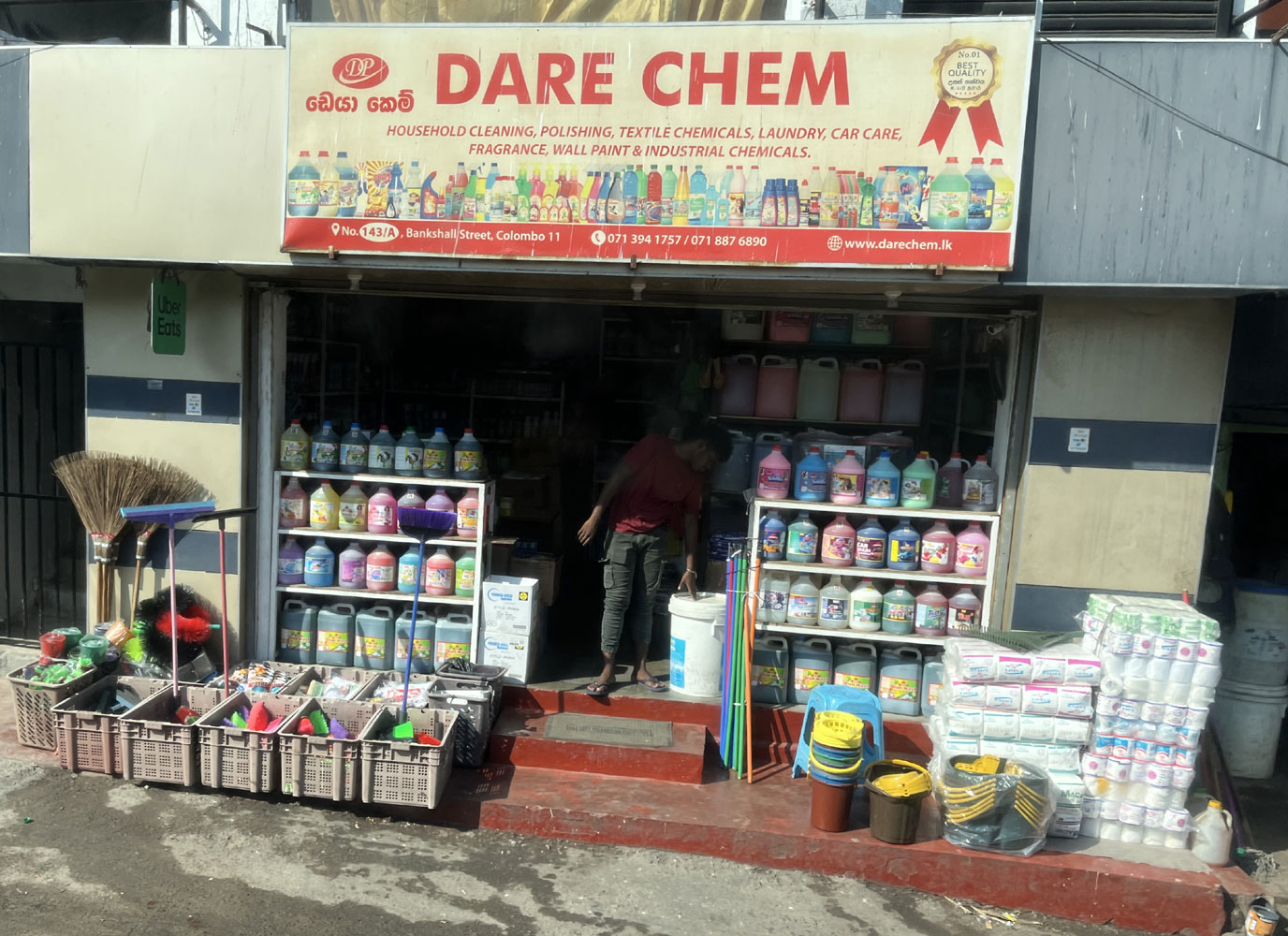
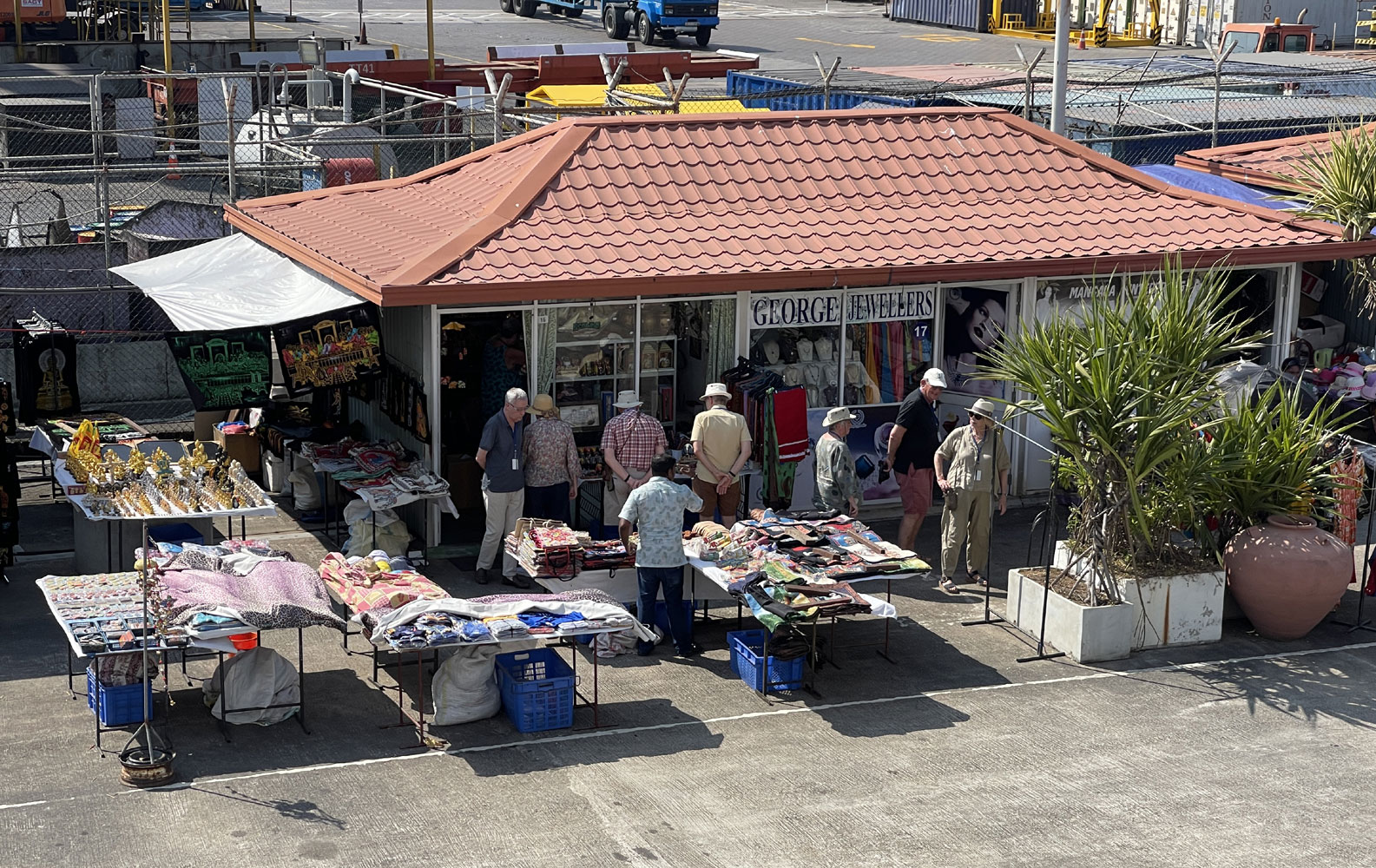
We spent the afternoon
quietly because it was a hot day and the morning had been
busy. Geoff did have a little stroll off the ship to look
at what the local shops had to offer, but didn't buy anything. |
|
|
| |
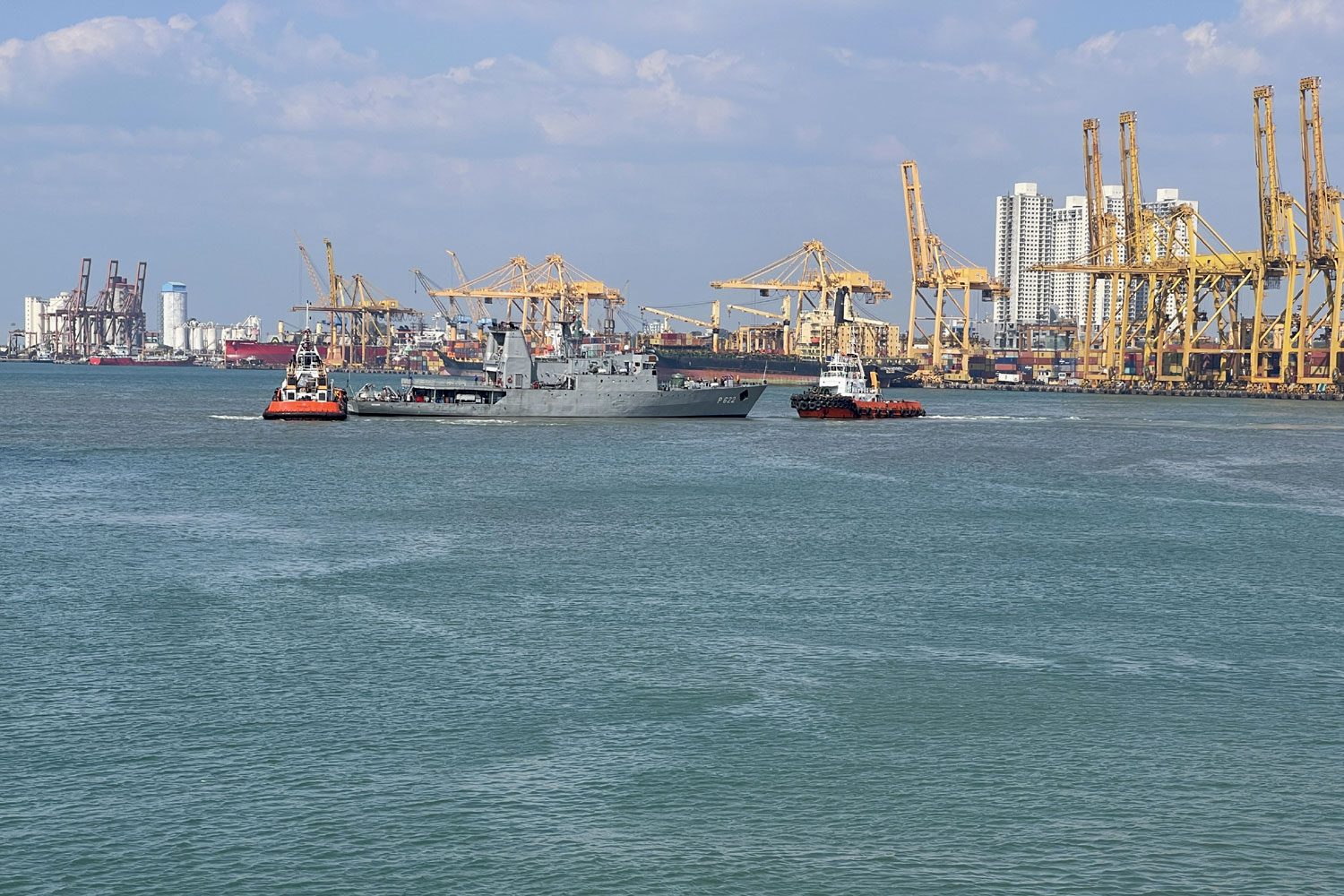
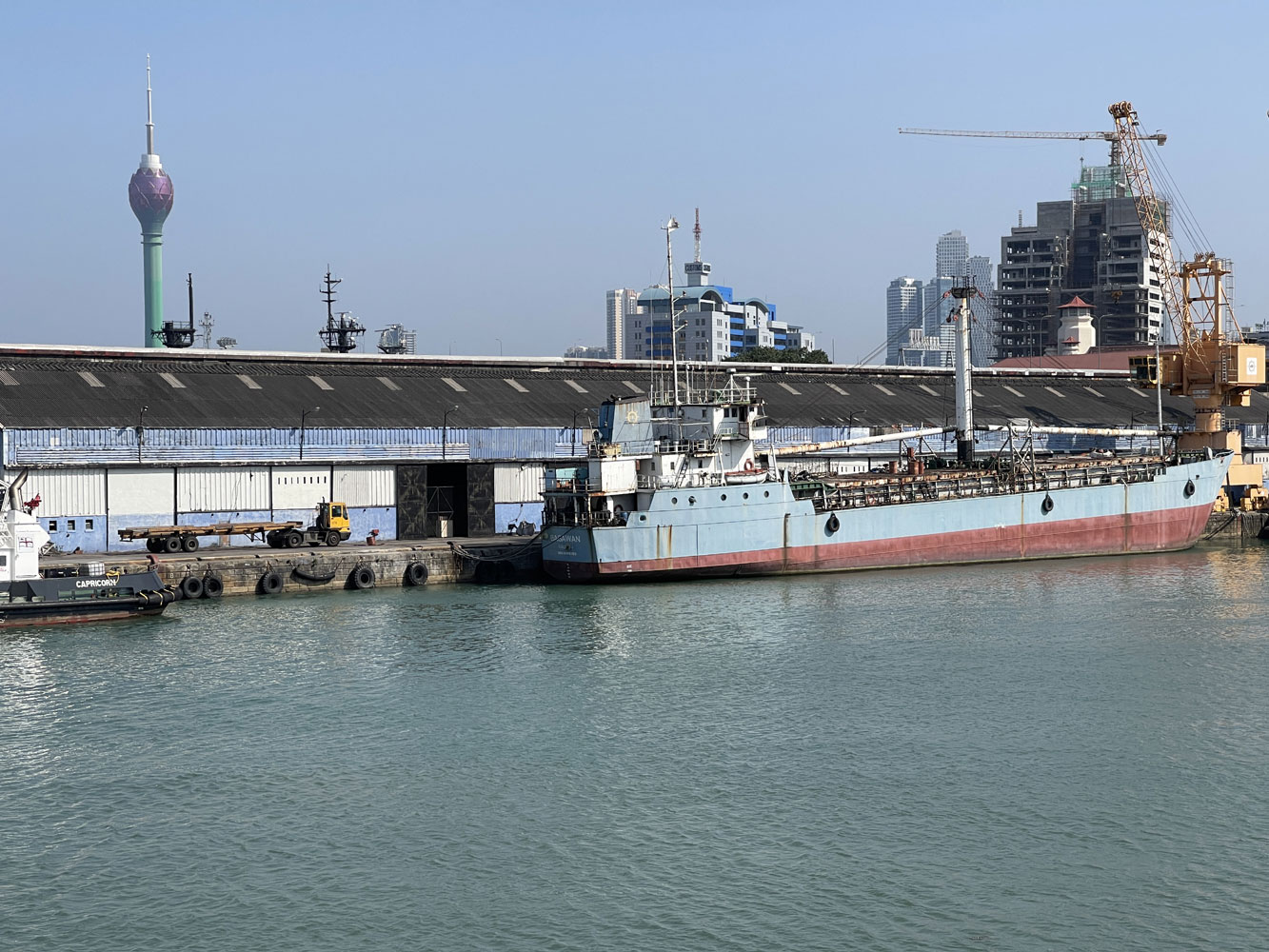
From the ship, we could
only a small part of the Port
of Colombo, which has undergone extensive expansion
in recent years. |
|
|
| |
|
| |
|
| |
By late afternoon, we
became aware that preparations were being made for this
evening's performance, after which we would be sailing.
Photos and videos of the actual performance are on the next
page. |
|
| |

|
|