|
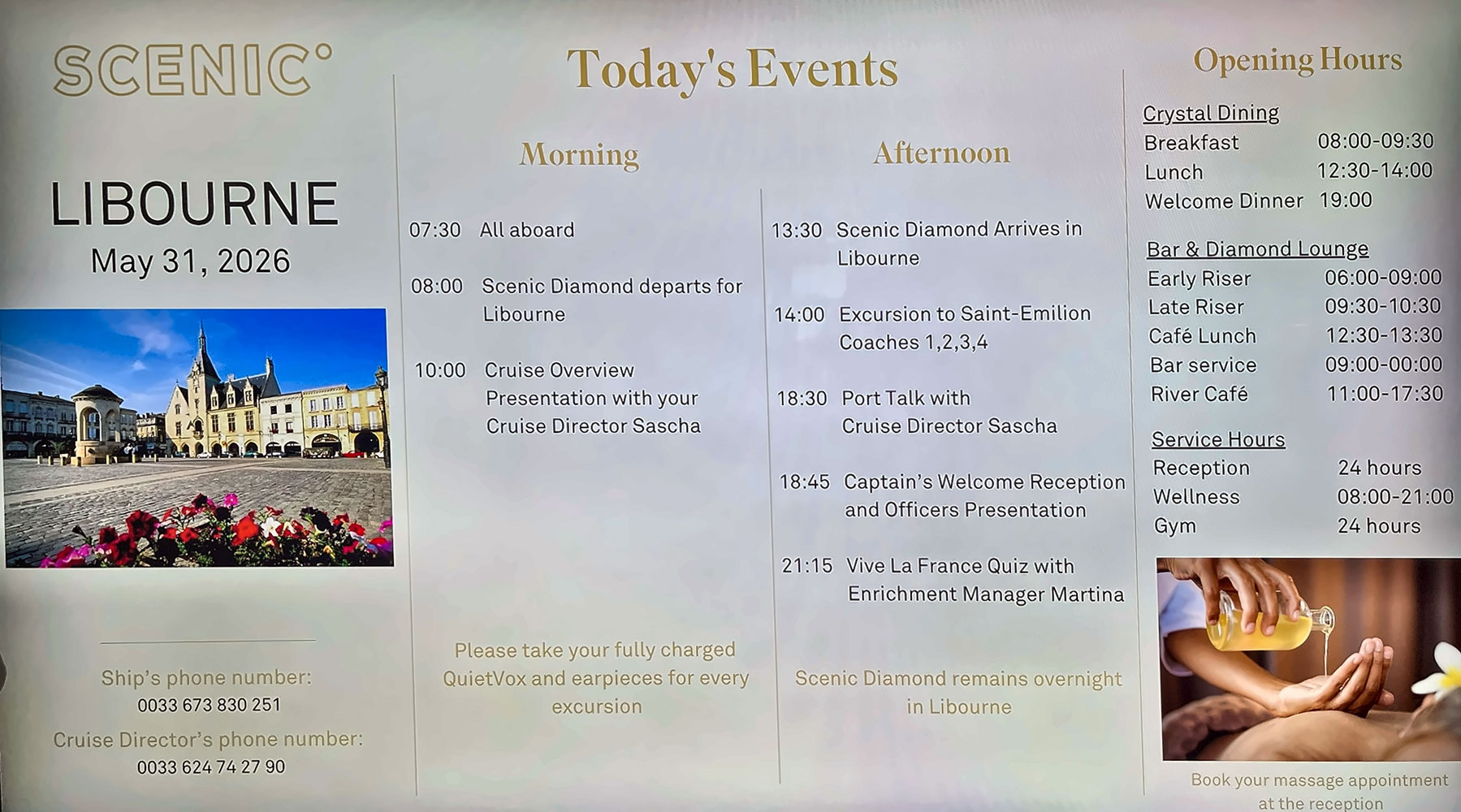
We sail to Libourne
and spend the afternoon in Saint-Émilion
|
|
|
|
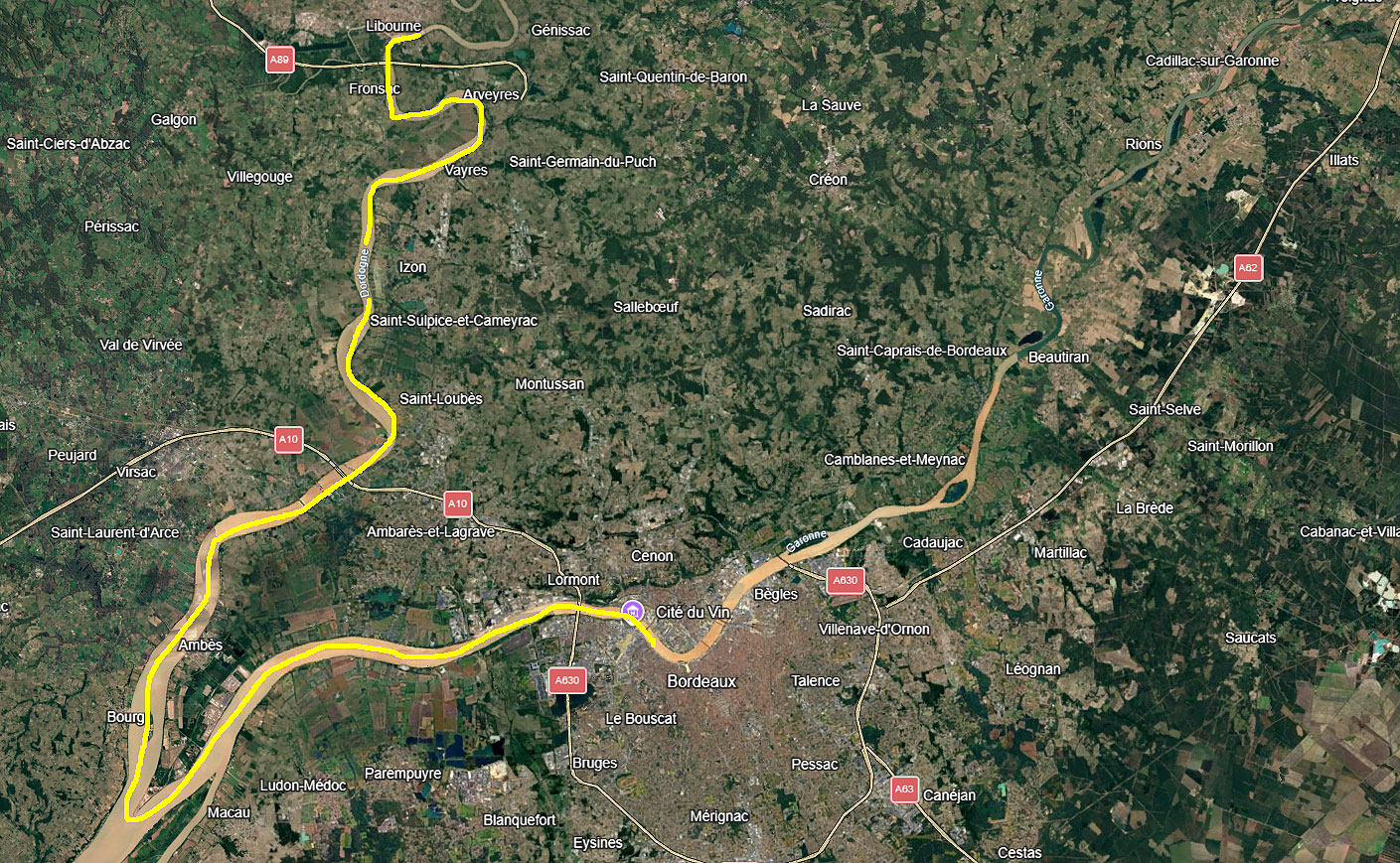
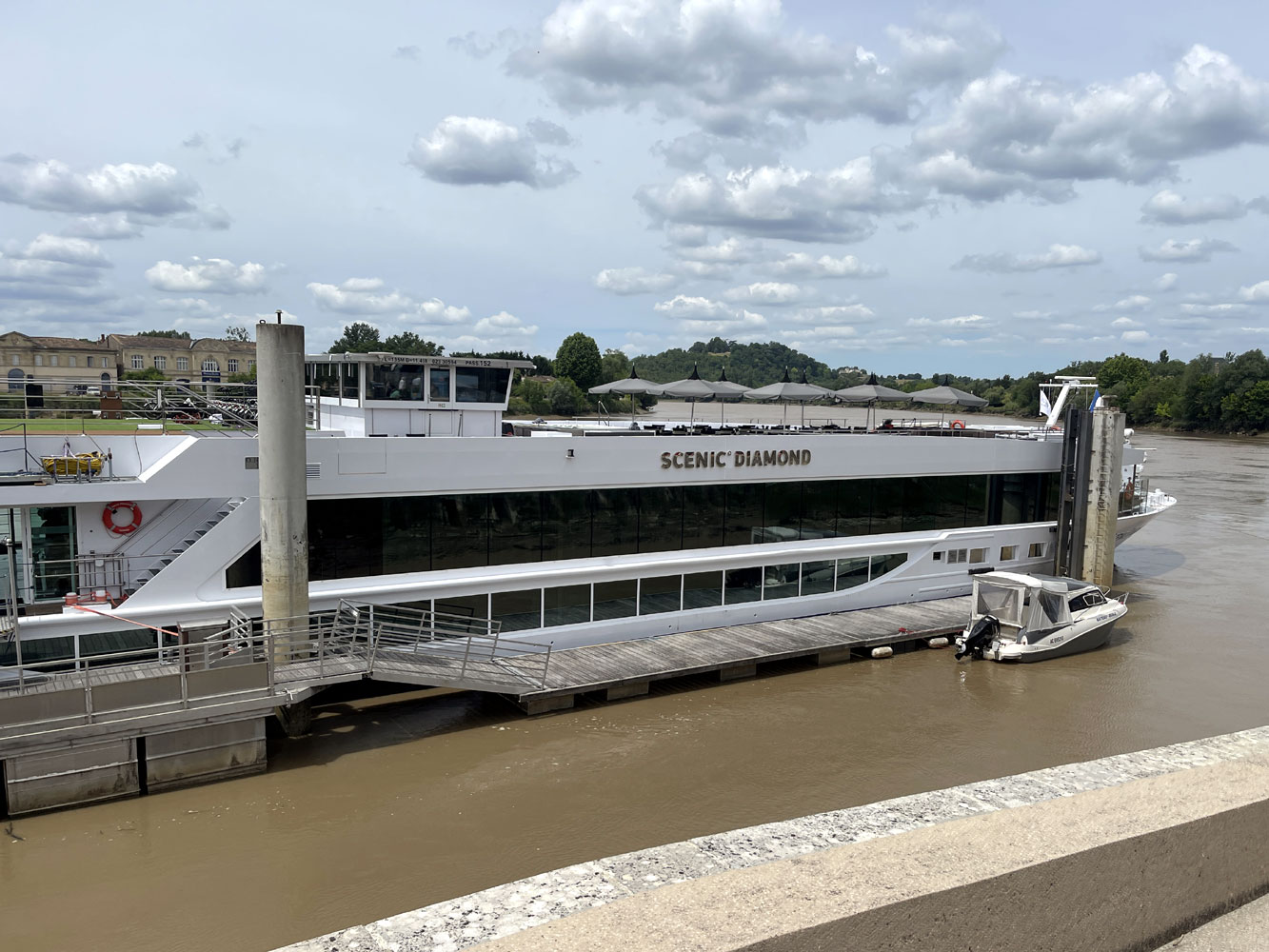
At 8:00am, the Scenic
Diamond departed quietly from Bordeaux, as we were getting
ready to go to breakfast. We would be spending the morning
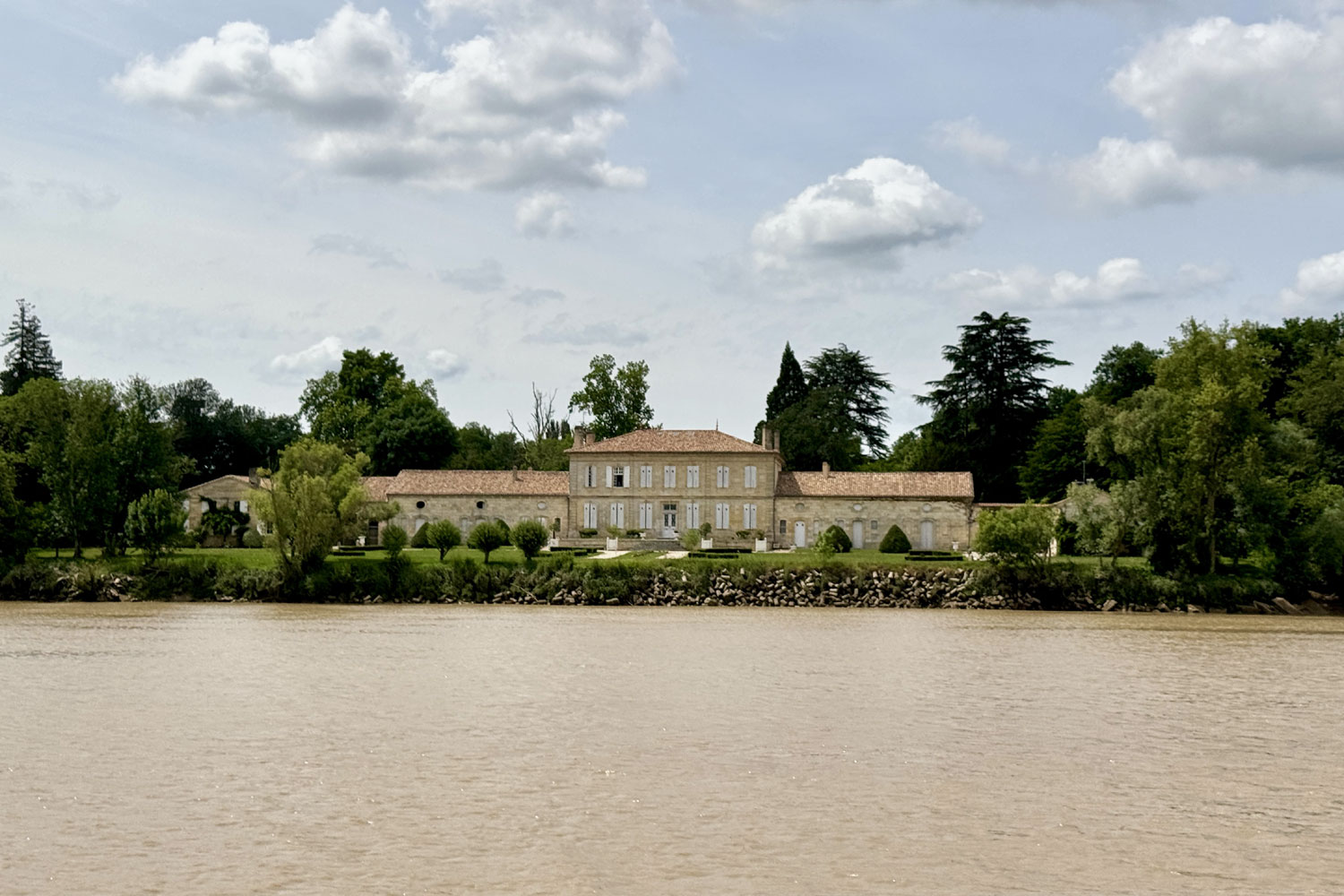
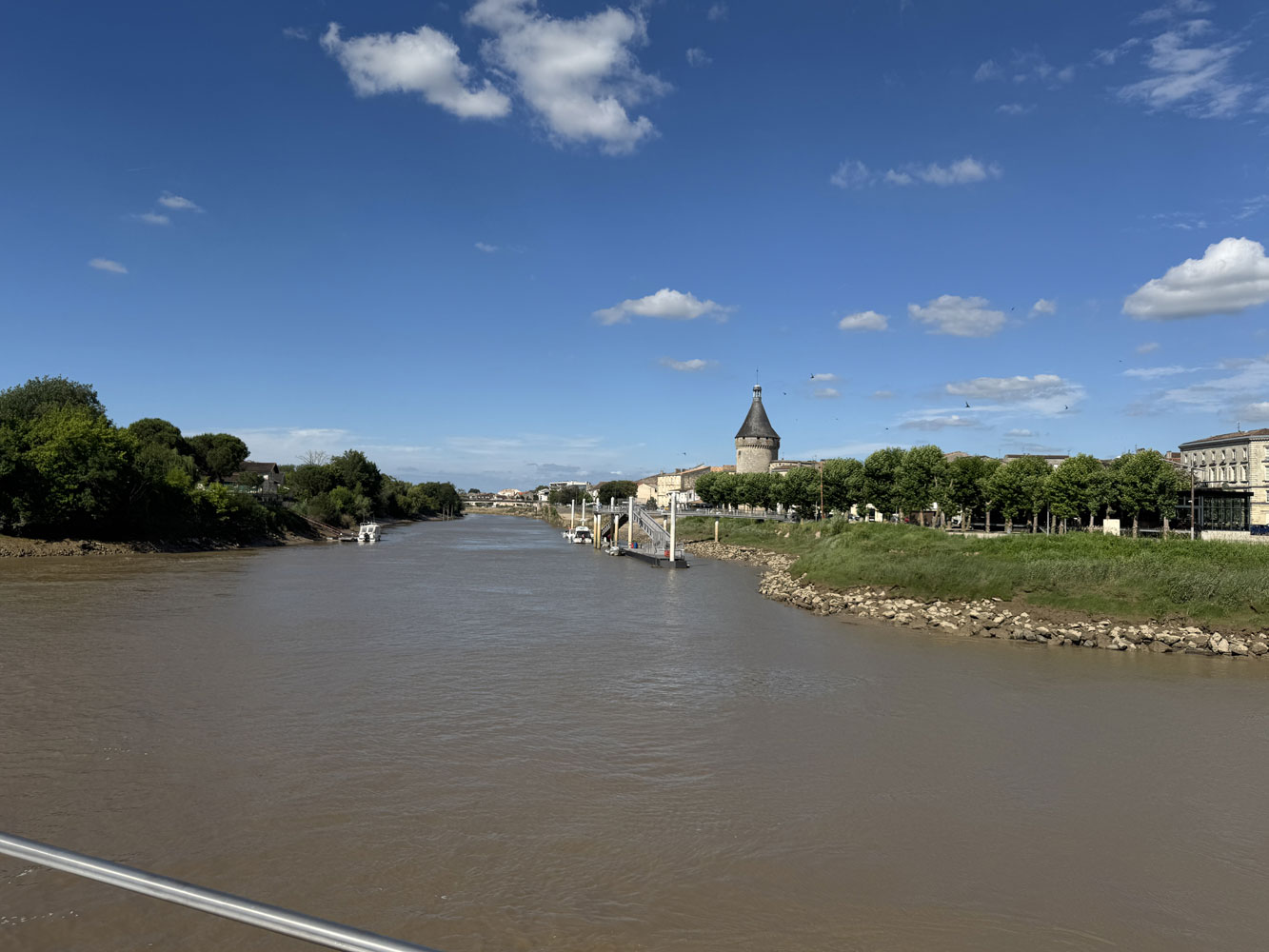
sailing along the Garonne River, before turning right
onto the Dordogne River. Our scheduled arrival time in
Libourne was 1:30pm. Our route is highlighted in yellow...
|
|
|
| |
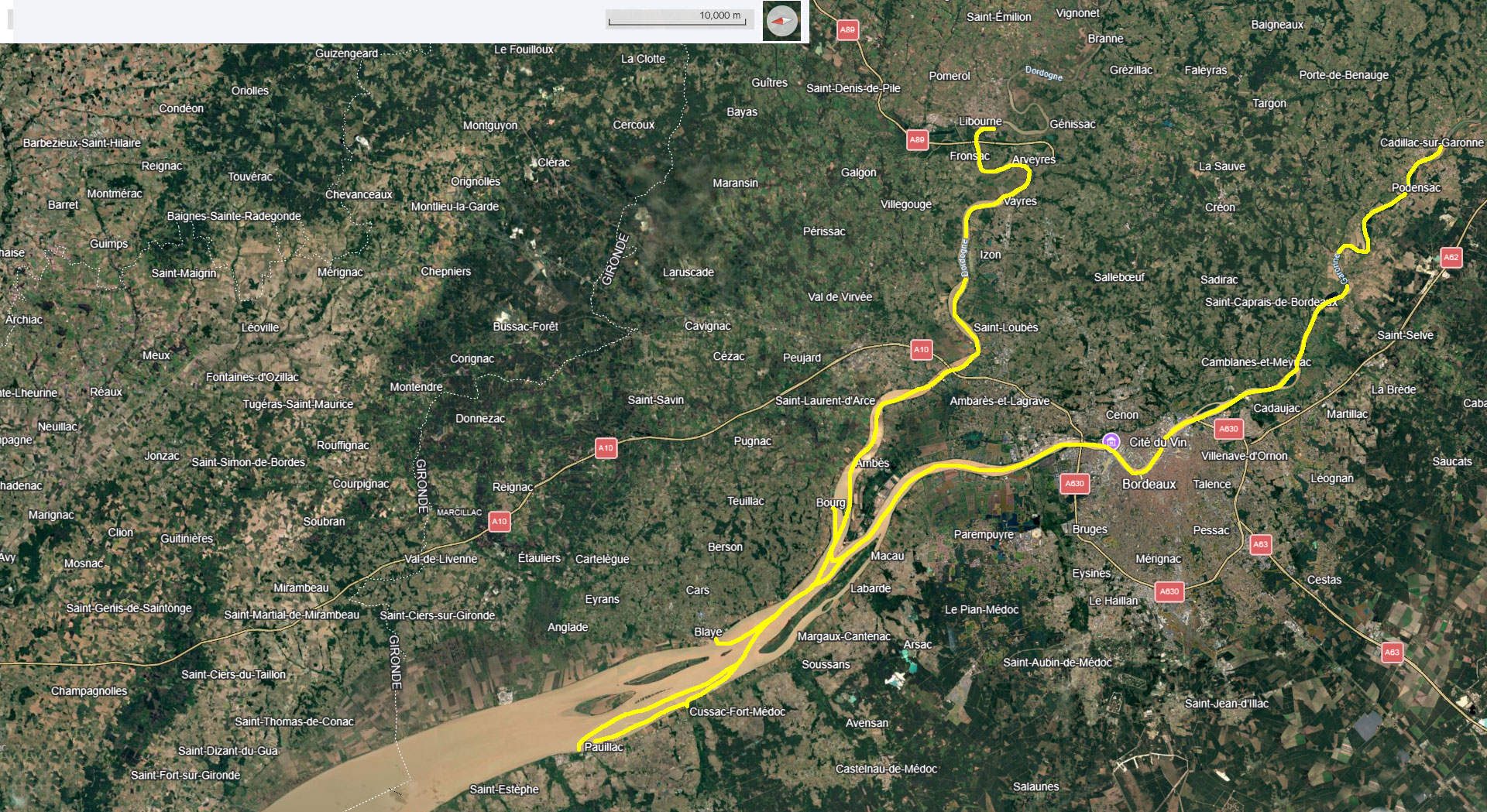
...and this is in the
context of the overall route. |
|
|
| |
|
|
|
| |
|
 |
|
| |
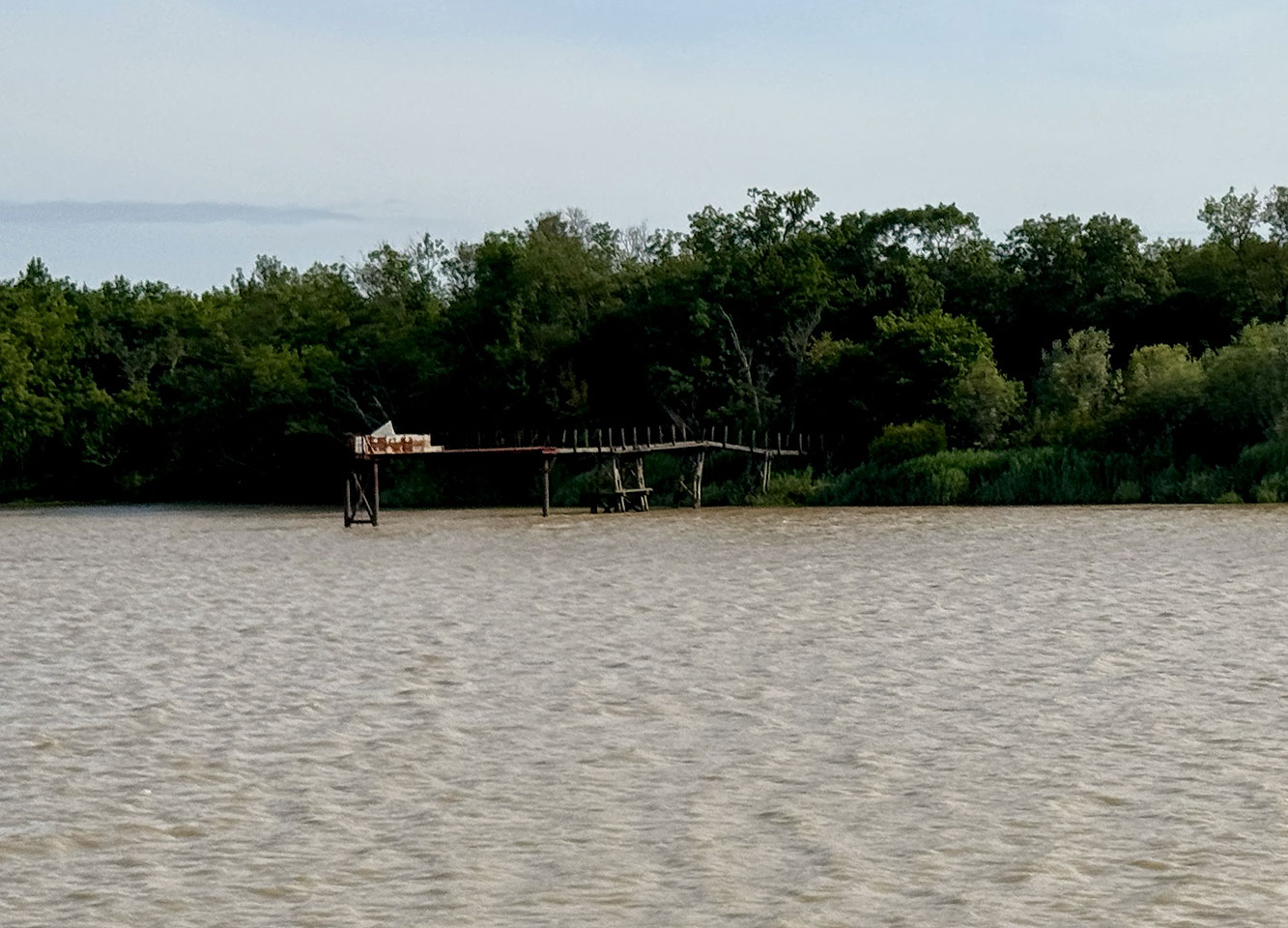
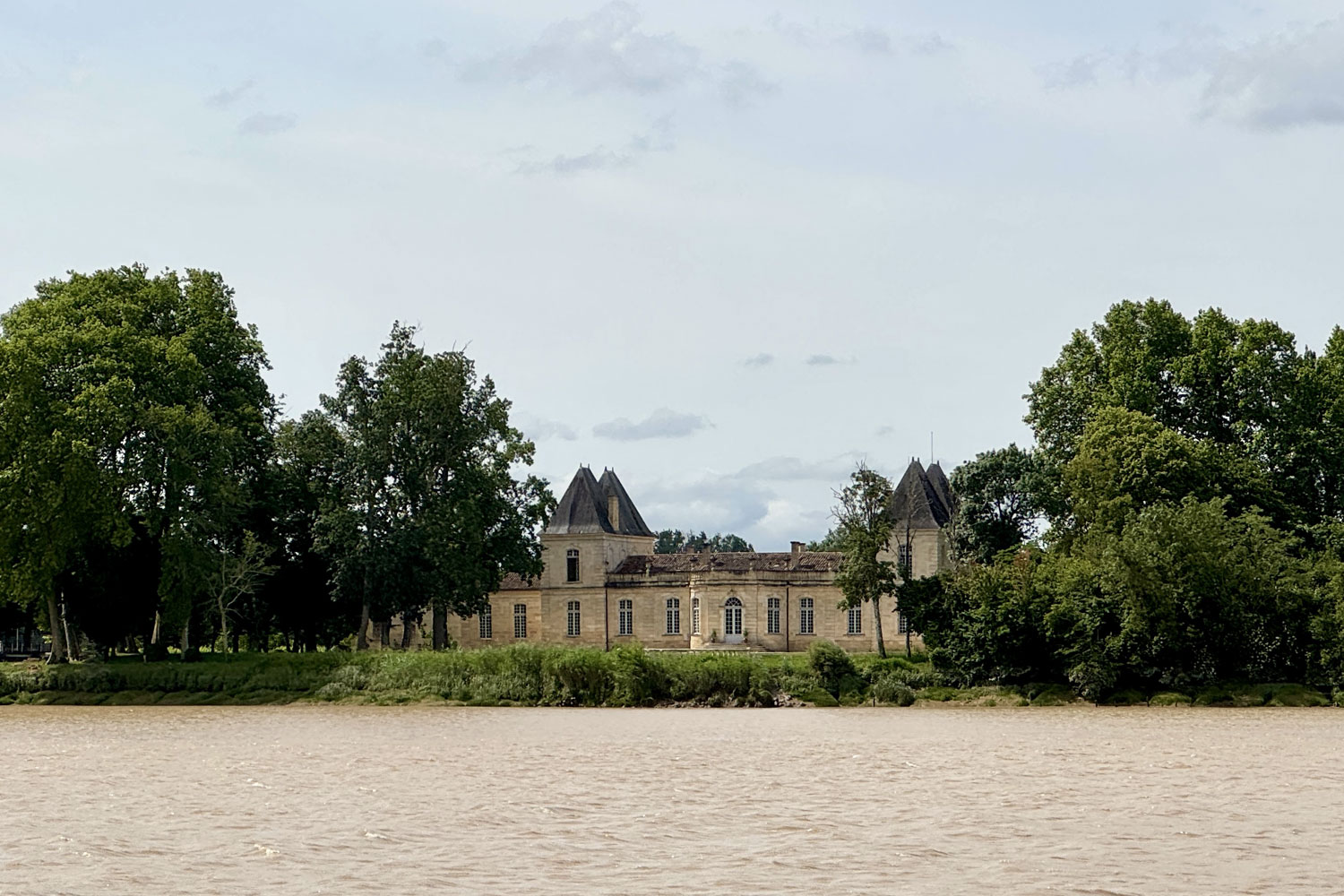
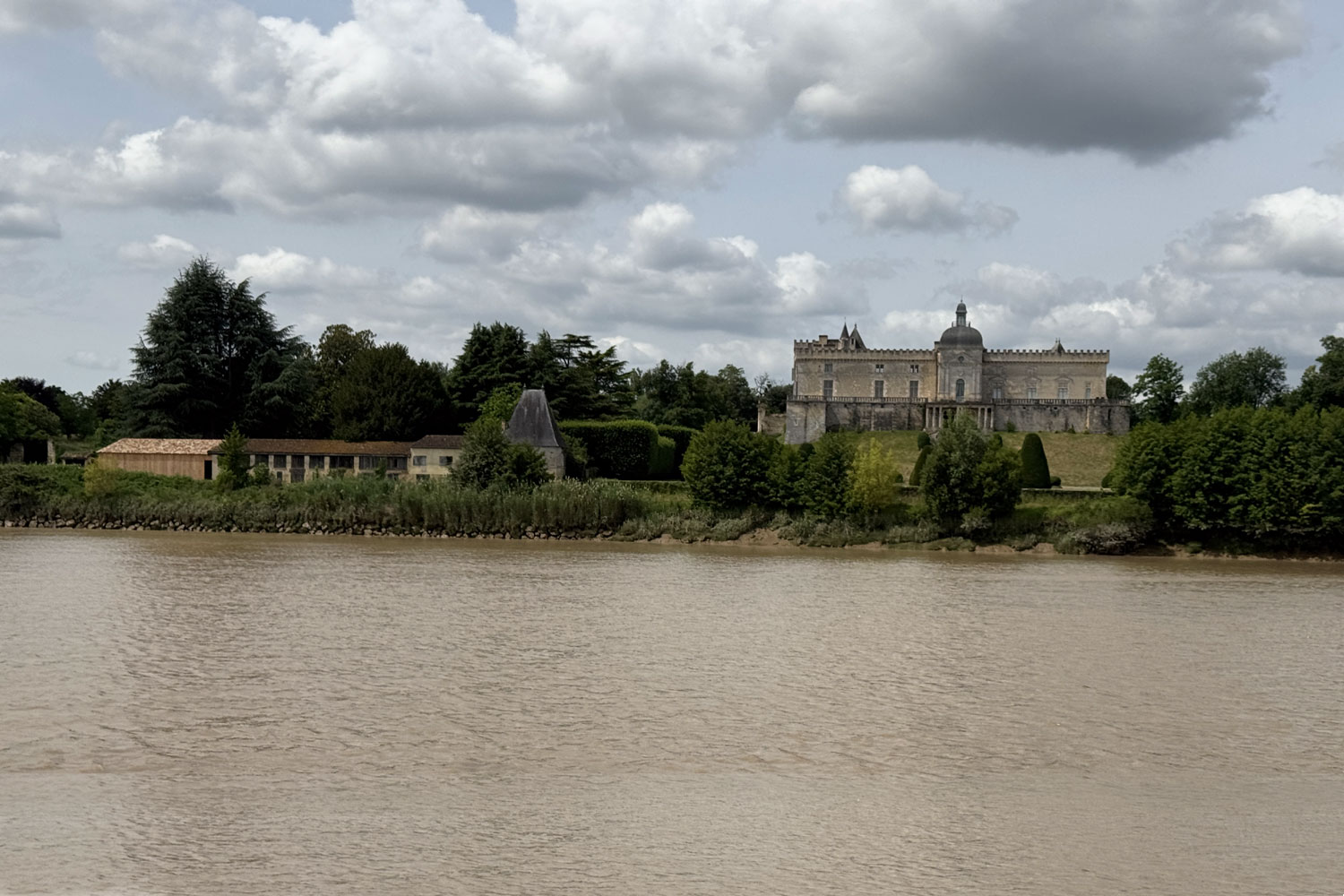
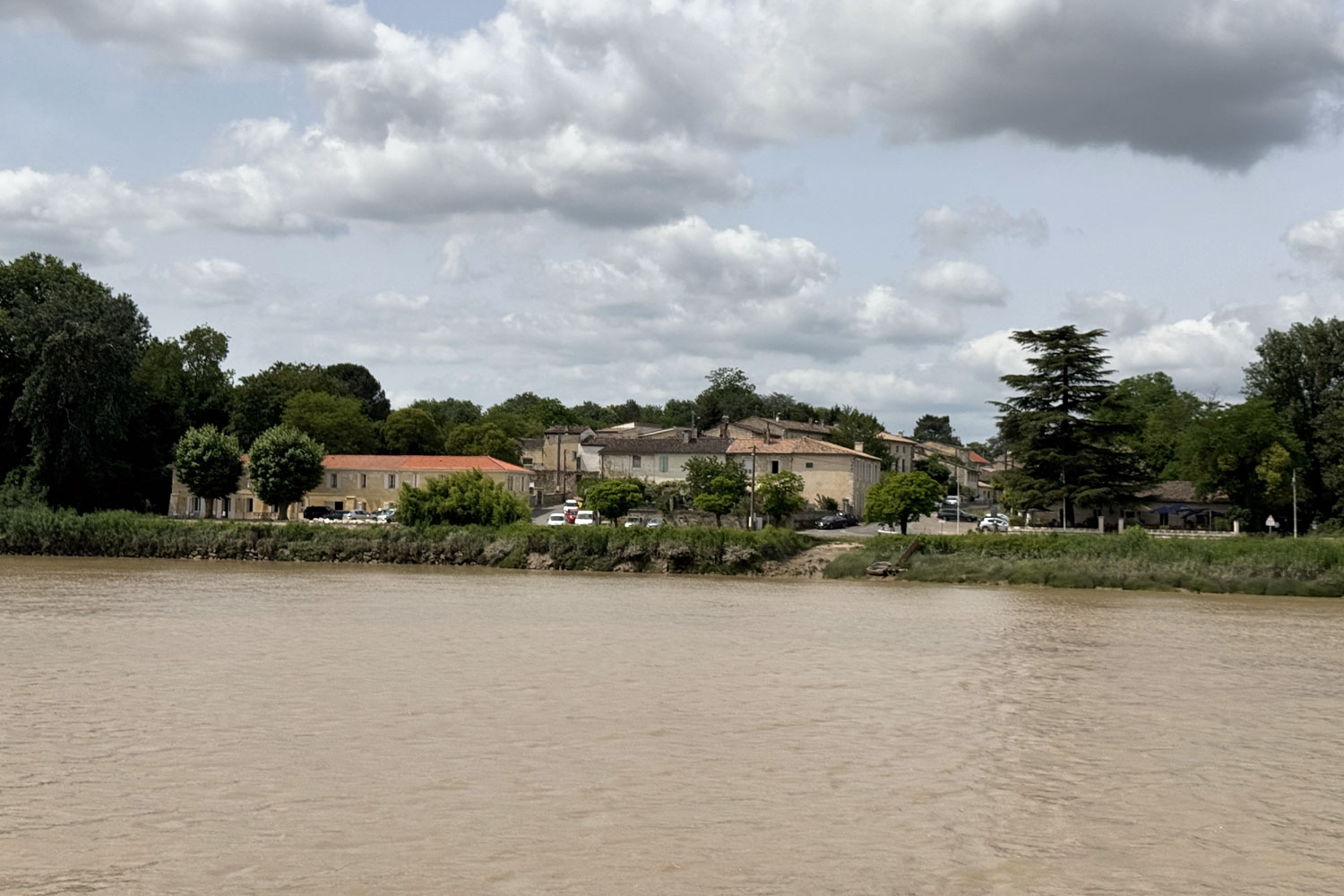
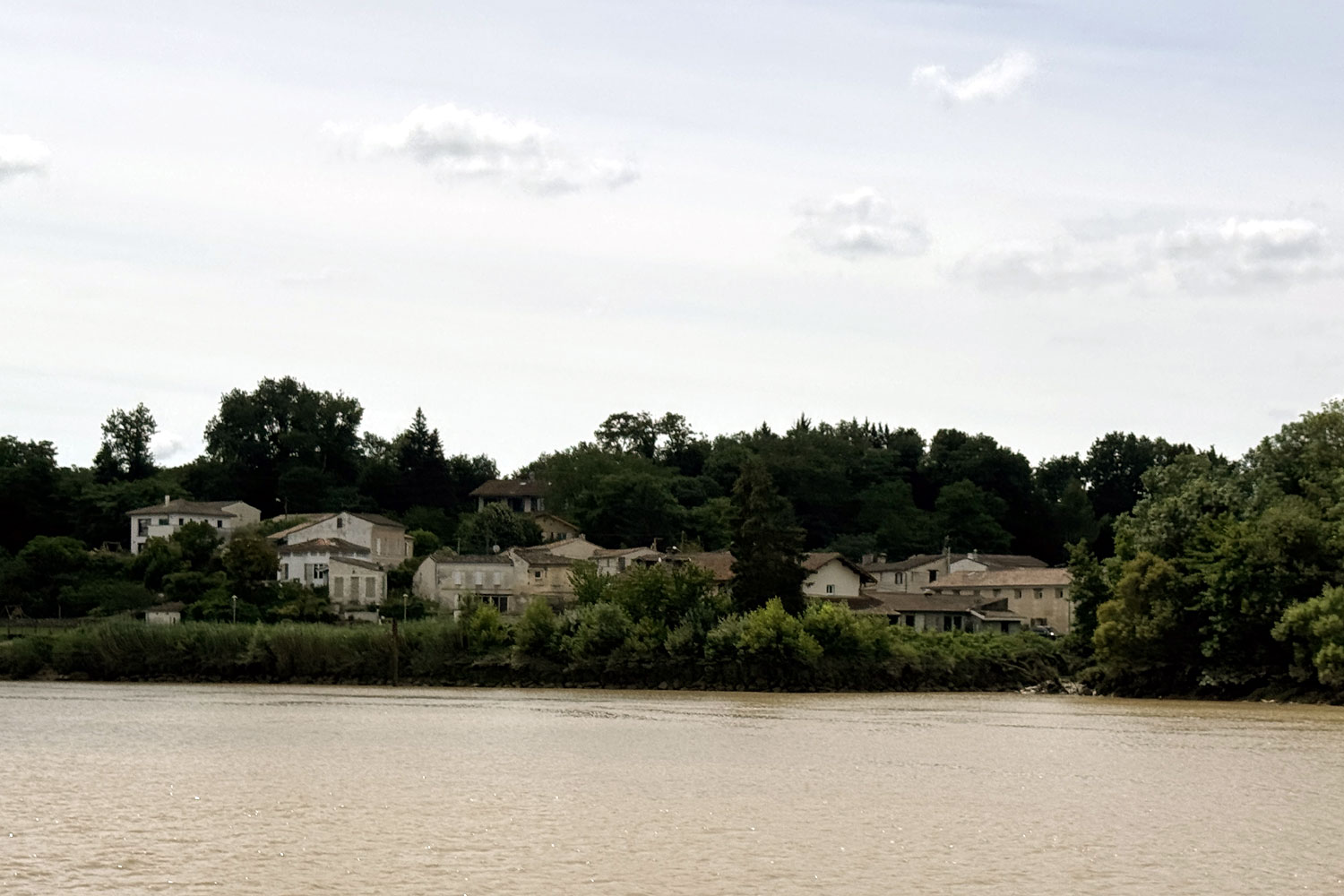
Still sailing on the
Garonne, before turning onto the Dordogne. |
|
|
| |
|
|
| |
|
| |
|
| |
|
| |
|
| |
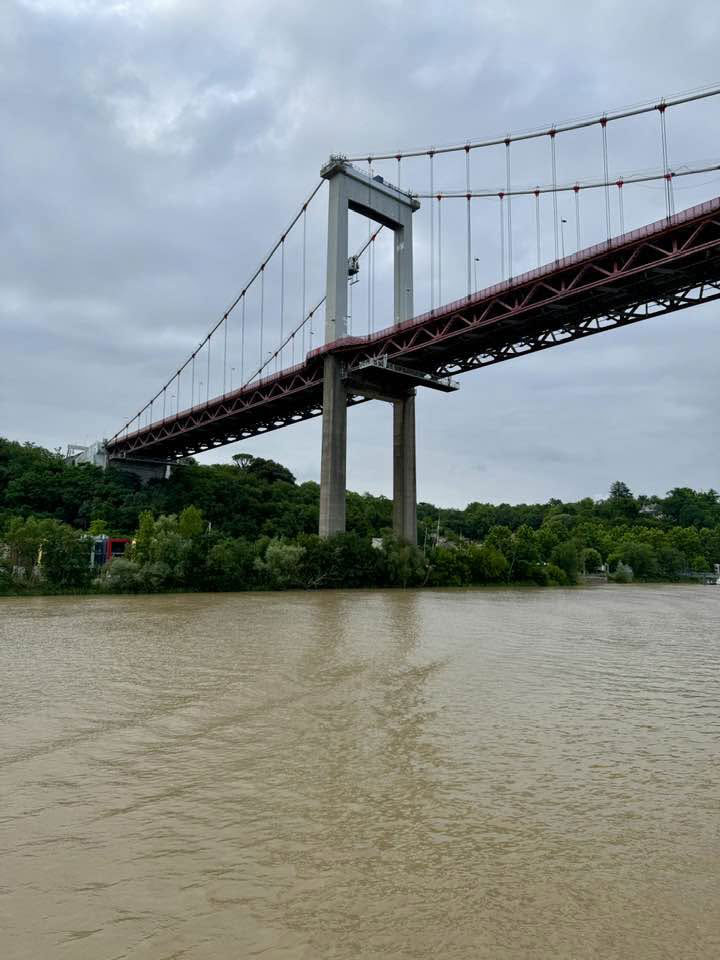
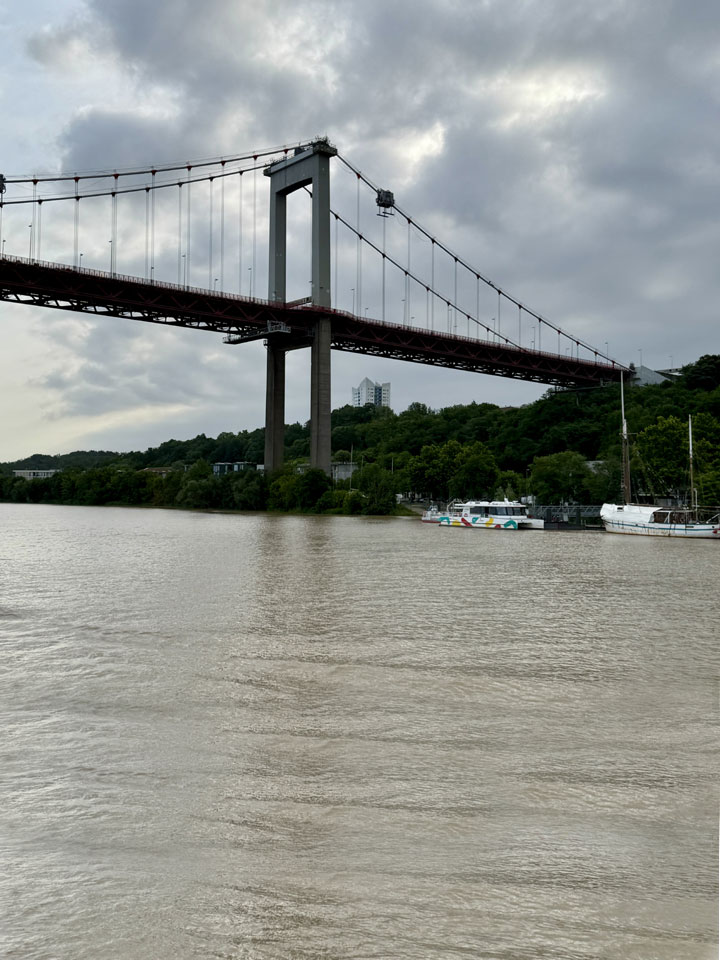
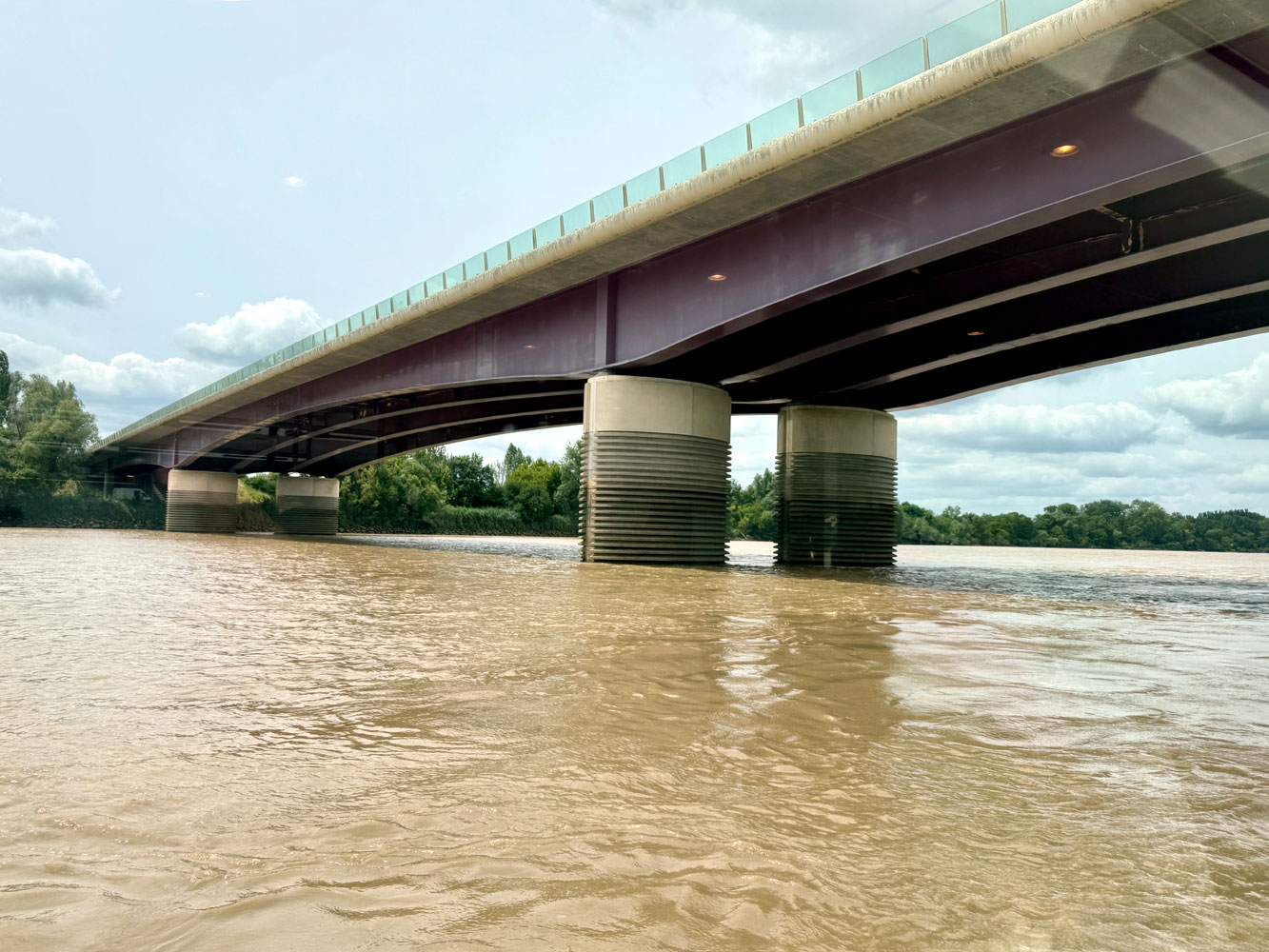
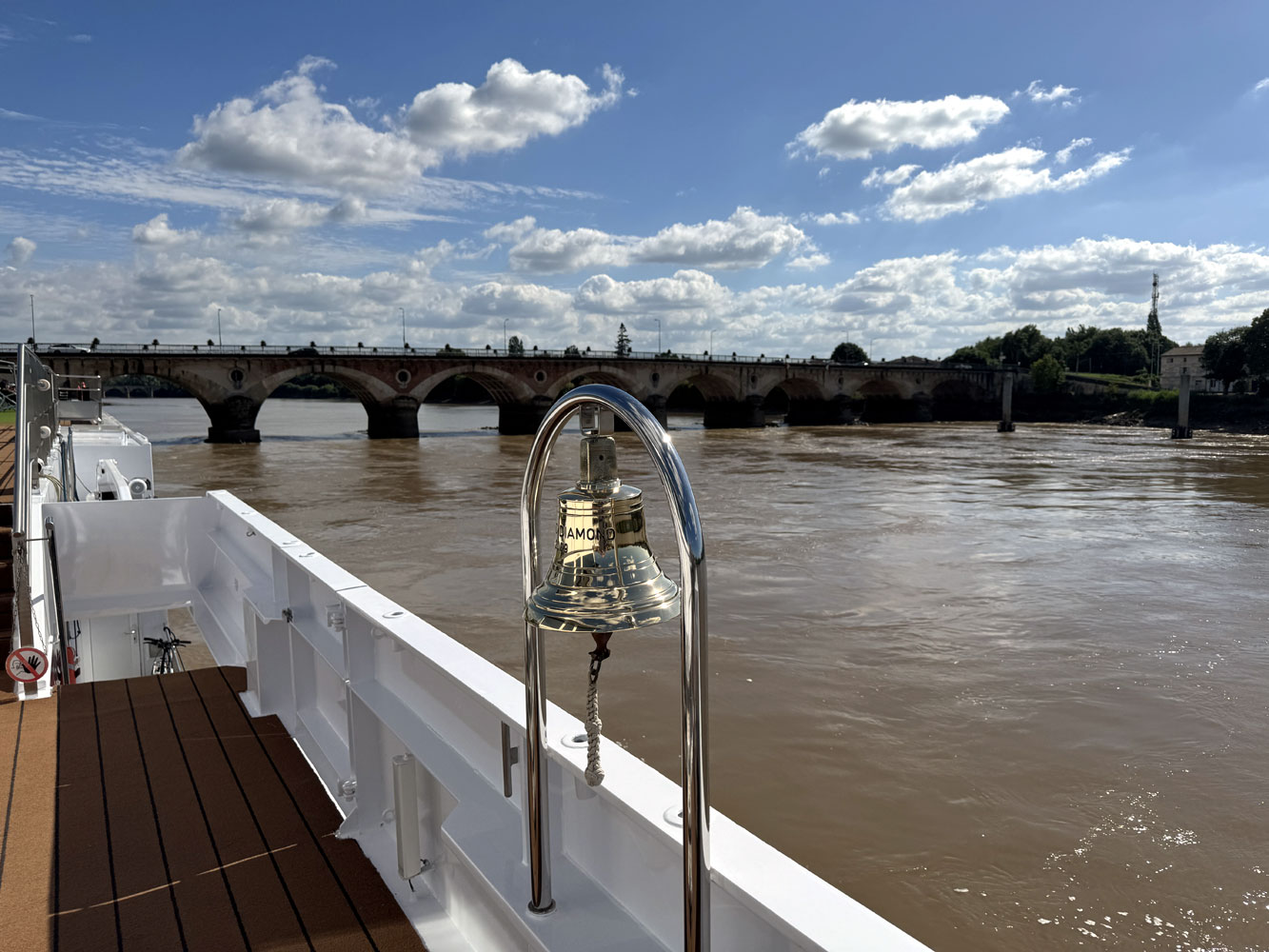
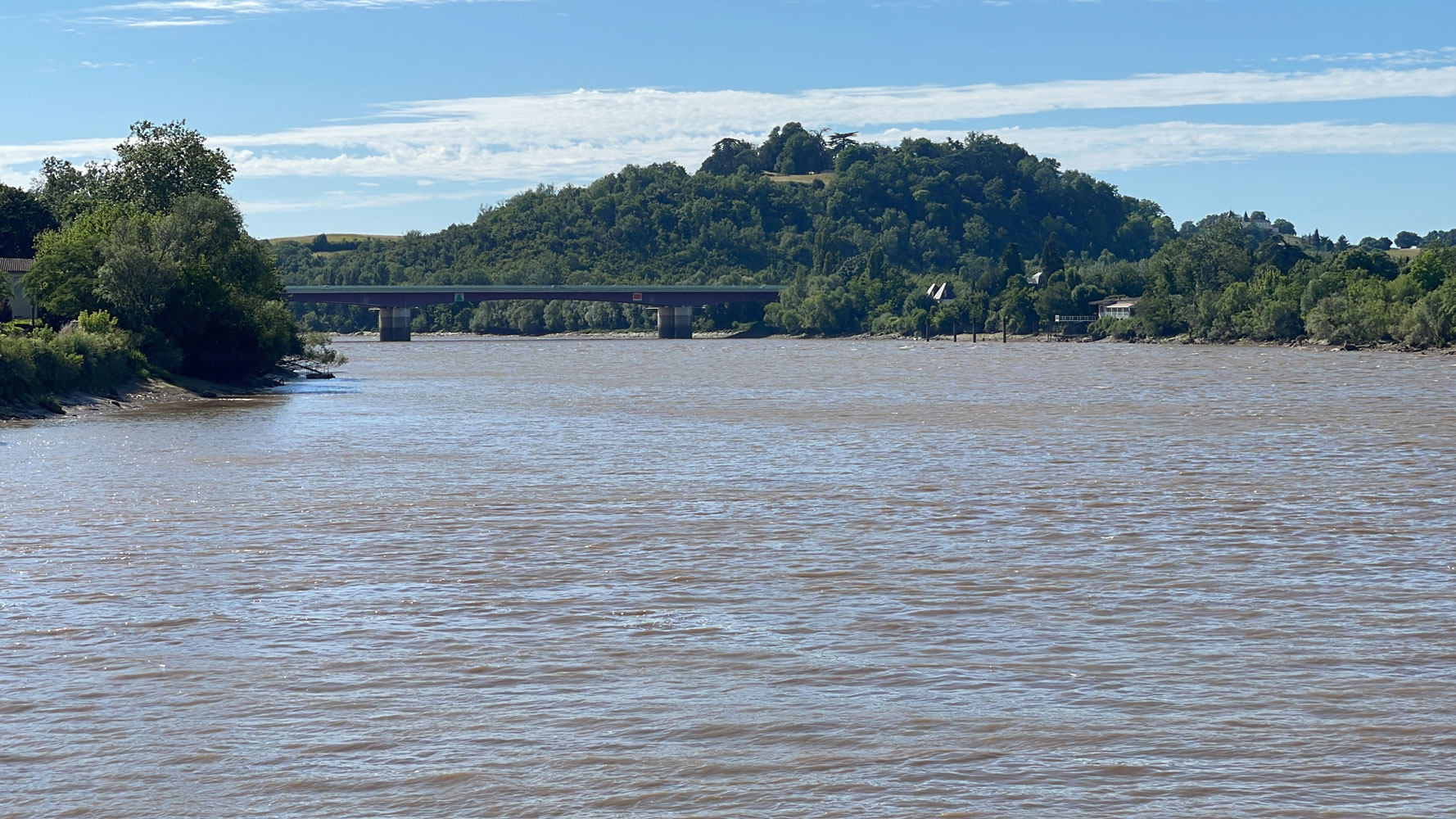
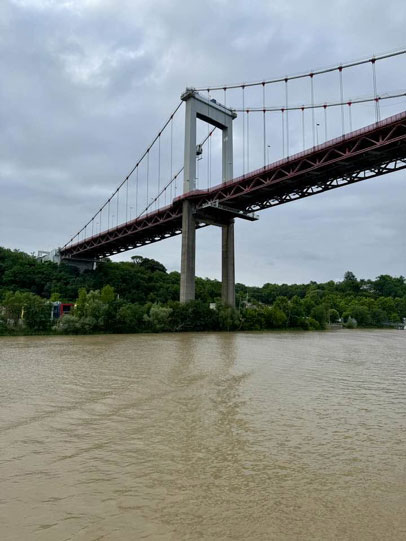
Just before arriving
in Libourne, we sailed under the Pont du Mascaret, also
known as the Viaduc
du Mascaret. "Mascaret" is translated as "tidal
bore", but more about that later. |
|
|
| |
|
|
| |
|
| |
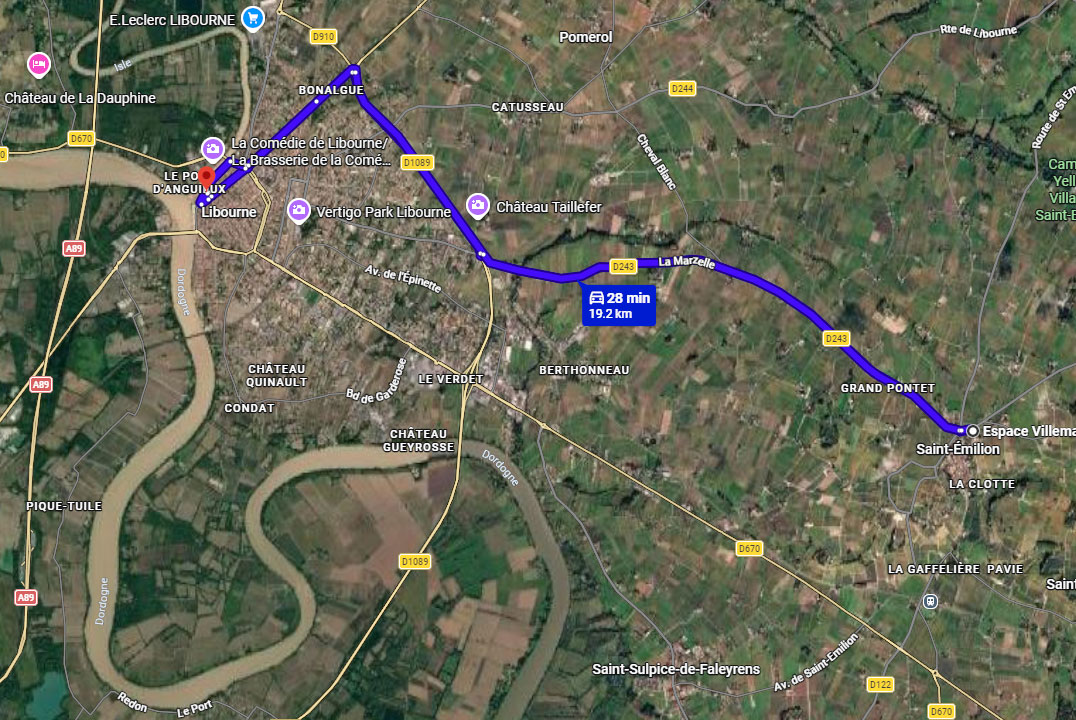
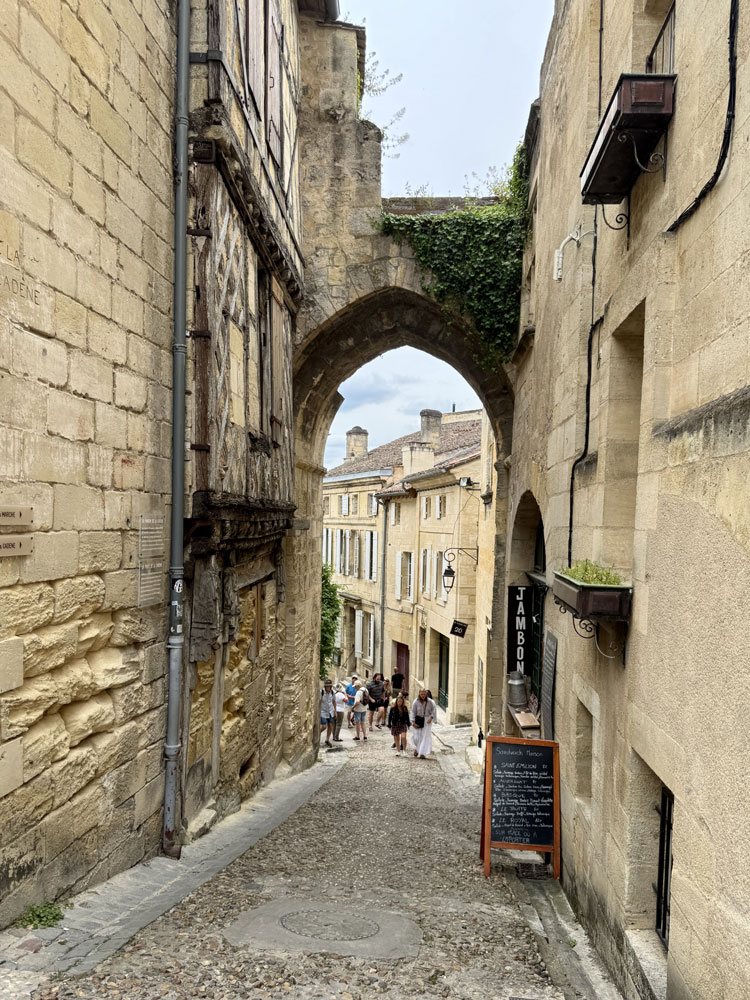
After lunch we joined
one of the groups for an afternoon excursion to Saint-Émilion,
a 14 kilometre drive away. |
|
|
| |
|
| |
|
| |
|
| |
|
| |
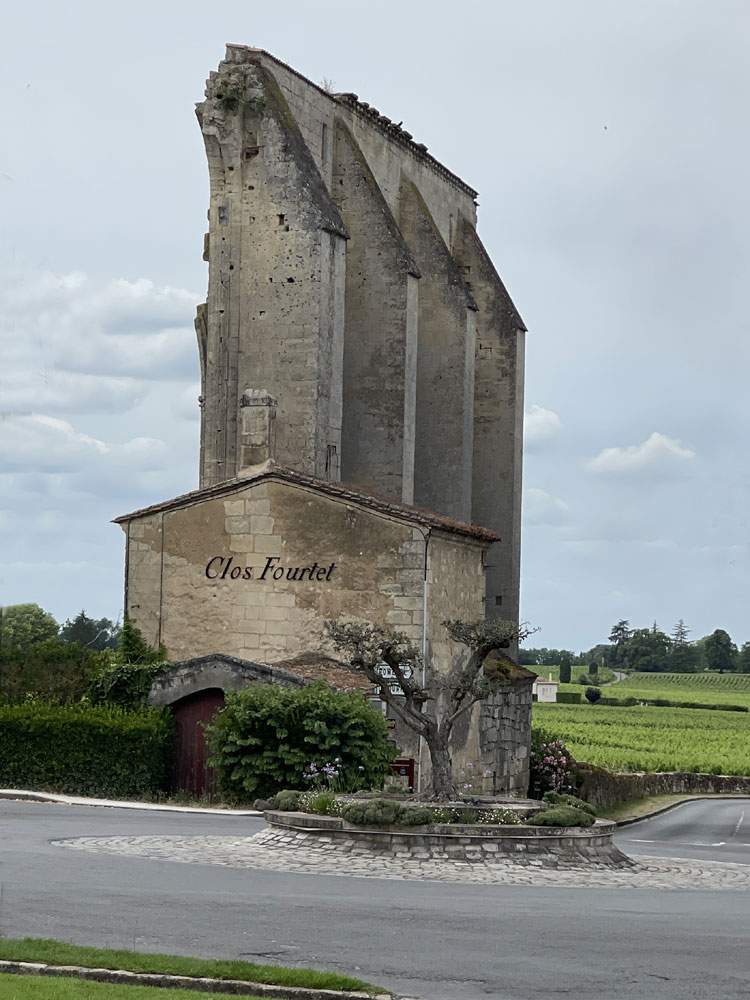
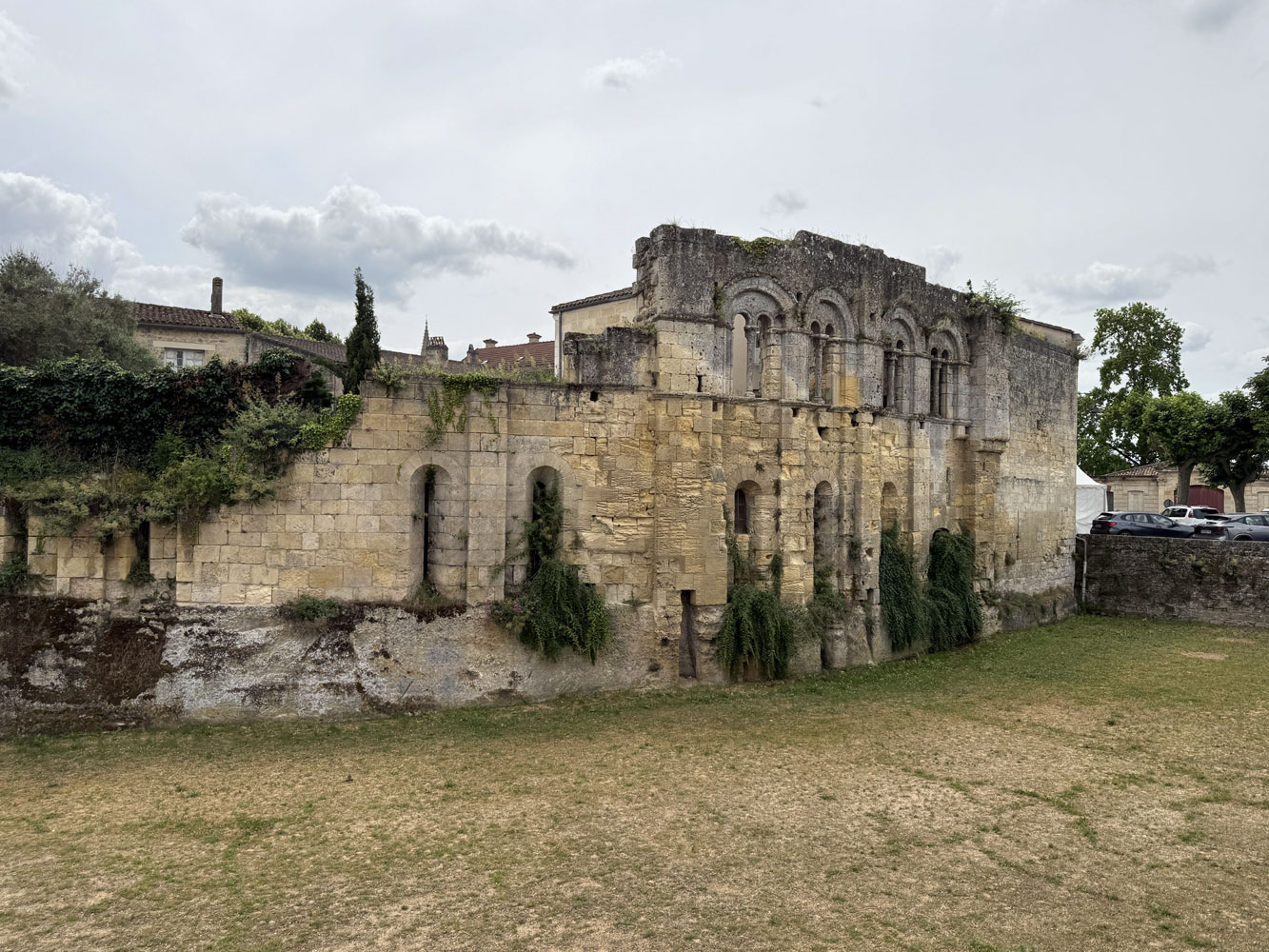
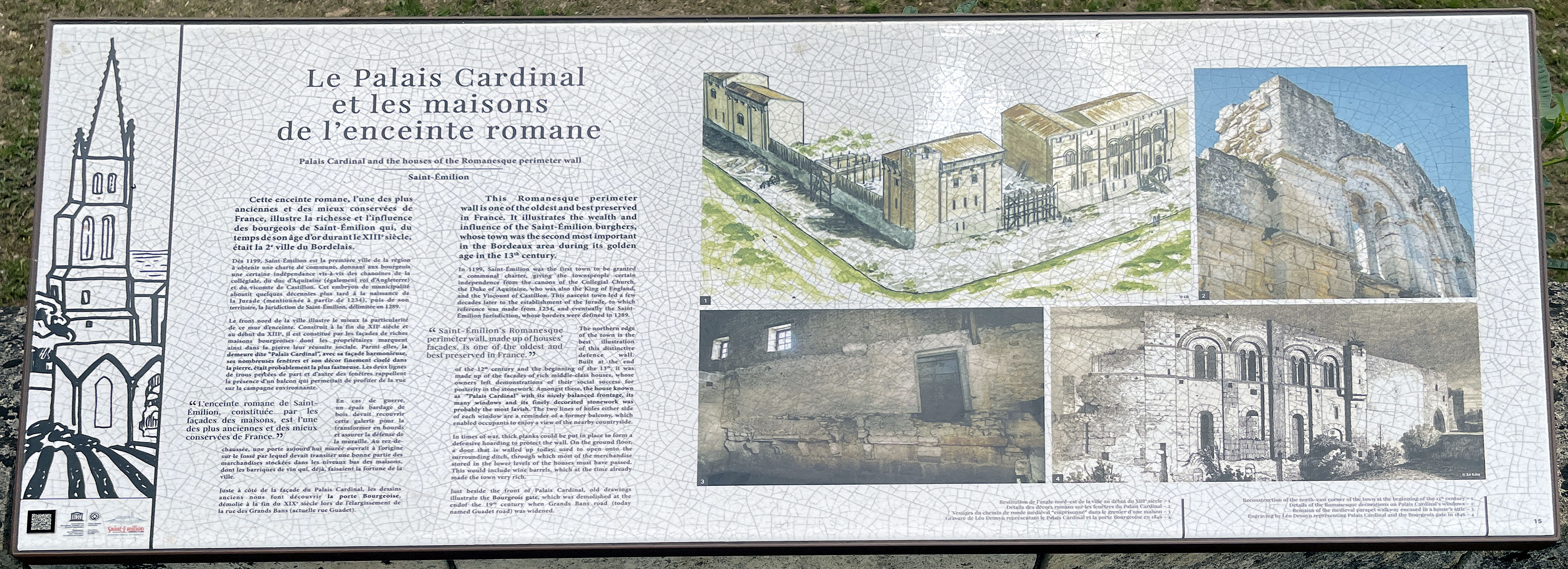
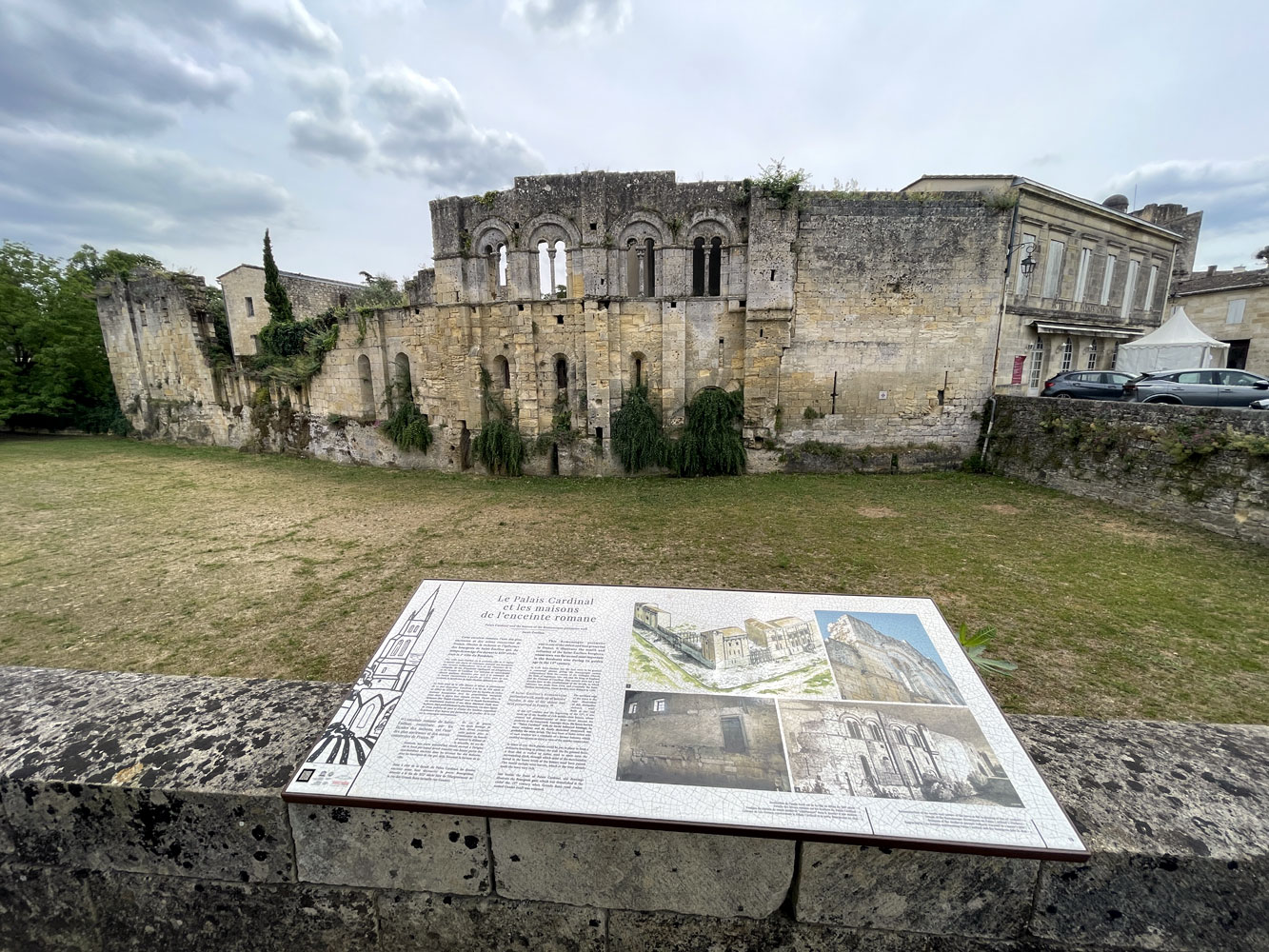
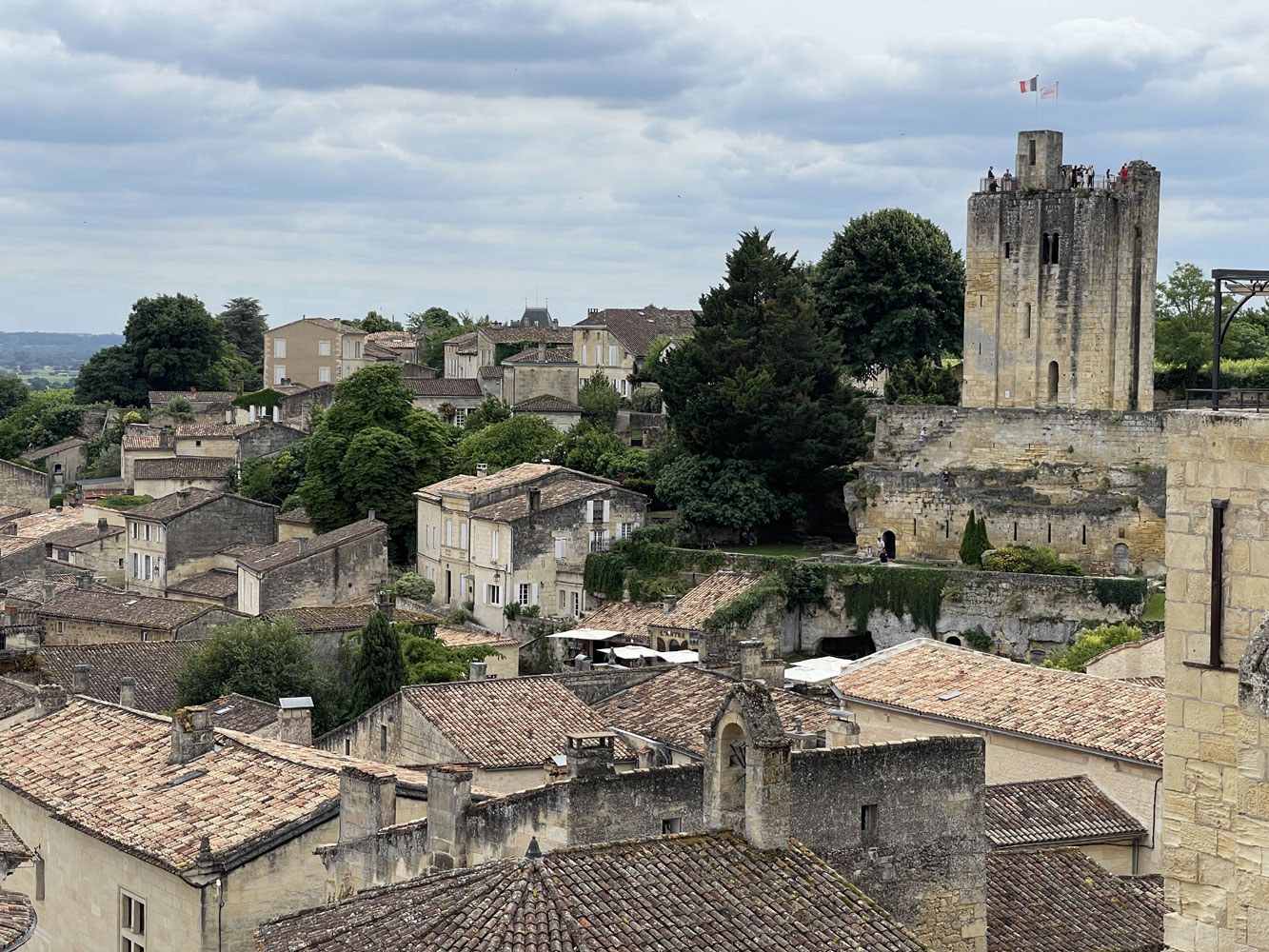
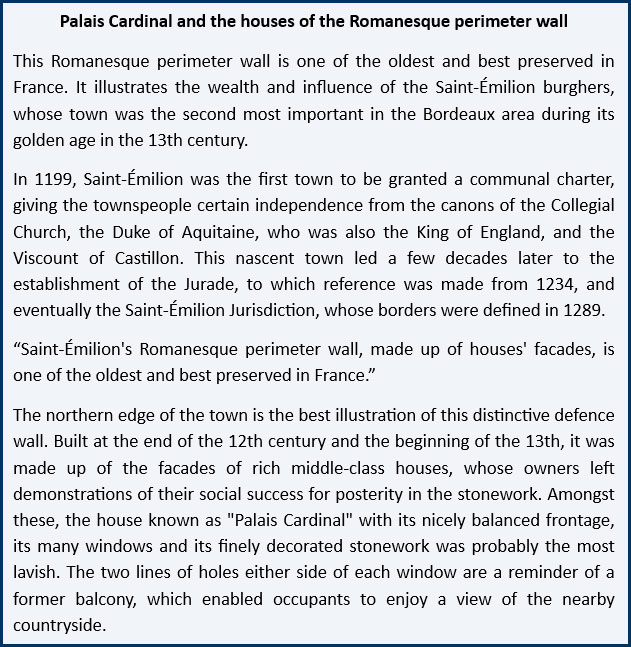
Our guided walk began
as we viewed Les Grandes Murailles (The Great Walls), which
is both a historical landmark and a renowned wine estate.
Standing just beyond Saint-Émilion's moat, it is actually
the north wall of the church of the first Dominican convent
of the 13th century. |
|
|
| |
|
| |
|
| |
|
| |
|
| |
|
| |
|
|
| |
|
| |
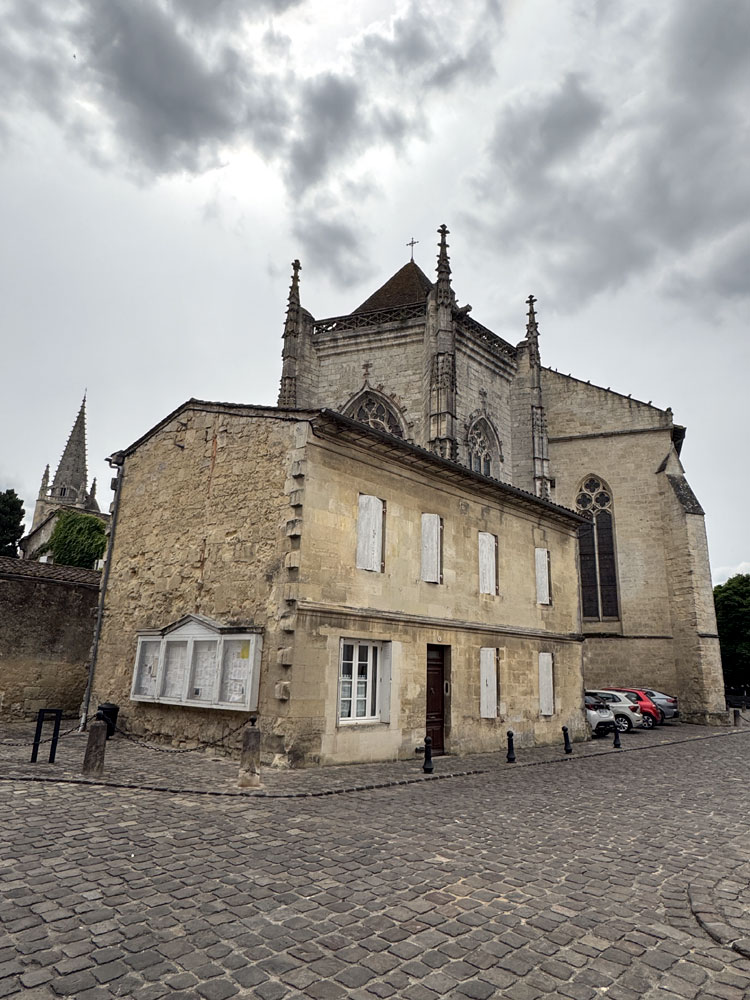
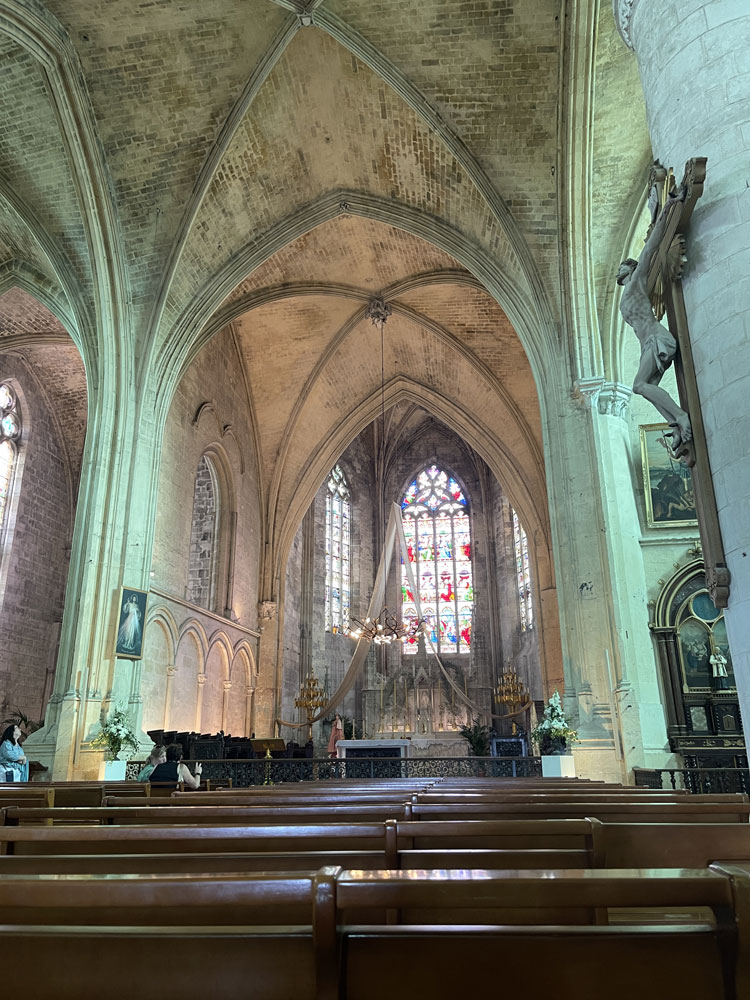
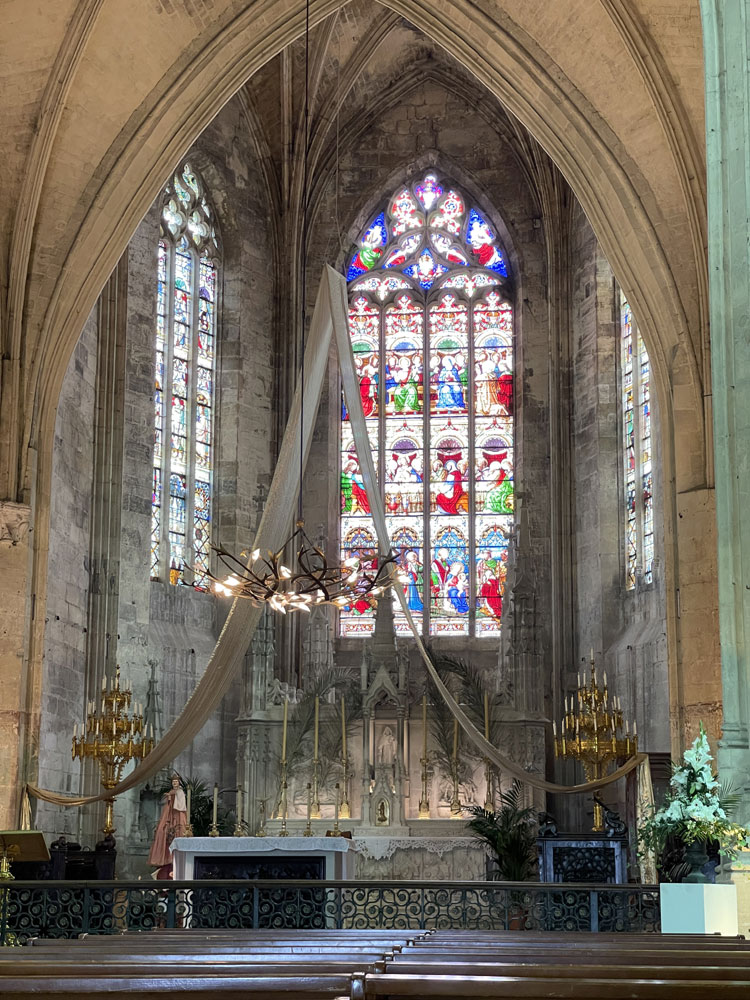
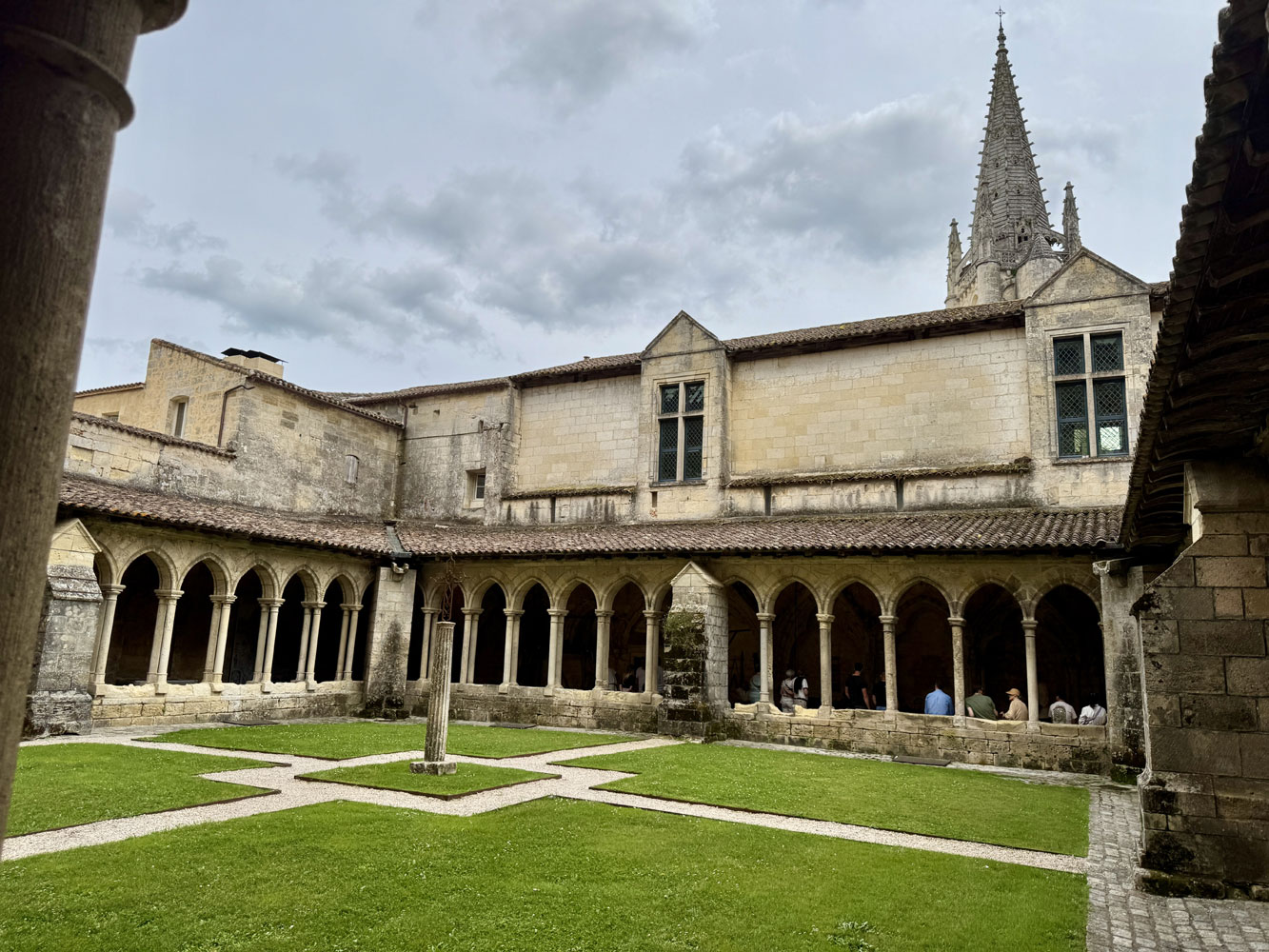
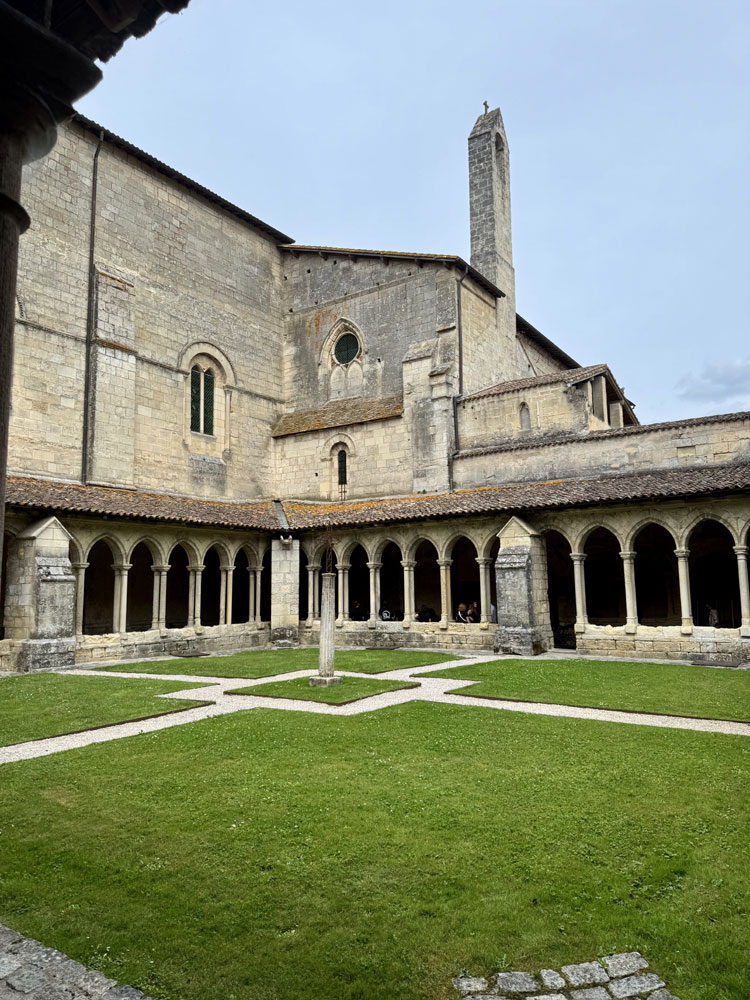
Saint-Émilion
Collegiate church and its cloister. |
|
|
| |
|
|
| |
|
| |
|
|
| |
|
| |
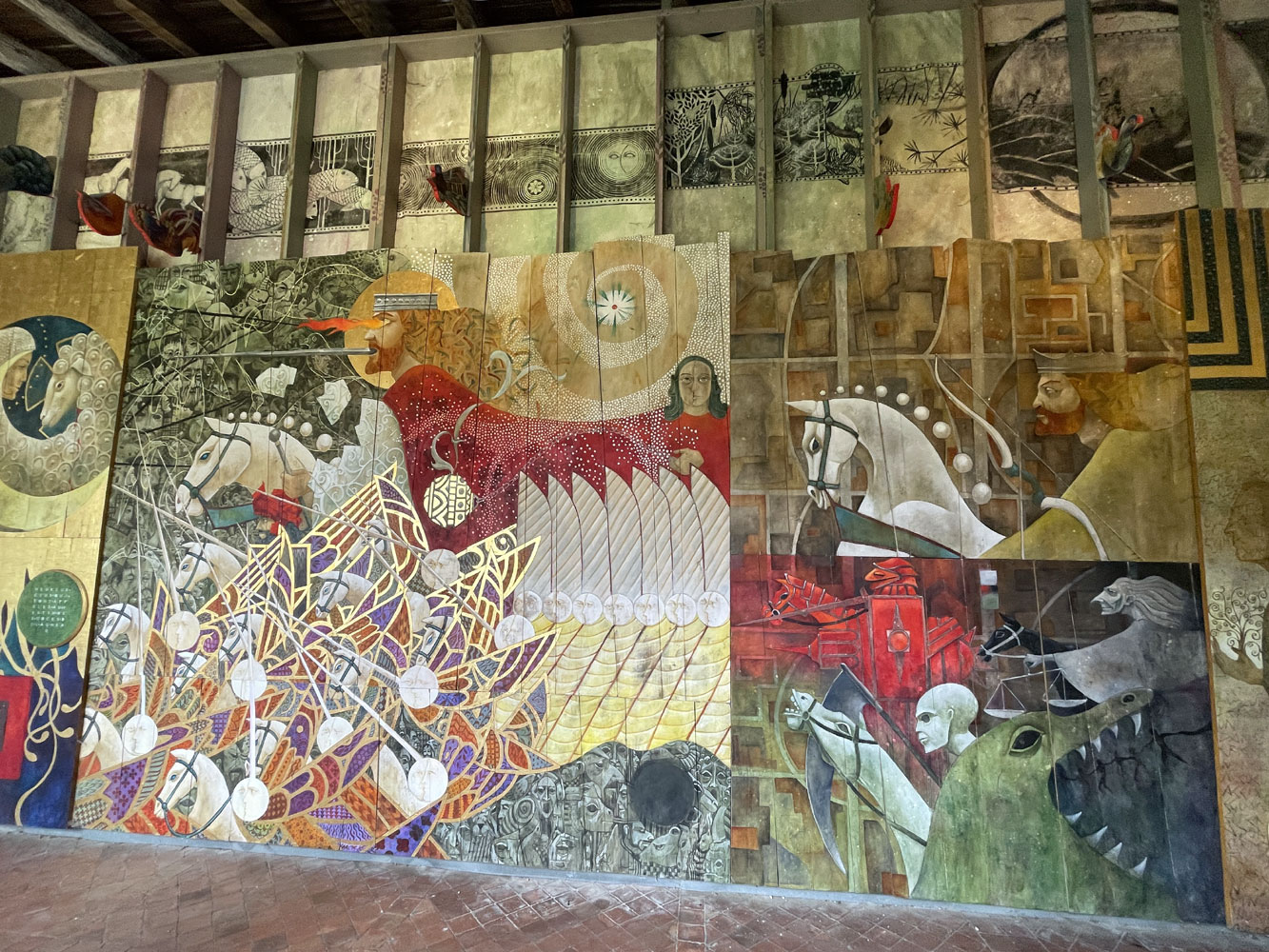
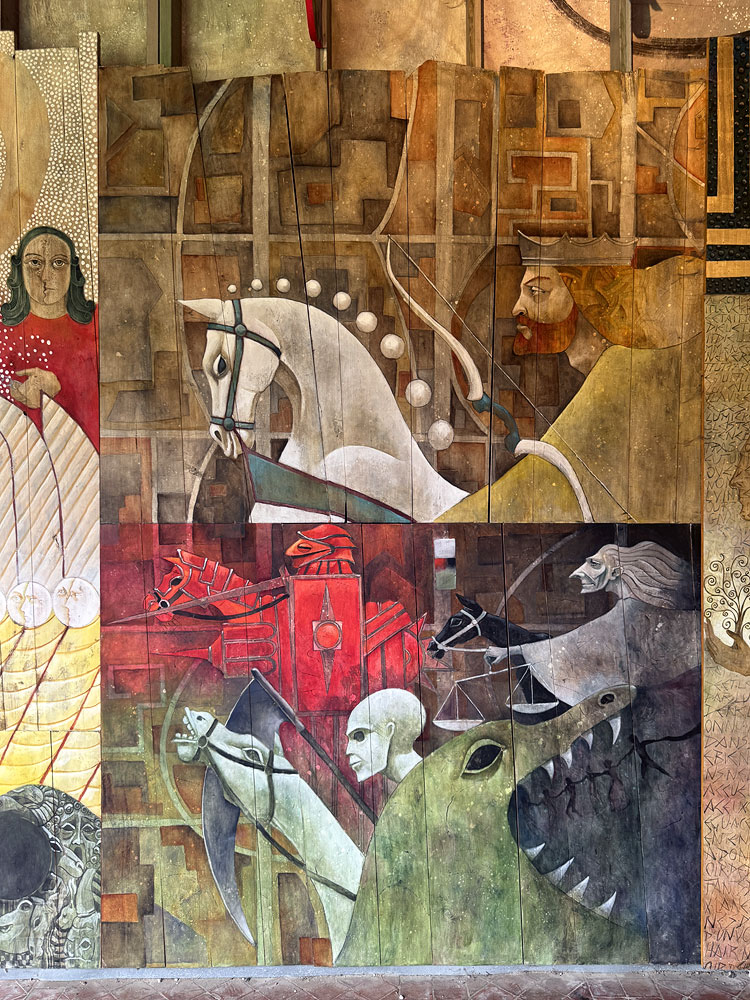
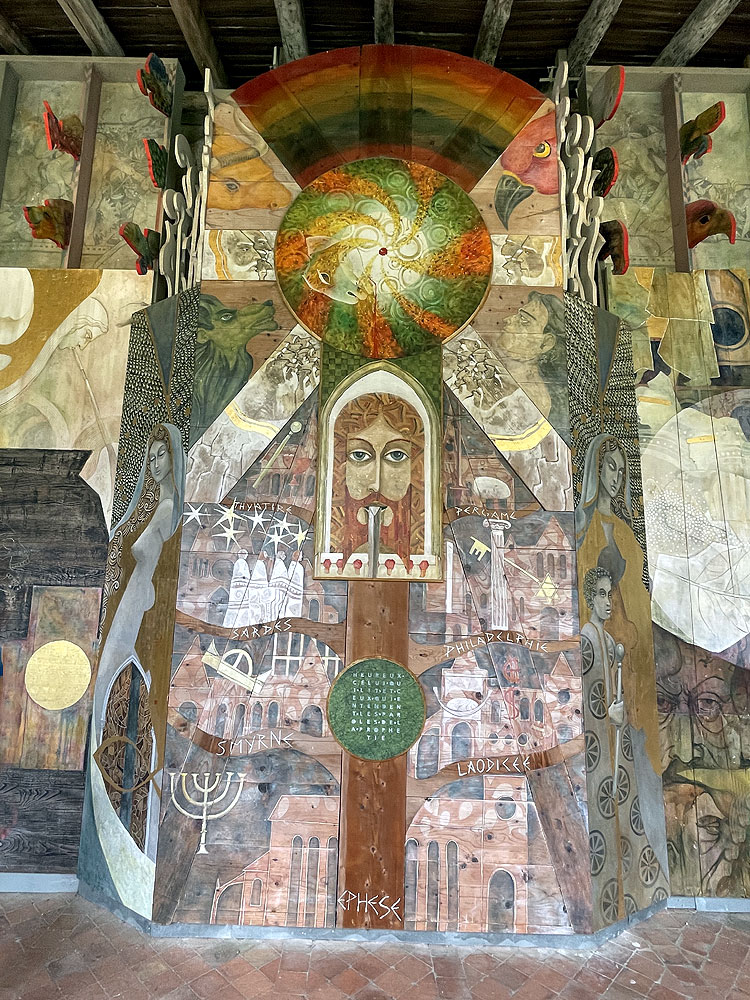
The Apocalypse, installed
in the cloister, is a work of art created by the painter
François Peltier, commissioned by the Parish of Saint-Émilion,
the Friends of the Collegiate Church and the vicar, Father
Rozières. This work of art is 38.5 metres long and
5 metres high. This set of paintings was conceived as a
whole and not as a succession of paintings. The Apocalypse
is painted on different woods according to reflective symbols.
There are five different woods: lebanese cedar, oak, chestnut,
lime and poplar. The technique used is glazed oil painting. |
|
|
| |
|
|
| |
|
|
| |
|
| |
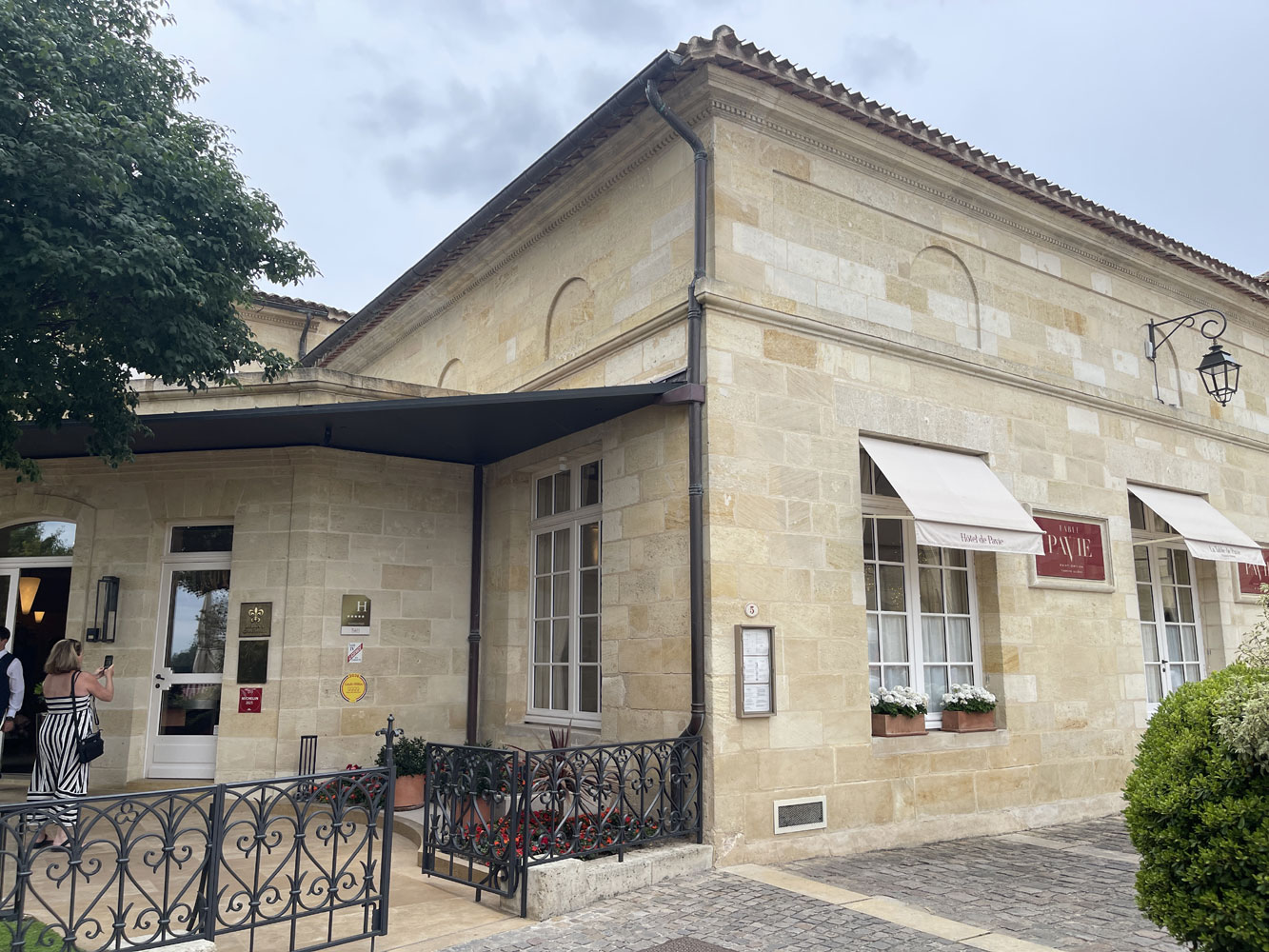
This five-star hotel
looked like a place we might like to stay one day! |
|
|
| |
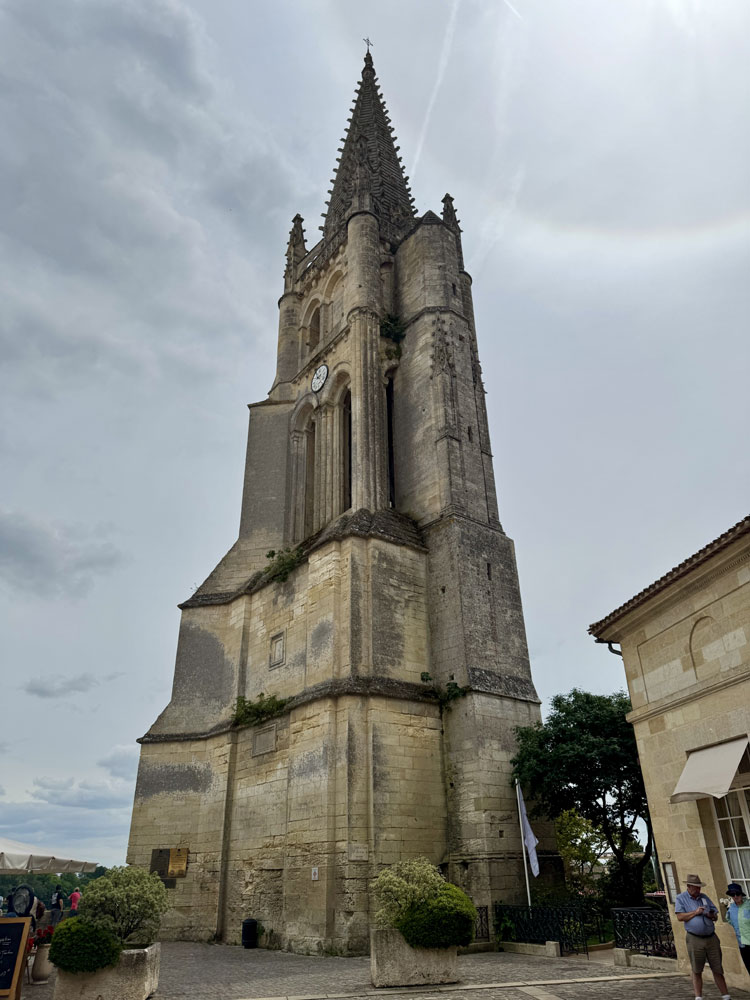
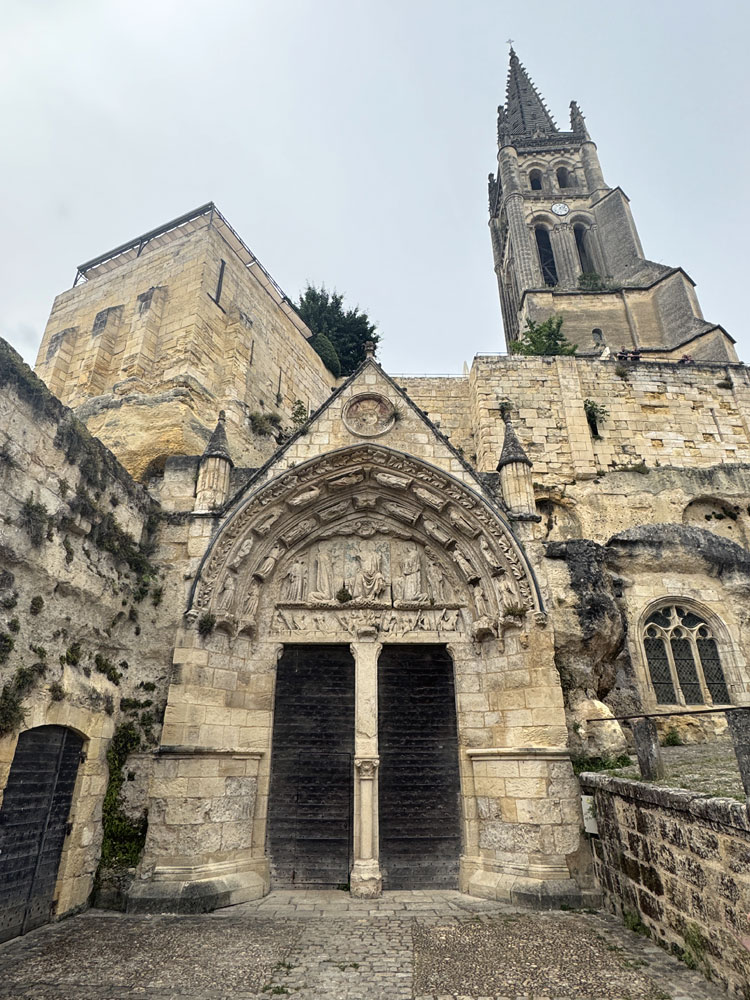
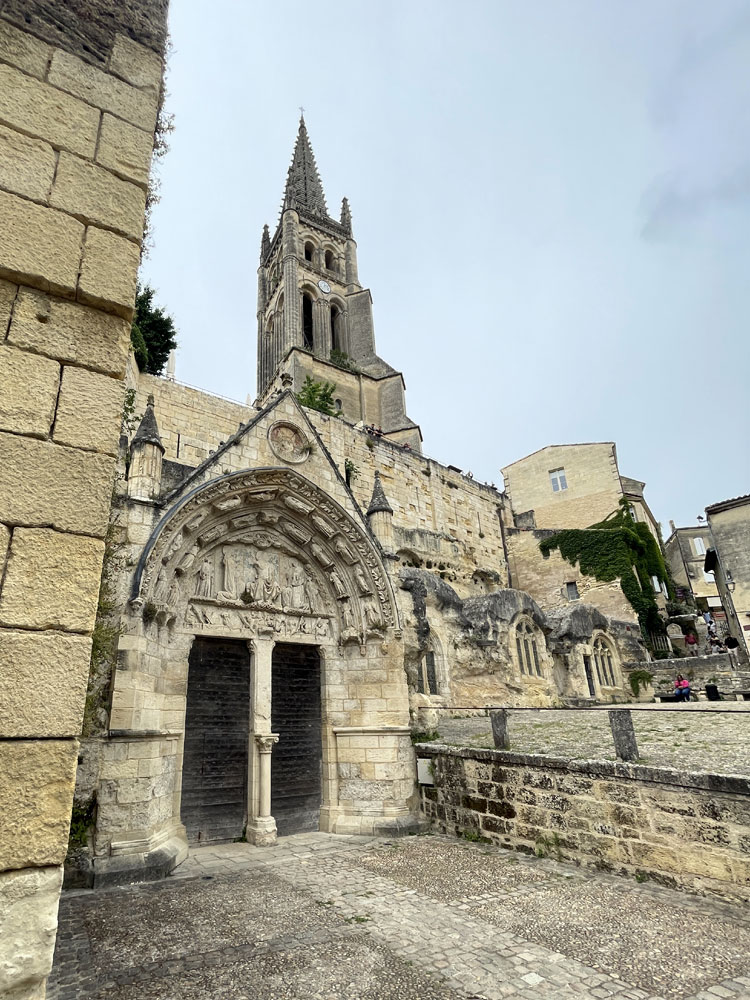
Next to the hotel in
the upper town, the bell tower of the famous monolithic
church towered above us. Beneath it isn't a typical church
nave, but a vast underground sanctuary carved entirely from
rock, which we would be visiting a bit later when we went
down to the lower town. |
|
|
| |
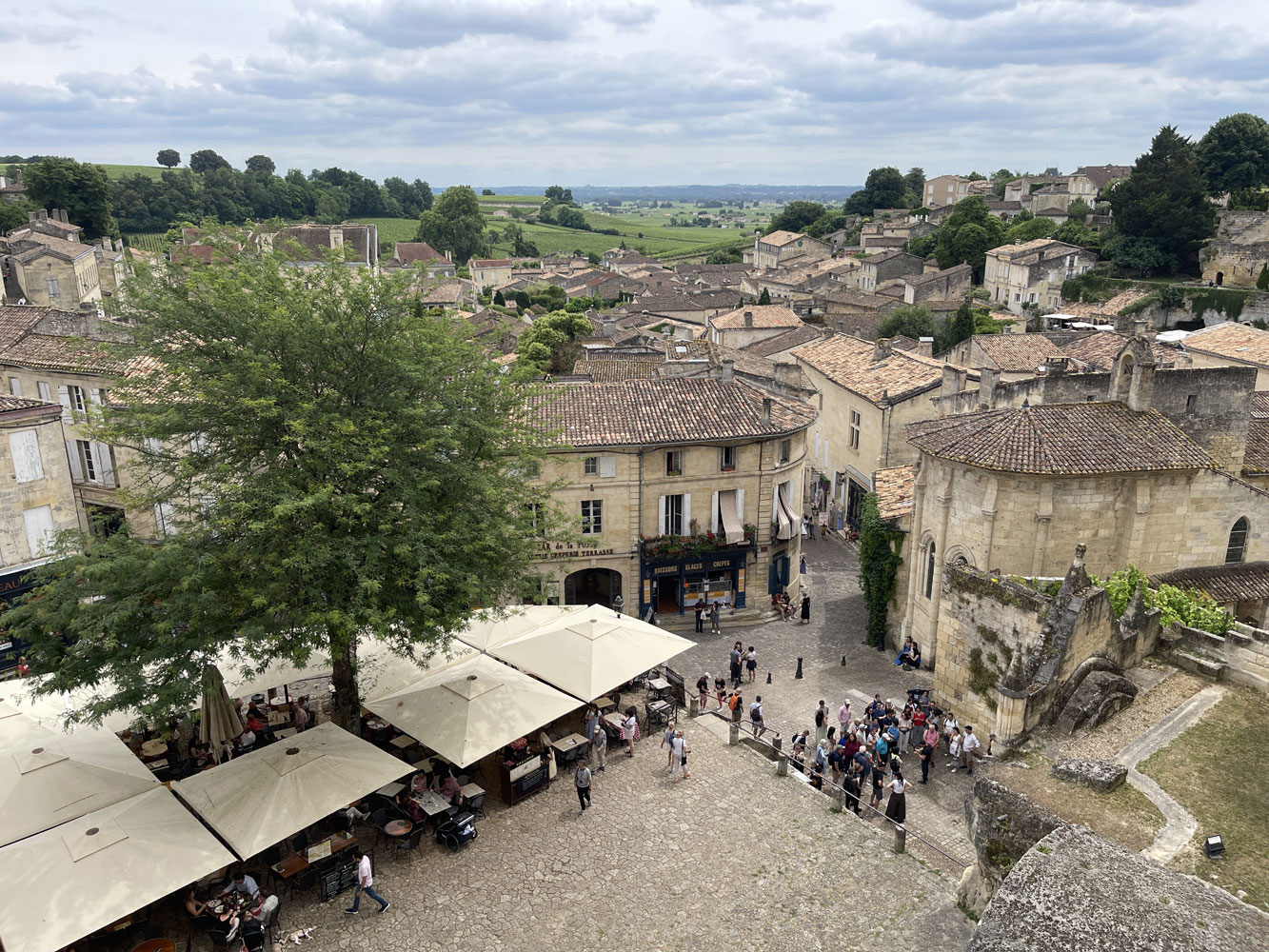
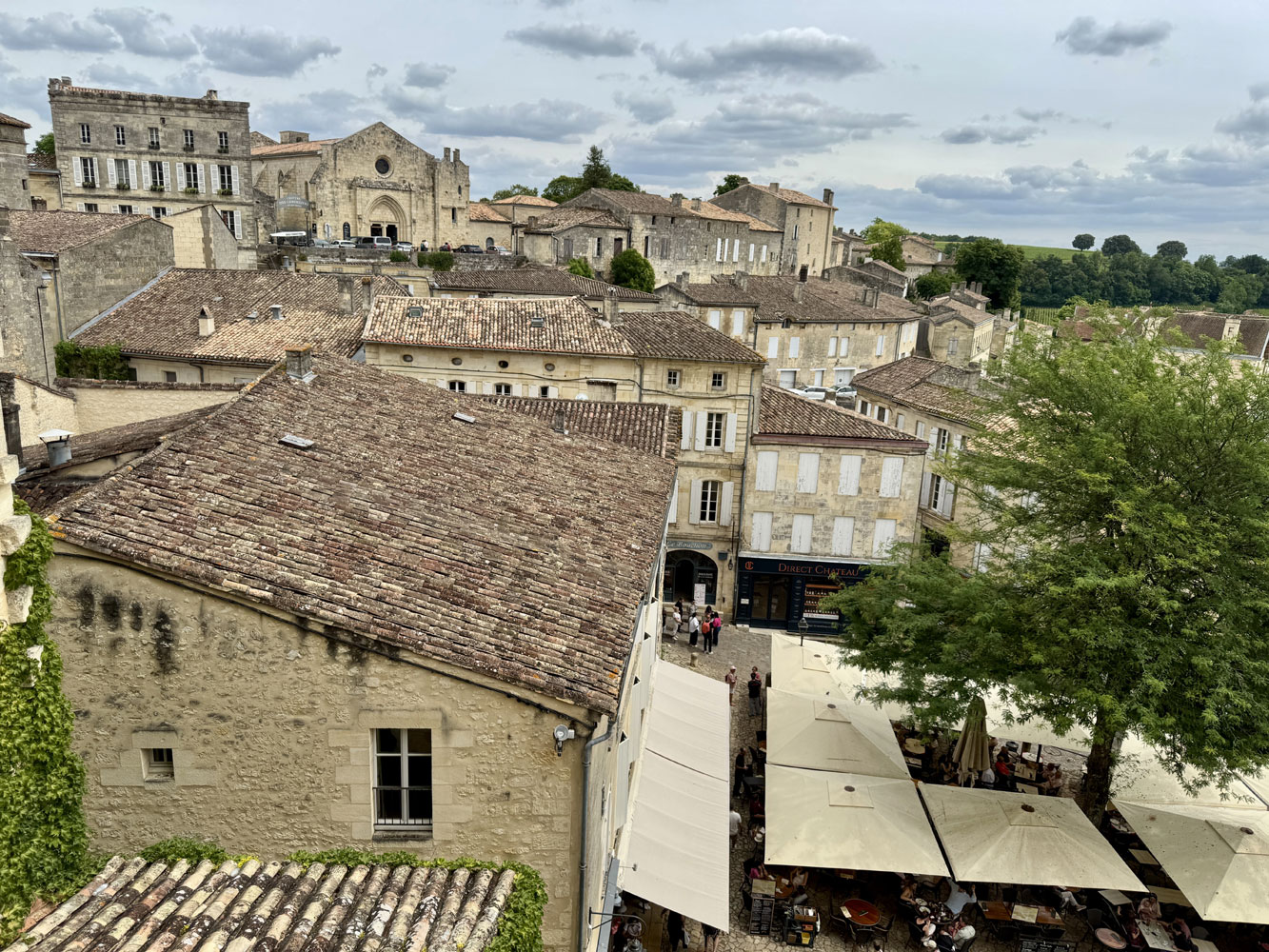
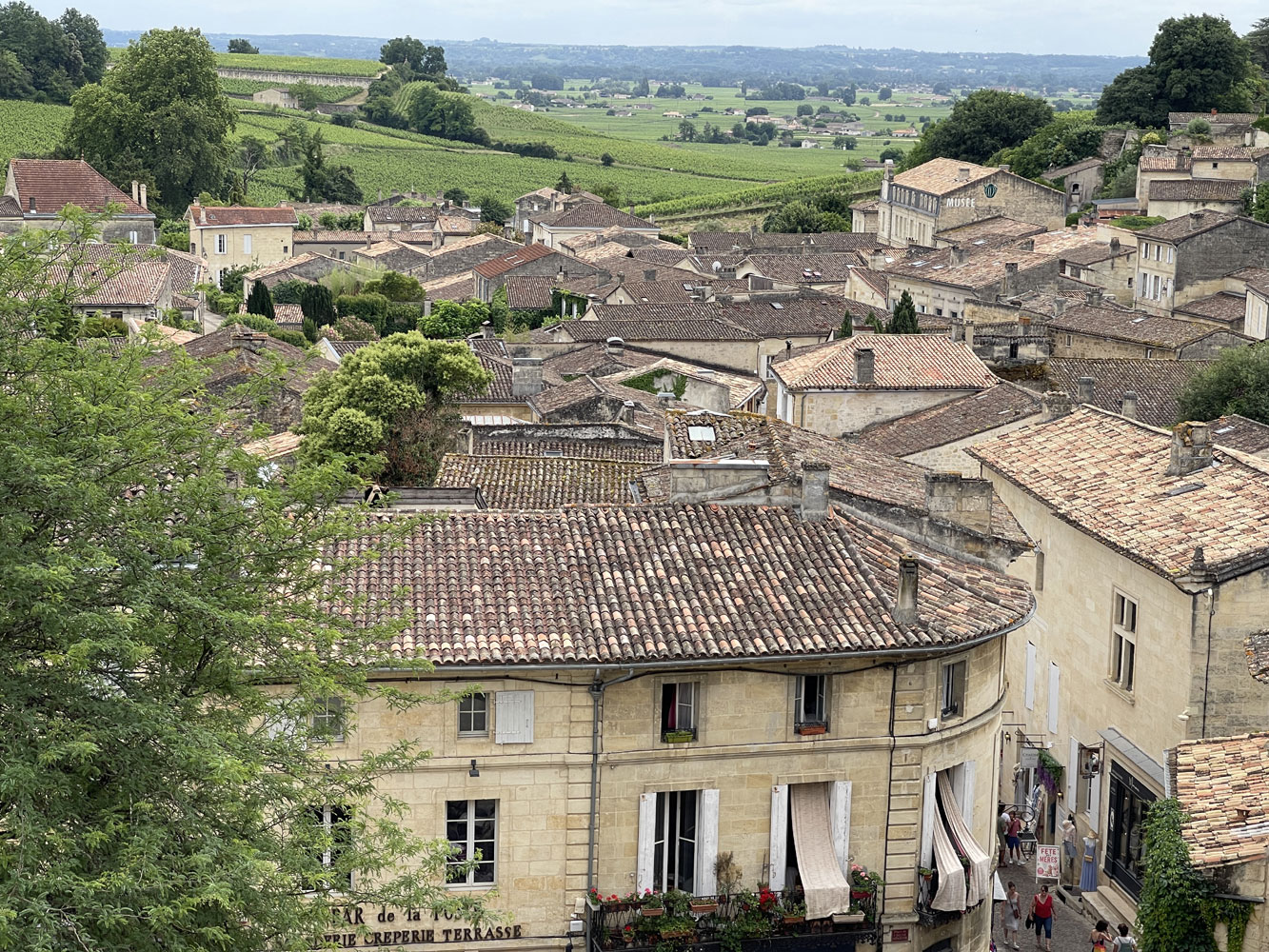
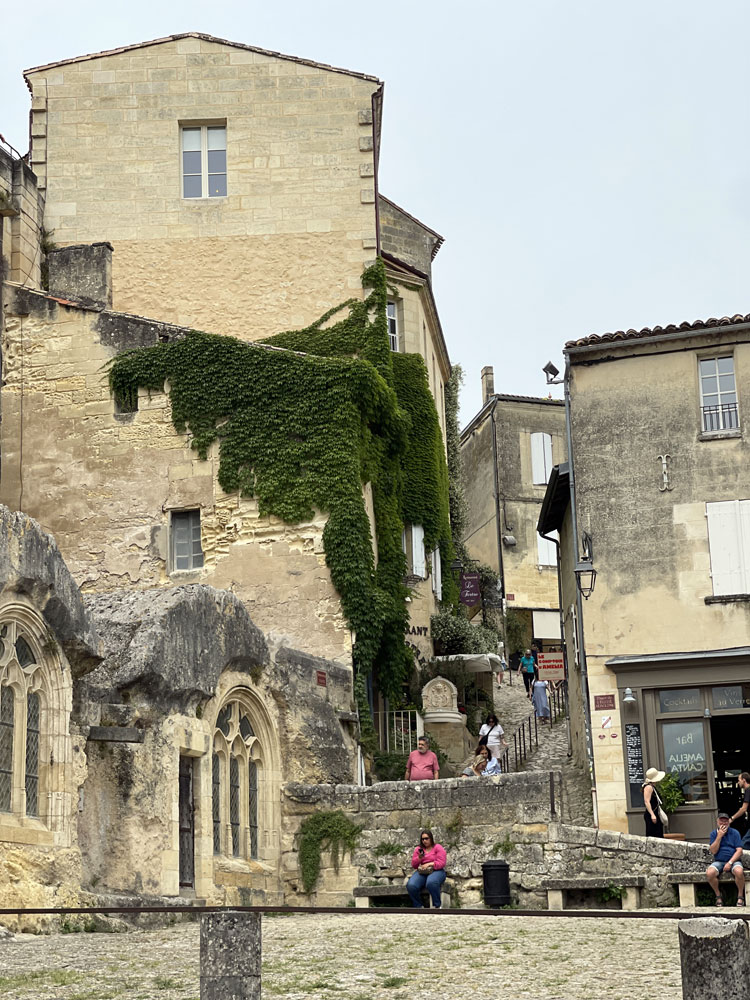
Looking down on the lower
town and the countryside beyond. |
|
|
| |
|
| |
|
| |
|
| |
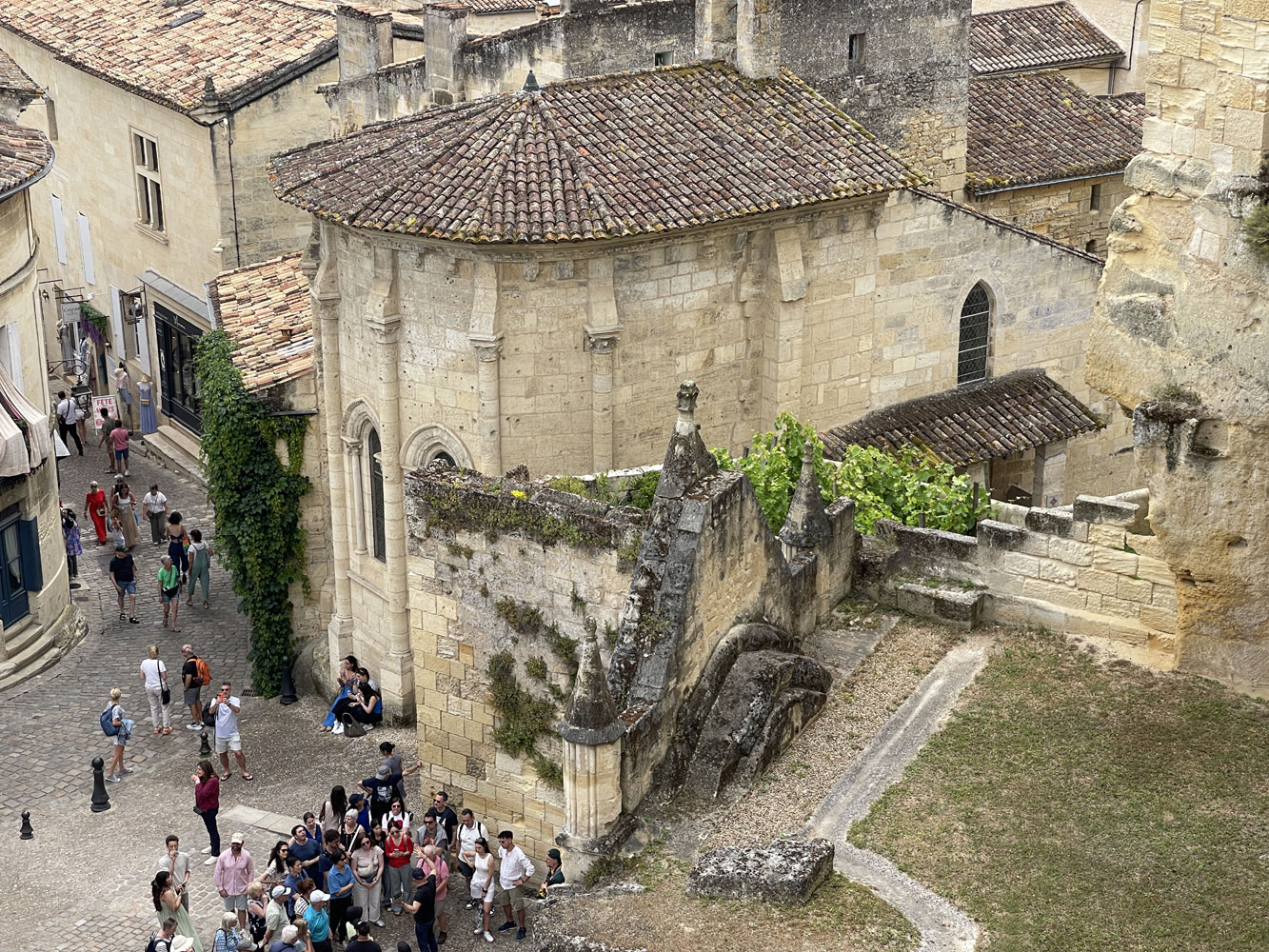
The entrance to the
monolithic church is below. |
|
|
| |
|
| |
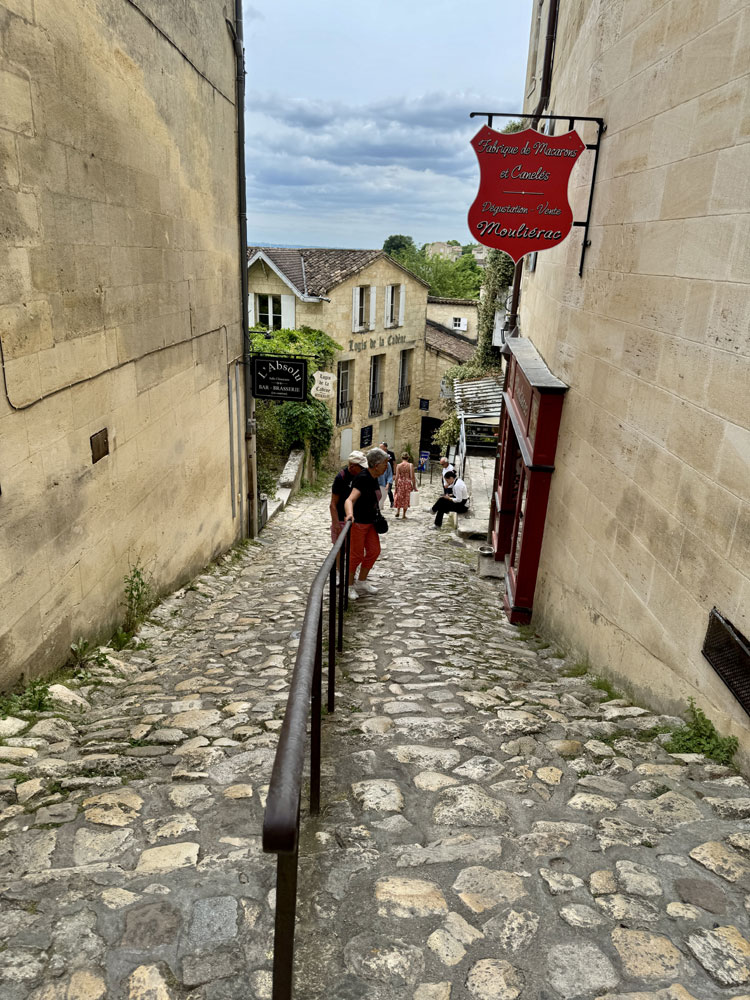
We then walked down to
the lower town. |
|
|
|
| |
Looking back up to the
area we had stood earlier, with the bell tower looming high
up above us. |
|
|
| |
|
|
| |
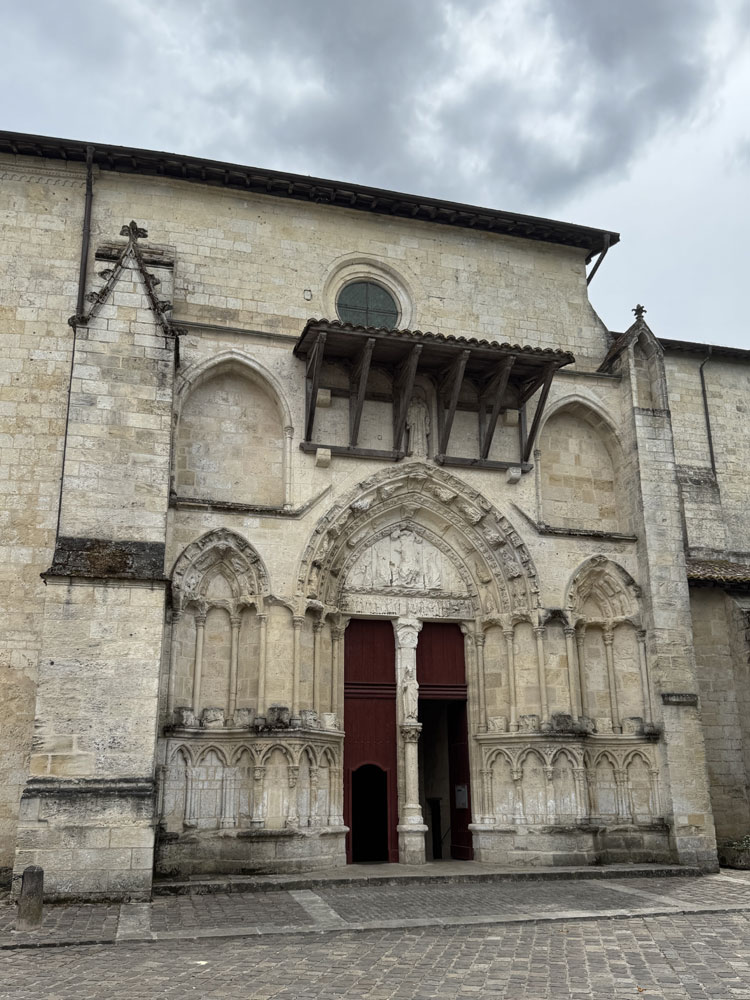
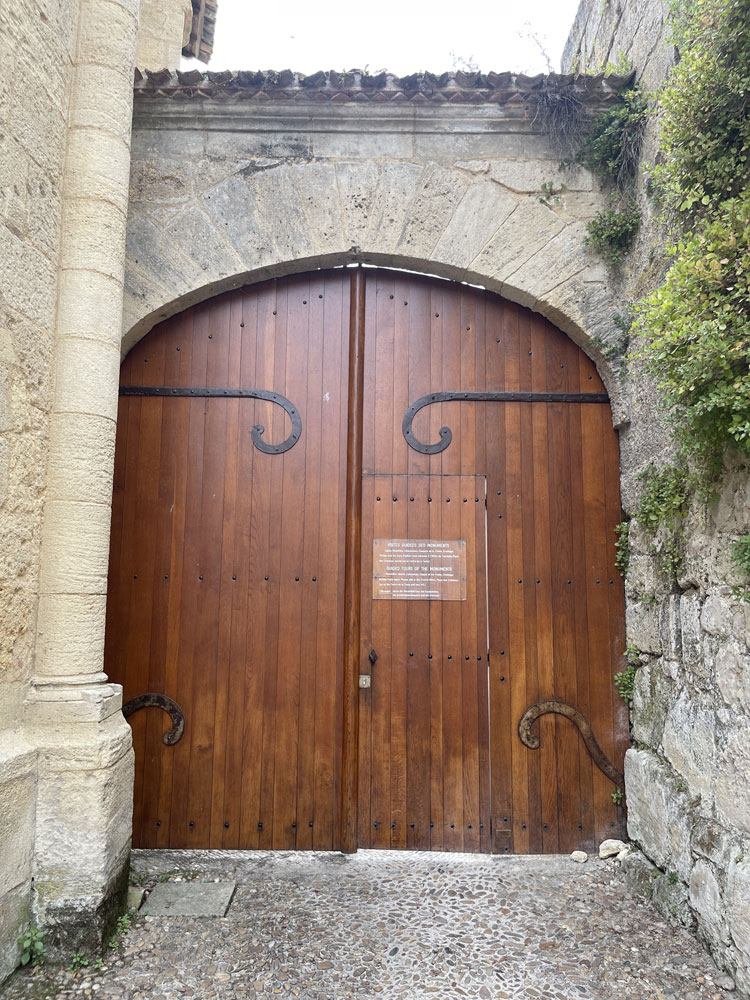
Our entrance to the
church was through this rather unassuming doorway, to the
left of what appeared to be the main entrance. |
|
|
| |
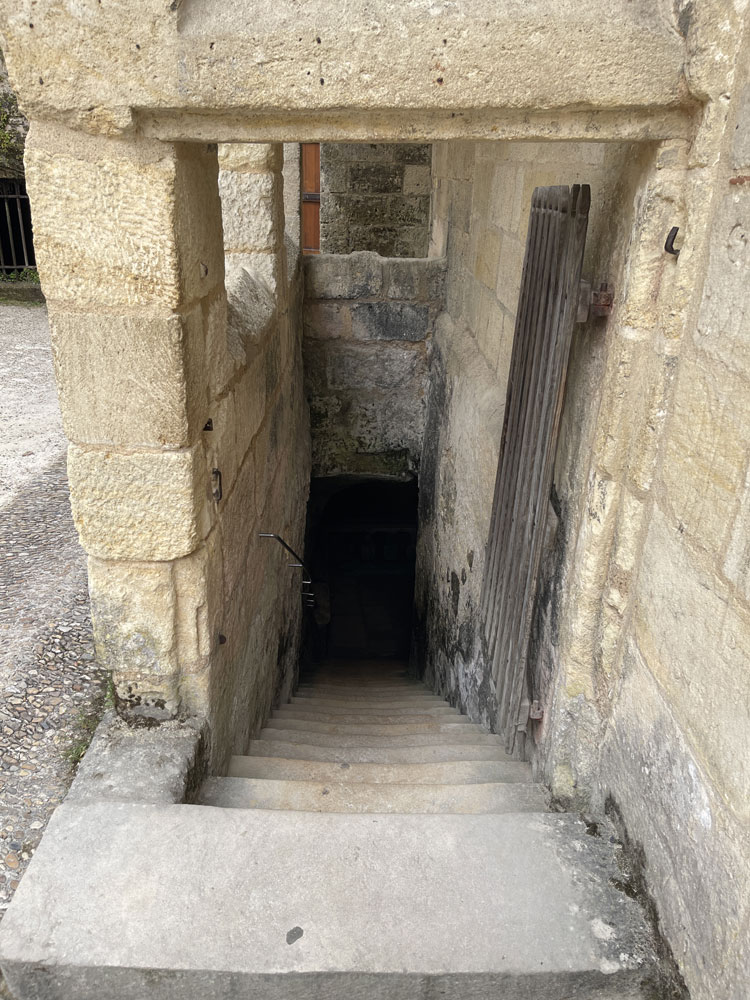
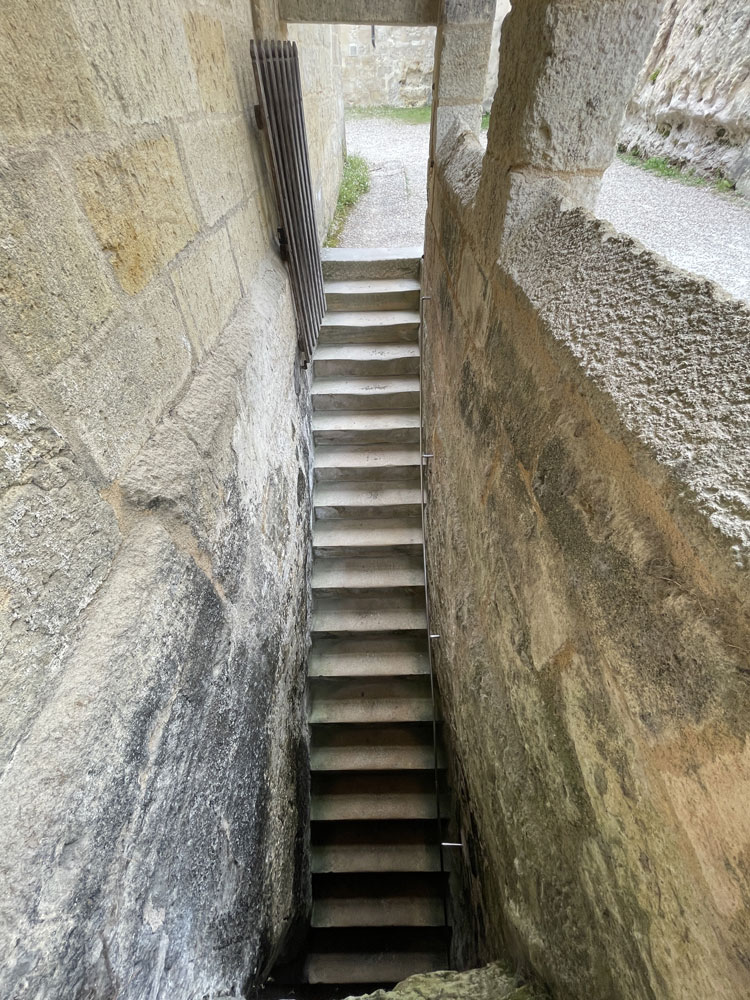
We began
in the Grotto of Saint-Émilion, reached via these
stone stairs.
|
|
|
|
| |
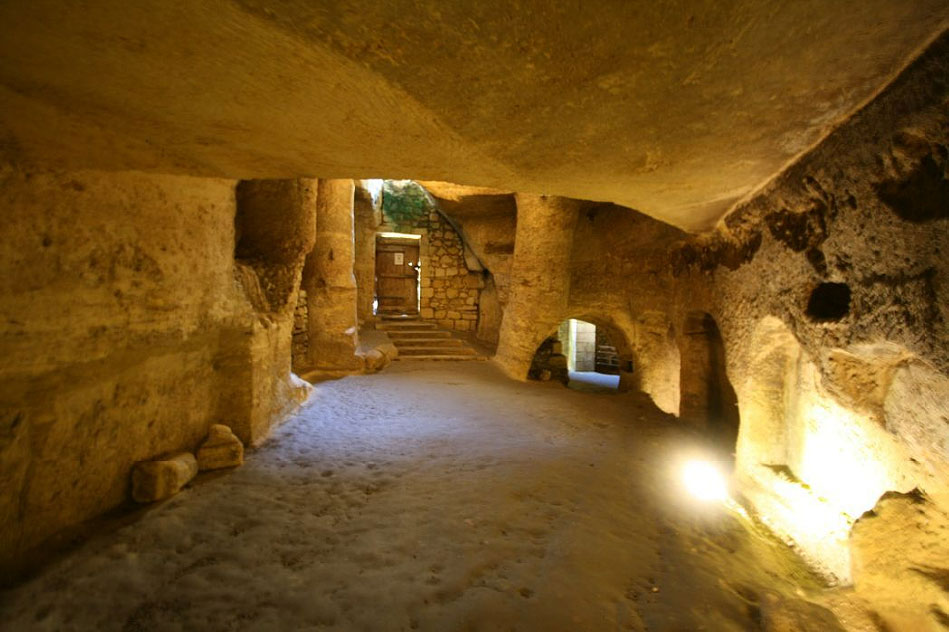
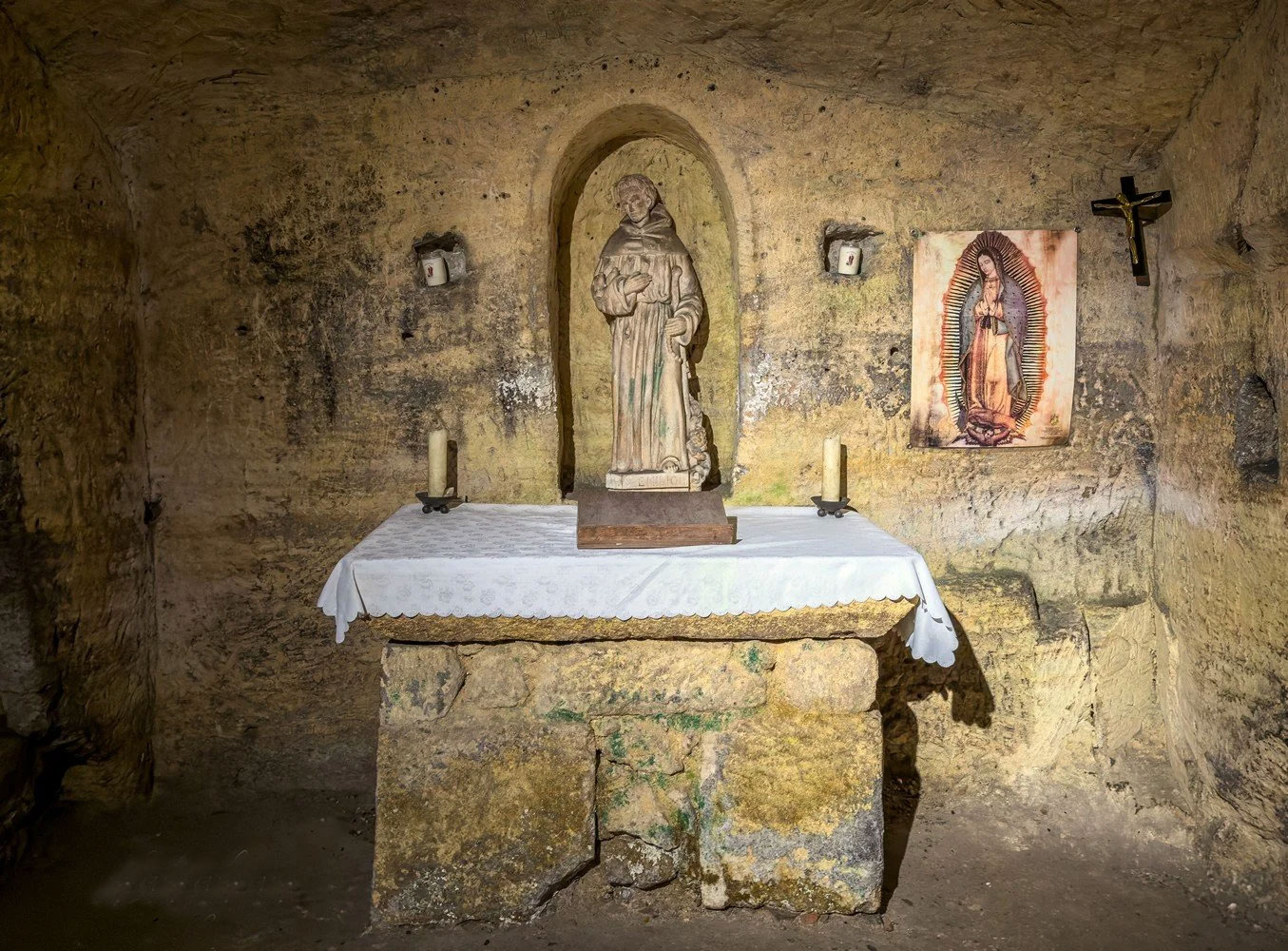
This is a well-preserved
cave containing a spring of very clear water (which Émilion
used to baptize his followers) and an altar with a statue
installed in 1947/8, although it is probably not a statue
of the saint himself. There is also a meditation chair carved
directly into the rock. (No photography was permitted, but
we found some photos elsewhere, to remind us of our visit). |
|
|
| |
|
| |
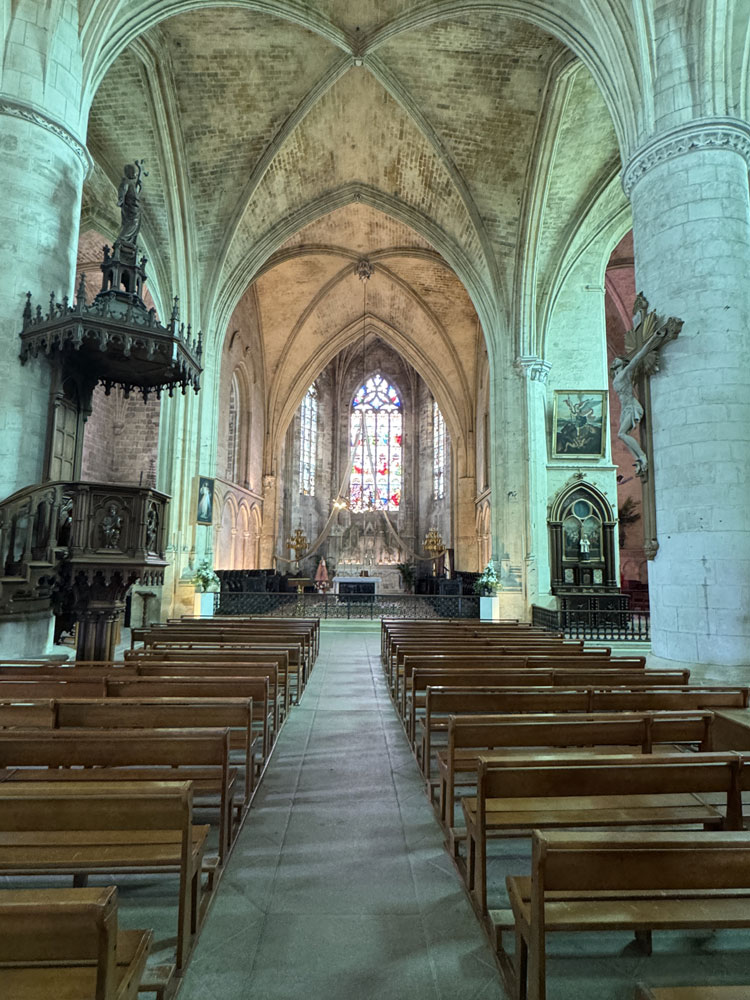
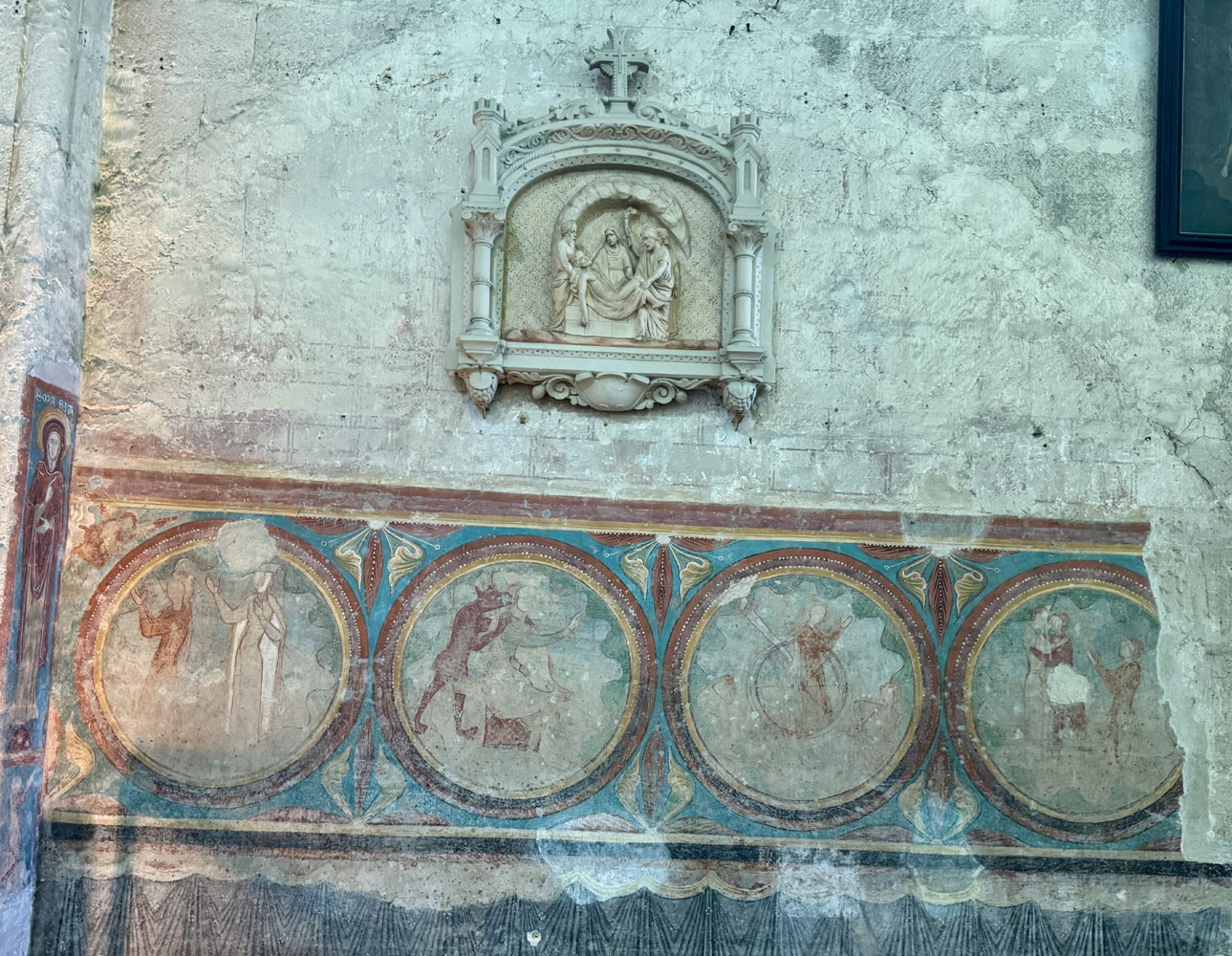
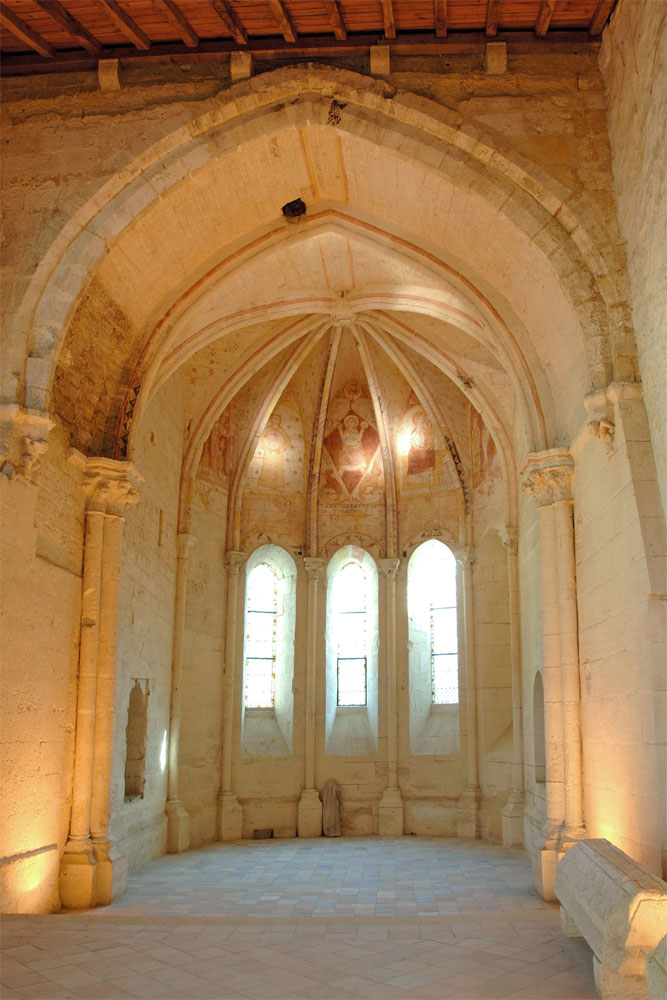
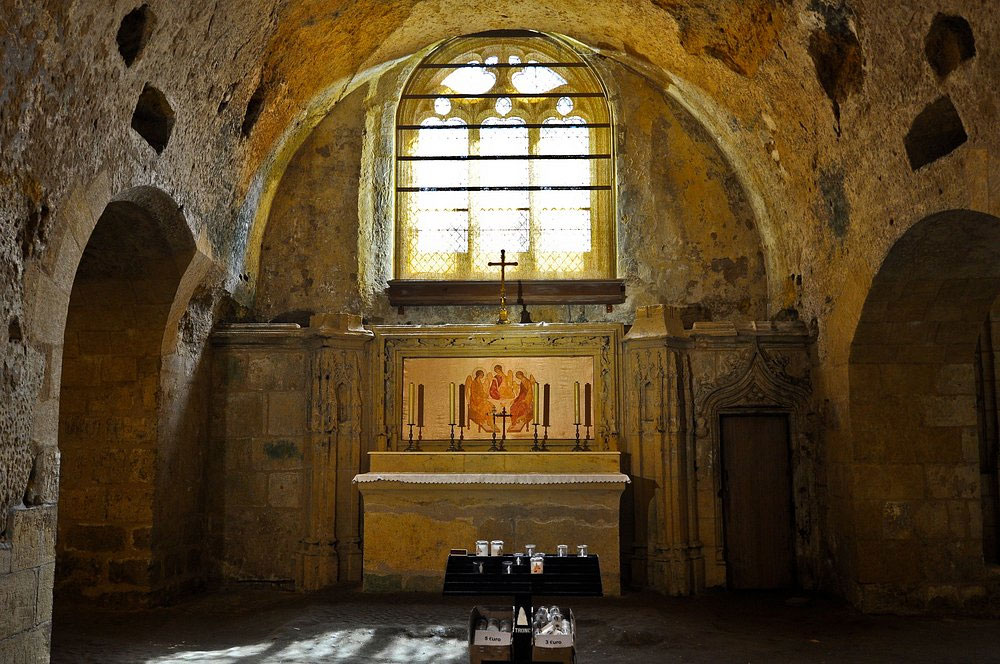
After visiting the grotto,
we proceeded to the Trinity Chapel, housing some beautiful
paintings that have been preserved within the nave. Built
between the 13th and 14th centuries, the structure features
both Romanesque elements—such as thick walls and rounded
forms—and Gothic features, including an eight-ribbed
groin vault. |
|
|
| |
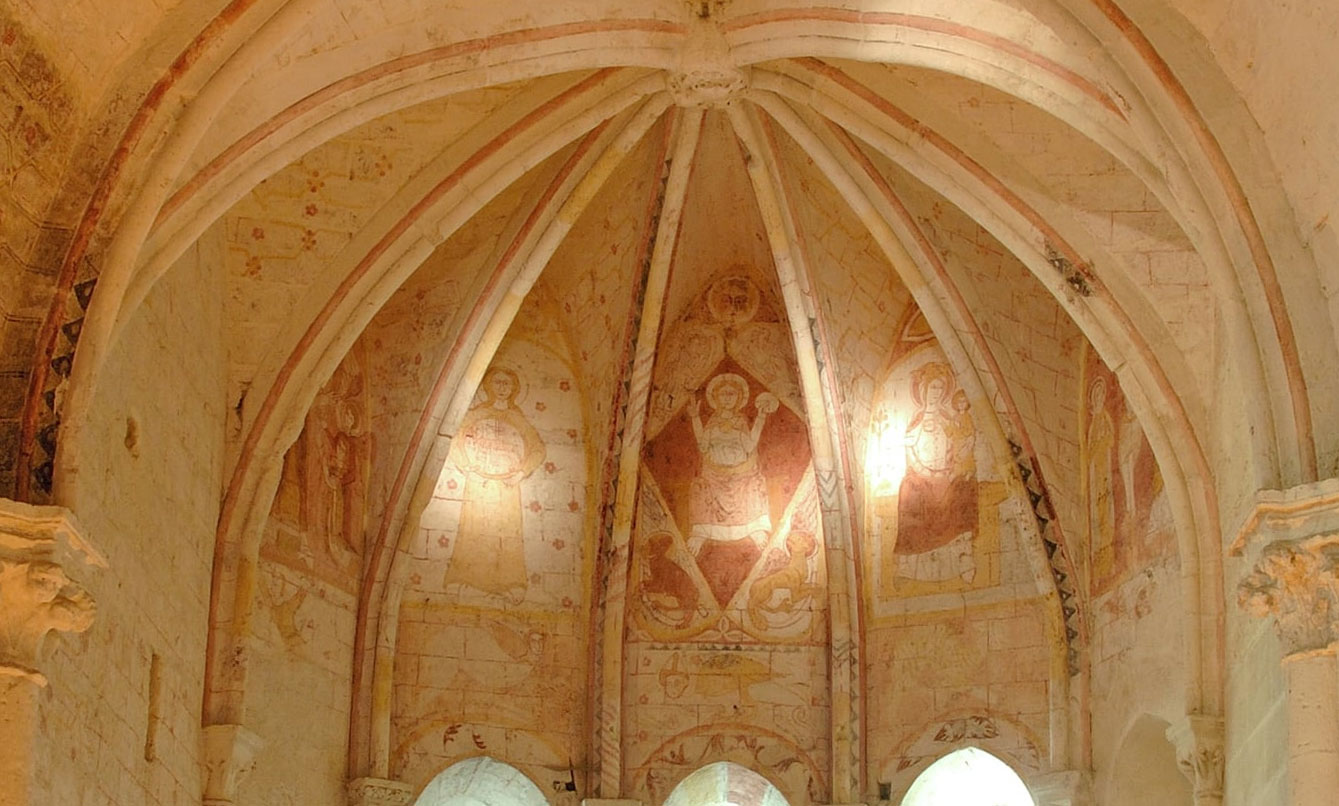
In the centre, Jesus
appears with a cruciform halo, surrounded by the symbols
of the Four Evangelists; to the left are Saint John the
Baptist and the Paschal Lamb, while to the right, the Virgin
Mary is depicted in majesty. Dating back to the 14th century,
these paintings are remarkably well-preserved, because they
were shielded by a layer of soot that accumulated when the
building was later used as a cooperage (a workshop for making
barrels). |
|
|
| |
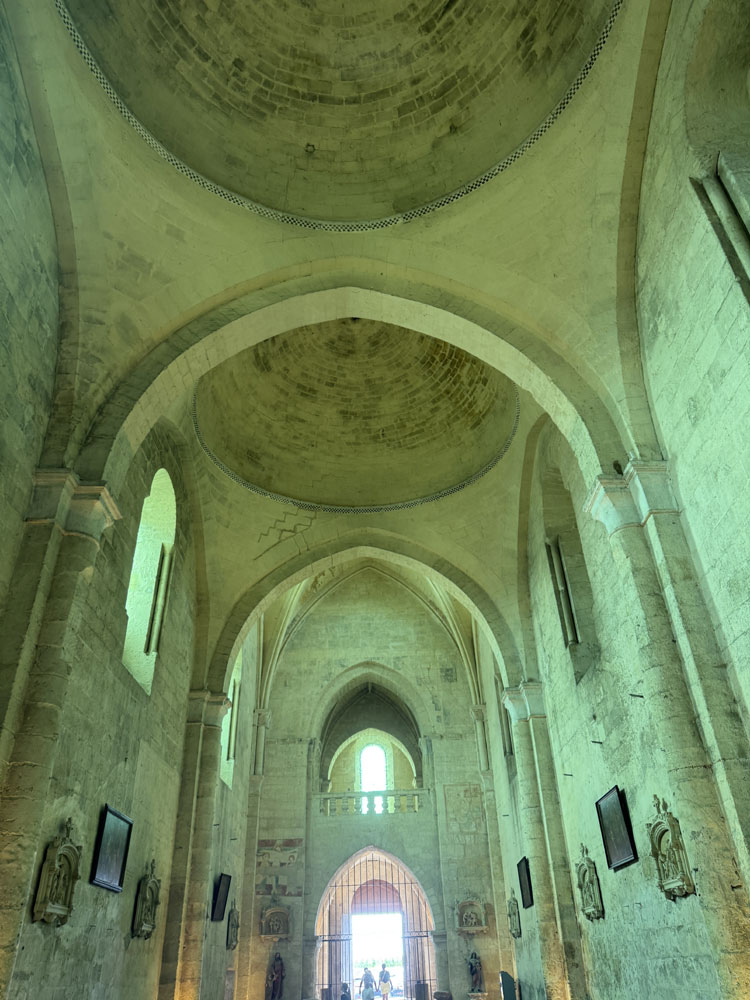
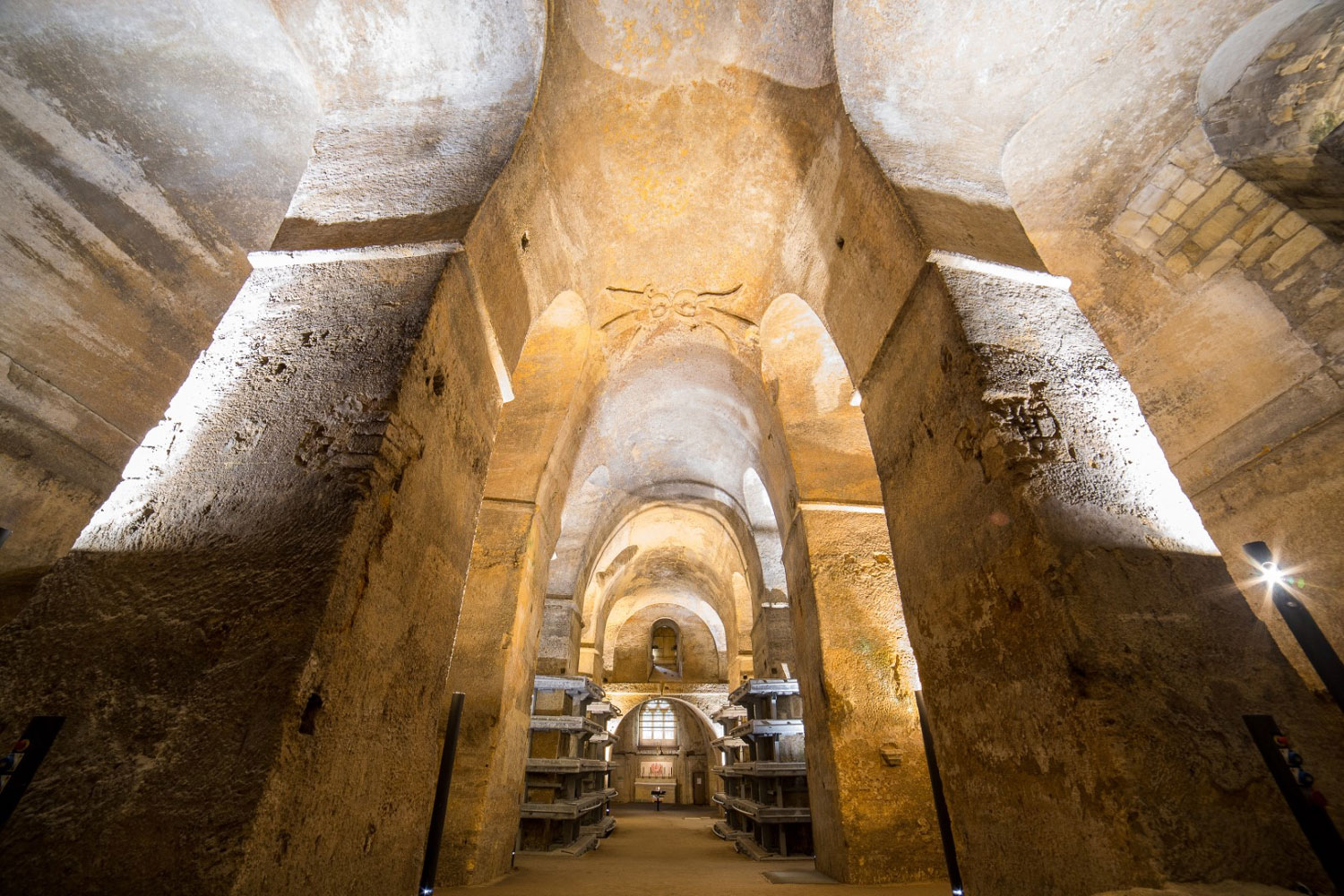
We
went on into the famous monolithic church, which stands
12 metres high and stretches 38 metres long. The structure
is supported by massive limestone pillars, now reinforced
with iron frameworks. A spring runs beneath the church,
and moisture has seeped into the pillars through capillary
action. Unfortunately, this dampness has destroyed nearly
all of the frescoes and only a few faint traces remain.
On the other hand, several sculptures remain, including
depictions of seraphim on the ceiling, as well as a dragon
and a musician. |
|
|
| |
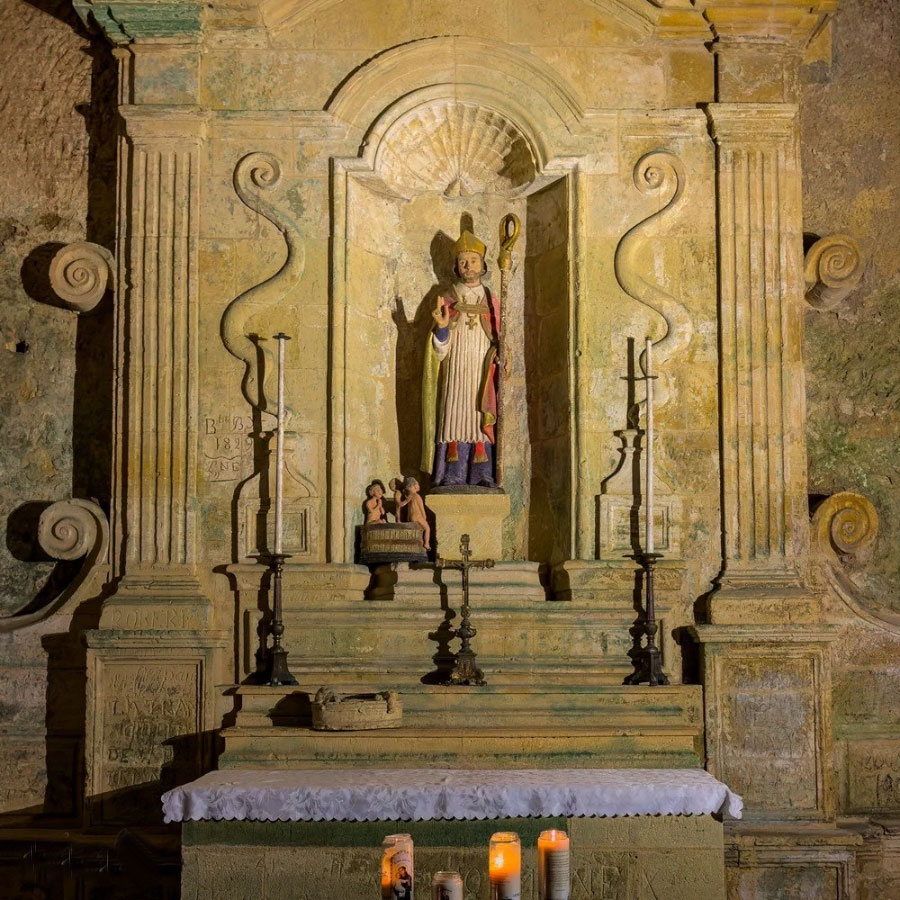
There is also a more
recent altar, likely dating to the 19th century, dedicated
to Saint Nicholas, who is shown accompanied by children. |
|
|
| |
|
| |
We returned to Libourne
and to our ship in the late afternoon. |
|
| |
|
| |
|
| |
|
| |
|
| |
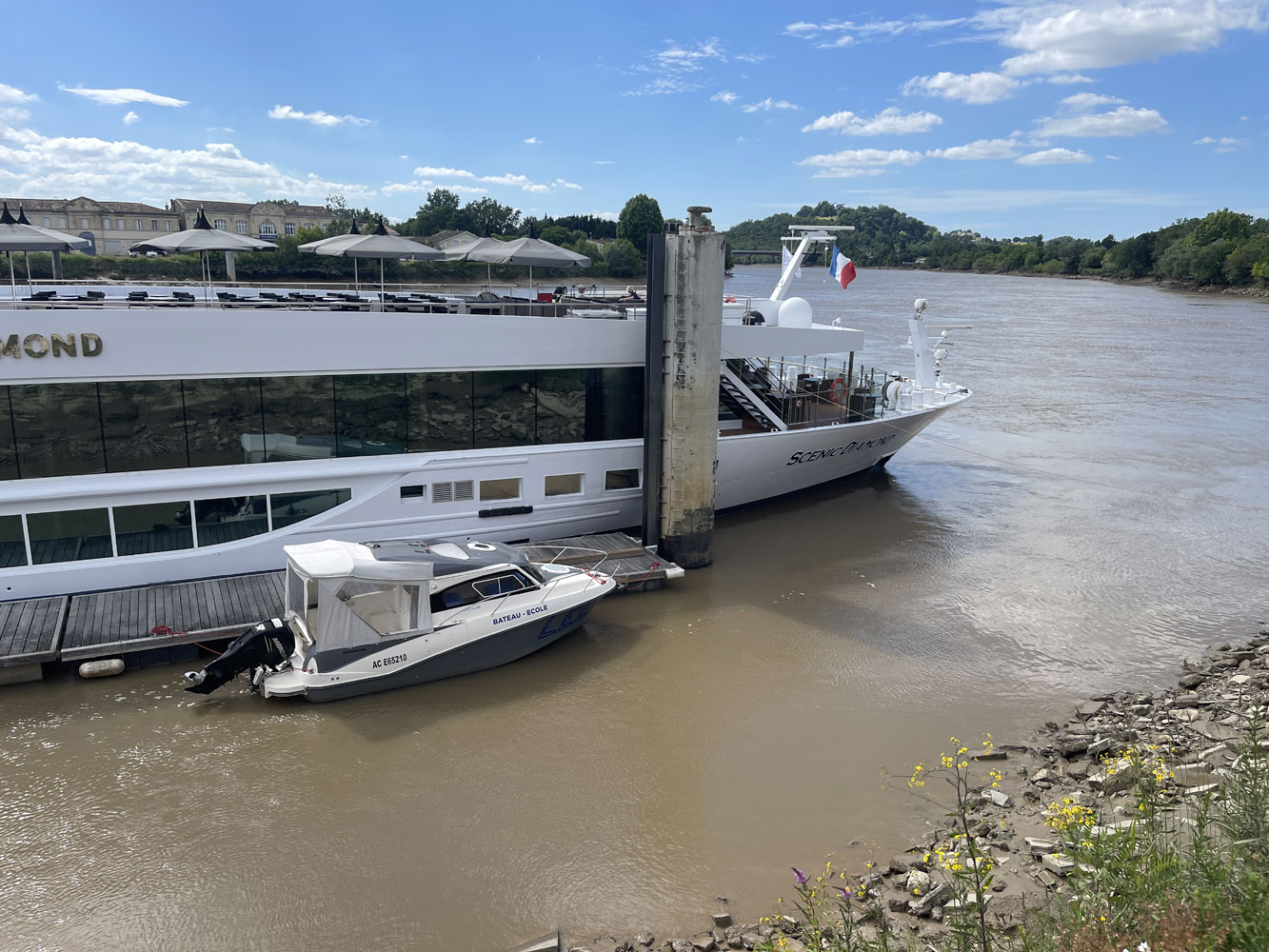
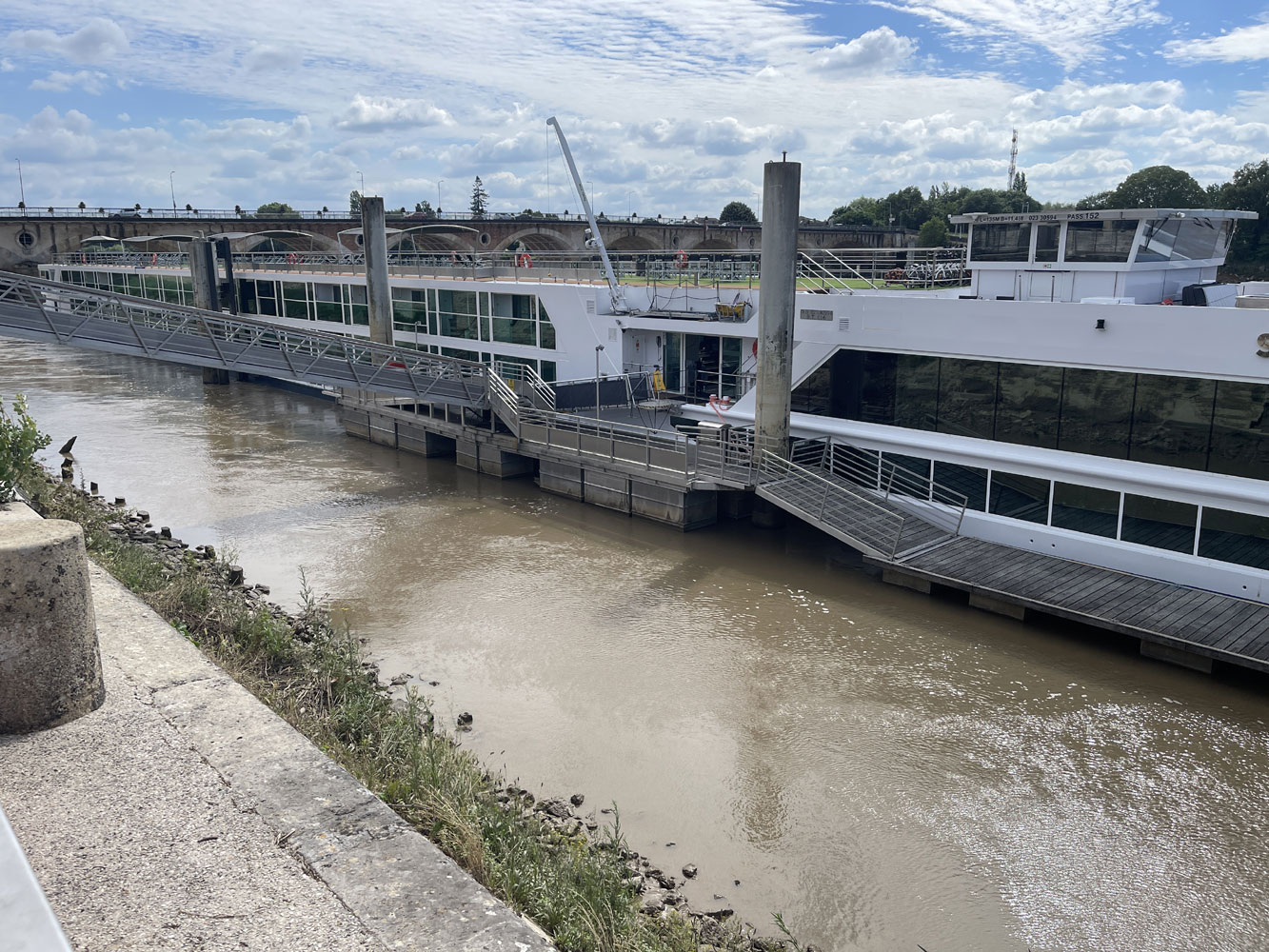
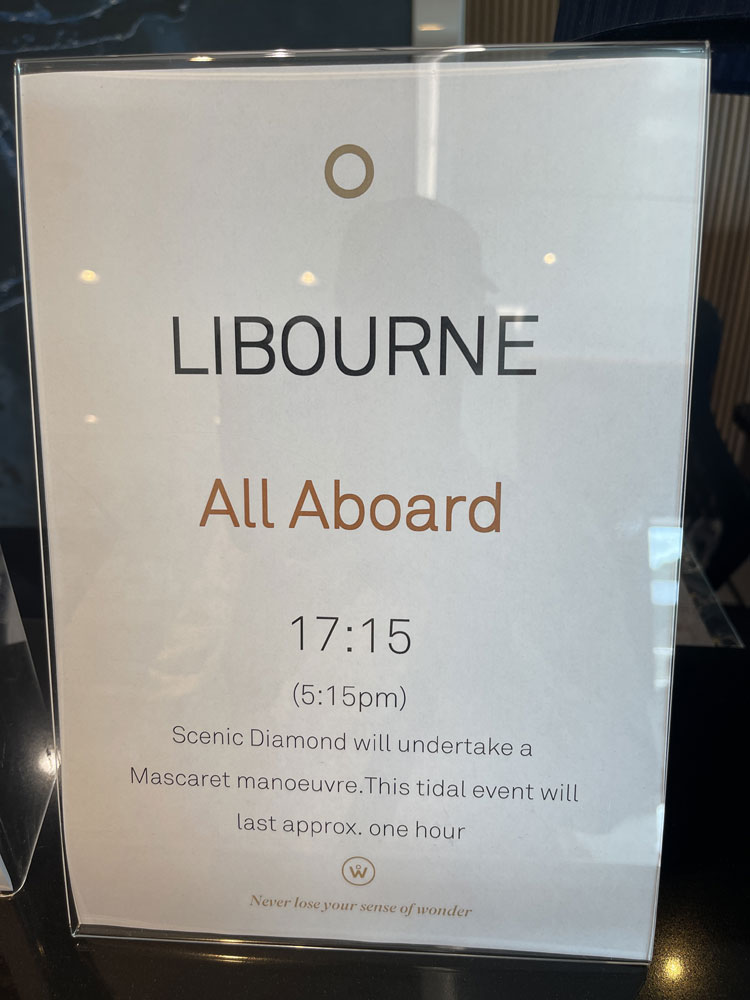
We embarked just before
the "all aboard" time. Although we would be staying
overnight in the port, our ship had to move into the centre
of the river temporarily to avoid possible damage to it
during a mascaret
(tidal bore) and we wanted to be on the ship to witness
the event. |
|
|
| |
|
| |
Once the ship was in
a safe location, we waited for the water surge to appear... |
|
|
| |
...which it duly did,
although it wasn't quite as dramatic as we thought it might
be! |
|
|
| |
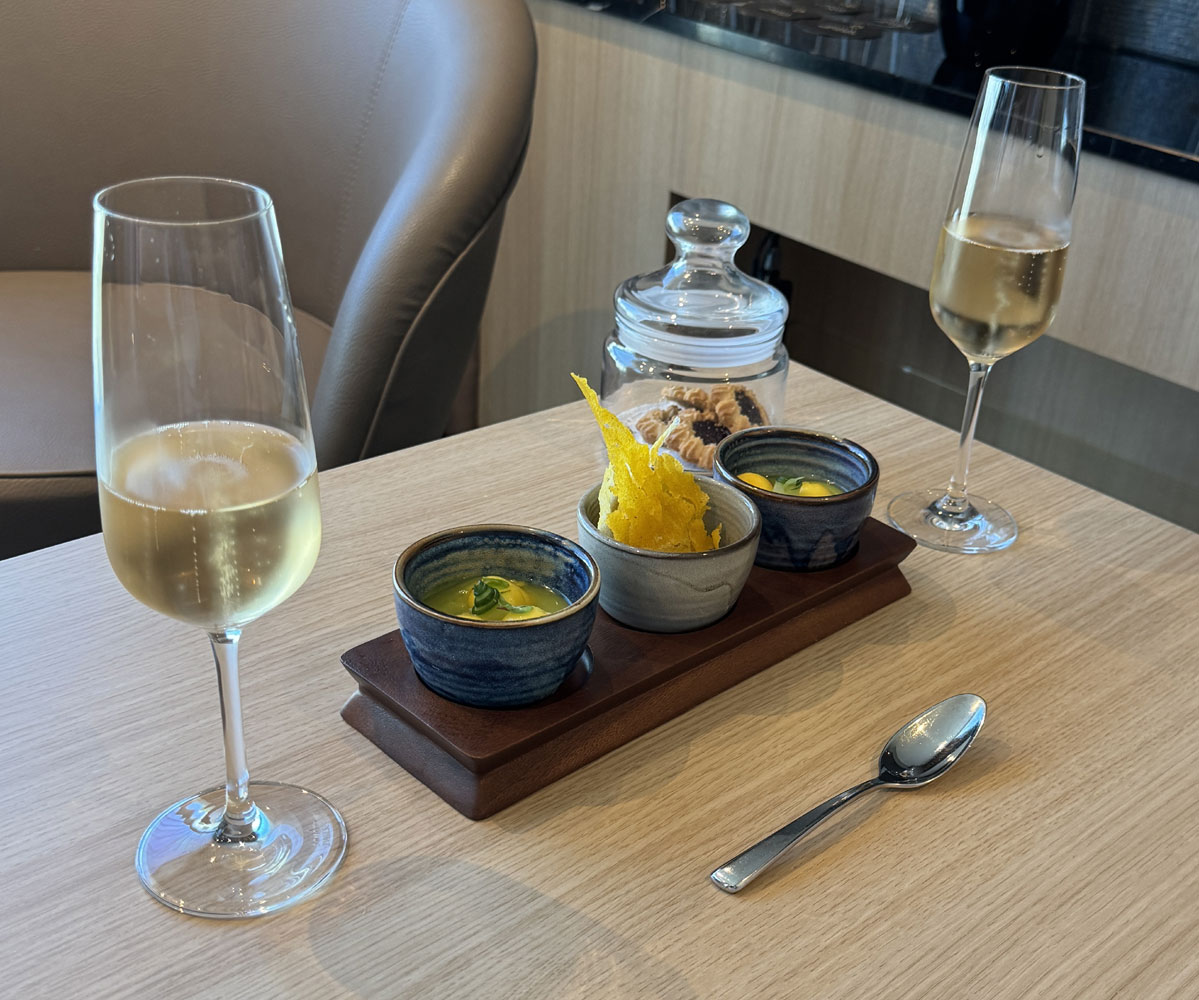
Soon we were docked
once again and enjoying some champagne and nibbles in our
cabin, brought to us by our friendly butler. |
|
|
| |
|
| |
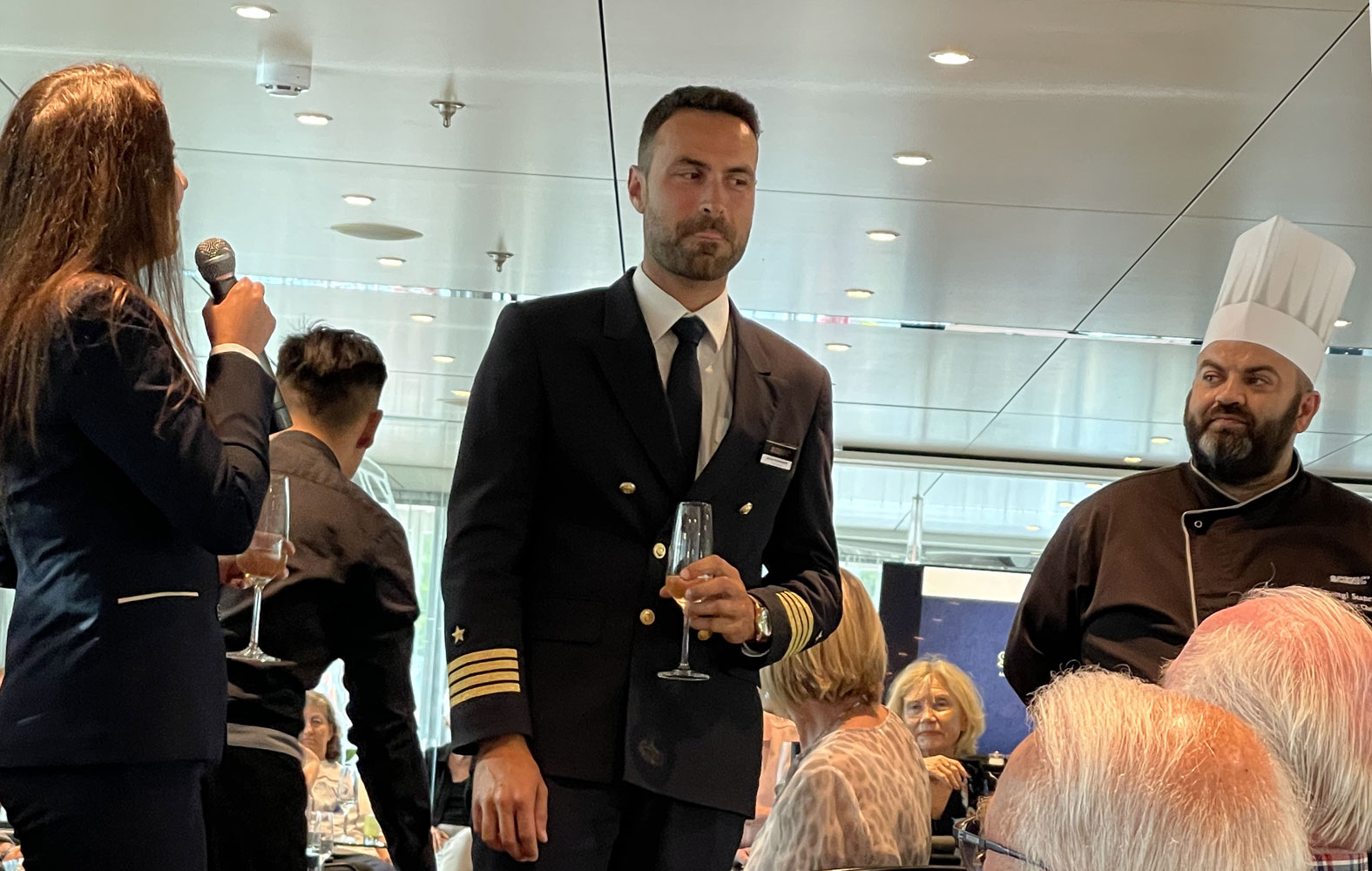
Later, we gathered in
the lounge for the captain's welcome reception, where he
introduced his team. |
|
|
| |
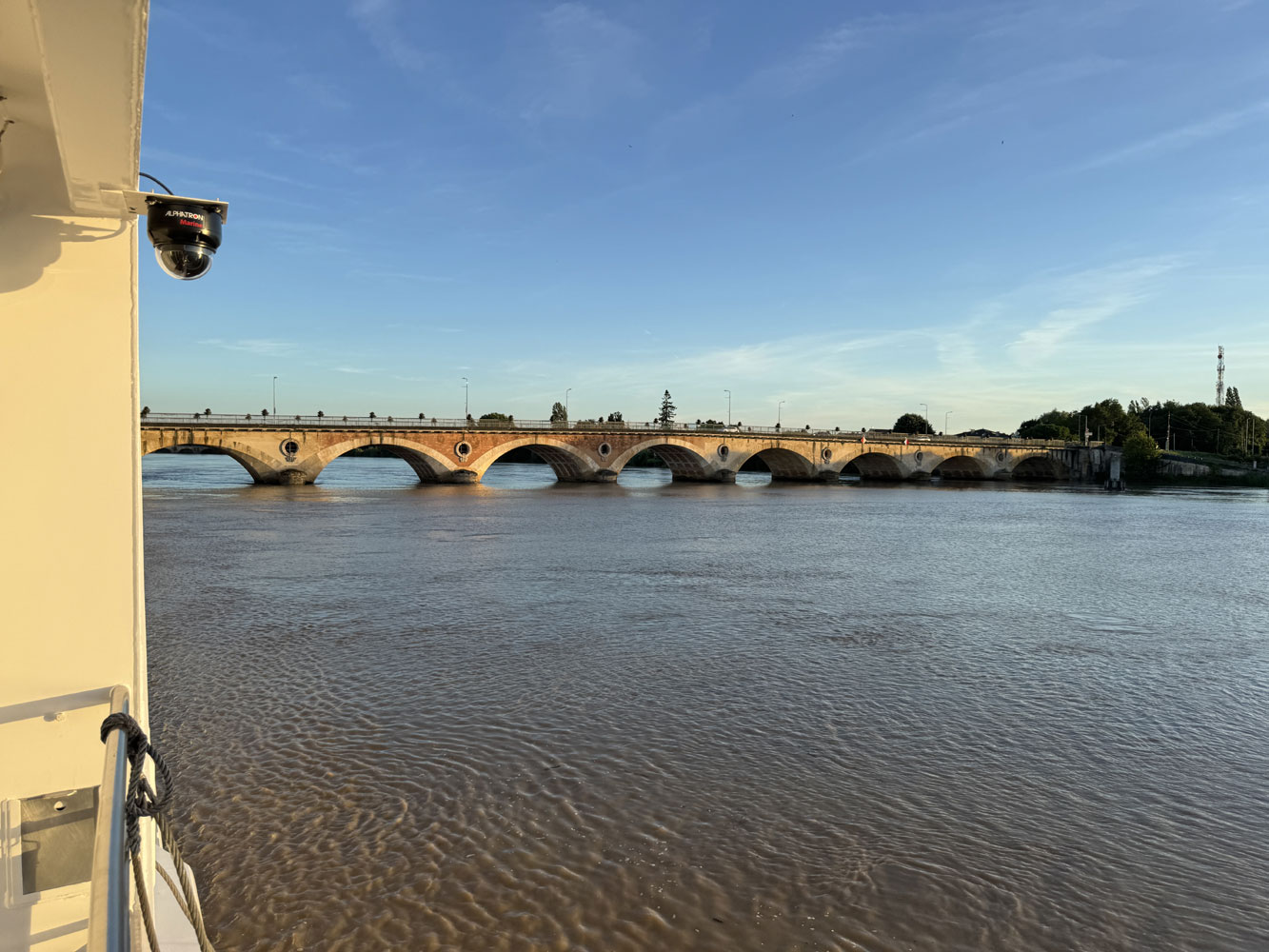
As the sun was setting,
we sat on our balcony and admired the rather attractive
178-metre-long Pont de Pierre. |
|
|
| |

|
|